

Mustafa Khan, ACA
156 posts
Mustafa Khan, ACA
@Mustafa_OK6
Co-founder of Draper | Your AI LinkedIn Content Strategist | Ex KPMG, A&M
UK Katılım Ocak 2014
413 Takip Edilen227 Takipçiler

Mustafa Khan, ACA retweetledi
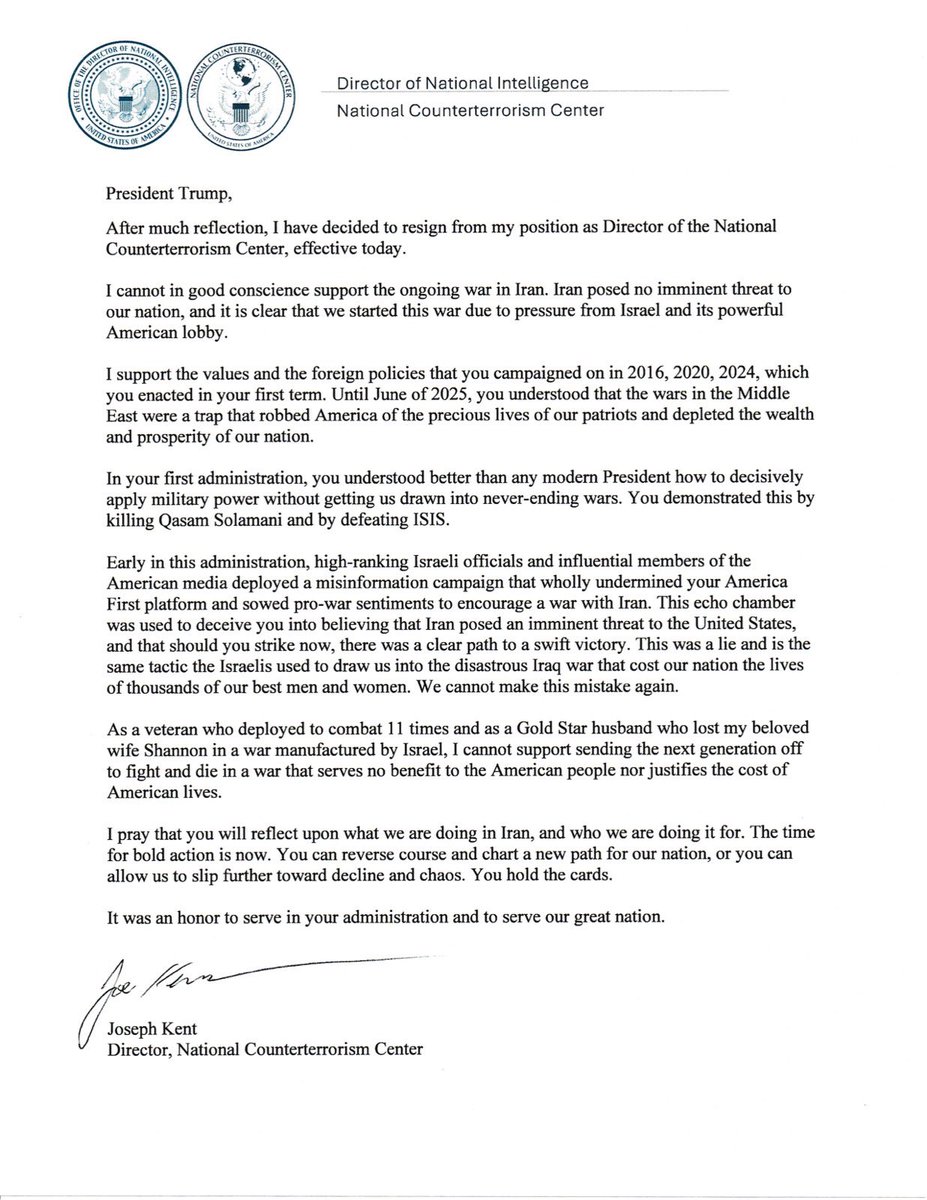
After much reflection, I have decided to resign from my position as Director of the National Counterterrorism Center, effective today.
I cannot in good conscience support the ongoing war in Iran. Iran posed no imminent threat to our nation, and it is clear that we started this war due to pressure from Israel and its powerful American lobby.
It has been an honor serving under @POTUS and @DNIGabbard and leading the professionals at NCTC.
May God bless America.
English
Mustafa Khan, ACA retweetledi

🇮🇱"You've messed up haven't you"
We asked the minister responsible for arms exports to Israel about his undeclared membership of Labour Friends of Israel👇
English
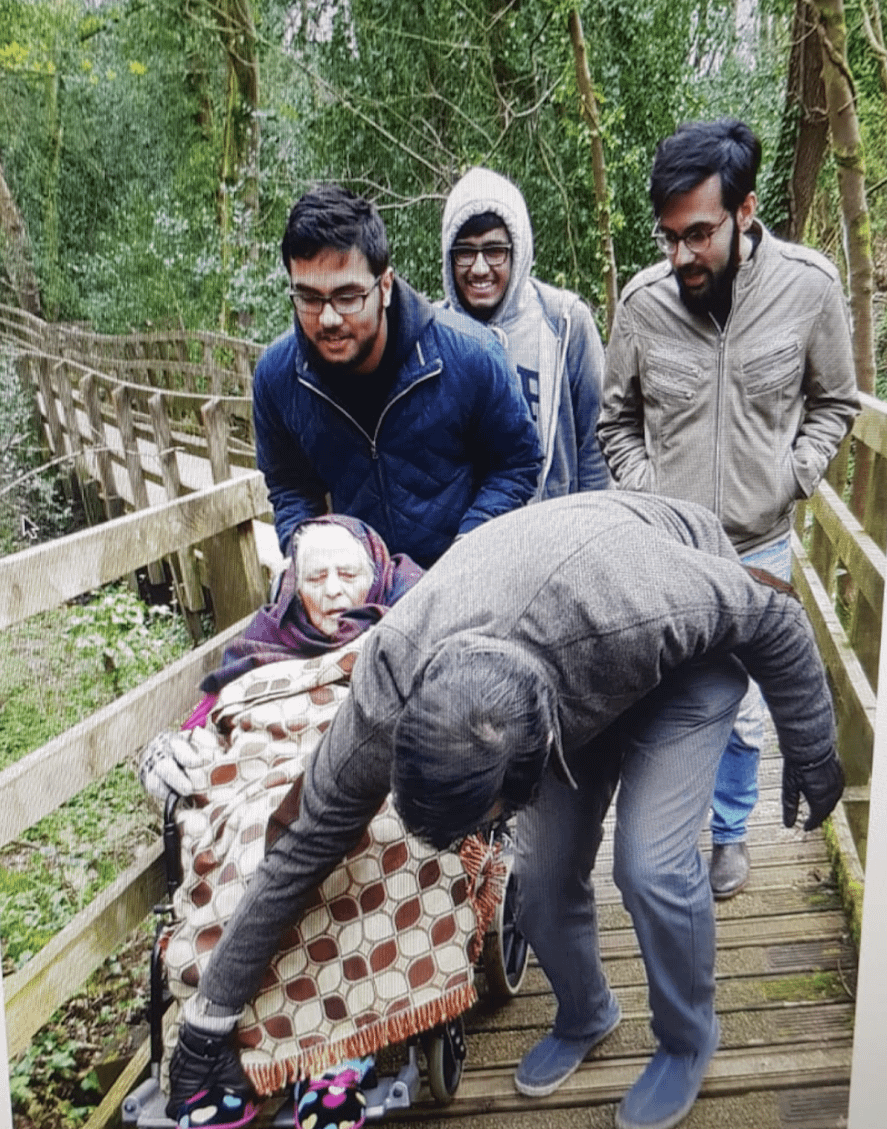
My grandmother recited Surah Yasin on repeat from Delhi to Lahore. She was a young girl on a train in 1947, and people were being pulled off carriages and killed around her.
The Partition of India and Pakistan displaced millions overnight - and that journey was one of the most dangerous things a person could do. Entire families were wiped out on those trains.
Her carriage blockaded itself in with suitcases and whatever they could find to stop anyone getting in. She was terrified. And in the middle of all of it, she did the only thing she knew to do - she recited the chapter of the Quran known for protection, over and over again, non-stop, the entire journey.
When they finally arrived in Lahore, they saw bodies being pulled off the carriages right next to theirs.
The people in her carriage concluded that it was this young girl's recitation of Yasin that saved them.
Train massacres on the Delhi-Lahore route are one of the most well-documented horrors of the 1947 Partition. Mobs on both sides of the border attacked trains based on the passengers' religion. Trains would arrive at Lahore station full of dead bodies - they became known as "ghost trains." The Delhi-Lahore route specifically was one of the deadliest.
My grandmother is no longer with us. But that story lives on in our family.
Because if she didn't survive that train, I wouldn't be here.
We pray that peace prevails in the world today.
But what's often forgotten in the constant wars and conflicts around us are the ordinary people who lose everything. My grandmother was just a girl trying to get home. The families on those trains weren't politicians or generals - they were normal people with no say in the decisions that tore their lives apart. That hasn't changed. It never does.
It may be no coincidence that warmongers chose this blessed month to start a war.
But Ramadan has always been a month where prayers are answered. And in that spirit, we pray for peace - for every ordinary person right now living through what my grandmother lived through almost 80 years ago.
May God accept from all of us this month.
English
Mustafa Khan, ACA retweetledi

A plumber just overturned a 13,413-vote Labour majority in one of their safest seats since World War II.
Two days earlier, men carried an axe into a mosque in her constituency during Ramadan prayers.
Both these shocking events are connected - here's how: 🧵


English
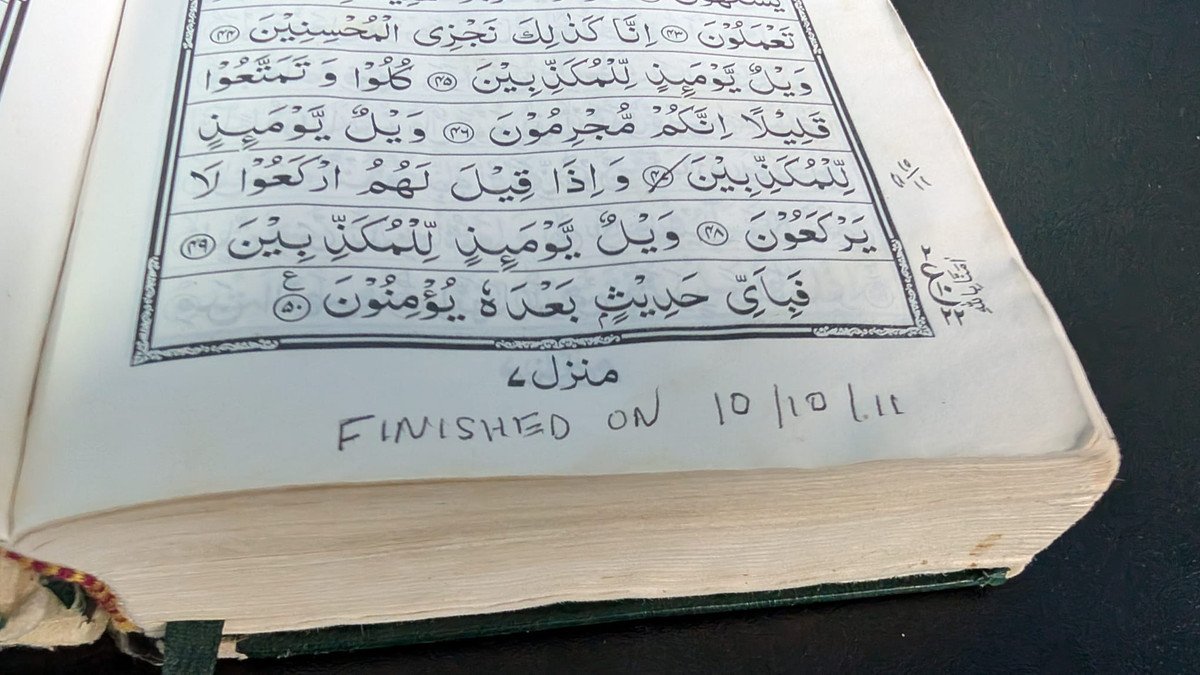
I was blessed to complete my memorisation of the Quran at the age of 13. The date was 10/10/11 - five days before my birthday. But this post isn't about self-congratulation.
It's to show any busy professional reading this that you can get started this Ramadan - and to share the exact system I followed 🤲
If I'm being honest, one of the things that motivated me as a kid was wanting to finish before my older brother, who completed his at 14. I was competitive. I wanted the praise, and I definitely wanted the presents my dad promised me for every 10 juz I completed 😅
You could argue that those aren't the purest reasons to memorise the Quran. And you'd be right.
But my dad was spending close to £200 a month for a Quran teacher to come to our house privately. In the early 2000s, that was serious money. He saw it as a charity, not a burden. And I think God put a lot of blessing in that - because all four of his sons went on to complete their memorisation.
He incentivised us, rewarded us at every milestone, and taught us the deeper meaning behind what we were doing. That combination - incentives plus understanding - is what works with children. We shouldn't feel guilty about rewarding our kids for Islamic studies the same way we reward them for good grades.
Since then, I've encouraged people close to me to start their own journey. And the thing I always tell them is: it's not as difficult as you think. The barrier isn't ability. It's just starting.
If you've ever thought about it, these steps genuinely work - even with a full-time job:
1️⃣ Get a teacher. Non-negotiable. You need someone to recite to and hold you accountable.
2️⃣ Fix a consistent weekly slot. Once a week is infinitely better than zero. Book it in like you would a gym session.
3️⃣ Set realistic goals. One side a week from the 13-line Quran is roughly four sides a month. That's 1 juz in about 6-7 months. Not glamorous - but consistent and doable around a busy schedule.
4️⃣ Use a system that builds retention. Memorise a new section, then revise it the next day before starting the next one. Once you pass half a juz, your recitation should cover three things:
- Your new section
- Recent sections from the last few lessons
- Older material to keep it strong
5️⃣ Show up. That weekly session forces preparation - partly because you're paying them, partly because nobody wants to turn up unprepared. That gentle pressure is the engine.
🎁 Bonus: find a group. The best progress I've seen comes from people memorising together and motivating each other.
Every hafidh will tell you the same thing - the hard part isn't memorisation. It's retention. That's why the system matters more than the speed.
But the most important step is the first one.
God willing, the rest will follow 🤲
English
Mustafa Khan, ACA retweetledi

If this was a zakah embezzling scheme and if there was no sincerity, then they would’ve double downed, made minor changes and kept it as a zakah fund
Instead they listened, accepted their mistake and made the changes that the community asked them to make
Ibrahim Khan@Ibrahimifg
The IFG Zakat Impact Fund is now the IFG Community Impact Fund. This is now primarily a fund for sadaqah. Here's what happened, what we heard, and what we're doing about it. 🧵
English
Mustafa Khan, ACA retweetledi

The IFG Zakat Impact Fund is now the IFG Community Impact Fund.
This is now primarily a fund for sadaqah.
Here's what happened, what we heard, and what we're doing about it. 🧵
English
@isamutlib left with a midlands ish accent lol, northern twang comes out for certain words only
English

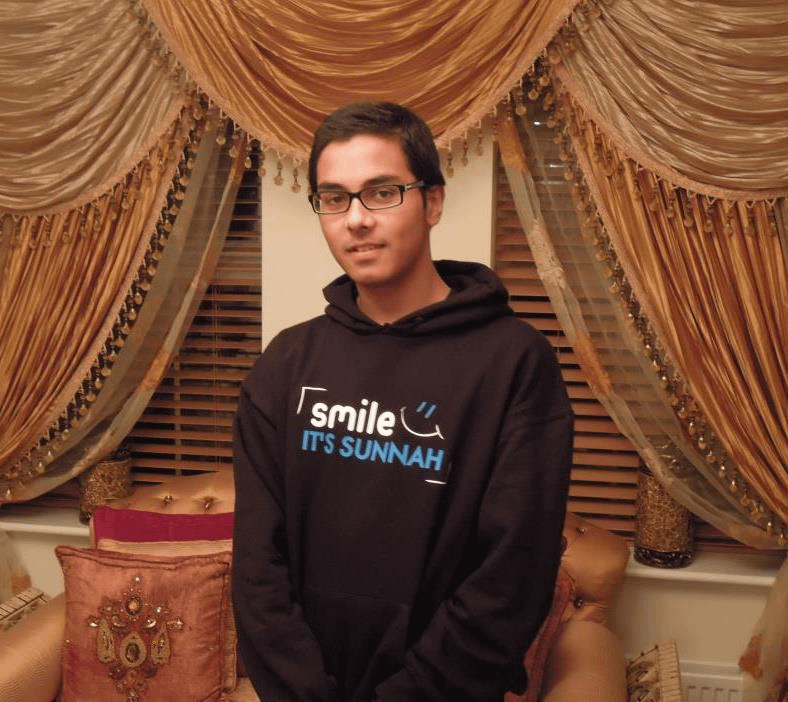
By the time I was 13, I'd had three different accents. A northern one, an American one, and a Midlands one.
Each one came from a different life.
Many great stories start in Bradford, and mine is no different. I was born there, moved to Glasgow before I could remember it, and then landed in a little town called Thornaby in the Northeast of England. Working class, predominantly white, one of very few Asian families around. Being called a p*ki was just part of your school week. Got into a bunch of fights as a result of that.
That was my world for most of primary school.
Then halfway through Year 6, my dad got a job in Saudi Arabia and we moved to the Eastern Province. I went from a rough estate in the Northeast to a British International School where every student inexplicably spoke with an American accent.
Within six months, I sounded American too. You adapt or you stick out - and I'd already learned that sticking out comes at a cost.
My grandfather fell ill, so I came back to England. He passed away shortly after. Then back to Saudi Arabia for year 7 (my American accent became stronger). Then a boarding school in Blackburn after that. Then Leicester in 2010, where I finally stayed put long enough to do my GCSEs and A Levels, before heading off to London for uni.
I think about this a lot now.
Every time I moved, I was the new kid who didn't quite fit. The accent was wrong, the references were wrong, and the way I carried myself was slightly off from everyone else. In the Northeast, I was too Asian. In Saudi I was too northern and too British. In Leicester, I was the kid who spoke slightly funny and had been to too many schools.
You'd think that would make someone insecure. And for a while, maybe it did.
But what it actually gave me - and I only see this clearly now - is the ability to read people quickly. When you've spent your childhood walking into rooms where you don't belong, you develop a kind of radar. You notice when someone's uncomfortable before they say anything. You pick up on what people actually mean versus what they're telling you. You can spot another outsider from across the room, because you recognise the look.
That skill has followed me into every room I've walked into since - boardrooms, sales calls, new cities, new communities. The ability to sit with someone completely different from me and actually understand them, not perform understanding, but feel it - that came from never quite fitting in anywhere.
I used to think my childhood was chaotic. A bit all over the place. No real roots.
Now I think it was the best education I ever received.
If you've ever felt like you don't quite belong - in your workplace, your industry, your community - I'd gently push back on the idea that it's a weakness.
It might be the thing that sets you apart from everyone who's never had to think about it.
English
Mustafa Khan, ACA retweetledi
I'm giving 100% of my Zakat to one charity this Ramadan.
The Zakat Impact Fund.
And I think every Muslim who cares about the long-term future of our community should seriously consider doing the same:
Let me explain why.
Muslims in the UK donated over £2bn to charity last year. That's an extraordinary amount. But if you asked the average donor what measurable, structural change that money produced, most would struggle to answer.
I think that's a problem.
Last year, the Zakat Impact Fund deployed just £594,000. A fraction of a fraction. And with that, we:
- Built the civic engagement needed to elect 5 independent MPs*
- Legal victories for 400+ Islamophobia victims through the Islamophobia Response Unit
- Economic empowerment programmes that lifted vulnerable Muslims towards self-sufficiency
- Research that is now actively informing government policy through Equi
Traditional charity gives a fish. We're buying the fishing rod, building the boat factory, and changing the fishing regulations.
When you donate £1,000 to most charities, you might feed 100 people for a week.
When you donate £1,000 to the Zakat Impact Fund, you're investing in civic infrastructure, strategic litigation, journalism, upskilling programmes, and grant applications that unlock far larger pots of funding.
The fund is Zakat-eligible (approved by Sheikh Akram Nadwi) and Gift Aid eligible, for all UK taxpayers.
The split is roughly 25% towards economic empowerment and poverty relief - training, upskilling, business support - and 75% towards high-impact strategic initiatives with leveraged returns.
We partner with National Zakat Foundation, Funders In Good, The Muslim Vote, Equi and many others doing genuinely groundbreaking work.
I think there are two types of Zakat you can give. The kind that makes you feel good for a night. And the kind that your grandchildren will thank you for.
This fund is the latter.
Your children, born and bred in the west, will benefit from the infrastructure this builds. Make dua for us and please do share this far and wide.
Link to donate below.
N.B. This is our charitable project - we take no fees from this, and we donate away all gift aid.
*Donations were made to build political infrastructure and educate Muslims on civic engagement, not directly to political campaigns. Money came from the non-charitable donations made by donors.
English
Feel like I’ve announced the biggest moments of my life on Twitter over the last 10 yrs 😂
When we closed our round, it felt insane to be backed by a VC that’s funded unicorns like Monzo
Then you realise closing your round is only the start, the grind is continuous and glorious
Ibrahim@ibnKhalid_
The past few months have been intense building aloft.so and I’ve loved every second of it Excited to announce that we’ve raised $1M led by @passioncapital to change the lives of billions of renters and the teams that serve them If you work in property, let’s talk
English
Mustafa Khan, ACA retweetledi
The past few months have been intense building aloft.so and I’ve loved every second of it
Excited to announce that we’ve raised $1M led by @passioncapital to change the lives of billions of renters and the teams that serve them
If you work in property, let’s talk
English
I think the biggest shift in how we work over the next 5-10 years won't be remote vs. office. It'll be employed vs. independent.
And it's already happening faster than most people realise.
When I was working in professional services, the assumption was simple - you work full-time for one employer, climb the ladder, and maybe one day you'll have enough saved to do your own thing. That was the model. Everyone followed it because there wasn't really an alternative.
But AI has quietly changed the maths.
What used to take a team of five now takes one person with the right tools. Content that required a writer, an editor, a designer and a strategist can now be produced by someone with judgment, taste and a laptop. The overhead of starting something has collapsed. The barriers are gone.
I'm not saying this as some futurist making predictions from a stage. I'm saying it as someone who left a comfortable corporate career and built a business that would have been impossible even three years ago.
More and more people I know are doing the same thing. Not quitting dramatically and going all in. Something quieter. Working part-time. Building on the side. Testing ideas in the evenings. Slowly reaching the point where their side income matches their salary - and then making the switch.
That's the pattern I think will define the next decade.
Not everyone becoming an entrepreneur overnight. But millions of people gradually realising that they don't need permission from an employer to earn a living. That the skills they use from 9 to 5 are worth just as much - sometimes more - when applied independently.
The companies that understand this will adapt. Flexible arrangements, part-time roles, project-based work. The ones that don't will watch their best people leave - not for competitors, but for themselves.
The future of work isn't won't just about where you sit. It's about who you work for.
And increasingly, the answer is going to be yourself.
English
I read David Copperfield by Charles Dickens when I was 15.
It could be the most accurate prediction of AI's impact on ordinary people I've ever read:
170 years before AI, Dickens was already showing us what happens to ordinary people when transformative technology concentrates wealth at the top with no guardrails.
One scene has never left me. Young David, about 10 years old, is sent to work at Murdstone and Grinby's warehouse on the Thames. Washing and labelling wine bottles in a building overrun with rats. Everyone around him treated it as completely normal. A child, washing bottles, while the adults carried on as if nothing was wrong.
I didn't have the vocabulary for it at 15, but what Dickens was showing me was something I'd later study as an undergraduate at the London School of Economics - what happens when a society generates enormous wealth but doesn't distribute it.
Most people forget something important about Dickens.
When he was writing about children up chimneys and families starving in workhouses, England wasn't some struggling backwater. It was the richest country on the planet, sitting at the centre of the Industrial Revolution - the single greatest leap in economic productivity in human history. Wealth was being created at a pace the world had never seen.
And yet the poverty was devastating. The inequality was insane.
That's the lesson Dickens forces you to sit with. A country can be phenomenally rich and still leave ordinary people behind. Wealth creation alone means nothing if it's captured by a small class at the top.
But it doesn't have to go that way. After the Second World War, Britain was broken - government debt was more than double what it is now. And yet within 30 years, ordinary people working normal jobs could buy homes, access free healthcare and education, and retire with dignity. There seemed to be more political will to share the benefits of growth broadly.
History has proven it's possible. The AI revolution is, and will generate enormous value - that much is obvious. What matters now is whether the benefits actually reach ordinary people, or whether we sleepwalk into a Victorian society with better WiFi.

English
Mustafa Khan, ACA retweetledi
Mustafa Khan, ACA retweetledi

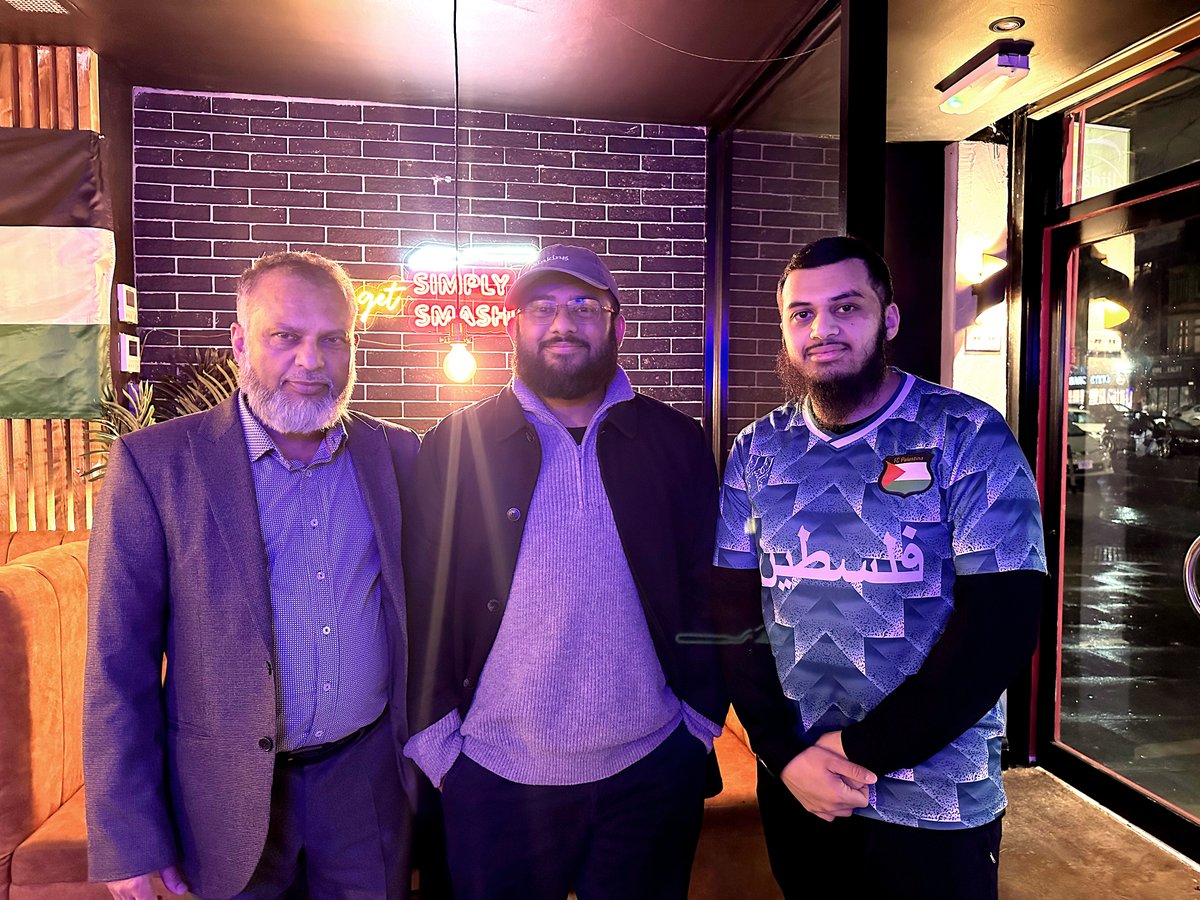
I've left Simply Smashed
After 2 years building London's highest rated burger joint, I'm stepping back from day-to-day into strategic oversight.
My brother's taking over @simply_smashed and @PSK_UKI
Working on something new. More soon iA.
English
I was in a KPMG strategy meeting once with the entire engagement team - a partner asked one of the new graduates why his camera was never on for online team calls:
"I didn't even know what you looked like before today," he said, half-joking.
The graduate responded with a straight face:
"It's because I'm not wearing anything in most morning meetings."
There was a slight snicker around the room. The meeting moved on quickly, but the moment hung in the air.
Perhaps the partner was wrong to ask that question so publicly, but this post isn't even about that.
This graduate came from a working-class background. He wasn't aware of the unwritten rules in corporate settings - the social norms that no one explicitly teaches you, but everyone expects you to know.
I pulled him aside afterwards.
"Look, I appreciate you being honest in there. But there are different ways you could have played that. A simple 'I'm having a lot of bad hair days' or 'I'll make sure to have it on going forward' would have done the same job without the awkwardness."
I told him because I knew others were talking about it behind his back. But they weren't telling him.
This is something I've learned over the years:
The best friends you have in life are the people who tell you the uncomfortable stuff. The things that are awkward for them to say and awkward for you to hear. Those are your real ones.
The same goes for clients.
The best clients I've ever had are the ones who tell me exactly where things are going wrong - where my service isn't hitting the mark - and give me the chance to fix it.
Your best friends aren't the ones who nod along and validate everything.
They're the ones who care enough to tell you the truth.

English
When my daughter was born, my mother pulled me and my wife aside and gave us the best parenting advice I've ever received:
"The best thing you could ever do for your children is have a good relationship with each other."
I remember thinking it was a strange thing to say at that moment - we'd just had a baby, so shouldn't the focus be entirely on her?
But the more I've thought about it, the more I realise how right she was.
The thing is, a lot of relationships can struggle after having kids. It's natural - your time, energy, and attention get pulled in a thousand directions, and somewhere along the way, the relationship that started it all gets pushed to the back of the queue.
But my mum reminds me of something obvious that's easy to forget: the kids grow up and leave. It'll be you and your spouse who remain together.
Funnily enough, my friends who are separated from their partners still agree with this advice.
What I've come to understand is the relationship isn't automatic. A good marriage needs work from both sides. Commitment. Time together. You can't just coast on the fact that you're both busy being parents.
i.e., don't just sacrifice for the kids. Sacrifice for each other too.
The counterintuitive bit is that when children see their parents taking time out for each other, when they see what a healthy relationship actually looks like - that's far more valuable than spoiling them with presents, trips, and endless attention.
You can give them all of that too. But never at the expense of your own relationship.
I think about this advice often. It's probably the most important thing my mother ever taught me about being a parent.
And it had nothing to do with the kids at all.

English