
TPI

18.4K posts

TPI banner
TPI

TPI

@MyTPI

We teach golf instructors, fitness and medical pros how to evaluate golfers for physical limitations which may be affecting their swing. Assess, don’t guess.

Oceanside, California Katılım Ocak 2009
673 Takip Edilen63.9K Takipçiler
Sabitlenmiş Tweet
TPI
TPI@MyTPI·
🚨 We’re excited to announce that our updated Level 1 course is now live!  🧠 10 hours of completely refreshed content, including three new swing characteristics 📈 Updated motion graphics and visuals for an improved learning experience 🏋️‍♂️ 50 of our favorite drills and exercises related to Body-Swing Connection insights 🔎 Screen examples from Tour pros and amateurs 📱 Tutorial of TPI Pro App 💰 FREE for active Certifieds If you’re active Certified, you can find the new course in the Online Courses section of your My Certification page. If you're not active Certified, simply renew your status for access. More info, including 🎥 previews: mytpi.com/certification/…
GIF
English

6
8
83
65.1K
TPI
TPI@MyTPI·
@Hititlonger Would have to check 3D on the left hip, but his vertical force was ~2.5x BW. When you consider his mass, it's probably top 3% total force we've measured from a tour player. Obviously, hip rising is a response to aggressive pushing against the ground.
English
0
0
0
22
Steve Pratt
Steve Pratt@Hititlonger·
@MyTPI Amazing left hip rise. Is that the most you’ve ever measured?
English
0
0
0
164
TPI
TPI@MyTPI·
We don’t always associate mobility with speed in sports performance, but early first round leader Aldrich Potgieter is a good example of how the two can be connected in the golf swing. The bigger the turn a player can make, the longer their “acceleration ramp,” giving them more time to apply force to the club before impact. One of the key physical capabilities we measure in rotational athletes is thoracic spine mobility, which we assess through our Seated Trunk Rotation Test. When he came to TPI, Aldrich tested as well as anyone on the PGA TOUR, demonstrating 65° of rotation to the right and 70° to the left. Our movement screen isn’t predictive of golf skill, but it does help us evaluate the key movement capabilities that underpin the golf swing. While it’s certainly not the only physical quality responsible for his prodigious speed, Aldrich’s exceptional range of motion allows him to make more than a 100° shoulder turn in his backswing, extending that ramp and giving him more time to accelerate the club.
English
4
9
107
27.2K
TPI
TPI@MyTPI·
3° of internal hip rotation in a tour player? Don’t assume a golfer has elite mobility just because they’re an elite ball striker. In this case, this player lacked internal rotation on his trail hip, so he avoided loading it entirely. The result was overuse and irritation on his lead side. Assess, don’t guess.
English
0
0
32
10.4K
TPI
TPI@MyTPI·
In our opinion, the most important step by far is to physically assess the golfer to see if there are any limitations which could predispose them to injury. For example, golfers with poor hip or thoracic spine mobility are often more vulnerable to lower back injuries because it's doing too much work.
English
1
0
1
29
Fatiha
Fatiha@TOURMISS·
@MyTPI Thank you @MyTPI for your reply 🙏🏻 do you have any recommendations for amateur golfers to stay healthy ? many of them are quitting golf because of injuries due to golf ⛳️ . They have not been lot solution for back pain . We would love hear your thoughts please 🙏🏻
English
1
0
0
13
TPI
TPI@MyTPI·
“We don’t want you guessing with your body.” Your body is as important as any piece of equipment you own. If you’re serious about your game, hire someone who can screen you, identify your limitations, and build a program around your needs. MyTPI.com/experts
English
1
3
25
4.5K
TPI
TPI@MyTPI·
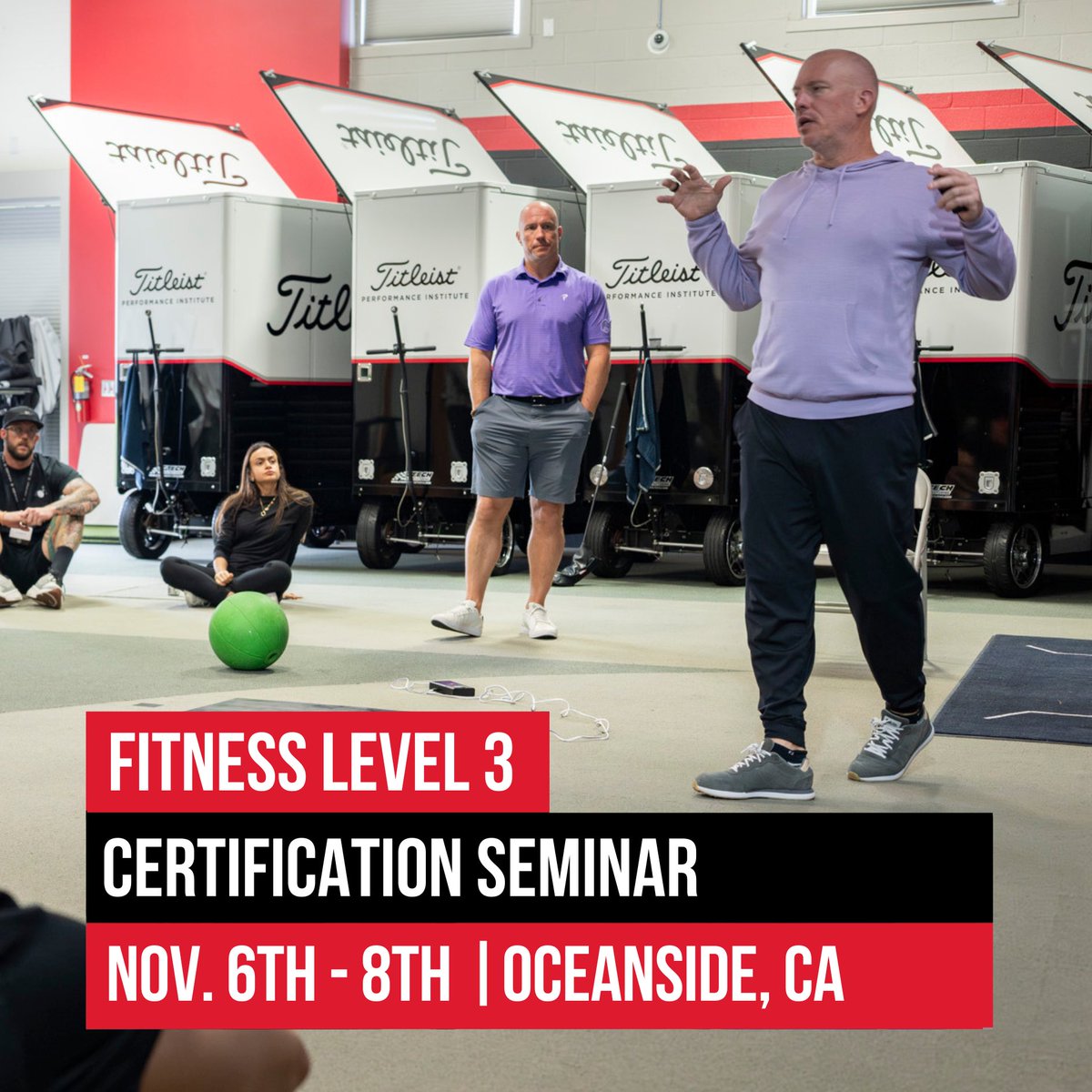
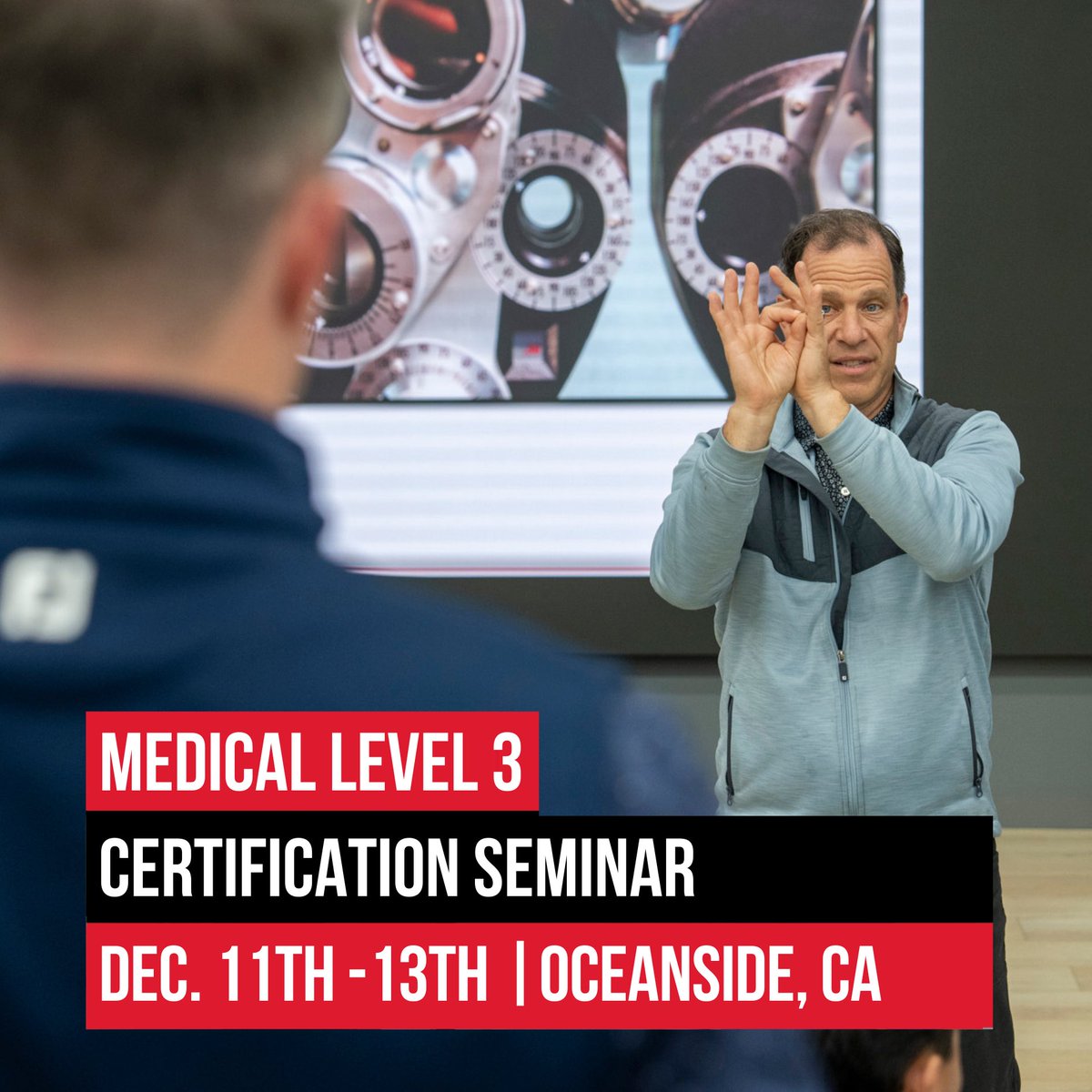
Full schedule of upcoming events: Medical Level 3: June 12th – 14th Power Level 3: September 18th – 20th Golf Level 3: October 9th – 11th Fitness Level 3: November 6th – 8th Medical Level 3: December 11th – 13th Mytpi.com/certification
TPI tweet mediaTPI tweet mediaTPI tweet mediaTPI tweet media
English
0
0
1
1.7K
TPI
TPI@MyTPI·
Before you can treat effectively, you have to diagnose accurately. Medical Level 3 is three days at TPI built around a system for helping you figure out why it hurts, not just where. ▪️Work directly with Dr. Greg Rose, Dave Phillips, and Dr. Michael Voight ▪️Master the SFMA Top Tier Assessment and earn SFMA Level 2 Certification ▪️Identify common injury-inducing mechanics in the swing ▪️Learn advanced diagnostic and treatment techniques from some of the best practitioners in the world mytpi.com/certification/…
TPI tweet media
English
1
0
13
2.6K
TPI
TPI@MyTPI·
@TOURMISS We believe the best solution is to build the swing around what the body can do. By identifying limitations we not highlight where we should be working in the gym, but what might NOT be most conducive for our swing.
English
1
0
1
29
Fatiha
Fatiha@TOURMISS·
@MyTPI How about healthy swing ? do you have solutions for golfers ? First of all golfer need to learn self awareness and understanding every single thing about golf swing golf equipments and physical activity.
English
1
0
0
24
TPI
TPI@MyTPI·
@golfteefmerica That this is too much? Yeah, I think people don't totally understand how data is used in lessons. Obviously, data can be complex, but everything Dr. Rose told Will was pretty "third grade"...
English
1
0
1
24
Jarrett Foust
Jarrett Foust@golfteefmerica·
@MyTPI People think this is too much. That it’s bullshit. Those people are sorely mistaken.
English
1
0
0
43
TPI
TPI@MyTPI·
One of our go-to exercises for improving hip mobility 👇 Mobility work that only stretches muscle often misses the real restriction, especially when it’s related to the joint itself. Distraction is a technique we introduce in our advanced Fitness and Medical courses that targets capsular restrictions by cueing “micro movements” that create space in the hip. Eventually, the goal is to lift both hands off the ground and stretch them out in front of you. Looks MUCH easier than it actually is.
English
0
9
197
22.3K
TPI
TPI@MyTPI·
Being data-driven coaches doesn’t mean we let a computer run the lesson. It means we rely on data to set the direction, but the art of coaching still delivers the result. 🏌️ Will Chandler
English
4
10
244
46.8K
TPI
TPI@MyTPI·
Perhaps, but you also misstated research and then responded with this video so it’s possible you could do a better job explaining. If you’d like to learn more about 3D/GRF insights from the best golfers in the world, check out our advanced Golf or Power courses. Some good stuff there
English
0
0
0
29
TPI
TPI@MyTPI·
@Hititlonger Not a rotational athlete. If this is how you have drawn your conclusions, it may be a little reductive
English
1
0
1
23
Steve Pratt
Steve Pratt@Hititlonger·
@MyTPI I cannot find this study for the life of me but it stated the breakdown was about 40% grf vertical, 30-35 horizontal and 15-20% rotational on force plate. The 8” is the heel width to athletes use to create max vertical.
English
1
0
0
42
TPI
TPI@MyTPI·
@Hititlonger Just a content guy but I believe Bourgain suggested that it was that % of total torque (he calls this motor moment) not total GRF. Also, still not understanding what you are referring to re: “calcaneus under GT which is 8””… Is that Bourgain’s work also?
English
1
0
0
42
Steve Pratt
Steve Pratt@Hititlonger·
@MyTPI Bourgain found lead side vertical was 37% of total grf with 26% trail side horizontal (lateral). Max vertical grf (vertical leap) occurs when center of calcaneus is aligned under greater trochanter which is ~8 inches. Max lateral grf is about 18” medial calcaneus.
English
1
0
0
61
TPI
TPI@MyTPI·
Cameron Young’s force and 3D capture at TPI in January. One of the most unique transitions in golf. One of the best tee to green on the PGA TOUR.
English
38
98
2.3K
1.7M
TPI
TPI@MyTPI·
Total torque is the kinetic variable in our database most closely associated with clubhead speed. Vertical force also. His heel/toe move closer together after impact as a response to how he has pushed against the ground. I'm not sure what you're referring to re: 8" heel to heel vs 40% (I'm just the content guy). We'd never suggest that there's just one way to swing the club, but seems that explosive rotational athletes don't often have what I'd consider a narrow stance. Happy to share any data you have that suggests otherwise with Greg, Dave and our biomechanics team though! What force plates are you using?
English
1
0
0
39
Steve Pratt
Steve Pratt@Hititlonger·
@MyTPI But torquing force is only like 15-20% of the total grf. Why would you give it 80% of the influence? Can you see how far his heel/toe are apart at the finish? Max vertical force occurs at like 8” heel to heel and it’s more like 40%. Help me understand.
English
1
0
0
37
TPI
TPI@MyTPI·
@Hititlonger That has not been our experience and doesn't seem to add up from a physics standpoint: Torque = Force x Moment Arm. A narrow stance would promote a lower MA. Many different ways to get it done, but I don't think a blanket "narrower" prescription makes sense
English
1
0
0
177
Steve Pratt
Steve Pratt@Hititlonger·
@MyTPI I’ll betcha if his feet started the same distance apart as they finished, he would generate more lateral force. And more vertical too.
English
2
0
1
625