ARCHIVED NASA Astronauts

25.2K posts

ARCHIVED NASA Astronauts banner
ARCHIVED NASA Astronauts

ARCHIVED NASA Astronauts

@NASA_Astronauts

Archived account – Hear from NASA astronauts, plus updates on astronaut activities.
Houston, TX Katılım Mayıs 2009
167 Takip Edilen1.6M Takipçiler
ARCHIVED NASA Astronauts retweetledi
Jonny Kim
Jonny Kim@JonnyKimUSA·
Caught a fish! Hope you enjoy this round of space fishing for beautiful auroras. If you’re wondering what the reflections in the lower left are, I made a rookie mistake of not having the shroud completely cover the window so you can see some crew activity (the cupola is located adjacent to one of our exercise devices).
English
48
228
1.2K
130.2K
ARCHIVED NASA Astronauts retweetledi
COL Anne McClain
COL Anne McClain@AstroAnnimal·
So, when I took this aurora, at first I thought that my settings were not correct because the aurora appeared white. I thought maybe the ISO was off, or I picked the wrong lens. Turns out, what I thought was white is actually light pink, and this led me down a path of learning. Aurora colors are the result of solar particles (think: microscopic sun bullets) interacting with Earth’s magnetospheric electrons (think: a bunch of charged particles which act like a force field around Earth that protect us from direct hits from the sun bullets). When there is a strong solar storm, which is basically a grouping of solar particles headed in our direction, the magnetospheric electrons get bombarded. While they still do their job of protecting us, they get super energized and are accelerated toward our poles. These now high-velocity electrons then hit different gases in the Earth’s atmosphere, mainly oxygen and nitrogen. When this happens, the gas molecules get excited, jump to a different energy level, and emit light at different wavelengths when they return to their original state. The color of that wavelength depends on the collision impact, type of gas molecule, atmospheric density, and altitude. Green is the most common aurora color, and it occurs when the electrons hit oxygen molecules between 60-150 miles altitude. If the solar particles hit oxygen but at a higher altitude, above 150 miles, the resultant color is red. This only happens under intense solar storm activity because of the lower density of atomic oxygen at higher altitudes. At lower altitudes during these intense storms, below 60 miles, auroras can appear purple or blue due to electrons hitting nitrogen molecules or pink when they hit slightly higher nitrogen around 60 miles. Auroras can appear other colors due to mixing of these phenomena. Now when I watch this video, I am amazed by the color variations. This one was very pink-hued!
English
31
167
816
48.8K
ARCHIVED NASA Astronauts retweetledi
Jonny Kim
Jonny Kim@JonnyKimUSA·
Space sushi isn’t quite the same as the fresh stuff on the ground, but it’s not bad! We had a crew celebration recently and one of our crewmates expressed how much they missed sushi (as do I). So we collected and pitched in our personal supplies of fish, spam and rice, coupled with a dash of gochujang and wasabi, which made for a great meal. One thing you’ll notice that is different about our dinner table is that we orient tape such that the sticky side is facing up. This allows us to stick food, utensils and condiments to our table. Otherwise, everything would float away.
Jonny Kim tweet media
English
62
188
1.8K
257.6K
ARCHIVED NASA Astronauts retweetledi
COL Anne McClain
COL Anne McClain@AstroAnnimal·
Happy 250th birthday to the @USArmy! The Army has long stood as a symbol of strength, innovation, and service to the nation. As an Army astronaut, I am proud to take that legacy to new heights.
COL Anne McClain tweet media
English
20
112
974
51.9K
ARCHIVED NASA Astronauts retweetledi
NASA's Johnson Space Center
NASA's Johnson Space Center@NASA_Johnson·
Ground prep, space bound 🌎🚀💫
NASA's Johnson Space Center tweet mediaNASA's Johnson Space Center tweet mediaNASA's Johnson Space Center tweet mediaNASA's Johnson Space Center tweet media
English
11
75
603
46.3K
ARCHIVED NASA Astronauts retweetledi
COL Anne McClain
COL Anne McClain@AstroAnnimal·
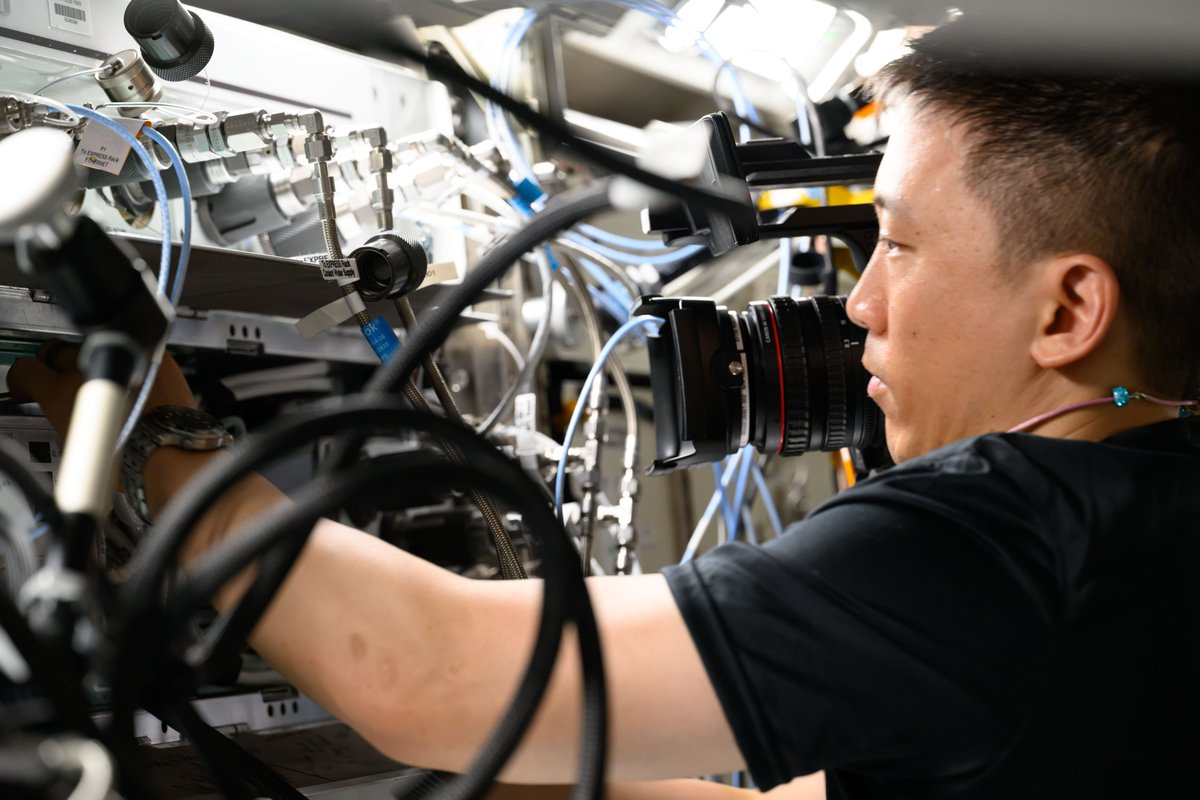
I was honored to speak with @SecArmy, and to discuss the significance of the @USArmy‘s birthday. For 250 years, the Army has stood as a symbol of strength, innovation, and service to our nation. As an Army astronaut, I am proud to represent that legacy, and I am proud to serve @NASA for the benefit of all.
Secretary of the Army@SecArmy

Incredible experience connecting with @USArmy COL and @NASA astronaut Anne McClain all the way from the International Space Station! 🚀 She has an incredible journey from an Army pilot to exploring the cosmos! It was a privilege to discuss the boundless opportunities the Army offers and wish her a belated birthday! Most importantly, we talked about the upcoming @usarmy 250th birthday celebrations in our nation's capital this Saturday! Get ready to celebrate 250 years of service, sacrifice, and dedication. 🇺🇸
English
17
50
229
44.5K
ARCHIVED NASA Astronauts retweetledi
Jonny Kim
Jonny Kim@JonnyKimUSA·
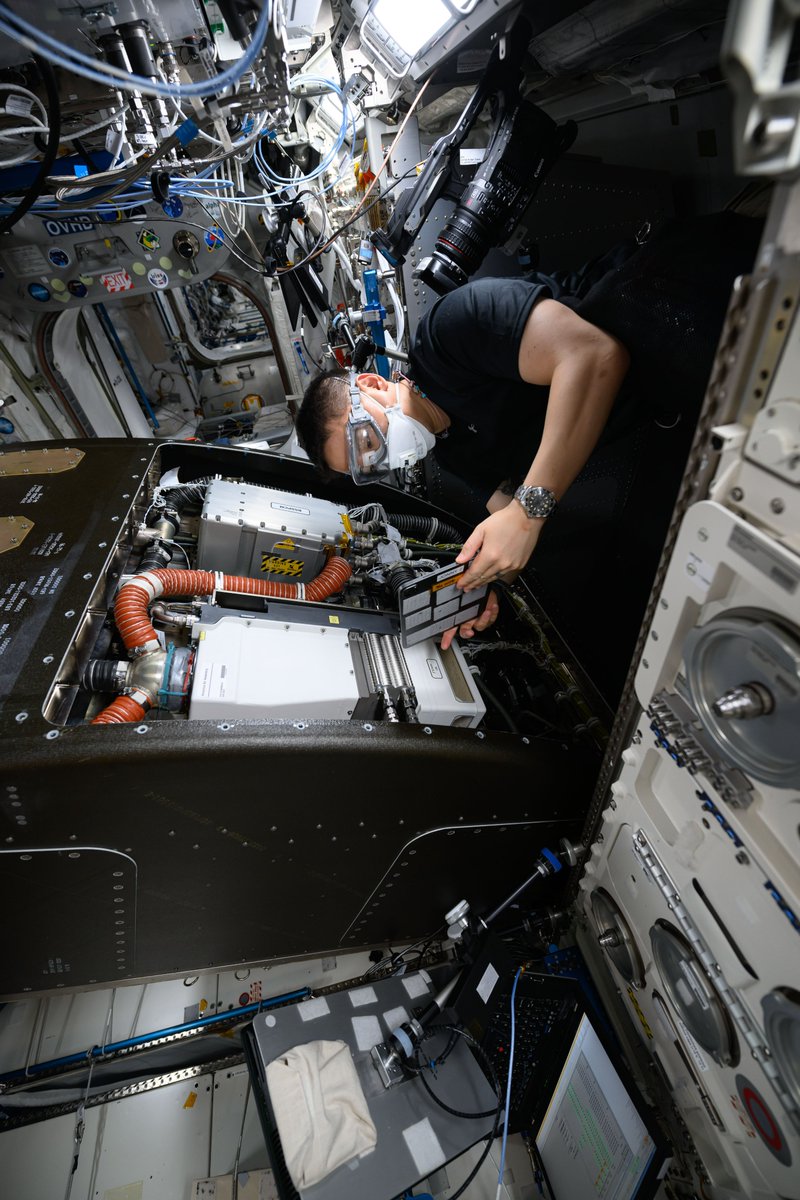
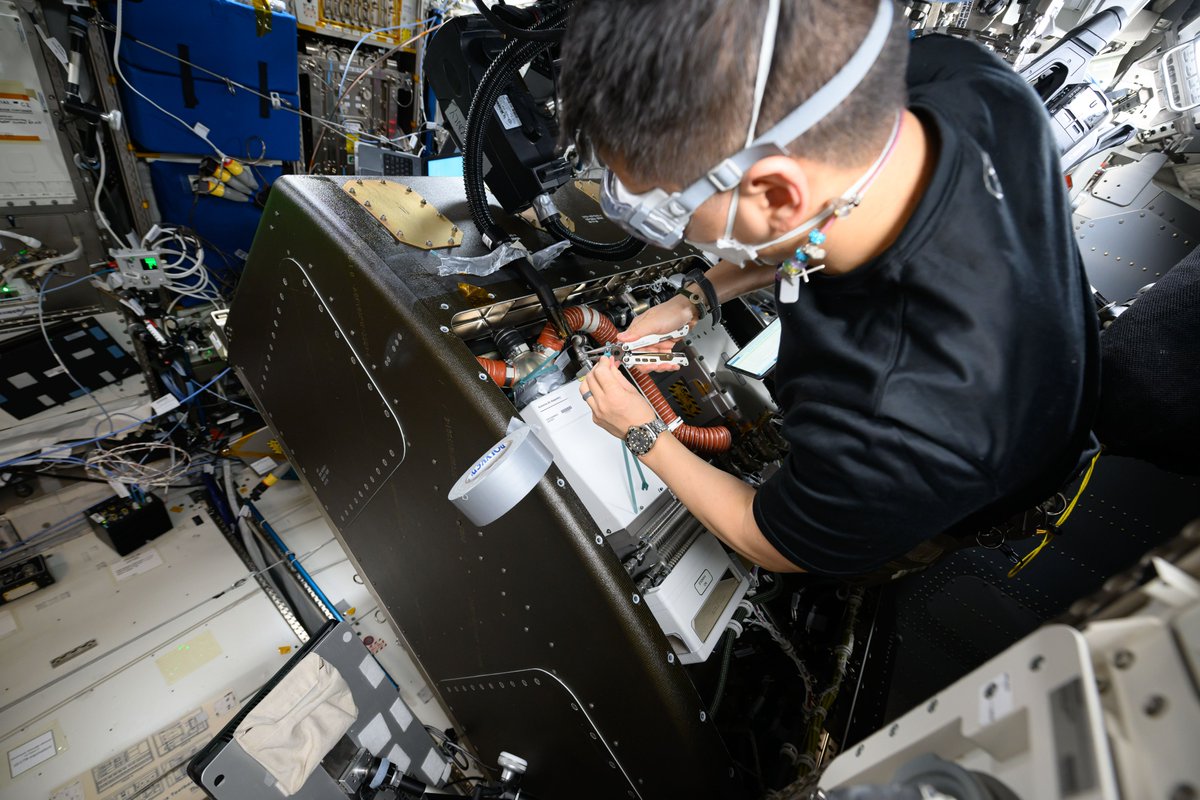
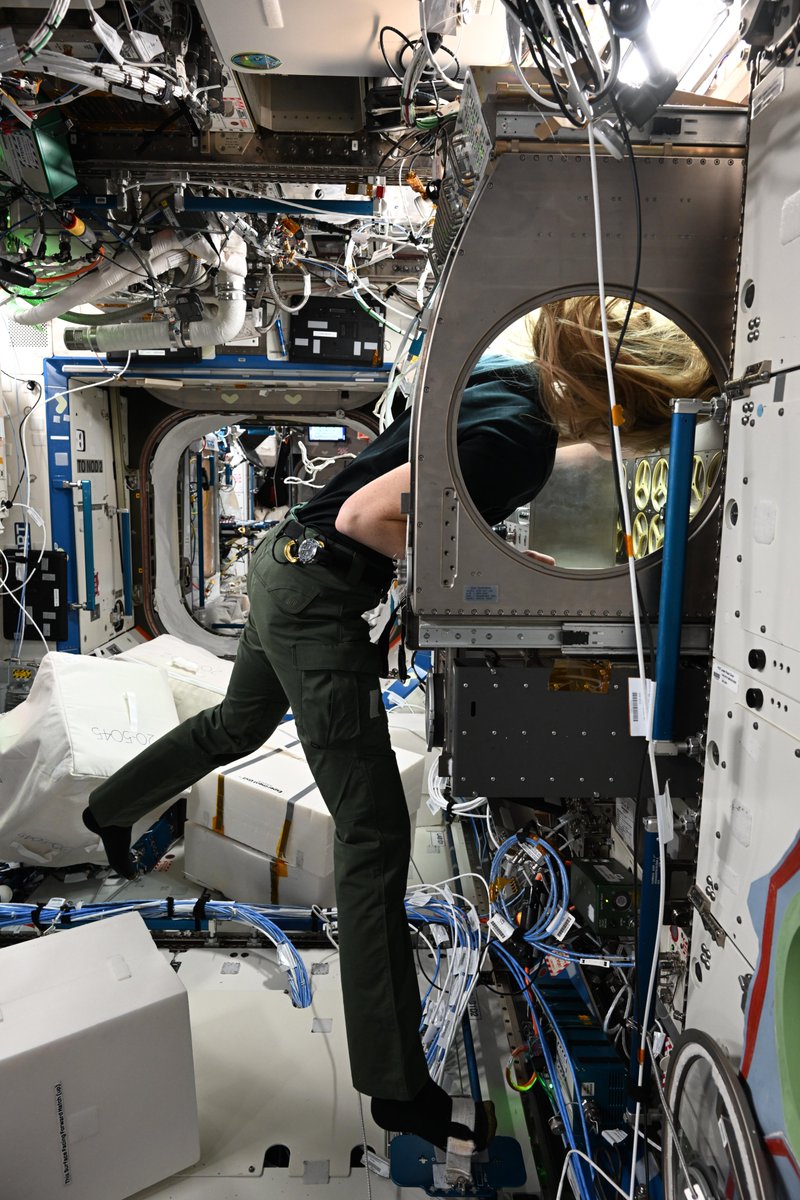
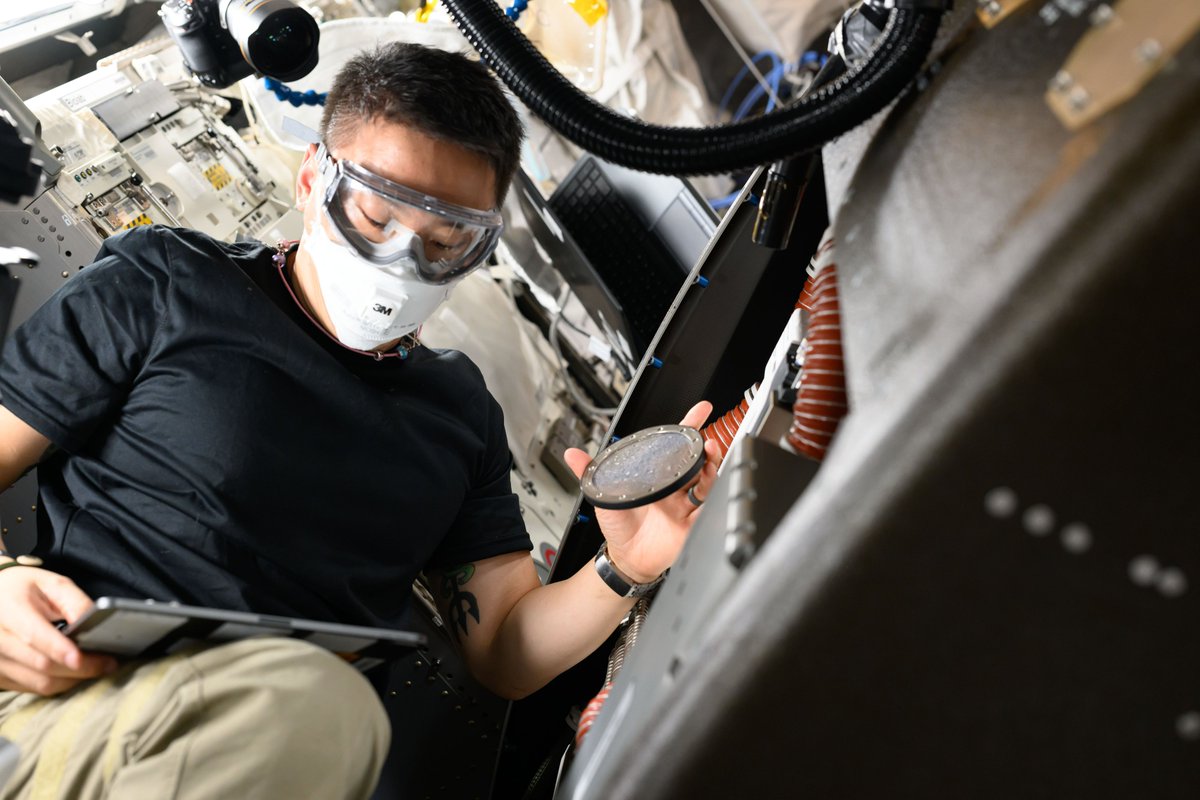
M+62: We don’t work behind payload racks often, but sometimes maintenance calls for it. In this case, cleaning out air filters and inspecting seals, and replacing chipsets in our servers, all with the assistance of Mission Control following along with live video. One thing I’ve come to appreciate with maintenance in space is how much gravity helps keep things where they belong. For example, on the ground, I can simply set my pliers down and I know they won’t disappear. But in space, we have to think before every action, because setting pliers down is a recipe for losing them. Space is one of the most humbling environments I’ve operated in.
Jonny Kim tweet mediaJonny Kim tweet mediaJonny Kim tweet mediaJonny Kim tweet media
English
9
25
217
26.6K
ARCHIVED NASA Astronauts retweetledi
Nichole “Vapor” Ayers
Nichole “Vapor” Ayers@Astro_Ayers·
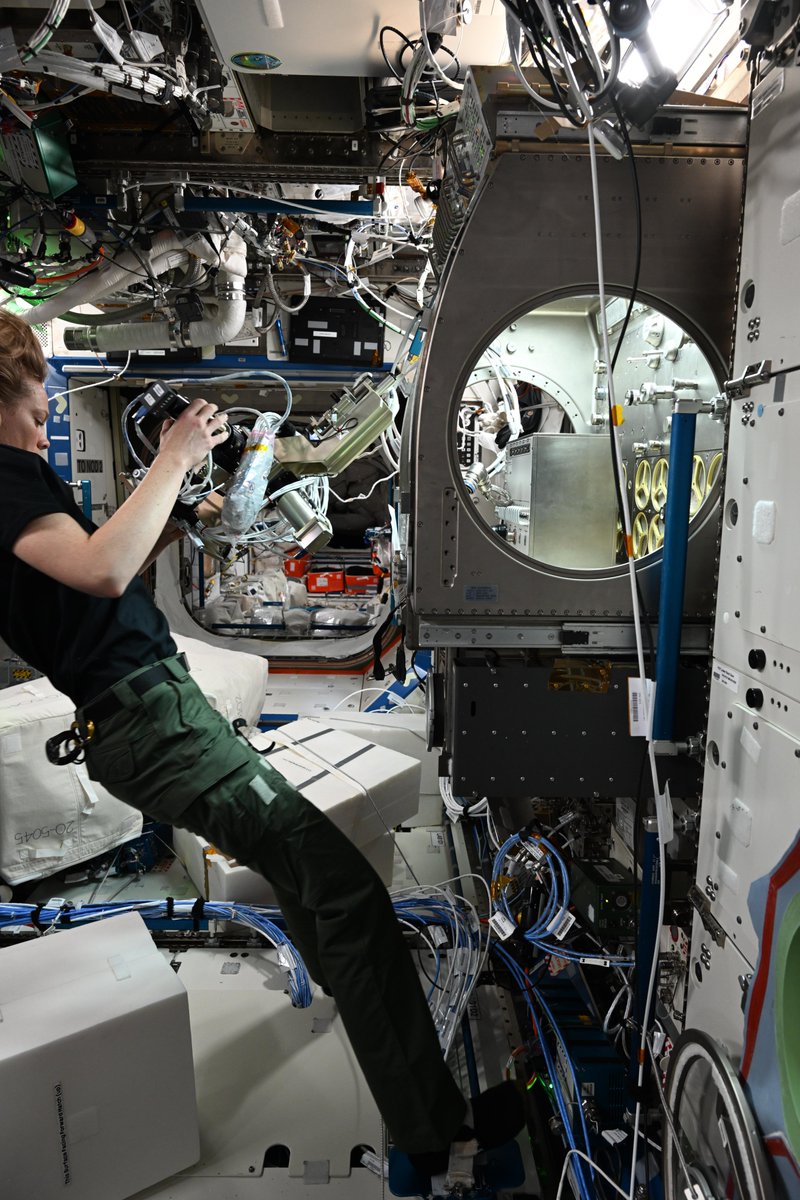
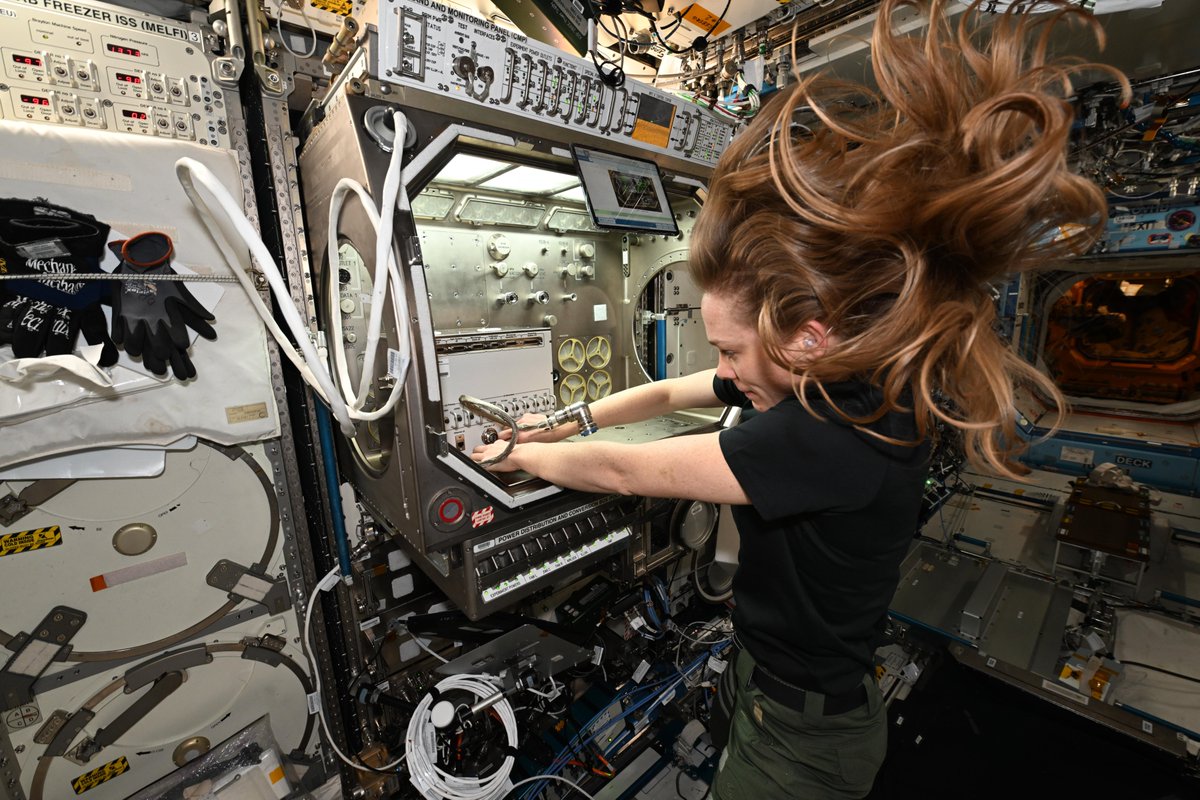
I got to install some hardware into our Microgravity Science Glovebox (MSG) this week! This is the Ring-Sheared Drop-IBP-2 experiment that studies the behavior of protein fluids in microgravity and tests computer models to predict that fluid’s behavior. In microgravity, we can study protein solutions without the usual interference of container walls and gravity driven forces present on Earth. This project could help build better models to predict how these solutions behave in different situations. Why is this important? These improved models could help advance manufacturing processes in space and on Earth and support the development of next-generation medicines to treat cancer and other diseases.
Nichole “Vapor” Ayers tweet mediaNichole “Vapor” Ayers tweet mediaNichole “Vapor” Ayers tweet mediaNichole “Vapor” Ayers tweet media
English
34
94
520
45.1K
ARCHIVED NASA Astronauts retweetledi
Nichole “Vapor” Ayers
Nichole “Vapor” Ayers@Astro_Ayers·
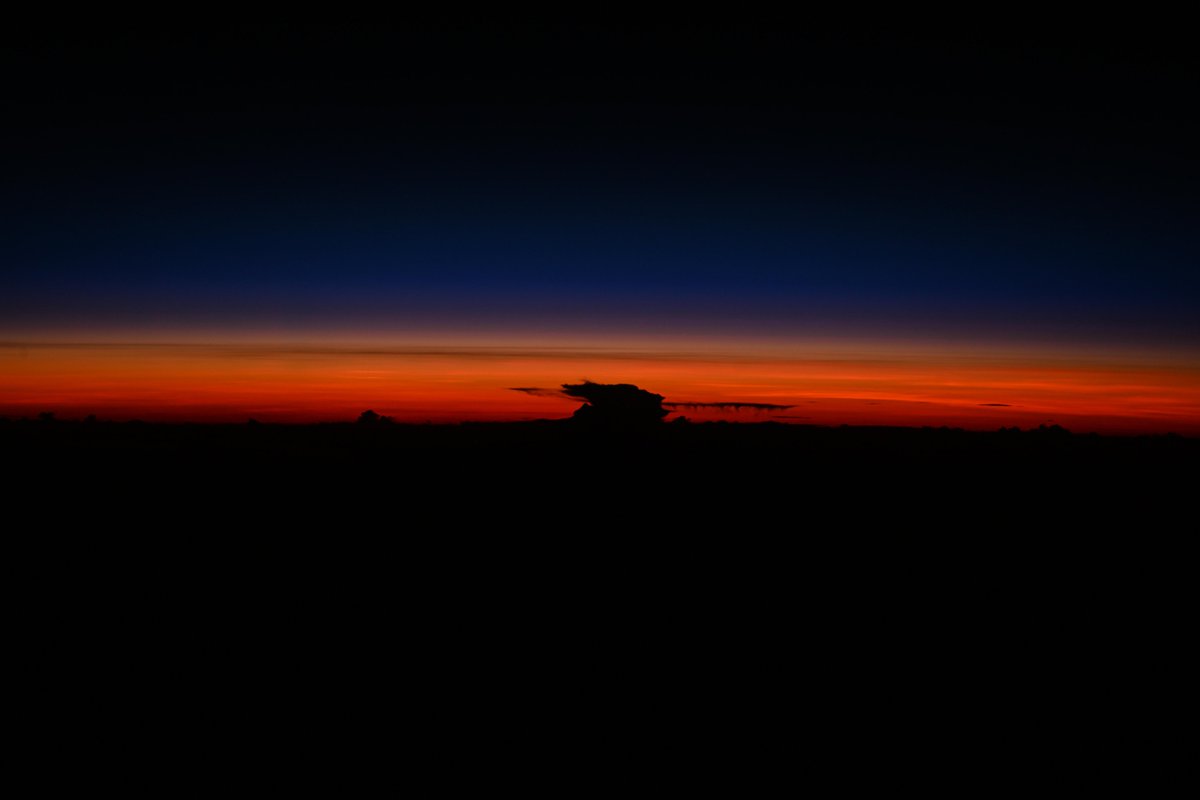
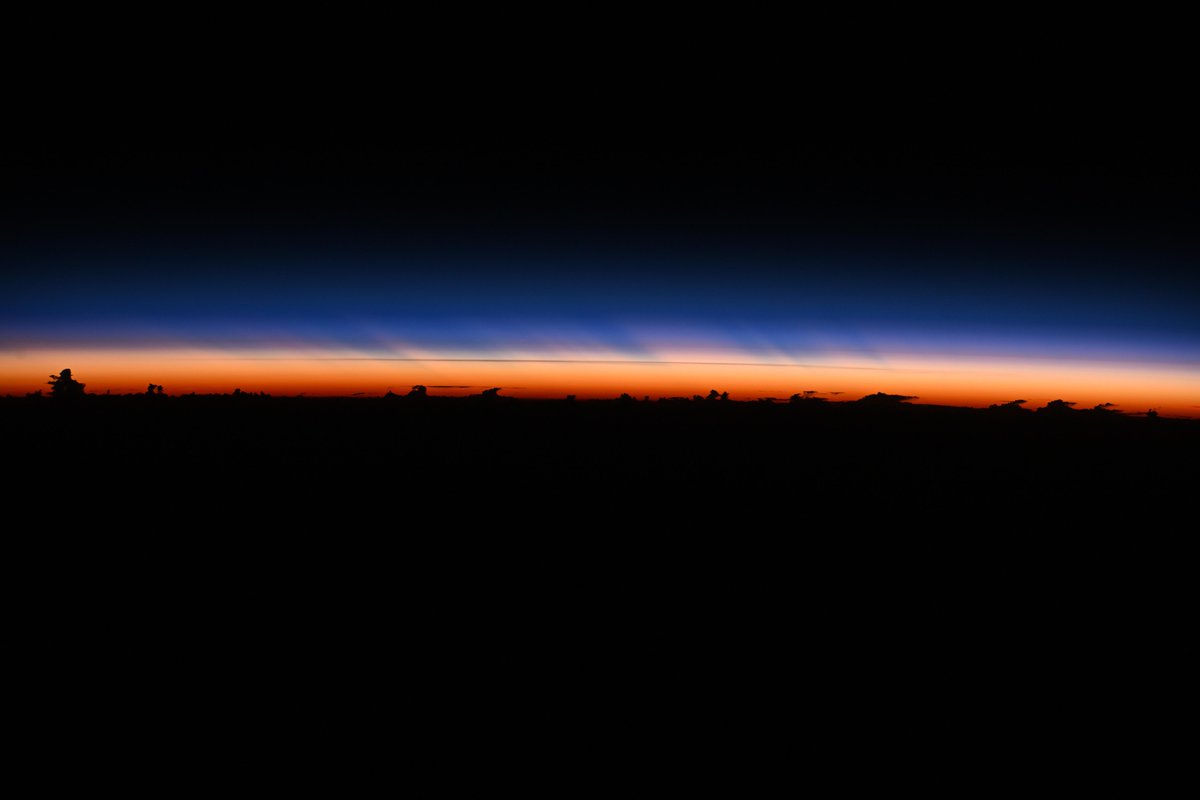
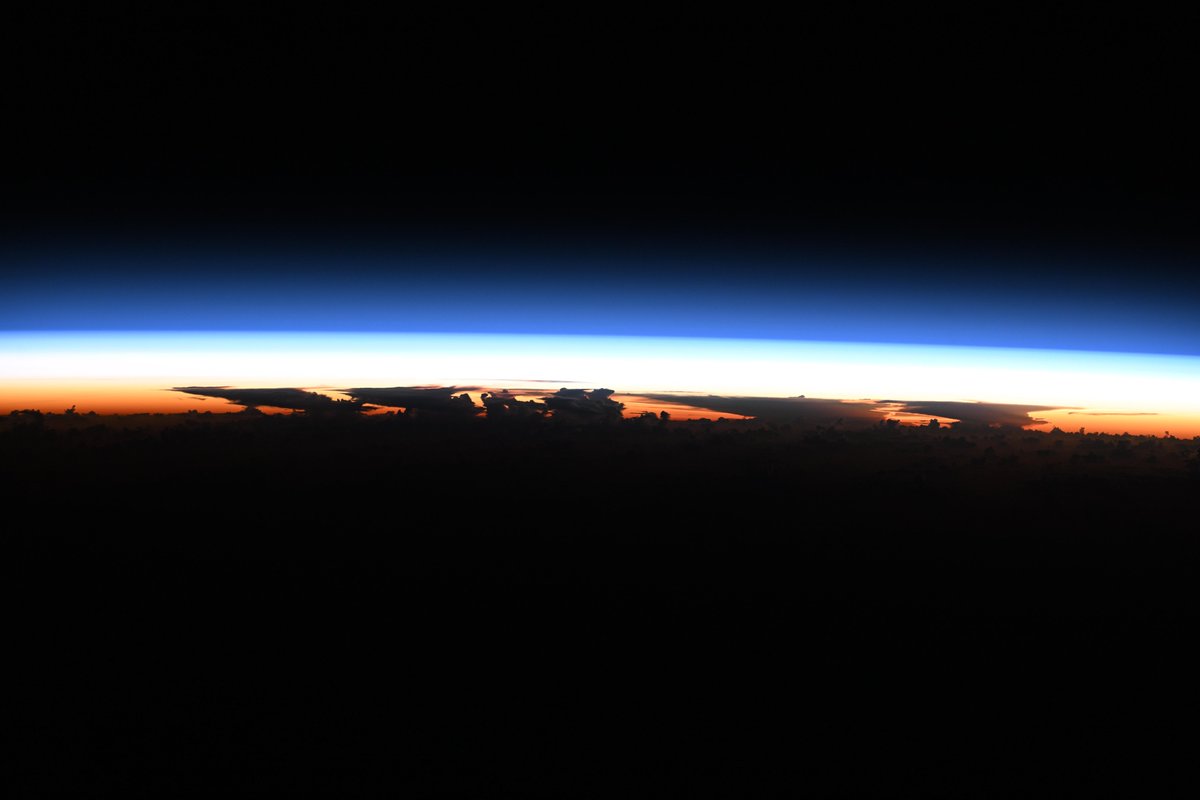
I love sunrises in space just as much as I do on Earth. Just look at the cloud heights and depth out on the Earth’s limb.
Nichole “Vapor” Ayers tweet mediaNichole “Vapor” Ayers tweet mediaNichole “Vapor” Ayers tweet mediaNichole “Vapor” Ayers tweet media
English
36
211
1.4K
56.4K
ARCHIVED NASA Astronauts retweetledi
Jonny Kim
Jonny Kim@JonnyKimUSA·
My first time-lapse. Thanks to some instruction and tips from @Astro_Ayers, I caught my first aurora. After seeing the result, I told her this felt like fishing. Prepping the camera, the angle, the settings, the mount, then setting your timer and coming back to hope you got a catch. And after catching my first fish, I think I’m hooked. Thanks, Vapor! Beautiful auroras passing over southeastern Asia and Australia.
English
236
939
5.4K
762.4K
ARCHIVED NASA Astronauts retweetledi
Nichole “Vapor” Ayers
Nichole “Vapor” Ayers@Astro_Ayers·
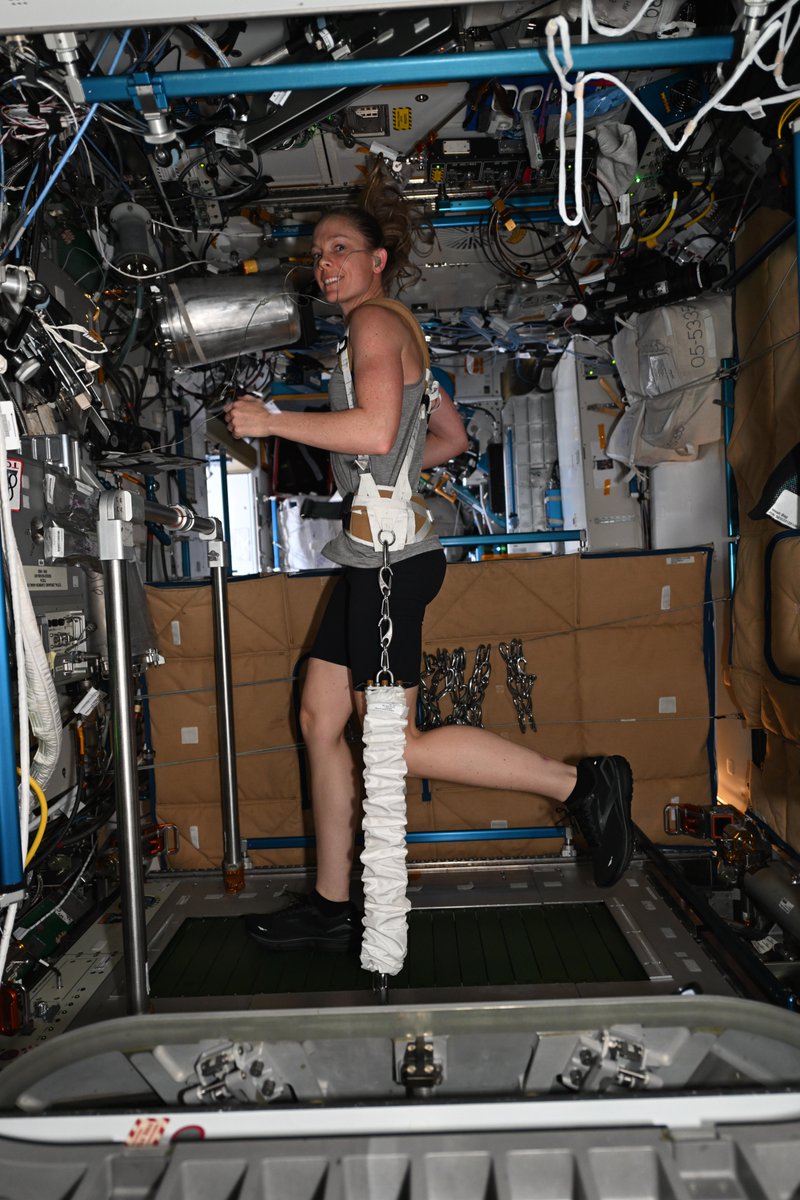
While I’m not a huge fan of running on Earth, I have come to enjoy running in space! Did you know we exercise every day up here? We actually call it a countermeasure, because without the force of gravity, your bones, muscles, and other systems start to atrophy. It amazes me how quickly the body adapts to its environment! However, maintaining bone and muscle strength along with cardiovascular health is key to a quick recovery when we get back on the planet. Running is just one of the ways we keep the cardiovascular system in good health. We also have a bike and a “weightlifting” machine called ARED (Advanced Resistive Exercise Device) that uses some pretty cool physics to provide resistance (or weight) training. Am I listening to a movie playlist while running? Maybe. 😉
Nichole “Vapor” Ayers tweet mediaNichole “Vapor” Ayers tweet media
English
33
74
743
43.3K
ARCHIVED NASA Astronauts retweetledi
COL Anne McClain
COL Anne McClain@AstroAnnimal·
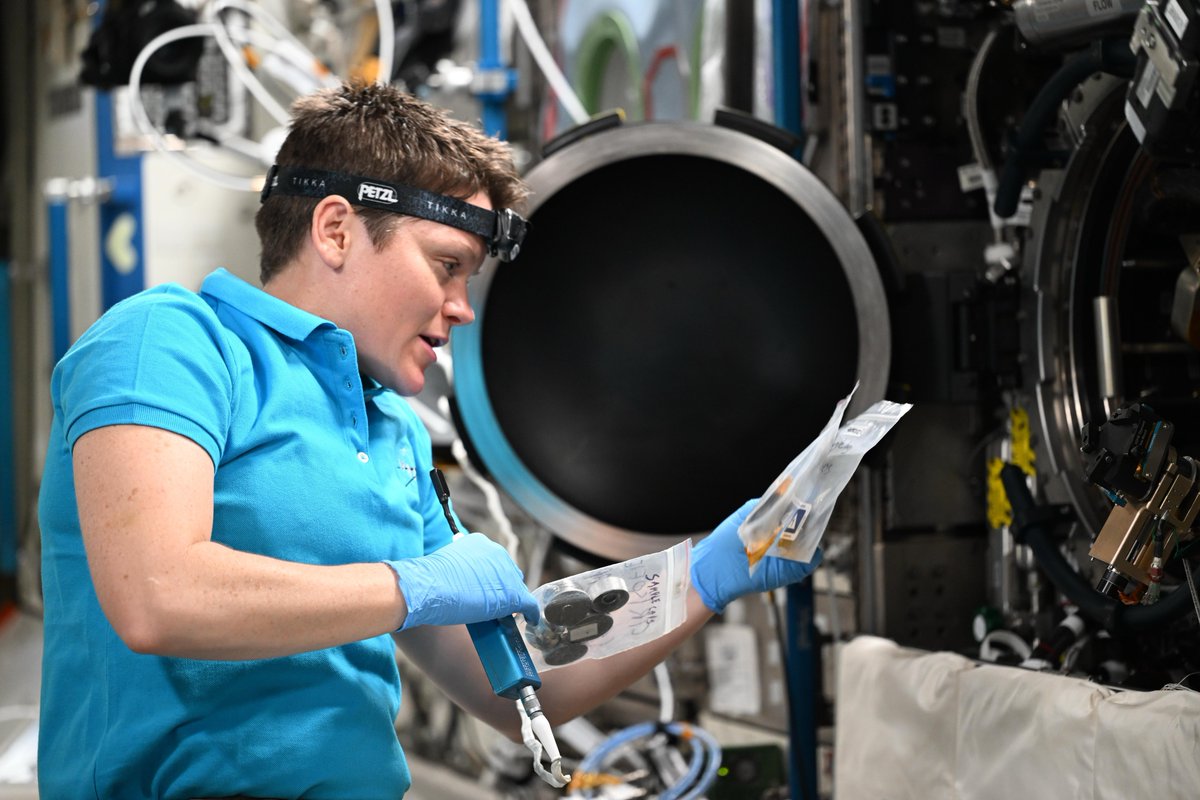
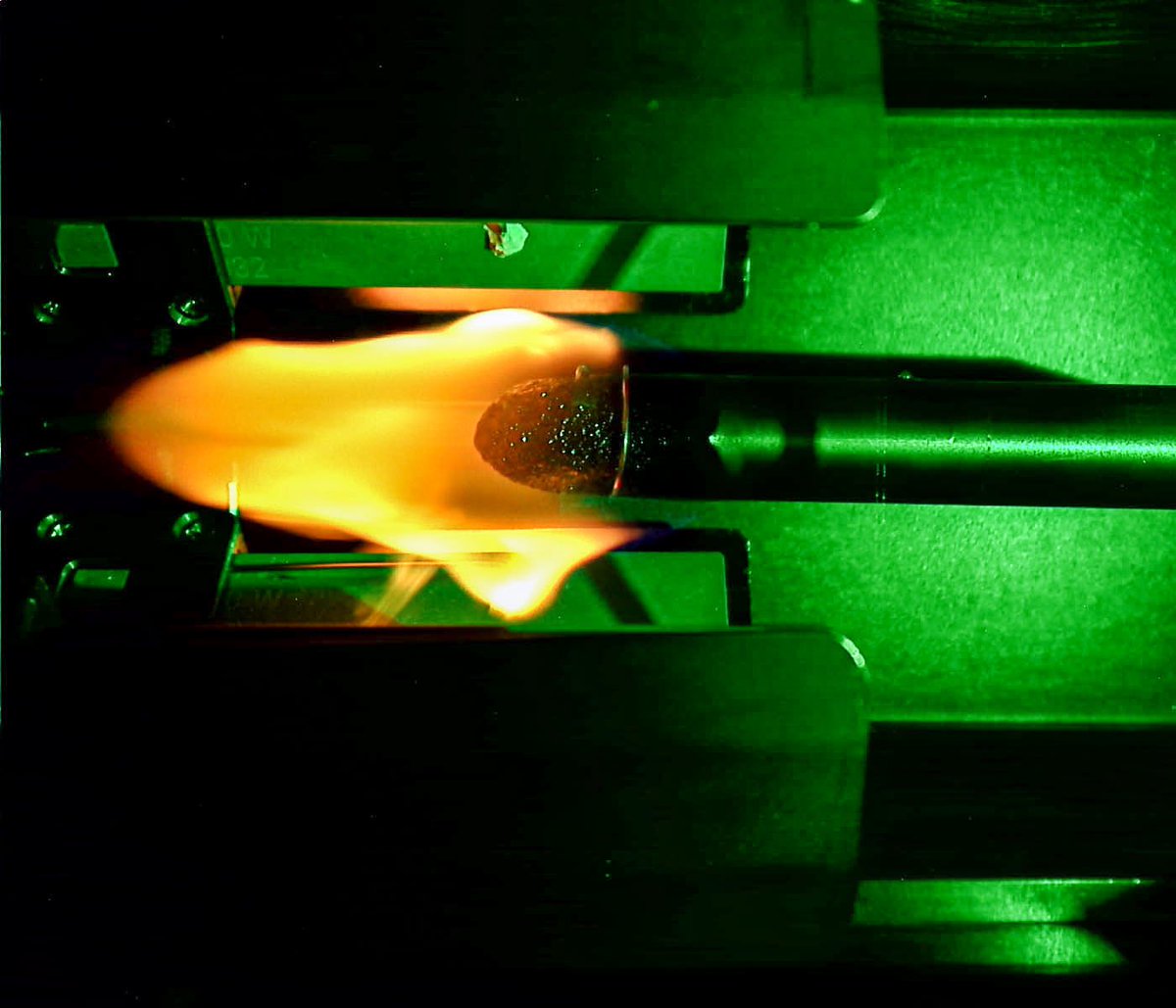
Did you know that inside some of the racks on @space_station, we light things on fire? Fire is a catastrophic hazard to spacecraft, but its behavior is difficult to fully characterize in microgravity. In 2009, NASA selected five investigations to help figure this out. SoFIE-MIST is one of them.   SoFIE-MIST stands for Solid Fuel Ignition and Extinction–Material Ignition and Suppression Test. MIST consists of a small-scale combustion wind tunnel, cylindrical fuel sample, an igniter, radiant heaters, and instrumentation. By varying parameters like air flow speed, oxygen concentration, pressure, and level of external radiation, then viewing the resultant flame produced on the sample, we can better characterize early behavior of fire. This helps us choose better materials for use in space, and it helps determine the best methods of extinguishing fires in space. This week, I changed out the fuel samples and igniter for the next science run.   This, like most experiments on Space Station, also helps us on Earth. This data helps refine our terrestrial combustion models as well, which also informs material selection and fire fighting techniques for a variety of applications.
COL Anne McClain tweet mediaCOL Anne McClain tweet mediaCOL Anne McClain tweet media
English
13
47
245
22.7K
ARCHIVED NASA Astronauts retweetledi
Nichole “Vapor” Ayers
Nichole “Vapor” Ayers@Astro_Ayers·
From the @Space_Station, our hearts go out to the friends and family of Marc Garneau. Our colleagues at @csa_asc have lost a pioneering astronaut and remarkable leader. Ad Astra.
Nichole “Vapor” Ayers tweet media
English
14
77
551
114.8K
ARCHIVED NASA Astronauts retweetledi
NASA's Johnson Space Center
NASA's Johnson Space Center@NASA_Johnson·
NASA Astronaut Jeanette Epps retired May 30, after nearly 16 years of service with @NASA. Epps most recently served as a mission specialist during the Crew-8 mission, spending 235 days in space working on hundreds of scientific experiments during Expedition 71/72. Thank you for your service, @Astro_Jeanette! 💫 go.nasa.gov/3Hv9SjH
NASA's Johnson Space Center tweet media
English
61
152
892
111.1K