
NASA Armstrong

9K posts

NASA Armstrong banner
NASA Armstrong

NASA Armstrong

@NASAArmstrong

The Armstrong Flight Research Center is NASA's primary center for atmospheric flight research & operations.

Edwards, California Katılım Mart 2009
107 Takip Edilen496.7K Takipçiler
Sabitlenmiş Tweet
NASA Armstrong
NASA Armstrong@NASAArmstrong·
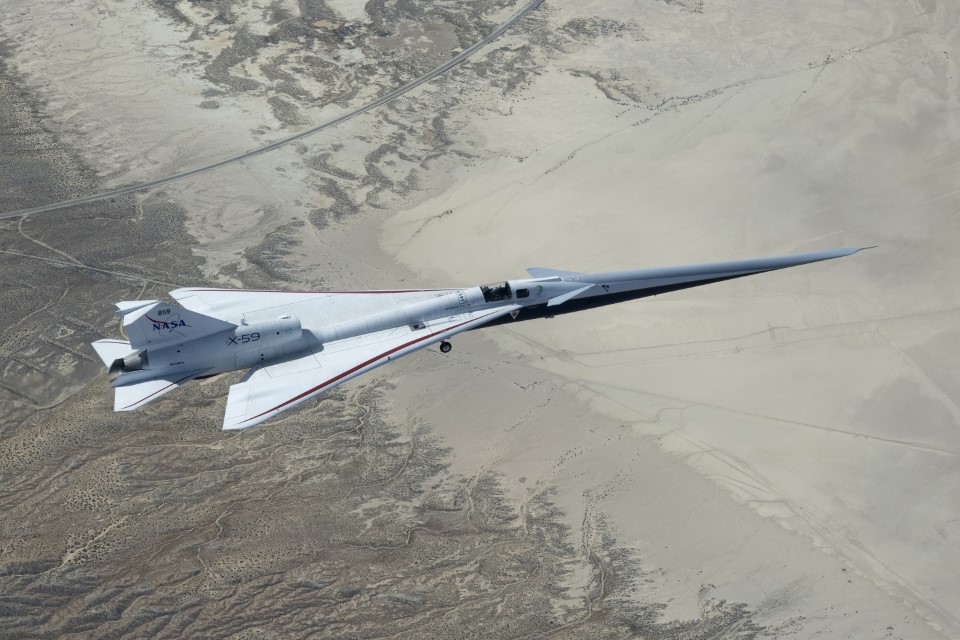
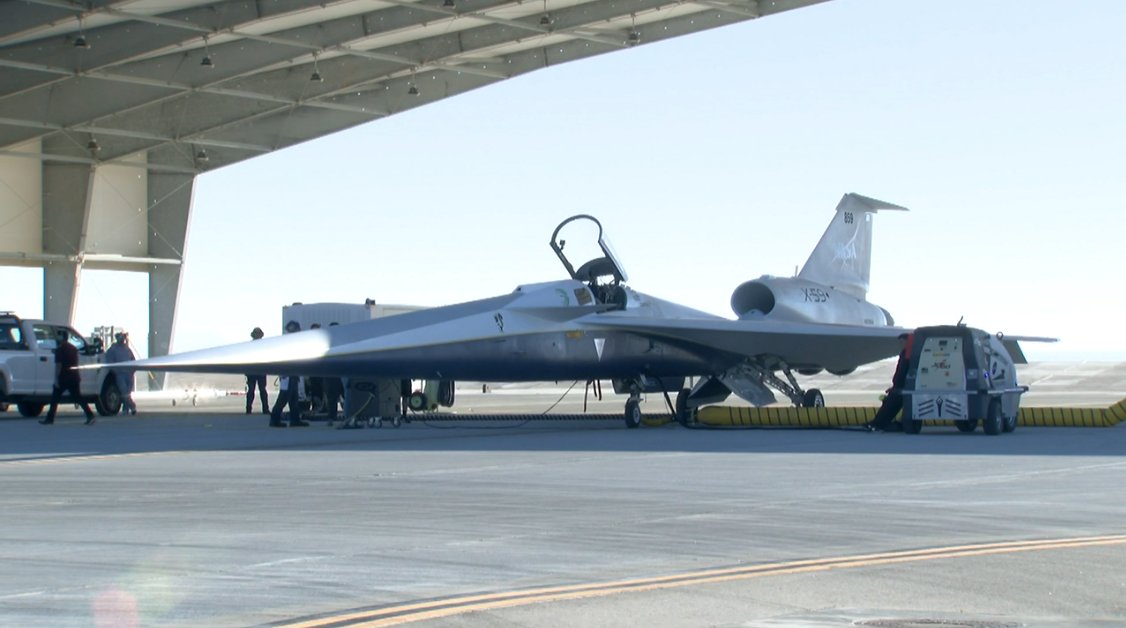
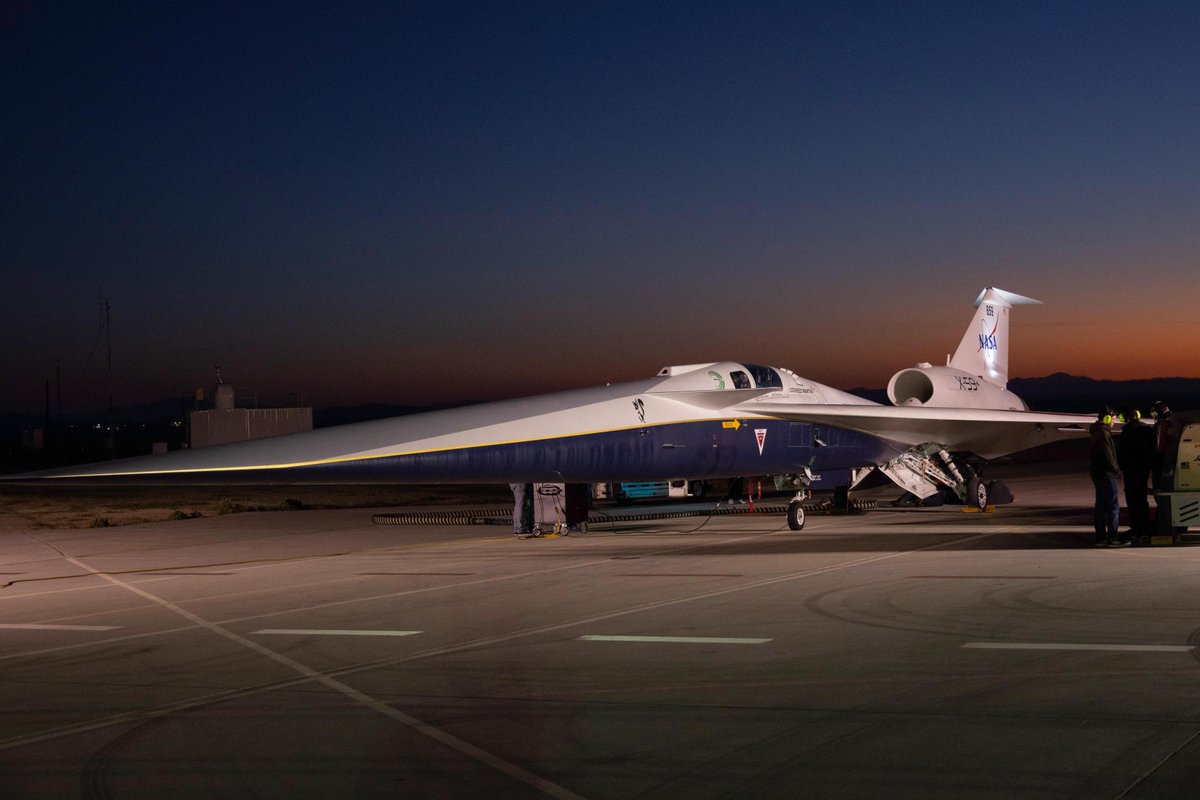
The X-59 has touched down at its new home! On Oct. 28, 2025, the X-59 completed its first flight, taking off from the @LockheedMartin Skunk Works facility in Palmdale, California, and landing at @EdwardsAFB after a 67-minute flight. The quiet supersonic research aircraft then taxied to NASA’s Armstrong Flight Research Center, marking its transition from ground testing to flight operations.
NASA Aeronautics@NASAaero

X-59 has officially completed its first flight ever! The @NASA X-59 quiet supersonic research aircraft took to the skies for the first time Oct. 28, marking a historic moment for the field of aeronautics research. ✈️A culmination of all the right stuff: go.nasa.gov/3K3QsnC

English
18
73
302
32.2K
NASA Armstrong retweetledi
NASA Aeronautics
NASA Aeronautics@NASAaero·
The X-59 successfully made its third flight today, & @NASA's excited to have the quiet supersonic jet in the air again! With Flight #3, the aircraft took off+landed near @NASAarmstrong & flew for about an hour while its team evaluated performance. More flights are expected soon! nasa.gov/mission/quesst/
NASA Aeronautics tweet media
English
83
496
3.5K
328.5K
NASA Armstrong
NASA Armstrong@NASAArmstrong·
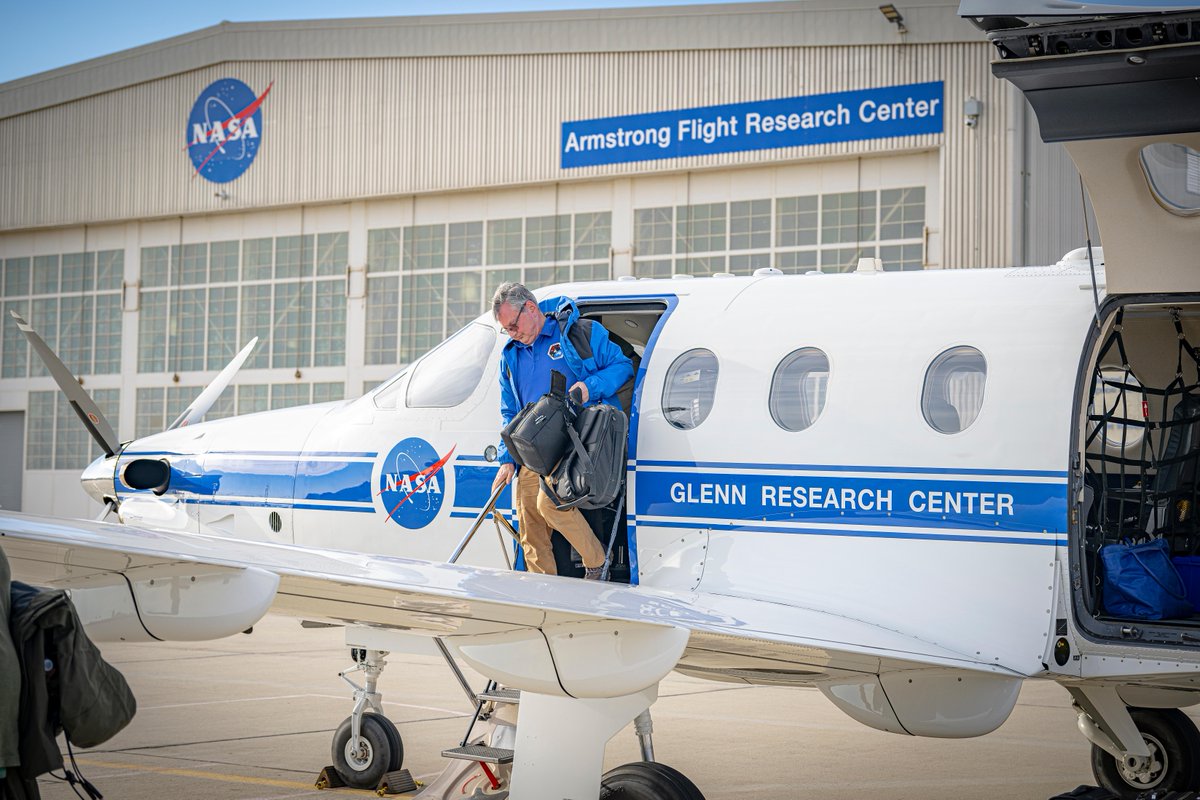
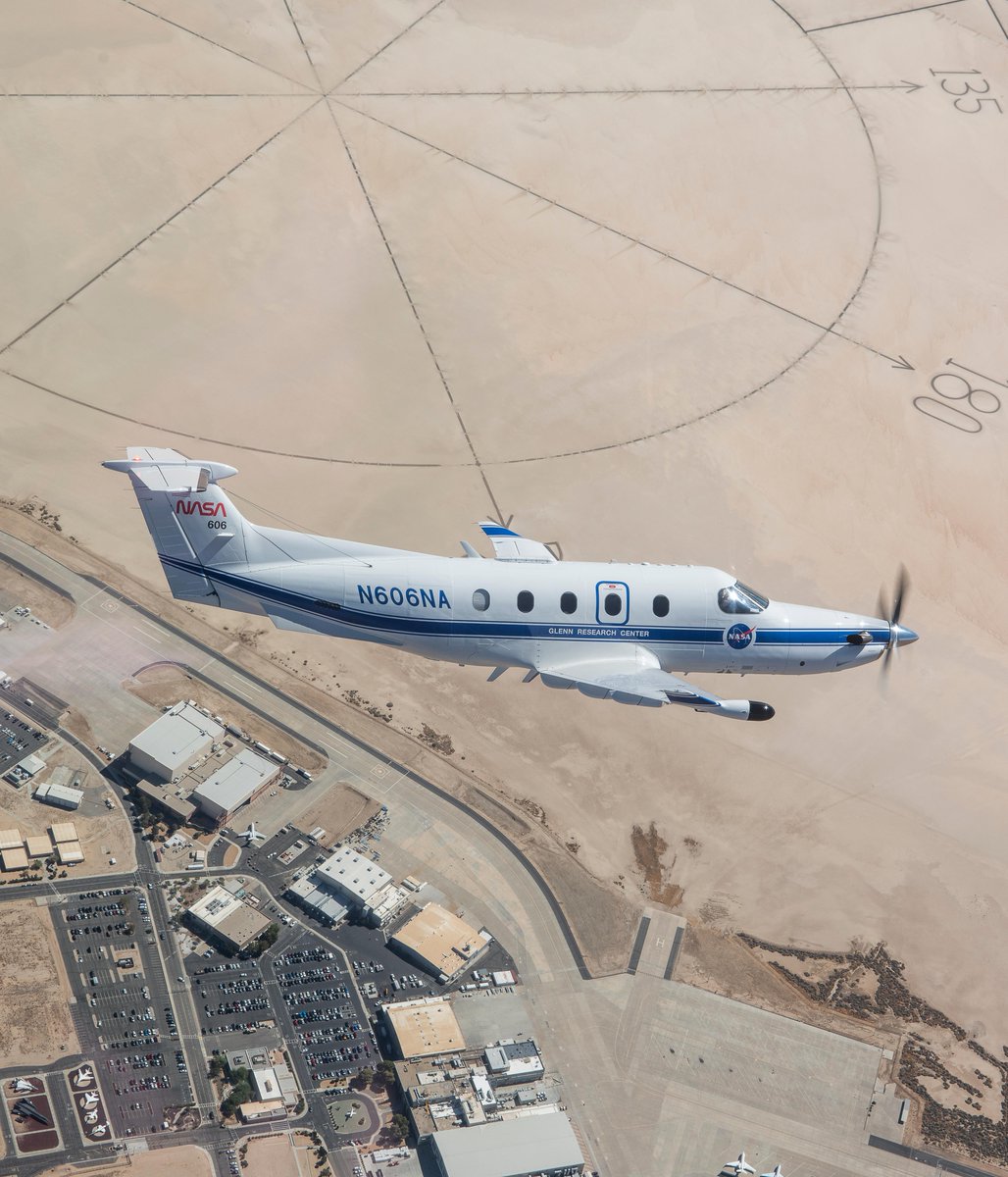
Teamwork makes the dream work! 🤝 NASA Armstrong and NASA Glenn are expanding flight research capabilities by jointly using a PC-12 aircraft. The companion trainer, a T-34 aircraft, is now also housed at NASA Armstrong to be evaluated for use as a flight research and pilot training platform. 🔗: go.nasa.gov/40Sf3AT
NASA Armstrong tweet mediaNASA Armstrong tweet mediaNASA Armstrong tweet mediaNASA Armstrong tweet media
English
0
17
124
4.6K
NASA Armstrong
NASA Armstrong@NASAArmstrong·
For more than three decades, Jim's images have brought audiences around the world closer to the experience of flight. His work has appeared in National Geographic, Air & Space Smithsonian, and Aviation Week. Join us in celebrating this incredible milestone! Congratulations, Jim, and thank you for showing us the world from your perspective!
NASA Armstrong tweet mediaNASA Armstrong tweet mediaNASA Armstrong tweet mediaNASA Armstrong tweet media
English
2
17
107
3.9K
NASA Armstrong
NASA Armstrong@NASAArmstrong·
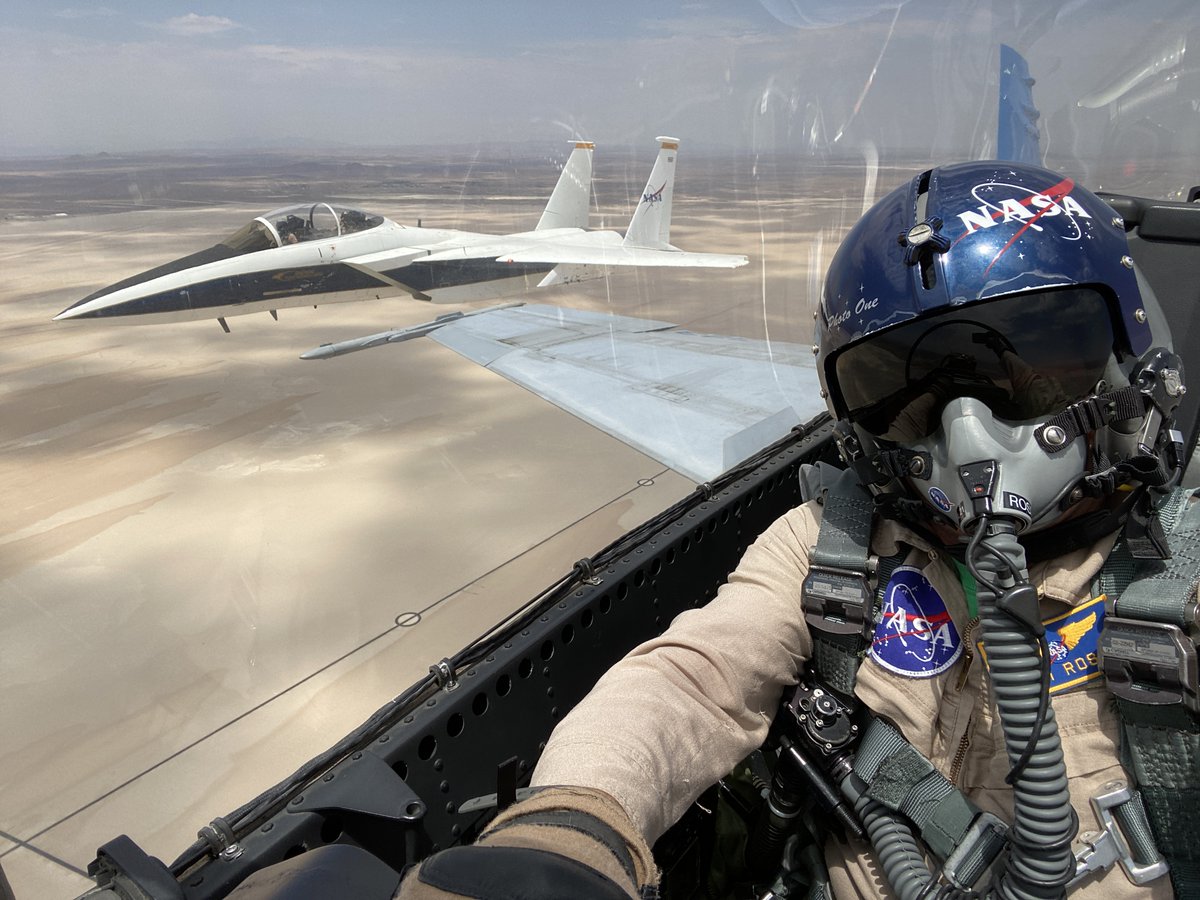
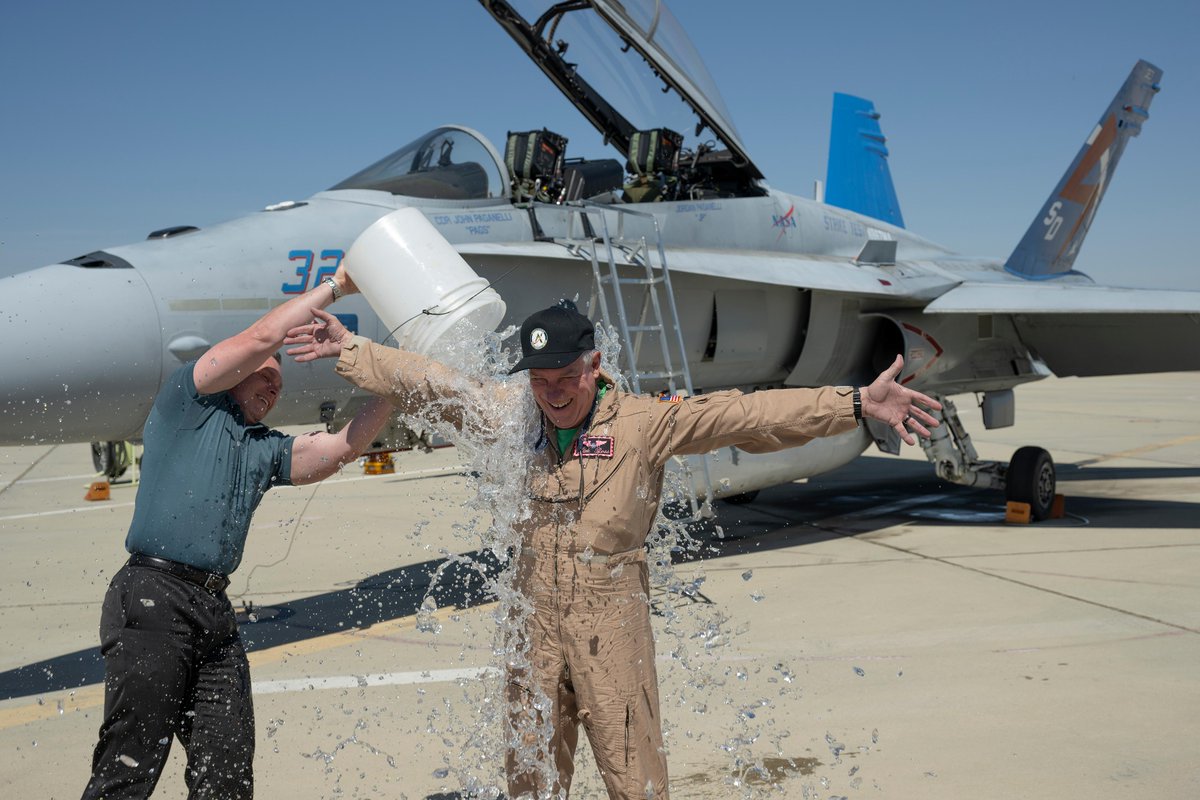
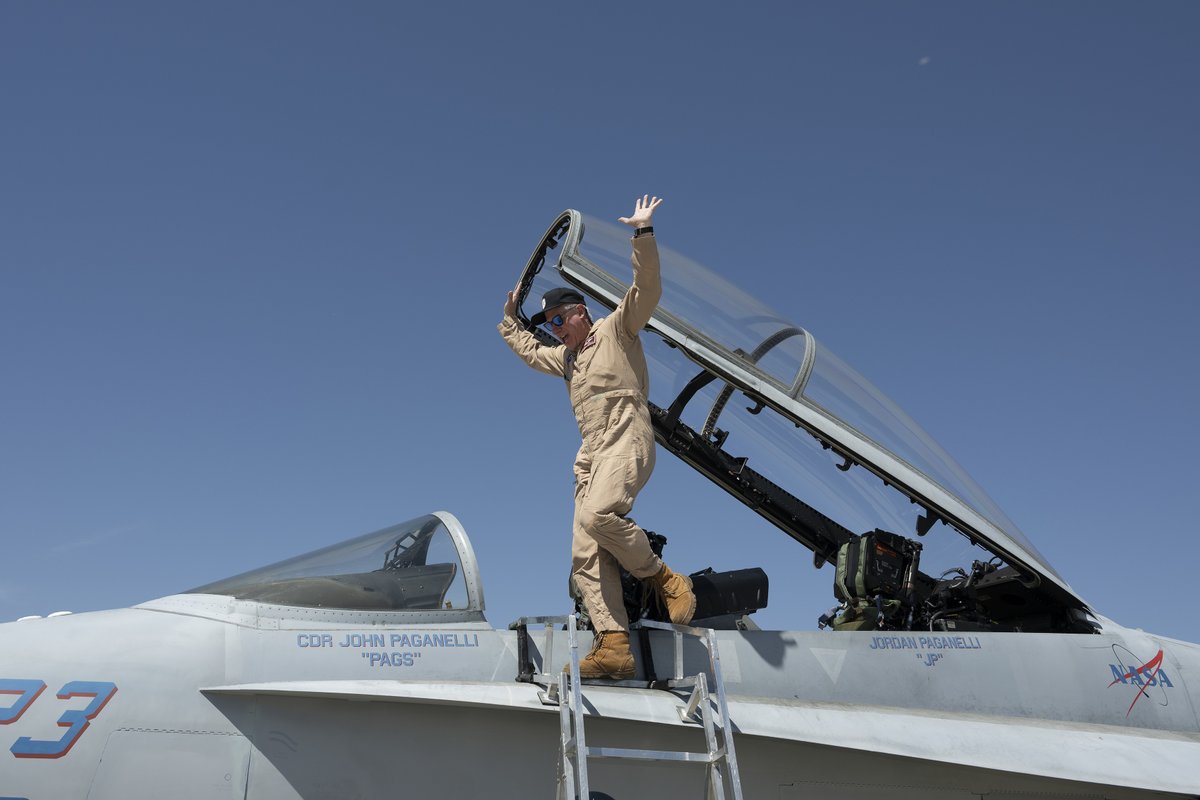
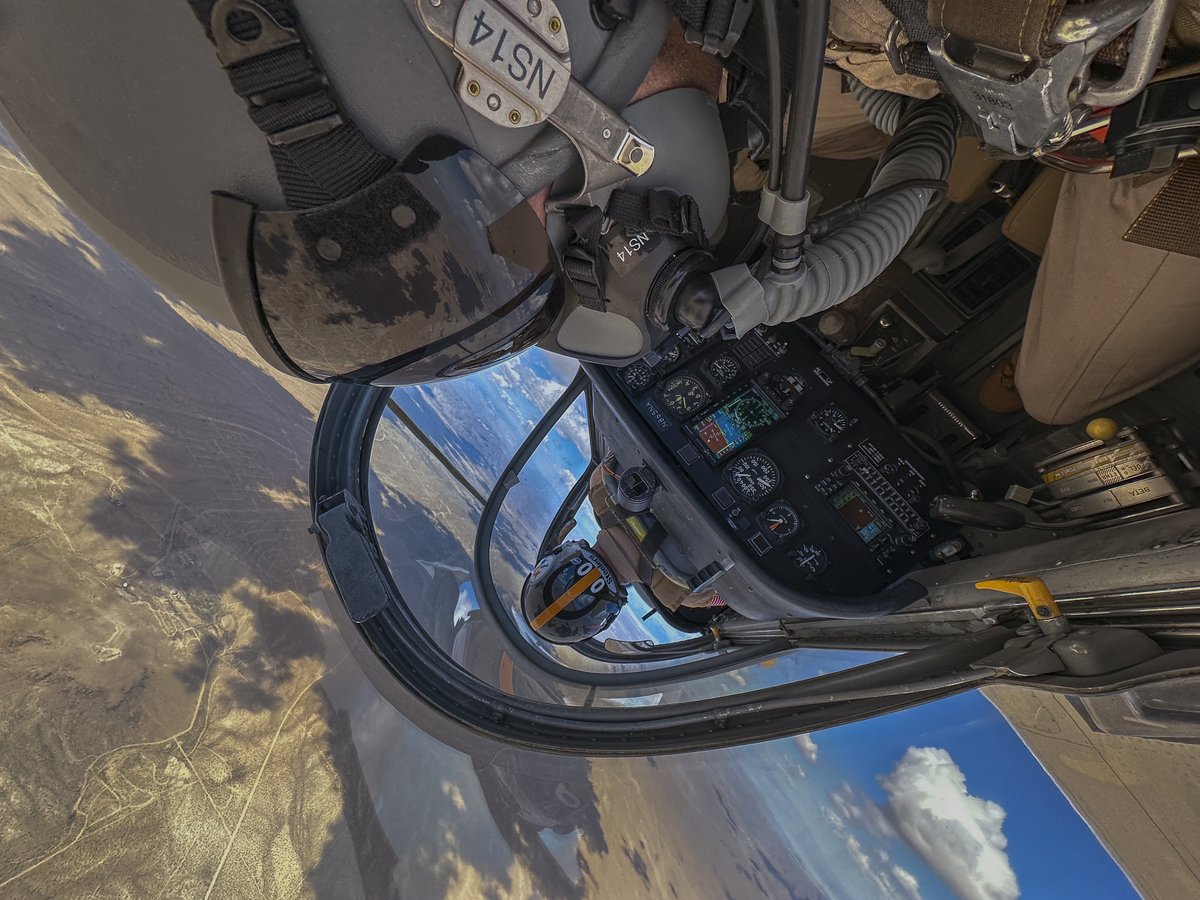
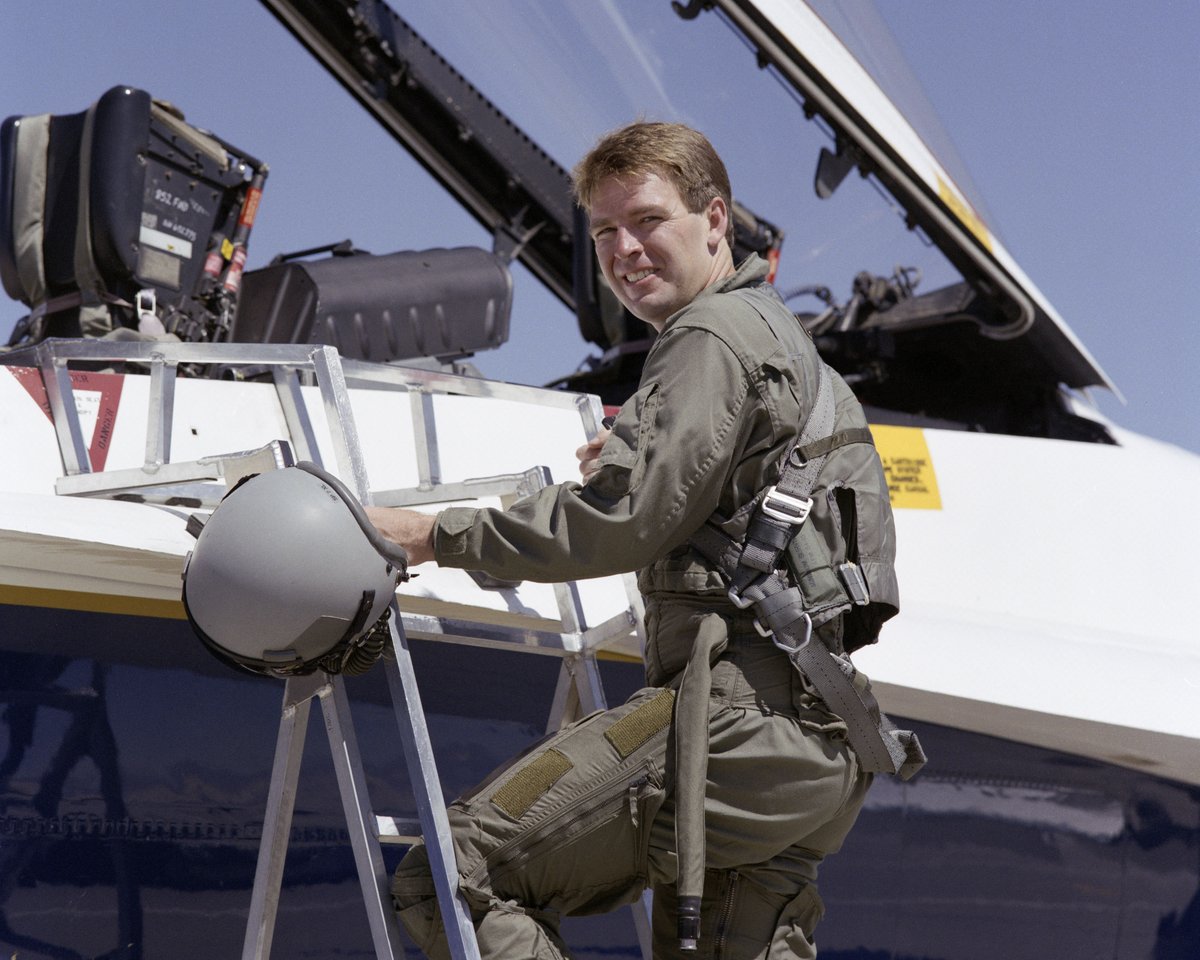
1,000th Flight Complete! ✈️ 📸 NASA Armstrong aerial photographer Jim Ross has completed his 1,000th flight, flying in the backseat of a NASA F/A‑18 with pilot Jim “Clue” Less. Since 1989, Jim has flown in a wide variety of aircraft, capturing moments few people ever witness and helping share NASA’s story from a truly rare vantage point.
NASA Armstrong tweet mediaNASA Armstrong tweet mediaNASA Armstrong tweet mediaNASA Armstrong tweet media
English
6
95
734
35.7K
NASA Armstrong
NASA Armstrong@NASAArmstrong·
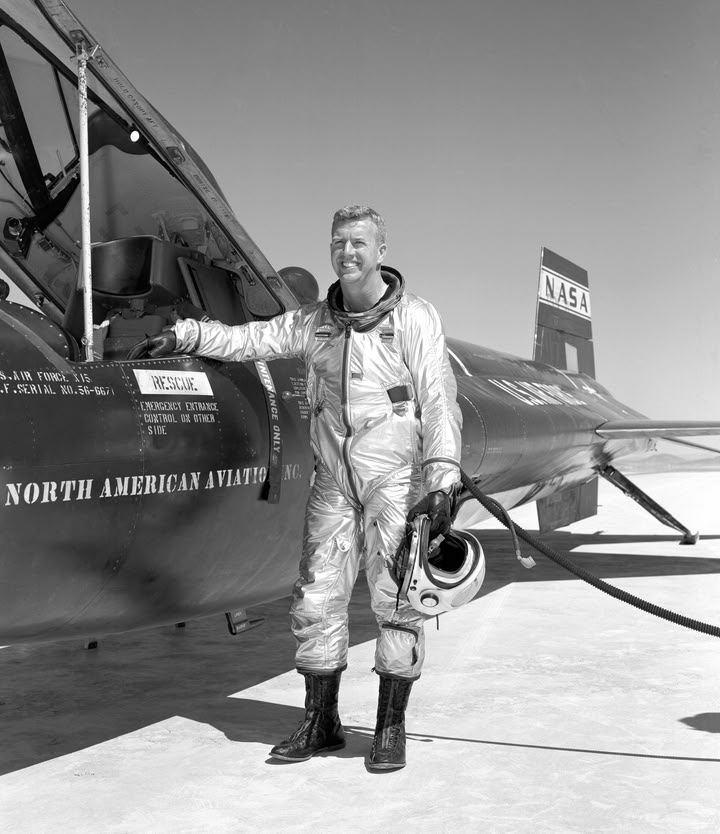
#OTD in 1960 research pilot Joseph Walker flew the first NASA flight in a North American X-15 rocket aircraft. He reached Mach 2 at 48,630 feet altitude. It was the ninth flight of the program; the preceding eight flights had been flown by Scott Crossfield for North American Aviation.
NASA Armstrong tweet mediaNASA Armstrong tweet media
English
5
26
157
6.3K
NASA Armstrong retweetledi
NASA Aeronautics
NASA Aeronautics@NASAaero·
Today, @NASA's X-59 aircraft made its second flight, kicking off a series of dozens of test flights in 2026. “Despite the early landing, this is a good day for the team. We collected more data, and the pilot landed safely,” said Cathy Bahm go.nasa.gov/41kgHLA
NASA Aeronautics tweet media
English
10
185
1K
24K
NASA Armstrong retweetledi
NASA Aeronautics
NASA Aeronautics@NASAaero·
After taking off at 10:54 a.m. PDT, NASA's quiet supersonic X-59 aircraft returned prematurely following a return-to-base call. The pilot and aircraft landed safely and successfully. More information is forthcoming.
NASA Aeronautics@NASAaero

#HappeningNow @NASA’s X-59 airplane is completing pre-flight checks. Our aircraft is preparing for taxi, takeoff, and flight ✈️ go.nasa.gov/4rUvuI0

English
148
982
8.1K
1.6M
NASA Armstrong retweetledi
NASA Aeronautics
NASA Aeronautics@NASAaero·
X-59 Update: Second Flight has been rescheduled for Friday, March 20. 📢Interested media can RSVP to join a teleconference to learn more about upcoming test flights: go.nasa.gov/4754gqn
NASA Aeronautics@NASAaero

We’ve got a date for X-59’s second flight: 03/19! ✈️ This flight will kick off a series of flights known as envelope expansion, during which NASA will gradually take the X-59 faster & higher. 📢@NASA Invites Media to Learn About Upcoming Test Flights: go.nasa.gov/4754gqn

English
12
67
288
15.2K
NASA Armstrong
NASA Armstrong@NASAArmstrong·
After nearly 40 years at NASA Armstrong, Center Director Bradley Flick will retire March 19. From flight systems engineer in 1986 to center director, Flick’s leadership helped advance aeronautics and expand what’s possible in flight research. Thank you, Brad, for your decades of service. 🚀 Learn more about his career: go.nasa.gov/4sTyFk2
NASA Armstrong tweet mediaNASA Armstrong tweet mediaNASA Armstrong tweet media
English
12
38
257
20.2K
NASA Armstrong
NASA Armstrong@NASAArmstrong·
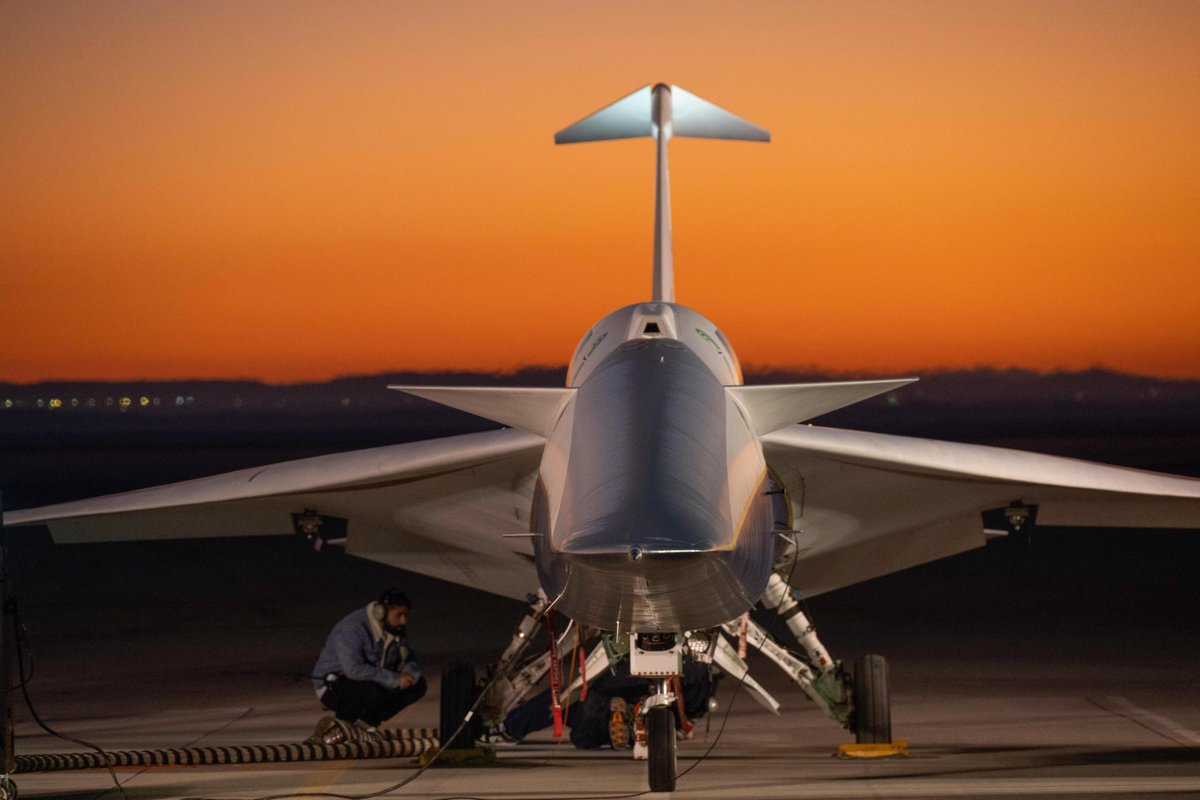
The centerpiece of the Quesst mission is the X-59, which will demonstrate the ability to fly supersonic, or faster than the speed of sound, while reducing the typically-loud sonic booms that occur when aircraft fly at those speeds to quieter sonic "thumps". NASA's goal through Quesst is to collect data on public response to the sounds of quiet supersonic flight and to provide that data to national and international regulators. This will help inform the establishment of noise thresholds for supersonic aircraft, opening the future to commercial quiet supersonic flight over land, greatly reducing flight times! Visit nasa.gov/quesst to follow the mission!
English
2
0
4
323
NASA Armstrong
NASA Armstrong@NASAArmstrong·
Happy St. Patrick's Day! ☘️ Shock wave imaging is just one of the techniques NASA's SCHAMROQ project is using to help us prepare for future phases of our Quesst mission! For more info visit: go.nasa.gov/3PcW69o
NASA Armstrong tweet media
English
47
200
1.3K
263.7K
NASA Armstrong
NASA Armstrong@NASAArmstrong·
We capture shock wave imagery through a method called schlieren photography. This method allows us to observe how shock waves behave and travel to the ground, where they are typically heard on the ground as a loud sonic boom. These observations show us what parts of a supersonic aircraft create the most powerful shock waves, or how certain environments impact how shock waves travel. Ultimately, they help enable us to make sonic booms quieter. Check out nasa.gov/quesst for more!
English
1
1
6
309
Eron-Cares
Eron-Cares@eroncares·
@NASAArmstrong How does shock-wave imaging help improve future supersonic flight?
English
1
0
3
389
NASA Armstrong
NASA Armstrong@NASAArmstrong·
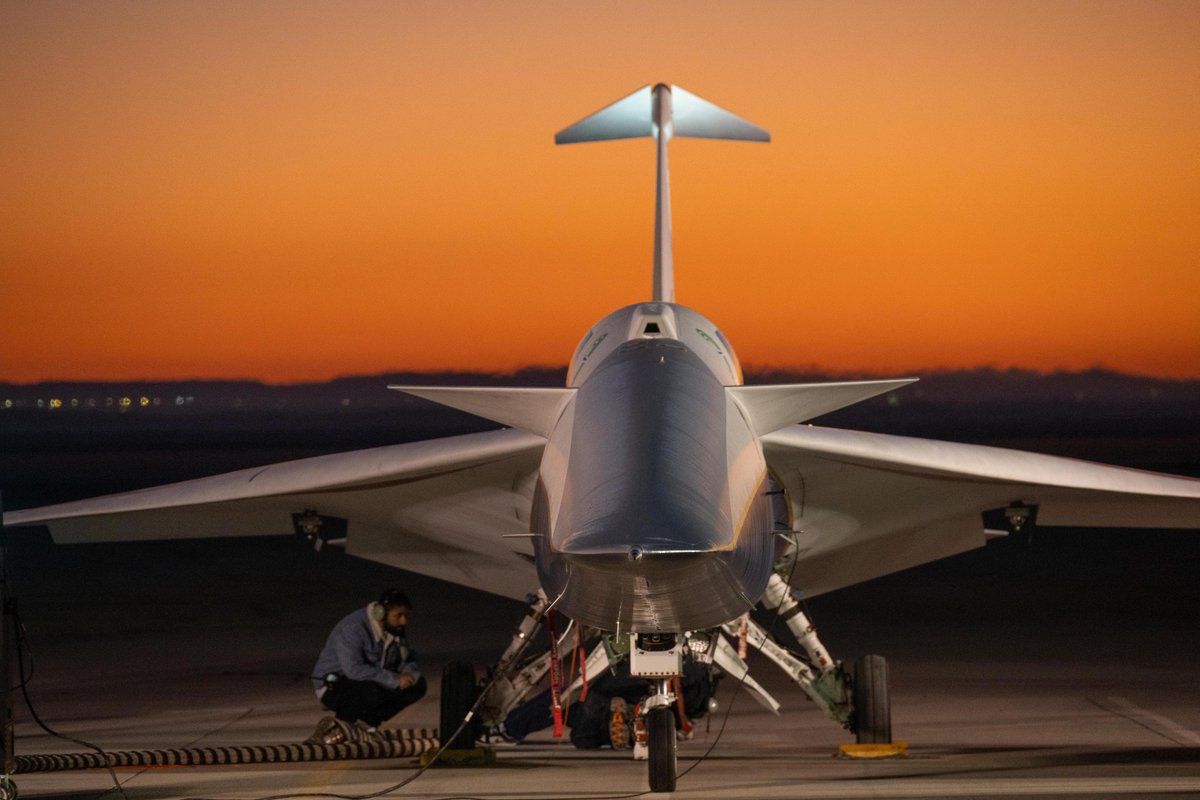
NASA’s X-59 is prepping for its second flight ✈️ NASA test pilot Jim “Clue” Less will pilot the X-59 for the second flight. The flight marks the beginning of “envelope expansion,” where the quiet supersonic jet will start flight testing at faster speeds and higher altitudes. Ultimately, the X-59 will demonstrate that an aircraft can fly faster than the speed of sound while reducing the typical loud sonic boom to a quieter thump. 🔗: go.nasa.gov/3PeCq56
NASA Armstrong tweet mediaNASA Armstrong tweet media
English
41
204
1.8K
100K
NASA Armstrong retweetledi
NASA Aeronautics
NASA Aeronautics@NASAaero·
We’ve got a date for X-59’s second flight: 03/19! ✈️ This flight will kick off a series of flights known as envelope expansion, during which NASA will gradually take the X-59 faster & higher. 📢@NASA Invites Media to Learn About Upcoming Test Flights: go.nasa.gov/4754gqn
NASA Aeronautics tweet media
English
8
82
415
31K
NASA Armstrong
NASA Armstrong@NASAArmstrong·
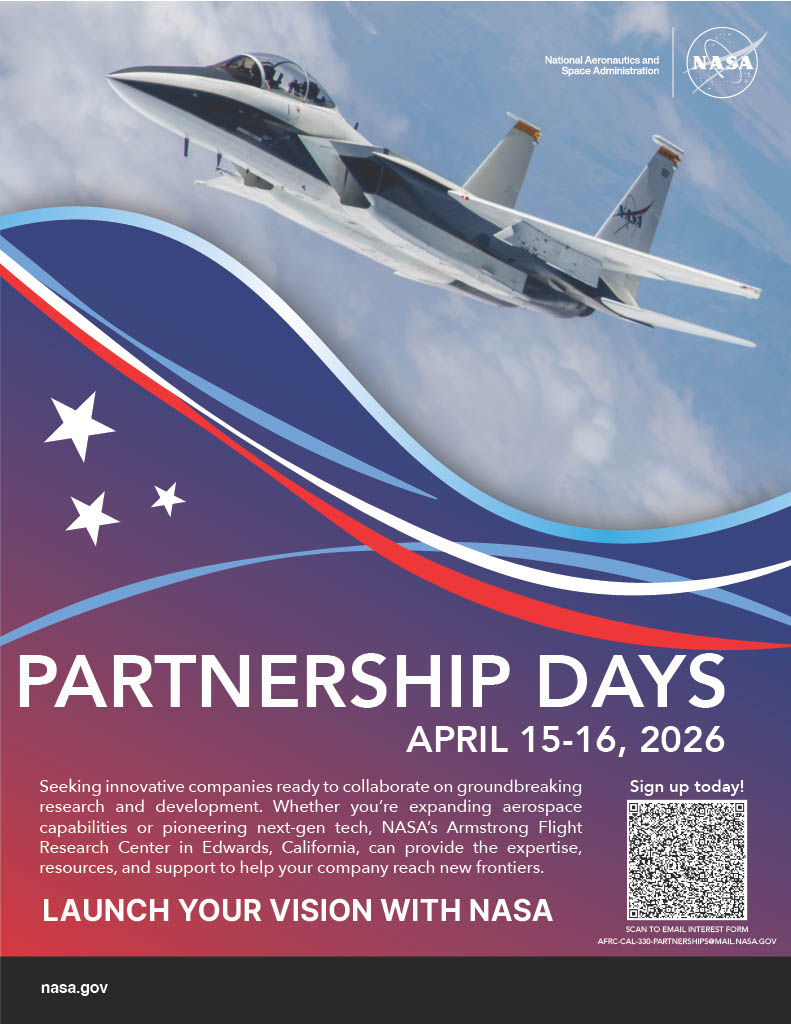
Calling all Innovators! ✈️ 🚀 Join us at NASA Armstrong’s Partnership Days on April 15-16, 2026, and explore opportunities to collaborate on groundbreaking research and development. Whether you’re an industry leader or government entity, this is your chance to connect with NASA experts and shape the future of aerospace, autonomy, sustainability, and more. Space is limited. RSVP is required by March 25 to secure your spot! 🔗: go.nasa.gov/4sDyQ2E
NASA Armstrong tweet media
English
1
7
24
2.3K
NASA Armstrong retweetledi
NASA Aeronautics
NASA Aeronautics@NASAaero·
2025 was a big year for the Quesst mission! After years of design, development, and testing, NASA’s X-59 quiet supersonic research aircraft took to the skies for the first time October 28, marking a historic moment for the field of aeronautics research and the agency’s Quesst mission. Watch these highlights from our series, 59 seconds on the X-59, and see NASA test pilot Nils Larson give a behind the scenes look at what it took to fly the one-of-a-kind experimental aircraft for the first time!
English
5
35
148
6.3K
NASA Armstrong
NASA Armstrong@NASAArmstrong·
From breaking the sound barrier to testing high-speed jets, NASA Armstrong has shaped aviation history! Our pioneering research fuels the future of flight. 🚀 Learn more here: nasa.gov/centers-and-fa…
NASA Armstrong tweet mediaNASA Armstrong tweet mediaNASA Armstrong tweet mediaNASA Armstrong tweet media
English
5
28
216
6.6K
NASA Armstrong
NASA Armstrong@NASAArmstrong·
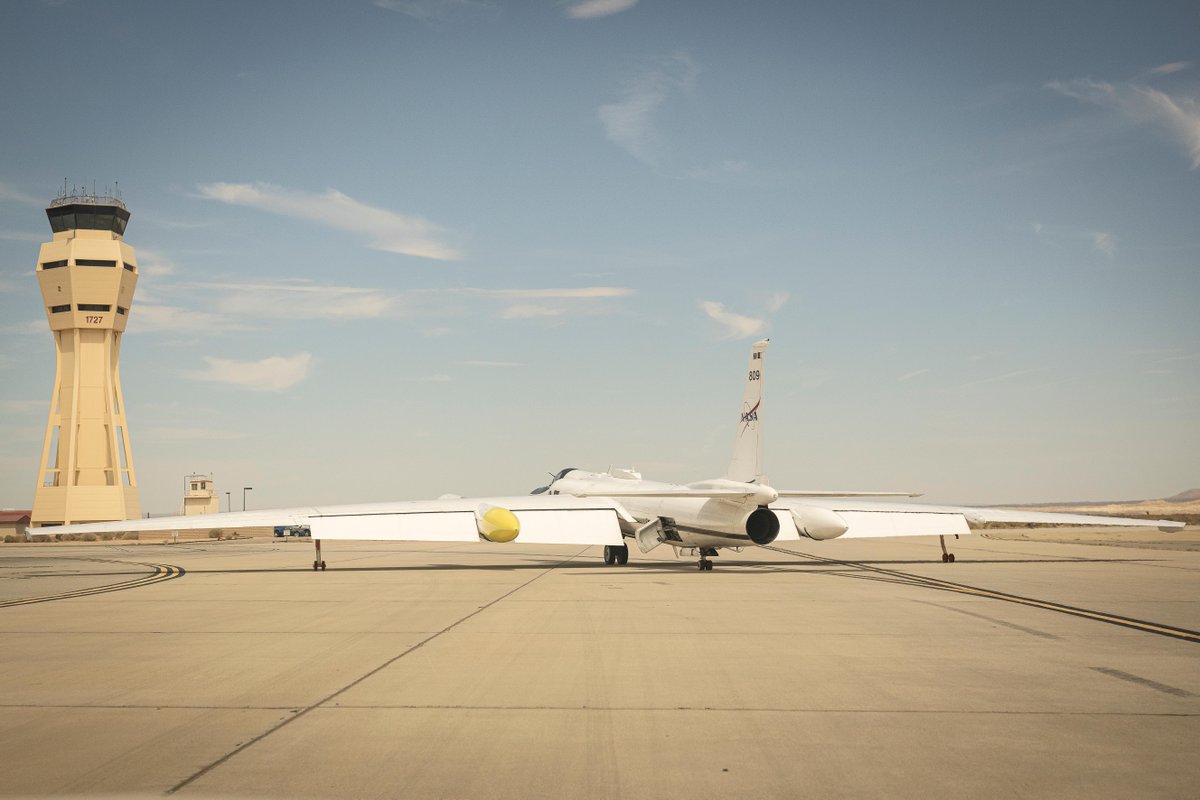
How bright is the Moon? 🌖 NASA Armstrong took to the skies to measure it, helping make space-based sensors even more accurate. Better sensor data means better tools to track weather patterns, survey agriculture, and study Earth’s ecosystems, supporting decisions that affect daily life on Earth. A unique instrument mounted on NASA’s ER-2 high-altitude aircraft transformed the plane into an airborne lunar observatory. See how NASA Armstrong helped make this mission possible: go.nasa.gov/3ON0WKg
NASA Armstrong tweet mediaNASA Armstrong tweet mediaNASA Armstrong tweet media
English
13
35
285
18.7K
NASA Armstrong
NASA Armstrong@NASAArmstrong·
Do you think living in a city or in a suburb will affect how you respond to air taxis? NASA is working with partners to better understand how people respond to air taxi noise when these aircraft take to the skies. Learn more here: go.nasa.gov/3P2IBZA
NASA Armstrong tweet media
English
4
9
36
3.8K