Sabitlenmiş Tweet
A beautiful inspirational tribute to Walter Payton. A must-listen!
English
NFLHuddle 🏈
4.7K posts
@NFLHuddleUp
Unearthing Forgotten NFL Heroes • Vintage Cards & Throwback Tales Gridiron buffs: Join the huddle for untold stories & rare gems 🏈 #NFLHistory



Art Monk was the definition of quiet dominance. The first WR in NFL history to hit 100 catches in a season - 106 in 1984. He broke the all-time career receptions record, becoming the first to surpass 900 and finishing with 940 receptions for 12,721 yards. 3 Super Bowl rings with the Washington Redskins. Smooth, precise, and clutch. A true legend of the game. Follow @NFLHuddleUp to resurrect legends like him. #NFL 🏈 #History #Washington #Redskins #Commanders
Roger Staubach, Tom Landry, and the Shotgun That Changed the NFL To understand Roger Staubach’s place in football history, you have to understand that his greatness wasn’t just about improvisation, toughness, or late-game heroics. It was also about trusting an idea before the league was ready for it. That idea was the shotgun. The shotgun didn’t originate in the NFL. Its roots trace back to college football in the 1950s, most notably with San Francisco 49ers coach Red Hickey, who briefly experimented with it in the #NFL in 1960. But defenses adjusted, coaches abandoned it, and the formation was largely dismissed as a gimmick — useful only in desperation. By the late 1960s and early ’70s, the shotgun had all but disappeared from professional football. NFL orthodoxy demanded quarterbacks take snaps under center, control the run game, and operate within tight timing windows. Space was viewed as a liability, not an advantage. Except in Dallas. Tom Landry never believed in novelty for novelty’s sake. He believed in structure, geometry, and problem-solving. When he revisited the shotgun in the 1970s, it wasn’t because he wanted to spread the field — it was because he wanted to clarify it. Landry understood something most coaches didn’t yet appreciate: the shotgun could be a vision tool. And he had the perfect quarterback to prove it. Roger Staubach wasn’t a system quarterback. He was a competitor with elite spatial awareness, quick processing, and uncommon calm under pressure. The shotgun gave him three critical advantages: 1.Immediate field vision — Staubach could identify coverage without fighting traffic at the line 2.Protection flexibility — extra depth helped neutralize edge rushers 3.Escape lanes — when structure broke down, Staubach could improvise without chaos This wasn’t backyard football. It was disciplined improvisation — freedom within a framework. By the mid-to-late 1970s, Dallas was using the shotgun more consistently than any team in the league. Not constantly. Not recklessly. But intentionally. And defenses noticed. Even as Staubach thrived, the rest of the NFL resisted. Coaches worried the shotgun: • telegraphed pass • weakened the run game • surrendered control to the quarterback Those fears weren’t unfounded — in the wrong hands, the shotgun was dangerous. But in Staubach’s hands, it became something else: a precision instrument. Dallas didn’t abandon power football. They complemented it. Staubach’s success didn’t instantly transform the league — but it legitimized the shotgun. It proved that space could be an asset, not a surrender. That quarterbacks could command offenses without standing under center. That innovation didn’t have to erase tradition. By the 1980s and ’90s, coaches like Bill Walsh and Joe Gibbs would expand passing concepts further. By the 2000s, the shotgun became mainstream. Today, it’s foundational. That lineage traces directly back to Staubach and Landry. Roger Staubach didn’t invent the shotgun. Tom Landry didn’t popularize it overnight. What they did was normalize it at the highest level, under championship pressure, without compromising discipline. That’s the difference between a gimmick and a revolution. Staubach showed that innovation doesn’t always arrive loudly. Sometimes it arrives quietly, earns trust, wins games — and then changes everything. In that sense, the shotgun didn’t modernize the NFL all at once. It waited for the right quarterback to make it believable. #DallasCowboys


To the @ProFootballHOF Selection Committee: Clay Matthews Jr. embodied sustained excellence and leadership over 19 seasons with the Cleveland Browns and Atlanta Falcons. His career was a model of consistency, toughness, and football intelligence — the traits that define true Hall of Famers. For nearly two decades, Matthews was the heart of every defense he anchored. With Cleveland, he led units that reached three AFC Championship Games, earning multiple Pro Bowl selections and All-Pro honors along the way. His play set the standard for preparation, discipline, and versatility — equally effective rushing the passer, stopping the run, or dropping into coverage. Matthews’ greatness wasn’t built on a single dominant season, but on year after year of high-level performance. His remarkable longevity wasn’t about hanging on — it was about producing, mentoring, and leading. Even in his late 30s with Atlanta, he remained a starter and a stabilizing presence on defense. Few linebackers in NFL history have combined his durability, adaptability, and football intellect. He bridged eras — from Terry Bradshaw to Steve McNair — and did so with an unwavering commitment to excellence. His influence extended beyond statistics; it was felt in locker rooms, game plans, and among generations of players who modeled their approach after his. Clay Matthews Jr. was the consummate professional — a player who elevated his teams, defined an era of Browns football, and left an enduring mark on the game. It’s time to honor that legacy. Clay Matthews Jr. belongs in Canton.
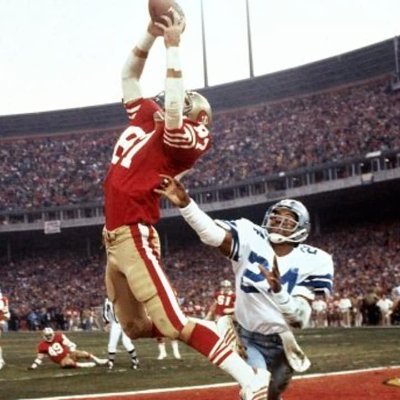
December 26, 1960 — Franklin Field, Philadelphia. The NFL Championship Game looked exactly like this. Eagles 17, Vince Lombardi’s Packers 13. Chuck Bednarik — “Concrete Charlie,” the last true 60-minute man — walks off the frozen, muddy turf arm-in-arm with Packers stars Paul Hornung (#5) and Jim Taylor (#31). All three future Hall of Famers. Mud-caked, exhausted, no free substitutions, no shortcuts. On the game’s final play, with the Packers driving for the go-ahead score, Bednarik (playing center on offense and middle linebacker on defense, in for nearly every snap) met Taylor at the Eagles’ 9-yard line. He wrapped him up, drove him down, and stayed on top until the gun sounded — famously growling, “You can get up now, Taylor. This game’s over.” One brutal, iconic afternoon that defined football’s iron-man era. The Eagles’ last title before the Super Bowl era. Pure grit, sportsmanship, and history. Follow @NFLHuddleUp for more timeless moments from the game that built legends #NFL 🏈 #History #Packers #Eagles
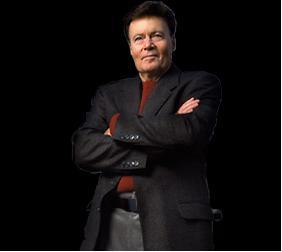
"CONCRETE CHARLIE" Heaven Birthday, Chuck Bednarik🕯️ #Eagles Legend The last of the true "60 Minute Men", playing both center and linebacker on a full-time basis • PFHOF Class of 1967 • NFL 50th Anniversary, 75th Anniversary, and NFL100 All-Time Teams • Two-Time NFL Champion • 1950s All-Decade Team • 8 Pro Bowls, 6x First-Team All-Pro #FlyEaglesFly
December 26, 1960 — Franklin Field, Philadelphia. The NFL Championship Game looked exactly like this. Eagles 17, Vince Lombardi’s Packers 13. Chuck Bednarik — “Concrete Charlie,” the last true 60-minute man — walks off the frozen, muddy turf arm-in-arm with Packers stars Paul Hornung (#5) and Jim Taylor (#31). All three future Hall of Famers. Mud-caked, exhausted, no free substitutions, no shortcuts. On the game’s final play, with the Packers driving for the go-ahead score, Bednarik (playing center on offense and middle linebacker on defense, in for nearly every snap) met Taylor at the Eagles’ 9-yard line. He wrapped him up, drove him down, and stayed on top until the gun sounded — famously growling, “You can get up now, Taylor. This game’s over.” One brutal, iconic afternoon that defined football’s iron-man era. The Eagles’ last title before the Super Bowl era. Pure grit, sportsmanship, and history. Follow @NFLHuddleUp for more timeless moments from the game that built legends #NFL 🏈 #History #Packers #Eagles


Tommy Nobis was the Falcons’ first-ever draft pick. 5× Pro Bowler. 1,688 career tackles. NFL 1960s All-Decade Team. NFL Rookie of the Year. Led the Falcons in tackles for 9 of 11 seasons. Nicknamed ‘Mr. Falcon.’ One of the greatest linebackers still waiting on his @ProFootballHOF call. Follow @NFLHuddleUp to resurrect legends like him. #NFL 🏈 #History #Football #NFLDraft #Falcons #Atlanta #DirtyBirds
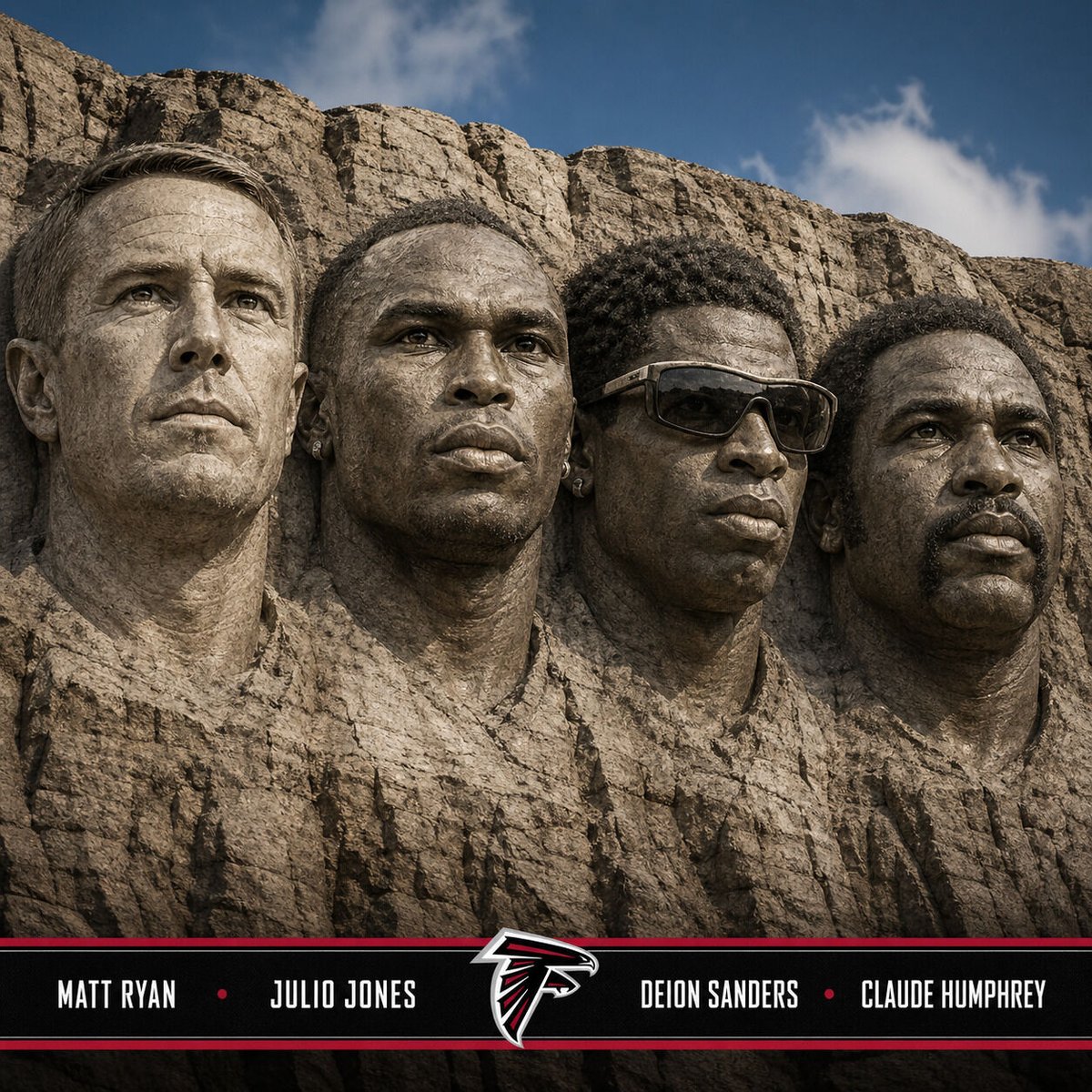
Dak Prescott’s Film Shows It: He’s a True Franchise QB Dak is one of the league’s most advanced processors — a high-floor leader and technically refined passer whose criticism has always come more from the star on his helmet than the film. He wins pre-snap, plays on time, elevates structure, and when the ecosystem is stable, he delivers sustained, elite stretches. A true franchise QB — the tape has said it for years. #Cowboys #DallasCowboys


Art Monk was the definition of quiet dominance. The first WR in NFL history to hit 100 catches in a season - 106 in 1984. He broke the all-time career receptions record, becoming the first to surpass 900 and finishing with 940 receptions for 12,721 yards. 3 Super Bowl rings with the Washington Redskins. Smooth, precise, and clutch. A true legend of the game. Follow @NFLHuddleUp to resurrect legends like him. #NFL 🏈 #History #Washington #Redskins #Commanders