

NNN
5.4K posts
NNN
@NNN5090
目標は2025年にサイドFire。 読書、旅行、車、テニス、日本刀、ゲーム、アパレル等々が好き 自由にフォローしてください
Katılım Ocak 2018
336 Takip Edilen222 Takipçiler

アホかコイツは。
憲法とは『時の権力者が暴走しないように防波堤となるもの』である。
ペテン師や詐欺師以外の言葉が見つからないほどの詭弁だ。
#高市やめろ

日本語

おはようございます。
初めて社員を解雇した日のことは、今でも覚えてる。
27歳の時だった。
会社を立ち上げて2年目。社員は8人。
その中に、どうしても仕事ができない人間がいた。
何度教えても同じミスを繰り返す。
周りの士気も下がり始めた。
面談の日、僕の手は震えていた。
「申し訳ないけど、今月で」と言った瞬間、相手の顔から血の気が引いた。
あの顔は一生忘れない。
でも、あの決断をしなかったら会社は潰れていたと思う。
残った7人の目が変わった。
「社長は本気だ」と。
解雇は経営者にとって最も辛い判断だ。
でも避けて通れない場面は必ず来る。
大事なのは、その人の人生を壊さないこと。
僕はその社員に3ヶ月分の給与を渡して、転職先も紹介した。
冷たくやるんじゃない。
誠実に、でも決断は曲げない。
それが経営者の責任だ。
日本語


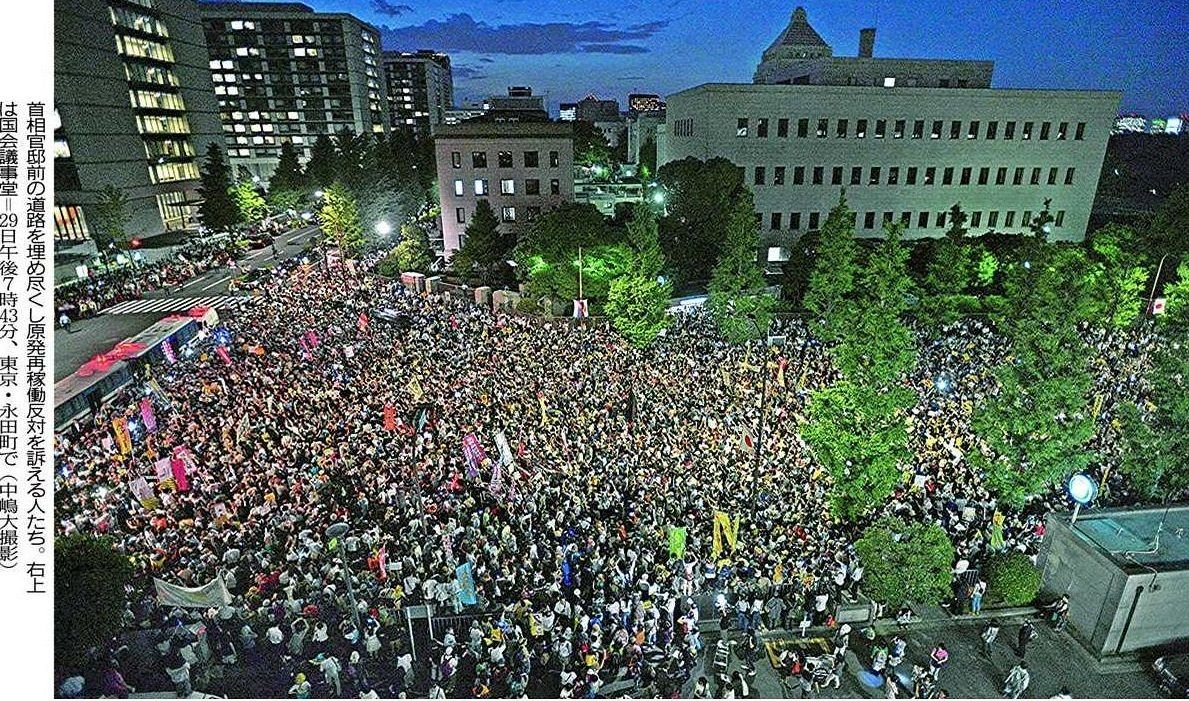

高市早苗は国会で約束した通り、イラン大統領に電話をかけた。これが初めての対話。しかし高市はイランがホルムズ海峡に通行料を課する権利はないと批難しただけだった。これは交渉ではない。日本の長年の友好国イランと敵対し、状況を悪くするだけ。国益を損ねることしかしない
Shanaka Anslem Perera ⚡@shanaka86
JUST IN: Japan’s Prime Minister just called Iran’s President. Twenty-five minutes. The first top-level contact between Tokyo and Tehran since the war began. And every word Takaichi chose was a weapon disguised as diplomacy. She called the Strait of Hormuz a vital artery for global logistics and an international public good. That phrase, international public good, is the most precisely calibrated language any leader has used since the ceasefire was announced. It is a direct legal rejection of Iran’s toll system without naming it. Under international law, a public good cannot be privatised. A public good cannot charge admission. A public good cannot require a secret code from an IRGC intermediary, a yuan payment to a military contractor, and an armed escort through territorial waters near Larak Island. Takaichi did not say this by accident. Japan imports 94.2 percent of its crude oil from Arab nations, nearly all of it transiting Hormuz. In February 2026, Japan imported 74.13 million barrels of crude. The effective closure of Hormuz forced Tokyo to release 80 million barrels from its national strategic reserves, enough to cover 45 days of domestic demand. The Nikkei has fallen 11 percent since the war began. The yen weakened to 20-month lows. The Bank of Japan warned of oil-driven inflation and markets are pricing a 70 percent chance of a rate hike this month. Japan’s entire economic stability is tethered to a 34-kilometre channel that an IRGC military council now controls through a toll booth it legislated on March 31. Takaichi’s call adds Japan to the coalition that is forming against the toll precedent. Oman’s transport minister told parliament today that international agreements prohibit Hormuz fees. Saudi Arabia, the UAE, and Bahrain called the tolls unacceptable. Trump offered to help with the traffic buildup. And now Japan, the world’s fourth-largest economy, has formally defined the strait as an international public good on a direct call with the Iranian president, creating a diplomatic record that can be cited at Islamabad on Friday and at every international forum thereafter. But Takaichi also spoke to Pezeshkian, not to the IRGC military council that actually runs the toll booth. Pezeshkian is the civilian president of a regime where the civilian president does not control the military, the intelligence apparatus, the provincial commands, or the strait. Takaichi’s statement will be filed in Tokyo. The IRGC’s clearance codes will still be issued at Larak. The gap between what diplomats say and what military operators do is the gap the ceasefire was built on, and it is the gap that will determine whether the toll precedent becomes permanent. Japan released 80 million barrels of reserves because it could not access the strait. It will now pay tolls to access the strait, or reroute around the Cape of Good Hope at $5 per barrel in additional shipping costs, or rely on US naval escorts that Trump described as “hangin’ around” to make sure everything goes well. None of these options restore the status quo ante. The strait that was free before the war is now either tolled, militarised, or both, and Japan’s 94 percent dependence means it absorbs the cost regardless of which option it chooses. The Strait of Hormuz was an international public good. It is now a contested chokepoint. And the distance between those two descriptions is measured in yuan. open.substack.com/pub/shanakaans…
日本語

ほんとうにいい雰囲気。
これが“外交”。
今の政権でよく見るのは——
外交“っぽい”演出。
中身ではなく、見せ方に寄るほど、
信頼はむしろ遠ざかる。
石破さんに戻してほしい。
できるだけ早く。
日本語
ナフサの枯渇は中国とまったく関係ない、高市政権の失策。高市政権を批判すれば何でも中国の味方扱い。これがスパイ防止法の心理。
北村晴男@kitamuraharuo
国民不安を煽る高市サゲで、中国共産党に寄り添うTBS報道。
日本語
NNN retweetledi

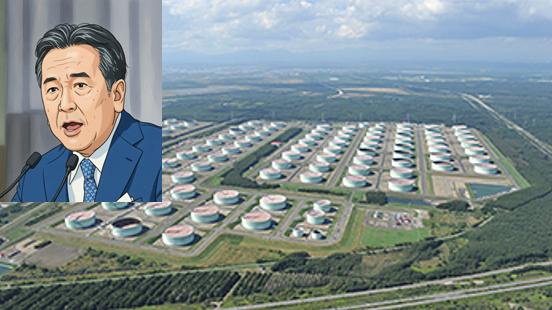
《大スクープ!民主党政権、事業仕分けで石油備蓄量の削減を決定していた!理由は、お金の無駄遣い、国際社会に頼ればいい、人口減少だし脱二酸化炭素だからと!!》
まさに悪夢だ!
事業仕分けで民主党政権は、大事な予算を次々とカットするとしたが、何と、石油備蓄の予算もカットで、備蓄日数も多すぎると議論していたのだ。
こんな人たちに二度と政治に関わらせてはいけない。
民主党政権の悪夢の事業仕分け
ほとんど忘れ去られているが、2009年に誕生した民主党政権は、事業仕分けで多くの予算をカットするとの結論を出した。これは、今の我国の生命線となっている石油備蓄も同様だった。
平成24年3月5日、自民党の伊東良孝衆議院議員は、この大問題を予算委員会で、悪夢の民主党の枝野経産大臣に質問したのである!!
この素晴らしい質問を紹介しよう!!まず、伊東氏は、「一方、平成二十一年、二〇〇九年十一月二十七日の事業仕分けの際、行政刷新会議第二ワーキンググループにおきまして、IEAの管理のもと緊急時に各国が助け合える仕組みになっている、石油のみの備蓄にこれだけのコストをかけるべきかどうか疑問である、あるいはまた、備蓄総日数を抑制し民間の備蓄義務日数を九十日に戻す、人口減少とCO2削減に伴い石油需要が減る見込みであるから、それに合わせて備蓄を減らしても問題ないといった、仕分け人の方々からの御指摘を受けたところであります。当時枝野大臣もその責任あるメンバーであったと記憶しているところでありますけれども、国家備蓄石油の備蓄日数を縮減するという結論がここで出されました。」と話を切り出した。
恐ろしい!立憲民主党の創設者で、中道改革連合にも所属している枝野氏らは、事業仕分けで石油備蓄が多すぎると結論を出していたのだ。
これは、消防庁のHPに残っている事業仕分けの記録にもはっきりと残っている事実だ。事業仕分けで15人中10人が国際的に備蓄があるだの、人口減少だの、CO2削減だの、とろくでもない理由を付けて備蓄日数を削るべきと結論を出している。
余りにも恐ろしい。
しかし、伊東氏によれば、この大暴挙は国際エネルギー機関から懸念が入り、阻止されたと言うのだ。
「しかしながら、IEAから懸念表明等がありまして、二〇一〇年、平成二十二年四月九日、経済産業省の総合資源エネルギー調査会石油分科会において、現状の備蓄水準の維持が必要である、こう結論づけられたのであります。平成二十一年の事業仕分け、備蓄日数の縮減という結論は、翌年の石油分科会の結論とはまた違うものでありました。私は、備蓄日数の縮減という事業仕分けの結論というのはやはり間違いではなかったのかなという気がしますけれども、この兼ね合いをどういうふうに捉えておられるか、お聞きします。」
枝野氏は、この質問に対し、事実上認め、結果的に減らさなかったから問題ないと言う趣旨の回答をした。
自民党政権が始め、守り育ててきた石油備蓄。それをぶっ壊そうとしたのが、今の立憲民主党、中道改革連合、国民民主党にいる人々なのだ。こんな人たちに国会で質問する資格はない。こういう人たちが、石油備蓄を守ってきた自民党と政府の予算案に抵抗しているのだ。
#立憲民主党 #民主党政権
出典元や詳しい内容は、プロフィールのリンク先(公式サイト)で閲覧できます。
日本語
日中戦争で1937年12月の南京占領の3ヶ月後、1938年3月に発表された軍歌「日の丸行進曲」の歌詞に「去年の秋よ強者(つわもの)に、召し出(いだ)されて日の丸を、敵の城頭(じょうとう)高々と、一番乗りに打ち立てた、手柄はためく勝ちいくさ」とある。日の丸が対中侵略戦争の象徴だったことは否めない。
金澤 伶🍉編著『学費値上げに反対します:学生たちの生活と主権』(地平社)@ibaranoahiru
署名しました❤️🤍 日の丸に対する思いは人それぞれ。 >高市首相は、個人より国が尊重される、国家主義的な日本にすることを目的に「国旗等損壊罪」の成立を求めています。愛国心を押し付け、国のために死ねる人間を作り「戦争をする国」にするための法律です。 #国旗損壊罪 c.org/DZTHWjxcw9
日本語
「埼玉スタジアム駅」設置でアクセス改善期待 地下鉄7号線、岩槻延伸へ一歩も残る課題
sankei.com/article/202604…
延伸区間には「埼玉スタジアム駅」「中間駅」「岩槻駅」(いずれも仮称)の3つの新駅が設置。快速列車の導入により、岩槻駅から都心の永田町駅までの所要時間は、短縮される。
日本語
こんな周回遅れのデマを拡散するな。生活保護受給者200万人のうち外国人はわずか2%。その2%は高齢者と障碍者と母子家庭。他の働いてる外国人はみんな納税しているから生活保護を支えこそすれ破綻の原因にはならない。そんなファクトチェック何万回もされてきてるでしょ。sanspo.com/article/202604…
日本語
@TomoMachi 分かってないですね…
穀潰しなどとは一緒に働きたくないのですよ
貴方だって、能力がとても低い人と働きたくないでしょう?
雇いたくないでしょう?
日本語
日本の経済を回すには、まず何よりも、働く移民を追い出すより、学校にも行かず働きもしない穀潰しがまず働くことです。このまま学校にも行かず手に職もないと、小ほんこんになるしか生きる道がなくなります
冒険家ゆたぼん(17)@yutabon_youtube
なんか「移民を受け入れないと経済が回らない」と言う人がいますが、移民を受け入れて治安が悪化したら経済が回らないどころか国が滅びると思います!現に日本が日本じゃなくなりつつあるでしょ?
日本語

日本で石油関係で問題が起こったら、以降は全て高市早苗のせいだよ
みんな覚えておくといい
彼女が対応しないせいで潰れる会社
彼女が対応しないせいで死ぬ人も出てくる
世界のタンカーは通り始めている
日本は高市早苗が止めている
今後何かがあったら全て高市早苗のせいだ
日本語
英仏の核の傘のもとにミドルパワー軍事同盟を結成しましょう。
アメリカはもううんざり。
でも、ロシア、中国は怖い。
共同通信公式@kyodo_official
米中覇権に頼らない戦略を - マクロン氏、日仏協力訴え news.jp/i/141198383802…
日本語
@nemoto_ryosuke2 分かりました
では今後、万が一にれいわ新選組にポジティブな調査結果が出たら、徹底的に疑うことにします
「あのれいわ新選組ですよ、情報操作されてますよね」と言いましょう
日本語