
Sabitlenmiş Tweet
Nadia
49.2K posts


Nadia retweetledi
Nadia retweetledi

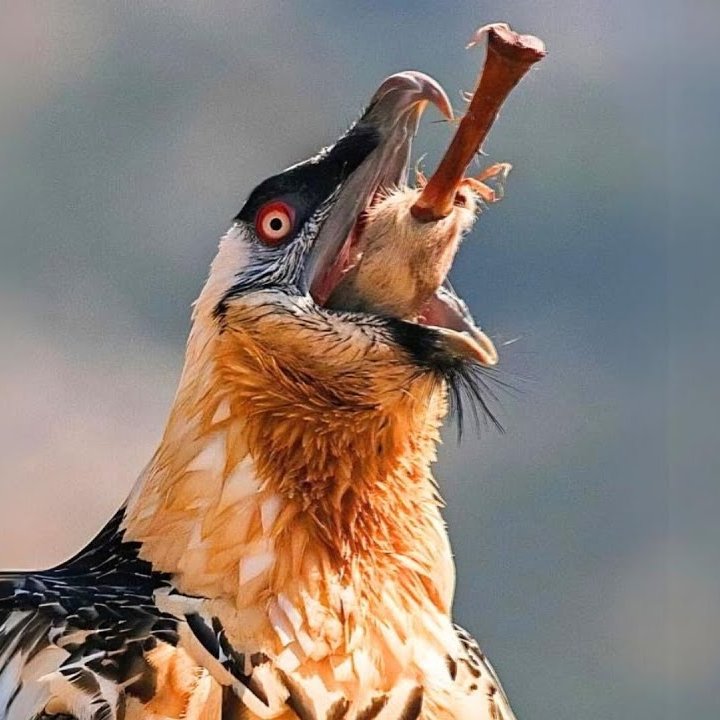
Vultures eat anthrax, botulism, rabies, and cholera for breakfast.
Their stomach acid is among the most corrosive in the animal kingdom, with a pH around 1, low enough to dissolve the bones, hide, and pathogens of dead animals that would kill almost anything else.
A vulture eating a diseased carcass isn't a vector for disease, it's a terminus. The disease chain ends in the vulture's gut, and that's pretty hardcore.
When vulture populations crashed in India in the 1990s, rotting livestock carcasses sat where vultures used to clean them.
Feral dogs and rats took over the cleanup, both of which actually do spread rabies. Researchers later linked the vulture collapse to roughly 500,000 deaths in India over the following decade.
The same collapse is now underway in sub-Saharan Africa. Six of eleven African vulture species are threatened with extinction, primarily from poisoned poaching baits.
The animals nobody finds cute are doing more public health work than most of the species we actively protect.

English
Nadia retweetledi
In 1963 there were 417 nesting pairs of bald eagles left in the lower 48 states.
Today there are over 70,000 birds.
The collapse was caused by DDT, a pesticide that thinned eggshells until eagles couldn't reproduce.
Mothers would sit on nests and crush their own eggs. By the early 1960s the national bird was on a glide path to extinction in most of the country.
Then a few things happened in sequence. Rachel Carson wrote Silent Spring in 1962. The EPA banned DDT in 1972. The Endangered Species Act passed in 1973.
People decided this animal was not going to disappear, and then they did the work to make sure it didn't.
Bald eagles were delisted from the endangered species list in 2007. They're now common enough that people in some states see them on their morning commute.
This is what conservation looks like when we let it work.

English
Nadia retweetledi

На щиті повертаеться до Бородянки бойова медикиня Тетяна Косян. Співчуття рідним і близьким. Вічна пам'ять. Вічна шана.
Українська
Nadia retweetledi

Today russians killed people in Kramatorsk, tomorrow they'll try convinced you they are civilised enough to compete in the olympics.
They'll tell you it's safe to let them look after your kids.
They are all fucking animals, how the fuck do we allow them in Europe 🤬🤬🤬
English
Nadia retweetledi

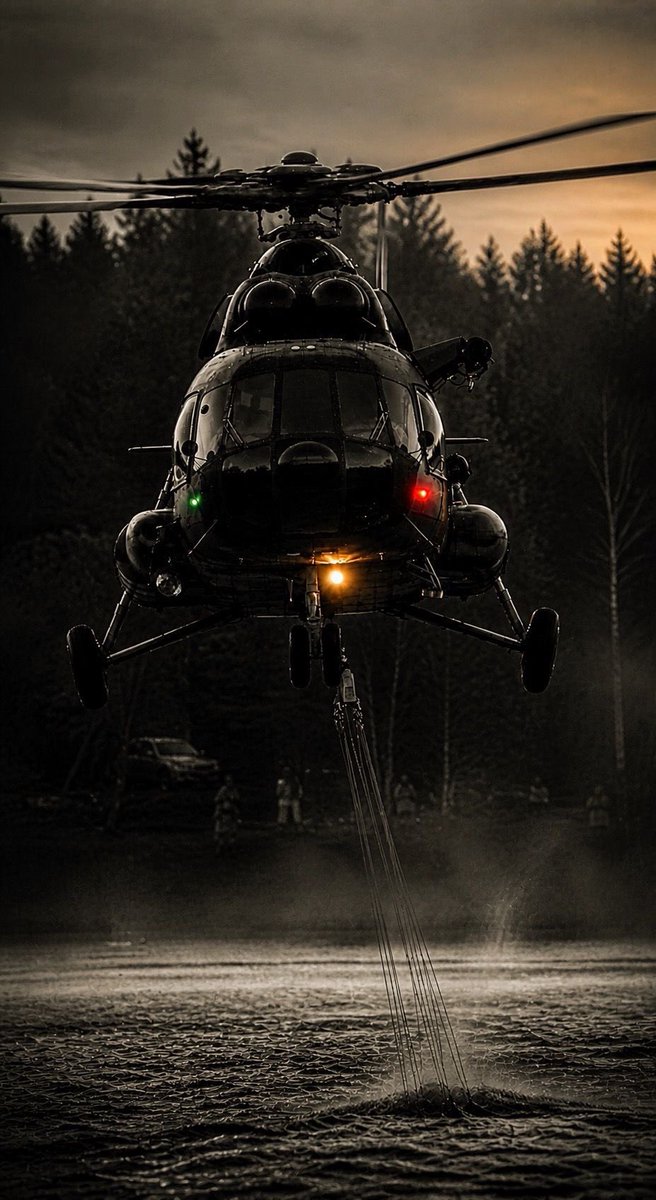
Naše posádky se před chvílí vrátily z posledního zásahu v Českém Švýcarsku. Byly to náročné dny plné soustředění a spolupráce.
Děkujeme všem, kteří byli u toho — ve vzduchu i na zemi.
Celkem máme za sebou téměř 60 hodin nasazení, 596 shozů a 1 023 tun vody dopravených na požářiště.
Více info a fotek ve vlákně.👇
Čeština
Nadia retweetledi

The world has allowed the systematic killing of Ukrainians for over 4 years.
Today alone:
4 in Poltava region
12 in Zaporizhzhia
5 in Kramatorsk
2 in Kherson region.
23 civilians in one day.
How many more deaths until the world stops ignoring this? This is a disgrace.

English
Nadia retweetledi


Nadia retweetledi
Nadia retweetledi


Nadia retweetledi
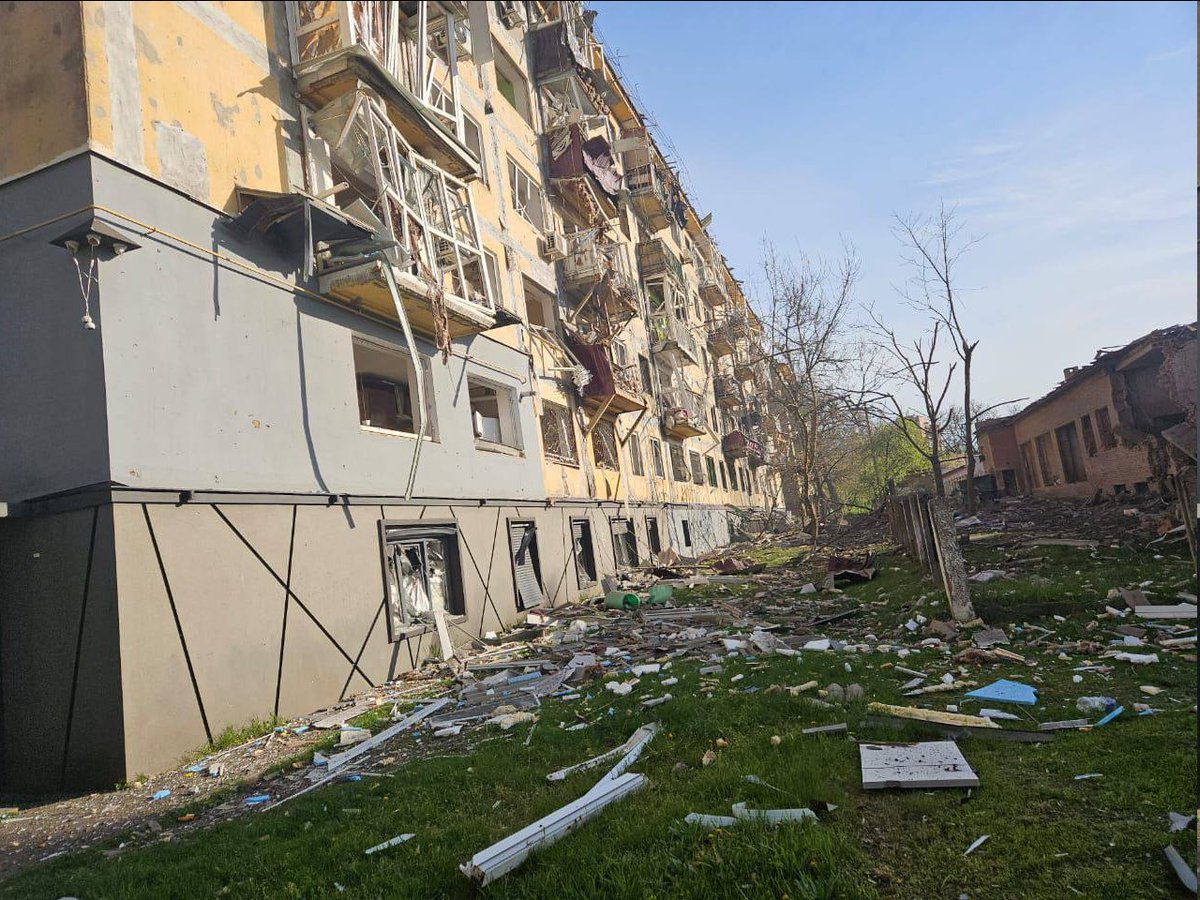
Russia bombed Zaporizhzhia and Kramatorsk in broad daylight. Guided bombs and then drones. 17 people killed. Maniacs. Bloodthirsty maniacs.
English
Nadia retweetledi

Zełenski zwrócił się do mieszkańców Moskwy:
„Moskwiczanie, którzy nie popełnili zbrodni w Buczy i Mariupolu, nie porwali ukraińskich dzieci, nie bombardowali spokojnych ukraińskich miast i wsi oraz nie brali udziału w nielegalnej okupacji — proszę, spróbujcie opuścić miasto jak najdalej 9 maja.
Dziękuję za zrozumienie.”

Polski
Nadia retweetledi

Nadia retweetledi


Nadia retweetledi
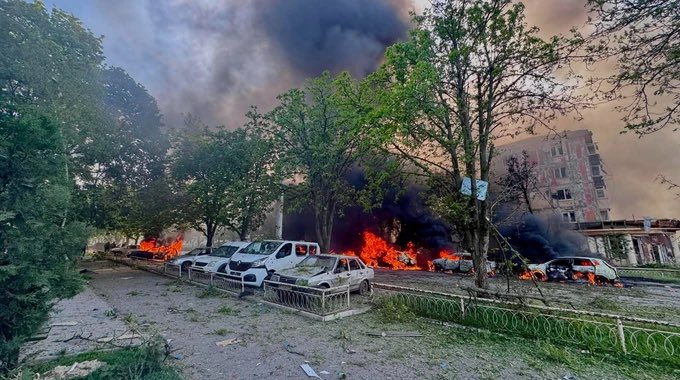
💔 Kramatorsk.
A mother is crying after losing her daughter: “I don’t believe it… show me her.”
At least 5 people were killed by russian forces.
We don't hate russia enough.
UAVoyager🇺🇦@NAFOvoyager
💔📸 Kramatorsk. He was just going about his day. The world hasn’t even begun to grasp the true horror of russian terror.
English
Nadia retweetledi

Turek napsal: "Například při povodních zemřelo několik lidí, protože aktivistická Duha zamezila stavbě potřebné přehrady."
Hnutí DUHA reaguje na obvinění poslance Filipa Turka předžalobní výzvou a požaduje veřejnou omluvu.
hnutiduha.cz/aktualne/hnuti…
Čeština
Nadia retweetledi
«Я прошу вас бути рішучими і збивати смертельні російські ракети і дрони над нашою територією. Я прошу зупиняти російський тіньовий флот. І я прошу вас перестати боятися Росії.
Тому що Росію не боїться Україна. Тому що 4 роки тому Путін, який обіцяв всім за 3 дні провести парад у Києві, сьогодні вже просить Київ дати йому можливість провести парад у Москві.»
Дуже дякую спікеру Верховної Ради України Руслану Стефанчуку за це звернення до країн ЄС.
Українська
Nadia retweetledi
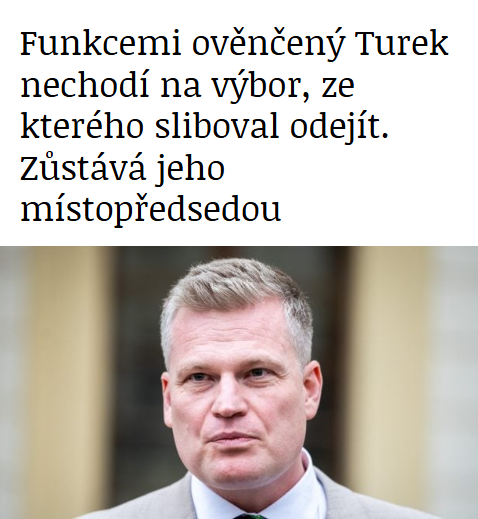
23 000 Kč získává navíc měsíčně Filip Turek doslova za NIC. A jaký je váš plat, vy méněcenní poddaní?
Čeština
Nadia retweetledi
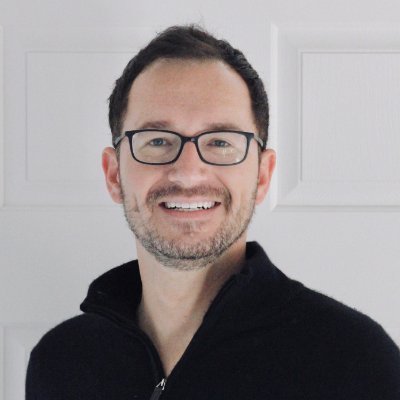
The Scariest Photo in My Gallery...
In the evening, I learned about a seriously wounded man who couldn't be carried away. He had been lying there for a long time, waiting for help, while an enemy drone hovered above him, watching for an evacuation team. But the company commander seized the moment and risked his life to go get him. And they did it - they brought him to the nearest shelter.
Late at night, I went there, hoping I could still help. Several hours of struggle, five or six failed attempts to insert an IV - no more veins left... One last time, by some miracle, I found a vein. We started injecting solutions, his blood pressure rose, a few more injections, and finally - we exhaled. He was stable.
The evac team arrived, we loaded him into the vehicle, and I said: "That's it, boy, hold on. It's over now. The doctors are waiting for you. Just a little longer, and everything will be fine."
They drove away. I sat down, and at that very moment, my combat medic took this photo. A second later, we heard a powerful explosion. Then-silence. Our evacuation team never made contact again. Russians were waiting for them.
Everyone was killed.
When I joined the army, many people asked me: "Are you going to avenge your husband? Do you want blood?" And I always answered: "I'm not here to kill. I'm here to save lives - so that no one else, like my husband, is left without medical care on the battlefield."
They also asked if I would treat prisoners. My answer was always yes. It was my duty.
Not anymore.
I don't want to save anymore. I want to kill. And I want to see them die. I want to see their mothers and wives screaming over their graves.
I will not help any prisoner.
I don't care about your humanity, your rules of war, your conventions.
Damn you, russians.
You, your children, and your grandchildren - for all the grief you have brought to our land.
Author: Combat Medic Nadiya Bila, Ukraine.

English
Nadia retweetledi
Kristiina Sasínek Mäki, prezidenti Petr Pavel a Alexander Stubb a finský fotbalista Kaan Kairinen si dnes byli zaběhat.
(via Kristiina Sasínek Mäki)
Čeština