

Naman | Team ‘Nature’
1.3K posts

Naman | Team ‘Nature’
@NamanForNature
✨Nature, Spirituality and Mindfulness 🌨️Living in Mountains, Ascetic Living ☘️Live Tree Planted: 112 🌸 Superhost at @goingzero.in
Forest Katılım Ağustos 2011
235 Takip Edilen32.4K Takipçiler
Naman | Team ‘Nature’ retweetledi

Naman | Team ‘Nature’ retweetledi


Naman | Team ‘Nature’ retweetledi
Naman | Team ‘Nature’ retweetledi


Naman | Team ‘Nature’ retweetledi

Naman | Team ‘Nature’ retweetledi

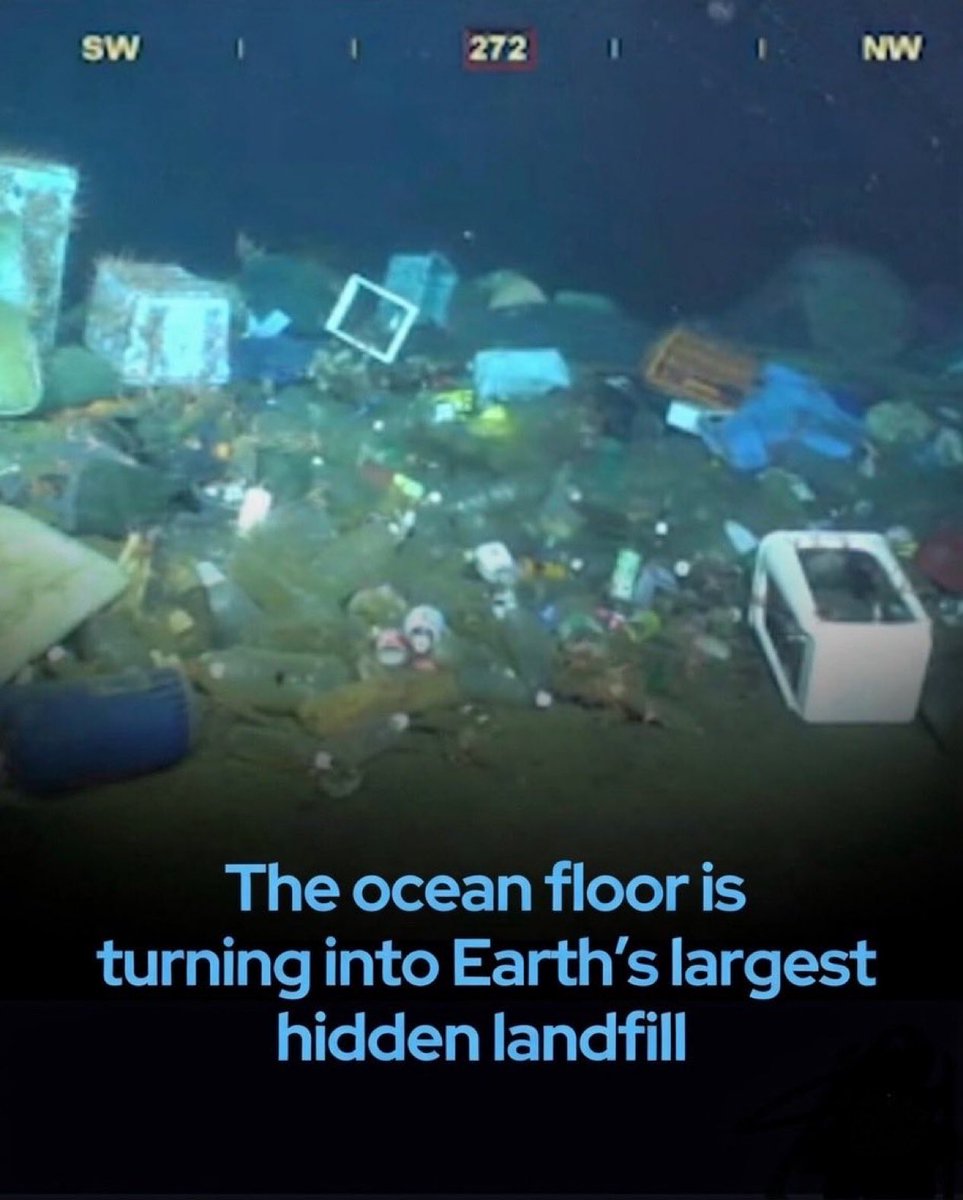
The ocean floor is slowly turning into a landfill
For decades, most concern about ocean pollution has focused on floating plastic and waste washing up on beaches. However, scientists now warn that the largest buildup of debris is happening out of sight, deep beneath the ocean’s surface.
A global review led by researchers at the University of Barcelona found that the seafloor is accumulating vast amounts of human-made waste, in some places at levels comparable to landfills. In the Strait of Messina, between Italy and Sicily, researchers documented over one million pieces of debris per square mile (around 400,000 per square kilometer), making it one of the most polluted seafloor regions ever recorded.
Debris such as plastic bags, fishing nets, metal, glass, and discarded equipment does not simply sink straight down. Ocean currents, storms, and underwater canyons transport waste from coastlines into deep-sea basins thousands of feet below the surface. Plastics account for about 62% of seafloor litter and can travel long distances before settling.
This is a global issue. Plastic has been discovered nearly 36,000 feet deep (about 10,900 meters) in the Mariana Trench, the deepest known point in the ocean. If current trends continue, scientists estimate the ocean could contain over 3 billion metric tons of waste within the next 30 years.
The impact on marine life is severe. Nearly 700 marine species are affected by seafloor debris through entanglement, ingestion, or exposure to toxic chemicals. Abandoned fishing gear can continue trapping animals for decades, a process known as ghost fishing.
Because this pollution occurs far from human view, it is often overlooked. But what sinks into the ocean does not vanish — it accumulates, persists, and alters ecosystems long after it disappears from sight.
Read the study:
“The quest for seafloor macrolitter: a critical review of background knowledge, current methods and future prospects.”
Environmental Research Letters, 2021
English
Naman | Team ‘Nature’ retweetledi

Naman | Team ‘Nature’ retweetledi

People travelling to Manali should wait till tomorrow till the roads get cleared.

English
Naman | Team ‘Nature’ retweetledi

This was once a fully grown, green tree. Then the road was opened to the public, hawkers moved in, and to ensure the tree did not interfere with their business, it was chopped. Its base was cemented, cutting off all the nutrition the tree needed to survive. Now it has been painted.
Its death is only a matter of time. And what is the tree used for today? As a dustbin.
This is what we have done to our nature.


English

Cristiano Ronaldo gifted his mother a Porsche Cayenne on her birthday
English
@Enezator Context:
This landslide incident was from Nagaland Highway during monsoon.
One person died from the white car ahead and rest are safe with minor injuries.
This was recorded in the car behind the black car having dashcam.
Lesson: Don’t travel in monsoon.
English
3.2 crore passenger travelling daily in India, which is more than popular of Australia.
Still we have poor connectivity in trains even you travel with most premium ones.
English
Naman | Team ‘Nature’ retweetledi

Naman | Team ‘Nature’ retweetledi

@historyinmemes How tiny are we and our problems are 😊
English
Be thankful for the difficult people in our life. They have shown me exactly who we don’t want to be.
English