

Nama Moonga
919 posts
Nama Moonga
@NamaungaMoonga
a Nameless Assassin
Lusaka, Zambia Katılım Mayıs 2015
1.2K Takip Edilen406 Takipçiler



Petition to officially rename Victoria falls Mosi-Oa-Tunya
👑 𝗧𝗛𝗘 𝗠𝗪𝗔𝗧𝗔 👑@Cee_thr33
Everytime I vist the Falls 🫶🏾.
English
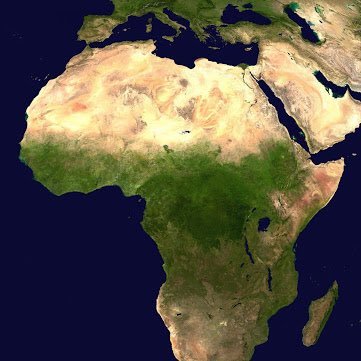
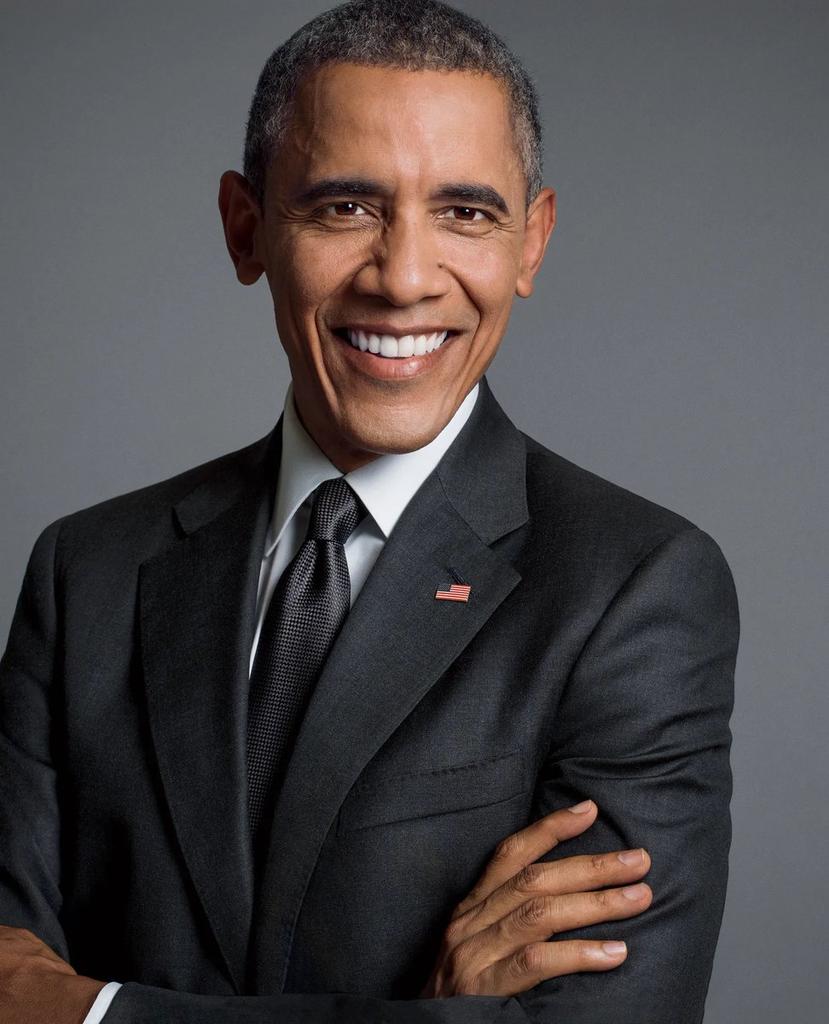
What comes to your mind when you think of this man, Barack Obama
English
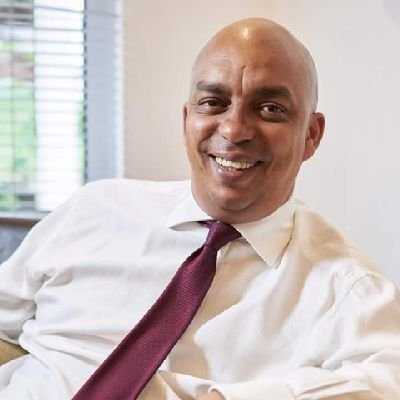
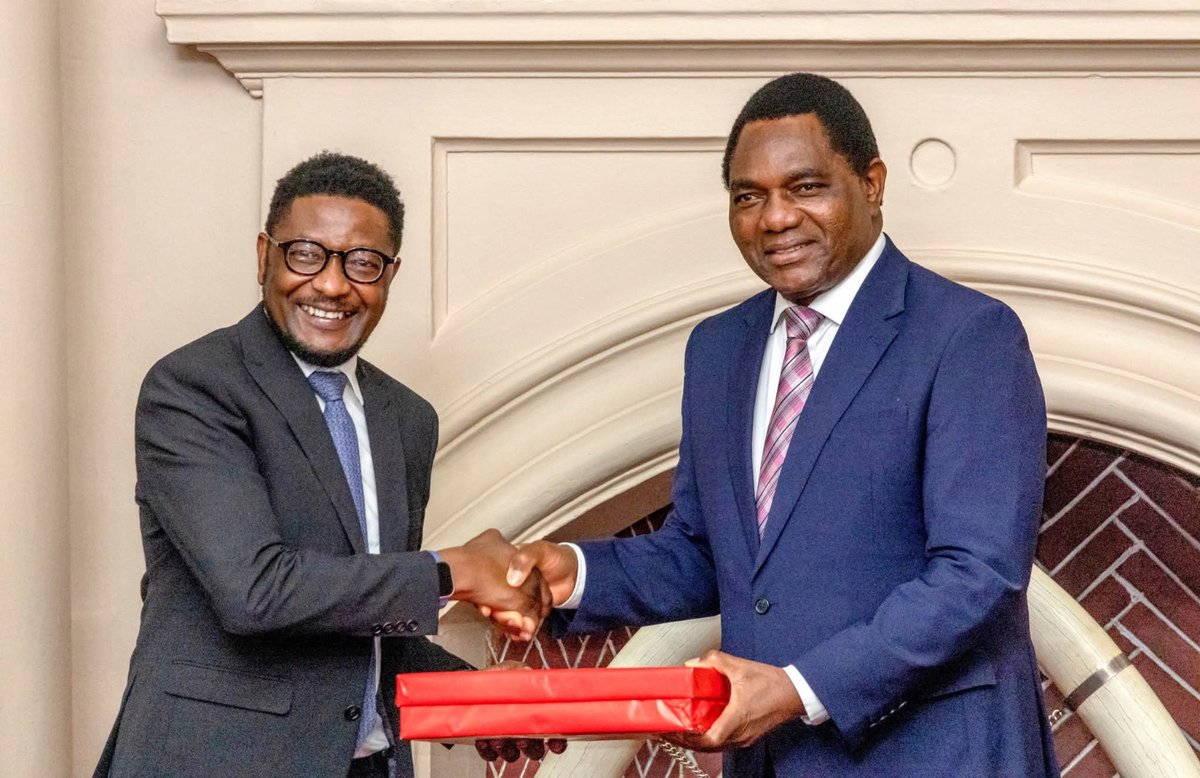
Have to give it to HH. He's good with traditional leaders.
Here he is with Paramount Chief Charles of the English tribe.

English

ECL: nobody will be a worse President of Zambia beating me. Amongst the worst, I seat on top.
HH: hold my chibwantu.

English
Nama Moonga retweetledi
If you're an overthinker, you must watch this...
English
@HHichilema We sincerely hope dropping Bill 7 is in there. Misplaced priorities.
English

We are working late into the night, preparing our speech for the opening of parliament on Friday. Yes, we will talk about energy, development, and free education. What else is on your mind? Taking notes.
Bally

English
@BuyoyaJonah Mmmm, after being outed for exporting at this time of need.
English

ZESCO says intermittent power supply in some areas is due to system instability affecting the electricity network. The utility says technical teams are working to restore stable supply “in the shortest possible time” and has apologized for the disruption.
English
There’s a general plea for govt to go ahead with Bill 7 – Mutti diggers.news/local/2025/09/…

English
Nama Moonga retweetledi
ZAMBIA’S CRIMINAL JUSTICE SYSTEM IS AN INJUSTICE
By Dingindaba Jonah Buyoya
The recent arrests and subsequent convictions of former public officials have been widely, and rightly, hailed as a positive step for Zambia. For a nation weary of impunity, seeing high-profile individuals held to account is a commendable stride towards the rule of law. It sends a powerful message that the long arm of justice, however slow, will eventually catch up with those who abuse public trust for personal gain.
However, the fact that we are only now seeing people go to jail for crimes committed as far back as 2014 is a profound indictment on our criminal justice system.
The fundamental flaw is a pattern too consistent to be coincidental: law enforcement appears either unable or unwilling to act while the accused are still in power. The gears of justice seem to only begin to turn when political winds shift and an official loses their position.
This is not mere speculation; it is borne out by specific, high-profile cases. For instance, the case of former president Edgar Lungu's barber, Shebby Chilekwa, provides an example. Court records have revealed that state agents actively prevented his arrest on a grave crime while his patron was in office, and he was only brought to book after the change of government. Just the thought of how he went about his life after such a huge scandal is unbelievable. He wasn’t even one of the people service in public office!
This trend raises a big question about the integrity of the institutions that form our criminal justice system. These include the Zambia Police, the Anti-Corruption Commission (ACC), the Drug Enforcement Commission (DEC), and the National Prosecution Authority (NPA), all of which operate alongside our Judiciary. Each of these bodies is key in the fight against corruption and crime, yet their actions have long been perceived as politically motivated.
While the ACC has been lauded for securing convictions, the data still raises questions. For the first half of 2024, the ACC reported 340 authorized investigations, but only 24 arrests and 14 convictions, alongside K20 million in forfeited assets. While every conviction is a win, the disparity between investigations and successful prosecutions points to a system still facing significant challenges.
The Zambia Police Service, often perceived as a reactive force, is probably the biggest culprit. In 2024, the Police were heavily criticized for what was perceived as politically motivated arrests of opposition figures, with high-profile cases against individuals like Raphael Nakacinda and Fred M'membe drawing accusations of weaponizing the law. Of course, those two are not immune to accountability; but some members of the ruling party have committed similar offenses against their opponents.
These actions, while not related to financial crimes, highlight systemic failures where law enforcement is seen to be protecting the powerful while restricting the rights of others.
Similarly, the Drug Enforcement Commission (DEC), while having made significant strides, often has its high-profile cases viewed through a political lens. The arrest of former First Lady Esther Lungu in late 2024 on charges of possessing properties suspected to be proceeds of crime and money laundering was widely welcomed, but it also reignited the debate about why such investigations only appear to gain traction after a change in government.
We have seen tangible results, such as the conviction of Francis Muchemwa, a former Patriotic Front (PF) youth commander, on multiple counts of possessing property suspected to be proceeds of crime. Similarly, the arrests of former president's son, Dalitso Lungu, and his wife on charges of money laundering are welcomed. These are not just names, but people being held accountable. Yet, the question remains: why were these alleged crimes not investigated while the accused were still in their privileged positions? The ACC's justification for not naming ministers currently under investigation, that names will only be made public once investigations are advanced, is a deeply flawed argument that perpetuates this perception. Every day, the names of other citizens, suspected of far lesser crimes, are published for all to see. Why is a minister's reputation more sacrosanct?
What is happening today is a demonstration of the type of government the Patriotic Front was. They have no right to play the victim because these members of theirs in fact committed serious crimes and are now being found guilty. For years, the state apparatus under their control actively shielded them from accountability, allowing them to abuse public office for personal enrichment and, in some cases, even to evade justice for heinous crimes like murder, as was the case with Shebby Chilekwa. This is not a political witch-hunt; it is the long-delayed reckoning of a system that was bent to protect the powerful at the expense of justice.
The lessons from the past are a mirror for the present. The current administration, which came into power on a promise of a “new dawn” and a blind eye to corruption, must heed this warning. Power is a temporary loan, and history has a long memory. If the law continues to be a tool for political convenience, used to pursue opponents while investigations into one's own officials fail or are dismissed with a flimsy excuse, then the wheels of justice, once so slow for the former government, will surely turn for the current one. The world is watching, and the lies of today will find no refuge in tomorrow.
The law must be blind to personalities, as Lady Justice is portrayed with a blindfold. It must be fair and firm, regardless of whether you drink tea with the top boss. We must build a criminal justice system that is truly independent, one that can function without fear or favour, and that holds every citizen accountable, regardless of their political or social standing. The credibility of our institutions and the integrity of our nation depend on it.
English
Lusambo's lawyer wonders why a child named after Lungu should be homeless diggers.news/local/2025/09/…

English


Nama Moonga retweetledi

Nama Moonga retweetledi
Nama Moonga retweetledi

All problems we facing in the world, including African countries like Nigeria and South Africa etc today goes back to the British.
English
Nama Moonga retweetledi

KENNETH KAUNDA REMEMBERED
Kenneth Kaunda, one of Africa's greatest liberation heroes, passed away on this day in 2021 at the age of 97.
Fondly known as KK and Super Ken, he was not only Zambia's founding president but also a pan-African icon who dedicated the best of his life to ensuring that every single inch of African land was free from colonialism. As President of Zambia, Kaunda led other African leaders in forming the Frontline States coalition, a group of countries in southern and East Africa that gained their independence in the early 1960s. The group played a key role in mobilising resources and support for the armed struggle against racist and colonial regimes in Southern Rhodesia (now Zimbabwe), Namibia, Mozambique, Angola and South Africa.
Kaunda turned Zambia into a hub for the liberation struggle in Southern Africa. In addition to providing diplomatic and material support, Kaunda allowed liberation movements, such as South Africa's African National Congress (ANC), Namibia's South-West Africa People's Organisation (SWAPO) and the Zimbabwe African People's Union (ZAPU) to use Zambia as a launch pad for cross-border attacks against the settler regimes in their homelands. These efforts helped ensure that, by the 1990s, when he left office, most colonial regimes in the region had either collapsed or were on the verge of collapse.
In this video, African Stream's Clinton Nzala provides a detailed account of Kaunda's contributions to the freedom of millions of Africans.
English
