Nandini C Sen

9.5K posts

Nandini C Sen banner
Nandini C Sen

Nandini C Sen

@NandiniCSen

Mother, writer & academic with her funny bone intact!

India Katılım Şubat 2021
581 Takip Edilen390 Takipçiler
Nandini C Sen retweetledi

Ram Ramgopal
Ram Ramgopal@RamInNews·
Raghu Rai’s portfolio of the 1984 Bhopal industrial gas disaster are among the most profound photojournalistic works of the last 50 years raghuraifoundation.org/bhopal/
English
3
306
1.2K
17.7K
Nandini C Sen retweetledi
Siddhartha Basu
Siddhartha Basu@babubasu·
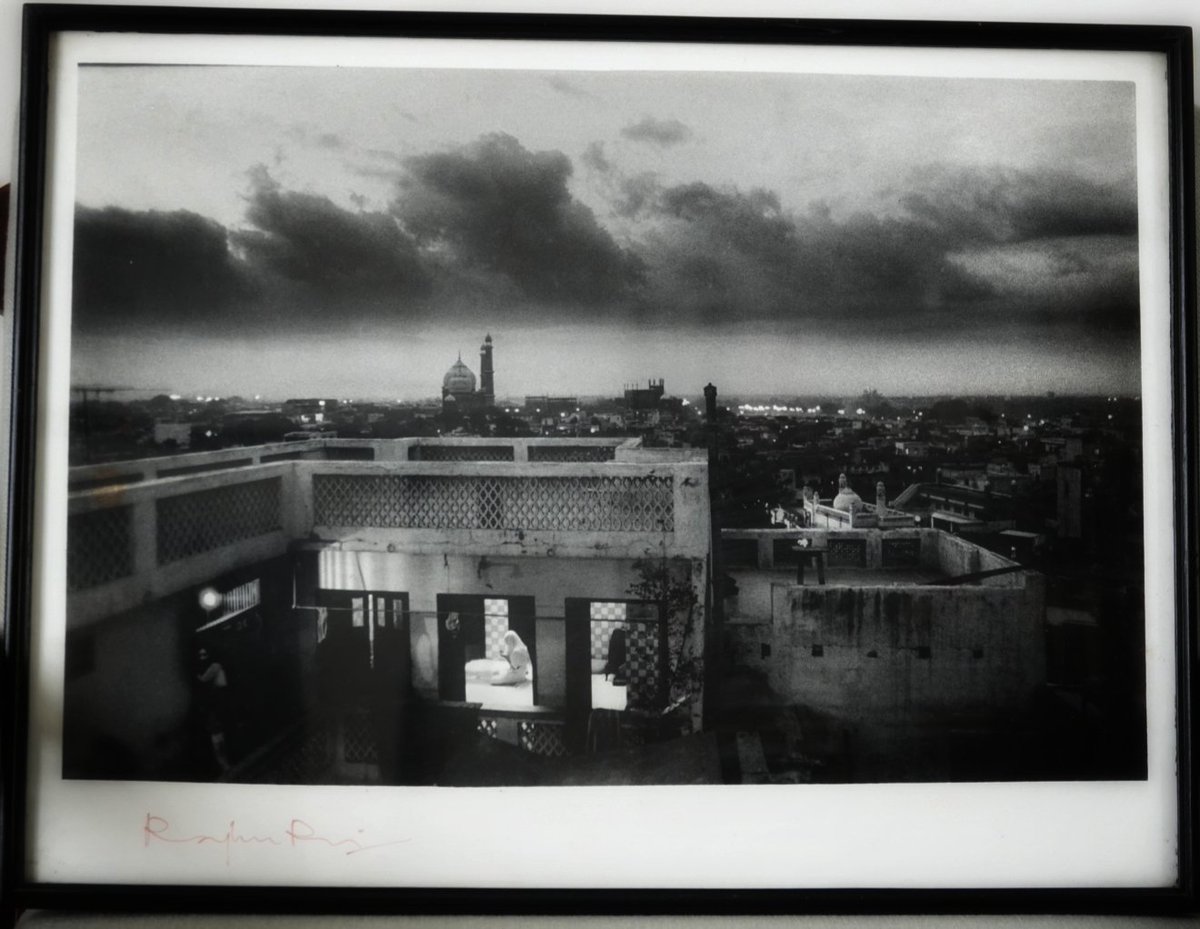
There are photographers—and then there was Raghu Rai, who revealed India’s inner life. Twilight over Shahjahanabad: a lone figure at namaaz, the city stilled. I’ve seen him in the India Today darkroom, singing taans to time the light. Nothing was taken. Everything revealed. RIP🙏
Siddhartha Basu tweet media
English
4
73
366
4.6K
Nandini C Sen retweetledi
Love of Cinema
Love of Cinema@loveofcinemasf8·
Classical artists photographed by the great Raghu Rai
Love of Cinema tweet media
English
0
52
227
3.3K
Nandini C Sen retweetledi
Radhika Bordia
Radhika Bordia@radhikabordia·
More than a decade ago, in an interview with Indian photojournalists, I asked Raghu Rai which two images from his vast and brilliant repertoire he considered iconic, both personally and for the nation. Hear his answer and see the images (around 12 min): ndtv.com/video/india-ma…
English
6
47
126
9.2K
Nandini C Sen retweetledi
Moments & memories
Moments & memories@momentmemori·
There was a time when this pen was more valuable than today’s iPhone 17 Pro Max.
Moments & memories tweet media
English
389
866
7.5K
218.4K
Nandini C Sen retweetledi
Anish Moonka
Anish Moonka@anishmoonka·
The man composing this piece was going deaf. Beethoven wrote the Moonlight Sonata in 1801, and that same year, age 30, he finally admitted in a letter to an old friend that the high notes of the piano had been slipping away from him for three years. It took him years to write music like this. Across his life, Beethoven left behind more than 8,000 pages of sketchbooks, full of musical ideas, crossed-out drafts, and rewrites. The piece you're watching went through layer after layer of revision before he was satisfied. Mozart famously composed entire pieces in his head, then wrote them down nearly perfect on the first try. Beethoven did the opposite. He'd write something, scrap it, write it again, and come back to it later. For one short section in another piece of his, his notebooks contain at least 14 different versions of the same passage. He'd write two endings, compare them side by side, then pick one. His method was strict. Pocket-sized notebooks went with him on country walks for raw ideas in pencil. Serious work was done at home, in larger volumes, in ink. Ideas often started as tiny snippets, just a few seconds of music, before he turned them into full drafts. He'd sometimes return to the same melody for years. One tune of his appeared in four different pieces over five years before he finally felt done with it. When a young composer asked him in 1822 how he wrote music, Beethoven said: "I carry my thoughts about me for a long time, sometimes a very long time, before I set them down." There was another crisis around the same time. In 1802, the year after he wrote Moonlight, Beethoven wrote what's now called the Heiligenstadt Testament. It was a suicide note to his two brothers, which he never delivered. The piece you're watching, with the pianist's hands flying through roughly 10 notes per second, was composed by a man who could already hear his own piano going quiet on him. Beethoven gave the piece a different name. His title was "Sonata quasi una fantasia," which means sonata like a fantasy. The "Moonlight" nickname came later, from a music critic named Ludwig Rellstab in 1832, five years after Beethoven died. Rellstab said the slow opening reminded him of moonlight on Lake Lucerne. Beethoven thought he'd written better things. He once told fellow composer Carl Czerny: "they are always talking about the C-sharp minor sonata. Surely I have written better things." (The C-sharp minor sonata is the Moonlight.) As his hearing got worse in later years, Beethoven started placing a wooden rod against the piano, holding the other end between his teeth, so the vibrations could travel through his jawbone into his skull. He was hearing music through his bones, two hundred years before anyone gave that idea a name. What you're watching is years of grinding, by a man whose hearing was disappearing while he worked.
バズり隊@WindowTappcou0

ベートーヴェンがどうやってこの曲を思いついたのか想像出来ない...
English
4
26
83
5.1K
Nandini C Sen retweetledi
DENİZ_TOPRAK2
DENİZ_TOPRAK2@Baha_Benhan·
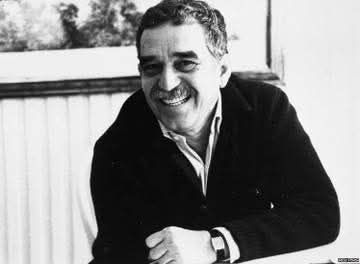
Gabriel García Márquez şunları söyledi: Altmış yaşına ulaştıysanız, paraları saymayı bırakın ve anları saymaya başlayın. Çünkü siz "her ihtimale karşı" tasarruf etmeye devam ederken, "her ihtimale karşı" durumlar dişlerini bileyliyor, yorulmanızı bekliyorlar ki kendinize izin vermediğiniz şeylerden faydalanabilsinler. Zaten çalıştınız, çocuklarınızı büyüttünüz, acı çektiniz. Şimdi sıra sende; şafağı sakin bir şekilde izle, hep ertelediğin şeyleri kendine ısmarla, en pahalı kahveyi vicdan azabı çekmeden ve gülümseyerek iç. Çılgın girişimlere bulaşmayın ve her zaman "harika bir fikri" olan ama asla fatura ödemeyen "girişimci" oğlunuza kanmayın. Ve lütfen: çocuklarınızla birlikte yaşamayın. Onları ziyaret edin, onlara sarılın, ama kapınızı ve huzurunuzu koruyun. Kimsenin sorunlarını omuzlamayın. Torunlar gülmek için vardır, büyütülmek için değil; çocuklar sevilmek için vardır, ihtiyaçlarının karşılanması için değil. Bu yaşta vücudunuza, ama özellikle de zihninize iyi bakın. Hastalıklar veya ilaçlar hakkında çok fazla konuşmayın; seyahatlerden, şarkılardan, mutlu anılardan bahsedin. Ve eğer biri size "artık işe yaramazsın" derse, zarifçe gülümseyin... ve henüz kimsenin ne olduğunu anlamadığını hatırlayın. Eğer biri size "artık işe yaramazsın" derse, zarifçe gülümseyin... ve bu kişinin henüz kimseye borçlu olmadan çok yol kat etmenin ne demek olduğunu anlamadığını hatırlayın. Gülün, yaşayın ve başkalarının istedikleri gibi kırgınlaşmalarına izin verin. Zaten kazandınız: hâlâ buradasınız, dimdik ayakta duruyorsunuz, bir hikayeniz ve tarzınız var. Ve bu, gerçekten de bir ayrıcalık! Gabriel García Márquez Edebiyat Ödülü sahibi dünyaca ünlü Kolombiyalı yazar
DENİZ_TOPRAK2 tweet media
Türkçe
88
1.6K
6K
265.2K
Nandini C Sen retweetledi
Archaeo - Histories
Archaeo - Histories@archeohistories·
When France was liberated in 1944, the celebrations didn’t just bring relief—they also unleashed a wave of anger looking for somewhere to land. In towns and villages across the country, thousands of women were hauled into public spaces and accused of “horizontal collaboration” for having relationships—real, rumored, coerced, or transactional—with German soldiers. They became known as **les tondues**: the shorn women. And what happened to them was less about justice than public display. Their heads were shaved in town squares as crowds watched. Some were beaten or stripped. Some were marked with swastikas or marched through the streets while people jeered and cheered. Many were young. Many were poor. Some had been trying to survive in an occupied country with limited choices. Others were simply accused and swept up in the chaos. There were rarely trials or meaningful investigations—just humiliation, punishment, and a blunt need to make someone pay. What makes it even harder to sit with is the imbalance. While these women were punished publicly and immediately, many men who collaborated in more powerful ways—politically, economically, or strategically—often avoided this kind of instant, visceral reckoning. A nation bruised by occupation found a simpler target. And it chose women. The photographs still exist: shaved heads, blank stares, crowds turning punishment into performance. They’re a reminder that liberation isn’t always clean—and that in the aftermath of collective trauma, “justice” can slide into something else. © Reddit #archaeohistories
Archaeo - Histories tweet media
English
24
113
440
53K
Nandini C Sen retweetledi
Dr. Allison Wiltz
Dr. Allison Wiltz@queenie4rmnola·
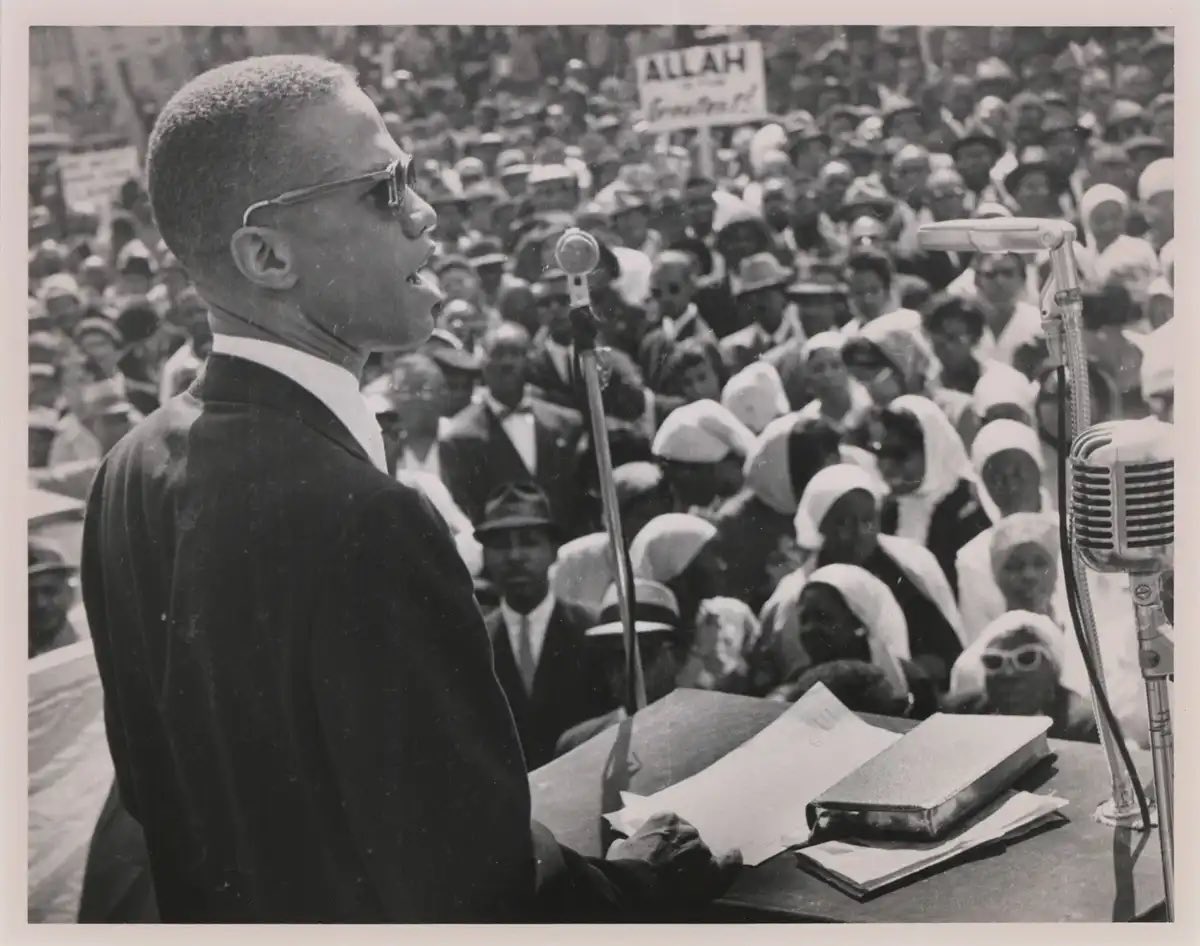
“It is not a Negro problem, nor an American problem. This is a world problem, a problem for humanity. It is not a problem of civil rights, it is a problem of human rights.” — Malcolm X
Dr. Allison Wiltz tweet media
English
12
126
373
3.1K
Nandini C Sen retweetledi
Shubhendu
Shubhendu@BBTheorist·
In 1969, legendary singer Usha Uthup started her singing career wearing a saree and singing pop music at #NineGems which was a famous, pioneering nightclub located in the basement of the Safire Theatre complex on Mount Road, Madras near Gemini Flyover. It was considered a novel, high-end venue at that time, and her performances brought a ‘family’ atmosphere to a previously male-dominated venue.
Shubhendu tweet media
English
9
27
110
9.7K
Nandini C Sen retweetledi
Mad-হবি 🐒
Mad-হবি 🐒@Mads00108·
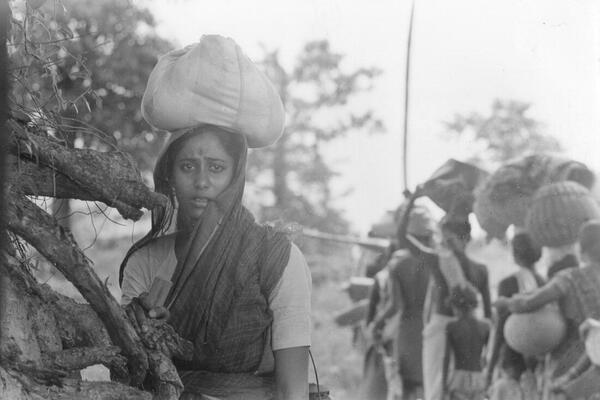
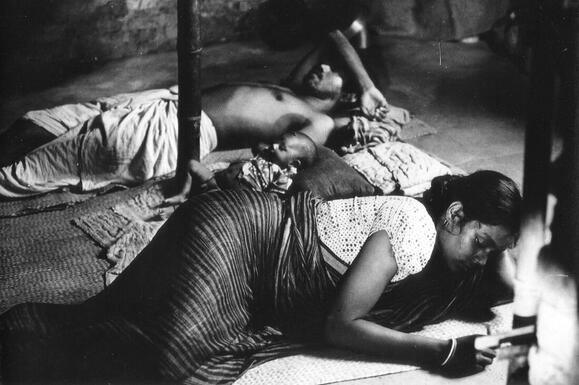
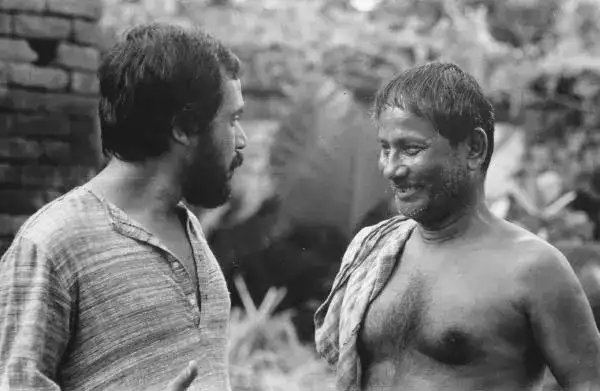
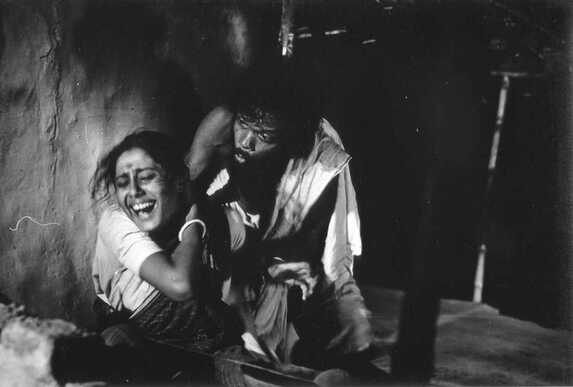
Aakaler Sandhane (In Search of Famine) -Mrinal Sen’s haunting film where Dhritiman Chatterjee plays a director who arrives in a village with his crew to recreate 1943 famine. With Smita Patil in the lead, the line between reel and real life slowly disappears, especially through Sreela Majumdar’s character. Music by Salil Chowdhury, Cinematography by K.K. Mahajan and editing by Gangadhar Naskar. Mrinal Sen’s collaborations with Gangadhar Naskar and Mahajan are well known. The film won National Awards for Best Film, Director, Screenplay, and Editing.
Mad-হবি 🐒 tweet mediaMad-হবি 🐒 tweet mediaMad-হবি 🐒 tweet mediaMad-হবি 🐒 tweet media
English
4
34
141
4K
Nandini C Sen retweetledi
Sātavāhana.
Sātavāhana.@SatavahanasIN·
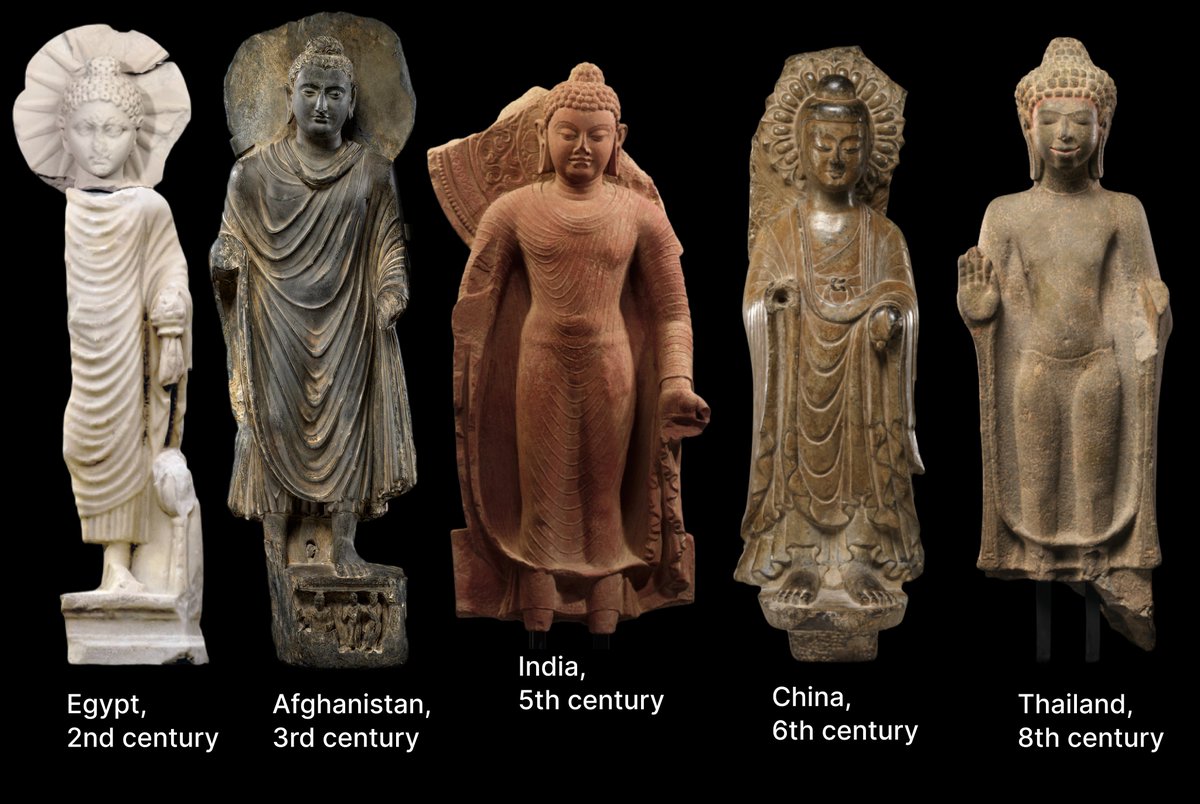
Buddha statues from different regions: Egypt, Afghanistan, India, China, and Thailand. ca. 2nd to 8th century CE
Sātavāhana. tweet media
English
17
327
1.6K
50K
Nandini C Sen retweetledi
Roman History
Roman History@romanhistory1·
In Greek mythology, the Trojan War was waged against the city of Troy by the Achaeans (Greeks) after Paris of Troy took Helen from her husband Menelaus, king of Sparta. The war is one of the most important events in Greek mythology and has been narrated through many works of Greek literature, most notably through Homer's Iliad.
Roman History tweet media
English
0
13
32
2.6K