NanoPoly&Gels Group

116 posts

NanoPoly&Gels Group banner
NanoPoly&Gels Group

NanoPoly&Gels Group

@NanoPolyGels

Nanostructured Polymers and Gels Group located at the Polymer Science and Technology Institute of the Spanish Research Council (ICTP-CSIC).

Madrid, Spain Katılım Temmuz 2022
139 Takip Edilen186 Takipçiler
NanoPoly&Gels Group retweetledi

ICTP-CSIC
ICTP-CSIC@ictp_promocion·
📡📢 ¿Estás buscando un #master , te interesan los #plasticos #polímeros #materiales? La @UIMP junto al @ictp_promocion @CSIC ofertan el 𝙈𝙖́𝙨𝙩𝙚𝙧 𝙙𝙚 𝘼𝙡𝙩𝙖 𝙀𝙨𝙥𝙚𝙘𝙞𝙖𝙡𝙞𝙯𝙖𝙘𝙞𝙤́𝙣 𝙚𝙣 𝙋𝙡𝙖́𝙨𝙩𝙞𝙘𝙤𝙨 𝙮 𝘾𝙖𝙪𝙘𝙝𝙤𝙨 Más info 👇👇👇👇👇👇👇👇👇👇👇
ICTP-CSIC tweet media
Español
1
6
1
1K
NanoPoly&Gels Group
NanoPoly&Gels Group@NanoPolyGels·
Submission deadline only until THIS Friday!!!
English
0
1
1
386
NanoPoly&Gels Group retweetledi
ACS Macro Journals
ACS Macro Journals@MacroJrnls_ACS·
🎉Antonio Capezza🎉 #Biomacromolecules "One of my research goals is to produce new sustainable materials using circular economy principles and existing technology to decrease the plastic waste and environmental footprint of disposable items ..." More ➡ go.acs.org/8m3
ACS Macro Journals tweet media
English
0
3
9
995
Alejandro J. Müller
Alejandro J. Müller@AJ_Muller_Group·
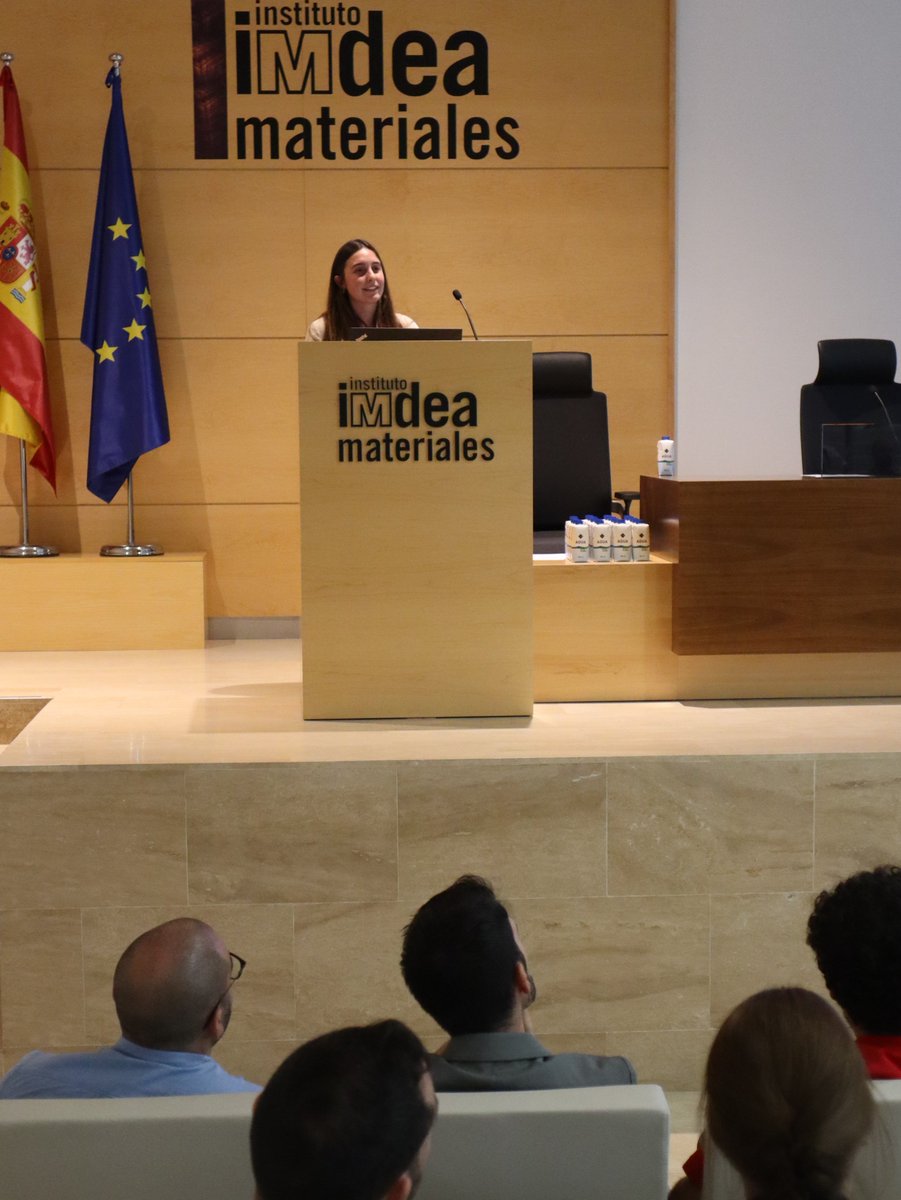
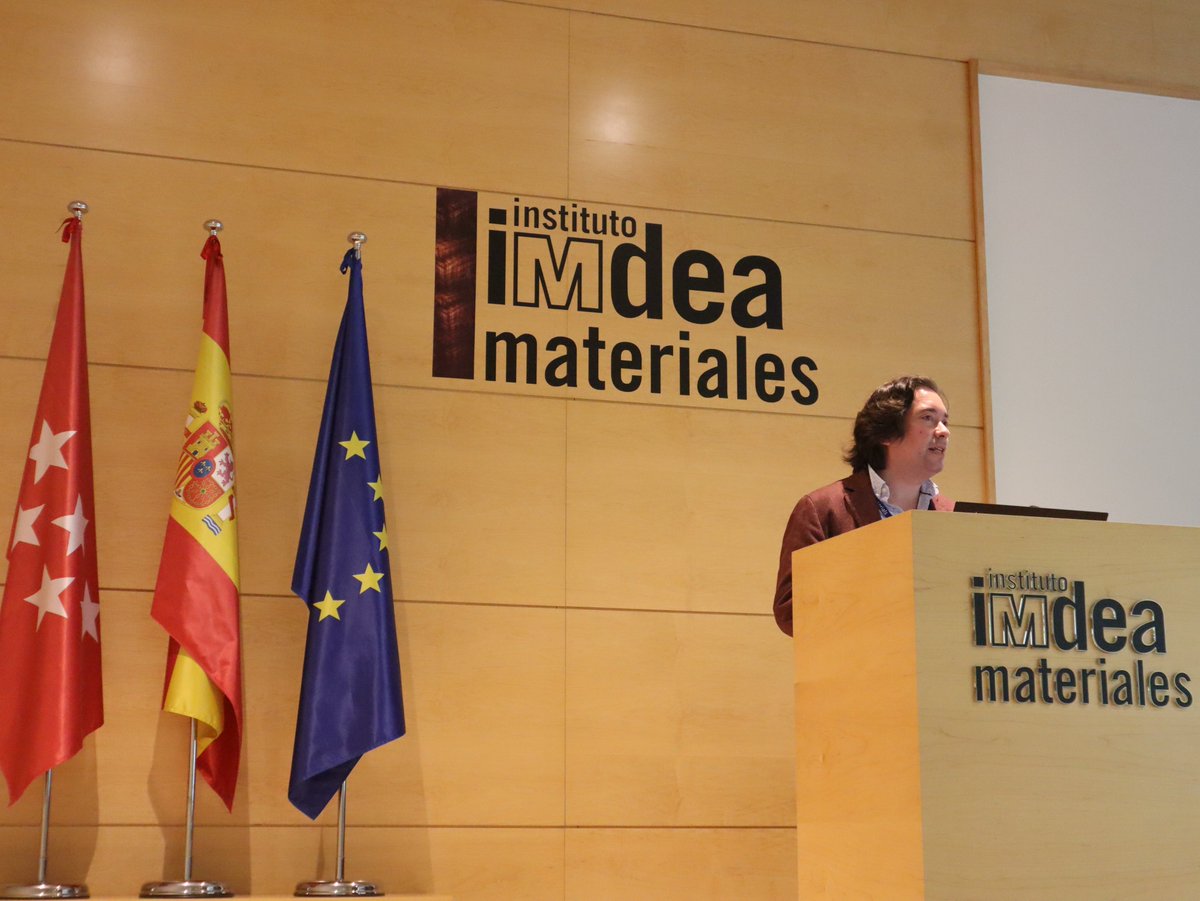
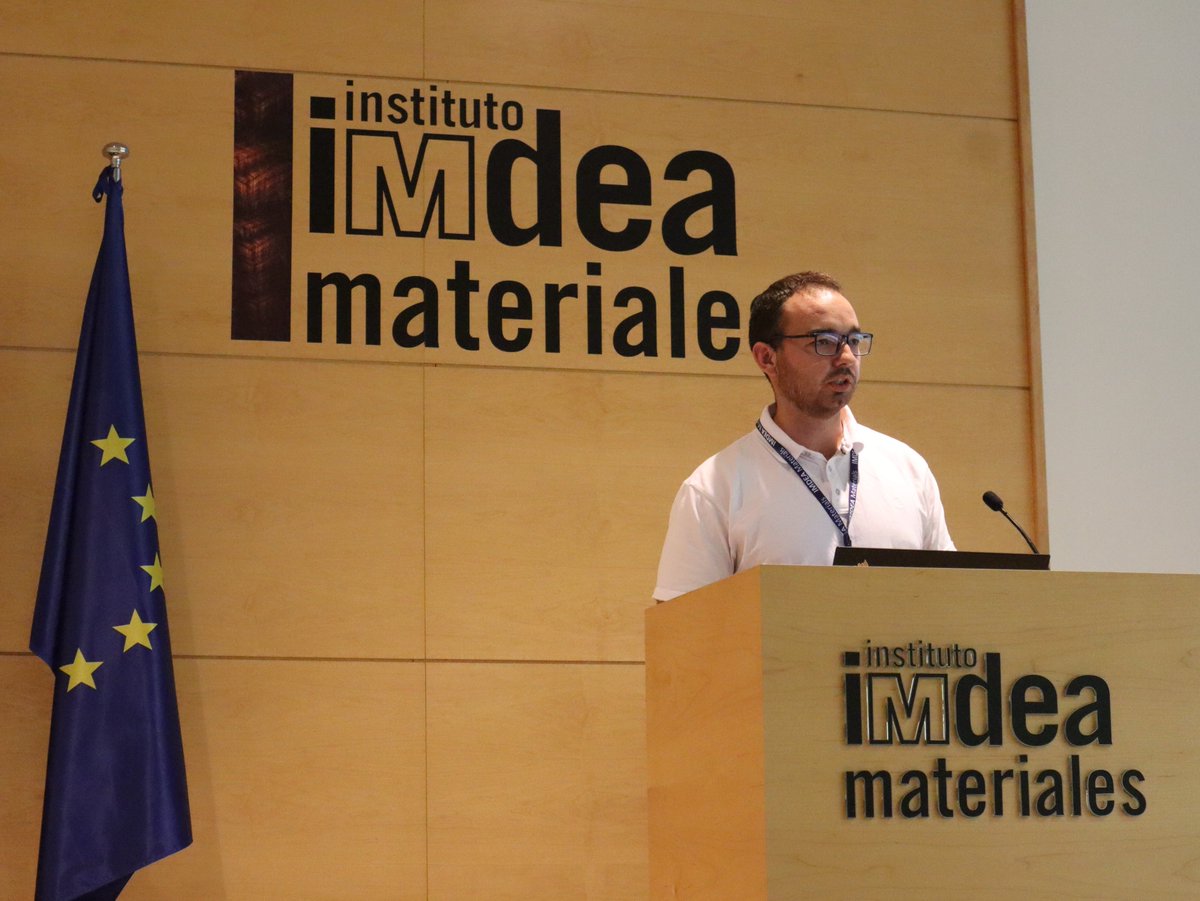
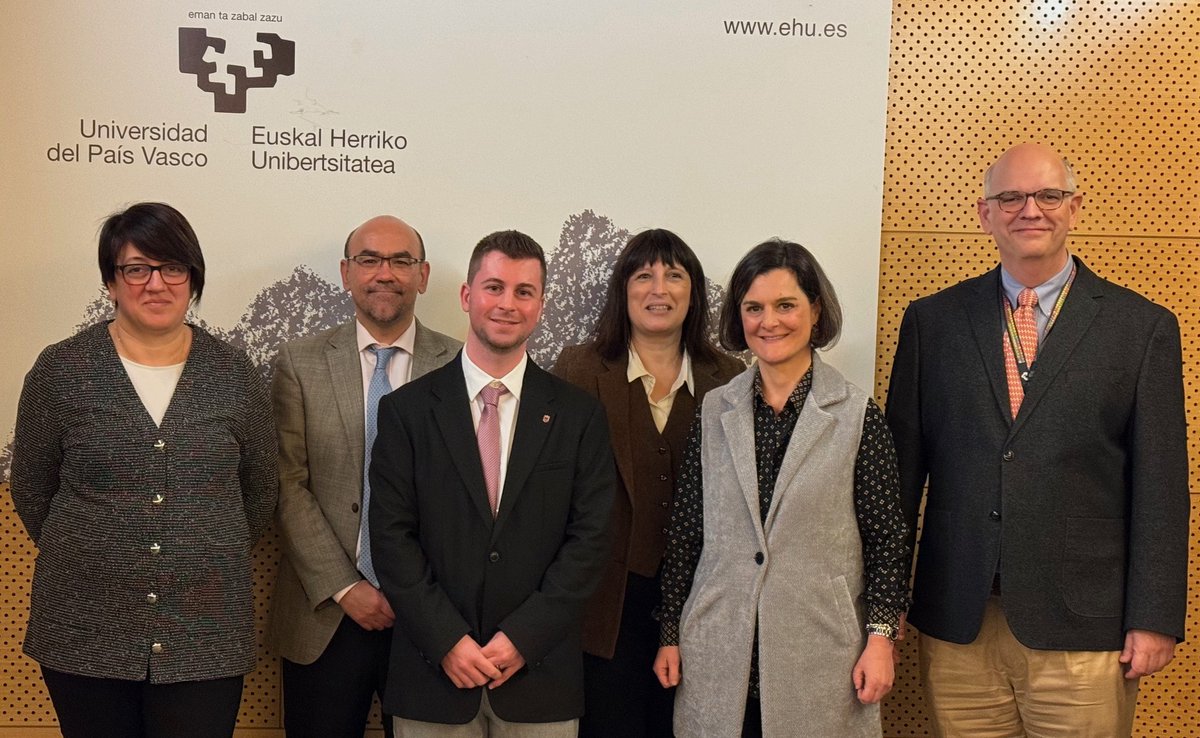
Congratulations to our new Doctor: Mario Peñas. He gave a brilliant presentation today, earning his degree after 4 years of hard work. Well-deserved! Both Rebeca Hernández and I would like to thank Mario and also the Examination Committee Members!
Alejandro J. Müller tweet mediaAlejandro J. Müller tweet mediaAlejandro J. Müller tweet media
English
2
1
17
1K
NanoPoly&Gels Group retweetledi
Kimika Fakultatea UPV/EHU
Kimika Fakultatea UPV/EHU@ehu_kimika·
TESIAREN DEFENTSA/DEFENSA DE TESIS: 🧑‍🎓Mario Peñas Nuñez 📖Self-assembly of Biodegradable Polymers from the Macro to the Nanoscale: Processing, Structure and Biodegradation. 📅Otsailak 28 Febrero ⏰9:30 📍Joxe Mari Korta Zentroaren Auditorioa/Auditorio del Centro Joxe Mari Korta
Kimika Fakultatea UPV/EHU tweet media
Català
0
2
3
341
NanoPoly&Gels Group retweetledi
ICTP-CSIC
ICTP-CSIC@ictp_promocion·
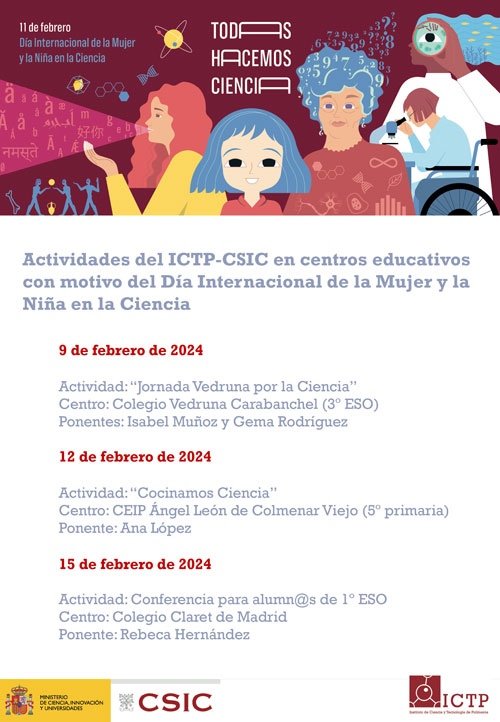
Las investigadoras del @ictp_promocion del @CSIC han visitado esta semana centros educativos de Madrid para visibilizar la contribución de las mujeres a la ciencia y acercar a los estudiantes el trabajo que desarrollan #DíaMujerYNiñaEnCiencia #11F #11febrero
ICTP-CSIC tweet media
Español
0
1
6
252
NanoPoly&Gels Group retweetledi
Andrew Akbashev
Andrew Akbashev@Andrew_Akbashev·
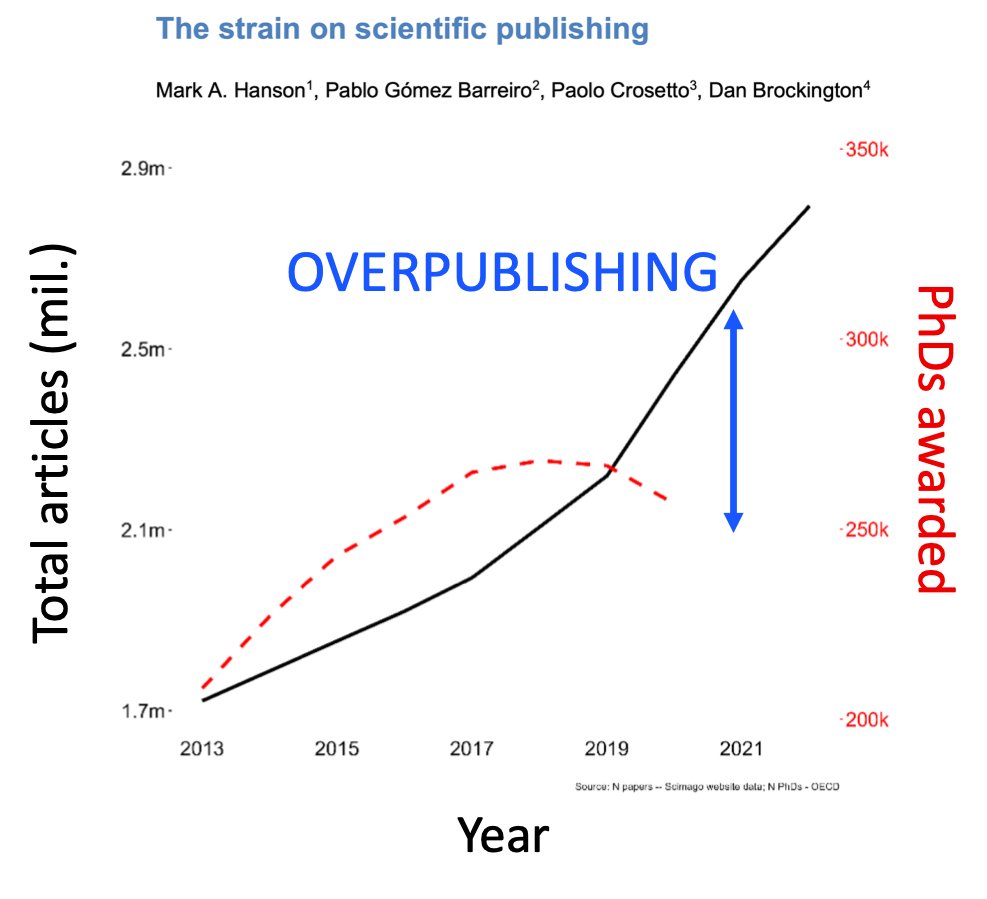
Overpublishing puts enormous stress on students and PIs. And brings tons of money to publishers in STEM. A new study shows that the number of papers is increasing FASTER than the number of #PhD graduates. It’s an amazing work with very useful statistics. Huge kudos to the authors! ▫️ Main outcomes: 1️⃣ In 2022 the number of articles is 47% higher than in 2016. The amount of writing, reviewing and editing workload per scientist is increased enormously. 2️⃣ “Special issues” is a strategy for publishing lots of papers with reduced review time. This is possible due to the “publish or perish” pressure and clearly benefits the publishers. 3️⃣ The publishing time varies widely! MDPI = 37 days. Frontiers = 72 days. Elsevier = 134 days. Springer = 157 days. Nature = 185 days. 4️⃣ The article rejection rates do not seem to correlate with publisher growth. However, rejection rates decline with increased use of special issue publishing. 5️⃣ Certain for-profit gold-open-access publishers create an increasing number of special issues, with uniquely reduced turnaround times, and in specific cases, high impact inflation and reduced rejection rates. 6️⃣ The authors suggest a new metric - Impact Inflation, which is reflected in self-citation within the same journal. For example, MDPI has a high impact inflation due to excessive self-citation compared to other publishers. Conclusions and my opinion: - Scientists have to spend a lot more time on reviewing and writing than before (on average). - The more papers are published, the more the quality is compromised. - Scientific progress has become partially bound to the business models of publishers and their revenue (a sad reality today). - There is a huge lack of transparency. Much of these data had to be ‘web-scraped’ from numerous sources in order to get a full picture. We clearly need regulators to mandate open access to publisher’s statistics. - Reduce the number of special issues! Those typically have low standards. ▫️ Science, publishing and funding make a trio that is very hard to disentangle. However, research quality is controlled by the community. This is why preprint + community review can make a big difference. #AcademicTwitter #AcademicChatter
Andrew Akbashev tweet media
English
50
1.1K
3.2K
877K
NanoPoly&Gels Group
NanoPoly&Gels Group@NanoPolyGels·
San Alberto celebration with the Biomaterials group!! Have a nice science day!!
NanoPoly&Gels Group tweet media
English
0
0
8
360