Nathan Higgins

154 posts

Nathan Higgins banner
Nathan Higgins

Nathan Higgins

@NathanLHiggins

Postdoctoral researcher | Monash University @MonashUni | Neuroethics 🧠

Melbourne, Victoria Katılım Şubat 2014
671 Takip Edilen250 Takipçiler
Nathan Higgins retweetledi
Monash University
Monash University@MonashUni·
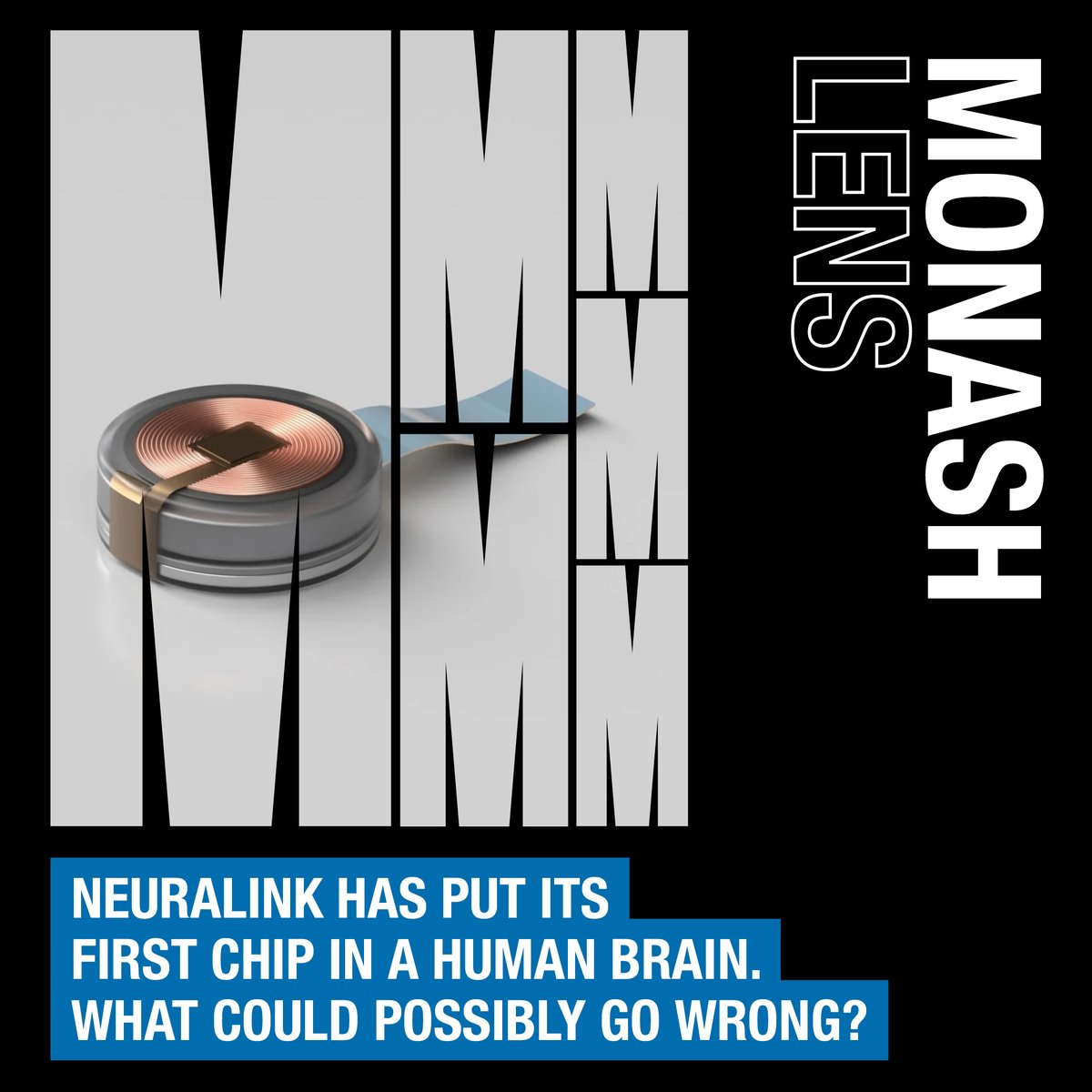
Neuralink has put its first chip in a human brain. What could possibly go wrong? The technology to link human brains with computers is developing quickly – but the path ahead is full of challenges. @turnerinstitute's Nathan Higgins explains 📖: mona.sh/tPYH50QAsPY #MonashLens
Monash University tweet media
English
0
3
4
1.6K
Nathan Higgins retweetledi
Monash Bioethics Centre
Monash Bioethics Centre@MonashBioethics·
Check out the new open peer commentary on stakeholder engagement by the Neural Interfaces Affinity Group, affiliated with the International Neuroethics Society! 🌐 Co-led by MBC's @NathanLHiggins and Juan Martin Abreu-Melon from Georgetown University tandfonline.com/doi/full/10.10…
English
0
2
9
294
Nathan Higgins retweetledi
International Neuroethics Society
International Neuroethics Society@neuroethicsinfo·
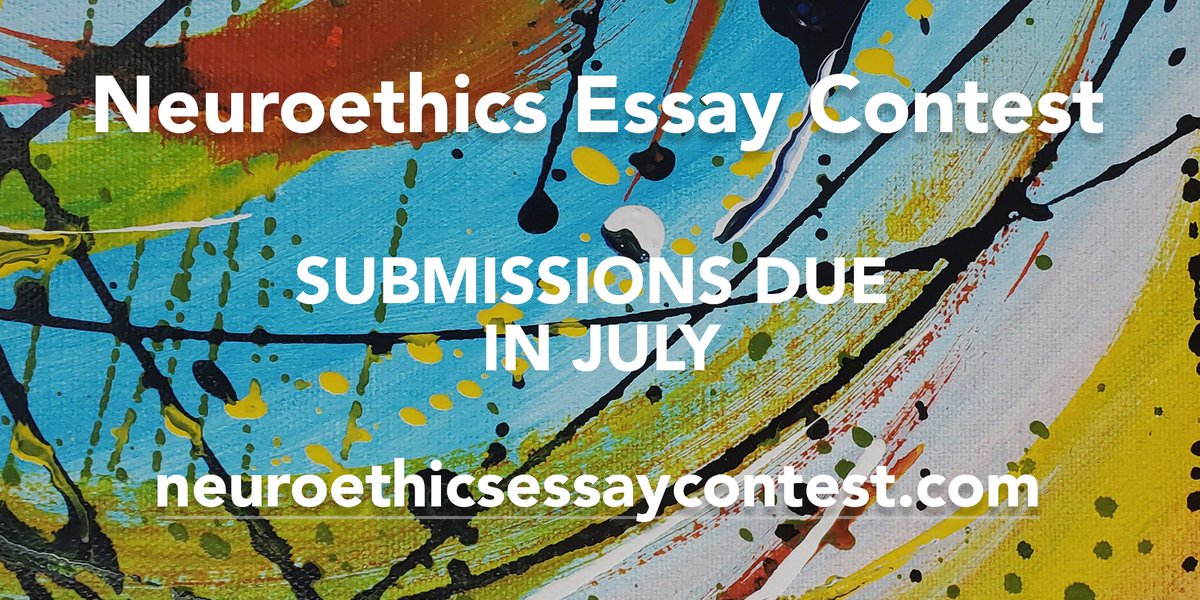
We are pleased to announce a call for submissions for the Neuroethics Essay Contest 2024. Participation is open to any high school/post-secondary student, postdoc fellow or early-career trainee. Win cash prizes, free INS membership & more! See the call: t.ly/Lzg5r
International Neuroethics Society tweet media
English
1
19
23
2.4K
Isobel Butorac
Isobel Butorac@IsobelButorac·
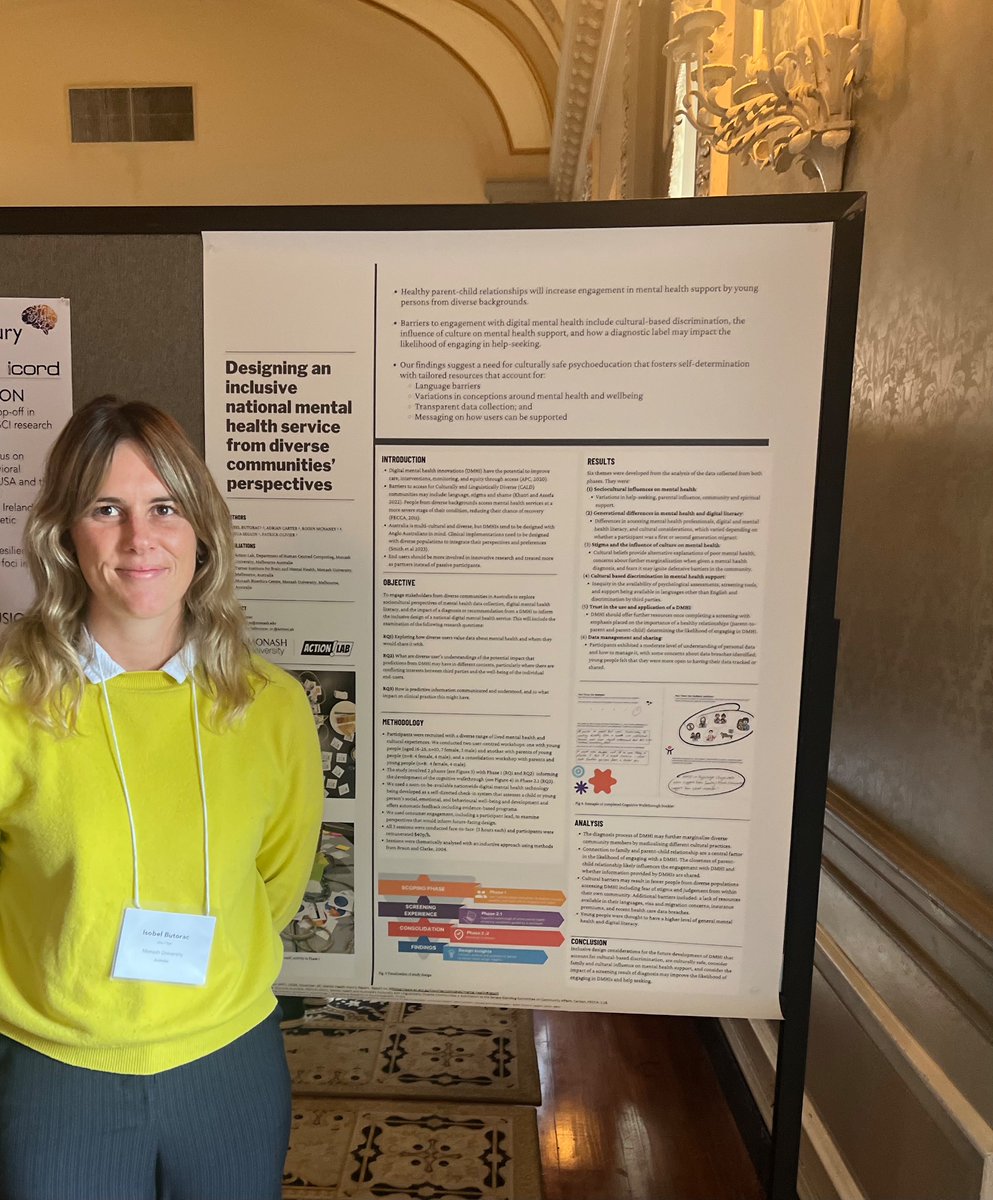
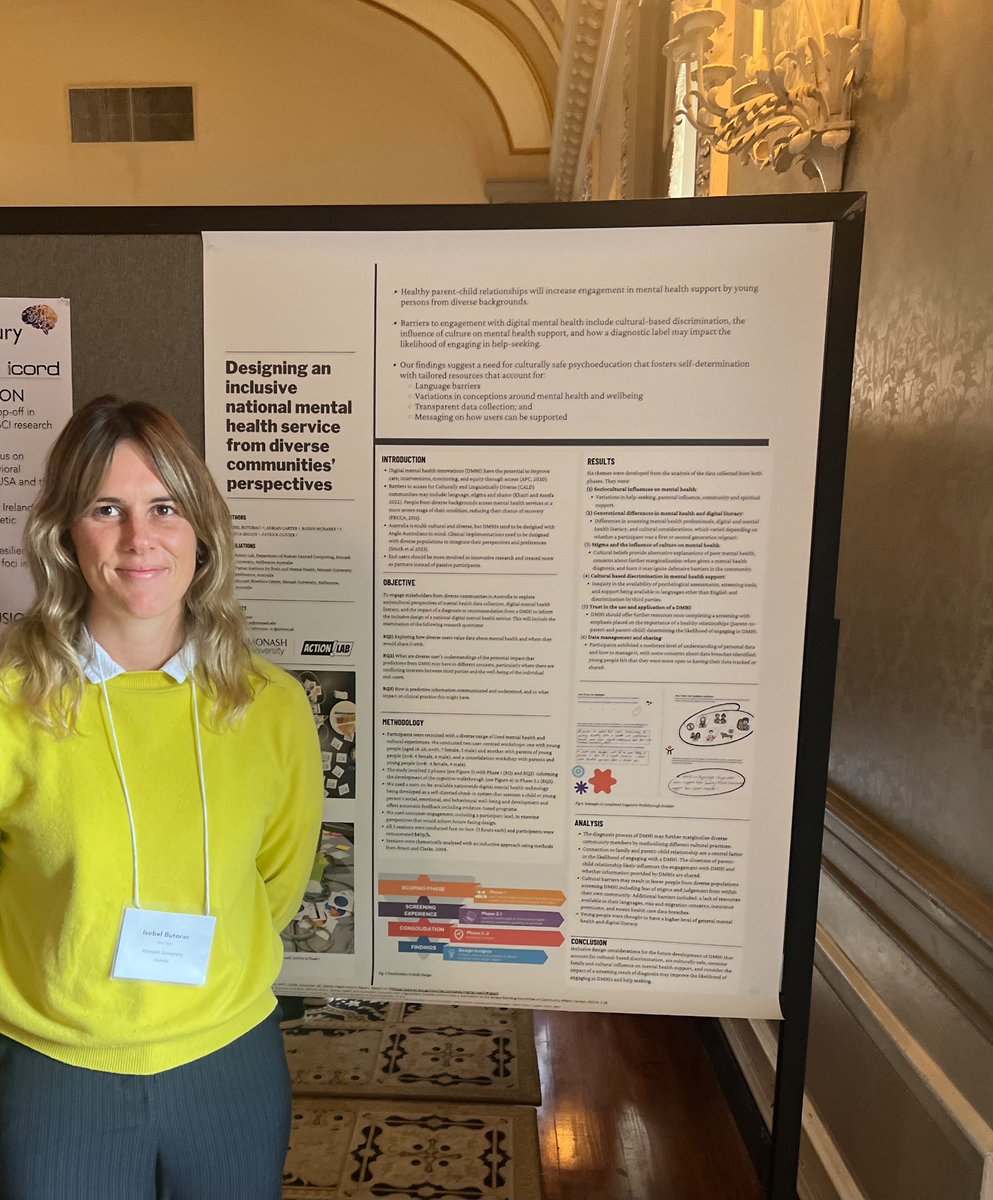
Very humbled to win a prize for best poster at the International Neuroethics Society’s Annual Meeting last week in Baltimore 🤓 #INS2024 #neuroethics24
Isobel Butorac tweet media
English
2
2
10
293
Nathan Higgins
Nathan Higgins@NathanLHiggins·
Last week Neuralink implanted its first patient, a significant milestone given recent internal and regulatory setbacks (animal mistreatment, founders leaving, failed FDA bid). I ask in @ConversationEDU: Is Neuralink prepared for this next set of clinical and ethical hurdles?
The Conversation - Australia + New Zealand@ConversationEDU

The technology to link human brains with computers is developing quickly – but the path ahead is full of challenges. "[...] Musk and his team must maintain a strong commitment to research integrity and patient care," writes Nathan Higgins (@MonashUni). #Echobox=1707075742-1" target="_blank" rel="nofollow noopener">theconversation.com/neuralink-has-…

English
0
4
9
1.3K
Nathan Higgins retweetledi
Thomas Oxley
Thomas Oxley@tomoxl·
Willett and team (Jaimie Henderson Lab at Stanford) and Sean Metzger and team (Edward Chang Lab at UCSF) recently published two cutting edge demonstrations of a brain computer interface speech neuroprosthesis. The users trained recurrent neural networks that enabled translation of brain activity into speech generation that approached normal speech ~ 150 wpm. It is Nobel prize-level science and represents a continuation of progress that provides immense hope to people suffering from paralysis. I have been asked by many people how the results should be interpreted from a clinical translation perspective. Nick Ramsay and Nathan Crone recently reviewed the results and wrote a measured piece in Nature (nature.com/articles/d4158…) which reads as a reasonable interpretation. They wrote: “Two BCIs represent a great advance in neuroscientific and neuroengineering research, and show great promise in boosting the quality of life of individuals who have lost their voice as a result of paralysing neurological injuries and diseases.” They highlighted some key points that may impact clinical translation: 1. “High-bandwidth recordings were taken from hundreds of electrodes, which had to be connected to external amplifiers through a ‘pedestal’ that penetrates the skin, which is cosmetically unappealing.” 2. “Highly skilled researchers were actively involved in the operation of the reported BCIs, which remain too complicated for caregivers to operate in home settings without extensive training and maintenance.” 3. “MEAs…signals tend to be unstable and require frequent updating of speech-decoding models…might be limited by degradation of the electrode materials and tissue encapsulation of the devices. ECoG electrodes…can elicit superficial tissue reactions.” So, demonstrations in experimental settings continue to soar in potential and raise expectations. While nonetheless brilliant, it is worth remembering that the unmet patient need is not necessarily met by an Olympian race the top of supra-human functioning. As Ramsay and Crone put it: “Even a basic BCI implant that allows the user to select letters or icons in assistive-technology software provides them with considerable benefits and satisfaction in daily life.” To meet the needs of patients, clinical translation requires a fully implanted, low training, low troubleshooting, generalisable, platform-agnostic solution that can be implanted in a highly accessible clinical setting. This means an invisible, simple and scalable solution that does not require caregiver intervention as the first priority for clinical translation...and critically…conducting a pivotal clinical trial. Only once we have solved these fundamental challenges obstructing clinical translation we can set our sights on the lofty potential and promise of BCI. Moore’s law is clearly in effect with BCI. Such work from Henderson and Chang’s labs will continue to raise the bar and point to what is possible.
English
1
5
31
6.7K
Nathan Higgins
Nathan Higgins@NathanLHiggins·
Seems Neuralink has satisfied the FDA re device safety concerns, although the USDA inquiry into animal welfare continues... No recruitment info or trial rego yet, but certainly a significant step for the company following years of turmoil 🧠 theguardian.com/technology/202…
English
0
0
3
204
Nathan Higgins
Nathan Higgins@NathanLHiggins·
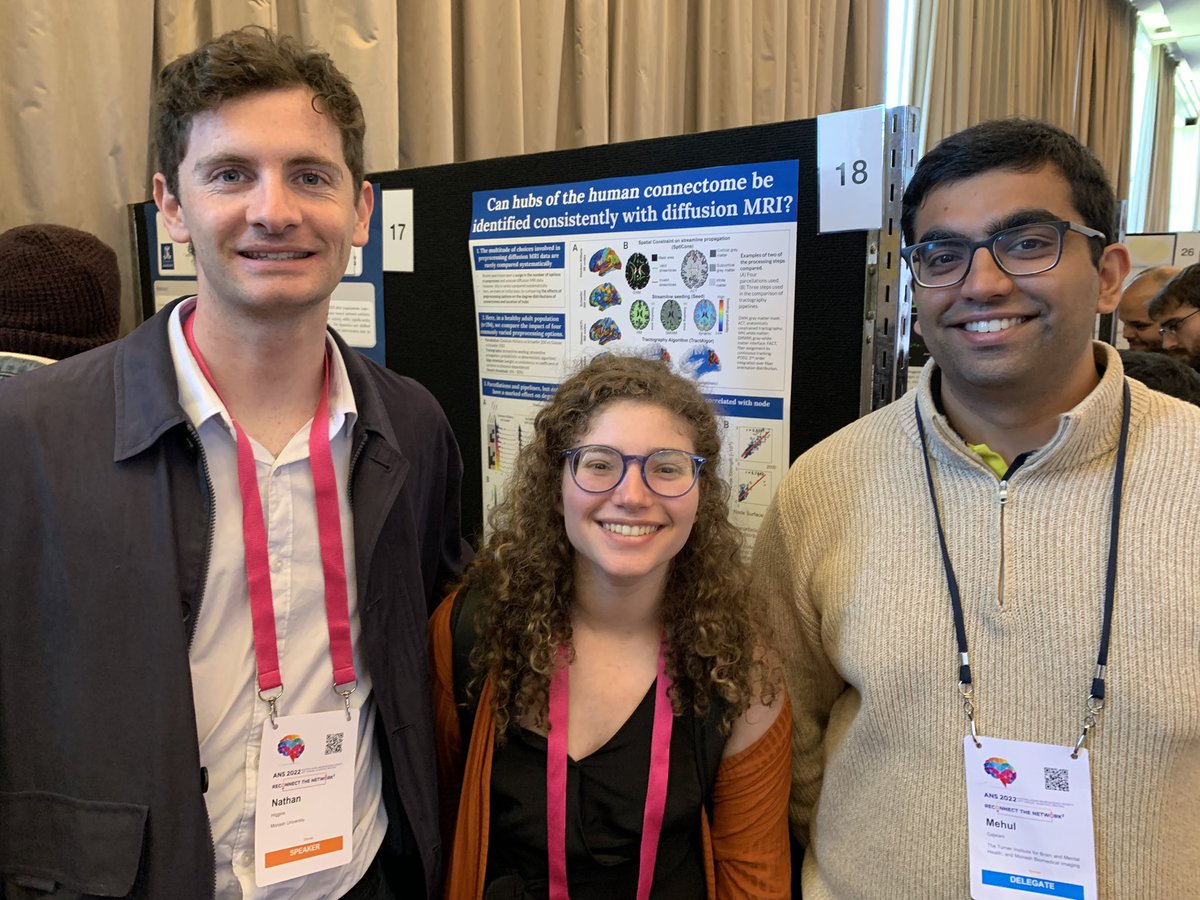
Thoroughly enjoyed presenting my PhD work at #ANS2022 this week! Thanks to @AusNeuroSoc for hosting an amazing conference 🧠
Nathan Higgins tweet mediaNathan Higgins tweet mediaNathan Higgins tweet media
English
1
2
32
0
Nathan Higgins retweetledi
Liam Drew
Liam Drew@liamjdrew·
Neurotechnology is booming -- but making a business success of medical devices is perilous. This story looks at what can happen when companies fail and asks why so little is done to protect people with neural implants. nature.com/immersive/d415…
English
2
13
35
0
Nathan Higgins retweetledi
Anna Wexler
Anna Wexler@anna_wexler·
Some thoughts on yesterday’s @neuralink “show and tell” from an ethics & society perspective 🧵 1/
English
4
29
117
0
Nathan Higgins retweetledi
Cynthia Forlini
Cynthia Forlini@cynforlini·
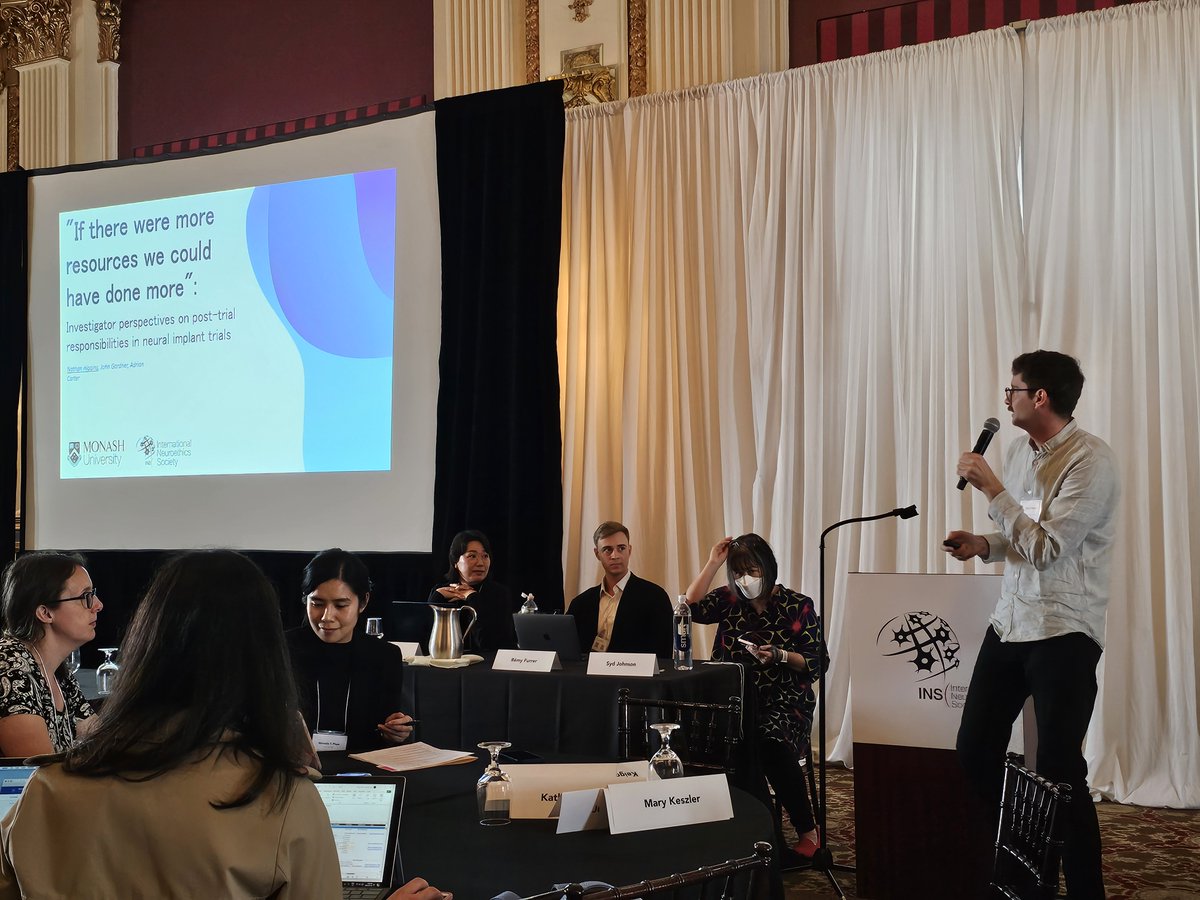
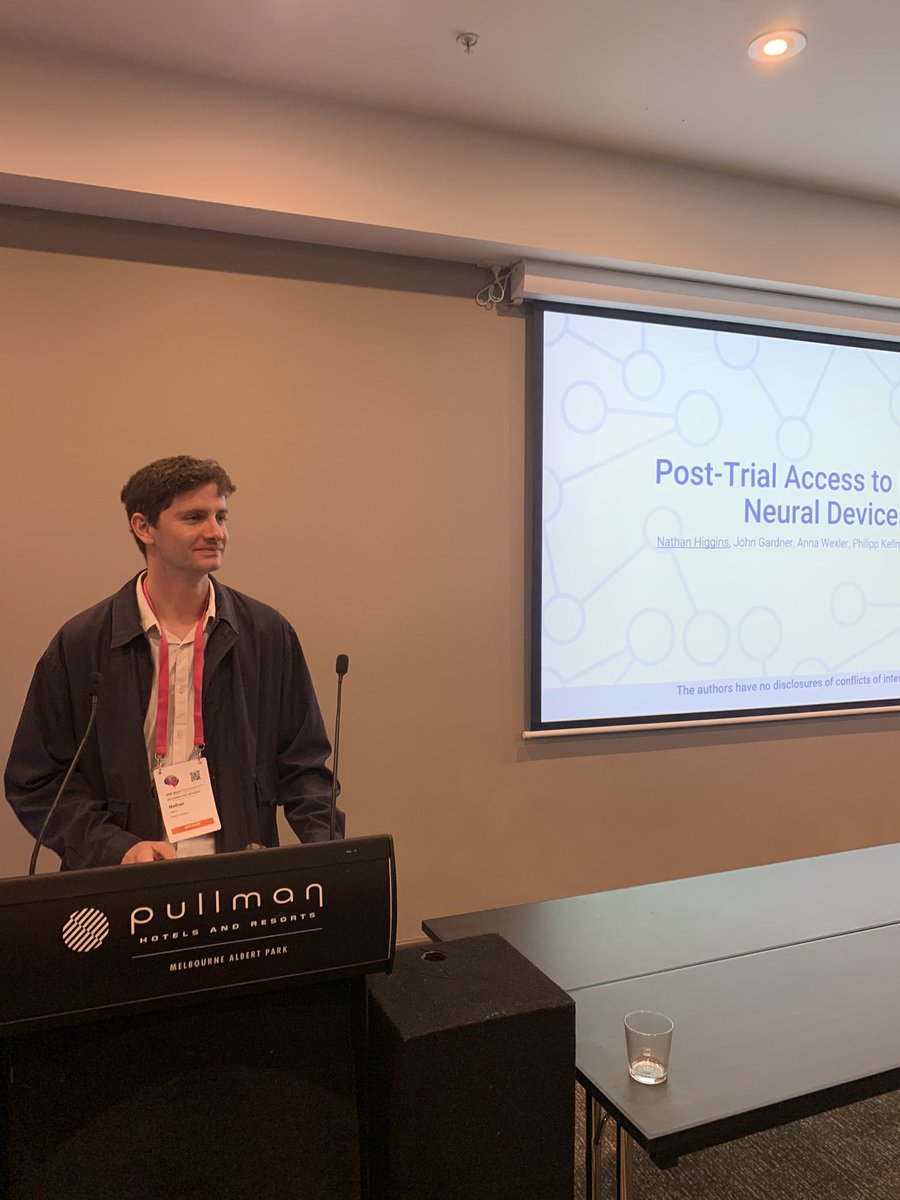
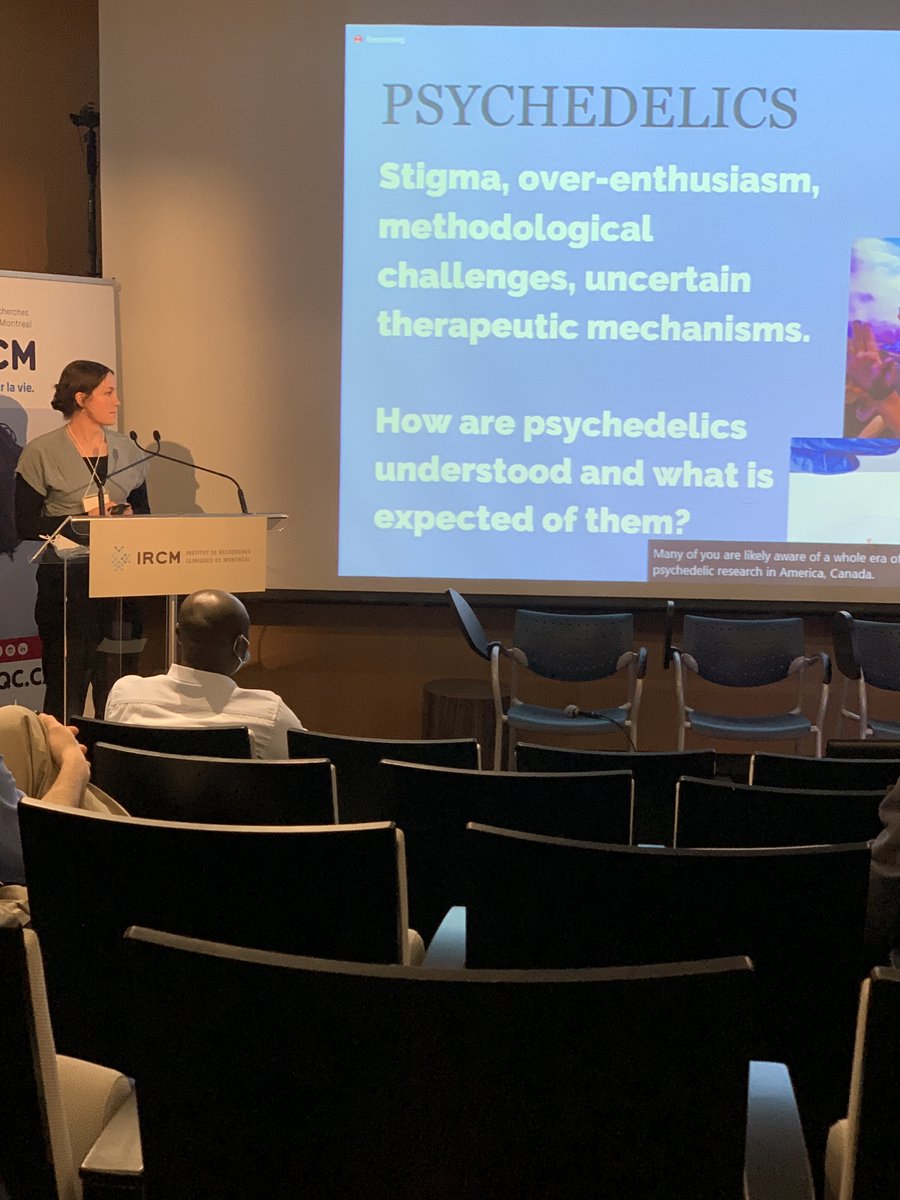
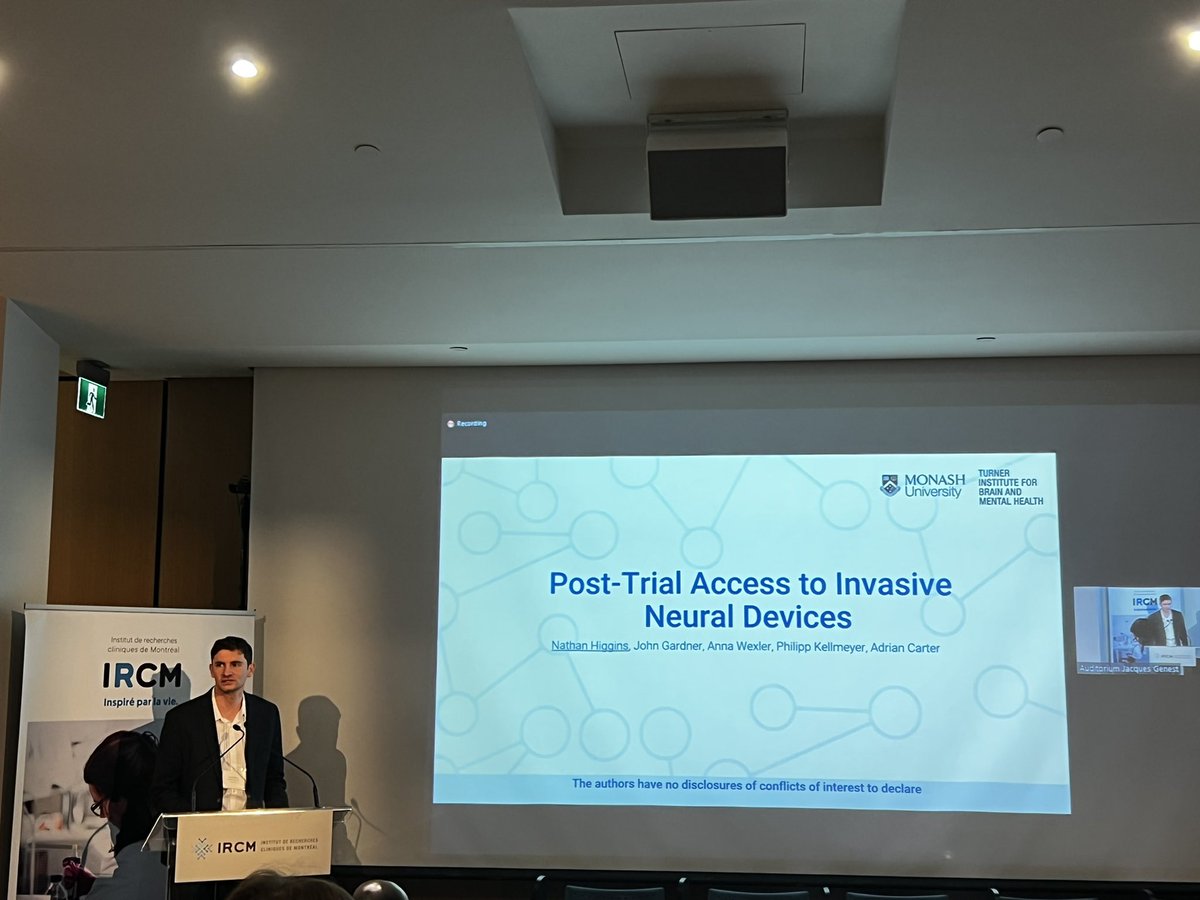
Nathan Higgins @NeuroethicsAU highlights the empirical uncertainty of post trial access to invasive brain stim. Presenting results from a survey of researchers working in the field. @neuroethicsinfo
Cynthia Forlini tweet media
Montréal, Québec 🇨🇦 English
1
7
16
0