NestWatch

2.3K posts

NestWatch banner
NestWatch

NestWatch

@NestWatch

Where birds come to life! Watch bird nests, record data, and submit your data for use in real scientific research. Visit our website or download our mobile app!

Ithaca, NY Katılım Mart 2009
106 Takip Edilen3.6K Takipçiler
NestWatch
NestWatch@NestWatch·
Did you know? American Kestrels will nest in nest boxes! These small falcons are commonly seen perched on electric wires near open fields, where they hunt for prey. Get free nest box plans from our Right Bird, Right House tool: nestwatch.org/learn/all-abou… 📷: Darin Ziegler
NestWatch tweet media
English
0
1
2
108
NestWatch
NestWatch@NestWatch·
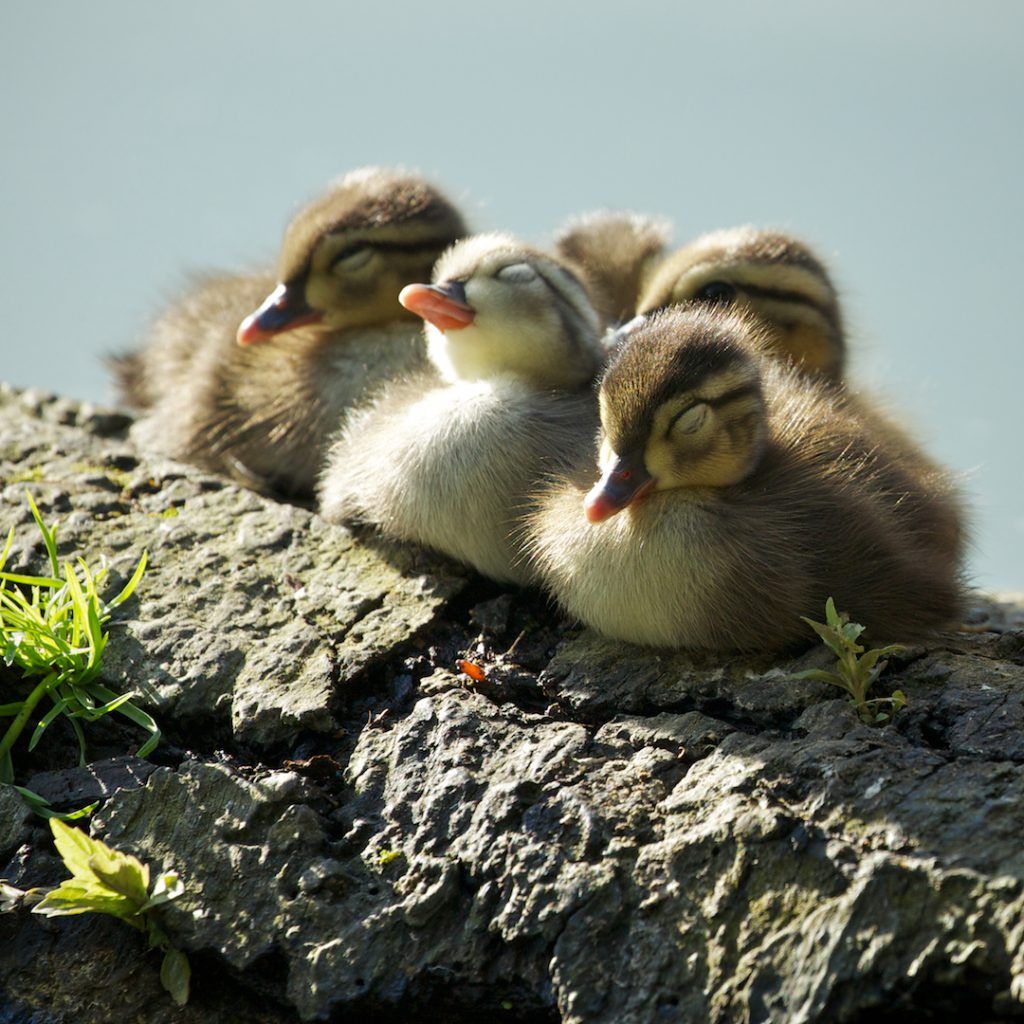
Wood Ducks are the only North American duck that regularly produces two broods in one breeding season. Ducklings hatch and jump out of the nest within about 24 hours, and then follow the hen around for around 50-70 days while they grow to adult-size. 📷: Tamra Tiemeyer
NestWatch tweet media
English
0
1
5
111
NestWatch
NestWatch@NestWatch·
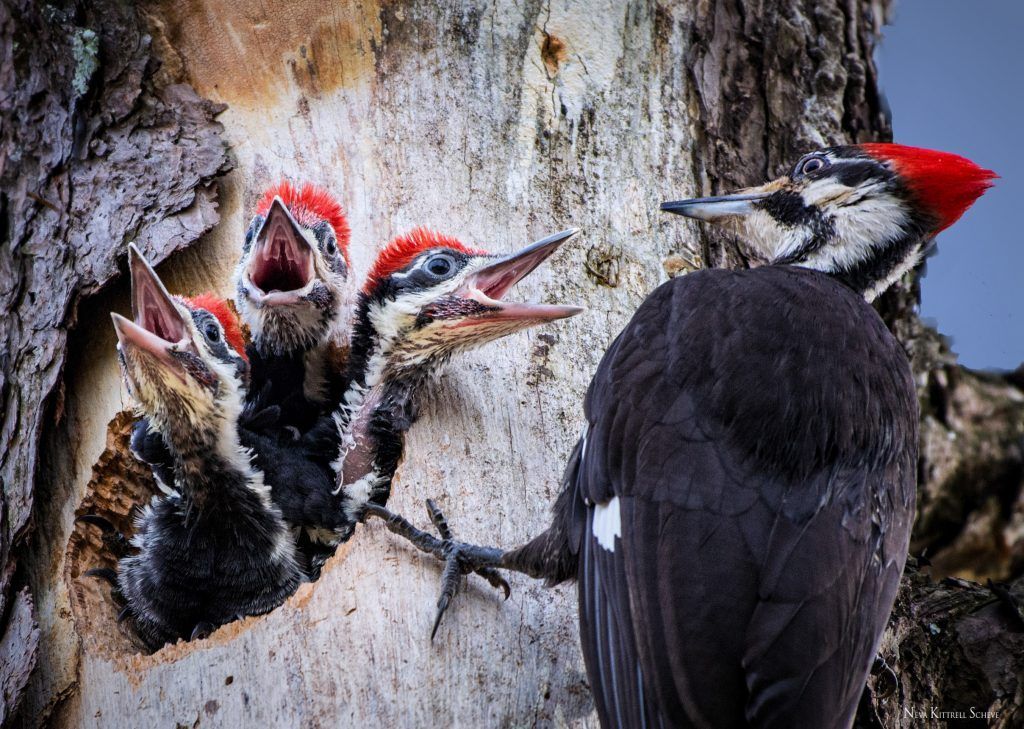
Pileated Woodpeckers are large and loud! These big birds nest in tree cavities and incubate eggs for 2-3 weeks, then brood young for another month. By mid-July, most are fledging the nest. Have you seen any recently-fledged Pileated Woodpeckers in your area? 📷: Neva Scheve
NestWatch tweet media
English
0
2
5
482
NestWatch
NestWatch@NestWatch·
@CommandrCoffee Oh no! Sorry to hear it. Unfortunately, you'll need to manually copy over the data to one of those nest sites, and then you can delete the extra ones. Follow tips here for how to delete data: nestwatch.org/learn/how-to-n…
English
1
0
0
12
Alyssa ✨ There’s ☕️ in that nebula ✨
@NestWatch I realized that I was making new nest sites for each nest at the same site 🤦🏻‍♀️ it’s a bluebird box that’s had three bluebird nests and one house wren nest since last year. Is there any way to fix this?
English
1
0
0
11
NestWatch
NestWatch@NestWatch·
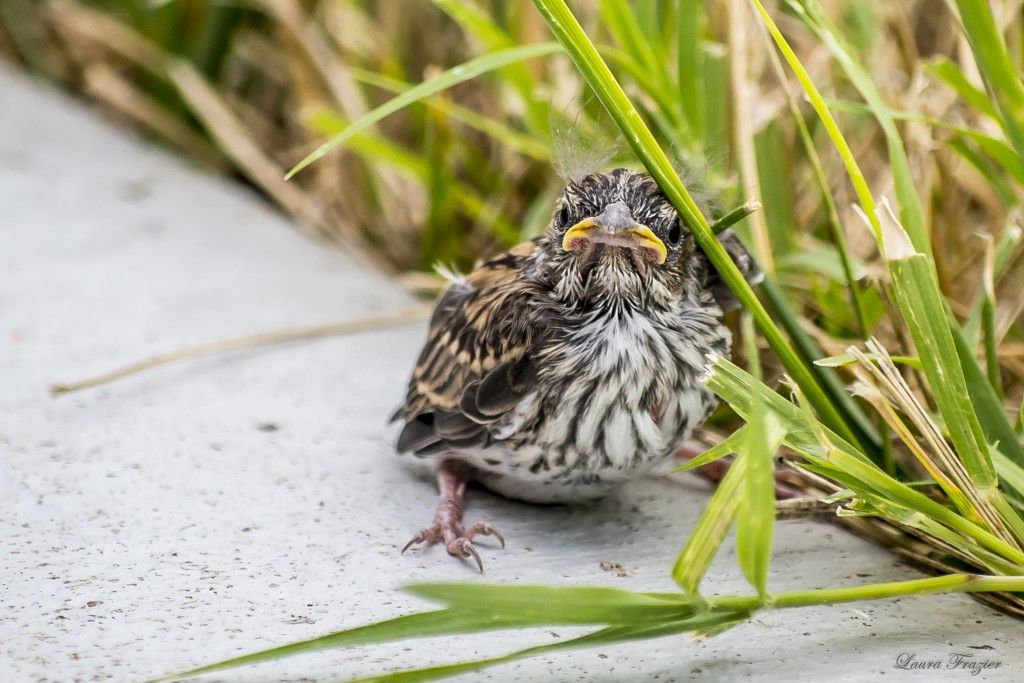
Its mid-summer and some birds are fledging their second (or even third!) nests! What should you do if you find a baby bird on the ground? Follow the tips in this article: nestwatch.org/learn/how-to-n… 📷: Young Chipping Sparrow by Laura Frazier
NestWatch tweet media
English
0
0
3
79
NestWatch
NestWatch@NestWatch·
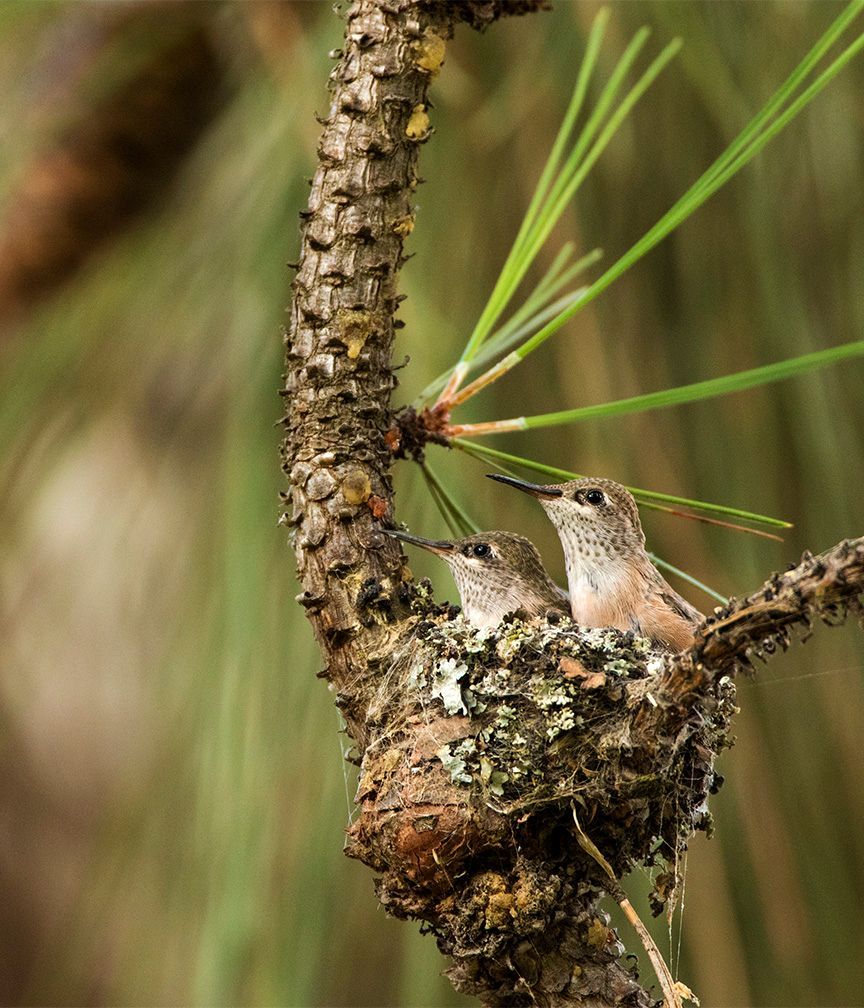
Looking for a hummingbird nest? Think small. Nope, even smaller than that! Most hummingbird nests are only 2 in across and 1 in deep. Their eggs are about the size of a breath mint! Have you ever spotted a tiny hummingbird nest? 📷: Calliope Hummingbird by Christine Haines
NestWatch tweet media
English
0
0
3
91
NestWatch
NestWatch@NestWatch·
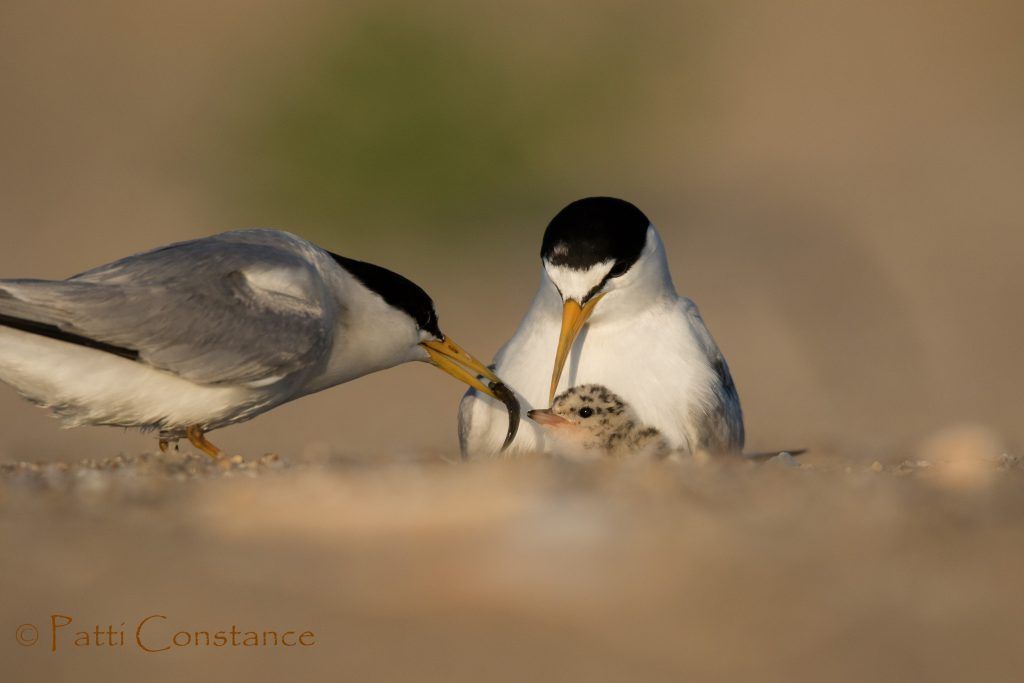
Least Terns breed along the shores of the US and Mexico. Their chicks are "precocial," meaning that they hatch fully feathered and ready to leave the nest. After two days, they'll follow their parents around, finding shelter and learning how to be a tern! 📷: Patti Constance
NestWatch tweet media
English
0
0
5
100
NestWatch
NestWatch@NestWatch·
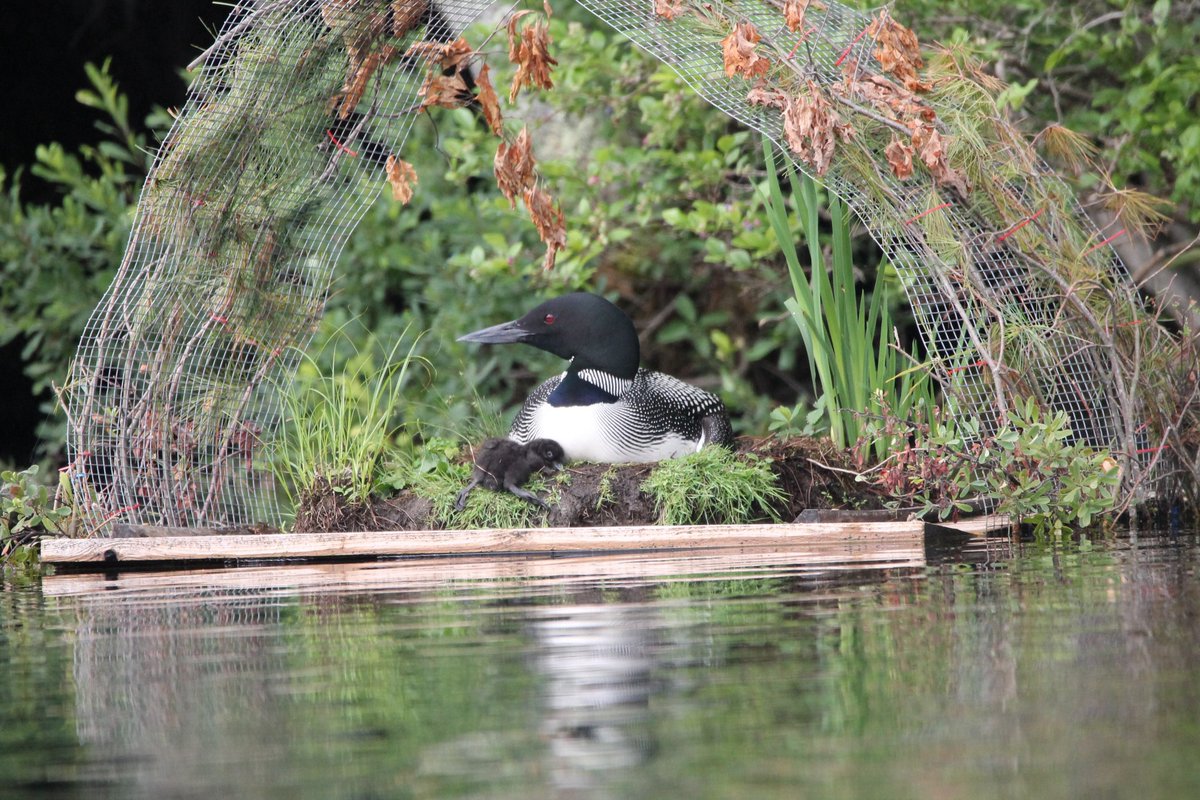
Common Loons nest on lakes and ponds, right on the edge of the shoreline, but they'll also use artificial nesting areas. Here's a great example of a floating nest platform! NestWatcher Michael Abell deployed this platform as part of Maine's Loon Restoration Project.
NestWatch tweet media
English
0
0
3
81
NestWatch
NestWatch@NestWatch·
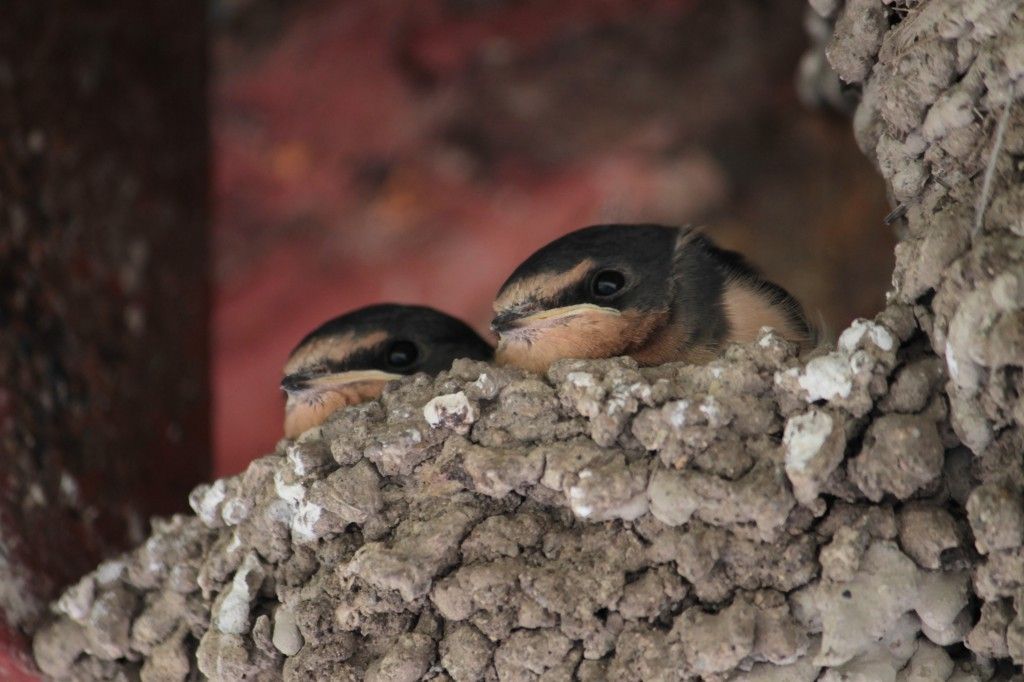
Cliff Swallows will sometimes build nests directly onto vertical walls! They gather mud in their bills along streambanks, and bring them back to mold into place. The resulting nest contains 900–1,200 individual mud pellets! Do Cliff Swallows nest near you? 📷: Beth Galligan
NestWatch tweet media
English
0
0
3
82
NestWatch
NestWatch@NestWatch·
Brown Creepers are small songbirds that frequent forests across North America. In summer, they build their nests behind loose tree bark of dead or dying trees! Get a look at this fascinating behavior in the video below: macaulaylibrary.org/asset/439312741
English
0
0
1
76
NestWatch
NestWatch@NestWatch·
Some bird species, like House Finches, American Robins, and Dark-eyed Juncos, often choose to nest in and around your potted plants. How should you proceed if this happens? Read on for helpful tips and tricks: southernliving.com/what-to-do-bir…
English
0
0
1
55
NestWatch
NestWatch@NestWatch·
The NestWatch offices are closed today, in observation of Independence Day. Have a great weekend, and be sure to double check your grills (and wreaths) for nests! 📷: Carolina Wren nest by Evette Braenovich
NestWatch tweet media
English
0
0
1
82
NestWatch
NestWatch@NestWatch·
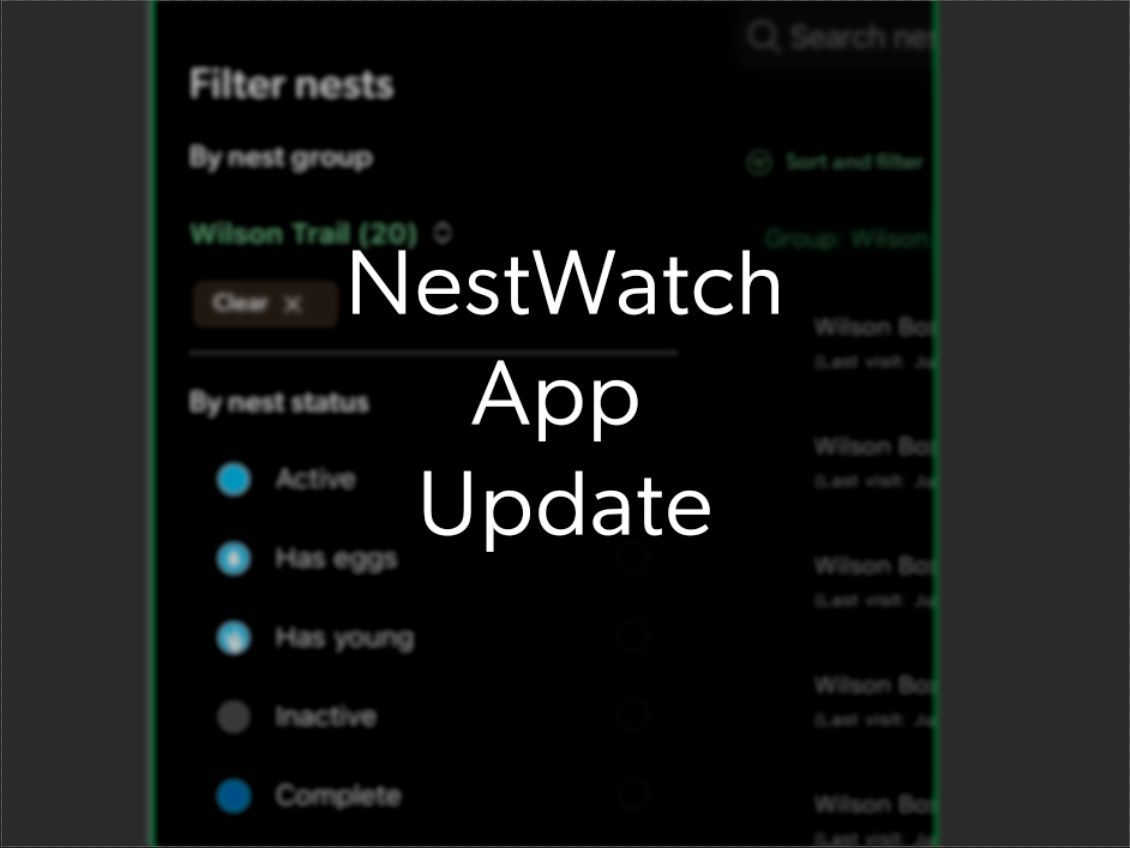
Now, you can create and manage nest groups in the NestWatch app to keep your nest list organized. Any nest groups you have created on the website will sync to your device. You can also filter your nests by group and status. Thanks to NestWatchers for all the feedback!
NestWatch tweet media
English
1
0
2
69
NestWatch
NestWatch@NestWatch·
Carpenter bees are native pollinators that bore into wood to lay their eggs, which can occasionally damage nest boxes. In this month's blog post, we explore carpenter bee identification and habits, plus share some tips to prevent and repair the damage: nestwatch.org/blog/are-carpe…
English
0
1
2
86
NestWatch
NestWatch@NestWatch·
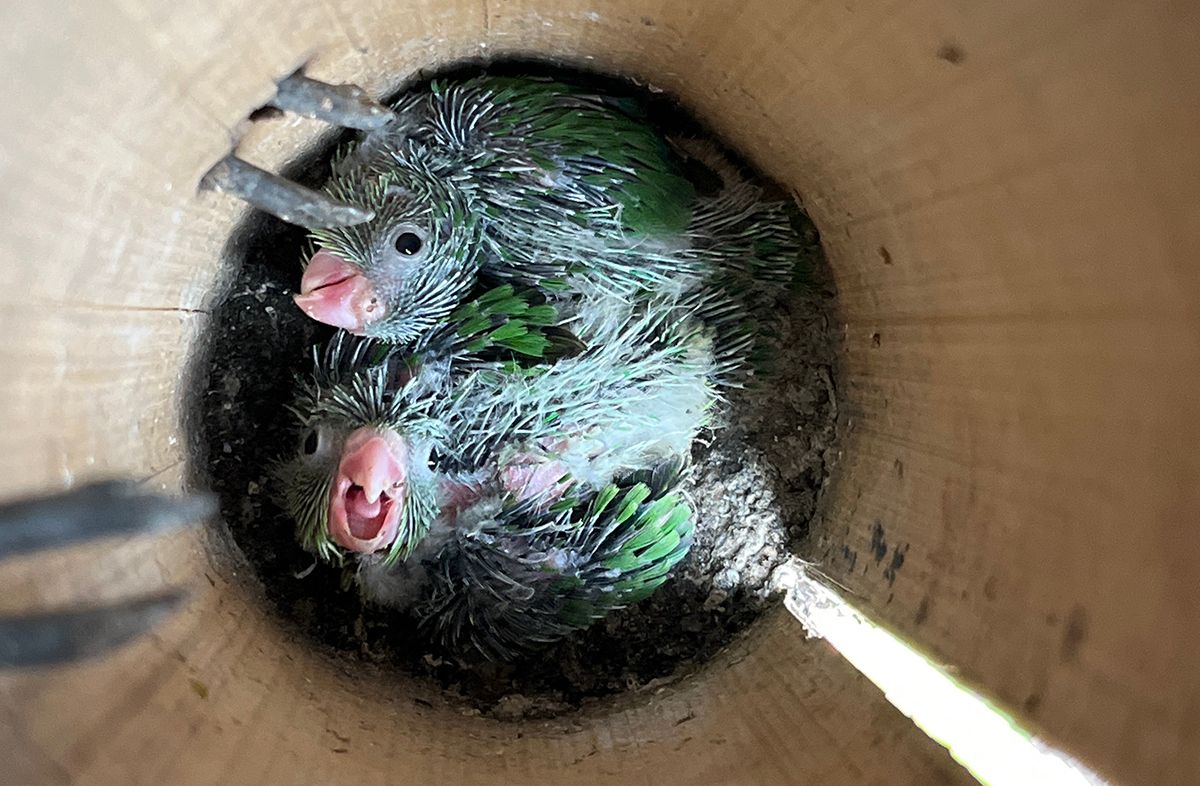
Submission of the Month: This nest of Spectacled Parrotlets, by Alejandro Williams Viveros in Colombia! We were excited to see this record with photographs (a first for the species in NestWatch. Want a chance to be featured? Be sure to submit photos with your nest visit data!
NestWatch tweet media
English
0
0
3
83
NestWatch
NestWatch@NestWatch·
Cornell Lab volunteer Suan Yong took this great video, demonstrating a quick, easy way to check on a Red-eyed Vireo nest that was just out of view! Using a selfie stick and phone, or a long-armed mirror, are excellent ways to record good data, quickly. Great work!
English
0
0
3
88
NestWatch
NestWatch@NestWatch·
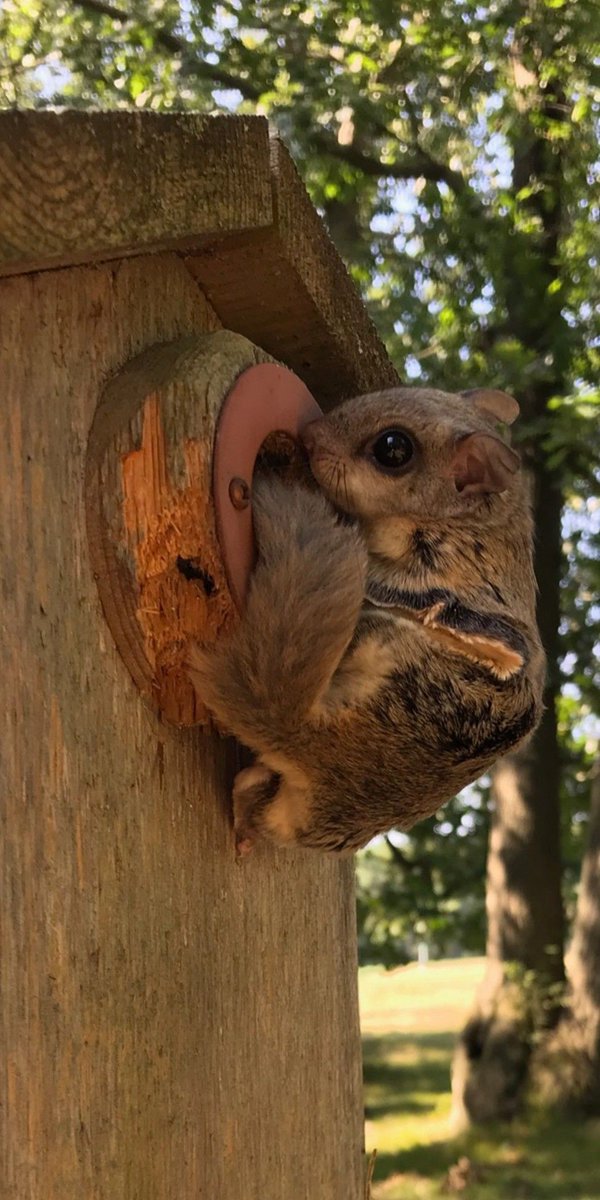
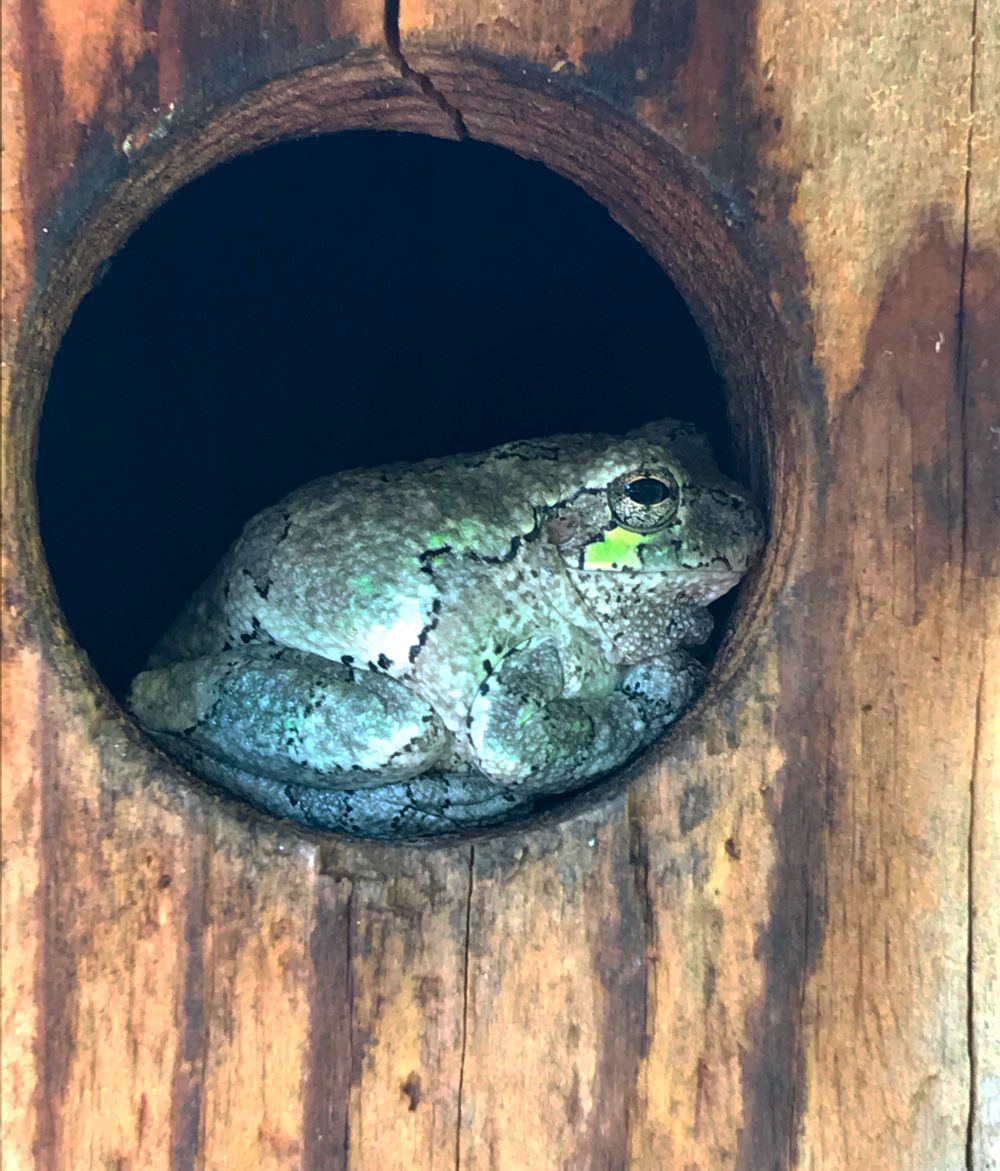
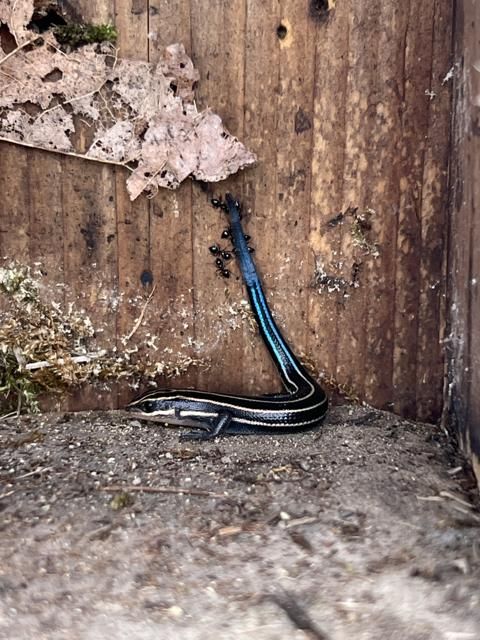
From flying squirrels, to frogs, to skinks (a kind of lizard), we've seen a lot of non-avian nest box inhabitants. What kind of animals have you seen using your boxes? 📷: Kathleen Wegman (squirrel), Krista Daniels (frog), Blackwater NWR (skink)
NestWatch tweet mediaNestWatch tweet mediaNestWatch tweet media
English
2
0
1
136