🚨 DNA RULES JUST GOT REWRITTEN
Scientists have discovered a bacterial enzyme that can create DNA without copying an existing DNA template—something long thought impossible. Instead, the enzyme appears to use its own structure as a guide.
This surprising finding could change how we understand DNA, evolution, and the hidden abilities of living cells.
Source:
Science. (n.d.). Bacterial enzyme synthesizes DNA without a nucleic acid template.
🚨 THE FUNGUS THAT THRIVES ON RADIATION
After the Chernobyl disaster, scientists found a strange black fungus growing inside the damaged reactor. Instead of being harmed by intense radiation, it appeared to flourish.
Researchers believe its melanin-rich cells may help absorb radiation and convert part of that energy into a usable form. The discovery was so remarkable that similar fungi were later tested on the International Space Station as a potential radiation shield for future space missions.
Source: Dadachova, E., & Casadevall, A. Ionizing radiation: How fungi cope, adapt, and exploit with the help of melanin. Current Opinion in Microbiology.
🚨 Your convenient cookware is silently poisoning your family. A single scratch on a Teflon pan releases millions of microscopic PFAS
"forever chemicals" directly into your meal, driving severe hormonal disruption and cellular toxicity.
Throw away damaged nonstick cookware immediately and switch to cast iron or high-quality stainless steel.
🚨 Your Brain Does Something Shocking When You Don't Sleep
Scientists found that long-term sleep deprivation may cause the brain's natural cleanup cells to become overactive and start removing healthy brain connections—not just waste.
While you sleep, your brain repairs and protects itself. Miss too much sleep, and that system may not work as intended.
Sleep isn't a luxury—it's brain maintenance.
Source: Bellesi, M., de Vivo, L., Chini, M., Gilli, F., Tononi, G., & Cirelli, C. Proceedings of the National Academy of Sciences.
🚨 THE SECRET INSIDE YOUR EARBUDS
You wear them every day. They sit just inches from your brain. But are wireless earbuds actually safe?
Bluetooth earbuds emit low-level radio waves, not the harmful radiation produced by X-rays. So far, no study has proven that Bluetooth earbuds cause cancer or serious health problems. However, scientists are still studying the effects of very long-term exposure.
For now, the evidence suggests they operate well within international safety limits—but the research continues.
Source: World Health Organization (WHO); International Agency for Research on Cancer (IARC); International Commission on Non-Ionizing Radiation Protection (ICNIRP).
A 40,000-Year-Old Mystery Just Spoke Again…
Scientists have done something never achieved before — they recovered and decoded RNA from a woolly mammoth frozen in Ice Age ice.
This is not just DNA. RNA shows what genes were active before the mammoth died — almost like catching its last biological “activity log.”
From a juvenile mammoth named Yuka, researchers found signs of muscle function, metabolism, and even tiny gene-control molecules still preserved after 40,000 years in Siberian ice.
It opens a chilling question: what else from extinct life is still silently preserved, waiting to be read?
Source: Smith, A., et al. Ancient RNA reveals gene activity in a woolly mammoth preserved in permafrost. Cell.
🚨 A MEDICAL MIRACLE... WITH A TWIST
A gene therapy helped save a baby boy from a devastating brain disease. Everything seemed perfect—until doctors discovered a brain tumor four years later.
Researchers found that part of the therapy had unexpectedly interacted with his DNA and activated a cancer-related gene. The tumor was safely removed, and the child is now thriving.
The case is the first of its kind and has scientists asking a big question: Is this a rare accident, or an important warning for the future of gene therapy?
Source: New England Journal of Medicine. (n.d.).
⏳ THEY MEASURED TIME... AND GOT A NEGATIVE NUMBER
Imagine a particle of light seeming to leave a place before it arrived.
In a surprising quantum physics experiment, scientists sent photons through an ultra-cold cloud of atoms and measured something that appeared impossible: a "negative time" result. The data suggested the photons exited the system before entering it.
But don't pack your bags for time travel just yet. Researchers say nothing actually moved backward through time, and no laws of physics were broken. Instead, the strange finding comes from the bizarre way quantum particles behave when scientists measure them.
The discovery is a reminder that the deeper we explore the quantum world, the more reality seems to challenge everything we think we know.
Source: Steinberg, A. M., et al. Observation of Negative Times in a Quantum System.
🚨 Barac Obama on aliens: “They exist”
“But I’ve never personally seen them. They aren’t stored at Area 51. There’s no secret underground site — unless there’s a massive conspiracy that somehow kept it hidden even from the President of the United States.”
🍌 What If That Overripe Banana Isn’t “Useless” After All?
Those brown-spotted bananas you almost throw away may be more interesting than you think. As bananas ripen, some natural compounds become more active, and researchers are exploring how they might interact with the body and support overall health.
It’s not a cure or miracle food—but it’s a reminder that even simple everyday foods can hold surprising science we’re still uncovering.
Source:
Food Science and Technology Research. (n.d.). Studies on bioactive compounds in ripening bananas and their potential biological activity.
🚨 FDA Approves Tumor-Destroying Sound Waves
What if cancer could be treated without a single incision?
A new FDA-approved technology called Histotripsy uses focused ultrasound waves to break apart certain liver tumors using microscopic bubbles—no surgery, radiation, or chemotherapy required.
Even more surprising, early studies suggest it may help the immune system recognize and fight remaining cancer cells.
Could sound waves change the future of cancer treatment? Scientists are now exploring the possibilities.
Source: Michigan News. Tumor-destroying sound waves receive FDA approval for liver treatment in humans.
✨ Is Consciousness Connected to the Universe?
Everything around you including your body is made of atoms. Deep inside those atoms is energy that scientists are still working to understand.
Some thinkers wonder if consciousness, the awareness that makes you you, could somehow be linked to this deeper energy.
If so, every thought, breath, and movement may be part of something far greater than we realize.
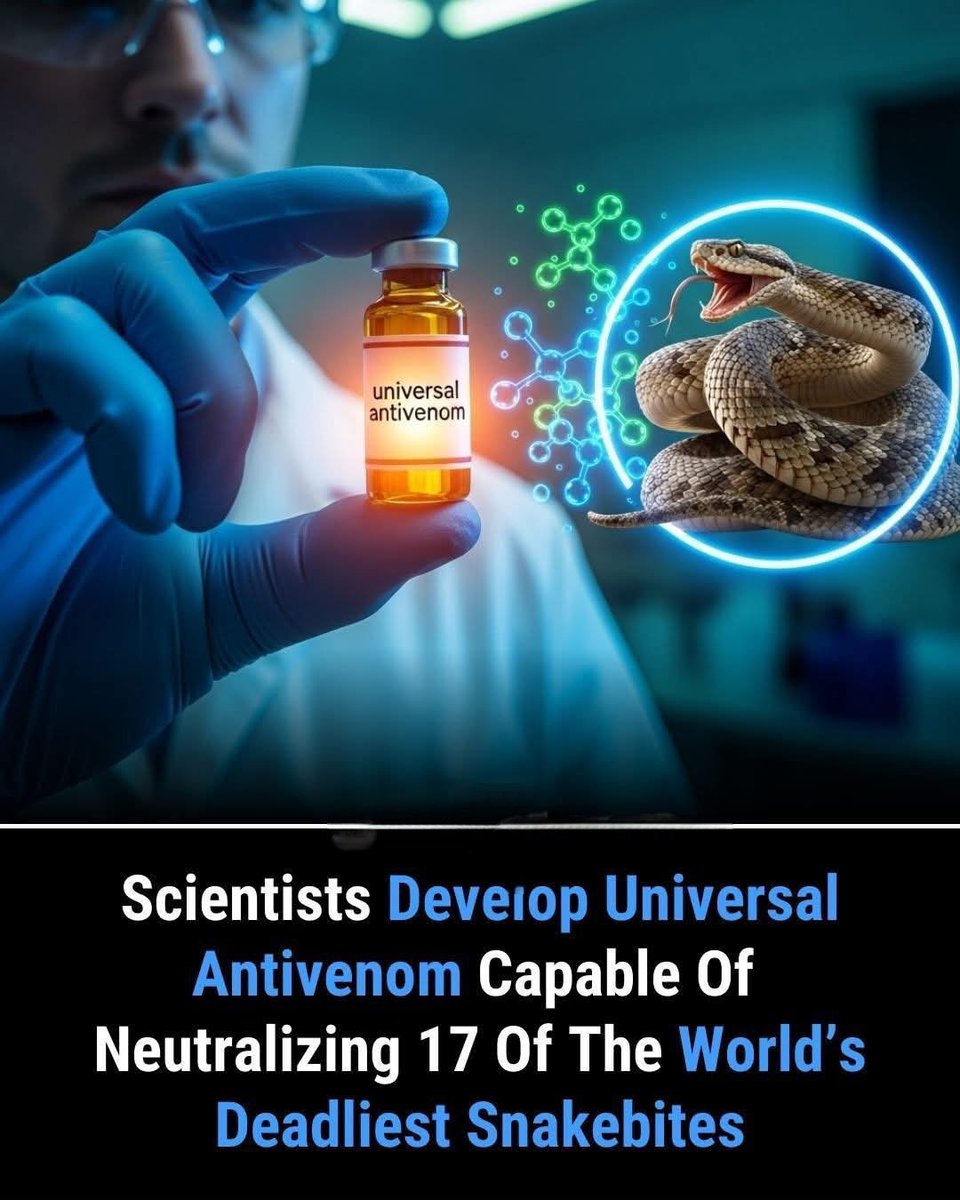
🐍 One Antivenom for 17 Deadly Snake Species? Scientists Say It Could Change Everything
For decades, treating snakebites has been a race against time because doctors often need to identify the exact snake species before giving the correct antivenom. Now, researchers have developed a universal antivenom that protected against venom from 17 highly dangerous snake species in preclinical testing.
Instead of targeting a single snake, the new treatment focuses on toxins shared by many venomous snakes, including cobras, mambas, kraits, and vipers. If successful in human trials, it could make emergency treatment faster, simpler, and more accessible—especially in rural areas where snakebites claim thousands of lives every year.
With more than 100,000 deaths worldwide annually from snakebites, this breakthrough could become one of the most important advances in emergency medicine in decades.
Source: World Health Organization. Snakebite envenoming.
🚨 FROZEN AFTER DEATH... WAITING FOR THE FUTURE
What if death is not the end, but a very long pause?
Baseball legend Ted Williams is preserved in liquid nitrogen at -196°C through a process called cryonics. Around 500 people worldwide have chosen the same path, hoping future science may one day bring them back to life.
The mystery? No cryopreserved human has ever been revived. Still, thousands are willing to take the chance.
Would you choose to wake up in the future?
Source: Alcor Life Extension Foundation. Cryonics: Frequently Asked Questions. Alcor Life Extension Foundation.
🚨 A Tick Bite Changed Everything…
A tiny tick bite can trigger Alpha-gal Syndrome, a condition that makes people allergic to red meat and other mammal-based foods.
Now, a study of 137 patients found that 96% reported symptom remission after a specialized ear acupuncture treatment called SAAT, and many were able to eat foods that once caused reactions.
The results are surprising, but scientists say more research is needed to confirm how well the treatment works.
Source: Wang, M., et al. Outcomes of Soliman Auricular Allergy Treatment (SAAT) in Patients With Alpha-gal Syndrome. Journal of Allergy and Clinical Immunology: In Practice.
❤️ The Hidden Power of Grandparents
What if one of the biggest secrets to a child's happiness has been right in the family all along?
Research shows that strong bonds with grandparents can help children feel more secure, confident, and emotionally supported. Their love, wisdom, and life experience may play a bigger role in mental wellbeing than many people realize.
Source:
Buchanan, A., & Rotkirch, A. Twenty-First Century Grandparenting. Oxford University Press.
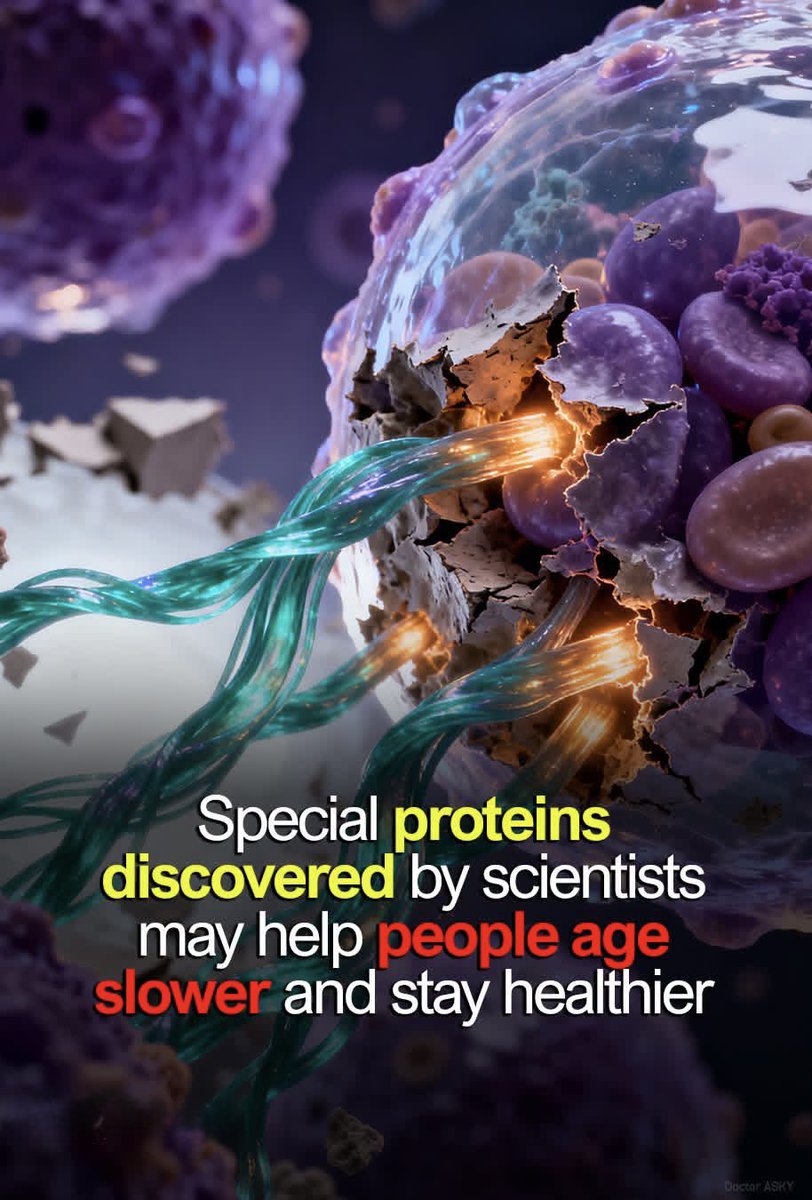
🚨 Scientists May Have Found the Body’s Hidden "Youth Switch"
What if some cells could be pushed to act younger again? Researchers discovered proteins that help cells clean up waste, repair damage, and reduce harmful inflammation. In lab studies, boosting these proteins made older cells behave more like younger ones.
While still in the early stages, this discovery could open new doors for fighting age-related diseases and promoting healthier ageing.
Source:
Molecular Therapy. (2025). Research on cellular proteins involved in repair, stress management, and healthy ageing
Playful physical touch isn’t just fun—it’s good for your health.
It triggers oxytocin, the “love hormone,” which helps reduce stress, lower blood pressure, boost mood, and increase feelings of closeness.
Regular affectionate touch can also strengthen relationships and support overall wellbeing, including heart health and immune function.
In simple terms: small, loving gestures can improve both your bond and your body.