
Omar N.
133 posts


Omar N.
@NexusHistory
Interested in psychology, philosophy, and biblical criticism | agnostic theist
Katılım Ocak 2025
378 Takip Edilen181 Takipçiler
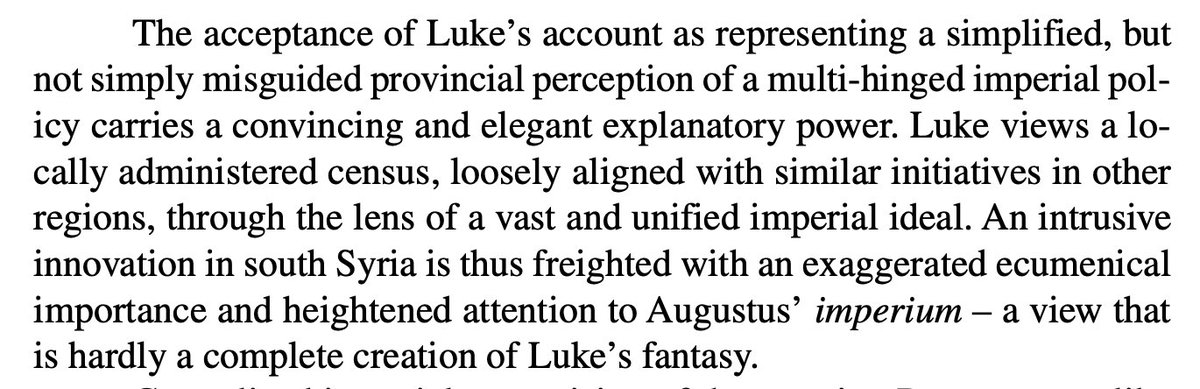
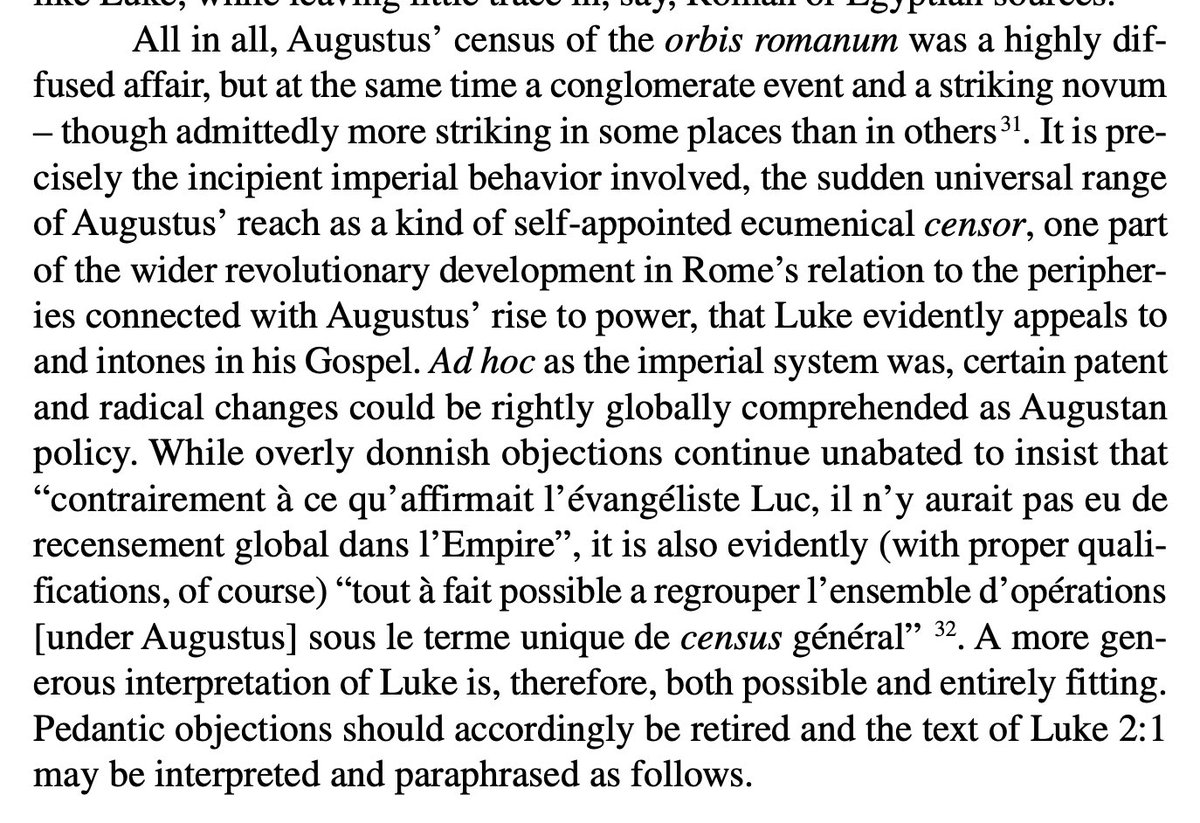
events of empire-wide import, Luke’s statements about the Roman oikoumenē are by no means wild fantasies or unreliable fictions, but rather informed perceptions from a first-century observer on the ground in the eastern provinces of the empire” (“Censor,” pg. 351-352).. 8/8
English
“general census” isn’t hard to defend (see Béatrice Le Teuff, “Les recensements augustéens, aux origines de l’Empire,” Pallas, 96 [2014]). Accordingly, as Giambrone concludes, “while Lukan discourse about the whole oikoumenē must be intelligently heard as a manner of evoking… 7/
English

@yhbryankimiq You needed a “276 IQ” to figure out UFO’s don’t exist?
English

As World's Highest IQ Record Holder,
I declare that UFO does not exist.
The only real truth is God’s creation revealed in the Bible.
We do not believe in the unidentified.
We believe in God, Jesus Christ.
English

@NexusHistory @AEnjoyer447201 We should not dismiss any book purely because it argues for a certain position, this is certainly the case when all of these are respected scholars. We should read their work with humility and respect instead of spouting slander about biases we think people have.
English

Bro, all these books are apologetic books
And they are bad
John Smith⚛ (Explorer of Reality) 🌎🇻🇦☦️@doofgeek4011
As per usual, Curzon makes claims far stronger than most critical scholars would make once the evidence and the genre of the sources are examined seriously.🧵
English
@JoelMCurzon Yeah, but the relevant part is only 40 minutes. Obviously I won’t respond to the entire video, that would be silly.
English
@NexusHistory Oh my gawd. . . is it really 6 hours long? With so little evidence to analyze? What?!?
English
@DBritannia58611 @Meekostuff @PeterKropotki16 Obviously my written opinion would be beyond just a mere Twitter post. Perhaps I’ll write my review in my Substack. :)
English
English
English

English

@SpeedWatkins Therefore, the religion with the most miracle claims wins!
English
Given that traditional religions are mutually exclusive, at most only one can be true. The point of miracle testimony has historically been to establish the truth of the religion it supports, so if that religion is not true, then its miracle testimony is false.
English

Reading right now:
Use of Sources in Ancient Compositions - James W. Barker
No solution to the synoptic problem can be eliminated by arguing that it is logistically too complex. Quite good. And free. Grab it.
digitalcommons.wku.edu/fac_staff_pape…
English
Dogmata I don’t believe:
• Jesus rose from the dead.
• Muhammad split the moon.
• Joseph Smith translated the Book of Mormon from a genuine ancient record.
• Transubstantiation.
• The Incarnation.
• The Virgin Birth.
• “Trans women are women!”
English