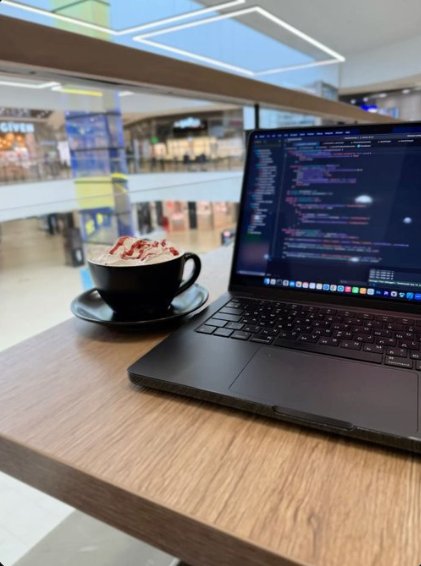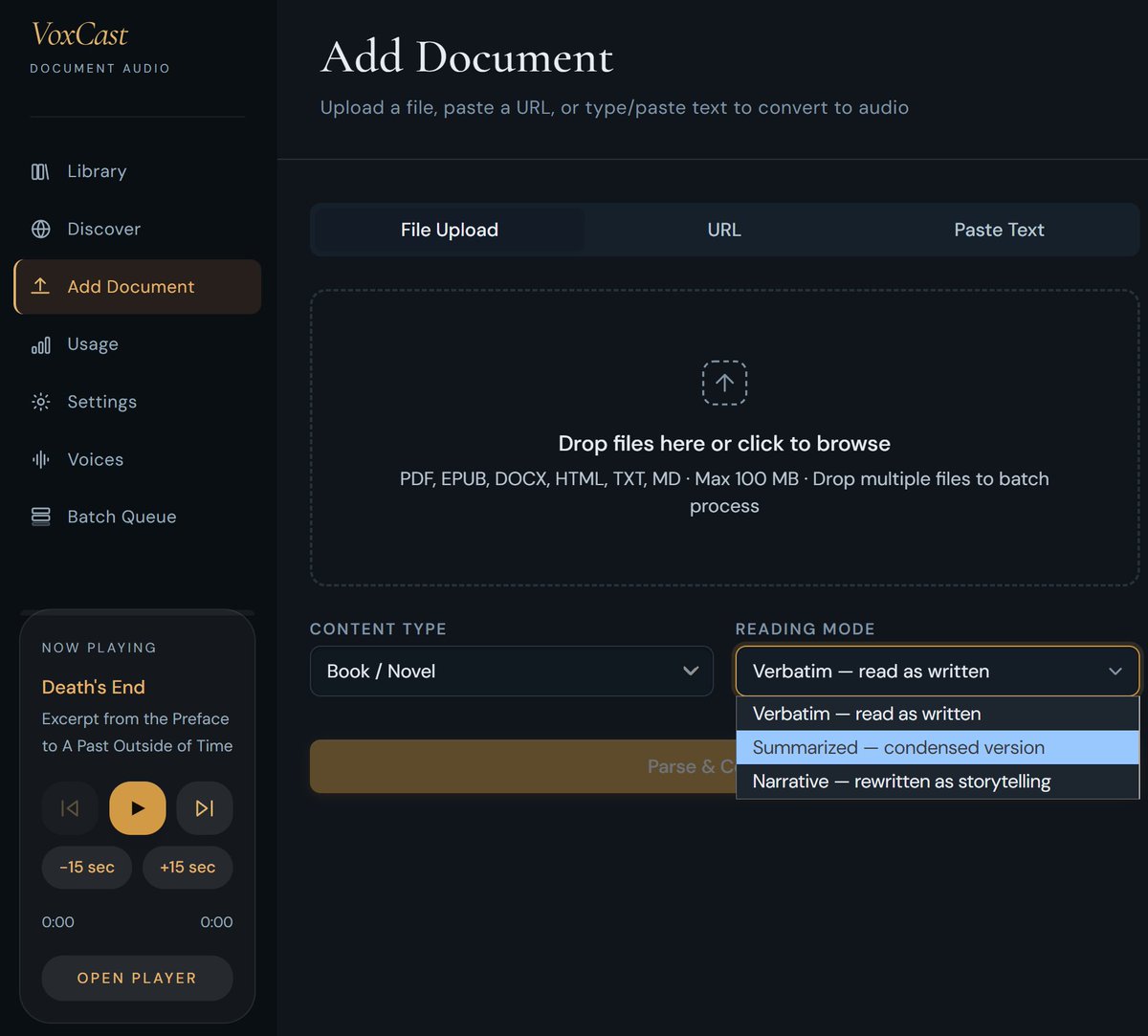
What makes a serious home AI setup great? What are you integrating together. Are you testing? Benchmarking?
English
SanDiegoNick
227 posts

@Nick__Losee
Christian, Father, Business Builder, Industrial and Systems Engineer⚙️, 🌊Ocean Masochist, 🔋CA. Energy Efficiency, Member of San Diego Farm Bureau 🌱

Hermes Agent v0.9.0 - “The Everywhere Release” Full changelog below ↓



Now in research preview: routines in Claude Code. Configure a routine once (a prompt, a repo, and your connectors), and it can run on a schedule, from an API call, or in response to an event. Routines run on our web infrastructure, so you don't have to keep your laptop open.


Announcing: 30 Days of System Design Starting today, I’m diving deep into system design — one practical concept every day. From backend fundamentals to real-world architecture, this series is built to help you think like an engineer who designs systems that actually scale. What you can expect: → Clear, day-by-day breakdowns of core concepts → Simple diagrams and visual explanations → Real-world examples from companies you know → Honest tradeoffs most engineers overlook → Interview-focused insights with production-ready thinking → Threads designed for easy revision anytime The goal? Build strong backend and system design intuition in just 30 days. If you're learning backend, preparing for interviews, or working on scalable systems — this is for you. Day 1 drops next. Ready? #30DaysOfSystemDesign #BackendEngineering #SystemDesign
🧵 Day 2/30 — #SystemDesign One server can’t handle millions of users. That’s why scalable systems put a Load Balancer in front to distribute traffic. It’s the first real step from single-server → scalable architecture. What is a Load Balancer? A load balancer sits between users and servers. It receives requests and distributes them intelligently across multiple instances. This helps with: → Preventing server overload → Improving availability → Handling traffic spikes → Enabling horizontal scaling → Removing single point of failure Without load balancing, your system crashes when traffic grows.