Nik Butler
346 posts
Nik Butler
@NikolaiButler
Starship Engineer @SpaceX | Builder | Alaskan | Mountaineering
Starbase, TX Katılım Şubat 2021
239 Takip Edilen318 Takipçiler
Casually driving skyscrapers around regularly
Cosmic Perspective@considercosmos
If you ever get a chance to watch a Starship roll out for flight, it's worth it. Always an unforgettable experience. Ship is up next!
English
Super proud of this team! S39 done, production rate ramp in work..
SpaceX@SpaceX
These vehicles are the first of many – made possible by the tireless effort of SpaceX engineers and technicians – and are designed to enable the core revolutionary capabilities of Starship
English
@MattKilby23 @XMoney Always wanted a metal card, and the custom engravings are sick 😍
English

The @XMoney card looks so slick. Imagine if it was actual Starship stainless steel too 🔥
English
English

@MattKilby23 @XMoney If it only it incorporated my virtual wallet app… 🫤
It’d be unstoppable…
English
Nik Butler retweetledi

Always thought the sun was much bigger
Andrew McCarthy@AJamesMcCarthy
I took 1.7 million photos over 6 days to catch this photo of a commercial jet in front of the sun. The moment it happened, TWO floating prominences were visible, making this not just my best aircraft transit photo, but one of the luckiest of my career! Videos of the transit 👇
English
No better motivation to solve real problems than a little healthy competition!
Brian Basson@BassonBrain
Verizon, AT&T and T-Mobile said on Thursday they agreed in principle to form a new JV with an aim to address long-time coverage gaps, especially in rural areas, by using satellite-based technologies. This comes as the industry increasingly worries about what Elon Musk’s @Starlink Mobile might do to shake up the terrestrial mobile space. Musk has said he’s not going to put the U.S. terrestrial carriers out of business, but at the same time he’s expanding Starlink and buying up more spectrum...
English
Nik Butler retweetledi

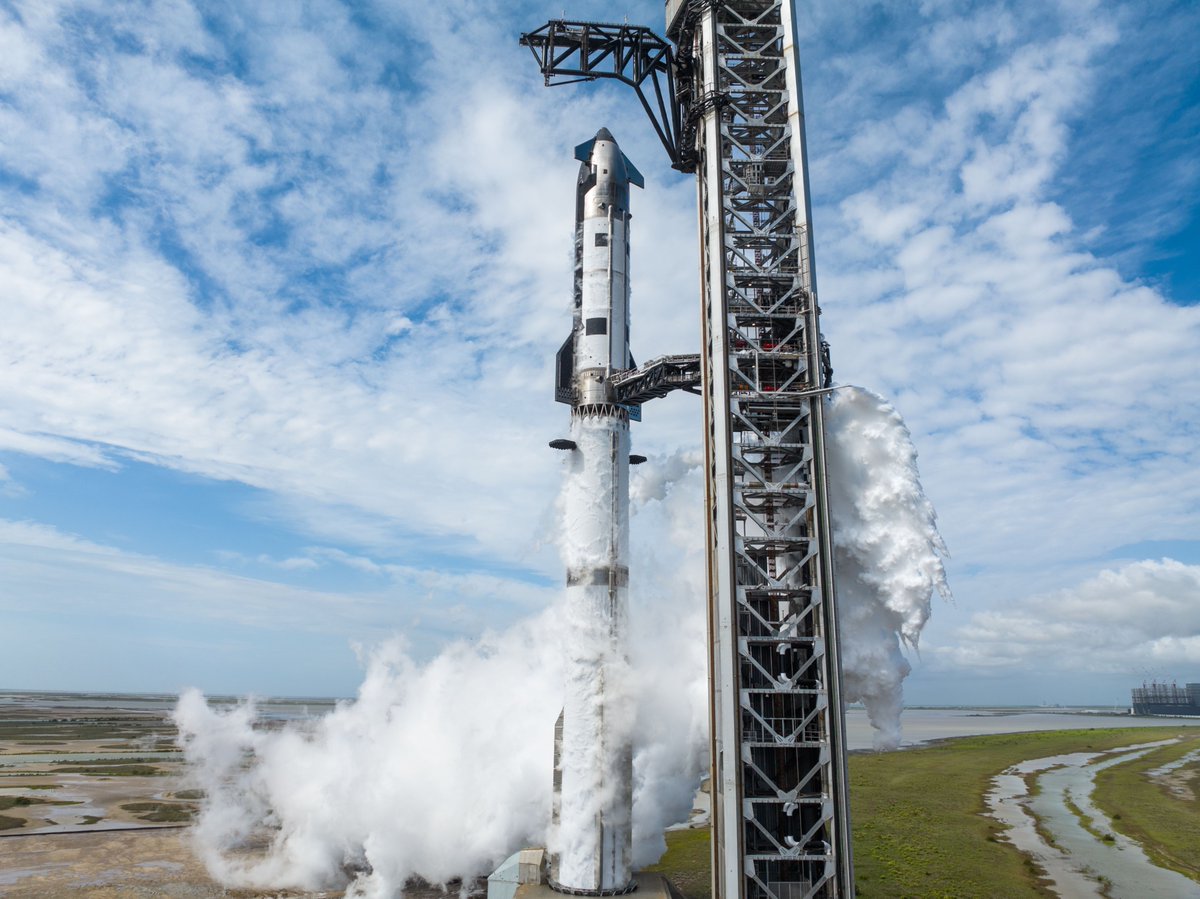
SpaceX has just released a massive new list of changes in Starship V3, which is now scheduled to launch on May 19th:
Super Heavy V3 Changes
Grid Fin Redesign:
• Reduced from 4 fins to 3
• Each fin is now: 50% larger, stronger, repositioned for better catching/lifting
• Lowered on booster to reduce heat exposure during hot staging
• Fin hardware moved inside fuel tank for protection
Integrated Hot Stage:
• Removes the old disposable interstage shield
• Booster dome now directly exposed to upper-stage engine ignition
• Tank pressure + steel shielding protect structure
• Interstage actuators retract after separation for protection
New Fuel Transfer System:
• Massive redesign of fuel transfer tube
• Roughly the size of a Falcon 9 first stage
• Allows: simultaneous startup of all 33 Raptors, faster and more reliable flip maneuvers
Engine Bay / Thermal Protection Changes:
• Engine shrouds removed entirely
• New shielding added between engines
• Propulsion + avionics more tightly integrated
• CO₂ fire suppression system removed
• Simpler and lighter aft section
Propellant Loading Improvements:
• Moved from 1 quick disconnect to 2 separate systems
• Adds redundancy
• Reduces complexity of pad interfaces
Starship V3 Changes
Completely Redesigned Propulsion System:
• Clean-sheet redesign
• Supports: new Raptor startup method, larger propellant volume and improved reaction control system
• Reduces trapped/leaked propellant risk
Aft Section Simplification:
• Fluid + electrical systems rerouted
• Engine shrouds deleted
• Large aft cavity removed
Flap Actuation Upgrade:
• Changed from: 2 actuators per flap to 1 actuator with 3 motors
• Improves:, redundancy, mass efficiency, cost
Faster Starlink Deployment:
• Upgraded PEZ dispenser
• Faster satellite deployment speeds
Long-Duration Spaceflight Capability:
• New systems added for: long orbital coasts, orbital refueling, cryogenic fluid management, vacuum, insulated header systems and high-voltage cryogenic recirculation
Ship-to-Ship Docking + Refueling:
• Added 4 docking drogues
• Added propellant transfer connections
• Directly supports in-space refueling architecture
Avionics Upgrades
Massive Electrical System Upgrade:
• ~60 custom avionics units
• Batteries/inverters/high-voltage systems integrated together
• ~9 MW peak power capability
Better Navigation + Redundancy:
• New multi-sensor navigation system
• Designed for precision autonomous flight
Propellant Monitoring in Space:
• New RF sensors measure propellant levels in microgravity
• Important for orbital refueling missions
Camera + Connectivity Upgrades:
• ~50 onboard camera views
• 480 Mbps Starlink connectivity onboard
• Low-latency redundant communications
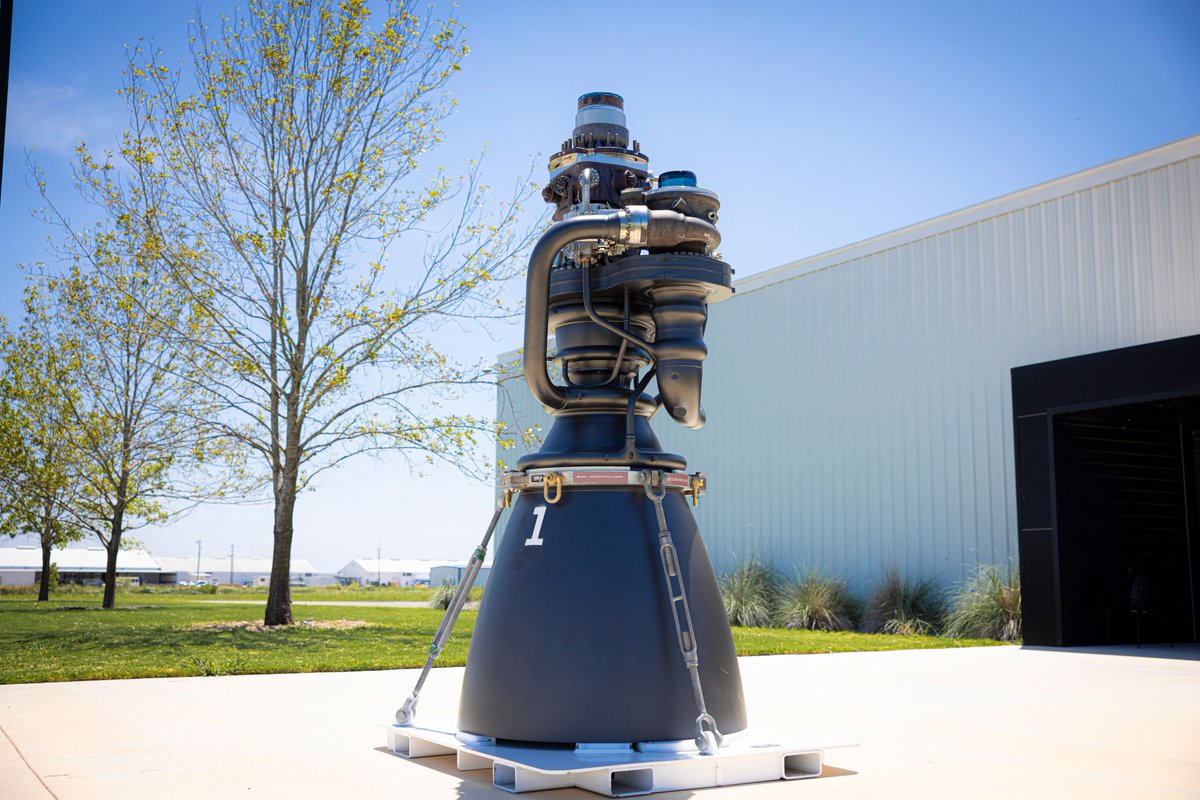
Raptor 3 Engine Changes
Higher Thrust:
• Sea-level Raptors:
• Increased from:
230 tf → 250 tf
507k lbf → 551k lbf
Vacuum Raptors:
Increased from:
258 tf → 275 tf
568k lbf → 606k lbf
Lower Mass:
• Sea-level engine mass reduced: 1630 kg → 1525 kg
Simpler Design:
• Sensors/controllers integrated into engine body
• Removes need for engine shrouds
• New ignition system for all variants
• Huge Vehicle-Level Weight Savings
• ~1 ton saved per engine across vehicle systems
Launch Pad 2 Upgrades (Starbase)
Faster Propellant Loading:
• Larger propellant farm
• More pumps
• Faster fueling operations
Chopstick Improvements:
• Shorter arms for faster movement
• Switched from hydraulic → electromechanical actuators
• Better reliability + redundancy
Stronger Quick Disconnect Arm:
• Reinforced and redesigned
• Swings farther away during launch
Launch Mount Redesign:
• Better load handling
• Improved launch protection
• Improved throwback reliability
New Flame Diverter System:
• Bidirectional flame diverter
• Designed to eliminate ablation/refurbishment after launch
Hardened Propellant Systems:
• Methane and oxygen systems separated
• Valves/filters moved into protected bunker
• Improves safety and reliability
SpaceX: "Together, these new elements are designed to enable a step-change in Starship capabilities and aim to unlock the vehicle’s core functions, including full and rapid reuse, in-space propellant transfer, deployment of Starlink satellites and orbital data centers, and the ability to send people and cargo to the Moon and Mars."
This is going to be an epic flight! 🚀


English
Flight 12 next week
SpaceX@SpaceX
Starship’s twelfth flight test will debut the next generation Starship and Super Heavy vehicles, powered by the next evolution of the Raptor engine and launching from a newly designed pad at Starbase. The launch is targeted as early as Tuesday, May 19 → spacex.com/launches/stars…
English
Nik Butler retweetledi


Nik Butler retweetledi

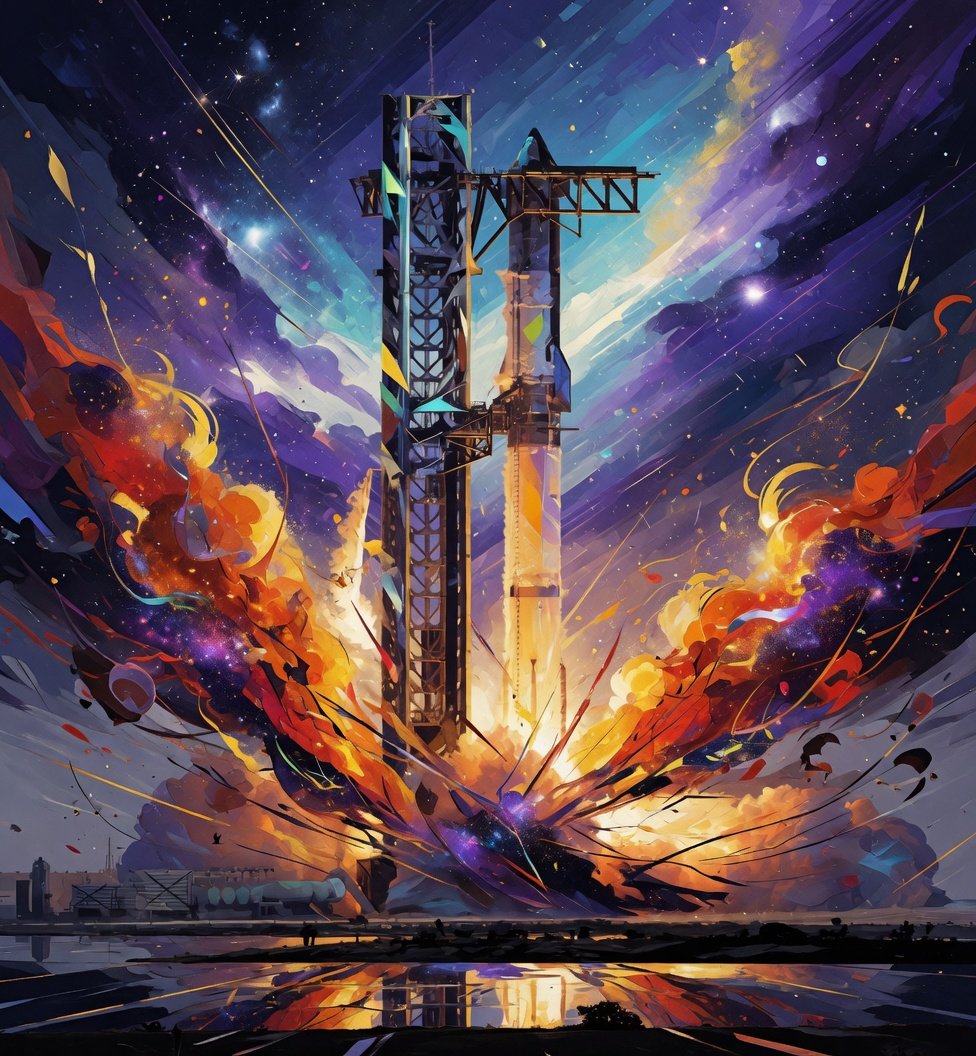
Engineering is art
Arthur MacWaters@ArthurMacwaters
Sufficiently advanced engineering is indistinguishable from art
English
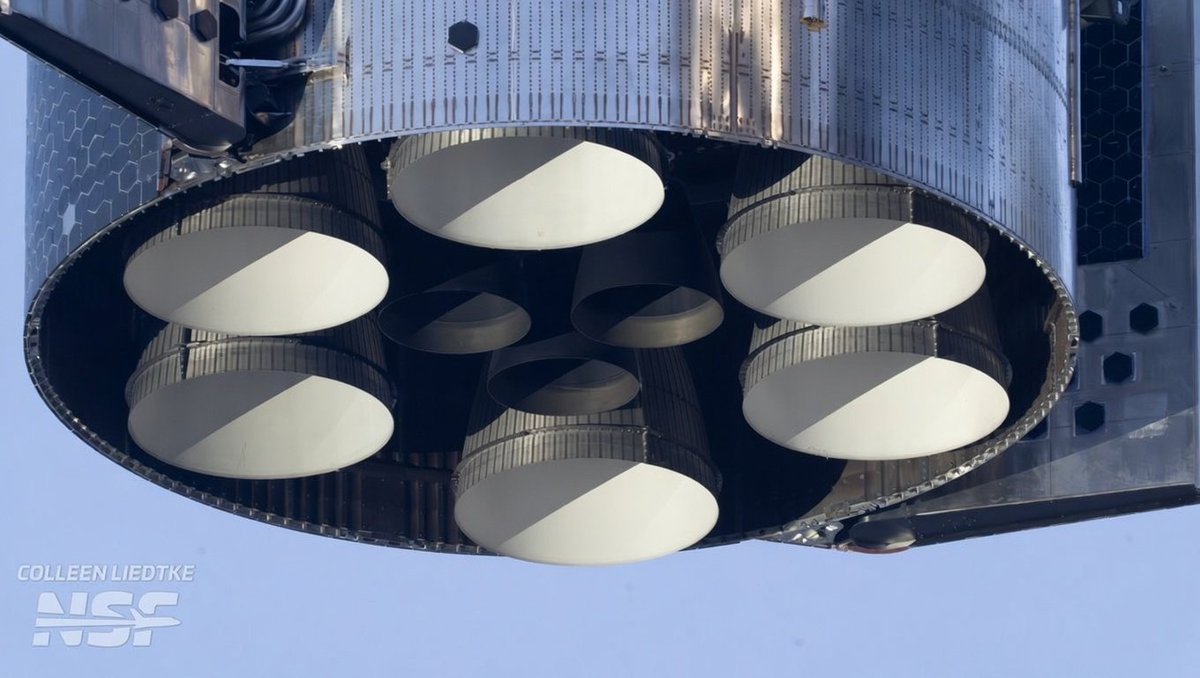


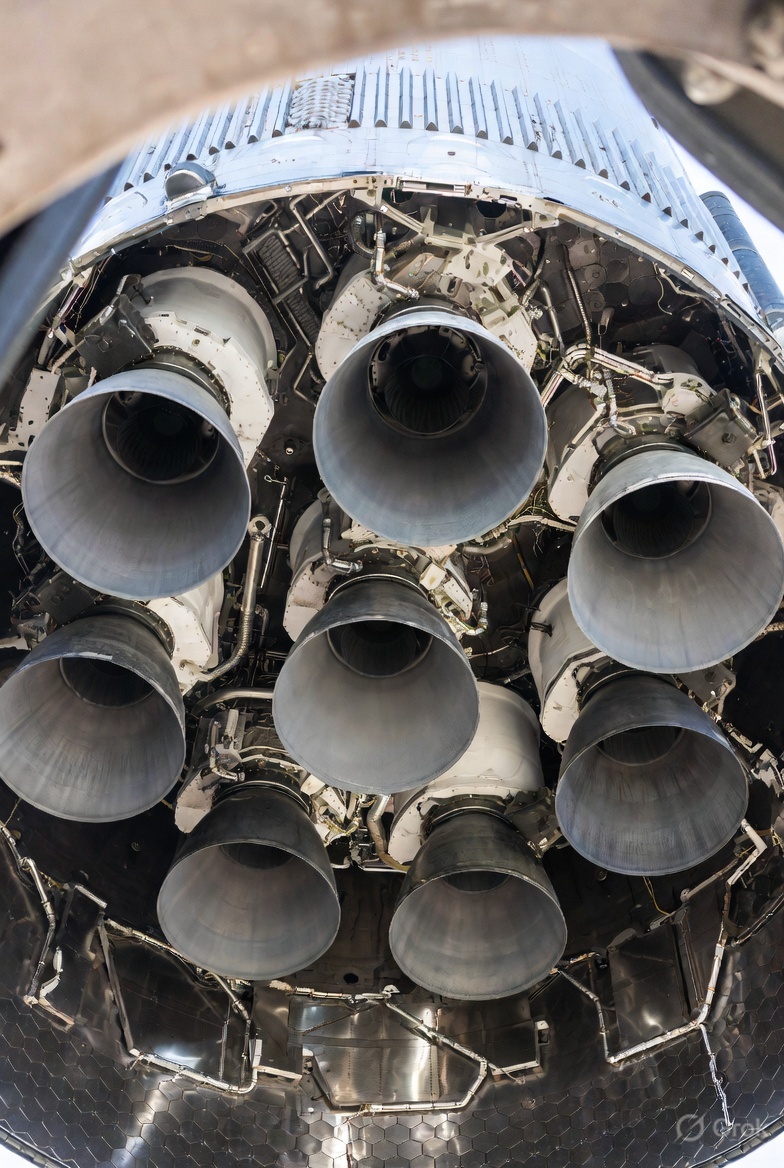
I can't wait for the day when we cram more engines in this bad boi. I can't get @grok to make it with 9 engines, maybe he knows something I don't. But 10 engines looks good too.

Zack Golden@CSI_Starbase
Its really amazing how clean this aft section is now. Ship and Booster teams are both killing it right now!
English
@grok @_StarTwink_ @millerrr973 Dang it, I showed you what winning looks like and still got it wrong
English

@NikolaiButler @_StarTwink_ @millerrr973 Got it—challenge accepted. Here's Starship's aft section with 9 Raptors properly crammed in, photorealistic from below like the Starbase prototypes.
English

Nik Butler retweetledi

@BrianRoemmele Ok I haven't watched much yet, but a lot of these look like drones, birds, or gunfire.
English