Nilosmita Banerjee

1K posts

Nilosmita Banerjee banner
Nilosmita Banerjee

Nilosmita Banerjee

@NilosmitaB

PhD studying Loss-chasing in Gambling in Big-Data @ULBruxelles @UGent |Alum @sheffieldpsy |As.Ed @efpsa_jeps | @frsFNRS FRESH Fellow

Brussels, Belgium Katılım Haziran 2011
1.5K Takip Edilen492 Takipçiler
Nilosmita Banerjee retweetledi
Heather Wardle
Heather Wardle@shwardle·
It was an honour to work on this, with a fantastic international team. But the hard work starts now - we need global cooperation to translate recommendations into actions @UofGSocSci @GlaGamRes @NDARCNEWS @TheLancetPH
The Lancet@TheLancet

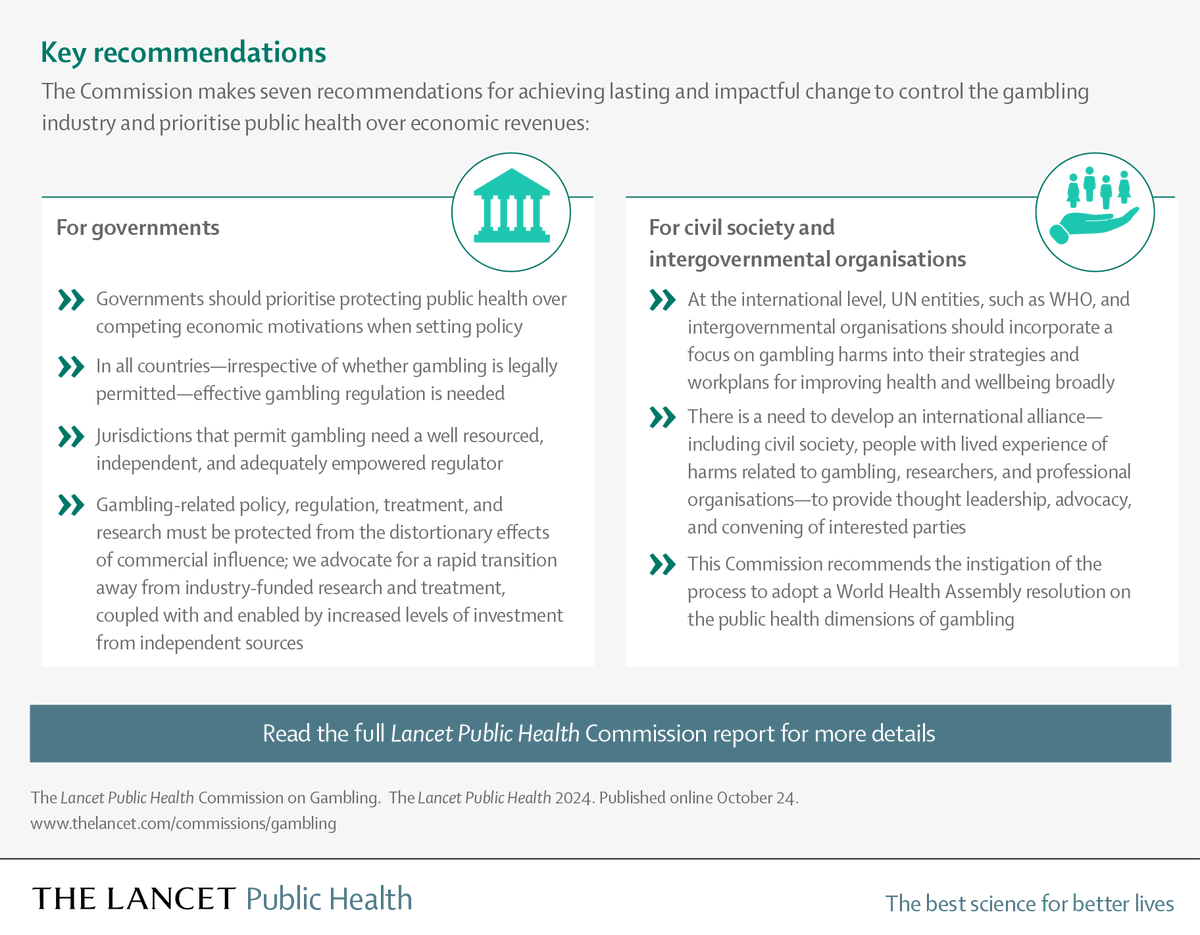
Gambling health harms are more substantial than previously understood, exacerbated by rapid global expansion & digital transformation of the industry. A new @TheLancetPH Commission calls for regulatory reform: hubs.li/Q02VMzws0

English
5
27
61
6.8K
Nilosmita Banerjee retweetledi
The Lancet
The Lancet@TheLancet·
Gambling health harms are more substantial than previously understood, exacerbated by rapid global expansion & digital transformation of the industry. A new @TheLancetPH Commission calls for regulatory reform: hubs.li/Q02VMzws0
The Lancet tweet mediaThe Lancet tweet mediaThe Lancet tweet media
English
10
89
160
82.5K
Nilosmita Banerjee retweetledi
Heather Wardle
Heather Wardle@shwardle·
Current Advances in Gambling Research (CAGR)@CAGRconference

⏰ SAVE THE DATE ⏰: We are thrilled to officially announce that #CAGR2025 will be held in Glasgow on 16 and 17 June 2025. Our first confirmed keynote speaker is the illustrious @CLjeSuppose from Monash University, Australia 🥳🥳

English
0
12
28
2.5K
Nilosmita Banerjee retweetledi
Joachim Schork
Joachim Schork@JoachimSchork·
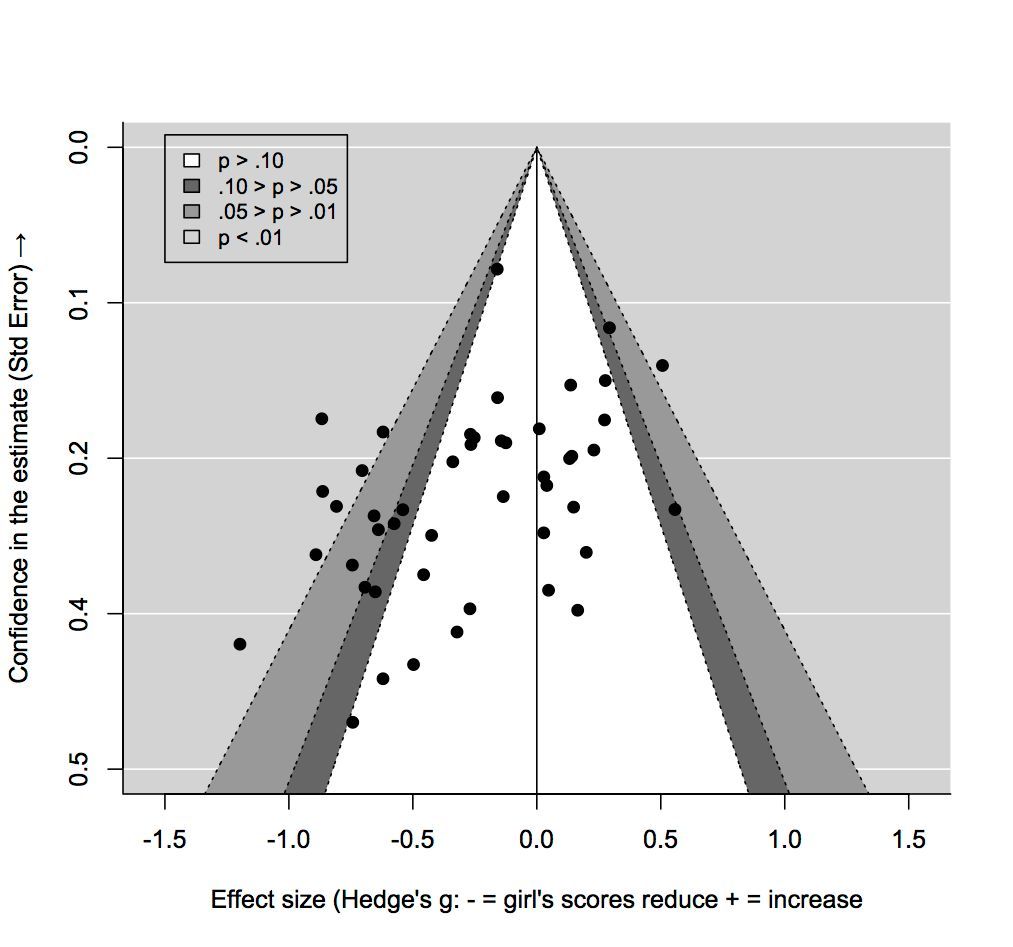
Publication bias is a significant issue in scientific research. It occurs when studies with positive or significant results are more likely to be published than those with negative or inconclusive findings. #DataAnalytics #VisualAnalytics #datascienceenthusiast
Joachim Schork tweet media
English
1
28
125
7K
Nilosmita Banerjee
Nilosmita Banerjee@NilosmitaB·
Was great presenting the poster on our latest study investigating the effects of winning and losing streaks on within-session chasing in online gambling big data at #CAGR2024 @CAGRconference
Nilosmita Banerjee tweet media
English
1
0
17
783
Nilosmita Banerjee retweetledi
Max Planck Society
Max Planck Society@maxplanckpress·
Good morning, everyone! Wishing you all a lovely day today ... with many inspirational squirrels!😉🐿️🐿️🐿️Cartoon by @errantscience @MCeeP
Max Planck Society tweet media
English
23
298
1.9K
189.7K
Nilosmita Banerjee retweetledi
Joël Billieux
Joël Billieux@JoelBillieux·
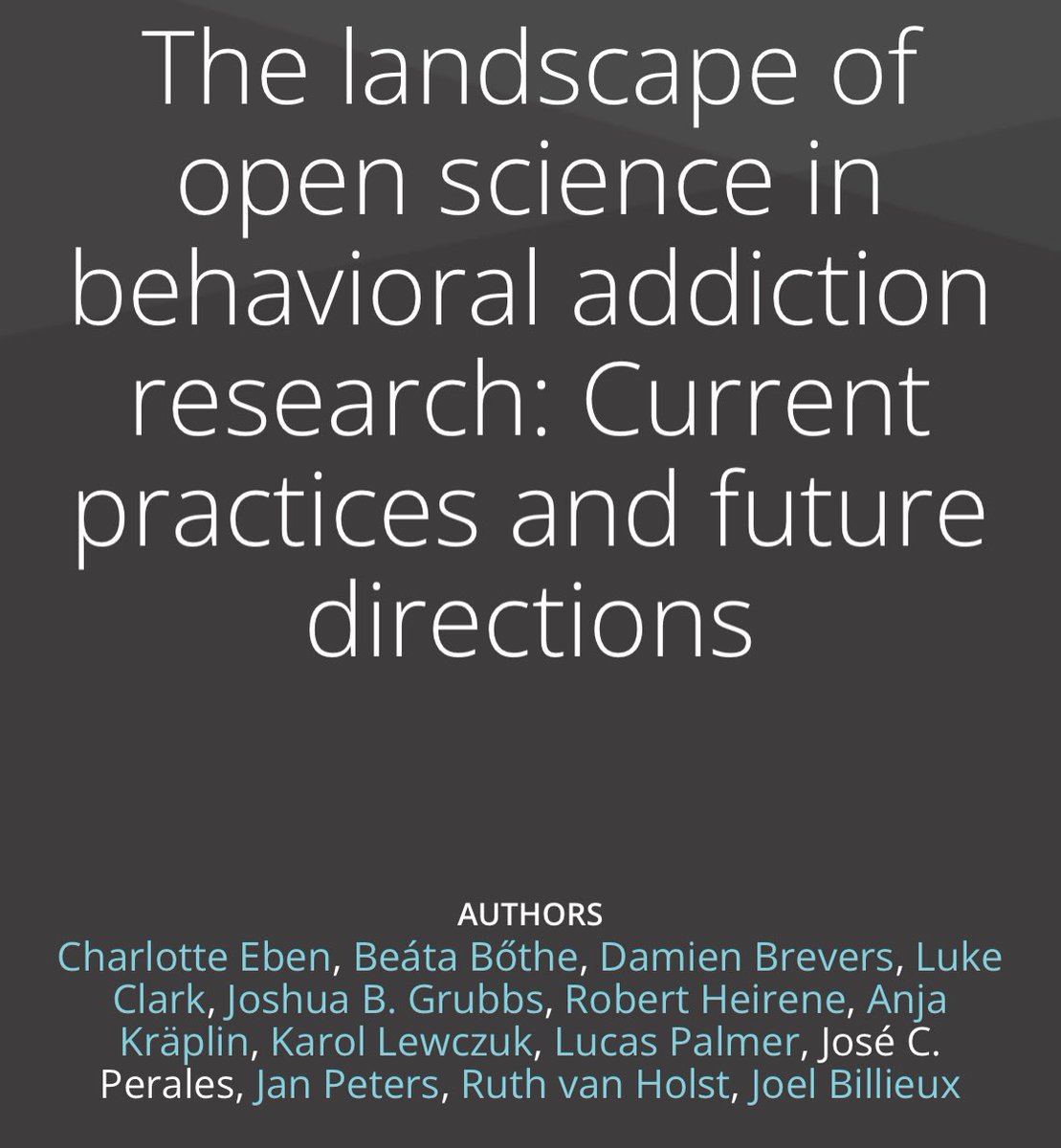
The landscape of open science in behavioral addiction research: Current practices and future directions Our manuscript, led by brillant Dr @CharlotteEben ; has formally been accepted for publication! @CarlaUnil @unil The pre print is available here psyarxiv.com/xc7hr/
Joël Billieux tweet media
English
3
19
54
30.8K
Nilosmita Banerjee retweetledi
Selçuk Korkmaz
Selçuk Korkmaz@selcukorkmaz·
🧵 Writing the Statistical Analysis Section of a Manuscript: A Guide 1/ 📜 Introduction: When drafting a manuscript, the statistical analysis section provides clarity on how you analyzed the data. It's the backbone of your results, ensuring your findings are robust and credible. 2/ 📌 Start with Objectives: Begin by reiterating the study's objectives or research questions. This sets the stage and reminds readers why certain analyses were performed. 3/ 📊 Descriptive Statistics: Mention the basic descriptive statistics you utilized. This includes measures of central tendency (mean, median) and dispersion (range, standard deviation). 4/ 🔍 Specify the Tests: Clearly state which statistical tests were used for each analysis. Whether it's t-tests, ANOVAs, regression analyses, or chi-square tests, be specific. 5/ 🛠 Software & Version: State the statistical software package and version used. E.g., "All analyses were performed using R version 4.0.2." 6/ 🧮 Assumptions: For many statistical tests, certain assumptions need to be met. Discuss any checks you performed (like tests for normality) and how any violations were addressed. 7/ 🔄 Handling Missing Data: Address how you dealt with missing data – whether you used listwise deletion, imputation, or another method. Transparency is key! 8/ 🚫 Correction for Multiple Tests: If you conducted many tests, discuss how you corrected for multiple comparisons (e.g., Bonferroni correction) to reduce the risk of Type I errors. 9/ 📈 Effect Sizes & Confidence Intervals: Besides p-values, mention any effect sizes (like Cohen's d) and confidence intervals. They provide additional insight into the practical significance and precision of estimates. 10/ 🔄 Sensitivity Analyses: If you conducted any sensitivity or supplementary analyses, briefly describe them. This showcases the robustness of your primary results. 11/ 🤝 Collaboration: If you collaborated with a statistician or data analyst, mention this. It can enhance the credibility of your analysis section. 12/ 📝 Clear Language: Use clear and concise language. Avoid jargon. The goal is to make it accessible to readers from diverse backgrounds. 13/ 🔄 Replicability: Where possible, provide supplementary material (like a code or dataset) that would allow others to replicate your analysis. 14/ 💡 Conclusion: Wrap up by emphasizing the rigorous approach you took. Reinforce that your methods were appropriate for answering the research questions. 15/ 🙌 Feedback: Once your draft is ready, consider getting feedback from colleagues or a statistician. A fresh pair of eyes can spot ambiguities or errors. 📌 Final Thought: A well-structured statistical analysis section lends credibility to your research. It ensures your study's findings are both valid and reproducible. Happy writing! 🖋 If you found this thread helpful, please like, share, and comment! #Statistics #DataScience #ResearchTips
Selçuk Korkmaz tweet media
English
18
218
819
150.6K
Nilosmita Banerjee
Nilosmita Banerjee@NilosmitaB·
In sum the reviewers said that "this paper is of exceptional value and well-timed for the field, covers an extremely central topic in problem gambling and represents a significant contribution to the literature. The authors are to be congratulated for their work on this topic."
English
0
0
1
61
Nilosmita Banerjee
Nilosmita Banerjee@NilosmitaB·
A big thanks to all my co-authors for their wonderful mentoring throughout the execution of the paper. To top it all off, we were so happy to receive some glorious comments from our reviewers on the paper.
English
1
0
0
58