

ali lukunku
8.8K posts


Genel Başkanımız Sayın Kemal Kılıçdaroğlu’nun basın danışmanlığı görevine Atakan Sönmez’i layık görmesi son derece isabetli ve doğru bir tercihtir.
Bu önemli görevin kendisine hayırlı olmasını diliyor; duruşu, birikimi ve emeğiyle bu sorumluluğu başarıyla taşıyacağına inandığım Atakan Sönmez’i gönülden tebrik ediyorum.
Aynı zamanda bu yerinde kararı alan Sayın Genel Başkanımız Kemal Kılıçdaroğlu’nu kutluyorum.
@herkesicinCHP @kilicdarogluk @atakansmz

Türkçe
@turkcegundemtr Yapacaginiz yapip partiyi dagitip siktir olup gidecek zaten girse kazanamaz, sokaga cikacak durmda degil
Türkçe

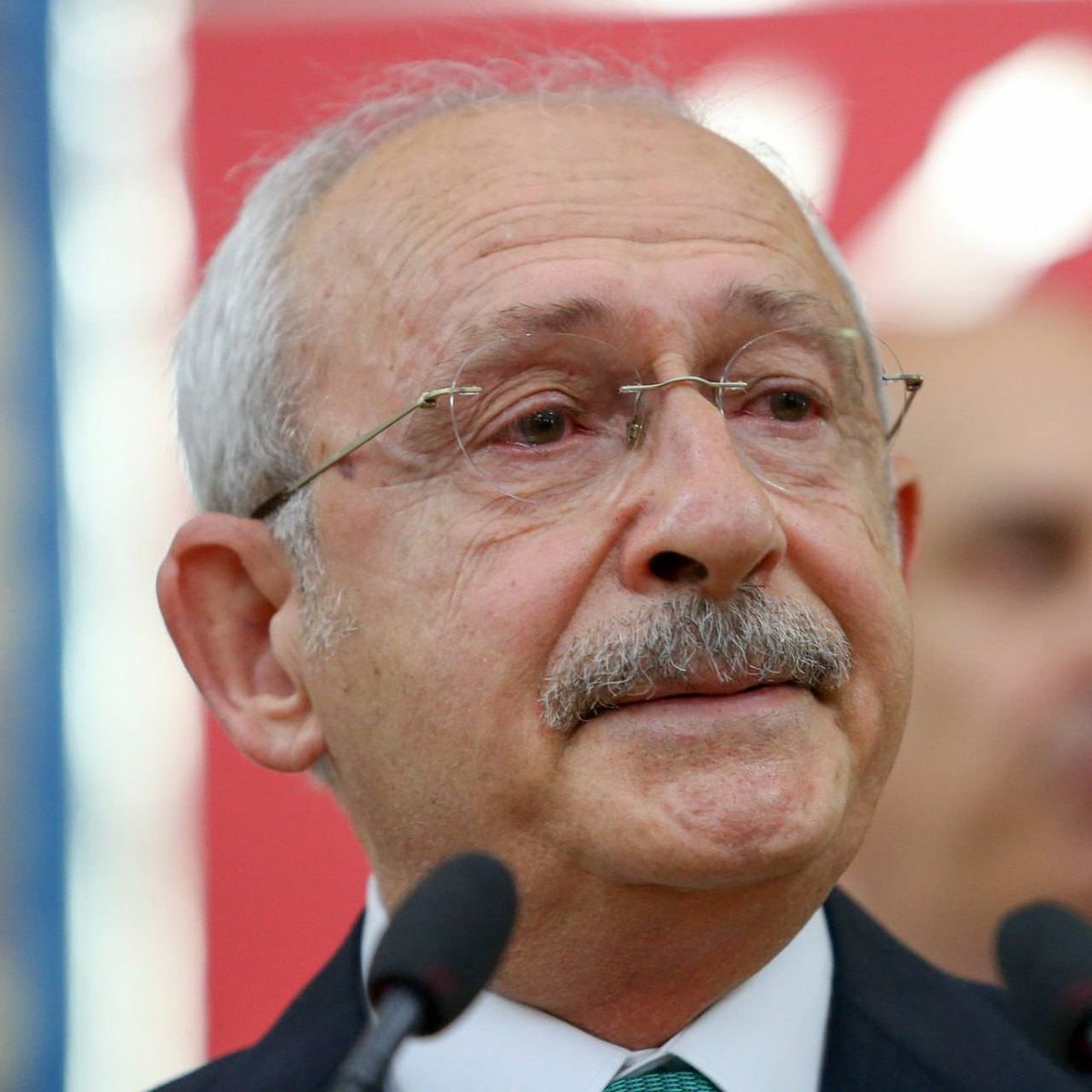
Gazeteci Gürbüz Evren:
“Kemal Kılıçdaroğlu, ‘Hain Kemal’ sloganı atılmasına çok üzüldü.
CHP Kurultayı'nda aday olmayacak.”
Türkçe

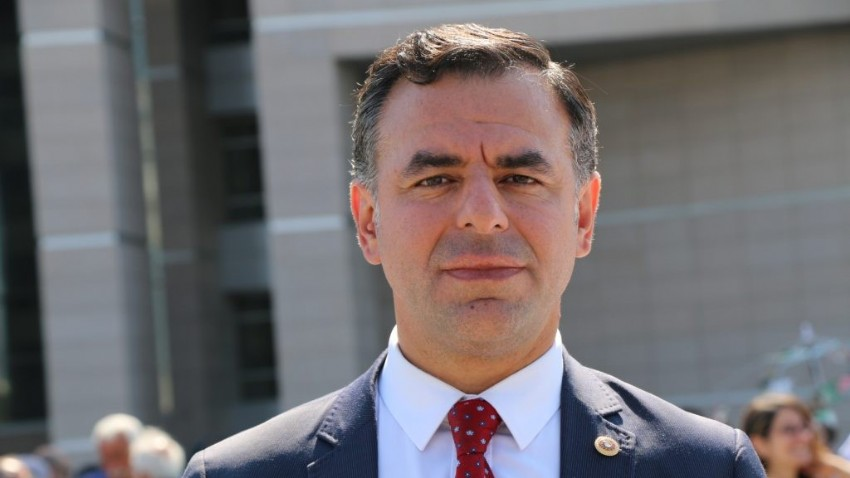
Tek başına bir muhalefet, her zaman doğruyu savundu, eğilmedi, bükülmedi. Tek bir gün bile partisini savunmaktan vazgeçmedi
Emeğine ve yüreğine sağlık #BarışYarkadaş
50 tane daha Barış Yarkadaşımız olsa devrim yaparız.
Türkçe
ali lukunku retweetledi
Inspired by ancient Chinese practices like Qi Gong and Tai Chi, combined with modern Western lymphatic movement methods.
I now practice this routine every day
English


ali lukunku retweetledi
@GAB_DER_ Serefzlik yapmayin siz akp trollerisiniz ve aleviler sizden ve akpli ajan liderinizden nefret ediyor. Aleviler sizin gibi satilmis degil
Türkçe

GENÇ ALEVİLER BİRLİĞİ – GAB KAMUOYU AÇIKLAMASI
Cumhuriyet Halk Partisi’nin 38. Genel Kongresi sürecinde ortaya çıkan usulsüzlükler, şaibeler, kumpas ilişkileri ve örgütsel müdahaleler neticesinde; Sayın Kemal Kılıçdaroğlu’na yönelik gerçekleştirilen siyasi ihanet girişimleri kamu vicdanında büyük bir yara açmıştır.
Verilen mutlak butlan kararı ile birlikte CHP’nin 7. Genel Başkanı Sayın Kemal Kılıçdaroğlu yeniden CHP Genel Başkanlığı görevine dönmüştür.
Genç Aleviler Birliği-GAB Yönetimi olarak; demokrasiye, temiz siyasete ve halk iradesine sahip çıkan Sayın Kemal Kılıçdaroğlu’nun bu zorlu süreçte yanında olduğumuzu açıkça ilan ediyoruz.
Bizler; baskıya, kumpasa ve siyasi mühendislik operasyonlarına karşı Sayın Kemal Kılıçdaroğlu ile birlikte yürümeye devam edeceğiz.
Başta Alevi gençliği olmak üzere tüm devrimci, demokrat ve halkçı gençleri; bu süreçte Sayın Kemal @kilicdarogluk ’nun yanında durmaya, halkın iradesine sahip çıkmaya davet ediyoruz.
Genç Aleviler Birliği – GAB Yönetimi

Türkçe
ali lukunku retweetledi
Seks kasediyle başa gelen, partideki tüm Atatürkçüleri tasfiye eden, tarihin en zayıf Tayyip'ine karşı kendini aday gösterip seçimi hediye eden, ne karar çıkacağını biliyormuşçasına bir gün önceden sesleniş videosu paylaşan bu herifin ajan olduğunu göremeyen siktirsin gitsin.
Türkçe
@kilicdarogluk Utanmaz adam, cocugundan torunundan kizindan da utanmiyorsun, sana oy vermis kandirdigin milyonlarin bedduasini almis bir aymaz utanmaz bir yaslisin.
Türkçe

Cumhuriyet Halk Partisi; kişisel ikbal arayışlarının mücadele alanı değildir.
Cumhuriyet Halk Partisi milletimizin egemenlik senedidir.
38. Olağan Kurultayımız ile ilgili mahkemenin vermiş olduğu karar; bir ayrışma vesilesi değil, asırlık çınarımızın altında kenetlenme fırsatı olmalıdır.
Gün; sevinç çığlıklarıyla birbirimizi kırma günü değildir.
Gün; kırgınlıkları bir kenara bırakıp ciddiyetiyle, sükûnetle ve kucaklaşarak ayağa kalkma günüdür.
Bu süreci “keşkelerle” değil, ciddiyetle, parti kültürümüzden aldığımız samimiyetle ve ortak akıl ile yönetmek zorundayız.
Şahsi ikballer değil, Türkiye’nin geleceği esastır. Bu kapsamda süreci; önceki dönem Genel Başkanlarımızla, Parti Meclisi üyelerimizle, milletvekillerimizle, il ve ilçe başkanlarımızla tam bir uyum ve iş birliği içinde yürüteceğiz.
Hiç kimse endişe etmesin, partimizi bu tartışmaların içinden çıkaracak ve iktidar yürüyüşünü devam ettireceğiz.
Herkesi sükûnete ve ortak akıla davet ediyorum.
Biz bir aradayız! 🇹🇷
Türkçe
@srkninci Fetoculer aqp ile baristi sira chp gorunumlu gizli aqplilerde.
Türkçe

Kemal Kıldaroğlu CHP’nin başına hayırlı olsun.
İş bilmez Ekrem İmamoğlu ve müteahhitin peşine takılan eczacı konuyu buralara kadar getirdi.
Tam beceriksizler sürüsü.
Türkçe
ali lukunku retweetledi

Sayın Kemal Kılıçdaroğlu her zamanki gibi "görevini" yerine getirmeye çalışıyor.
Söyleyeceğim bu kadar.
Zira daha fazla söze gerek yok !..
Türkçe

@EkolojiR @TamerMandalinci Chp nin kürt mafyasi damari bunlar, esnaf destekli kürt mafyasi
Türkçe

Bodrum sahillerini bu mafya bozuntularına siz mi peşkeş çekiyorsunuz @tamermandalinci ?
Neredeyse hakkını arayan yurttaşı dövecekler. Bu cesur yurttaşın yalnız olmadığını görecekler.
Türkçe
ali lukunku retweetledi
Biri şaka desin! $NBIS
Adamlar, Microsoft’a, bu Ekim ayında canlıya geçeceğiz diye söz vermişti.
Direkt şebeke bağlantısını garantileyemedikleri için enerjiyi gaz türbini ile çözeriz demişler.
Ama gaz türbini için de air permit denilen hava kirliliği çevre iznini alamamışlar.
Ve bu yüzden yakıt hücresi (fuel cell) denilen en maliyetli çözüme mecbur kalmışlar.
Bu bahsettiğim fuel cell enerji çözümü için de Bloom Energy $BE ile kimseye duyurmadan, sessiz sedasız anlaşmışlar.
Vay anam vay!
Proje takviminin ertelenmesi çok daha büyük sıkıntılara yol açacağından ve bu riski almak istemediklerinden, $BE ile apar topar anlaştılar diye düşünüyorum.
Peki neden hiç bildirim yapılmadı?
Bu kadar kritik bir sorun ve onu çözmek için yapılan bu dev anlaşma neden duyurulmadı?
Kaldı ki bu sorun, en çok reklamı yapılan ve şirketin vitrin projesi olan Vineland’da gerçekleşiyor.
Tamam diyelim ki $BE işi çözecek.
Güzel.
Ama o da bu işi babasının hayrına yapmıyor tabii ki.
250MW için 10 yıllığına toplam $2.6B tutarında, tabiri caizse kol gibi, bir fatura çıkartmışlar.
Kişisel görüşüm, Nebius, bir şekilde 2026’nın son çeyreğinde Microsoft’a anlaştığı kapasiteyi sağlamayı başaracaktır.
Gerekirse başka projelerden ve farklı veri merkezlerinden aktarma yapıp müşterisine verdiği sözü tutacaktır. Tutmalı.
Fakat şu enerji çözümü için ödenecek para az buz değil.
Marjların fazlasıyla tırpanlanacağına emin olabilirsiniz.
Daha yazılacak çok şey var da, neyse.
Konuya dair detaylı bir paylaşım. 👇🏻
Greg@sagnaceffect
🧵 Some things the market may be missing on $NBIS Vineland: 1/ Day after Q1 earnings, Nebius quietly signed a $2.6B Bloom Energy fuel cell deal — 250MW guaranteed, 328MW installed, 3 phases over 10 years. No IR announcement. This appears to be a pivot away from Bergen engines as the primary power solution. 2/ Bergen has faced a difficult permitting process. Air permit PCP250002 received two formal technical deficiencies. April approval is conditional only — N+5/90% load cap to control acrolein. No final Certificate to Operate. Stack testing still pending. 🔗 Full permit record: docminer.nj.gov/DocMiner/pi/75… 3/ Site is running on Mainspring linear generators as interim power. On March 10, 2026, the Cumberland County Health Department conducted a noise inspection and issued a formal Notice of Violation — exceeding 50 dBA at residential property lines between 10pm-7am (NJAC 7:29-1.2a2i). 4/ Phase 2 planning board hearing on March 26th was postponed 2 months to May 28th at DataOne's request — now all but certain to be postponed again to June 25. At this hearing the Planning Board approves, conditions, or denies DataOne's right to build Phase 2. Without it, the Microsoft contract full delivery — which is the core near-term revenue driver — may slip from Q4 2026 into H1 2027. Korolenko's "it's on track" update on Vineland is definitely in question. 5/ NJ regulatory environment is hardening: multiple NJ municipalities have banned or blocked data centers in 2026 — Pemberton, Monroe, Mantua, Andover, Mannington — with 60+ groups now calling on Gov. Sherrill for a statewide moratorium. Vineland is the biggest project in the state. 6/ Bloom Energy solves Bergen's regulatory problems well — near-zero emissions, minimal noise, existing NJ permitting precedent. But it's a new $2.6B cost commitment with its own timeline. The Q3/Q4 2026 capacity ramp management described on the earnings call deserves closer scrutiny. $NBIS
Türkçe
@gokceekatuun Vatansiz olunca aklina Turkiye gelmiyor, afrikayi kurtaracakmis. En fazla 3-5 paravn sirket uzerinden ticaret yapmis gibi yaparlar. Siyasal islam vatansizliktir.
Türkçe

Numan Kurtulmuş:
"Afrika'nın yoksul halklarının, yoksulluğundan nasıl kurtarılacağı Türkiye'nin meselesidir."

Türkçe

⚠️ Ecevit, Kılıçdaroğlu’nu partiden dışlamış!
“Böyle kafası karışık, meçhul birini meclise sokmak ülkeye kötülük olur.”
🗣️ Sabahattin Önkibar: “Hikaye şu: Kılıçdaroğlu aslında CHP’ye girmedi.
DSP’de siyaset yapmak istedi. 1999 seçimlerinde DSP’den milletvekili adayı oldu.
Ancak Rahşan Hanım, Kılıçdaroğlu hakkında geniş bir araştırma yaptırdı. O araştırma raporunu da eşi Bülent Ecevit’e sundu.
Rahmetli Ecevit bilgi notlarını okuyunca aynen şu sözü etmiş:
‘Böyle kafası karışık meçhul birini meclise sokmak, ülkeye kötülük etmek olur.’
Evet, Kürt kökenli büyük vatansever Bülent Ecevit’in Kemal Kılıçdaroğlu hakkındaki hükmü böyleydi ve bu sebeple DSP’den dışlandı.”

Türkçe
@NamikTan 2 milyon kisinin her birine turk pasaportu verildigini / verilecegini de yazsaniza. Bu konu kovulan ntv muhabirinin konusmalarinda da gecmisti. Hadi buyrun yazin, ama yazamazsiniz
Türkçe
İşte iktidarın Türkiye'yi temsil ettiği (ve 1 milyar dolar katılım ücretinin ödenip ödenmedigini ögrenemediğimiz) Trump’ın Barış Kurulu'nun Gazze'yi getirdiği yer: Yaklaşık 2 milyon Filistinli 133km²'ye adeta tıkıştırılmış durumda yani km²'ye 15.000 kişi düşüyor. Gazze Şeridi'nin yarısından fazlası da İsrail işgalinde 👇
Ihab Hassan@IhabHassane
This is the new map of Gaza. Nearly 2 million people — most of them displaced — are now crammed into just 133 square kilometers. That is nearly 15,000 people per km².
Türkçe
@MandalinciTamer Reziller, 1 kere bodruma geldim kürt donercilerin ve cafelerin arasindan zorla denizi gorebildim. Sen nasil baskansin, sorsak chp ve mimar.
Türkçe

Kıymetli Bodrumlular,
Son günlerde Kumbahçe sahilimizde gerçekleştirilen kıyı kullanım düzenlemesine ilişkin sosyal medyada çeşitli görüntüler ve yorumlar paylaşılmaktadır. Sürece dair kamuoyunda oluşan soru işaretlerine açıklık getirmek ve belediyemizin yaklaşımını şeffaf bir şekilde paylaşmak adına bu değerlendirmeyi yapma gereği doğmuştur.
Kıyılar; hiçbir kişi ya da işletmenin değil, hepimizin ortak yaşam alanıdır.
Denize erişim hakkı, hiçbir ayrıma uğramadan her vatandaşımızın eşit şekilde yararlanması gereken temel bir kamusal haktır. Bodrum’un eşsiz kıyıları da halkımızın özgürce nefes aldığı, denizle buluştuğu ortak değerlerimizdir.
Bodrum Belediyesi olarak görevimiz; kıyılarımızı korumak, kamu yararını gözetmek ve vatandaşlarımızın sahillere özgür, adil ve kesintisiz erişimini güvence altına almaktır.
Bodrum’umuzun kıyıları dün olduğu gibi bugün de halkındır, halkın olmaya devam edecektir.
Türkçe