
𝕹𝖎𝖈𝖙𝖚𝖗𝖓𝖆𝖑⛓️ retweetledi
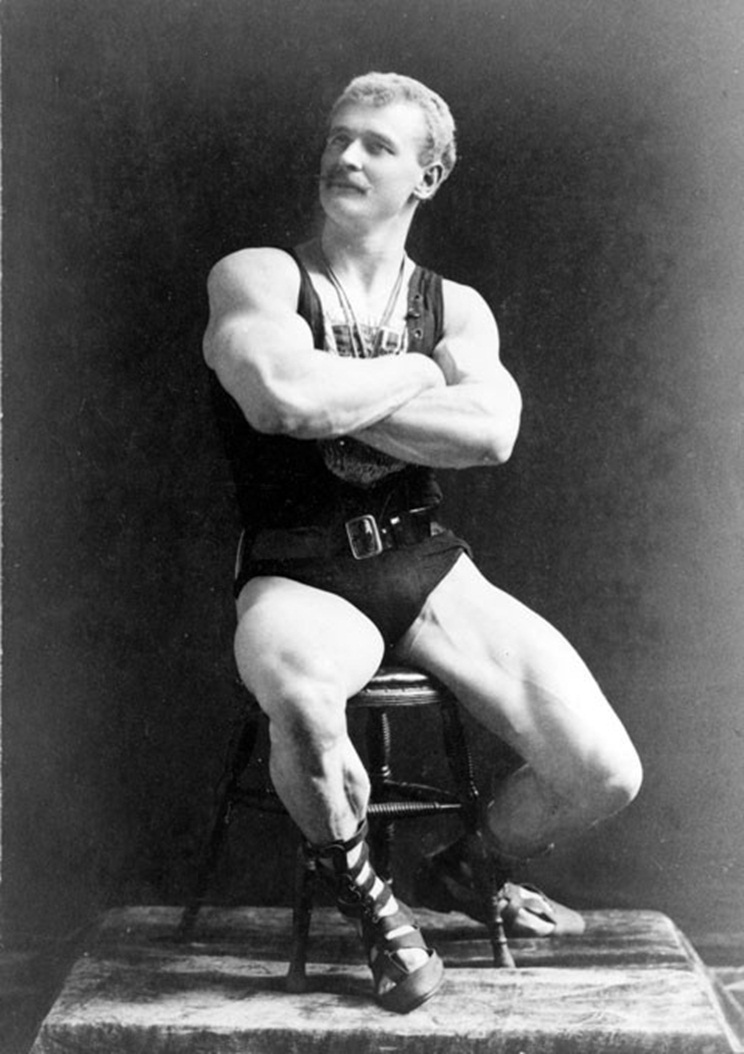
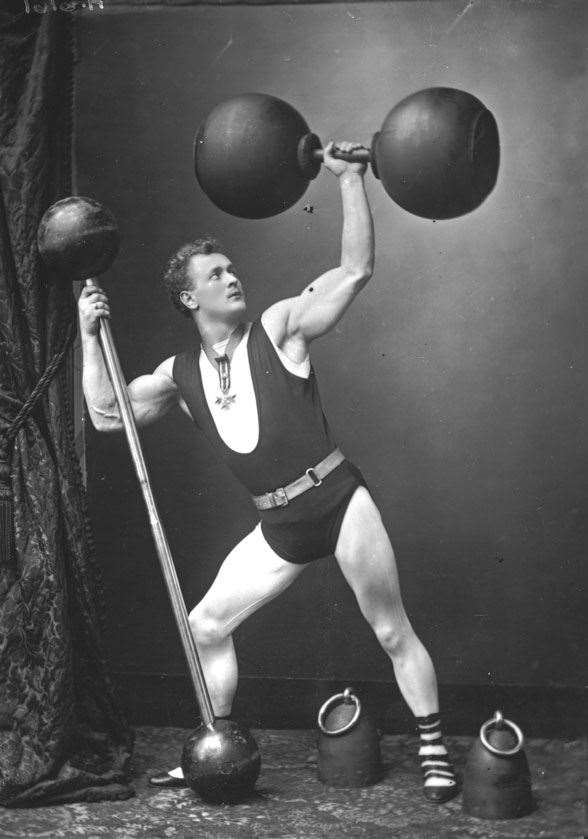
I encourage you to read about the rise of Eugen Sandow, the first celebrity strongman. He became famous in the 19th century for his feats of strength, which allowed him to sell health supplements, exercise equipment, and even luxury gym memberships.
When you connect his rise to Britain's second industrial revolution, mass migration into cities, and the rise of photography, you can see how changes in economics, demographics, and technologies affect how we think about health, masculinity, and even virtue.
Those changes didn't stop in the late 19th and early 20th centuries. They continued with developments in motion picture and later digital technologies, which allowed the rise of the internet. As the economy shifted from being an industrial to a post-industrial (service) economy, more people have become obsessed with fitness in a particular way, which has changed how they think about ideal body types.
This can all be contrasted with the early Romantic age, before widespread industrial development, when the ideal male body type was slender and pale. This was the body of a "gentleman." Tan, muscular bodies were associated with the lower laboring classes (e.g., agricultural workers).
Understood in this context, you can see how these are cultural changes, not consistent narratives rooted in evolutionary biology or whatever.
English