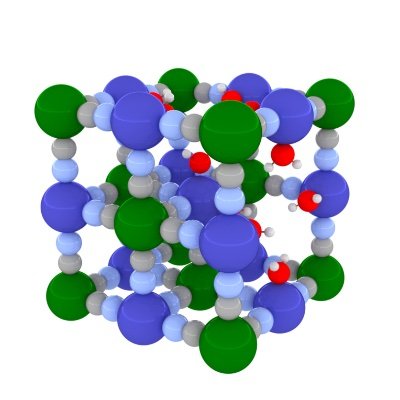
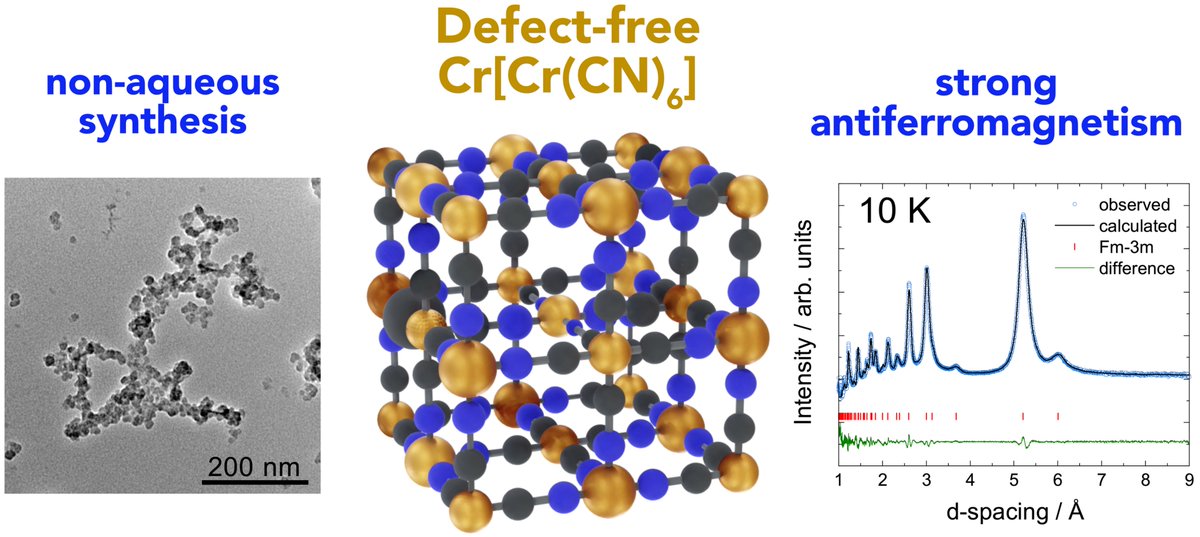
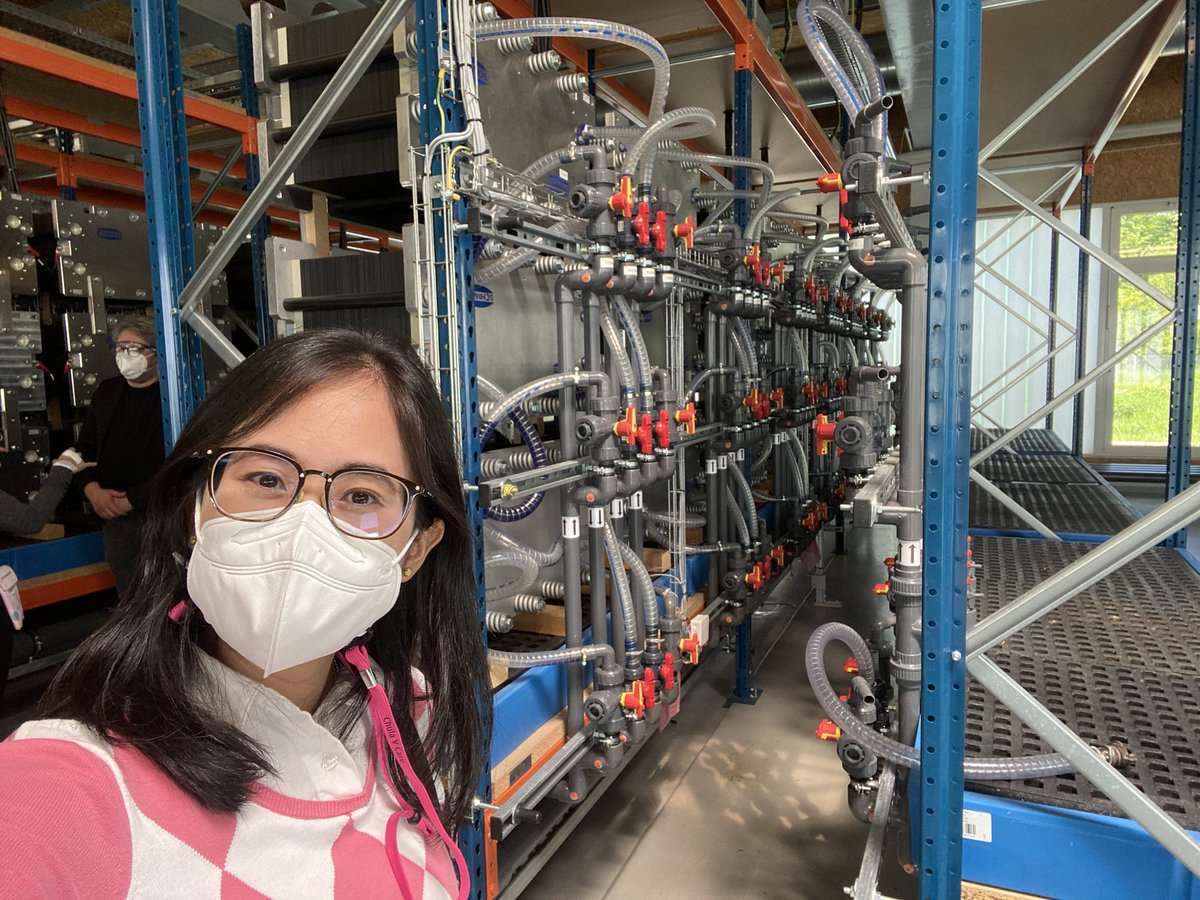
Check out Max’s paper in @InorgChem we make low-vacancies Cr[Cr(CN)6] via a non-aqueous synthesis and demonstrate an enhanced antiferromagnetic response. One of the most challenging PBAs we have worked with!
pubs.acs.org/doi/10.1021/ac…
South Korea features the world's lowest national fertility rate of only 0.78 kids per woman. It's not clear how to drive birth numbers back up again. Source: buff.ly/4c7P9w9
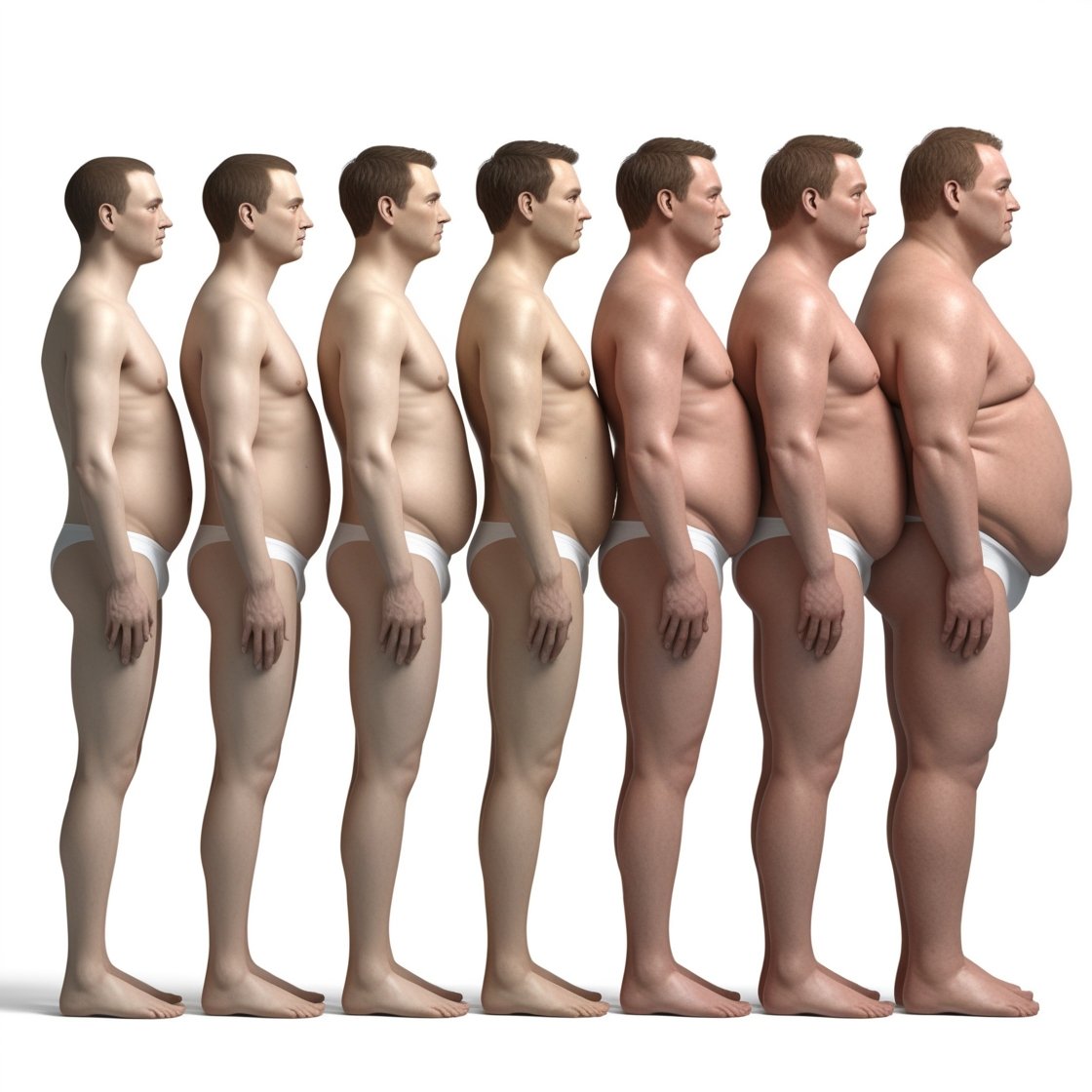
8 U.S. Senators died of heart attacks in the '60s.
A Harvard scientist blamed the amount of fat in the American diet & suggested eating "good carbs".
This marked the beginning of the obesity epidemic in the US.
A thread 🧵
Three in four audit reports failed to warn that companies risked going bankrupt in the year before their collapse. Here's how each of the Big Four performed: on.ft.com/3V8kppe
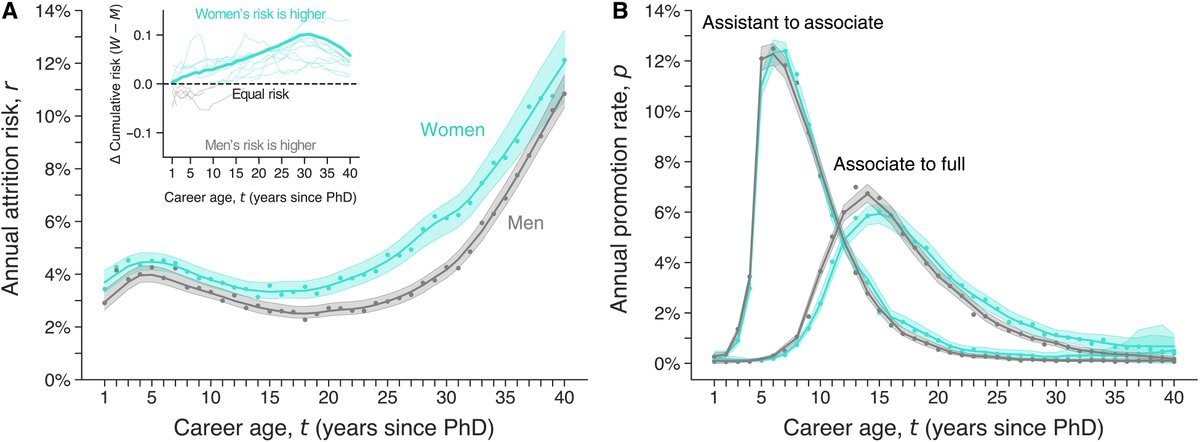
Women leave academia at higher rates than men at every career stage, and attrition is especially high among three groups: tenured faculty, women in non-STEM fields, and women employed at less prestigious institutions, a @ScienceAdvances analysis finds. scim.ag/5pH
Doing a PhD is a strange experience, because every non-academic thinks you're an overachiever while you live in fear of being exposed as a wastrel and fraud
A list of papers that were rejected before going viral
( = winning a Nobel Prize).
It just shows how #science works sometimes.
▫️
1. Richard Ernst, Chemistry (1991), for NMR spectroscopy
The paper that described our achievements was rejected twice by the Journal of Chemical Physics to be finally accepted and published in the Review of Scientific Instruments.
▫️
2. Andre Geim, Physics (2010), for graphene
“First, we submitted the manuscript to Nature. It was rejected and, when further information requested by referees was added, rejected again. According to one referee, our report did 'not constitute a sufficient scientific advance'."
▫️
3. Paul Boyer, Chemistry (1997), for enzymatic mechanisms underlying the synthesis of ATP
His proposed resolution of a major unsolved problem in biochemistry threatened to "change the paradigm," Boyer remembers, and "the leading journal" in his field - The Journal of Biological Chemistry - declined to publish his work.
▫️
4. Herbert Kroemer, Physics (2000), for semiconductor heterostructures
"I wrote up the idea and submitted the paper to Applied Physics Letters, where it was rejected. I was talked into not fighting the rejection, but to submit it to the Proceedings of the IEEE, where it was published, but ignored. I also wrote a patent, which is probably a better paper than the one in Proc. IEEE."
▫️
5. John Polanyi, Chemistry (1997), for describing the dynamics of chemical elementary processes
PRL rejected the paper as lacking scientific interest. Shortly thereafter they rejected T. Maiman's report of the first operating laser, on the same grounds. Polanyi read about this second rejection, quite by chance. [Later] he submitted the identical manuscript to the Journal of Chemical Physics, where it was promptly published.
▫️
6. Kary Mullis, Chemistry (1997), for the PCR method (!!!!)
"And Dan Koshland would be the editor of Science when my first PCR paper was rejected from that journal and also the editor when PCR was three years later proclaimed Molecule of the Year."
▫️
7. Rosalind Yalow, Medicine (1977), for the radioimmunoassays of peptide hormones
From the rejection letter: “The experts in this field have beer particularly emphatic in rejecting your positive statement that the "conclusion that the globulin responsible for insulin binding is an acquired antibody appears to be inescapable”.
▫️
8. Hans Krebs, Medicine (1953), for the citric acid cycle
The rejection letter from Nature is in the picture. 🤦♂️
▫️
❗ My point is simple:
Rejections by editors are NOT rejections by the research community.
Believe in your results. Bring them to the public. Post your study as a preprint.
Show it to the world and let the world decide.
▫️
(This list compiled by Josh Nicholson + bit from me).
#AcademicTwitter#phdlife
Sometimes I hear faculty say that if they are kind to their group members then people won’t work hard.
This is not true.
In reality, this seems to just drive people to make it *look* like they’re working hard.
The best research happens when people feel supported and valued.
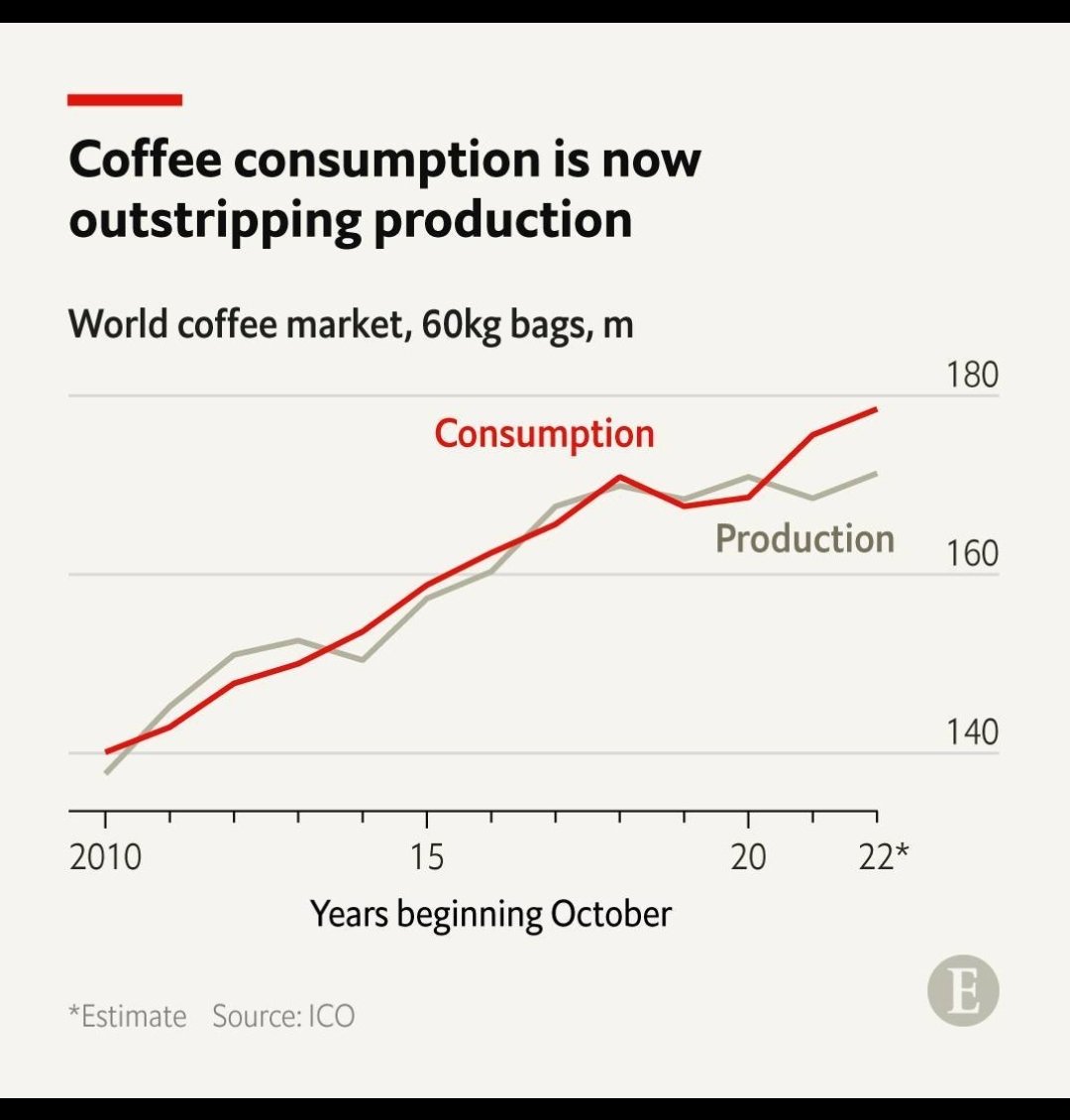
เราถึงจุดที่การผลิตการบริโภคกาแฟสูงกว่าการผลิตแล้วเรียบร้อย ดังนั้นกาแฟมีแนวโน้มจะแพงขึ้นได้อีก
และส่วนหนึ่งเป็นเพราะ Climate Change ที่ทำให้ผลผลิตกาแฟตกต่ำใน Brazil และ Indonesia
Being a good researcher does not make you a good leader, but you can use your research skills to grow your leadership skills.
Just as with research, leadership involves learning new information, seeking feedback, and testing and evaluating new approaches.
You’ve got this!
I can't stop thinking about this question:
Are you willing to sprint when the distance is unknown?
In 2021, Georgia Tech strength coach Lewis Caralla delivered this epic speech to the football team.
If it doesn't get you motivated, you may need to check your pulse...
He opens with a few harsh truths:
• Winning isn't loyal to you
• Winning doesn't care about you
• Winning doesn't care how sore you are
• Winning doesn't care how hard you work
• Winning doesn't care how much sleep you get
But it's his question that stuck with me:
Are you willing to sprint when the distance is unknown?
The willingness to sprint with no clear view of the finish line is rare.
It requires two things:
1. A deep belief in one's self
2. A deep belief in the mission
If you have 1 but not 2, you won't be able to do it.
If you have 2 but not 1, you won't be able to do it.
You need both.
In my observation, the greatest things in life are accomplished when you're willing to sprint when the distance is unknown:
The sprint to care for your loved ones in their time of need.
The sprint to build something meaningful.
The sprint to serve others and create positive ripples in the world.
Goal: Find those rare things in life that you're willing to sprint for when the distance is unknown.
That, to me, is the definition of winning.
"And why chase winning? Because the only thing that's guaranteed in life if you don't chase it is losing."
Social anxiety is a term for fight or flight.
A sign of a dysregulated nervous system is you're only at ease when completely alone. Being around new people triggers a fear response.
Oh wow! That also does not happen every day. My #MentalHealth contribution for @ScienceMagazine & sharing my lived experience with #suicide is online: 🥳😍
science.org/content/articl…
Thank you so much for the invite & providing a platform for something so important.