Not Just Headlines

768 posts

Not Just Headlines banner
Not Just Headlines

Not Just Headlines

@Notjustheadline

Breaking it down beyond headlines. Open-source news | Credits to original reports Politics • Geopolitics • Elections Likes ≠ Endorsements | Reposts for awarenes

Katılım Ocak 2026
50 Takip Edilen12.3K Takipçiler
Not Just Headlines
Not Just Headlines@Notjustheadline·
🚨 Pakistanis Demand ₹500 Crore from ‘Dhurandhar 2’ Makers For The Road Construction in Lyari A fresh controversy has erupted after reports claimed that individuals from Pakistan’s Lyari region demanded a ₹500 crore share from the earnings of Dhurandhar 2. The demand was allegedly justified by stating that the funds would be used for local infrastructure development, including road construction in the area. The claim quickly gained traction on social media, triggering sharp reactions and debates over its authenticity and intent. However, there is no verified confirmation from official sources, the film’s producers, or credible authorities supporting the legitimacy of such a demand. Observers suggest the narrative may be exaggerated or misrepresented, as financial claims of this nature—especially across borders—lack legal and commercial grounding. Until substantiated evidence emerges, the development remains speculative. The episode highlights how viral claims tied to entertainment projects can quickly escalate into geopolitical talking points, often without factual backing.
Not Just Headlines tweet media
English
1
5
23
2.2K
Not Just Headlines
Not Just Headlines@Notjustheadline·
This case underscores a fundamental principle, systems must prevail over sentiment. The Bhagavad Gita’s idea of duty aligns with modern insolvency law: decisions must be driven by discipline, objectivity, and adherence to process. Under the Insolvency and Bankruptcy Code (IBC), resolution is strictly process-driven. The Committee of Creditors (CoC) holds final commercial authority, and being the highest bidder at any stage does not guarantee rights unless the plan is formally approved. Late or revised bids outside the defined framework are non-compliant and cannot be entertained without compromising fairness. In this case, a post-deadline submission was rightly rejected to preserve procedural integrity and avoid reopening the process. The final decision was based on clear evaluation metrics, certainty of recovery, timelines, and execution capability. A structured payout with faster recovery outweighed higher but delayed offers, reflecting the importance of time value and risk in distressed assets. With thousands of homebuyers and significant claims involved, timely and reliable resolution is critical. Courts have consistently upheld that CoC decisions are non-justiciable if due process is followed. Ultimately, IBC’s “dharma” lies in strict adherence to rules, equal treatment, and value maximisation, ensuring trust and credibility in India’s insolvency framework.
English
0
1
4
1.1K
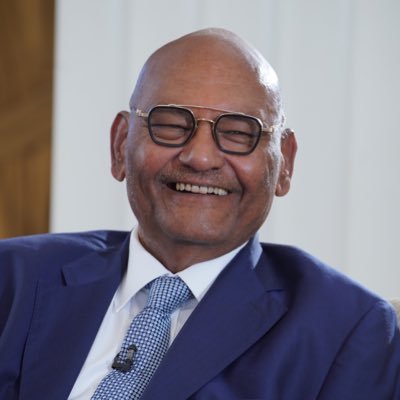
Anil Agarwal
Anil Agarwal@AnilAgarwal_Ved·
This morning, I was reading Chapter 15 of the Bhagavad Gita. One thought stayed with me. “Have courage. Stay humble. Do your duty without attachment.” Life tested this. Some years ago, Shri Jaiprakash Gaur, who built Jaypee Group, came to meet me in London. He had built an empire over his lifetime with hard work and vision. He reached out more than once. He wrote to me. His only wish was simple that what he had built should go into safe hands and be taken forward with the right intent. He even wrote me letters in Hindi, in his own words, expressing his trust. At that time, we could not proceed. Recently, the asset went into a public auction by CoC in the IBC process. Many strong bidders participated. Suddenly, the sentiment and wishes of Jaiprakash Gaur ji came rushing back to me. One by one, everyone dropped out of the bidding. Finally, we were declared the highest bidder publicly. It was a transparent process. We were informed in writing that we had won. But life is never so simple. After some days, the decision was changed. Don’t want to go into the details. That is for the right forum. But I want to share something from my heart. We have no attachment to this asset. If it comes, it is God’s grace. If it goes, that is also his wish. But one thing we believe strongly. When something is promised in dharma, it should not be taken back. In our scriptures also, we see this again and again. Truth, commitment, and fairness are above everything. So, what should one do? Gita gives a simple answer - do your duty, with courage, but without anger or attachment. That is what we will do. We will place the facts in the right way. We will follow the right path. Rest, I leave to God.
Anil Agarwal tweet media
English
727
1.1K
6.3K
1.2M
Not Just Headlines
Not Just Headlines@Notjustheadline·
🚨ONGC Is Drilling All Across India, India’s $20 Billion Deep-Sea Bet, Energy Security at the Core of National Strategy, India has reached a strategic inflection point where energy is no longer just an economic driver, it has become central to national security. In this context, ONGC has committed nearly $20 billion toward deep-sea oil exploration, signaling a decisive shift to reduce dependence on volatile global energy markets. India currently imports around 88% of its crude oil, nearly 60% of its LPG, and a significant portion of its natural gas. This structural dependence exposes the economy to geopolitical shocks, particularly in regions like West Asia, where disruptions can trigger price spikes and economic instability. The deep-water drilling push is therefore not merely an investment; it is a strategic hedge against external vulnerabilities. This initiative forms part of India’s broader “Samudra Manthan” vision, an ambitious effort to unlock offshore hydrocarbon reserves and move toward long-term energy independence. The focus has sharply turned to offshore basins, especially the Andaman region, where geological assessments suggest hydrocarbon reserves comparable to major global producers. ONGC’s plan involves deploying advanced deep-sea drilling technologies, including floating rigs, robotic submersibles, and underwater drones capable of operating at extreme depths. These rigs, often as tall as 15–20-story structures, will enable extraction from previously inaccessible reserves. Recognizing the complexity and risk, ONGC has floated tenders and shortlisted global energy majors such as BP, ExxonMobil, TotalEnergies, and Petrobras to collaborate on execution. The urgency is evident in the execution timeline, foreign partners have been asked to mobilize critical infrastructure within 80 days. This accelerated approach reflects the government’s prioritization of domestic energy production, especially in light of supply chain vulnerabilities such as disruptions in the Strait of Hormuz. Parallel efforts are underway onshore, with exploration expanding across the Ganga basin, including regions like Ballia, Samastipur, and Prayagraj, where drilling at depths of up to 3,000 meters has begun. However, these onshore reserves are limited in scale. The real strategic potential lies offshore, particularly in the Andaman basin, which is believed to hold vast, largely untapped reserves. Comparative regional benchmarks reinforce this optimism. Indonesia, operating in geologically similar zones, extracts approximately 700,000 barrels per day. Estimates suggest India could potentially scale up to 2 million barrels per day from offshore reserves if exploration proves successful, significantly reducing its import burden of over 5 million barrels per day. Beyond extraction, India is simultaneously addressing the logistics of energy transport. The government has initiated plans to build large domestic gas carriers, involving companies like Cochin Shipyard and private defense-energy firms. Currently, India spends nearly ₹6 lakh crore annually on energy transportation, a figure comparable to its defense budget. Domestic shipbuilding could substantially reduce this outflow while strengthening maritime capabilities. At the same time, infrastructure development in the Andaman and Nicobar region, including transshipment ports, expanded runways, and urban hubs, is being positioned as part of a broader blue economy strategy. This integrates hydrocarbon extraction with trade, logistics, and rare earth mineral exploration.
Not Just Headlines tweet mediaNot Just Headlines tweet media
English
10
120
569
49.3K
Not Just Headlines
Not Just Headlines@Notjustheadline·
🚨MASSIVE: 12 Arrested in Multi-State Crackdown on Al-Qaeda Sleeper Cell Network in India Indian security agencies have arrested 12 individuals in a coordinated multi-state operation targeting an alleged Al-Qaeda-linked sleeper cell network. The crackdown was carried out across multiple states, highlighting the scale and spread of the suspected module. According to preliminary reports, the accused were allegedly involved in radicalisation, recruitment, and logistical support activities linked to extremist operations. Investigators believe the group was operating covertly, attempting to expand its network while avoiding detection. Security agencies recovered digital devices, documents, and other materials during the raids, which are now being examined for further leads. Officials are also probing potential cross-border connections and funding channels associated with the network. The operation is being seen as a significant step in preempting potential terror threats, with intelligence agencies continuing follow-up searches and interrogations to uncover the full extent of the module. Authorities have not ruled out further arrests, as the investigation remains ongoing.
Not Just Headlines tweet media
English
1
12
22
1K
Not Just Headlines
Not Just Headlines@Notjustheadline·
🚨MASSIVE: Adani Defence Delivers First Indigenous LMGs to Indian Army. #AdaniDefencePrahar Adani Defence & Aerospace has delivered the first batch of 2,000 indigenously manufactured Prahar 7.62 mm Light Machine Guns (LMGs) to the Indian Army, marking a major boost to India’s defence self-reliance. The delivery was completed in just seven months—11 months ahead of schedule—while the First-of-Production Model was achieved in six months, significantly faster than the planned 18-month timeline. Bulk Production Clearance enabled rapid scale-up. Manufactured at the Gwalior facility in Madhya Pradesh, India’s first fully integrated private-sector small arms hub, this milestone positions Adani Defence as the first large-scale private company in India to produce and deliver LMGs domestically. The facility spans 100 acres and integrates advanced manufacturing, testing, and quality assurance systems. With an annual production capacity of up to 100,000 weapons and over 90% domestic content, the project reduces dependence on imports while boosting local industry, MSMEs, and employment. The Prahar LMG is designed for high reliability and battlefield performance, featuring open-bolt firing, multiple firing modes, gas regulation for adverse conditions, and an effective range of up to 1,000 meters. This delivery strengthens India’s indigenous small arms ecosystem, further supported by Adani Defence’s ammunition facility in Kanpur, enhancing long-term defence manufacturing capability.
Not Just Headlines tweet media
English
3
14
51
1.4K
Not Just Headlines
Not Just Headlines@Notjustheadline·
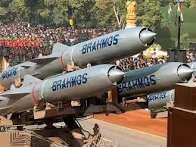
🚨MASSIVE: India’s 800 km BrahMos Upgrade Expands Strike Reach from Pakistan to Malacca Strait India is set to induct the extended-range BrahMos cruise missile with a striking reach of 800 km, marking a decisive shift from earlier variants and signaling a major upgrade in the country’s strike capabilities. What was once described as just a “trailer” during Operation Sindoor now appears to be unfolding into a far more formidable reality. This upgraded BrahMos is not merely about extended range—it combines speed, precision, and indigenous technology into a potent strategic asset. The missile now reaches speeds of nearly Mach 3, making it one of the fastest operational cruise missiles in the world. Its enhanced velocity drastically reduces enemy reaction time, rendering most air defence systems ineffective against its rapid approach. A key transformation lies in its near-pinpoint accuracy, reportedly refined to within a meter. This enables highly targeted strikes with minimal collateral damage, significantly enhancing India’s surgical strike capability across diverse terrains and operational scenarios. Technologically, the missile marks a critical milestone in India’s defence self-reliance. The integration of an indigenous liquid ramjet engine, replacing earlier Russian components, elevates the BrahMos program into a fully homegrown system. This not only strengthens domestic production but also boosts India’s position in the global defence export market, where countries like the Philippines have already shown confidence in the system. The journey to 800 km has been gradual but strategic. Initially capped at 290 km due to MTCR restrictions, India’s entry into the regime in 2016 unlocked the ability to extend missile ranges. This led to successive upgrades—first to 450 km and now to 800 km—demonstrating steady technological evolution. From a geopolitical perspective, the implications are significant. With an 800 km reach, India can now cover all of Pakistan, large parts of Afghanistan, and even extend influence toward Iran and Tibet depending on deployment locations. This dramatically expands India’s conventional deterrence envelope in the region. The maritime dimension adds an even more critical layer. If deployed in the Andaman and Nicobar Islands, BrahMos can effectively cover the Strait of Malacca, one of the world’s busiest and most strategic shipping chokepoints. Control or threat over such chokepoints provides immense leverage during conflict scenarios, allowing India to exert pressure not just on adversaries but on global trade flows. The increase in speed also enhances survivability. Modern air defence systems rely on detection, signal processing, and interception—but BrahMos’ velocity compresses this entire timeline, often leaving little to no window for interception. This makes it exceptionally difficult to neutralize once launched. Looking ahead, the 800 km variant is not the endpoint. India is reportedly working toward extending the range further to 1,500 km, alongside developing next-generation lighter variants and the much-anticipated BrahMos-II, a hypersonic missile expected to operate at speeds beyond Mach 5. In strategic terms, the induction of the 800 km BrahMos marks more than a technological upgrade—it signals a clear shift in the regional balance of power, strengthening India’s deterrence posture and expanding its ability to project force across both land and maritime domains.
Not Just Headlines tweet media
English
1
56
259
7K
Not Just Headlines retweetledi
Hathyogi (हठयोगी)
Rasputin: The Devil Who Refused to Die Even From the Cyanide , And Dhurandhar 2 Revived a Banned 1978 Song The “Rasputin” track in Dhurandhar 2 isn’t just a song, it’s a powerful reference to one of history’s most mysterious and controversial figures. This Song was originally made in 70s and got banned in Russia Grigori Rasputin, born in a small Siberian village in 1869, started as an uneducated peasant with a troubled life. Instead of imprisonment, a court ordered him to walk 523 kilometers to a distant church in Siberia, a punishment that turned into transformation. After a life-changing spiritual journey, he returned as a mystic, gaining fame for his supposed healing powers. People claimed that with a mere touch or prayer, he could cure illnesses. His biggest turning point came when he was called to treat Tsarevich Alexei, the son of Tsar Nicholas II, who suffered from hemophilia. When Rasputin appeared to improve the boy’s condition, he earned the complete trust of the royal family, especially Empress Alexandra. Rasputin began influencing state decisions, military strategies, political appointments, and royal policies. His word carried weight even above ministers. But with power came controversy. Rumors spread across Russia: He had inappropriate relationships with Multiple women, including those within aristocratic circles and then QUEEN. "Ra Ra Rasputin, lover of the Russian Queen" lyrics of the song itself explains everything. He possessed hypnotic control over people. He was called everything from a “holy healer” to a “mad monk.” But outside the palace, Rasputin was seen very differently. He was accused of manipulation, immoral behavior, and secretly controlling the empire. Many believed he had become too powerful, symbolizing the corruption and decline of the monarchy, fueling anger that later contributed to the Russian Revolution. By 1916, Russia’s elite decided to eliminate him. They poisoned him with cyanide twice, he didn’t die. They shot him multiple times, he kept moving. Finally, they threw him into an icy river. The autopsy revealed the shocking truth: Rasputin died from drowning, meaning he was still alive after everything. This turned him into a legend, a man who simply refused to die. Even today, Rasputin remains a sensitive figure in Russia, often seen as a symbol of moral decay and political collapse. His portrayal in pop culture has faced backlash, including restrictions in the Soviet era. That’s why Dhurandhar 2 using “Rasputin” is significant. It represents a character who is powerful, mysterious, manipulative, and nearly impossible to destroy. Not just a villain. A force.
Hathyogi (हठयोगी) tweet media
English
13
233
1.8K
99.2K
Not Just Headlines
Not Just Headlines@Notjustheadline·
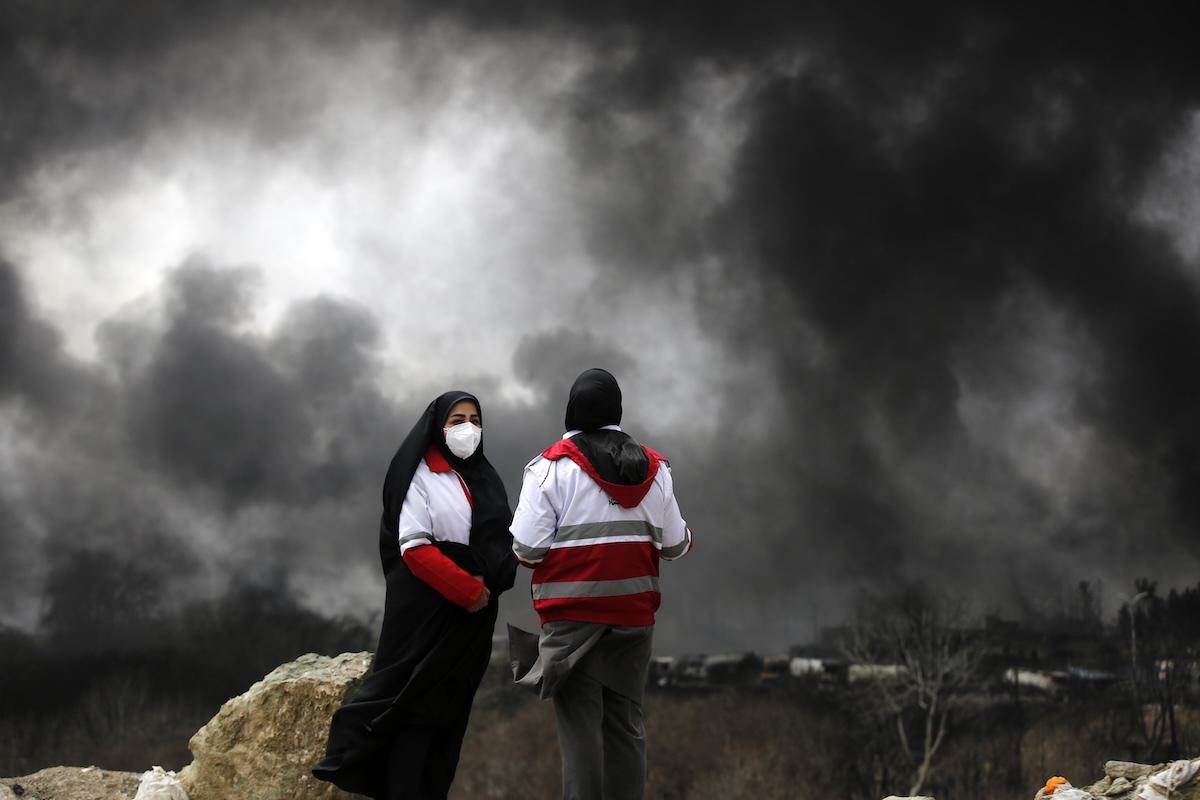
🚨SHOCKING: Black Rain Over Iran, The Hidden Environmental Cost of War Iran’s ongoing conflict has killed over 400 people and injured thousands, but a more dangerous and long-term threat is now emerging—black rain. Triggered by repeated strikes on oil depots and refineries, thick clouds of smoke filled with toxic chemicals are rising into the atmosphere and returning as contaminated rainfall. This rain contains harmful substances like benzene and toluene, known to cause cancer, respiratory illnesses, and skin damage. Health experts warn that repeated exposure could impact an entire generation over time. Iran’s geography is worsening the crisis. The Alborz mountains trap polluted air, creating a temperature inversion that prevents toxins from dispersing. As a result, contaminants remain concentrated, increasing the frequency of black rain. Beyond health risks, the fallout threatens agriculture and water sources, potentially deepening food insecurity in the region. Black rain was last seen on a large scale after the Hiroshima and Nagasaki bombings. While Iran’s case is non-radioactive, the long-term damage could still be severe, turning environmental destruction into one of the war’s most dangerous consequences.
Not Just Headlines tweet media
English
1
10
19
1.6K
Not Just Headlines
Not Just Headlines@Notjustheadline·
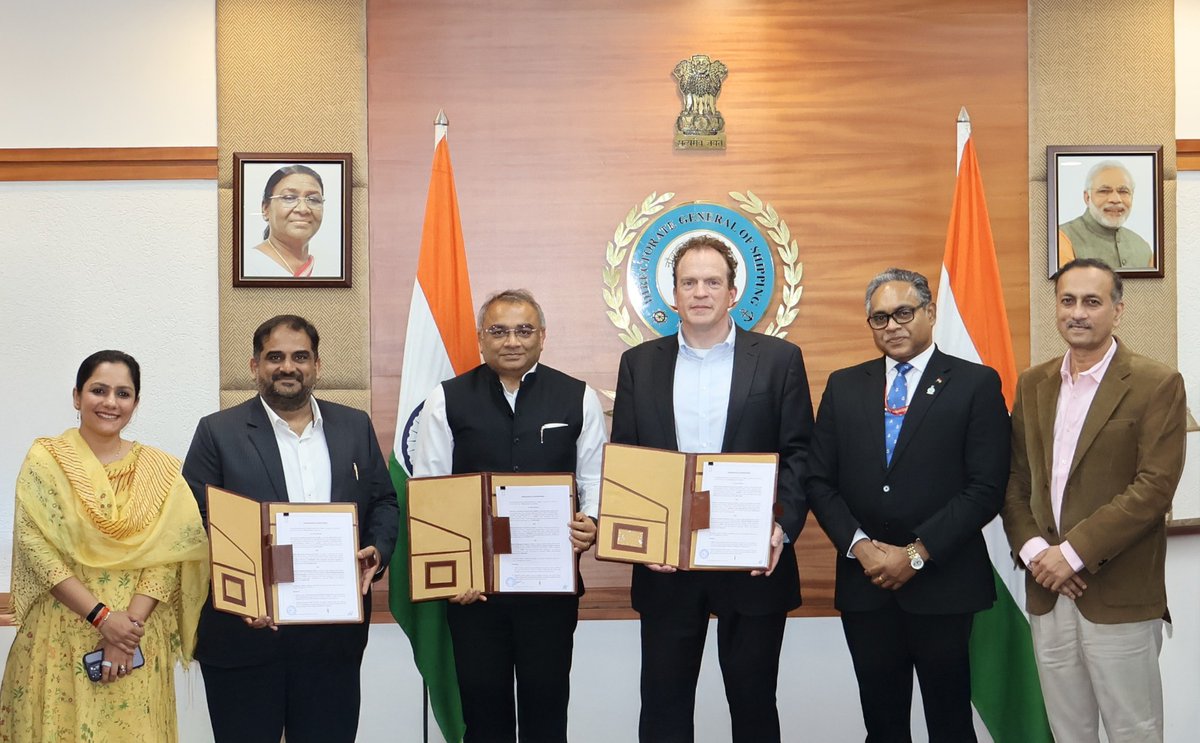
🚨MASSIVE: APSEZ Launches India’s First Port of Refuge to Strengthen Maritime Safety Adani Ports and Special Economic Zone Ltd. (APSEZ) has operationalised India’s first Port of Refuge (PoR), marking a major step in strengthening the country’s maritime emergency response infrastructure. A Port of Refuge is a designated safe zone where vessels in distress can seek shelter to stabilise conditions, protect lives, and minimise environmental damage—an essential system widely used in global maritime economies but previously absent in India. To enable this, APSEZ has identified two strategic locations: Dighi Port on the west coast, covering the Arabian Sea and Persian Gulf routes, and Gopalpur Port on the east coast, serving the Bay of Bengal and Malacca Strait corridor. These facilities will offer critical services such as salvage operations, firefighting, pollution control, and emergency coordination. The initiative is backed by a tripartite MoU with SMIT Salvage (Boskalis) and the Maritime Emergency Response Centre (MERC), bringing global expertise and coordinated response capabilities. It will also support vessels insured under international P&I frameworks, aligning India with global maritime risk standards. With this move, APSEZ aims to enhance maritime safety, protect coastal ecosystems, and position India as a more reliable hub along key global shipping routes.
Not Just Headlines tweet media
English
6
9
20
1.5K
Not Just Headlines
Not Just Headlines@Notjustheadline·
🚨OMG! AMAZING: Dhurandhar 2 Smashes Records, Crosses ₹1088 Cr in Just 7 Days Dhurandhar 2 has delivered a historic box office performance, officially crossing ₹1088 crore worldwide within its first week, setting a new benchmark in Indian cinema. The film amassed a staggering ₹814 crore in India, while its overseas collections reached ₹274 crore, reflecting massive global appeal and strong diaspora turnout. With this milestone, Dhurandhar 2 has become the fastest film ever to enter the ₹1000 crore club, outperforming previous record-holders and rewriting box office history. The film’s explosive opening, sustained weekday momentum, and strong international performance signal one of the biggest cinematic events in recent times.
Not Just Headlines tweet media
English
1
39
165
3.7K
Not Just Headlines
Not Just Headlines@Notjustheadline·
🚨BIG MOVE: Centre Slashes Fuel Taxes: Diesel Duty Zeroed, Petrol Down to ₹3 The Government of India has significantly reduced the special additional excise duty on fuel, offering potential relief to consumers and businesses. 🔹Petrol: Duty cut from ₹13 per litre to ₹3 per litre 🔹Diesel: Duty reduced from ₹10 per litre to ₹0 (nil) This sharp reduction is expected to lower fuel prices, ease transportation costs, and help control inflationary pressure across sectors. Diesel, being the backbone of logistics and agriculture, is likely to see the most immediate economic impact. The move may also influence state-level pricing, depending on how oil marketing companies pass on the benefits and whether states adjust their own taxes (VAT).
Not Just Headlines tweet media
English
0
8
18
1.1K
Not Just Headlines
Not Just Headlines@Notjustheadline·
Big Update: INDIA MAY MANDATE KYC FOR SOCIAL MEDIA TO CURB FAKE ACCOUNTS An Indian parliamentary committee has recommended mandatory Know Your Customer (KYC) verification for social media platforms and apps to tackle the growing issue of fake profiles, impersonation, and online fraud. The proposal suggests linking user accounts with verified identity documents, similar to banking KYC norms, to ensure accountability in the digital space. The committee argues that anonymous and fake accounts are increasingly being used for scams, misinformation campaigns, and cyber harassment. If implemented, platforms like WhatsApp, Instagram, and X could be required to verify users’ identities before allowing full access or account creation. However, the recommendation has also sparked concerns around privacy, data security, and surveillance, with critics warning that mandatory KYC could lead to misuse of personal data and reduce online anonymity. The government has not yet made a final decision, but the recommendation signals a potential shift toward stricter digital regulation in India, especially amid rising cases of cybercrime and fake news dissemination.
Not Just Headlines tweet media
English
0
3
10
686
Not Just Headlines
Not Just Headlines@Notjustheadline·
🚨MASSIVE; IRGC Navy Chief Alireza Tangsiri, Responsible For Closure Of Hormuz, Killed Near Hormuz: Israeli Media Reports Alireza Tangsiri, the head of Iran’s Islamic Revolutionary Guard Corps (IRGC) Navy, has reportedly been killed in a targeted strike near Bandar Abbas, close to the strategically critical Strait of Hormuz. According to Israeli media reports, the strike eliminated Tangsiri, who was considered a key figure behind Iran’s threat to disrupt or close the Strait of Hormuz—one of the world’s most vital oil shipping routes. An Israeli official told The Jerusalem Post that the operation took place in Bandar Abbas, a major Iranian port adjacent to the chokepoint. If confirmed, the killing marks a significant escalation in regional tensions, potentially impacting global energy security and maritime stability in the Gulf.
Not Just Headlines tweet media
English
0
5
17
1.8K
Not Just Headlines
Not Just Headlines@Notjustheadline·
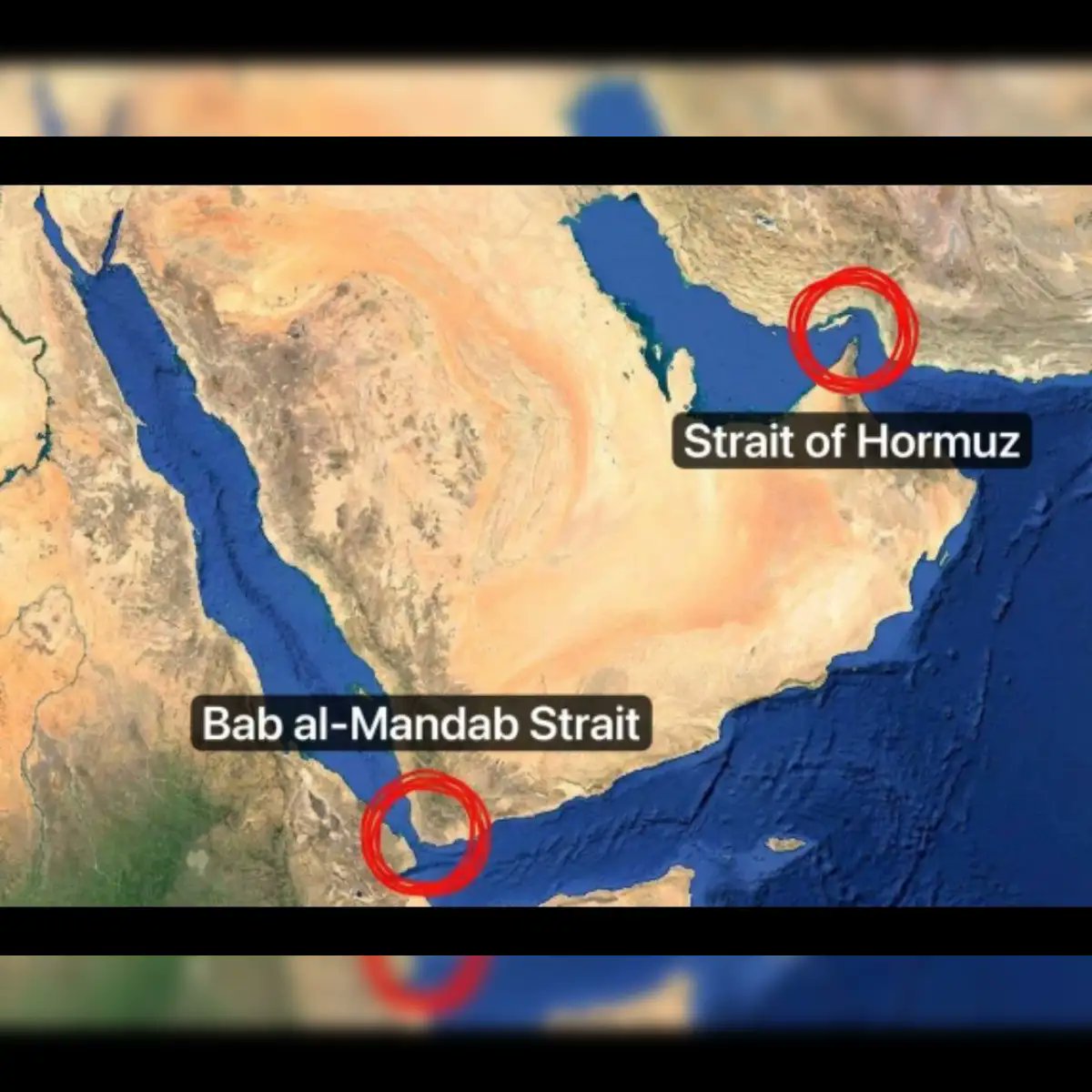
🚨MASSIVE: Iran Threatens To Block 4th Largest Shipping Route If US Escalates War Iran has issued a stark warning, if the United States escalates military action, it may move to block the Bab al-Mandeb Strait, one of the world’s most critical maritime routes. Located between Yemen and East Africa, the Bab al-Mandeb connects the Red Sea to the Suez Canal and handles nearly 12% of global oil trade. Any disruption here would directly impact Europe–Asia shipping lanes and global supply chains. This threat gains significance as tensions already surround the Strait of Hormuz, through which around 20% of the world’s oil passes. A simultaneous disruption of both chokepoints could trigger a severe global energy and trade crisis. Strategically, Iran may rely on allied forces like the Houthis in Yemen to pressure or disrupt traffic in the region, effectively opening a second front beyond the Persian Gulf. If executed, the move would force ships to reroute around Africa, increasing costs, delays, and pushing oil prices sharply upward, turning a regional conflict into a global economic shock.
Not Just Headlines tweet media
English
0
8
33
3.2K
Not Just Headlines
Not Just Headlines@Notjustheadline·
MASSIVE: BDL Delivers First Production Model of Upgraded Akash Air Defence System Bharat Dynamics Limited (BDL) has completed the First-Off Production Model (FOPM) of the advanced Akash weapon system, marking a key milestone in India’s indigenous air defence program. The upgraded system integrates next-generation sub-systems, including improved guidance, enhanced targeting accuracy, and better performance in complex operational environments. This development strengthens the Akash platform’s capability to counter aerial threats such as fighter jets, drones, and cruise missiles. As the production partner for the Akash system, BDL’s successful delivery of the first production-standard model signals readiness for large-scale induction into the Indian Armed Forces. The milestone reflects India’s continued push toward self-reliance in defence manufacturing and the rapid modernization of its air defence network.
Not Just Headlines tweet media
English
0
38
144
3.9K
Not Just Headlines
Not Just Headlines@Notjustheadline·
🚨THIS IS MASSIVE: Russia Outmaneuvers U.S. in Vietnam | $27 Billion Nuclear Deal Reshapes Energy Geopolitics Russia has secured a major strategic victory in Southeast Asia as Vietnam signs a multi-billion-dollar nuclear power deal, sidelining the United States despite years of lobbying. The agreement marks Vietnam’s return to nuclear energy after nearly a decade-long pause. Back in 2016, Hanoi abruptly scrapped its ambitious nuclear program due to mounting financial stress, rising project costs, and the emergence of cheaper renewable energy alternatives. At the time, public debt had surged to nearly 65% of GDP, while projected costs for nuclear plants escalated from initial estimates to as high as $27 billion, making the program economically unviable. However, Vietnam’s economic trajectory has since transformed. Now one of the fastest-growing industrial economies in the world, the country faces an urgent need for stable, large-scale, and low-emission energy. Rapid industrialization, combined with commitments toward net-zero emissions, has forced Hanoi to reconsider nuclear power as a long-term solution. Global instability has further accelerated this shift. Rising fossil fuel prices, driven by ongoing tensions in the Middle East, exposed the risks of overdependence on conventional energy sources. For Vietnam, energy security is no longer optional, it is strategic. Russia has capitalized on this opening. The new deal involves the construction of advanced nuclear reactors in Vietnam’s Ninh Thuan province using VVER technology, already operational and proven within Russia. The project is expected to deliver a capacity of approximately 2400 MW, surpassing earlier plans. Crucially, this is not just an energy deal, it is a geopolitical alignment. By choosing Russia’s Rosatom over American firms like Westinghouse and GE, Vietnam is effectively locking itself into long-term dependence on Russian nuclear technology, fuel supply chains, and technical expertise. For the United States, this represents a significant strategic setback. Washington had actively pursued entry into Vietnam’s nuclear sector, offering competitive pricing and sustained engagement through its corporations. Yet, historical distrust, coupled with shifting geopolitical calculations, appears to have tilted the balance in Moscow’s favor. The deal underscores a broader reality: energy infrastructure is now a battleground for influence. Russia’s win in Vietnam not only strengthens its foothold in Asia but also signals how emerging economies are making pragmatic choices—prioritizing energy security and technological reliability over political alignment.
Not Just Headlines tweet media
English
0
12
39
2.5K
Not Just Headlines retweetledi
Not Just Headlines
Not Just Headlines@Notjustheadline·
🚨OMG! THIS IS MASSIVE: INDIA AGAIN GETS FREE PASS IN HORMUZ AS IRAN WAIVES FEES AMID WAR Amid escalating tensions in the Strait of Hormuz, India has secured uninterrupted energy transit while much of the world faces disruption. Two more Indian LPG tankers have successfully crossed the Strait, signaling continued safe passage despite the ongoing conflict. The Iranian Embassy in India has firmly denied reports of a $2 million transit fee, clarifying that no such charges apply to India. These claims, it stated, were based on personal remarks by an Iranian lawmaker and not official policy. Iran has effectively established a controlled transit system in Hormuz, allowing only friendly nations to pass through designated routes near its coastline. Indian vessels have benefited from this arrangement, with earlier shipments even receiving guidance and escort from the Iranian Navy. At the same time, India continues to import energy from all major players involved in the conflict. At New Mangalore Port, shipments from the United States and Russia have arrived, while Indian refiners are also preparing to purchase Iranian oil. This reflects India’s multi-alignment strategy, maintaining ties with all sides while prioritizing its own energy security. As global powers remain divided, India is navigating the crisis through diplomacy, ensuring steady supplies without direct involvement in the conflict.
Not Just Headlines tweet mediaNot Just Headlines tweet media
English
1
60
221
8.8K