Sabitlenmiş Tweet

gidOS CT!
My girl texted this morning saying she’s got this alpha that’ll definitely take us out the trenches, and she pointed me to @idOS_network. I dove into the space to check it out, and let me tell you, this project is tackling one of the trickiest and critical pieces of the decentralized internet: identity! For anyone new to Web3 or curious about what idOS is building, here’s a detailed breakdown of what they’re about, the problem they’re solving, and why it’s such a big deal for the future of Web3.
What is idOS?
At its core, idOS short for “Identity Operating System” is a decentralized identity platform designed to give users control over their personal data in Web3. Think of it as a secure, portable digital ID that you can use across different apps and blockchains without constantly re-sharing sensitive info like your passport or driver’s license. The team behind @idOS_network is building this as an open-source, community-driven project, and they’re actively sharing updates about their app, token, and community initiatives.
In Web3, where the promise is user control and privacy, identity is a massive hurdle. Most apps especially those dealing with stablecoins like USDC or USDT require KYC checks to comply with regulations. This often means uploading personal documents to every single platform you use, which is not only a hassle but also risky. idOS flips this model on its head by letting you verify your identity once, store it securely in a way only you control, and then reuse it across the Web3 ecosystem.
What Are They Building?
idOS is creating what they call the “identity layer” for Web3, a universal system for managing and sharing your identity data across decentralized apps. Here’s how it works in simple terms:
One-Time Verification: You verify your identity (like a passport or ID) through trusted partners, similar to how you’d do KYC for a crypto exchange. But instead of each app holding your data, it’s encrypted and stored in a “personal data vault” tied to your crypto wallet (like MetaMask or Phantom).
Decentralized Storage: Your data lives on a decentralized network, meaning it’s spread across many computers worldwide, not locked in one company’s server. This makes it secure, private, and accessible even if one part of the network goes offline.
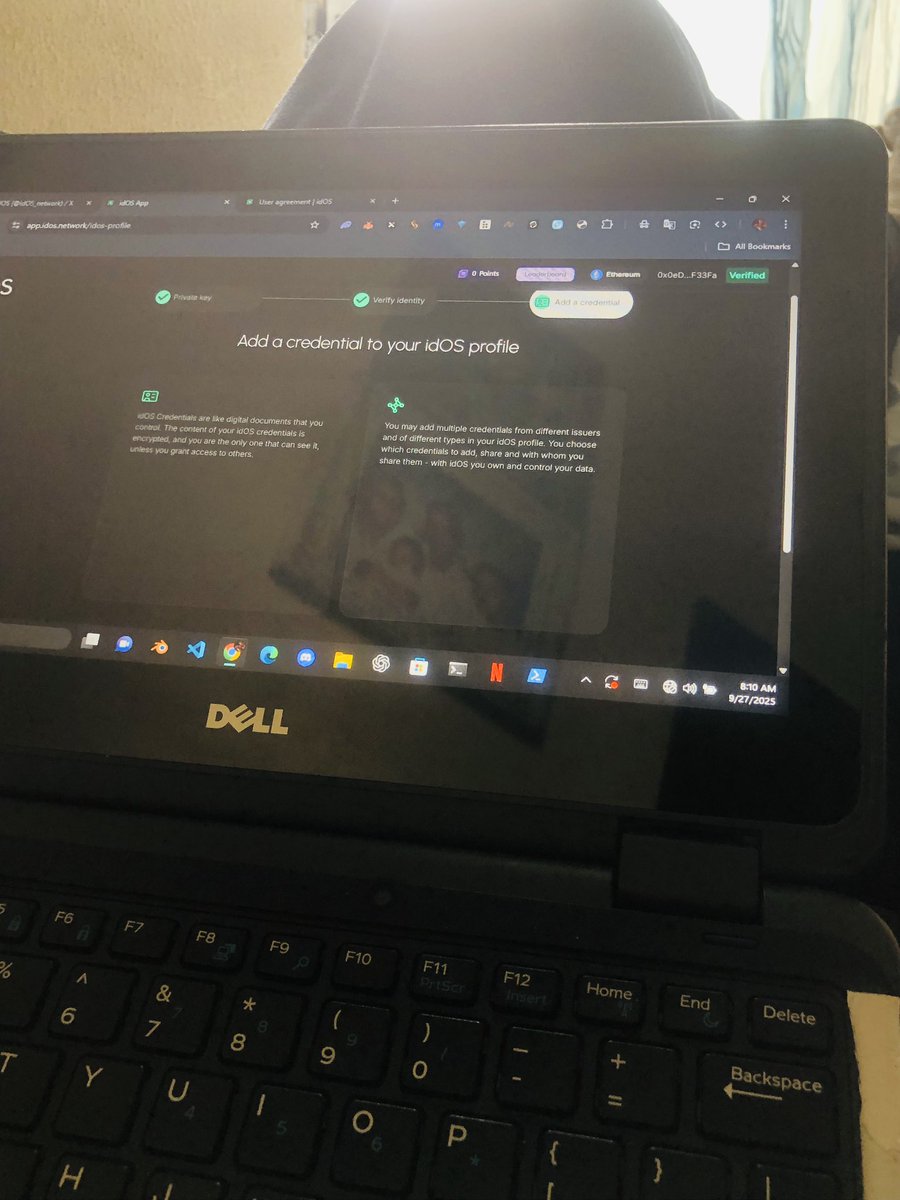
They recently launched their app at app.idos.network, where you can create a profile in about a minute. It’s free to use, and they’ve added fun community elements like “quests” to earn points and rewards tied to their new IDOS token.
What Problem Are They Solving?
Web3 is all about giving users control, whether it’s over money, data, or digital assets. But identity has been a sticking point. Right now, if you want to use stablecoin apps (like sending USDC for global payments or trading on DeFi platforms), you often have to go through repetitive KYC processes. Each app asks for the same info, stores it on their servers, and you have no idea how securely it’s handled or if it’s being sold behind your back. This feels like Web2 all over again, where big companies hold all the cards.
idOS solves this by putting you in charge. Your data is encrypted with keys only you hold, so no app or third party can access it without your permission. It’s also a huge time-saver, verify once, use everywhere.
Beyond convenience, idOS tackles privacy and security risks. Data breaches are a nightmare, centralized databases are juicy targets for hackers. By decentralizing storage and using encryption, idOS reduces those risks. My girl might be onto something here, this could be the kind of project that takes us somewhere big in Web3. If you’ve got questions about idOS or want to talk about navigating it’s space, hit me up in the replies. Let’s figure out if this is the alpha we’ve been waiting for!
#PrivacyMatters #idosnetwork #Web3

English