
Numbers.lk

7.5K posts

Numbers.lk banner
Numbers.lk

Numbers.lk

@numberslka

We tell compelling stories with numbers about sports 🏏, elections 🗳️, science 🧪, economics 💰 and current affairs 🗺️ us - https://t.co/zx1JpH8Cmk

Sri Lanka Katılım Haziran 2019
291 Takip Edilen14.8K Takipçiler
Numbers.lk
Numbers.lk@numberslka·
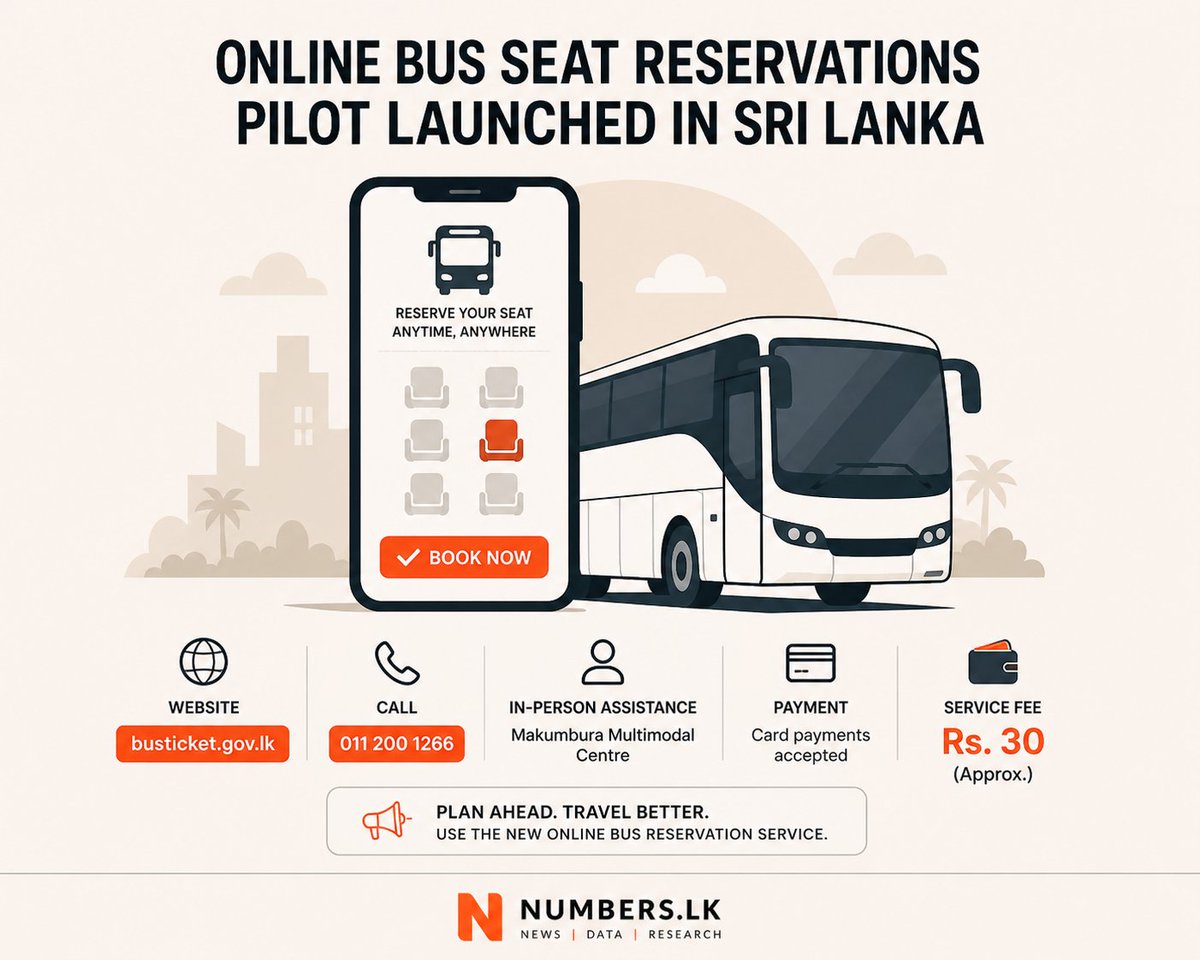
Sri Lanka 🇱🇰 Gov Launches Long distance bus Booking Service: Fee Rs. 30 ⭕ Sri Lanka has launched a government-backed online seat booking pilot for long-distance buses. ⭕ The system is run through busticket.gov.lk under the Transport Ministry and SLT. ⭕ It starts with private bus operators at selected hubs, including Makumbura, Galle and Kandy. ⭕ Passengers can book online or call 0112001266. ⭕ Sri Lanka 🇱🇰 already has several private online bus ticket booking services, but their booking fees are much higher than Rs. 30. #SriLanka #Transport
Numbers.lk tweet media
English
1
4
15
381
Numbers.lk
Numbers.lk@numberslka·
18% VAT on Digital Services in Sri Lanka 🇱🇰: Will It Finally Be Implemented on July 1, 2026? ⭕ Digital services VAT is a tax on online services supplied to Sri Lanka 🇱🇰 by non-resident companies, such as foreign platforms that provide cloud, SaaS, streaming, digital ads, fintech, or marketplace services etc. ⭕ The tax became law under the VAT (Amendment) Act No. 4 of 2025, certified on April 11, 2025, but its implementation has been delayed several times. Under the newly published VAT amendment bill, the start date has now been set for July 1, 2026. ⭕ As per the Act, this tax applies to services provided via platforms such as: ▫️ Cloud computing, e.g., hosting, storage, and servers ▫️ Software as a Service (SaaS), e.g., web-based apps like Google Workspace ▫️ Streaming, e.g., video, music, and live content platforms ▫️ Digital marketing, e.g., social media ads and email campaigns ▫️ E-commerce, e.g., online stores, payment gateways, and order fulfilment ▫️ Cybersecurity, e.g., threat detection, encryption, and firewalls ▫️ IT support, e.g., remote tech help and managed services ▫️ Blockchain/NFTs, e.g., OpenSea and crypto platforms ▫️ FinTech, e.g., PayPal, Stripe, and online banking ▫️ Social media, e.g., Facebook and Instagram platforms ▫️ Marketplaces, e.g., booking apps and gig platforms like Fiverr ⭕ VAT will be included in what you pay—charged directly by the service provider. Thoughts: ⭕ Taxing digital services provided by non-resident companies is increasingly common worldwide. ⭕ A key improvement in the new bill is that VAT-registered entities in Sri Lanka 🇱🇰 will be exempt from the 18% digital services VAT. Non-resident providers should not charge or collect it from them. ⭕ Education and healthcare services are also exempt, including online learning, training platforms, telemedicine, AI diagnostics, and health tracking apps. ⭕ However, the proposed VAT in Sri Lanka is may be still too broad. It still covers digital services heavily used by businesses, especially AI tools, productivity platforms, cloud computing, SaaS, and fintech services. ⭕ Large companies may be less affected because, under the new amendment, VAT registration may help them avoid being charged this VAT or claim input VAT if it is charged. ⭕ But startups, small businesses, freelancers, and early-stage digital businesses may still face higher costs if they are not VAT-registered. ⭕ Imposing an 18% VAT raises the cost of essential tech stacks, making it more expensive for smaller businesses to start, grow, and compete. ⭕ A practical compromise would be to exempt business-use services such as cloud computing, selected SaaS products, fintech tools, and AI services that do not have strong local alternatives. ⭕ For example, the government may gain more in the long term by allowing citizens and businesses to learn, explore, and become more productive through AI tools like Claude or ChatGPT, rather than charging an 18% VAT on them. ⭕ At the same time, Sri Lanka 🇱🇰 can continue taxing digital services used mainly for personal consumption, such as Netflix, Spotify, Booking[dot]com, Uber, or tools that already have strong local alternatives (VAT paying), while keeping productivity, educational, and business-use tools more affordable. #SriLanka #VAT
Numbers.lk tweet media
English
0
3
12
780
Numbers.lk
Numbers.lk@numberslka·
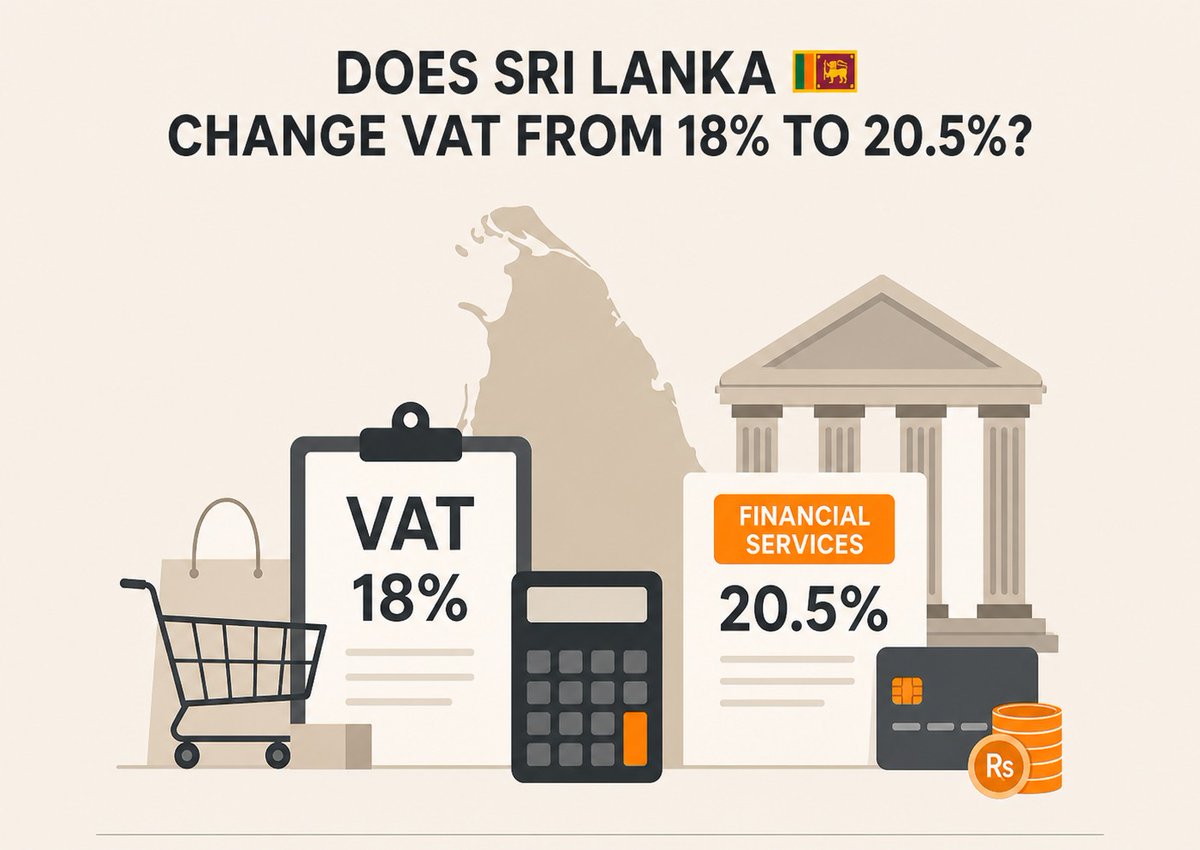
DOES SRI LANKA 🇱🇰 CHANGE VAT FROM 18% TO 20.5%? ⭕ Sri Lanka 🇱🇰 has NOT changed the general VAT (Value Added Tax) rate from 18% to 20.5%. The standard VAT on goods and services remains at 18%. ⭕ The 20.5% rate applies only to financial services, not to everyday consumer goods or general services. ⭕ Earlier tax structure on financial services included: • VAT: 18% • Social Security Contribution Levy (SSCL): 2.5% ⭕ The new system combines VAT and SSCL into a single 20.5% rate. #SriLanka #VATAmendment
Numbers.lk tweet media
English
1
9
31
2K
Numbers.lk
Numbers.lk@numberslka·
@ChamindraH Yes, this is a separate topic related to the newly issued Gazette on VAT.
English
1
0
2
105
ChamindraH
ChamindraH@ChamindraH·
@numberslka So does the SSCL still applies for new vehicle importation as you mentioned earlier? or am I missing something?
English
1
0
1
110
Numbers.lk
Numbers.lk@numberslka·
DOES SRI LANKA 🇱🇰 CHANGE VAT FROM 18% TO 20.5%? ⭕ Sri Lanka 🇱🇰 has NOT changed the general VAT (Value Added Tax) rate from 18% to 20.5%. The standard VAT on goods and services remains at 18%. ⭕ The 20.5% rate applies only to financial services, not to everyday consumer goods or general services. ⭕ Earlier tax structure on financial services included: • VAT: 18% • Social Security Contribution Levy (SSCL): 2.5% ⭕ The new system combines VAT and SSCL into a single 20.5% rate. #SriLanka #VATAmendment
Numbers.lk tweet media
English
2
4
24
1.8K
Numbers.lk
Numbers.lk@numberslka·
Sri Lanka 🇱🇰 is still under fuel rationing system base on QR system. Q: In practice, based on your experience, Do the filling stations still check the QR code before issuing fuel?
English
1
0
2
1.5K
Numbers.lk
Numbers.lk@numberslka·
SSCL should be eliminated. A tax on turnover is unfair by design because it taxes business activity regardless of profit. VAT % should also be gradually reduced, together with a reasonable adjustment to VAT thresholds. If VAT is brought down to around 10%, with proper safeguards and stronger enforcement, more businesses are likely to comply instead of looking for ways to avoid it. This cannot be done overnight, but the Government should have a clear 5 to 8 year plan to move in that direction. The problem with the current approach is that the Government is moving in the opposite direction. Instead of creating a tax system that supports growth, investment, and compliance, it is making the economy more expensive and harder to operate in. If this continues, Sri Lanka will not achieve real economic growth. We will remain stuck in the same cycle of high taxes, low investment, weak compliance.
English
1
0
14
642
Pranavan Yoga
Pranavan Yoga@pranavan_VoldA·
@numberslka Disagreed. The ground becomes more level playing field by both lower VAT threshold and SSCL applied for everyone. No ivaders, and no loop hole manipulation. This IMO can boost healthy competition and consequently efficienct economy.
English
1
0
10
686
Numbers.lk
Numbers.lk@numberslka·
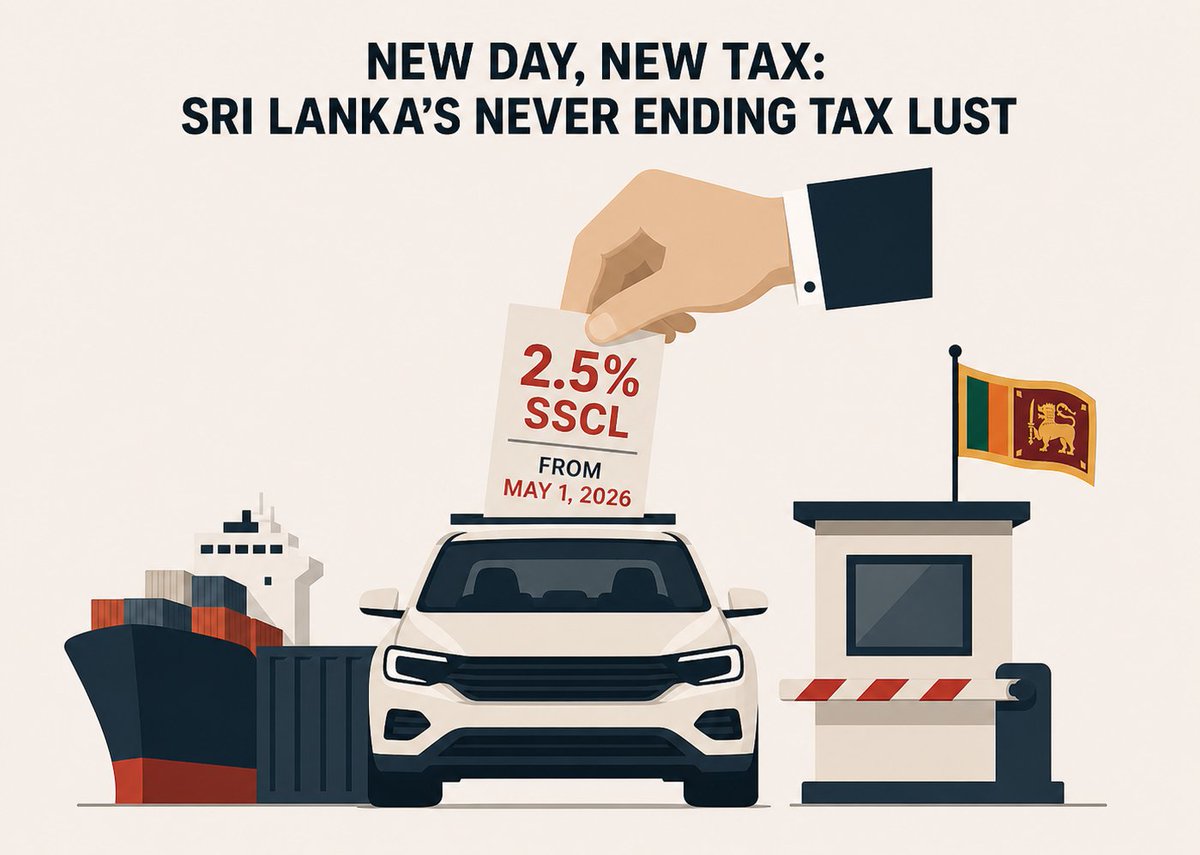
New Day, New Tax: Sri Lanka’s 🇱🇰 Never Ending Tax Lust ⭕️ From May 1, 2026, the Government has decided that vehicle imports will be subject to a 2.5% Social Security Contribution Levy (SSCL) at the point of importation. ⭕️ “At the point of importation” means that anyone importing a vehicle, including personal importers, will now be subject to this tax. ⭕️ Previously, SSCL was mainly paid by vehicle importers after the sale. Personal importers were not directly subject to this tax at the point of importation. ⭕️ Even vehicle importers may not have properly paid SSCL under the previous turnover-based system, as it left room for anything from creative accounting practices to outright tax fraud. ⭕️ Effectively, this change means that if you buy a vehicle, your cost will increase by around Rs. 2%-3% or more, depending on the CIF value and the relevant taxes for that vehicle. ⭕️ Rs. 7 million -> ~ Rs. 150,000 🔺 ⭕️ Rs. 10 million -> ~ Rs. 200,000 🔺 ⭕️ Rs. 15 million -> ~ Rs. 300, 000🔺 ⭕️ SSCL works like VAT, it is charged on the basis of CIF value and other applicable taxes. 2.5% SSCL = (CIF value + CIF x 10% + CID + Excise Duty + any other taxes) x 2.5% CID = CIF x 30% Excise Duty = Changes based on the vehicle type Other taxes = such as surcharge, PAL, etc. Currently 0 for vehicles ⭕️ SSCL was introduced in 2022 as a temporary tax to support Sri Lanka’s economic recovery by charging 2.5% on turnover. ⭕️ The Government has no real justification to keep increasing taxes on people, especially when revenue generating agencies have exceeded their targets during the last two to three years, and any expected revenue increase from this measure could have already been achieved through improved collection. ⭕️ The only other group that benefits from this change is large scale vehicle importers, as it removes one of the key cost advantages of personally importing a vehicle over buying from an established importer. ⭕️ Adding more taxes on already heavily taxed vehicles does not create any meaningful value for the country in the long run, especially when it locks away capital in depreciating assets like vehicles. ⭕️ Higher taxes do not help grow the economy. They discourage economic activity and reduce people’s ability to spend, invest, and build businesses. In simple terms, it is another case of handing more money to the Government, often the worst manager of money in any country. ⭕️ If Sri Lanka 🇱🇰truly wants a fair and low tax system, the focus should be on widening the tax base, improving the collection system, reducing leakages, and ensuring that everyone contributes fairly. #SriLanka #VehicleTaxes
Numbers.lk tweet media
English
8
25
158
14.1K
Numbers.lk
Numbers.lk@numberslka·
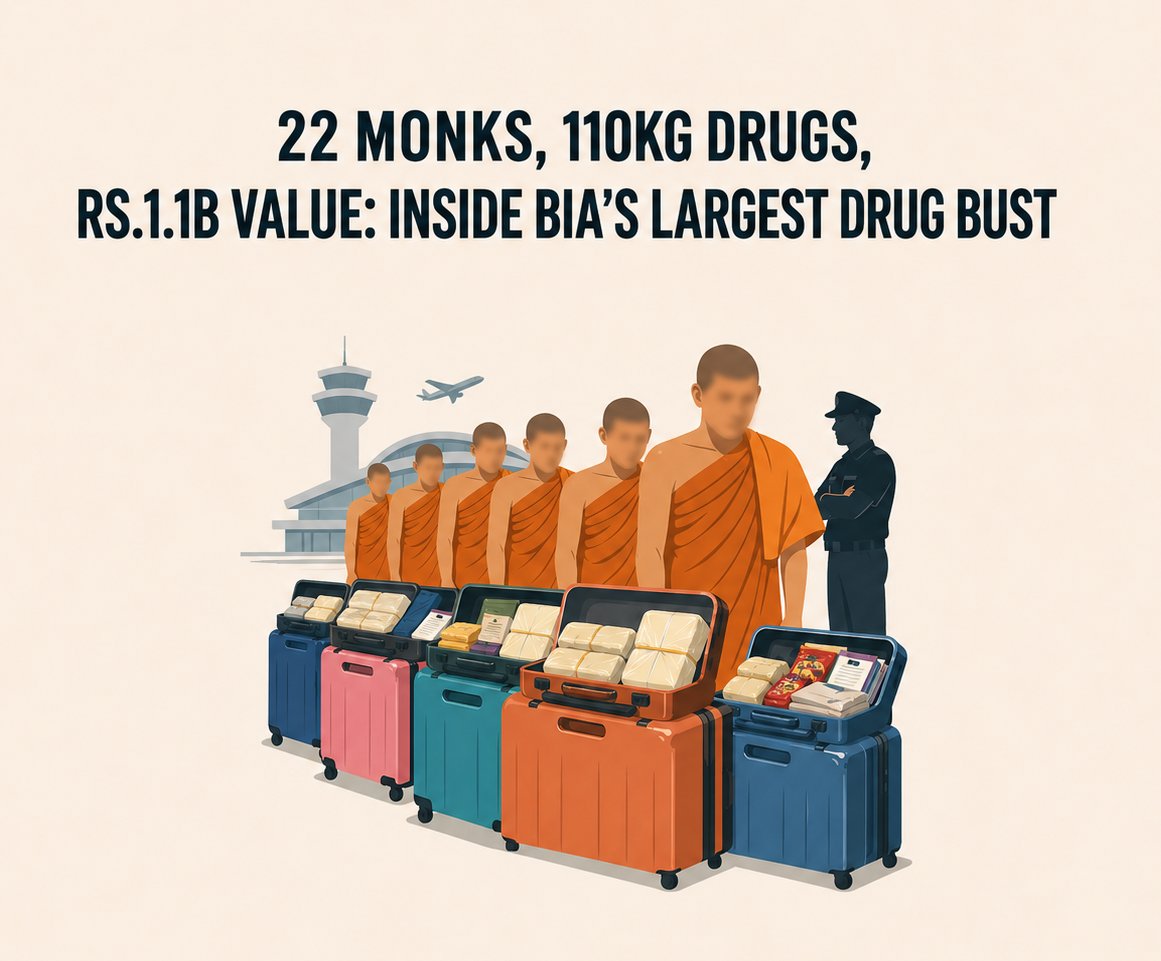
22 Monks, 110kg Drugs, Rs.1.1B Value: Inside the Largest BIA Drug Bust - What We Know So Far ⭕ Yesterday (April 26, 2026), Sri Lanka 🇱🇰 authorities arrested 22 robed suspects at BIA after intelligence information pointed to an alleged drug smuggling attempt. ⭕ Upon examination of the suspects, who were returning from Thailand 🇹🇭, authorities found 110–120kg of Kush and Hashish concealed in their baggage, valued at over Rs.1.1B. ⭕ Each suspect allegedly carried over 5 kg, hidden in false suitcase compartments with school supplies and food items. ⭕ The suspects, aged 19–28, were mostly young monk students from temples across Sri Lanka 🇱🇰 (including Ampara, Horana, Piliyandala, Homagama, Ambalangoda and Balangoda) who took a 4-day Thailand 🇹🇭 trip sponsored by a businessman. ⭕ Police later arrested a main suspect in Meegahawatta, Gampaha. He was also identified as a monk and allegedly helped arrange overseas travel. ⭕ lured with promises of free airfare, accommodation, and meals, suspects were reportedly told they would be transporting “educational materials and sweets” for schoolchildren. ⭕ Investigations also indicate that the group had carried out a similar operation involving 12 monks last month and was reportedly planning another trip in the near future. ⭕ According to reports, digital evidence from the mobile phones of suspects suggests that some travelled in lay attire while in Thailand 🇹🇭. ⭕ Investigators are now tracing who financed the trip, the source of the drugs, and whether a wider smuggling network was involved. ⭕ The Negombo Magistrate’s Court ordered the 22 suspects detained until May 2 for further questioning. ⭕ Buddhist leaders condemned the misuse of robes and called for action against impersonators and drug networks targeting young monks. #SriLanka
Numbers.lk tweet media
English
0
9
32
1.6K
Numbers.lk
Numbers.lk@numberslka·
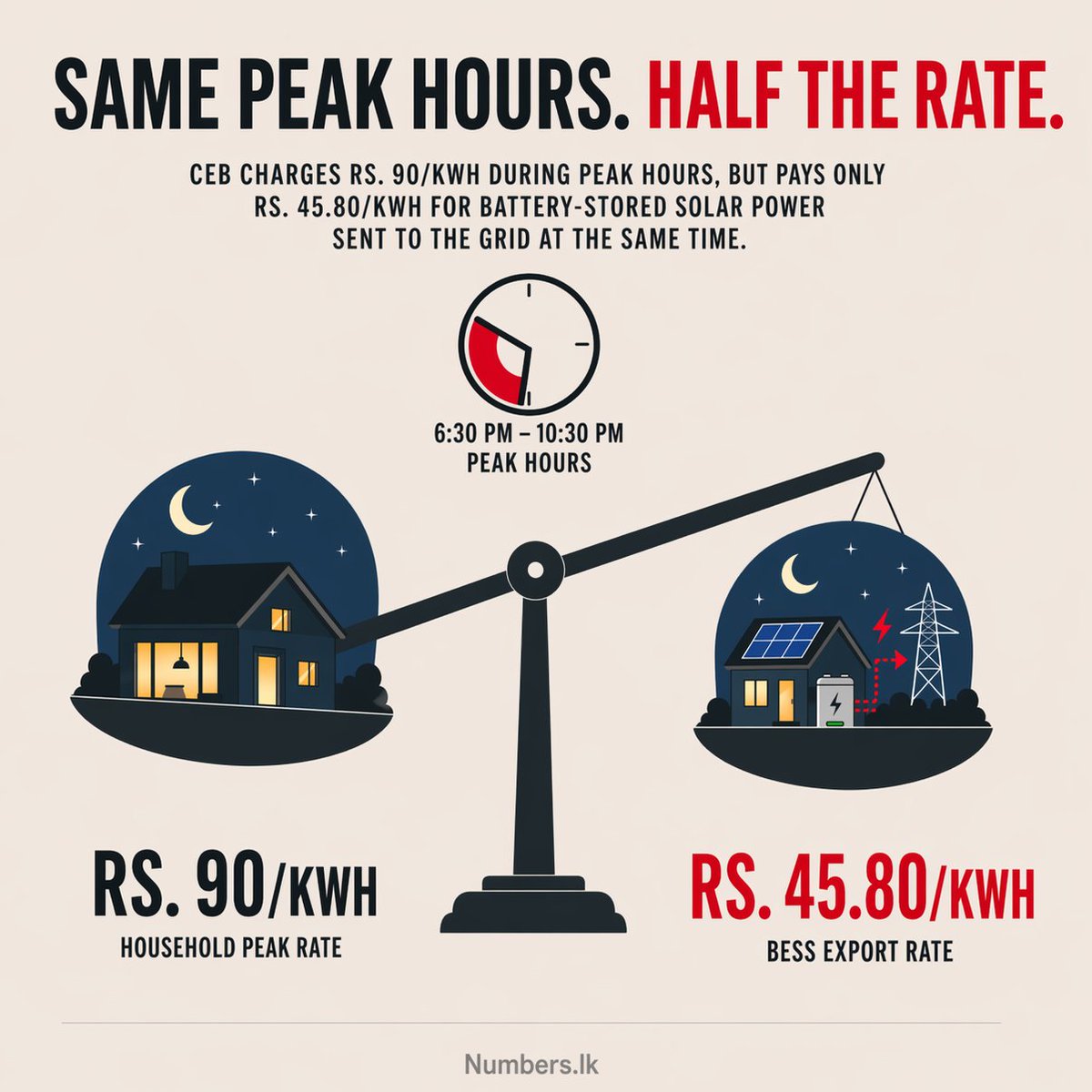
⚡ Talk Renewables, Eat Coal: Sri Lanka’s 🇱🇰 Lethargic Solar Energy Policy ⭕ Sri Lanka’s 🇱🇰 2026 Domestic TOU electricity tariff charges Rs. 90/kWh for power used during the 6:30 pm–10:30 pm peak window. ⭕ But under the 2025 battery storage export scheme, privately stored solar power discharged to the grid during the same peak window is paid only Rs. 45.80/kWh. ⭕ That creates an almost 2x gap between what the system charges consumers and what it pays those who supply energy back to the grid during peak hours. ⭕ With rising global energy uncertainty, fuel price risks, and fear of power cuts, many existing solar users are already considering battery-backed upgrades. A better export rate could be the nudge they need to move toward battery-backed system. ⭕ If electricity tariffs can be revised every 3 months, Battery Energy Storage System (BESS) export rates should also be reviewed regularly. ⭕ One option is to link Battery Energy Storage System (BESS) payments to the actual peak tariff at the time of discharge, for example at 80% of the peak tariff. ⭕ More battery-backed solar would reduce peak-time diesel generation, lower foreign currency pressure, and help bring down electricity costs for all consumers. ⭕ These are policy decisions that sit directly with elected officials and energy policymakers. Changes like this do not require a major new system; they simply require updating the numbers and aligning incentives with Sri Lanka’s 🇱🇰 energy needs. ⭕ If the government cannot act and timely implement a simple, obvious policy like these -despite all the talk- it raises serious doubts about its ability to deliver more complex energy reforms. #SriLanka 🇱🇰 #Energy
Numbers.lk tweet media
English
2
13
55
3K
Numbers.lk
Numbers.lk@numberslka·
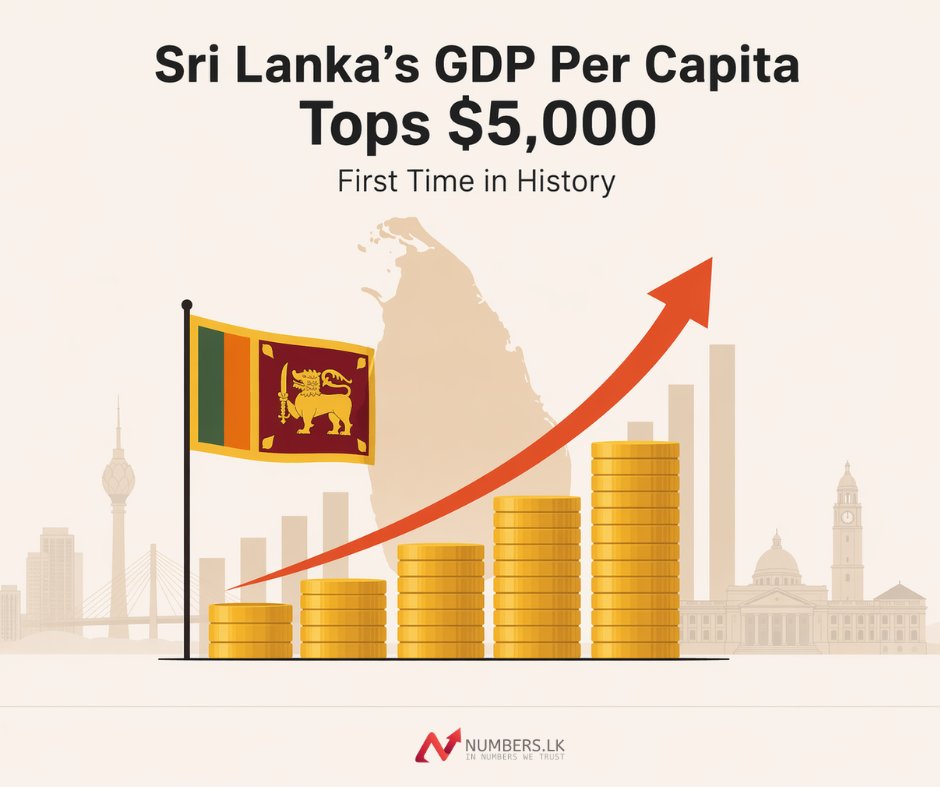
Sri Lanka’s 🇱🇰 GDP Per Capita Tops $5,000: First Time in History! ⭕ Sri Lanka GDP per capita reached $5,003 in 2025, crossing the $5,000 mark for the first time, as per the CBSL Annual Economic Review 2025. ⭕ The figure increased from $4,546 in 2024, surpassing the previous peak of $4,372 recorded in 2018. ⭕ In 2022, Sri Lanka was declared bankrupt during the economic crisis, with GDP per capita falling to $3,464. ⭕ Data shows that four years later, Sri Lanka 🇱🇰 has not only recovered lost ground but also exceeded its pre-crisis peak, showing strong signs of economic recovery. #SriLanka #Economy
Numbers.lk tweet media
English
6
15
95
4.4K
Numbers.lk
Numbers.lk@numberslka·
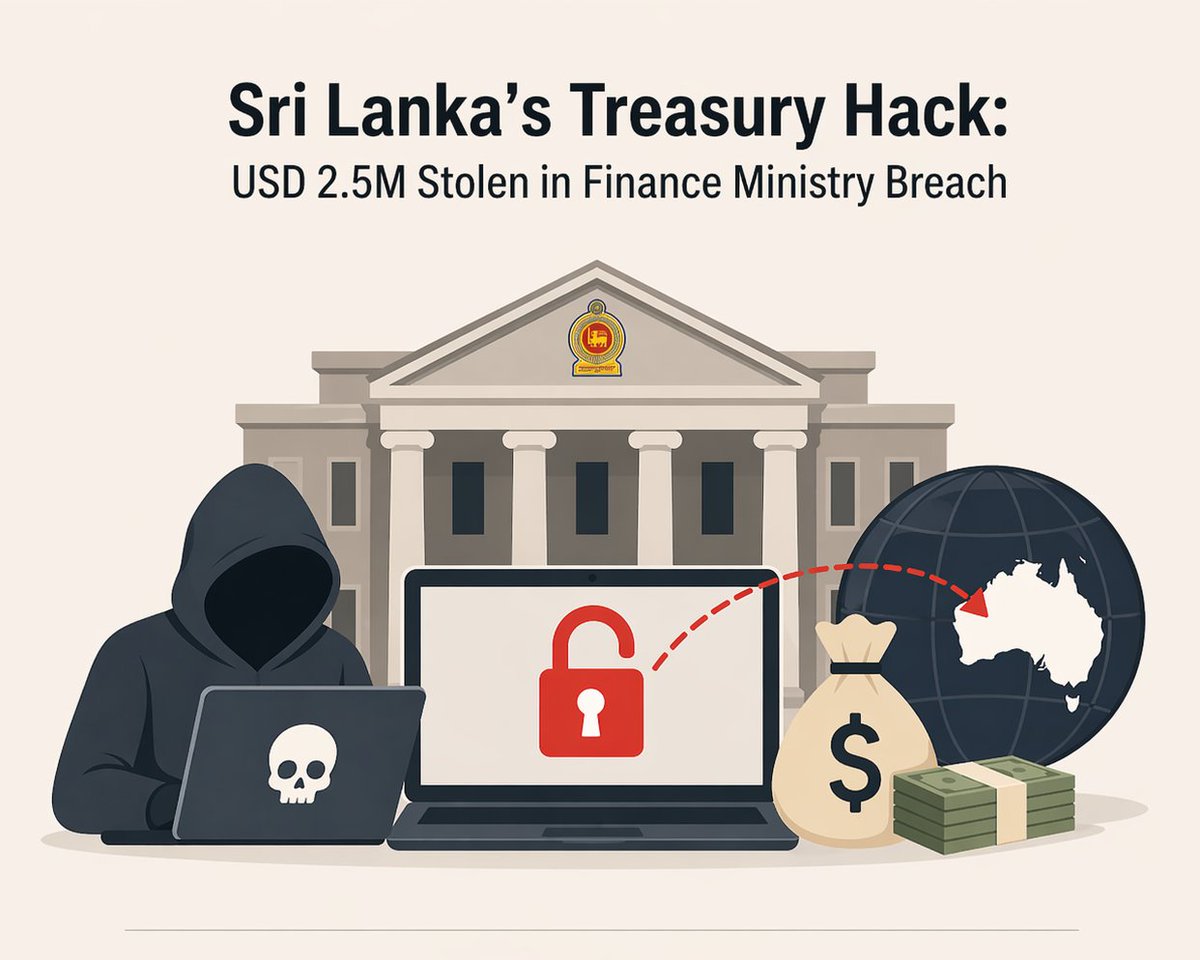
Sri Lanka’s 🇱🇰 Treasury Hack: What Is Confirmed So Far About the USD 2.5M Finance Ministry Breach ⭕ Sri Lanka’s 🇱🇰 Finance Ministry confirmed that cyber hackers breached the External Resources Department, the Treasury unit handling foreign-funded transactions and debt-related external payments. ⭕ The amount at the center of the case is USD 2.5 million, linked to a foreign-currency payment identified from January 2026. The missing funds were tied to a payment involving Australia 🇦🇺 and may have formed part of a USD 22.9 million external debt settlement. ⭕ Investigators believe intruders interfered with email-based payment instructions in the sovereign debt payment process, possibly by inserting or altering payment details and redirecting part of the Australia 🇦🇺-linked transfer away from the intended recipient. ⭕ Committee on Public Finance Chair Dr. Harsha de Silva has said Sri Lanka 🇱🇰 detected the missing USD 2.5 million only after the Australian creditor 🇦🇺 complained that the debt payment had not been received. ⭕ Dr. Harsha de Silva has also said the money was siphoned off in 5 tranches, indicating the loss may not have happened through a single transfer. ⭕ Deputy Finance Minister Anil Jayantha has said the fraud became clearer after a similar attempt linked to a payment due to India 🇮🇳 raised suspicion over changed account numbers in the payment details. ⭕ The case was reported to SL-CERT, the Police Computer Crime Investigation Division, the Criminal Investigation Department, and the Financial Intelligence Unit of the Central Bank of Sri Lanka, showing it had already escalated into a cybercrime and financial-intelligence investigation. ⭕ Disciplinary action was initiated against several officials, and the available information states that 5 officials were suspended: 2 Directors, 2 Deputy Directors, and the Head of the Computer Division. ⭕ The Public Debt Management Office (PDMO) became fully operational in December 2025, while the CBSL Public Debt Department ceased operations from January 1, 2026, after debt-management responsibilities were shifted into the new structure. ⭕ That means one of the earliest major debt-servicing episodes after Sri Lanka’s 🇱🇰 new debt-management handover ended with a cyber breach, missing funds, and suspended officials. ⭕ What is officially confirmed is narrower than some of the reporting: the breach happened, money linked to the transaction was stolen, and both criminal and internal investigations are underway. ⭕ The biggest unanswered questions are the exact attack path, how the payment controls failed, whether the funds can be recovered, and whether the case affects Sri Lanka’s 🇱🇰 sovereign payment credibility. #SriLanka
Numbers.lk tweet media
English
5
10
40
4.1K
Numbers.lk
Numbers.lk@numberslka·
$286 a Barrel 🛢️? Behind Sri Lanka’s 🇱🇰Fuel Cost Confusion ⭕️ The recent remark by HSBC CEO Georges Elhedery, which linked Sri Lanka to oil costs of up to $286 per barrel, created significant confusion because the wording appeared to blur the distinction between crude oil and refined fuel. ⭕️ The discussion seems to begin with crude oil benchmarks and then move toward the broader delivered cost of oil or fuel in Asia. However, that shift was not made clearly, which made the remark ambiguous and easy to misunderstand as a reference to crude oil specifically. ⭕️ When global oil prices are discussed, it's usually refer to crude oil benchmarks. Refined products such as diesel and petrol are priced differently due to additional costs like refining, transport, and premiums. ⭕️ Many outlets including Sri Lankan media initially reported that the country had purchased crude oil at $286 per barrel. This figure is extremely high almost three times the benchmark index price and naturally raised concerns. ⭕️ However, CPC clarified that Sri Lanka did not purchase crude oil at that price. Instead, it said the country had purchased diesel, a refined petroleum product, at prices similar to those mentioned by the HSBC CEO. ⭕️ Global diesel prices had risen sharply during that period. According to CPC, based on flat averages, the highest base price was around $242 per barrel, while premiums rose to $48 to $50 due to supply constraints and increased demand linked to disruptions in the Middle East. As a result, the total landed cost increased significantly. ⭕️ When compared with the NYMEX Singapore Gasoil (Platts) index, which was about $232.57 per barrel on April 6, 2026. (highest) The difference is largely explained by the added premiums. ⭕️Given the circumstances, such pricing is not entirely unreasonable. In a supply-constrained environment, governments often have no choice but to procure fuel at elevated prices to avoid severe economic disruption. ⭕️ A failure to secure fuel would lead to transport breakdowns, power shortages, and widespread economic damage. The deeper issue, however, is structural. ⭕️ Sri Lanka 🇱🇰 does not maintain adequate buffer stocks for energy imports, whether oil, LPG, or coal. This lack of storage capacity forces the country to buy fuel at spot prices during crises, often at significant premiums. ⭕️ As a result, Sri Lanka loses millions of dollars annually due to price volatility and emergency purchasing decisions. ⭕️ Why has the country not invested in sufficient storage infrastructure? The lack of priority and the slow pace of such projects are a serious issue. ⭕️ Such an investment would allow Sri Lanka to build strategic reserves, purchase fuel during lower price periods, and reduce exposure to sudden market shocks. Over time, the savings from avoiding premium purchases could recover the investment within few years. ⭕️ In the context of energy trade, investment in storage is not especially large. A single shipment of refined fuel can cost more than $50 million, while a modern storage facility may cost no more than the value of two or three such shipments. ⭕️ The real issue is not the price paid during a crisis, but the lack of long term planning that forces the country into these situations repeatedly. All discussion, but no action. ⭕️ Probably, things like this do not get built because emergency energy purchases create opportunities for commissions for certain parties. These are the real structural issues we need to solve if we want to address the energy problem in the long run. #SriLanka #Energy
Numbers.lk tweet mediaNumbers.lk tweet media
English
7
13
44
6.2K
Numbers.lk
Numbers.lk@numberslka·
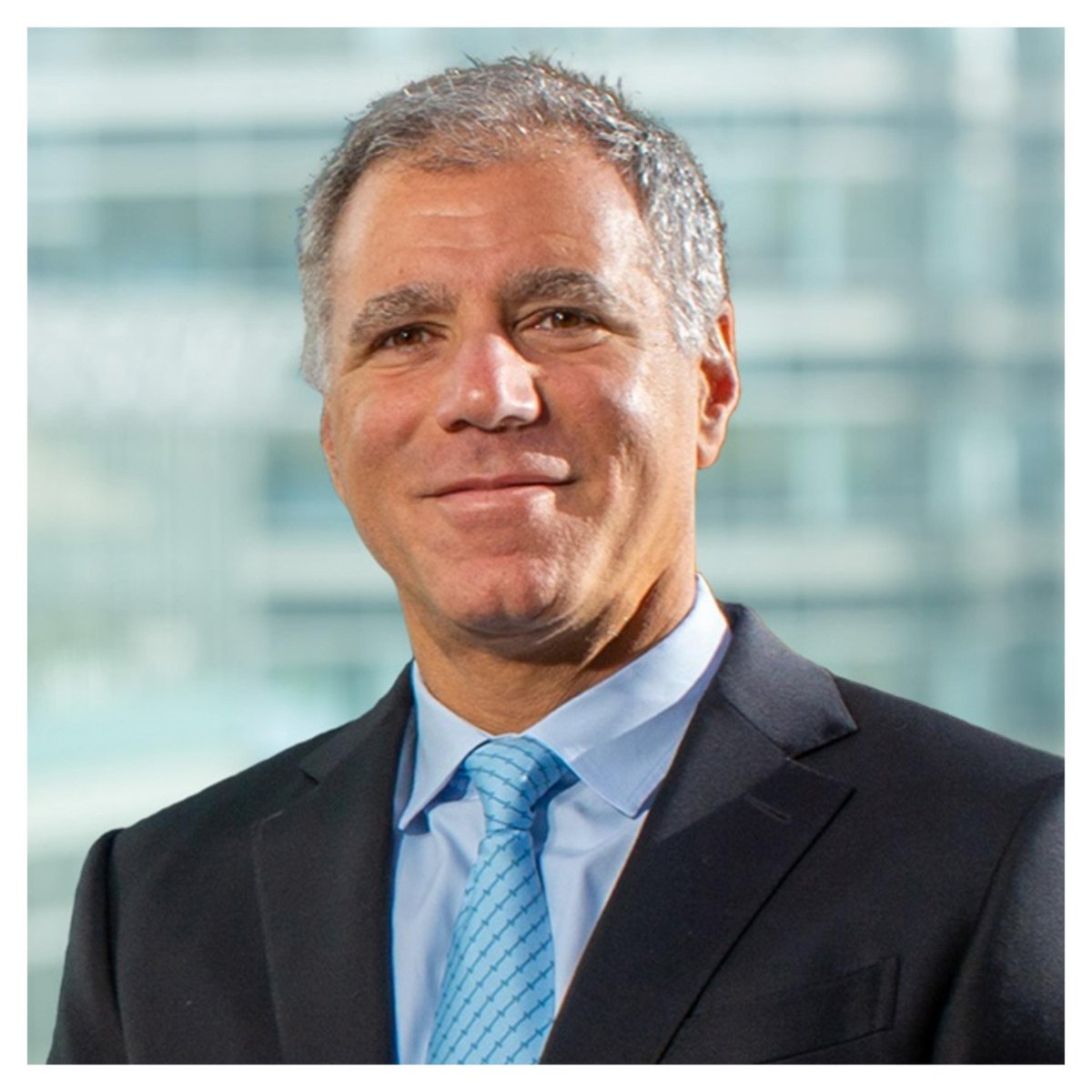
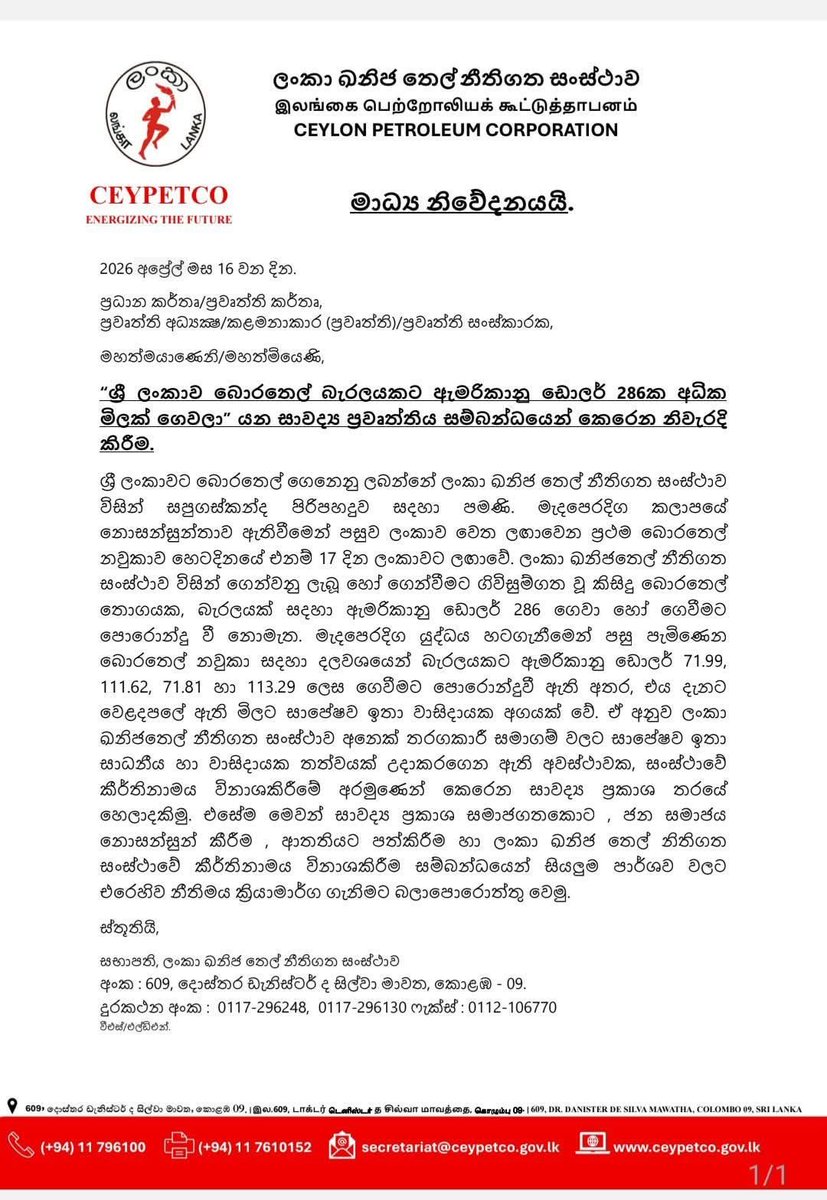
Sri Lanka's 🇱🇰 Petroleum Corporation denies the $286 per barrel crude oil claim by HSBC CEO ⭕️“Oil headline is above $100–$110. If you are now trying to get oil from the Middle East, you may be paying $140–$150. But the highest I’ve seen is $286 for a barrel of oil that reached Sri Lanka. This is not a country and an economy that can easily afford these kinds of prices sustainably.” - HSBC CEO Georges Elhedery ⭕️ Sri Lanka imports crude oil solely for the Sapugaskanda refinery. It has neither paid nor agreed to pay $286 per barrel for any crude oil shipment it has procured or contracted. Sri Lanka has only paid $71.99–$113.29 per barrel. - CPC Chairman #SriLanka #Energy
Numbers.lk tweet mediaNumbers.lk tweet media
English
4
6
63
7.4K
Numbers.lk
Numbers.lk@numberslka·
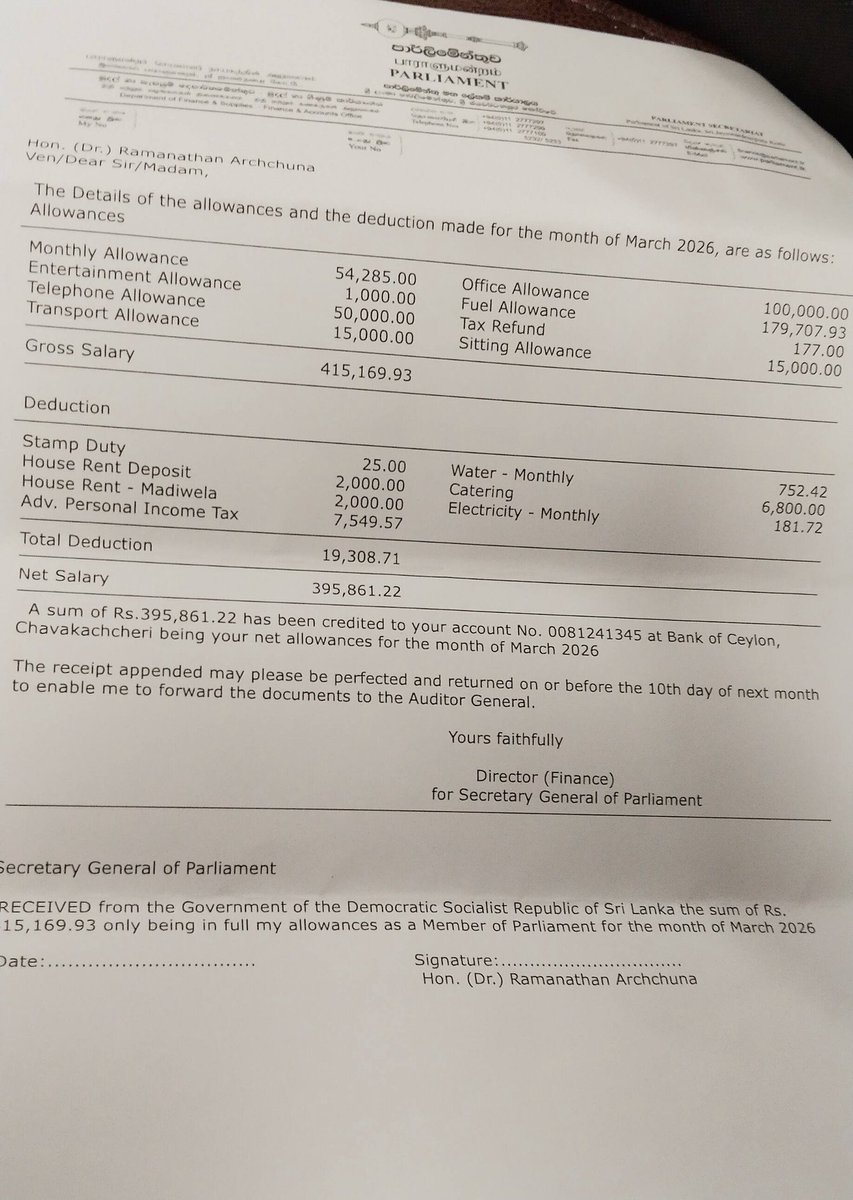
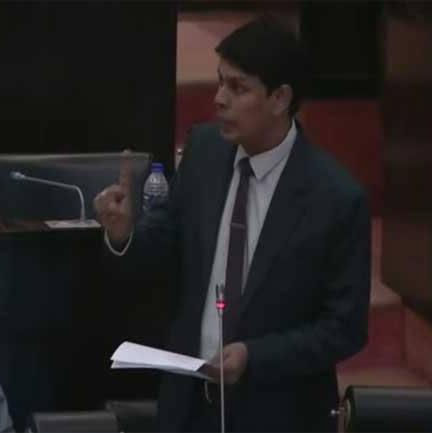
Why do MPs pay ~ Rs.7,500+ in APIT (income tax) while others pay Rs.55,000+ for the same salary? ⭕️ MP Ramanathan Archchuna has publicly shared his Parliament salary slip for March 2026, stating that the public should be aware of the earnings received by Members of Parliament. ⭕️ According to the document shared by the MP, the gross monthly salary and allowances amounted to Rs. 415,169.93. After deductions totaling Rs. 19,308.71, the net salary credited to his account was Rs. 395,861.22. ⭕️ One of the clear differences comes from APIT. For a gross salary of Rs. 415,169.93, anyone working in the private or government sector would typically pay Rs. 55,000+ in taxes, but MPs pay only around Rs. 7,500+. The reason is that the government at the time has effectivitly creating a different tax structure for MPs. So, how is taxable income calculated when it comes to MPs and higher-ranking government officials? ⭕️ The new 36% maximum APIT income tax system came into effect in January 2023, and MPs initially paid taxes on their income just like any other taxpayer. ⭕️ However, in the very next month (February 2023), the IRD introduced an amendment related to non-cash benefits. This was designed in a way that significantly favored MPs: under the amendment, only 25% of their vehicle, fuel, and communication allowances are considered taxable. ⭕️ As a result, MPs’ tax liability dropped from around Rs. 76,000 to about Rs. 17,000, while virtually nothing changed for regular taxpayers. ⭕️ With the 2025 revision of the tax code, particularly the elimination of the 12% tax bracket, the tax liability for MPs was further reduced to around Rs. 5,000 to Rs. 7,500, while others earning a similar income continue to pay over Rs. 55,000. we have talked about this in the past. old post: x.com/numberslka/sta…
Numbers.lk tweet mediaNumbers.lk tweet media
English
10
40
150
12.7K
Numbers.lk
Numbers.lk@numberslka·
🚀 Artemis II: Humanity’s Return to the Moon 🌕 ⭕NASA 🇺🇸 astronauts prepare for the Artemis II launch, suiting up for a mission that will take humans deeper into space than ever before. ⭕ Artemis II will be the first crewed mission beyond low Earth orbit since the Apollo 17 mission in 1972. ⭕ Apart from the Apollo program, no human has gone beyond 1,000 km from Earth. ⭕ The farthest distance ever reached by humans was during the Apollo 13 mission, approximately 400,171 km. ⭕ Artemis II is expected to go farther from Earth than Apollo 13. This will be a Moon flyby mission, similar to Apollo 13. ⭕ Artemis IV is planned for early 2028 as the first Artemis lunar landing mission. ⭕ The first launch window for Artemis II will be on April 1st. If delayed, April 2nd and April 6th are the next available dates. #ArtemisII #NASA
Numbers.lk tweet media
English
0
1
12
916
Numbers.lk
Numbers.lk@numberslka·
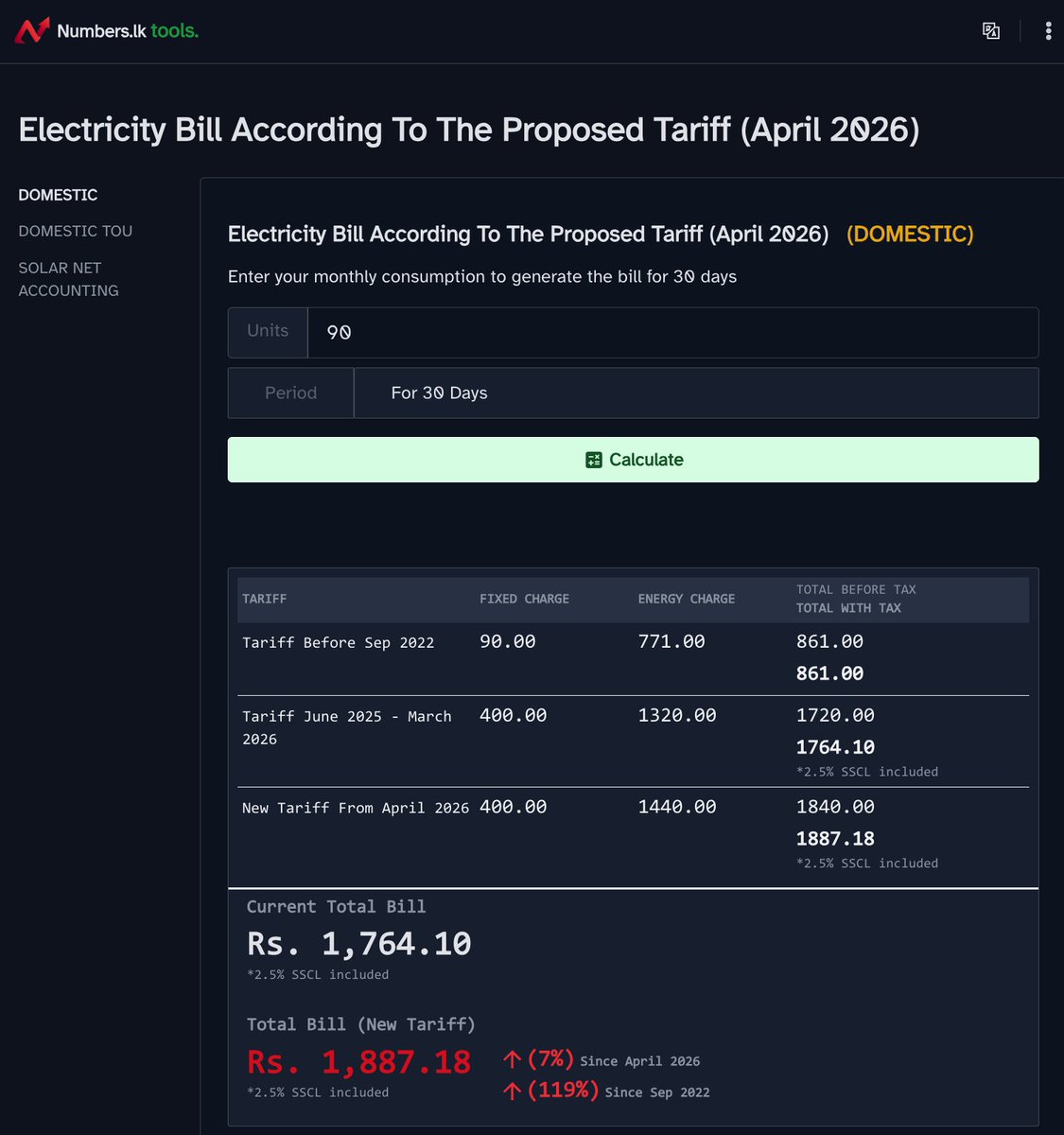
⚡ Electricity Bills Back to 2024 Levels ⭕ With the latest electricity price revision, the bill for 90-unit domestic consumers is now Rs. 1,887.18, exactly the same as when the NPP took power in 2024. ⭕ NPP promised a 30% tariff reduction. Electricity bill calculator: tools.numbers.lk/eleccal-futures #SriLanka
Numbers.lk tweet media
Numbers.lk@numberslka

⚡️New Electricity Tariff: The new tariff proposed by CEB, once approved by PUCSL, will slash your monthly bill by ~34%, if you use around 90 units. That's a savings of nearly Rs. 1000 from July bill. To calculate your new bill 👉tools.numbers.lk/eleccal-futures

English
2
4
30
3K
Numbers.lk
Numbers.lk@numberslka·
🚨 Claude Code Leak: 59.8MB Debug File Exposes “Hidden” Code ⭕ Claude Code by Anthropic is widely considered the top CLI tool for agentic AI development, and is proprietary and closed-source. ⭕ Claude Code v2.1.88 accidentally shipped with a 59.8MB source map a file that shows the original code behind the compiled tool. ⭕ Source maps are meant for debugging errors, not public release this is considered a major packaging mistake. ⭕Simply put: this is like releasing an app with a “developer blueprint” attached, making it easier to understand how it works internally. and this leak lets developers inspect parts of its logic without official access. ⭕ Impact: developers can now study how the AI agent works, how commands are structured, and possible security design choices. ⭕ Interesting detail: If you’re a Claude Code user, you’ve probably noticed those interesting spinner words it shows while processing, like thinking, analyzing, or hullabalooing.. Ever wondered how many there actually are? Turns out, there are 187 different spinner verbs ⭕ Bottom line: no direct risk for regular users, but big implications for developers + competition in AI coding tools. #ClaudeCode #Antrophic
Numbers.lk tweet media
English
1
4
25
1.7K
Numbers.lk
Numbers.lk@numberslka·
@erangatennakoon @ConcernedC25709 There was a UI bug in the calculator that displayed June 2025 instead of September 2022, and it has now been fixed. Thank you very much for bringing it to our attention. We sincerely apologize for this error and any confusion it may have caused.
English
1
0
2
22
eranga tennakoon
eranga tennakoon@erangatennakoon·
Since June 2025 total electricity traffic has increased by 83%? #lka
English
2
3
18
1.8K
Numbers.lk
Numbers.lk@numberslka·
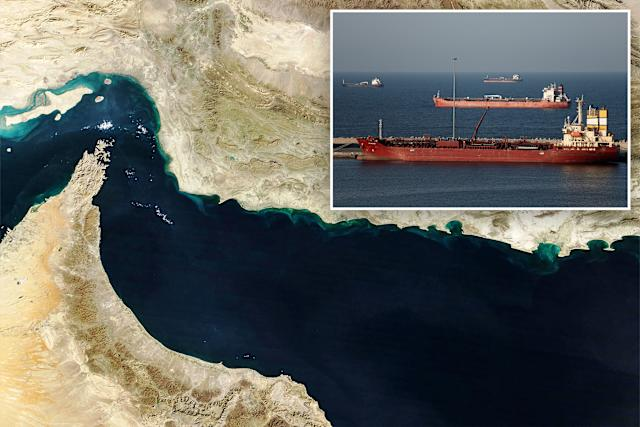
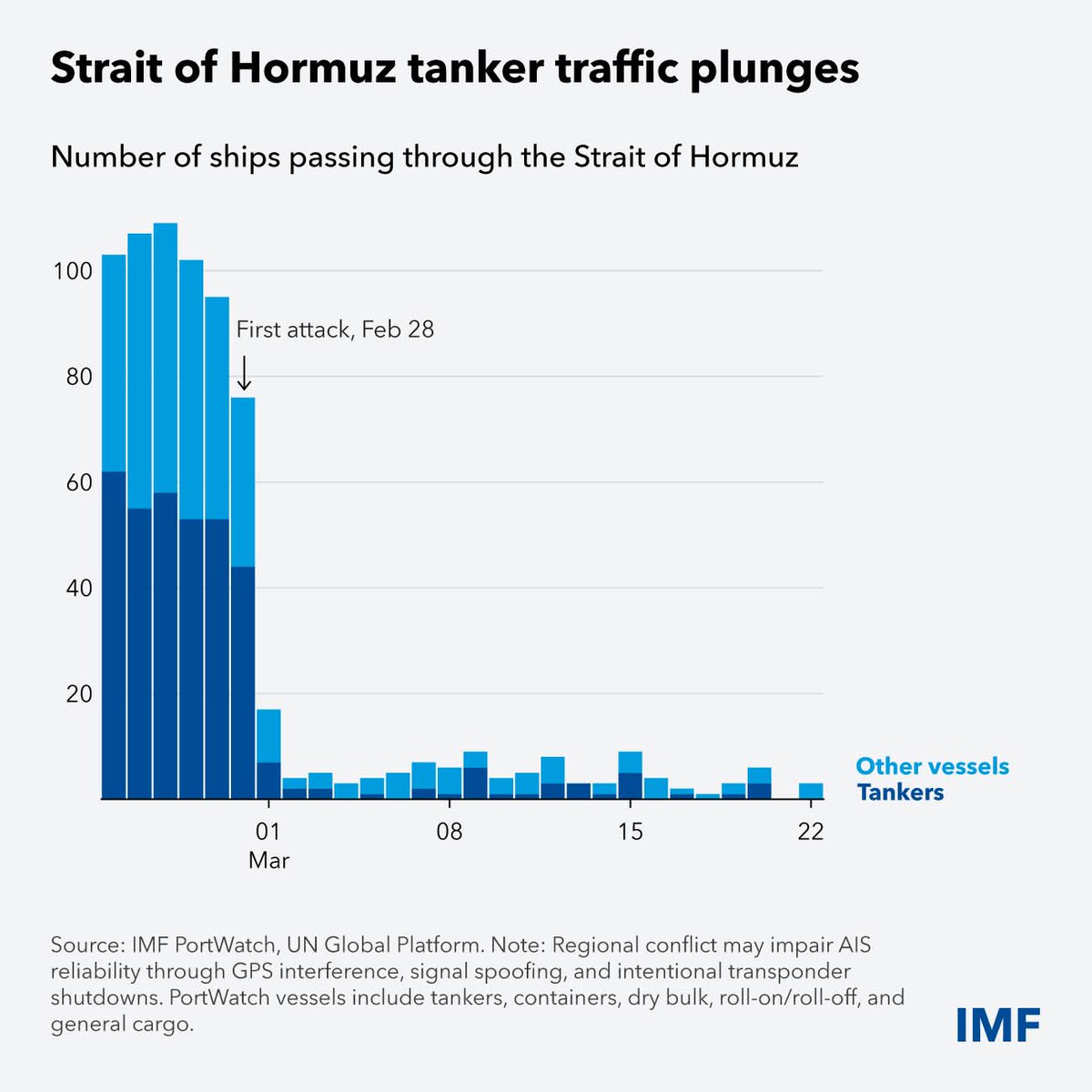
🚢 Strait of Hormuz Traffic Collapses ⭕️ Shipping traffic through the Strait of Hormuz has dropped sharply amid the ongoing conflict. ⭕️ Daily transits have fallen to around 6 ships per day, compared to ~125 per day before the conflict. ⭕️ That’s a 95%+ drop in one of the world’s most critical shipping routes. ⭕️ Many vessels are now waiting outside the strait, avoiding passage due to security risks and attacks. 🌍 This chokepoint handles a major share of global oil and LNG flows making the disruption a serious global concern. #Hormuz #Shipping #GlobalTrade #Oil #Geopolitics
Numbers.lk tweet media
English
1
1
28
1.6K