Kotheni 🇿🇦
41.7K posts
Kotheni 🇿🇦
@Nutty_M
Architect. Biltong Addict. Maswaphela wakwaKotheni. https://t.co/r57JkUrNos
Vlaklaagte 1, Mpumalanga Katılım Mayıs 2009
828 Takip Edilen955 Takipçiler
Kotheni 🇿🇦 retweetledi

"I’m a big guy, 200lbs, 6’3”... I’ll be fine.”
Narrator: He was, in fact, not fine. 💀🛸
Don’t be an astronaut if you can’t handle the orbit. 😂
English
@Markosonke1 Nah I don’t agree. We don’t travel coz we don’t have money. Full stop. Le yobu Comfortable asinaSure ngayo. I’m comfortable, yes, but I still want to travel.
English

Why do many South Africans, especially black South Africans, rarely travel across Africa or overseas?
Is it about affordability, access, mindset, or something deeper?
🌍✈️ #LetsTalk
English
Kotheni 🇿🇦 retweetledi

The boy child won’t.
They leave school at grade 11 to help support families and themselves. They also work the physically demanding jobs that women can’t work. They help send their sisters to university…women just don’t mention these things.
Rocktor, PhD@Mavumavu91
69% of our graduates are female. Oh the boy child needs to catch up 🙂↔️
English
@SizweDhlomo No canopy can ever make any bakkie look good, unless you’re the camping type. And it’s a Land Cruiser.
English
Just out of interest, what do you like about them?
Bongekile Mthembu🇿🇦@_Bongekile_
Khona lama canopy amasha kuma bakkie, specifically ama double cap😭🔥 whoever came with this idea ate!
English

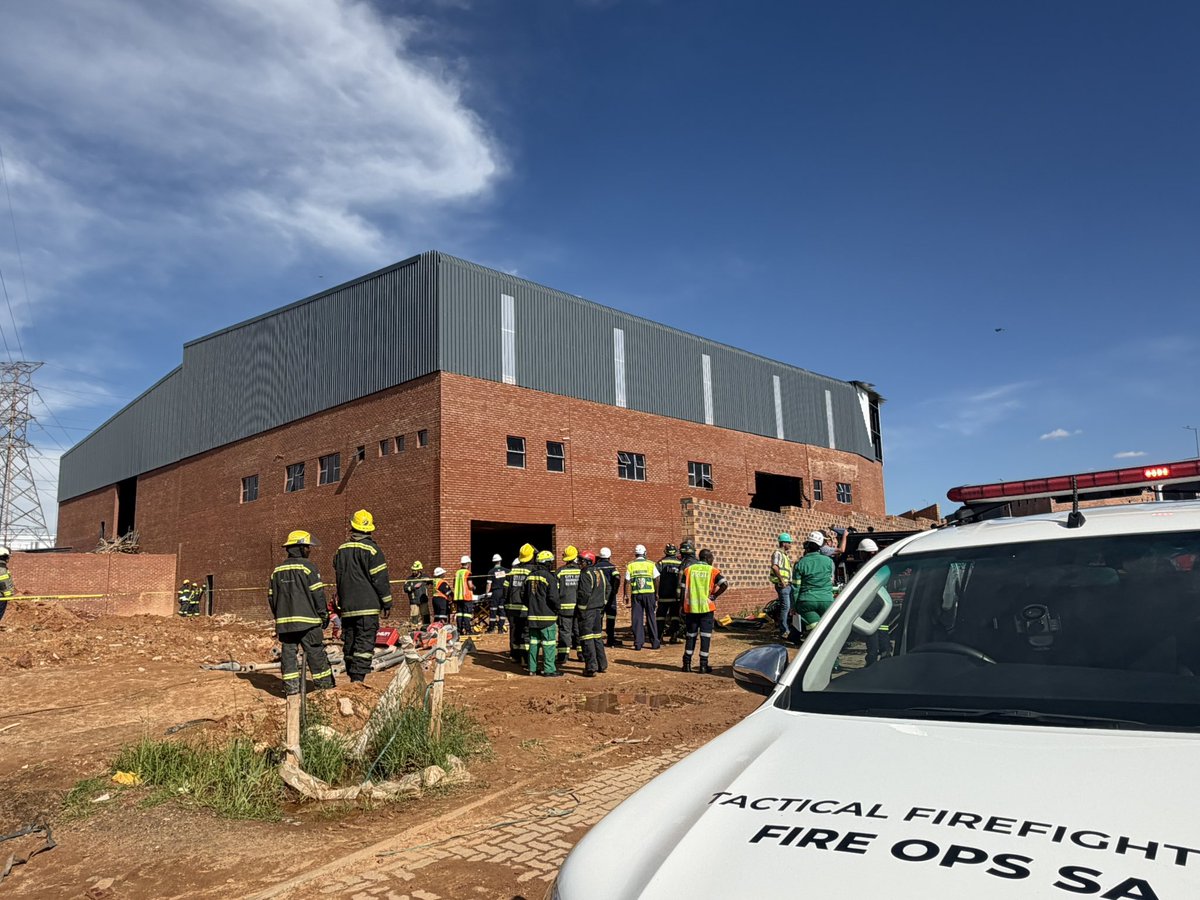
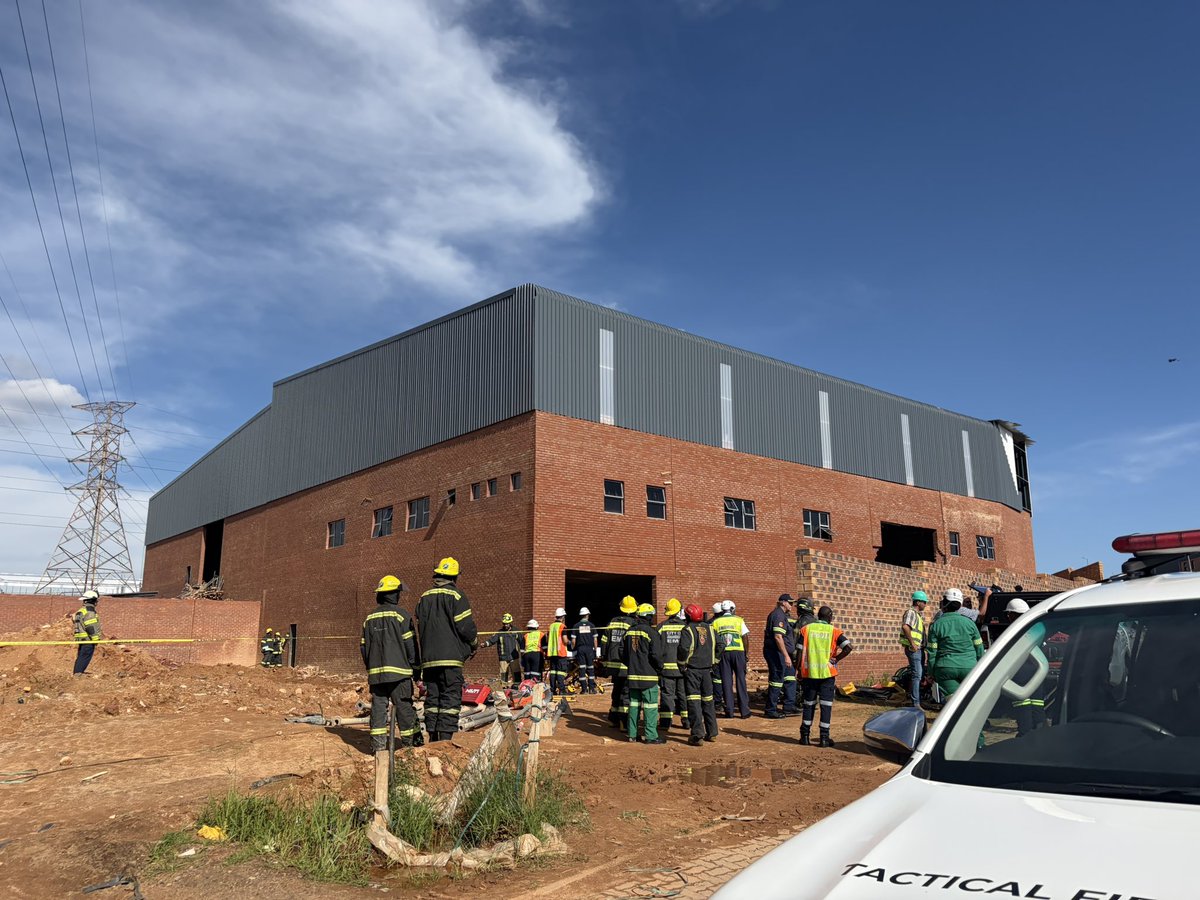
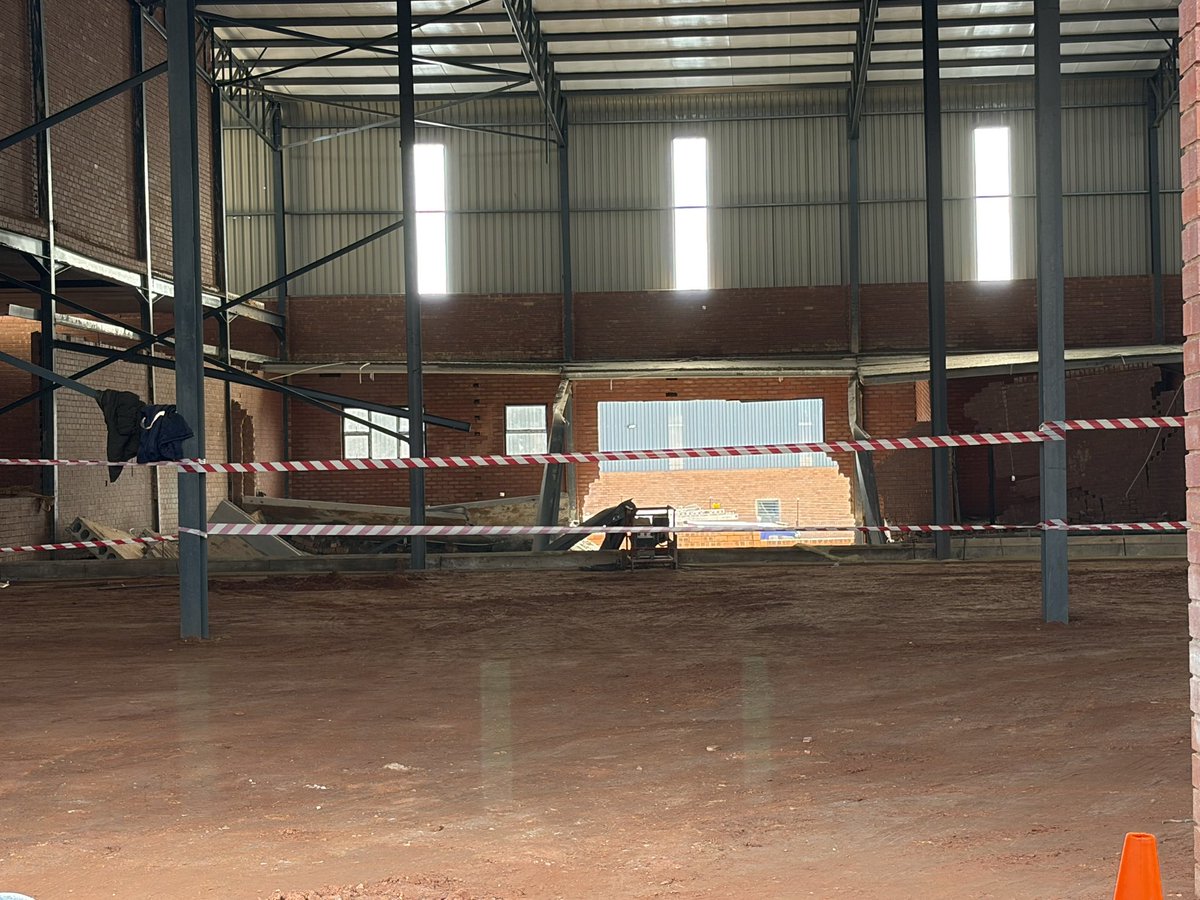
A building under construction has collapsed in Ormonde, south of Johannesburg, with at least four people confirmed dead.
It’s understood that the second-floor deck collapsed. A construction worker has told EWN that work had recently begun on the concrete slab. @JusstAlpha

English


@Layemie001 We do it here in SA too, it’s quite common actually. Much cheaper than buying a new one! It’s called re-enamelling or resurfacing.
English

Bath Tubs are repainted in the US. Why not get a new one😯
English
Kotheni 🇿🇦 retweetledi

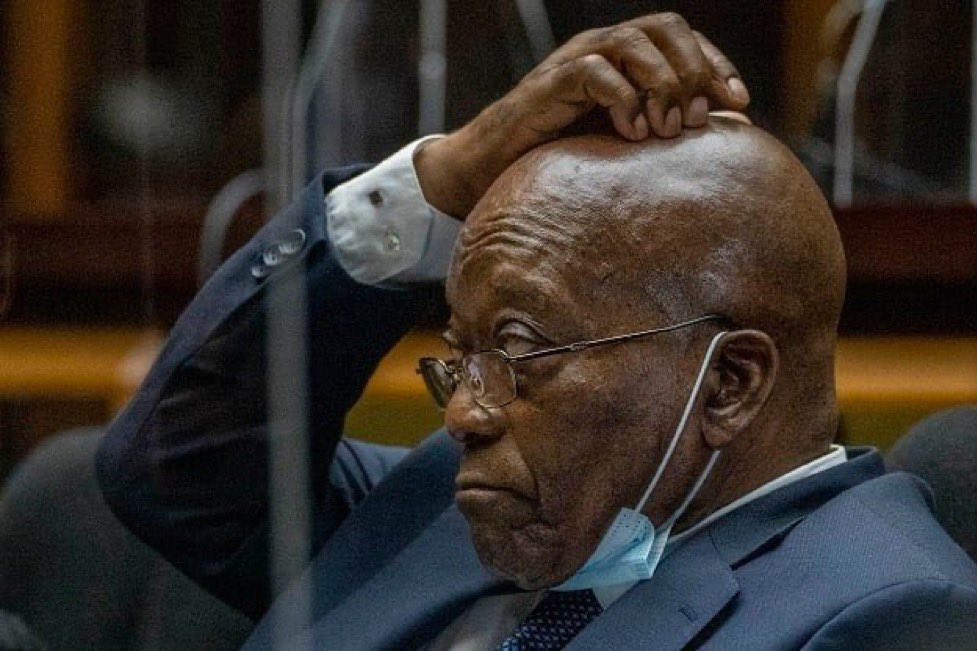
This tweet breaks down the distinction between basic administration and revolutionary struggle, debunking the myth of the "Zuma Revolution" with the hard facts.
Debunking the Zuma "Revolutionary" Myth.
Jacob Zuma was not a revolutionary. We must distinguish between basic governance and revolutionary transformation. If you measure success by RDP houses and road repairs, you are confusing a Municipal Manager with a Revolutionary. A true revolutionary is measured by the structural shift of wealth. 🇿🇦
On the core struggles, the return of Land and control of mineral resources, Zuma’s record is a spectacular failure. He spoke the most about transformation but, as Adv. Ngcukaitobi notes, he actually cut the budget for Land reform. Delivery slowed to a crawl compared to the Thabo Mbeki era.
Under his watch, mineral rights weren't returned to the people, they were shifted from old capital to a new, "Gupta-linked" elite. That isn't a revolution, it’s just a change of ownership at the top while the masses remain landless.
Building roads and "matchbox" RDP houses are basic state functions, every government does this. A revolutionary changes urban land patterns so the poor live near economic hubs. Zuma left the apartheid geography of our cities perfectly intact.
Debunking the "Top 10" Claims:
• Infrastructure: Projects like Gautrain and Medupi were planned/funded under Mbeki. Zuma’s contribution? Massive corruption-led cost overruns.
• Grants: Rising grants is a sign of a failing economy. It’s a sign people can't find work and are stuck on state crumbs.
• BEE: Became "tenderpreneurship" for the politically connected, not a broad black industrial class.
• Repo Rate: Set by the independent Reserve Bank. Zuma actually threatened this stability when he fired Nene (Nenegate).
• Education: He dropped the "Free Education" populist grenade on his way out with zero funding model.
• Load Shedding: He didn't end it, he postponed it by "running the diesel" and skipping maintenance, bankrolling Eskom’s collapse and the current crisis.
• SOEs: The Zondo Commission proved SAA, Transnet, and Denel were systematically hollowed out by State Capture.
Zuma’s supporters measure him by "service delivery" because if they used "revolutionary change" as a yardstick, they’d admit he delivered zero. He gave the people "matchboxes" while his associates took the billions meant for the Land.
#LandReform. #ZumaVsMbeki. #SouthAfrica. #StateCapture.
English
Kotheni 🇿🇦 retweetledi

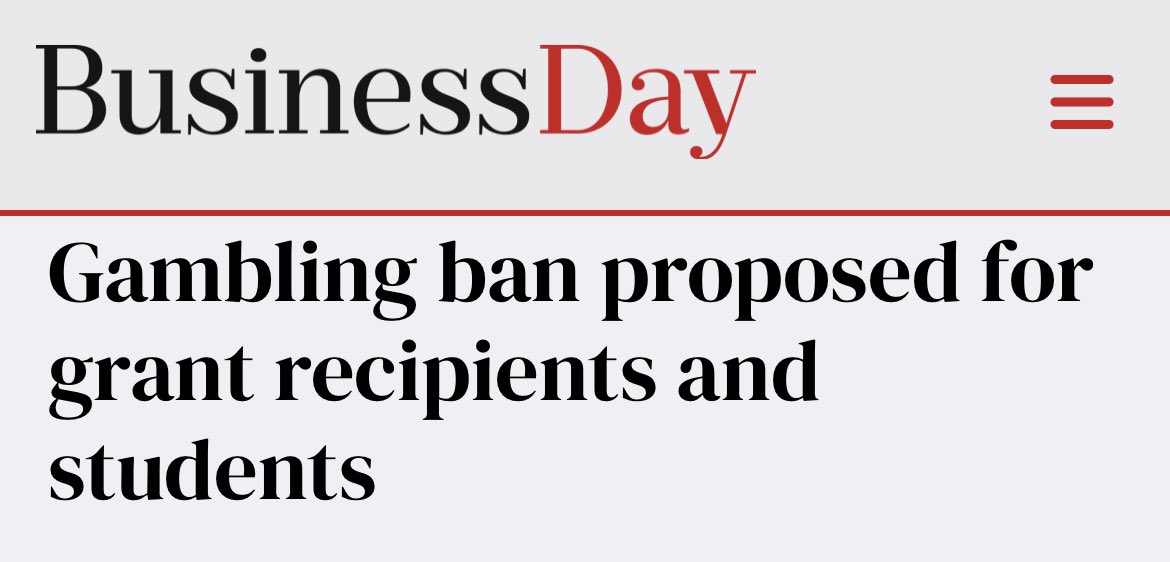
a year ago we submitted our first paper to Parliament with detailed solutions to beat South Africa’s gambling crisis
top of the list — ways to protect our most economically vulnerable
social grant recipients, unemployed youth & elderly
we’re finally seeing progress 🔥🔥
English
Kotheni 🇿🇦 retweetledi

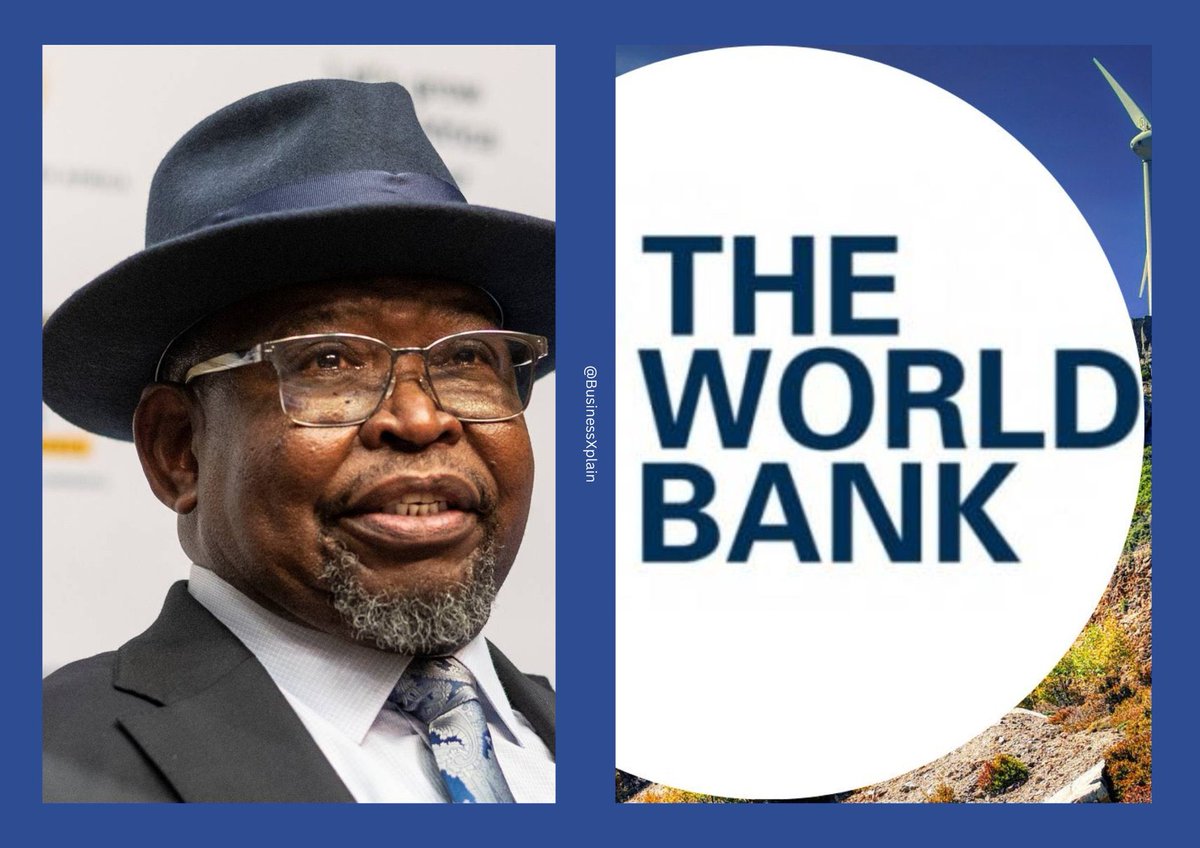
Allow me to explain about Godongwana’s decision today ⚠️
The new 3% inflation target, set to begin in 2027, means that the prices of everyday items like groceries, petrol, and electricity will rise more slowly than they do now.
Under the current 3–6% range, prices typically increase by about 4.5% each year, so umzekelo a R100 grocery basket today would cost R104.50 next year. With the 3% target, that same basket would only go up to around R103.
This slower pace of price increases will help you keep more of your salary in your pocket, making your money stretch further for food, fuel, and household essentials.
When it comes to your job and salary, the lower inflation target is likely to create a more stable environment for businesses. High inflation makes it hard for companies to plan, often leading to layoffs or frozen wages.
A steady 3% target signals reliability, encouraging companies to invest in new factories, equipment, and hiring. Over time, this should mean better job security and a stronger chance of getting a raise that actually improves your standard of living.
If you have a home loan, car finance, or any debt, this change could be a big win. Right now, the repo rate is around 8.25%, making a R1 million bond cost about R11,500 a month. As inflation drops toward 3%, the South African Reserve Bank will likely lower interest rates to around 5–6% by 2028 or 2030.
That same R1 million bond could then cost you R9,000 to R10,000 a month, freeing up R2,000 or more for your family every month. Even petrol and electricity prices should become more predictable, with smaller annual hikes tied to the lower inflation rate.
Your savings will still grow, though not dramatically. Banks might offer 4–5% interest when inflation is 3%, giving you a small real gain. But cash under the mattress will lose value slowly, so it’s better to put money into unit trusts or property that can beat inflation.
The transition won’t be completely smooth, 2026 might see a temporary rate hike if inflation lingers above 4.5%, which could raise your bond payment by R500 to R1,000 for a few months. Still, this is a short-term bump on the way to long-term relief.
For the average South African family, the 3% target is good news. It means cheaper loans, slower price increases, and more stable jobs, as long as you prepare for a slightly tougher 2026. Start by avoiding new debt, building a small emergency fund, and asking your employer for inflation linked salary adjustments.
In three years, you could be saving hundreds on your bond and tens of rand each week at the till real money that stays in your hands.
English
Kotheni 🇿🇦 retweetledi

Bro to Bro: Avoid driving other people's cars at all costs.

English

Please share your starting 11. We wanna confirm if we have the right one #Amakhosi4Life
Sekhukhune United F.C.@SekhukhuneFc
🚨 NEXT MATCH 🚨 🆚 Kaizer Chiefs 🏆 Betway Premiership 🏟️ FNB Stadium 📅 Tuesday, 16 Sep | 19:30 📺 Live on SuperSport (202) & Showmax 🎟️ From R60 — Get yours at OpenTicket: shop.opentickets.co.za/event/kaizer-c… 🦔🦔🦔 #Adibahlabe #BetwayPrem
English

@Nyeleti0606 It is exactly a matter of affordability, anything else is secondary!!
English

I am noticing a trend of people from ko kasi not wanting to move out. They will buy cars and everything but to move out, never. There’s a handful of them who move out right after securing a job. I wonder why this is the case and I don’t think it is a matter of affordability.
English
Kotheni 🇿🇦 retweetledi

There are serious allegations involving security threats to this country, yet the youth is focused on Grace Mondlana. Yah, we are cooked. 💔
English
Kotheni 🇿🇦 retweetledi


Kotheni 🇿🇦 retweetledi

Andile Matshaya followed protocol & died
Moses Tshake followed protocol & died
Zweli Duma followed protocol & died
Ignatius Nteso followed protocol & died
Lawrence Moepi followed protocol & died
Babita Deokaran followed protocol & died
Cloete Murray followed protocol & died
English
Kotheni 🇿🇦 retweetledi


Kotheni 🇿🇦 retweetledi