

Nyambuoro
9.1K posts

Nyambuoro
@Nyambuoro2
Burden of proof lies with the prosecutor.//Believes in loving God who expresses that love thru Jesus Christ. USTADH.
Malindi, Kenya Katılım Mayıs 2020
734 Takip Edilen671 Takipçiler


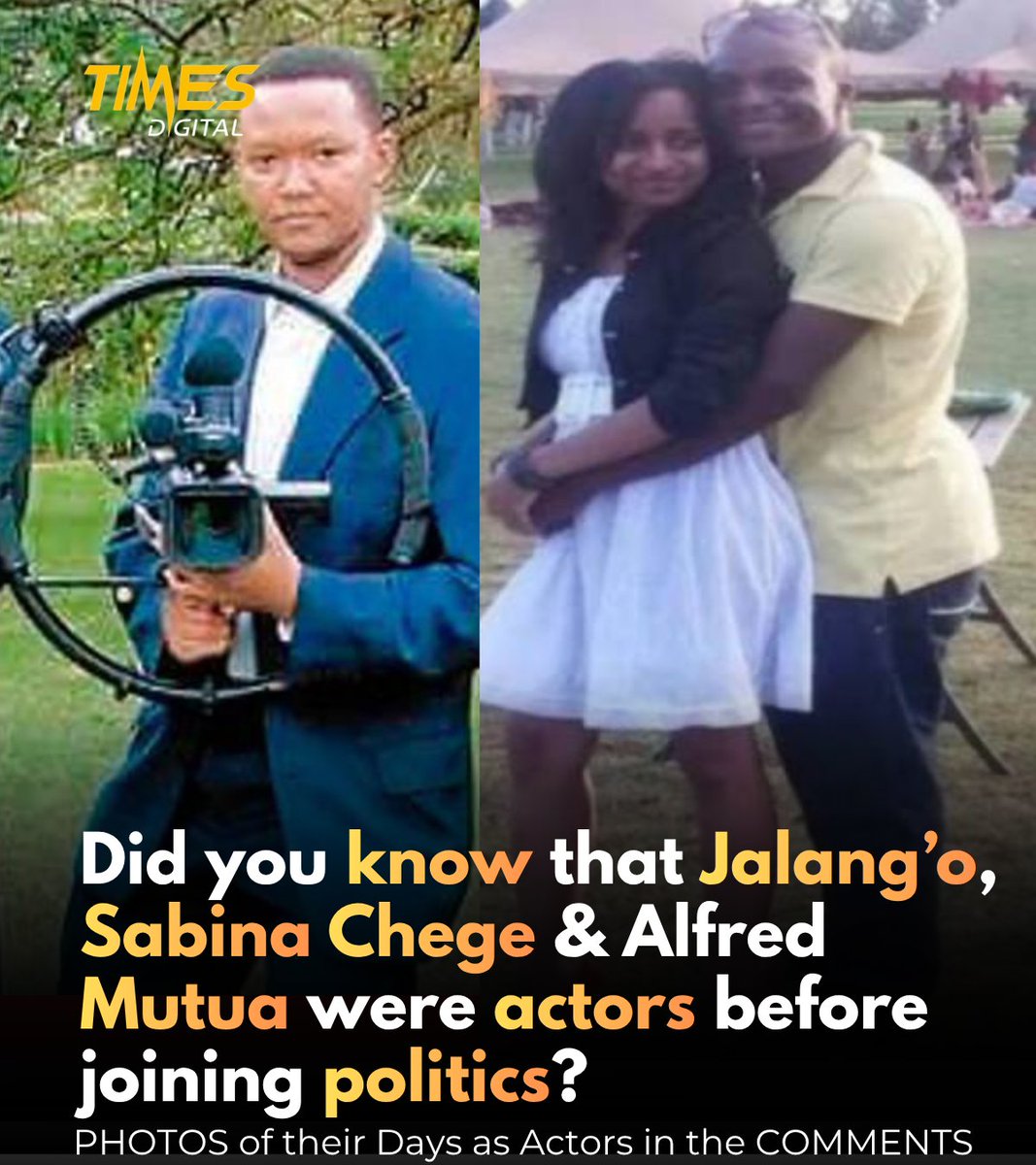
Did you know that Jalang’o, Sabina Chege & Alfred Mutua were actors before joining politics? 🤔
A glimpse of their careers in the film industry (in the comment section)
English

@Nyambuoro2 @ClintonObonyo Took too long, all those lives lost 💔
English
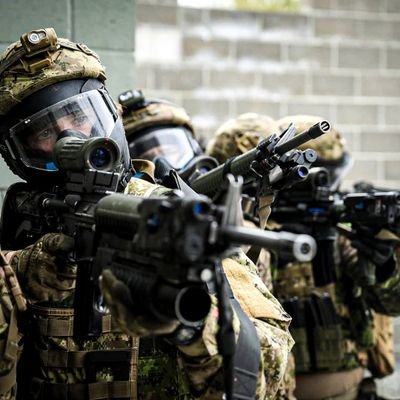
It started with a single gunshot at a traffic stop. It ended with three men tied in sacks, their skulls crushed, their bodies discarded in silence beneath dark waters.
It was not law enforcement. It was cruelty, deliberate and sustained. Beatings turned into torture. Some were strangled. And to finish the task, skulls were crushed with boulders, fingers chopped off, eyes gouged out. In the end, three human beings were tied in gunny sacks, weighed down with stones, and thrown into the cold waters of the Ol Donyo Sabuk River—discarded as though their lives meant nothing.
This was not random violence. It was a calculated act meant to silence those who dared to challenge police brutality in Kenya.
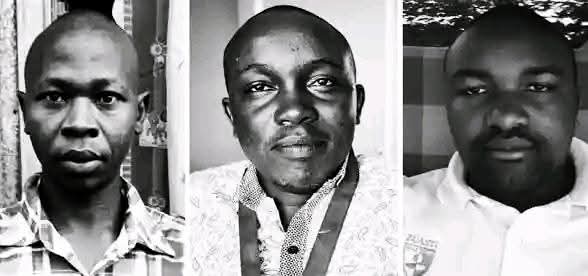
Willie Kimani Kinuthia was 32. A human rights lawyer working with International Justice Mission, a husband, and a father of two young boys. He believed in the law—believed it could still protect ordinary people, even when those meant to enforce it became the very threat. That belief is what placed him on this path.
Josephat Mwenda was a boda boda rider. His only “crime” was refusing to stay quiet after being shot in the hand by a police officer during a traffic stop in Mlolongo in April 2015. Instead of justice, he was slapped with false charges and subjected to threats, harassment, and attempted abductions. Still, he spoke up. He reported the officer to IPOA. He kept showing up in court.
Joseph Muiruri was just a taxi driver trying to earn a living. That day, he drove two men who needed transport. He had no idea he was stepping into something that would cost him his life.
On 23 June 2016, the three men left Mavoko Law Courts together after a court session in Mwenda’s case. They never made it home.
There was nothing accidental about what happened next.
The man at the center of it all was Sergeant Fredrick Ole Leliman—the same officer Mwenda had accused of shooting him. Determined to erase the case and the people behind it, he orchestrated the abduction.
The three were taken, not booked, not recorded—just disappeared into the Syokimau Administration Police Camp and locked inside a container.
Inside that dark space, Willie Kimani made one last attempt to be heard. He broke apart a socket holder, found a small piece of tissue, and wrote a message in Swahili asking whoever found it to call a number and report that they were being held at Syokimau and were in danger. He managed to throw it out through the grills. A boda boda rider picked it up and tried calling. There was no answer.
That small note would later become one of the most haunting pieces of evidence—proof that even in their final hours, they were fighting to be found.
Later that night, they were moved.
Josephat Mwenda was killed first—strangled.
About an hour later, Joseph Muiruri was killed the same way.
Willie Kimani suffered the worst. He was tortured for longer. Beaten, mutilated, his skull eventually crushed with a heavy stone. His body bore signs of extreme violence.
Afterward, all three bodies were bound, stuffed into sacks, weighed down, and dumped into the river. Days later, on 1 July 2016, they were found.
For once, the system was forced to confront itself.
The case dragged on for years, built slowly through witness accounts, forensic evidence, phone records, and that fragile note written in desperation.
In July 2022, the court finally delivered its judgment.
Fredrick Ole Leliman, the mastermind behind the killings, was convicted and later sentenced to life imprisonment.
Stephen Cheburet, a police officer involved in the operation, was sentenced to 30 years.
Sylvia Wanjiku, who took part in the unlawful detention, received 24 years.
Peter Ngugi, a civilian informer who helped facilitate the crime, was sentenced to 20 years.
One officer was acquitted.
It was justice—but the kind that comes late, heavy, and incomplete.
Three lives were gone.
Willie Kimani—the lawyer who believed in the law.
Josephat Mwenda—the man who refused to be silenced.

English

@Nyambuoro2 @_fels1 Unataka amwage unga.From the narrative Osostsi"was with somebody's wife" to now this.😂😂
English



@lindahoguttu The statement ought to have started with his name as a member of the gang.
English


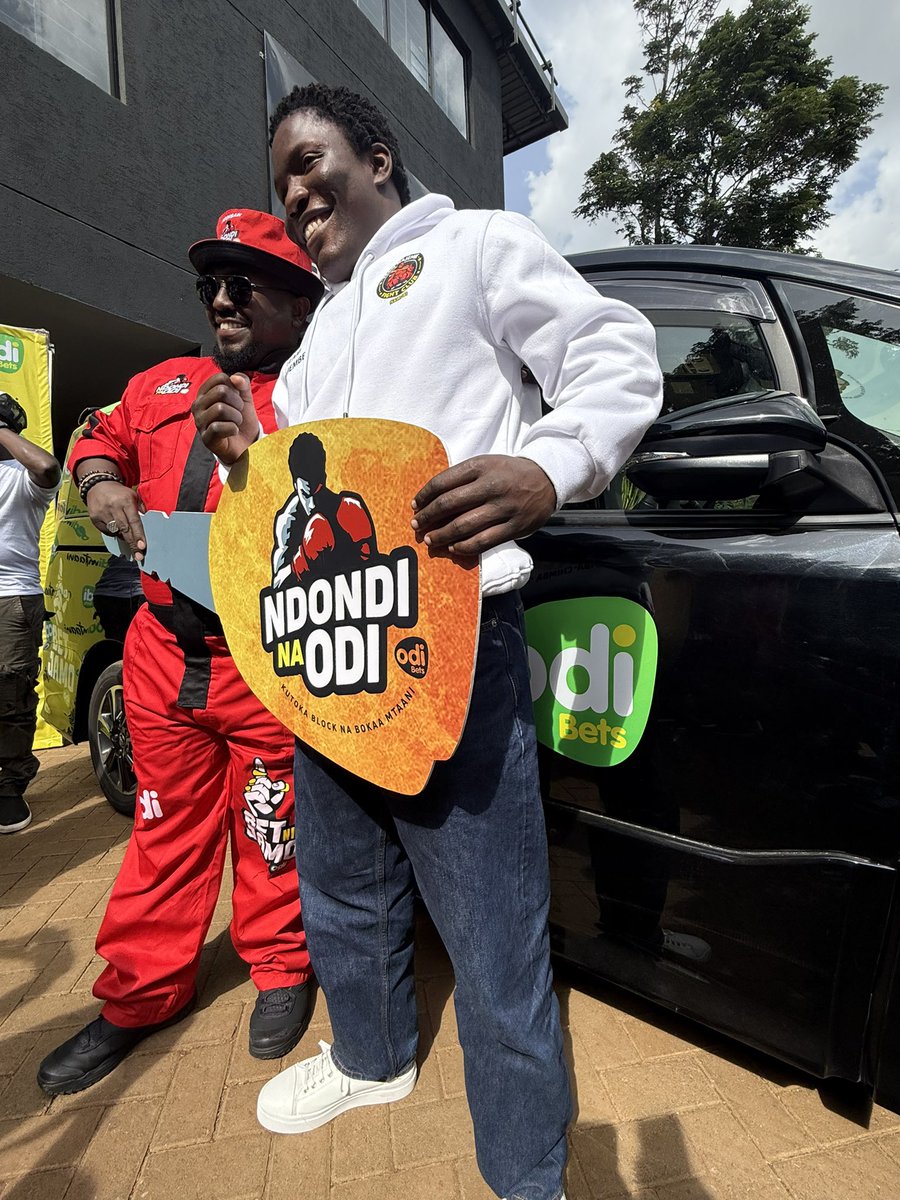
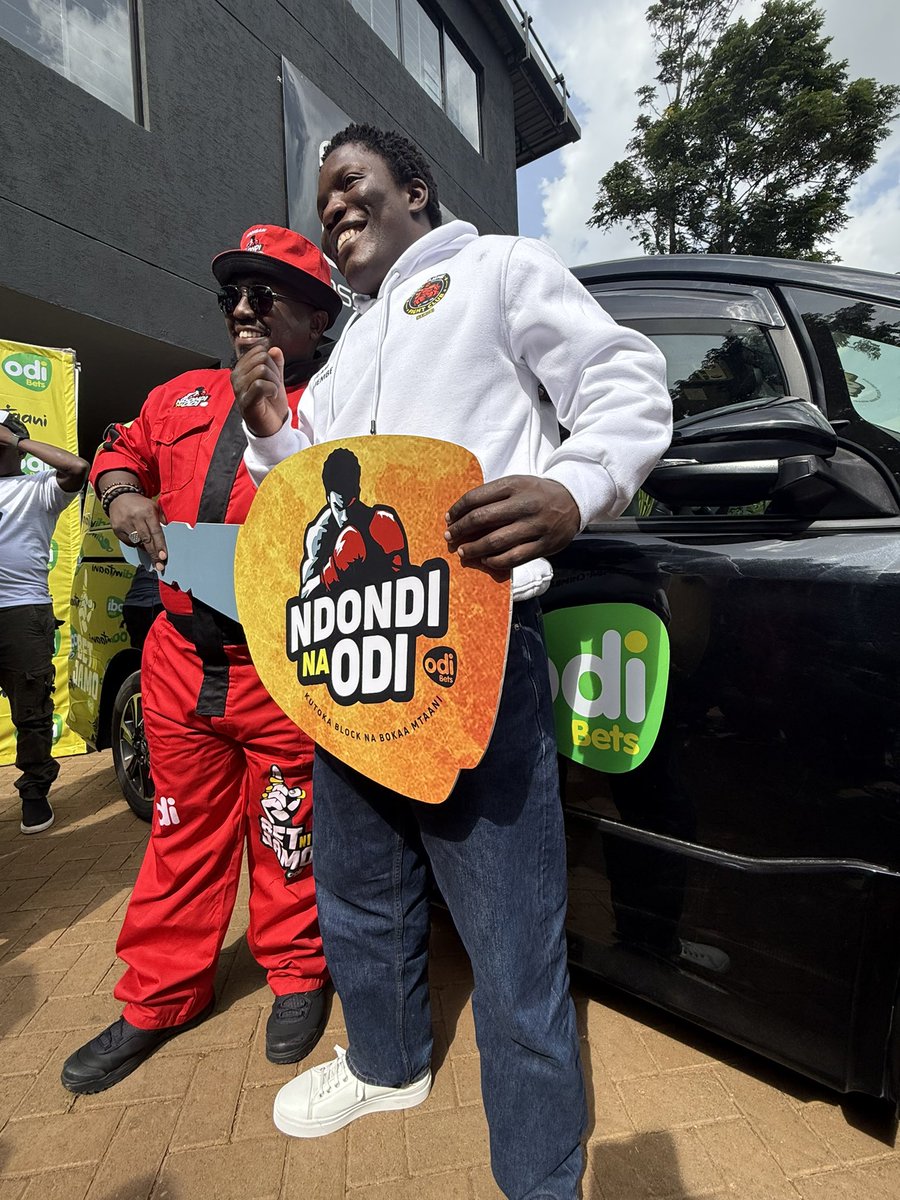

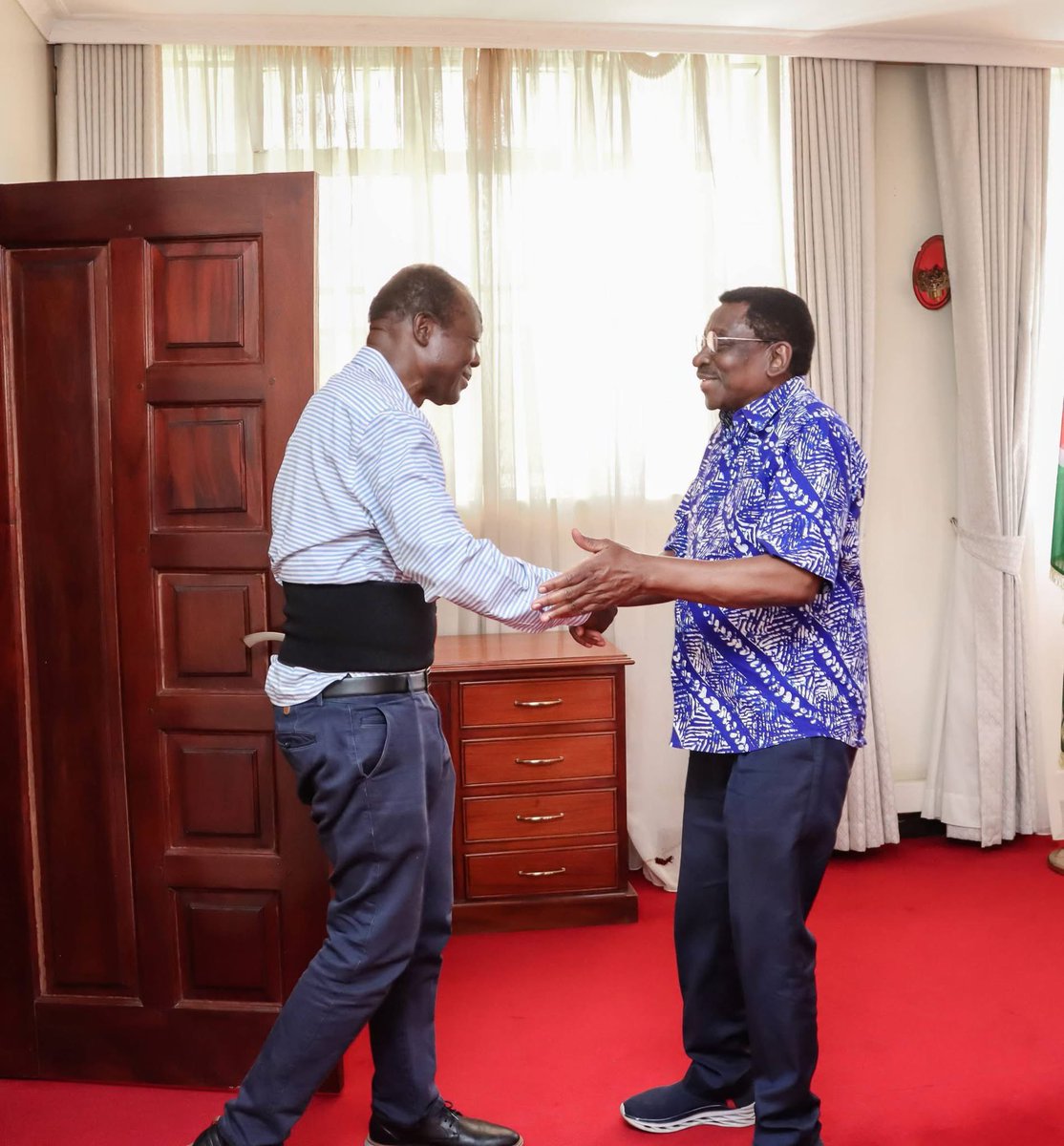



@MiwagaOkech6 Able forensic experts will instrument the scene if called.
English


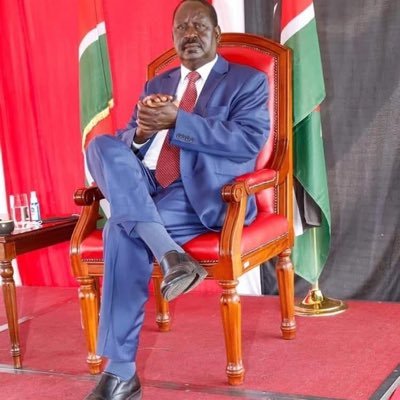
Nairobians are going to have one of the toughest decisions in 2027. One group want to replace dimples with a goon and a murderer.
One group want to replace dimples with Gakuya. Letu jicho Kama majirani
English


I will attend the Linda Mwananchi rally in NAKURU on Sunday. Sitatishwa mimi~ Godfrey Osotsi
Eesti
@Thriving_luos Some still don't believe and go ahead to complain about Oburu's idea of scaling down workers at the capital hill office.
English
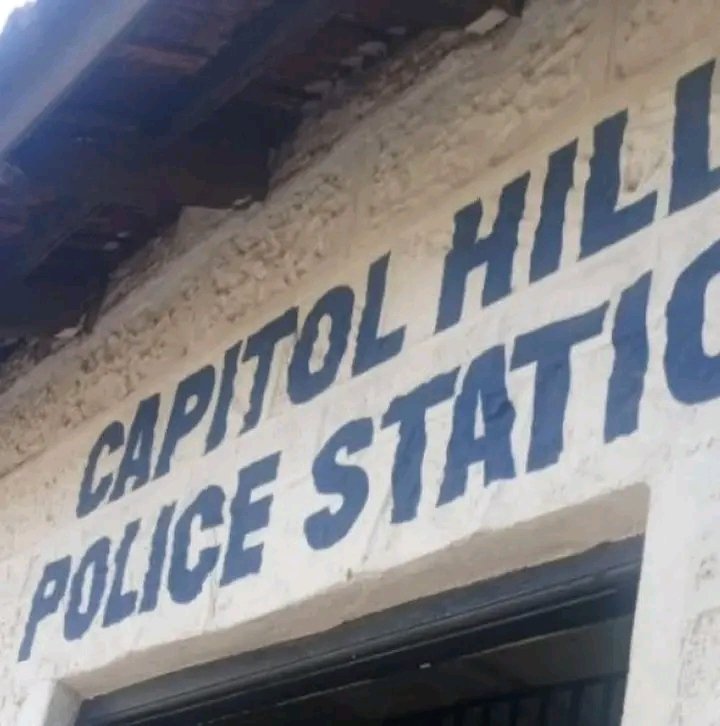
Reality is now sinking in that Baba is no more. Capitol Hill Police Station officially been removed from the official list of police stations/ degazzeted.
The OCS has ordered all officers stationed at the facility to vacate immediately as they have been redeployed.
English

Grace Ochieng - Japuonjre UON: 'Zoning' ok oriwo ji tee, ogolo oko joma pod tindo kaka rawere |#MbakaOromo
Filipino
Jo Kisumu East udwaro Mogo koso Jet Li? Gini korka mit.

Slovenščina
@Thriving_luos Who do you expect to pay good money on an undefined job..
English
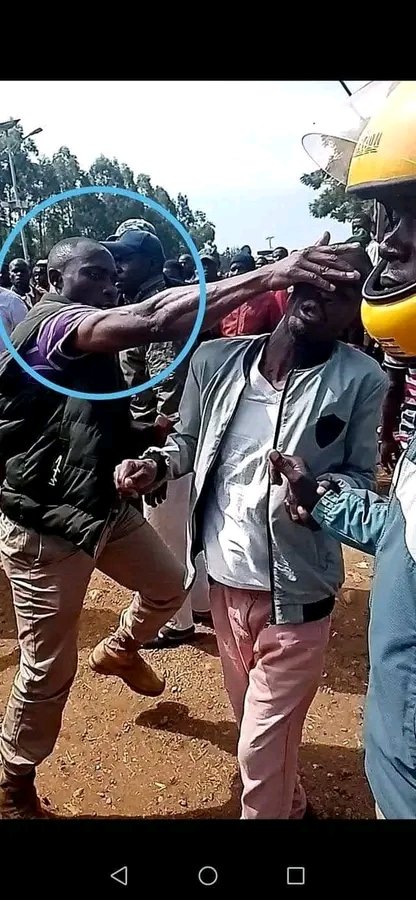
You might think that those goons are paid some handsome amounts to conduct the dirty things they do. It might surprise you that often than not they are paid around Ksh. 500 and on a good day, Ksh. 2000.
English