Armchair Warlord@ArmchairW
I had a long discussion recently about why Sweden and Finland joined NATO after the start of the Ukrainian War. Neutrality had served them very well through the Cold War in a more threatening geopolitical environment.
Then it hit me: The purpose of a system is what it does.⬇️
The conventional explanation for all of this - the one you'd get from Nordic politicians - is that the Russians are evil and threatening and they need to be in NATO for protection from them. This is obviously nonsense, neutrality served them both well when the Soviet Union was being run by Joseph Stalin. Both countries maintain longstanding policies of armed neutrality and the Russians have no outstanding claims or real geopolitical disputes against either of them that would lead to military friction now or in the future.
The more nuanced variant explanation for this move is that this maneuver was due to a significant change in the European security environment that saw the Finns and Swedes enter NATO as a hedge against adventurism by a newly unpredictable Russia. This is simply more sophisticated nonsense, Russian military moves in the last twenty years have been highly predictable (almost mechanical) and in general tied directly to preventing Russian ethnics from being butchered by ultranationalists from what were former Soviet minorities in the former USSR. They're not even really concerned about NATO expansion except inasmuch as bad actors have or intend to use it as a shield to conduct ethnic cleansing. And neither Sweden nor Finland have post-Soviet Russian minorities they want to get rid of.
Then, while deep in the weeds with my interlocutor, it struck me. The purpose of a system is what it does. And military alliances serve multiple purposes. In peacetime they provide for deterrence and support regional security. In wartime, however, they serve as a means of to exert collective coercive force against an enemy power.
Here lies the disconnect: Nordic politicians justified their move to join NATO with the normative language of a peacetime alliance - talk of deterrence, cooperative regional security, and unpredictable threats. But... that's not the NATO they joined. If that had been their true policy goal then they would have joined NATO in 2002 or 2015 when that was what NATO was actually doing.
No, they joined NATO in 2023-24, when the alliance was totally committed to a proxy war in Ukraine with the stated goal of "weakening" the Russian Federation by bringing about the battlefield defeat of the Russian military, and the unstated but clear ambition to destroy the modern Russian state or at least see regime change in Moscow following that defeat. Moreover, they applied to join in May 2022, even before Ukrainian triumphal fever peaked at the end of that year - so this wasn't even particularly opportunistic of them.
Thus an explanatory pattern of behavior emerges. Swedish and Finnish politicians were quite happy to remain outside the NATO alliance system in peacetime - they felt no actual threat from Russia that would necessitate an alliance at their back - but absolutely fell over themselves scrambling to join a wartime alliance committing its full strength to the Ukrainian cause. Simply put, Sweden and Finland joined a proxy war against Russia and immediately set to enthusiastically funneling money and war materiel into Ukraine.
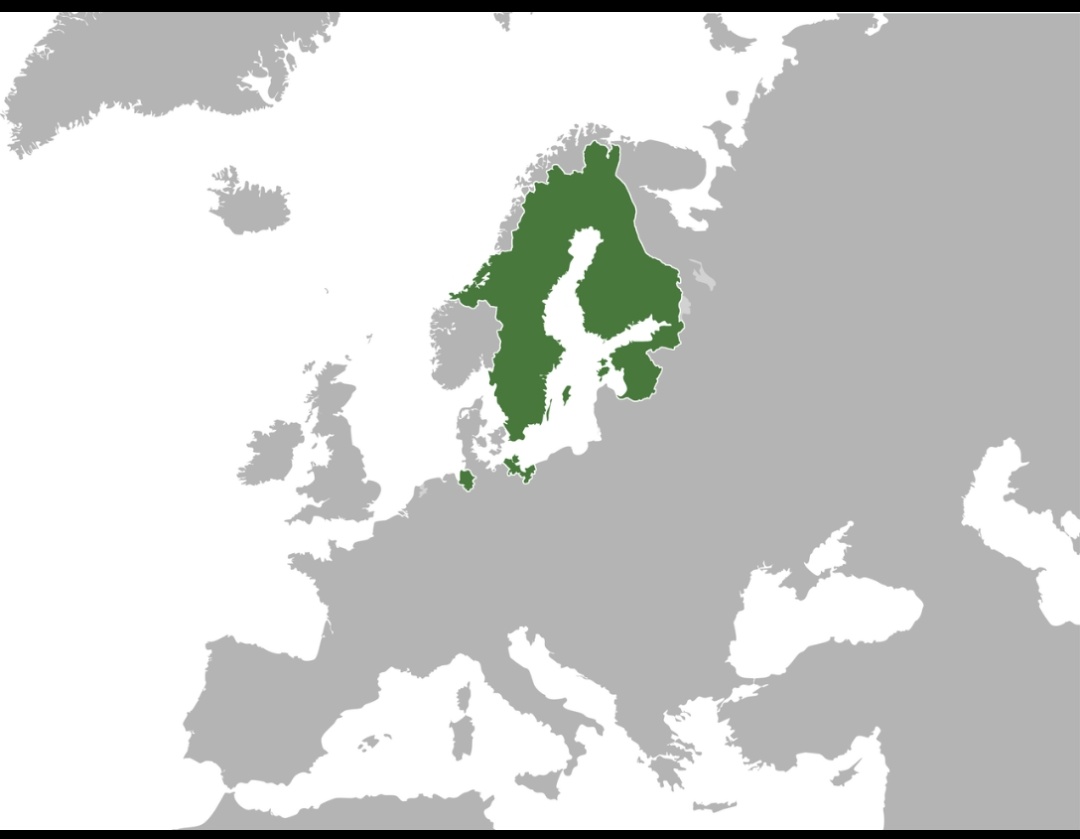
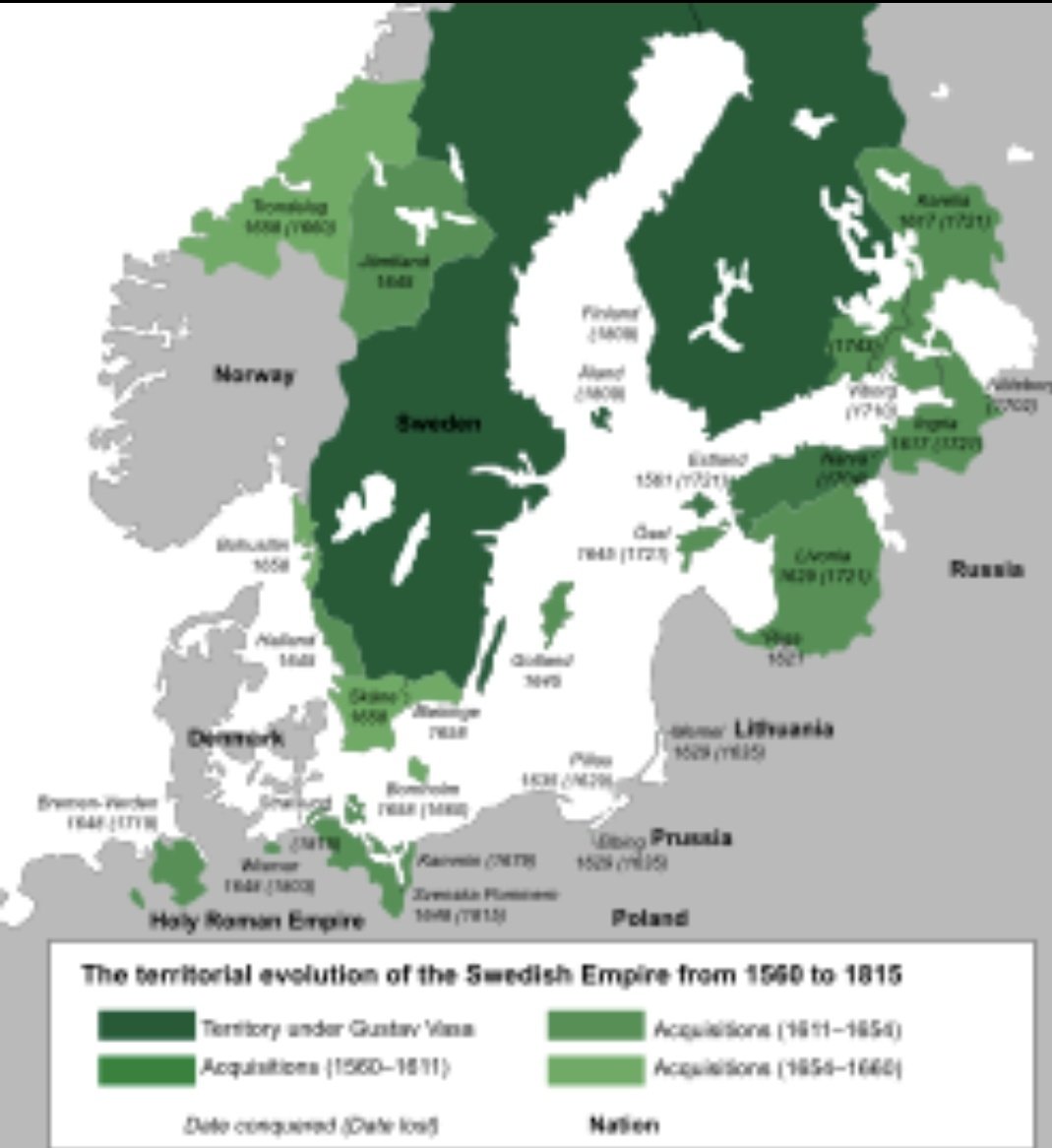
This is incredibly damning and indicates that Sweden and Finland had essentially stayed out of NATO previously because it wasn't anti-Russian enough. They had no need for peacetime collective security, but once NATO went to war they immediately jumped on the bandwagon. It's worth noting that both nations have a long history of engrained anti-Russian animus due to perceived historical humiliations at the hands of the Russian Empire and the Soviet Union. And critically for assessing their true motivations, both Sweden and Finland exist inside of the cultural sphere of the European Union in which domestic nationalism is sublimated into supranational European projects and projected outwards onto approved proxies. The Finns see Karelia - and the Swedes their once-mighty empire - in Crimea.
So with all of this in mind, why did Finland and Sweden join NATO? The answer is really very simple: they wanted to kill Russians.