@vanzdoteth @CNPYNetwork tbh, that makes total sense, shifting focus from launch to actual value creation
English
OG FIGO
140.6K posts
@OGFIGO
I create content that helps projects get noticed. DMs open for collaborations.



who do you want to have a campfire party with?

165,000,000 $WLFI. Same playbook, EXTENDED. @binance USD1 campaign is still here Hold USD1 in Spot/Funding/Margin/Futures → check your wallet every Friday 😉 ICYMI: 300+ USD1 daily Open Interest = 1.2x Multiplier Jul 10 → Aug 7. No staking. No lockups. Onwards 🦅☝️ binance.com/en/support/ann…









⚡️ We're giving away 300 Quants Whitelist spots. 🎟️ Mint Price: 🟢 Whitelist: FREE 🟣 Public: 0.75 SOL Here's how to secure yours: 1️⃣ Create your best post about Quant AI & Quants (a QRT counts!) 2️⃣ 📝 Submit it: quants.world/whitelist/ 3️⃣ 🔁 RT this announcement 🚀 Early supporters will also get early access to the Quant ecosystem before the public. ⚡️ Become a Quant.



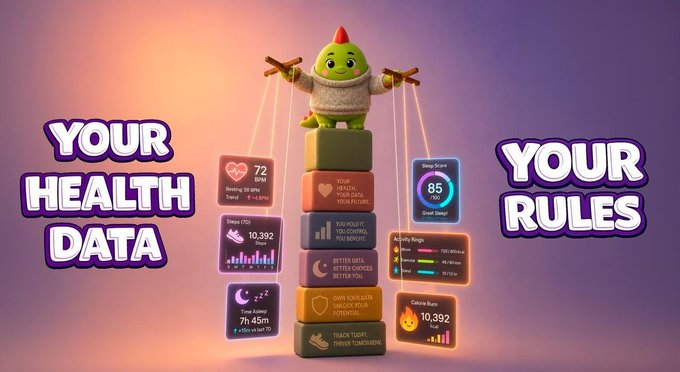


gFermah everyone 💙 These illustrations probably took me more than 30 hours in total to create 🫶🏻 Every single one was drawn from scratch using Adobe Illustrator and Photoshop with a drawing tablet There aren’t a lot of them but I wanted each piece to be something I genuinely enjoyed creating and could be proud of. The @fermah_xyz community is honestly one of the most active communities I’ve been part of and it’s full of talented creative people. I hope we get to see even more amazing artwork and creative content from the community in the future 🔥 @7wealthh @IamitMdt 🤝