The #OPEC family extends its heartfelt greetings and wishes you a Happy #Africa Day! At #OPEC we recognise #Africa for its rich history, culture, and key role in providing energy for the world.
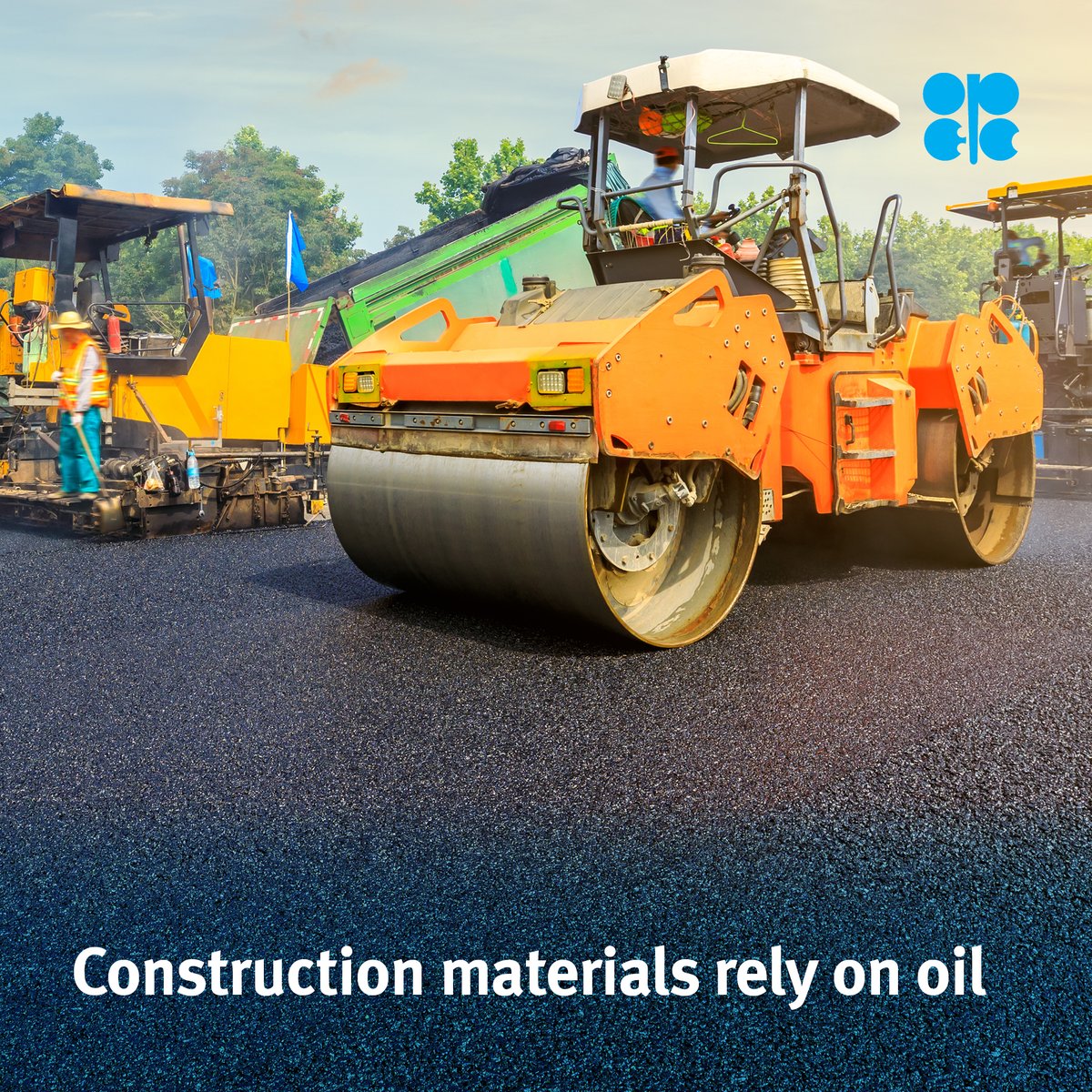
Oil-derived products support the way people connect, travel, and engage with the world every day. From transportation and aviation to communication infrastructure and global trade, petroleum-based materials continue to play an important role in keeping people, markets, and countries connected. #OPEC#Energy#Connectivity#Mobility
Every journey we take depends on infrastructure, mobility, and public services that support our daily lives. Oil revenues continue to play an important role in funding roads, hospitals, schools, and development projects around the world. #OilChangesLives
A Technical Meeting to advance and activate the Charter of Cooperation (CoC) Objectives was held today at the OPEC Secretariat, via video conference. In his remarks, HE Haitham Al Ghais, OPEC Secretary General, shared that “almost six years on from its signing, and while we can acknowledge progress made under the CoC process, it is imperative that we take further steps to maximize the Charter’s great potential”. HE Al Ghais also thanked participants from all the countries in the CoC for their valuable contributions to the meeting and said that the CoC, alongside the Declaration of Cooperation, is focused on further evolving a new era of energy cooperation, around the principles of transparency, equity and fairness. He added: “The Charter of Cooperation (CoC), signed in July 2019, is a platform for oil producing countries to advance their interests, amplify their voices in international fora and consolidate advocacy. It also provides important direction and guidance for the OPEC Secretariat, as supporting its activities is a core component of our regular programme of work.”
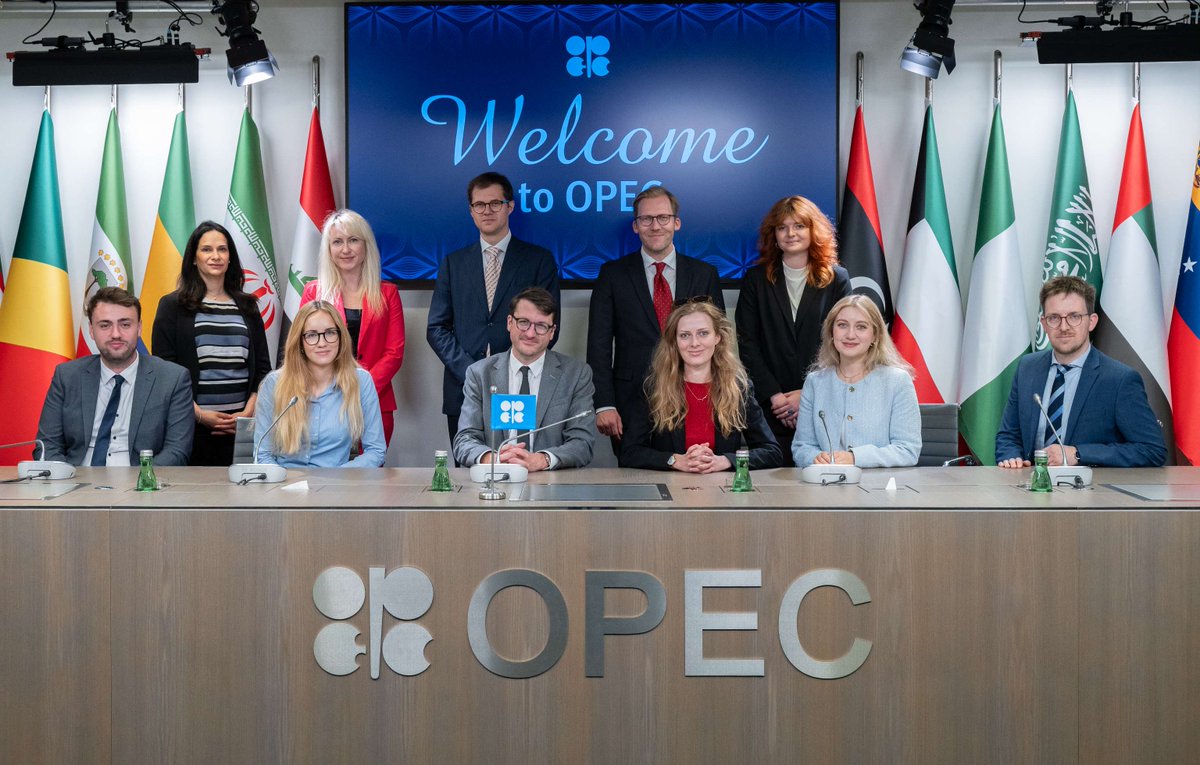
Today, the #OPEC Secretariat welcomed members of the Munich Security Conference (MSC), a pre-arranged group visit where a briefing highlighting the Secretariat's history, mission, and ongoing contribution to developments in the global energy industry was introduced.
These organised group visits are designed for academic institutions, professional groups, and other interested organisations.
>> Visit our website for group visit inquiries: opec.org/group-visits.h…#OPECGroupVisits
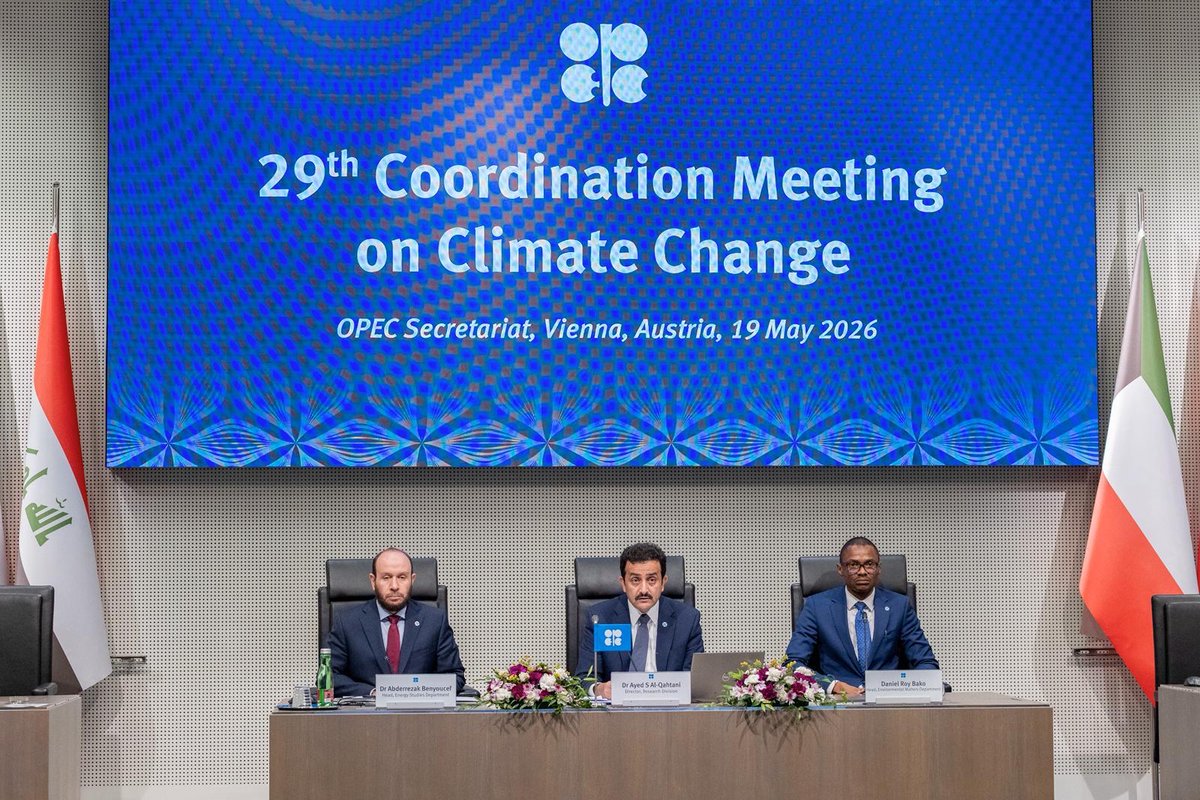
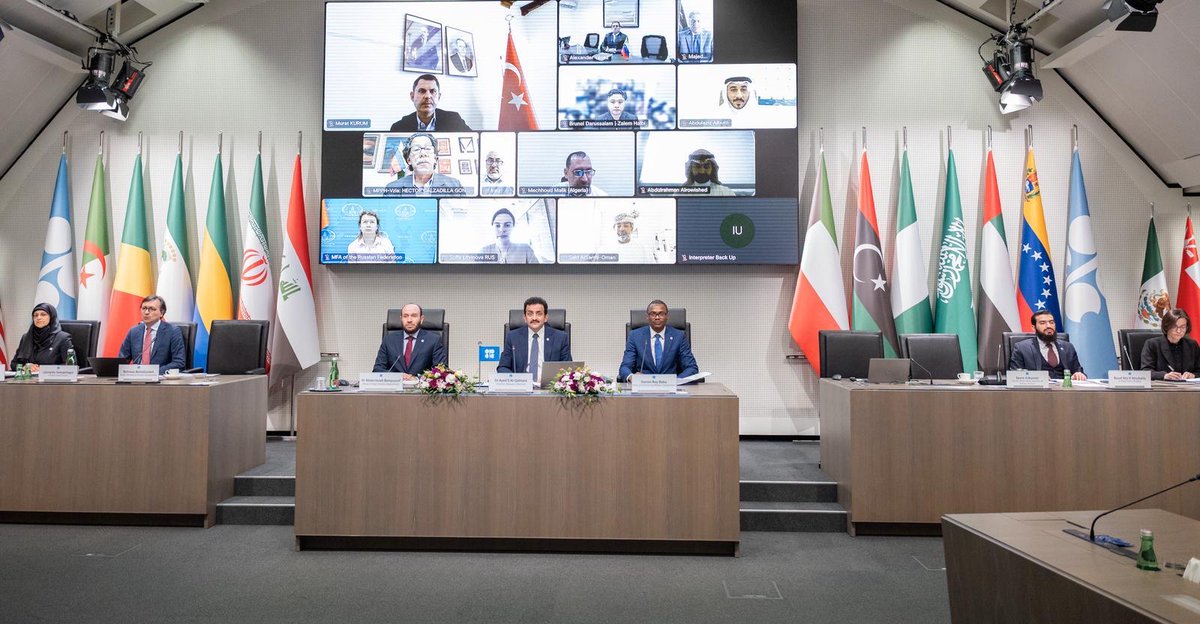
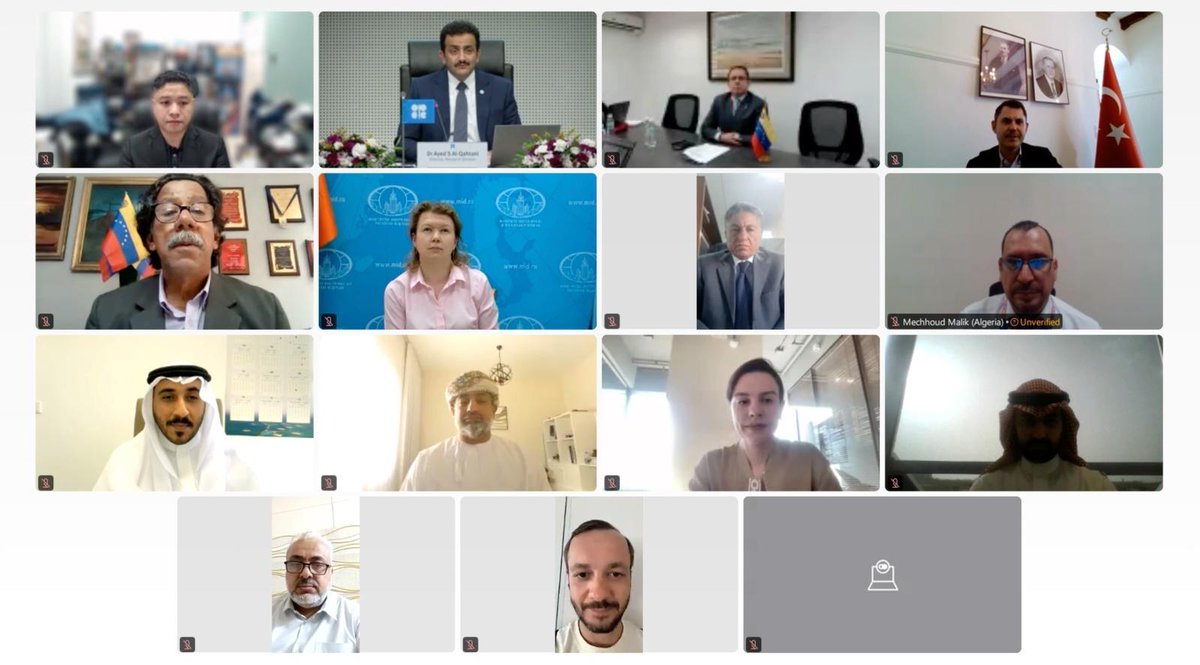
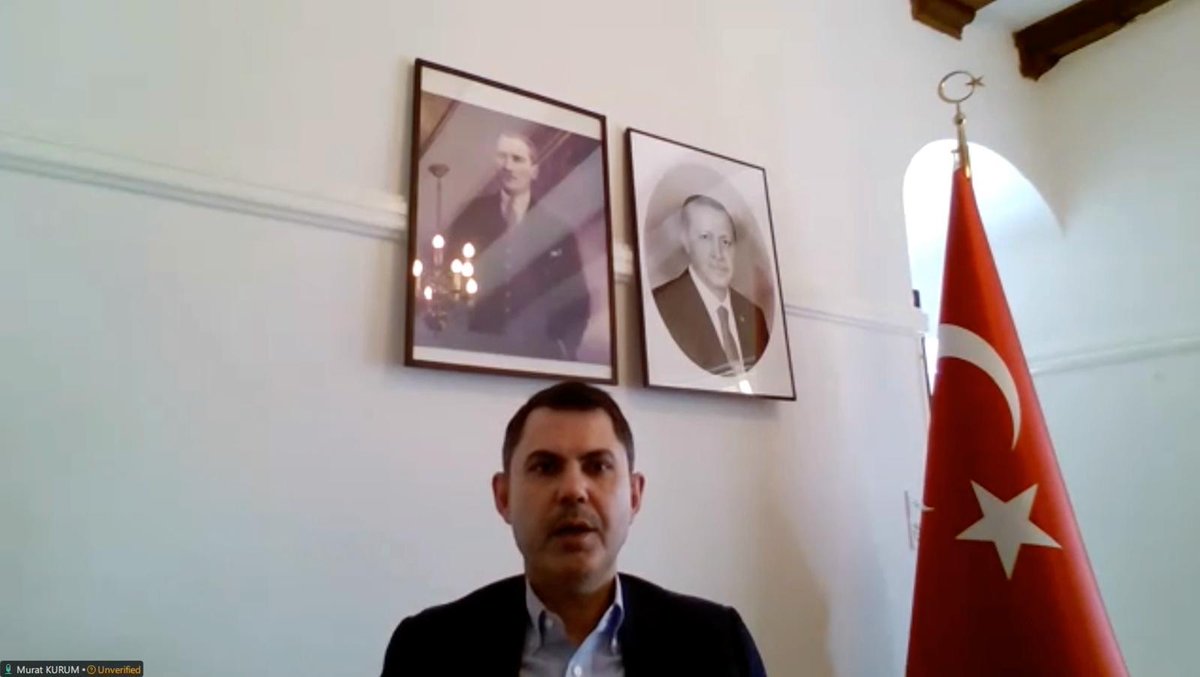
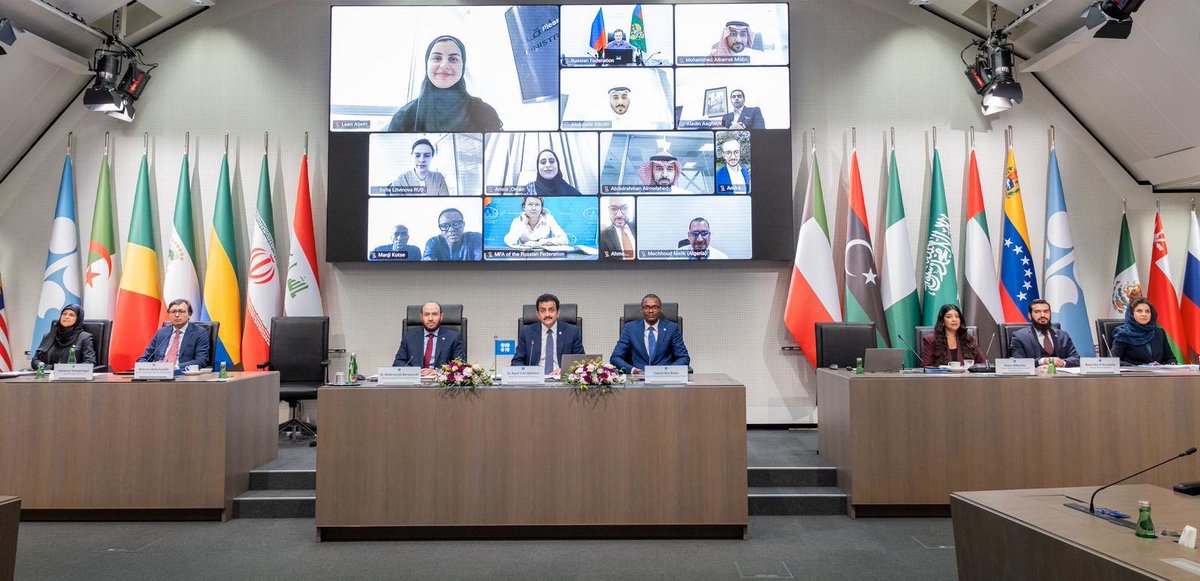
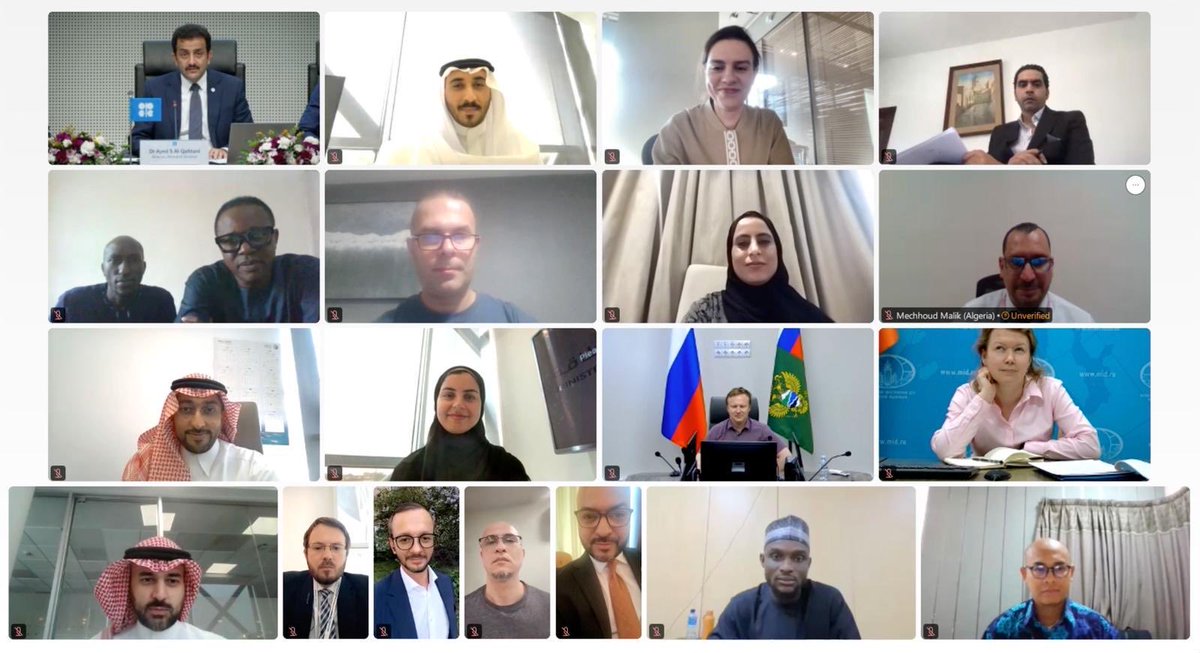
The 29th Coordination Meeting on Climate Change convened,today via videoconference, with participation of representatives from OPEC and non-OPEC countries participating in the Charter of Cooperation (CoC).
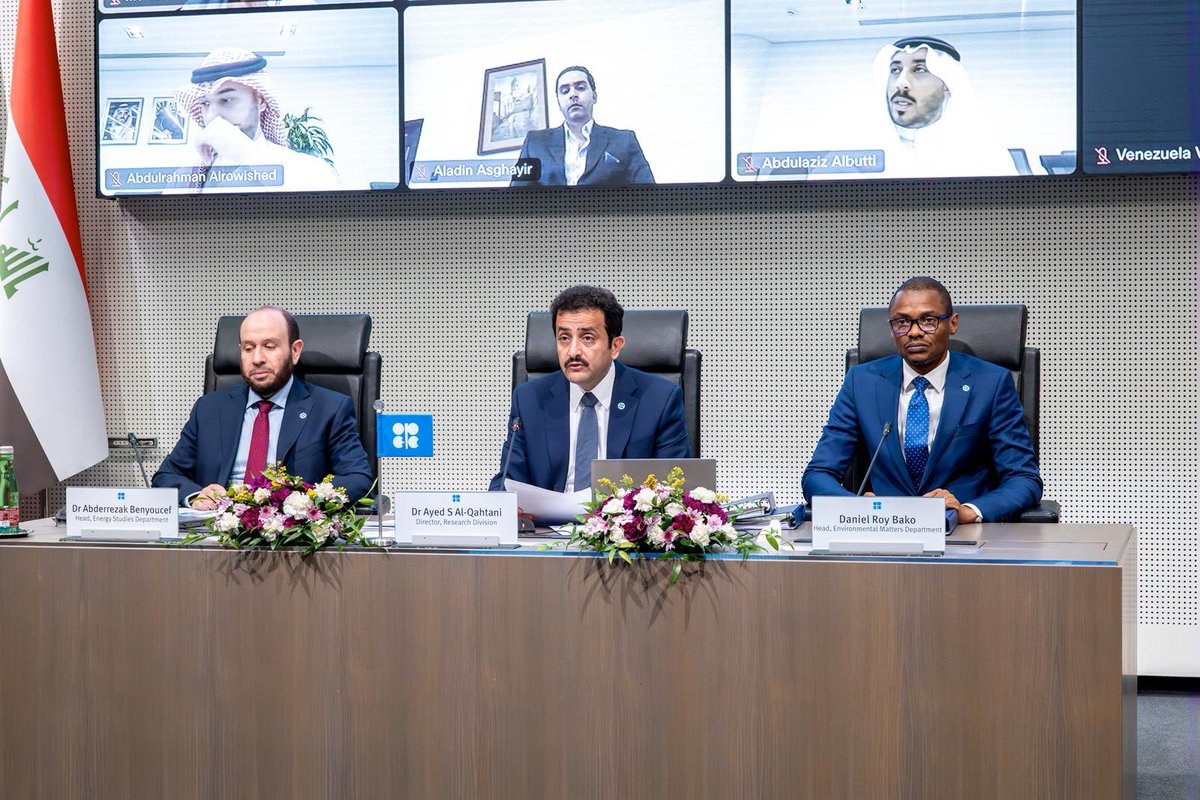
On behalf of HE Haitham Al Ghais, Secretary General of OPEC, Dr. Ayed Al-Qahtani, Director of Research Division at OPEC, delivered opening remarks highlighting the importance of preserving the integrity of the UNFCCC process, grounded in consensus, equity, and the principle of CBDR-RC, ahead of the upcoming intersessional climate change negotiations under the UNFCCC subsidiary bodies (SB64).
Dr. Al-Qahtani also highlighted that negotiations are more complex and demanding than ever before and exhibit strong interlinkages, with far-reaching implications on international cooperations.
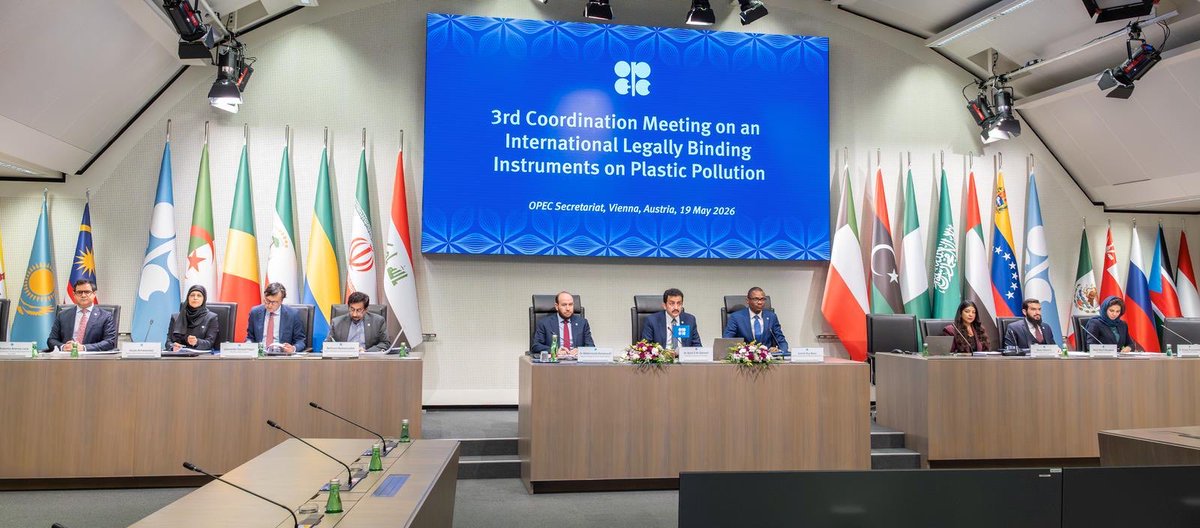
The 3rd OPEC coordination meeting on an international legally binding instrument on plastic pollution (ILBI) was held, today via videoconference, with participation of representatives from OPEC and non-OPEC countries participating in the Charter of Cooperation (CoC).
On behalf of HE Haitham Al Ghais, Secretary General of OPEC, Dr. Ayed Al-Qahtani, Director of Research Division at OPEC, delivered opening remarks highlighting that Plastics are indispensable to modern societies and make an important contribution to affordability, sustainable development, food security, water sanitation, healthcare, infrastructure and poverty eradication.
Dr. Al-Qahtani stressed that “any future instrument should be realistic, balanced, fair and implementable, respecting national sovereignty. Measures proposed should remain voluntary and their selection should be nationally determined, with implementation supported through a facilitative and non-punitive implementation and compliance mechanism.”
Today, the #OPEC Secretariat launched the Annual Multi-Disciplinary Training Course (#MDTC 2026), taking place from 18-20 May 2026, via videoconference.
Dr. Ayed Al-Qahtani, Director, Research Division of OPEC and Chairman of the OPEC Academy, welcomed participants of MDTC 2026 and highlighted the importance of fostering international collaboration and strengthening expertise in the evolving global energy landscape.
Over the next three days, nationals from OPEC Member Countries will gain valuable insights into OPEC’s mission and objectives and explore the latest developments shaping the global energy industry.
Now in its 26th year, the MDTC continues to serve as a dynamic platform for learning, dialogue, and professional growth for current and future energy leaders.
Petroleum-derived products help improve durability, energy efficiency and everyday comfort in homes, buildings and infrastructure around the world.
#OilChangedEverything
Oil products play an important role in wildlife conservation and protecting ecosystems worldwide.
From anti-poaching patrols and veterinary care to wildlife tracking technologies, petroleum products help protect endangered species and support biodiversity conservation.
#OPEC#OilProducts#WildlifeConservation
In April, crude oil production by countries participating in the DoC decreased by 1.74 mb/d, m-o-m, to average about 33.19 mb/d, according to available secondary sources.
In 2027, non-DoC liquids production is forecast to grow by about 0.6 mb/d, also unchanged from last month’s assessment, driven mainly by Qatar, Brazil, Canada, and Argentina.
Non-DoC liquids production (i.e., liquids production from countries not participating in the Declaration of Cooperation) is forecast to grow by about 0.6 mb/d, y-o-y, in 2026, unchanged from last month’s assessment. The main drivers of liquids production growth are expected to be Brazil, the US, Canada, and Argentina.
In 2027, global oil demand is forecast to grow by about 1.5 mb/d, y-o-y, showing an upward revision of about 0.2 mb/d from last month’s assessment. The OECD is forecast to grow by 0.2 mb/d, while the non-OECD is forecast to grow by about 1.3 mb/d.
Global oil demand is forecast to grow by a healthy 1.2 mb/d in 2026, y-o-y. The OECD is forecast to grow by about 0.1 mb/d, while the non-OECD is forecast to grow by about 1.1 mb/d.