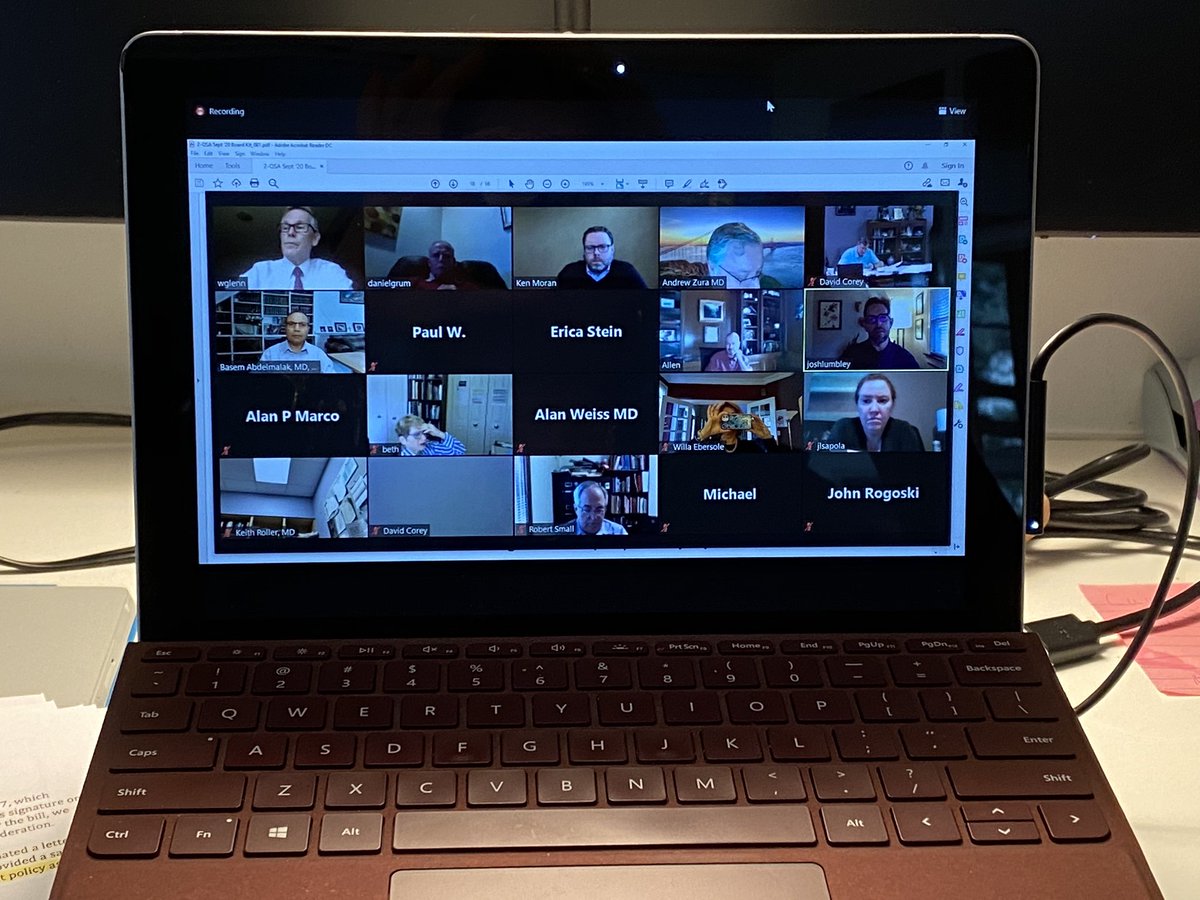
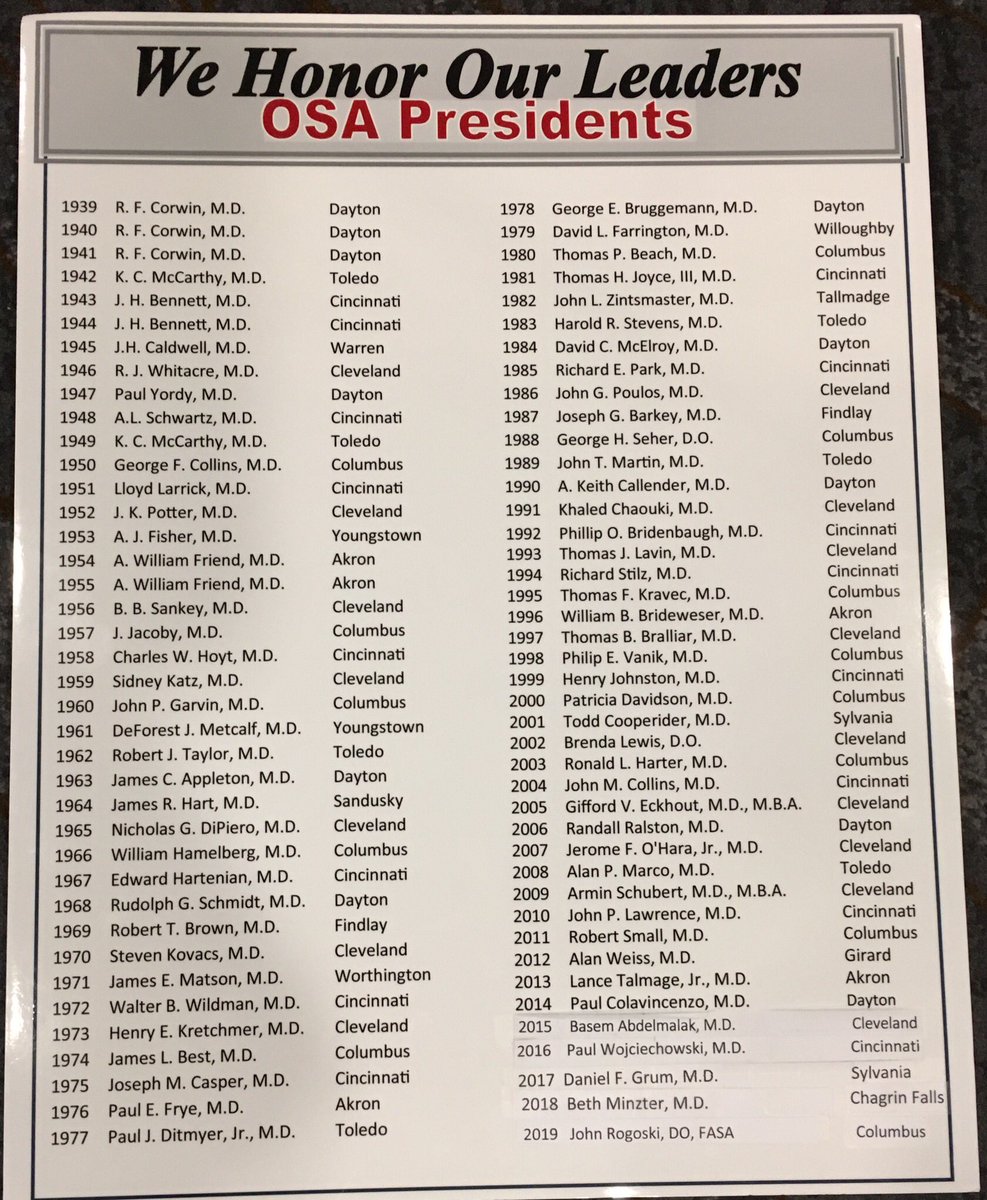
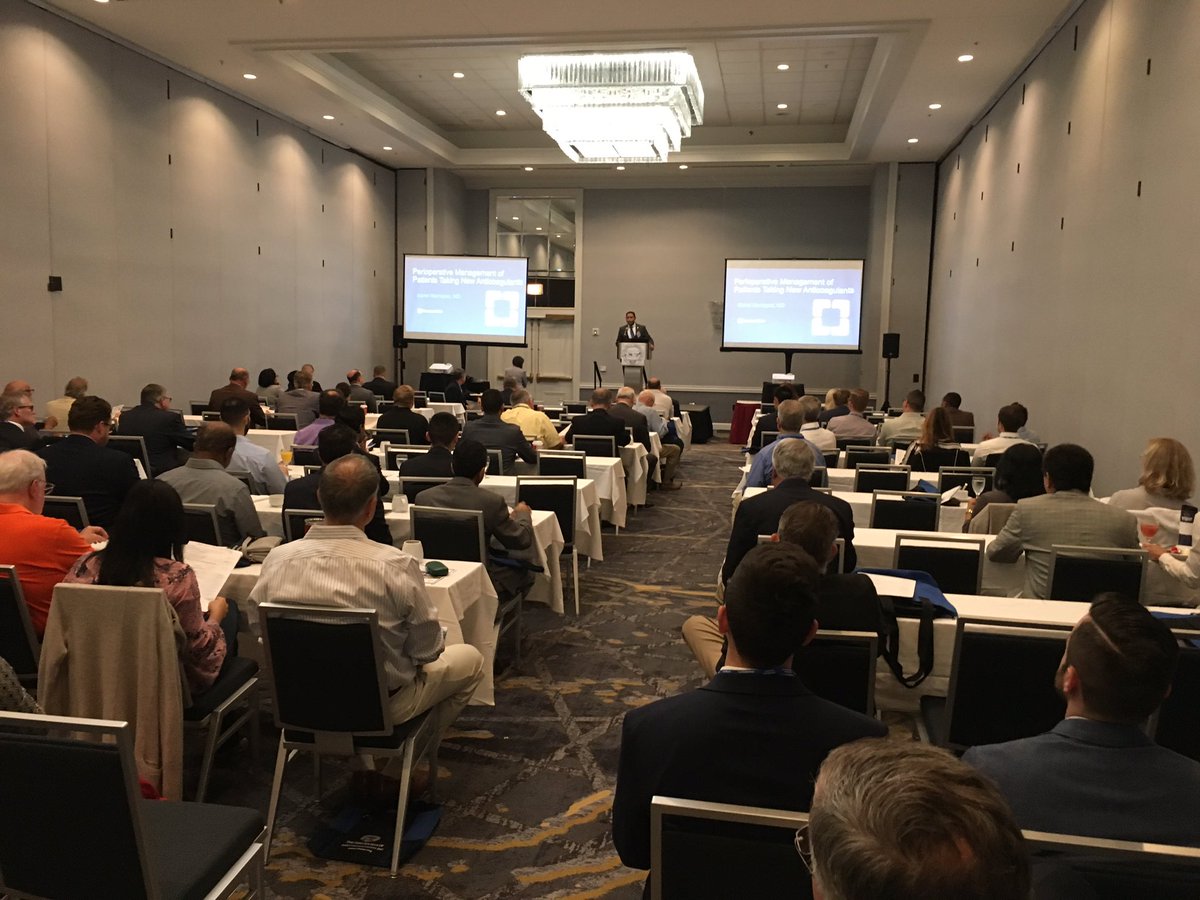
Our board meeting is in full swing, though virtual this year. Good discussion happening promoting membership value and policies for optimal patient care #chooseaphysician#whensecondscount
Physician anesthesiologists are uniquely trained for the critical moments in health care and they make anesthesia safer for everyone, from infants to older adults. No other type of practitioner can match their ability to navigate vital moments of care.
madeforthismoment.asahq.org
Made for This Moment: an initiative showcasing physician anesthesiologists' extensive education and training that gives them the unique ability to navigate critical moments in health care.
youtu.be/QBJZCIzKq70
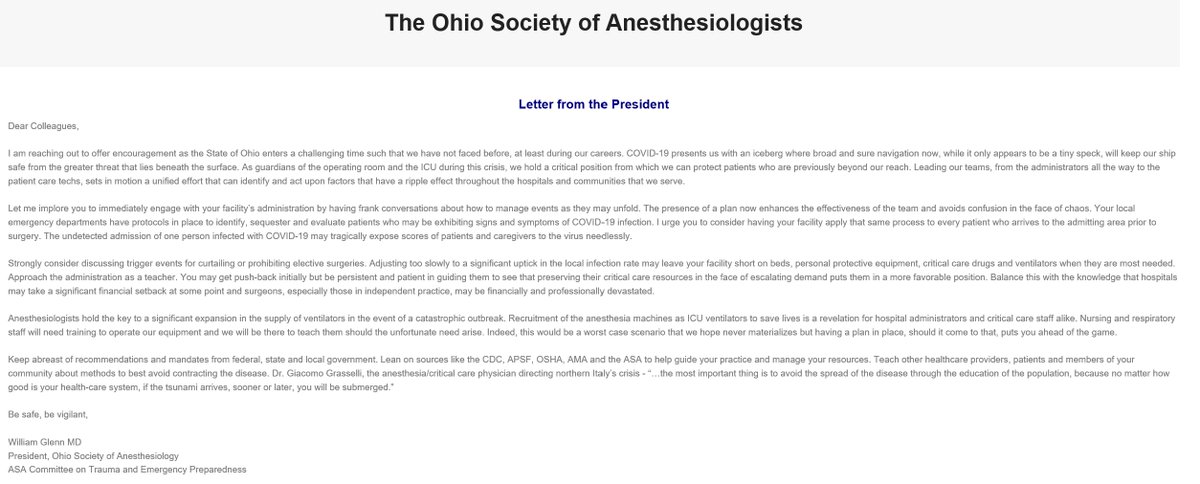
An Ohio anesthesiologist from Dayton is leading the ventilator access effort: Dr. William Glenn MD is leading by example and helping to save lives. @OSAphysicians#savinglives
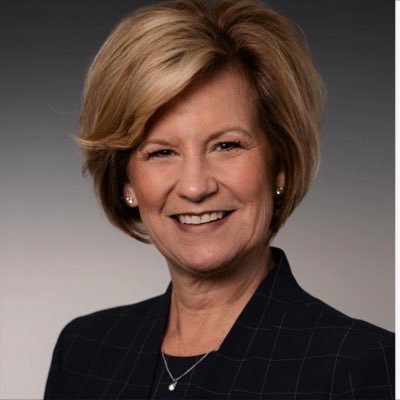
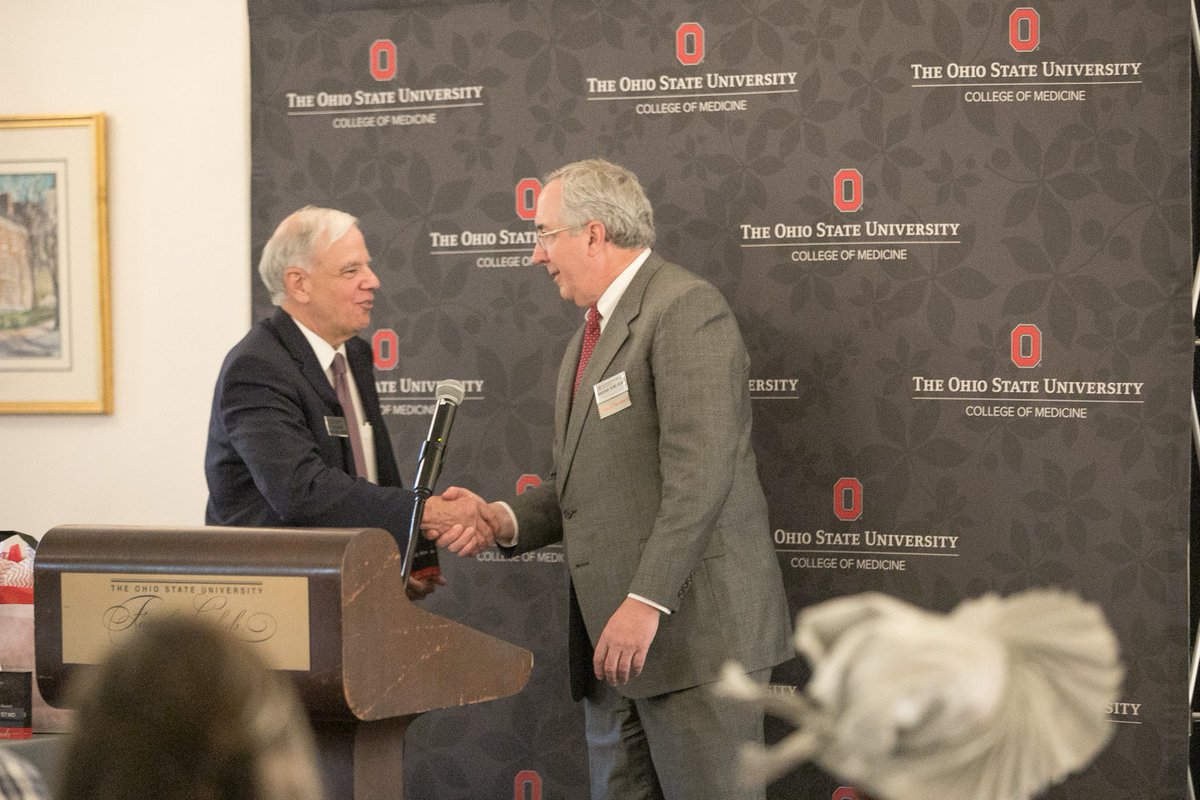
Congrats to Robert Small, MD, whose participation in improving healthcare thru research, advocacy, public policy and participation in professional organizations embody the mission, vision & values of @ohiostatemed and earned him well-deserved @OSU_medalum Service Award @OSUWexMed
Physician anesthesiologists evaluate, monitor and supervise patient care before, during and after surgery, delivering anesthesia, leading the Anesthesia Care Team and ensuring optimal patient safety.
Physician anesthesiologists choose from several types of #anesthesia treatments when preparing for a procedure. This month we’re exploring each one. First up — general anesthesia: ht.ly/EC4t30oiLlj
It is important to share with your doctor! Always be sure to let your anesthesiologist know if you have ever had an adverse reaction to anesthesia. #patientsafetymonth
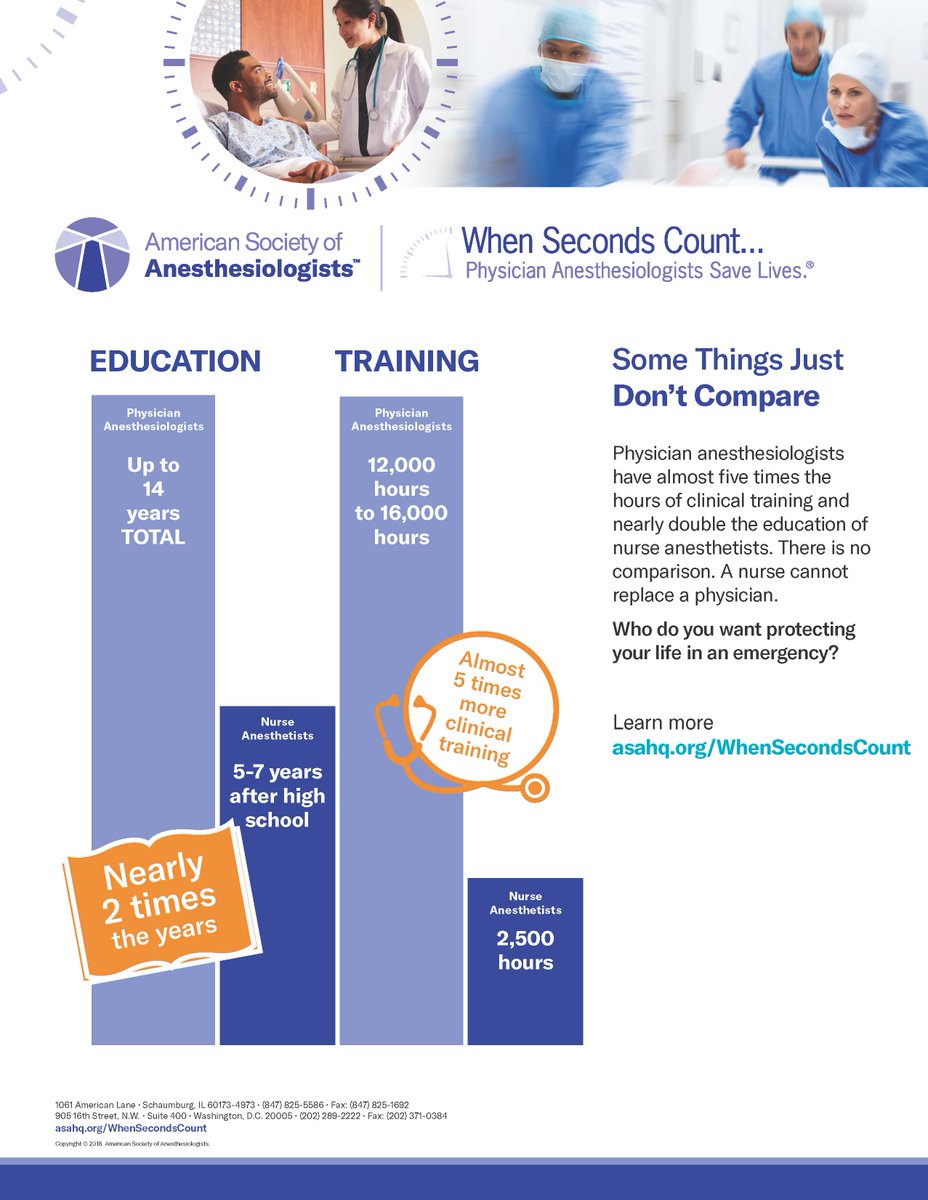
Who would you want protecting your life in emergency? Physician anesthesiologists have almost five times the hours of clinical training and nearly double the education when compared to nurse anesthetists. #WhenSecondsCount
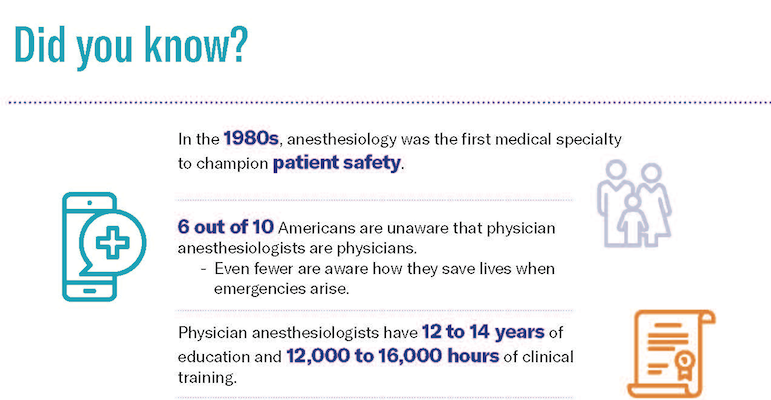
With 12 to 14 years of postsecondary education, including medical school, and 12,000 to 16,000 hours of clinical training, physician anesthesiologists are equipped to ensure your safety before, during and after surgery. Learn more: ht.ly/mNtw30o0p6D#PSAW19
The level of sedation a patient experiences depends on several factors, including the type of procedure you’re having and how your body responds to anesthesia. asahq.org/whensecondscou…