
Sabitlenmiş Tweet
Omri
10.1K posts


Omri
@OVisionIL
🏳️🌈 || 🇮🇱 || Unapologetic Jew || 🐱 ||
Katılım Haziran 2025
239 Takip Edilen1.1K Takipçiler
נתניהו לא עשה טובה כשהוא החזיר את מי שנחטף במשמרת שלו
הוא עשה את המינימום הדרוש. שמחתי לעזור. ובלי לחץ של טראמפ הוא גם היה נותן לה למות אם זה היה אומר עוד כמה חודשים של קואליציה
Haim Elkeslasy@keslasy
כפיות טובה של מי שקיבל את ביתו בחיים ללא פגע.
עברית
You went to mourn a leader that ordered to shoot civilians who protested against him
the reports estimate at least 40K civillians executed with more being hanged by the minute due to unfair trials
So dont use the "children" of Gaza excuse cause your Antisemitic ass doesnt gaf
Tehran Tadhg@TadhgHickey
Update on my deportation from the UK
English
So cute you finally released your condolences words for Sinwar's, Nasrallah's and Khamenei's deaths ❣️
May grief be upon you forever
matt bernstein@mattxiv
deeply saddened by the passing of my colleague, Literal Hitler. while we disagreed on many things, he always knew how to make us laugh.
English
Immigrating to Israel makes you a Zio by definition 😭
weimar jax@minimagnus2
This alone makes him one of the most moral Russian Israelis BTW, most of them are crazy hardliner Zios
English
Omri retweetledi


Omri retweetledi


Omri retweetledi
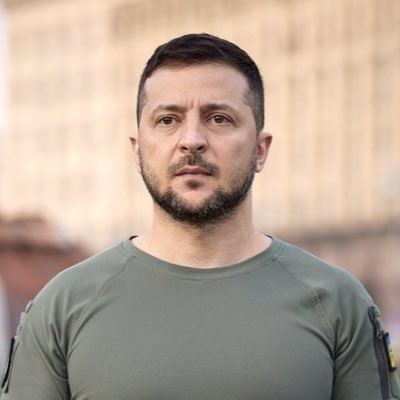
Deeply saddened by the news of the passing of United States Senator Lindsey Graham. Lindsey was a true defender of freedom and the values that make our world safer.
He visited Ukraine ten times during the years of Russia's full-scale invasion and was here with our people when it was most needed. We remained in constant dialogue, and I will miss our conversations. We met twice in just the past week.
A staunch advocate for bipartisan and bicameral support for Ukraine, in recent weeks, he had been working on important initiatives that could help bring peace closer, including stronger sanctions against Russia. We will always be especially grateful for the recognition of our people and words of admiration for the courage of Ukraine’s defenders.
America and the world have lost a determined leader.
Our condolences go out to Lindsey’s family, loved ones, and everyone who had the privilege of working alongside him.

English
Good thing Mamdani froze them
Now you gonna pay high for a time
Mark D. Levine@MarkLevineNYC
Rents in NYC have just hit an all-time high. Median market rate in June… Manhattan: $5,295/mo (+8.2% year-over-year) Brooklyn: $4,350 (+8.1%) NYC’s housing affordability crisis is at DefCon 1. We need to push harder on every front to address our housing shortage. Update zoning, invest more City $ in affordable units, lower the time & cost City bureaucracy imposes on construction, get 1000s of vacant regulated units back on the market. We need bold action. This is a crisis.
English
Israel outlived this piece of shit too
And?

The Serfs (youtube.com/theserftimes)@theserfstv
Palestine has outlived Lindsey Graham
English
Sinwar literally wrote a manifesto about how Palestinians must die for October 7th to work
Warfare Analysis@warfareanalysis
Sinwar died on the battlefield resisting an occupation, hungry, and hadn’t eaten in 3 days. He has zero statements calling for the killing of children. Lindsey Graham died in a hospital, a millionaire. He has many statements calling for the elimination of occupied children.
English
Omri retweetledi

Finally, after nearly three years, the UN admits what Israel was warning:
Hamas is hijacking aid.

English
Comparing Lindsey Graham to Hitler is a reach beyond insanity
Aidan Simardone@AidanSimardone
If it was 1945 liberals would be saying “my condolences to the Hitler family”
English
If that so
Why did he migrate from Russia to Israel?
Rima🇵🇸 #FreePalestine 🍉@RimabestRima12
Retweet.
English
בזמן שאתה בכית בבור בקריה שירדו לכם מנדטים
הוא הציל אנשים מהנובה
חתיכת טינופת אמן תקבל 0 מנדטים וסנקציות
בצלאל סמוטריץ'@bezalelsm
זאב קם מדווח השבוע ב׳מקור ראשון׳: ״יאיר גולן הוא המועמד הטבעי לתפקיד שר הביטחון בממשלת איזנקוט״. כן, שמעתם נכון. מי שמזהה ״תהליכים״, אומר שהחיילים שלנו ״הורגים תינוקות כתחביב״ ומתכוון להקים מדינה פלסטינית - יהיה שר הביטחון בממשלת איזנקוט.
עברית

הם יעשו סיבוב על תאריך הבחירות, אבל המציאות היא שהקמפיין הזה הוא גול עצמי מטורף לפסיכופתים של קפלן. הוא גם מזכיר לנו את הסרבנות וקשירת הקשר שהובילו לטבח קפלן וגם מזכיר לנו שזו הממשלה הראשונה באיזה אלף שנה שממלאת את ימיה. המחאה הארורה שלכם נכשלה כישלון מפואר. לוזרים.

עברית