Festival Internac de Cine Africano de Argentina

7K posts
Festival Internac de Cine Africano de Argentina banner
Festival Internac de Cine Africano de Argentina

Festival Internac de Cine Africano de Argentina

@ObservatorioSur

Obsevatorio Sur organiza el Festival Internacional de Cine Africano de Argentina (FICAA)

Argentina Katılım Temmuz 2010
4.9K Takip Edilen2.9K Takipçiler
Festival Internac de Cine Africano de Argentina retweetledi
Africa First
Africa First@AfricaFirsts·
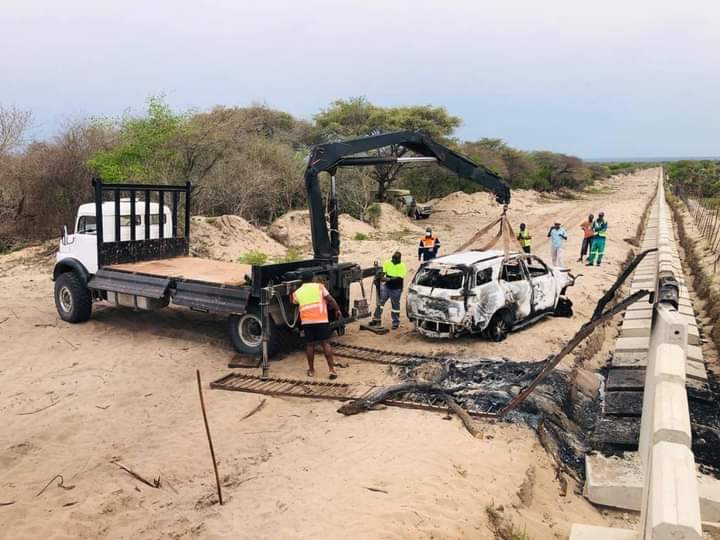
South Africa 🇿🇦 is building a massive border wall against Mozambique 🇲🇿 to stop car smuggling and illegal immigration. Africa building walls against Africa.
Africa First tweet mediaAfrica First tweet media
English
649
338
2.2K
151.3K
Festival Internac de Cine Africano de Argentina retweetledi
Dr. M.F. Khan
Dr. M.F. Khan@Dr_TheHistories·
Before WWI, Africa was almost entirely controlled by European powers following the Scramble for Africa (roughly 1881 to 1914). By 1914, only two regions were not under formal European colonial rule: Ethiopia (which successfully resisted Italy at the Battle of Adwa in 1896) and Liberia (founded earlier by the United States for freed African Americans). The continent was divided mainly among seven European powers. Britain controlled large continuous territories including Egypt (influence after 1882), Sudan, Uganda, Kenya, South Africa, Rhodesia (now Zimbabwe and Zambia), and Nigeria, among others, forming a mostly north south network of holdings. France held the largest single colonial bloc in Africa, stretching across much of West Africa (Senegal to Chad region), parts of Central Africa (Gabon, Congo region), and North Africa (Algeria, Tunisia, and Morocco as a protectorate by 1912). Germany had colonies including German East Africa (modern Tanzania, Rwanda, Burundi), German Southwest Africa (Namibia), Cameroon, and Togo, but these were lost after World War I. Belgium controlled the vast and brutally exploited Congo Free State under King Leopold II until 1908, after which it became the Belgian Congo. Portugal retained older coastal colonies such as Angola and Mozambique. Italy held Libya (taken from the Ottoman Empire in 1911), Eritrea, and Italian Somaliland. Spain held smaller territories including Spanish Sahara (Western Sahara), Spanish Morocco (northern coastal zone), and Equatorial Guinea. The division was driven by economic extraction, strategic positioning (especially around the Suez Canal and key ports), and competition among European empires. Borders were often drawn with little regard for existing ethnic or political boundaries, which contributed to long term instability in many regions after independence. #drthehistories
Dr. M.F. Khan tweet media
English
0
26
73
7.7K
Festival Internac de Cine Africano de Argentina retweetledi
Africa First
Africa First@AfricaFirsts·
Over 130 Nigerians seek evacuation back to Nigeria 🇳🇬 amid rising xenophobic tensions in South Africa 🇿🇦.
Africa First tweet media
English
239
73
496
77.9K
Festival Internac de Cine Africano de Argentina retweetledi
Periodistán
Periodistán@periodistan_·
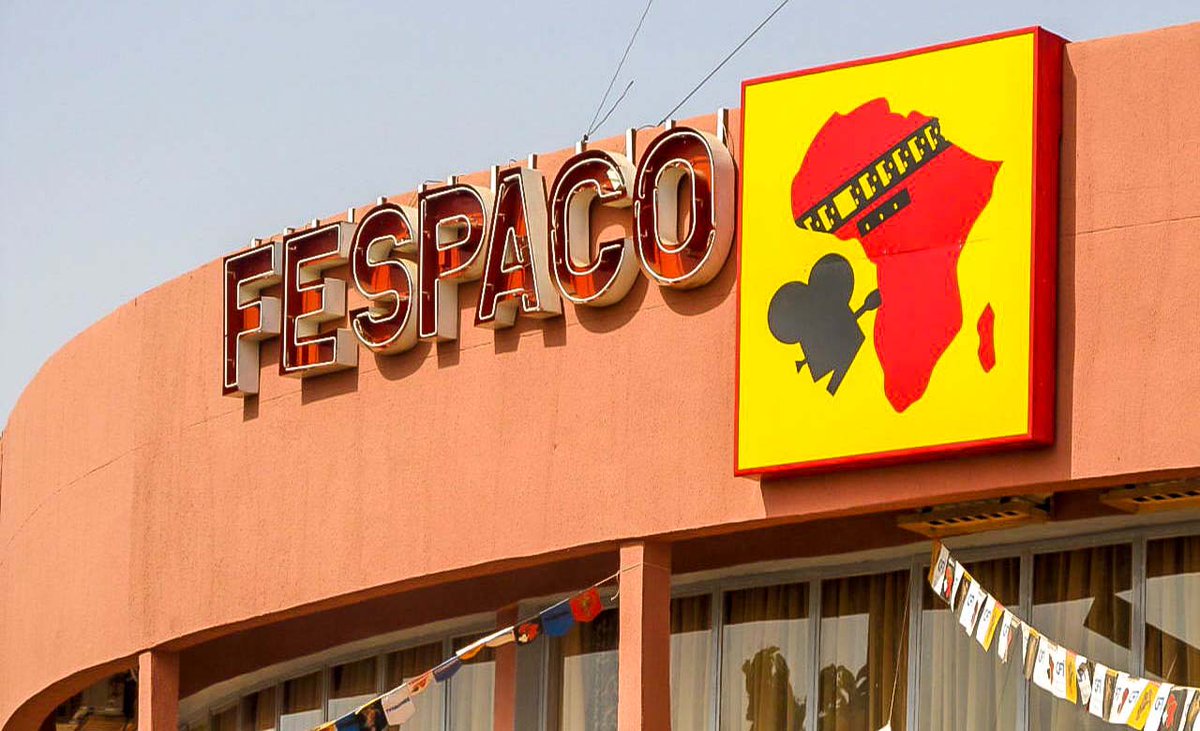
8) Nota al pie: el FESPACO es el festival de cine más importante de África. Se celebra cada 2 años en Ouagadougou y premia a directore/as africanos y de la diáspora, con películas que ponen el foco en el continente. Es un evento espectacular y esperado por la nación; una fiesta.
Periodistán tweet media
Español
1
2
62
3.4K
Festival Internac de Cine Africano de Argentina retweetledi
African Film Press
African Film Press@africafilmpress·
Starting Monday, 11 May 2026, TV5MONDE+ is making 15 restored African films available free worldwide in a new Cinémathèque Afrique space. The collection comes from TV5MONDE and the French Institute, which manages Cinémathèque Afrique, a catalogue created in 1961 and now including more than 1,700 titles. The first restored works include: - "Afrique sur Seine" (1955) — Paulin Soumanou Vieyra and Mamadou Sarr - "Lamb" (1963) — Paulin Soumanou Vieyra - "Le Retour d'un aventurier" (1966) — Moustapha Alassane - "Concerto pour un exil" (1967) — Désiré Écaré - "Mouna ou le rêve d'un artiste" (1969) — Henri Duparc - "À nous deux, France!" (1970) — Désiré Écaré - "Nationalité : immigré" (1975) — Sidney Sokhona - "Les Princes noirs de Saint-Germain-des-Prés" (1975) — Ben Diogaye Beye - "Samba le Grand" (1977) — Moustapha Alassane - "La Chapelle" (1979) — Jean-Michel Tchissoukou - "La vie est belle" (1987) — Mweze Ngangura and Benoît Lamy - "Bal poussière" (1988) — Henri Duparc - "Tabataba" (1988) — Raymond Rajaonarivelo - "Le Trésor des poubelles" (1989) — Samba Félix Ndiaye - "Wendemi, l'enfant du bon Dieu" (1992) — Pierre Yaméogo The launch coincides with the Africa Forward Summit in Nairobi, Kenya, on 11–12 May 2026, followed by a Cannes Film Festival presentation on 17 May 2026 at the French Institute space on the Critics’ Week Beach. For viewers worldwide, visit @tv5mondeplus on their website and look for the "Cinematheque Afrique" collection. #AfricanCinema #TV5MONDEPlus #CinémathèqueAfrique #Cannes2026
Français
2
232
635
23.2K
Festival Internac de Cine Africano de Argentina retweetledi
Juana Peña
Juana Peña@Chris_Montz·
Bob Marley murió un día como hoy, lunes 11 de mayo de 1981, hace 45 años, en el Cedars of Lebanon Hospital de Miami, poco antes del mediodía, tras un largo y progresivo deterioro causado por un cáncer que se había extendido al cerebro, hígado y pulmones. El origen de la enfermedad fue un melanoma maligno en una uña del pie, una forma poco común de este tipo de cáncer, que se originó tras una lesión jugando fútbol, algo difícil de detectar a tiempo. A pesar de que en etapas tempranas se le recomendó la amputación del dedo afectado, Marley no aceptó el procedimiento, y con el tiempo la enfermedad avanzó de manera irreversible, haciendo metástasis hasta comprometer órganos vitales, lo que finalmente le causó la muerte. Así, a los 36 años, se apagó la vida del hombre que convirtió el reggae en un mensaje universal de paz, resistencia y libertad, pero su legado musical vivirá para siempre.
Español
32
721
2.4K
143.9K
Festival Internac de Cine Africano de Argentina retweetledi
Typical African
Typical African@Joe__Bassey·
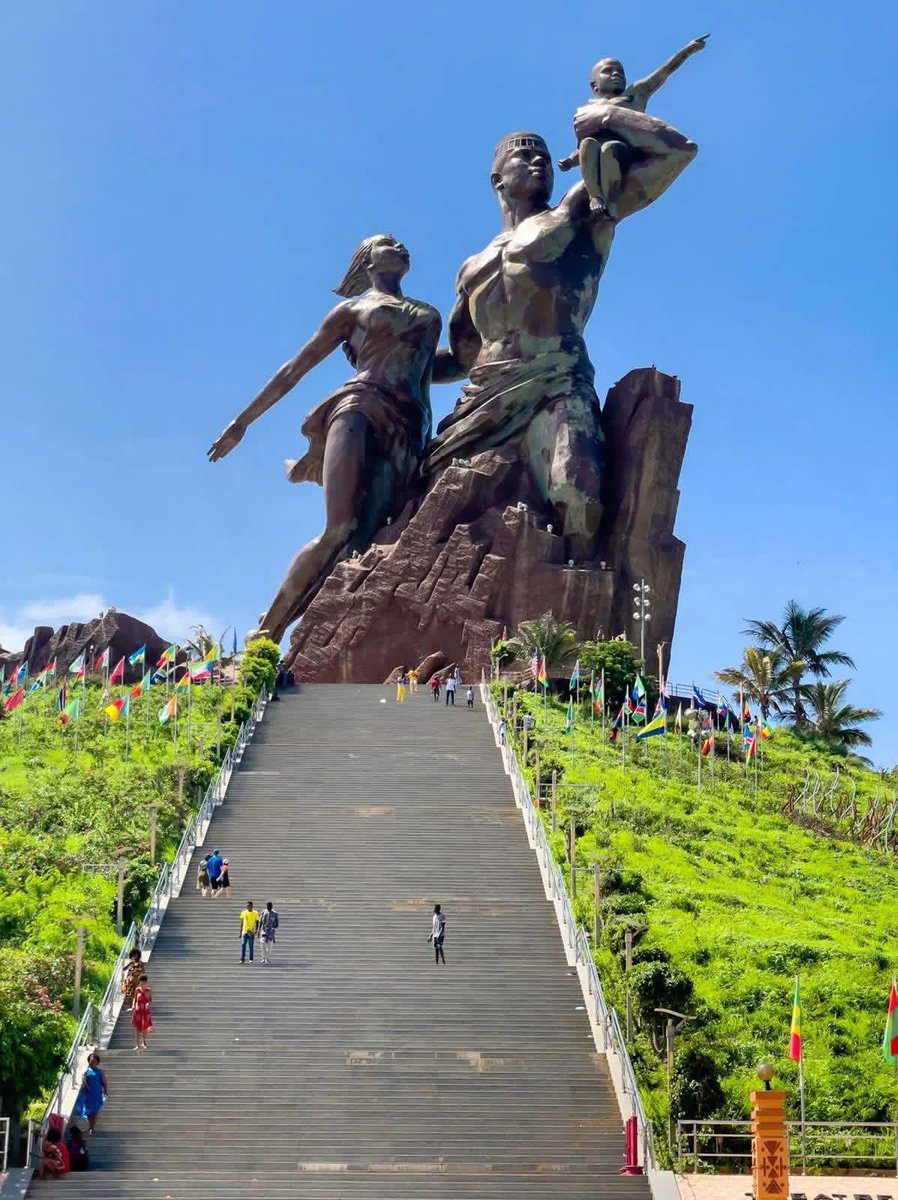
📍Senegal 🇸🇳, Africa.
Typical African tweet media
Català
1
30
219
2.8K
Festival Internac de Cine Africano de Argentina retweetledi
FelliniA Cine
FelliniA Cine@FelliniaCine·
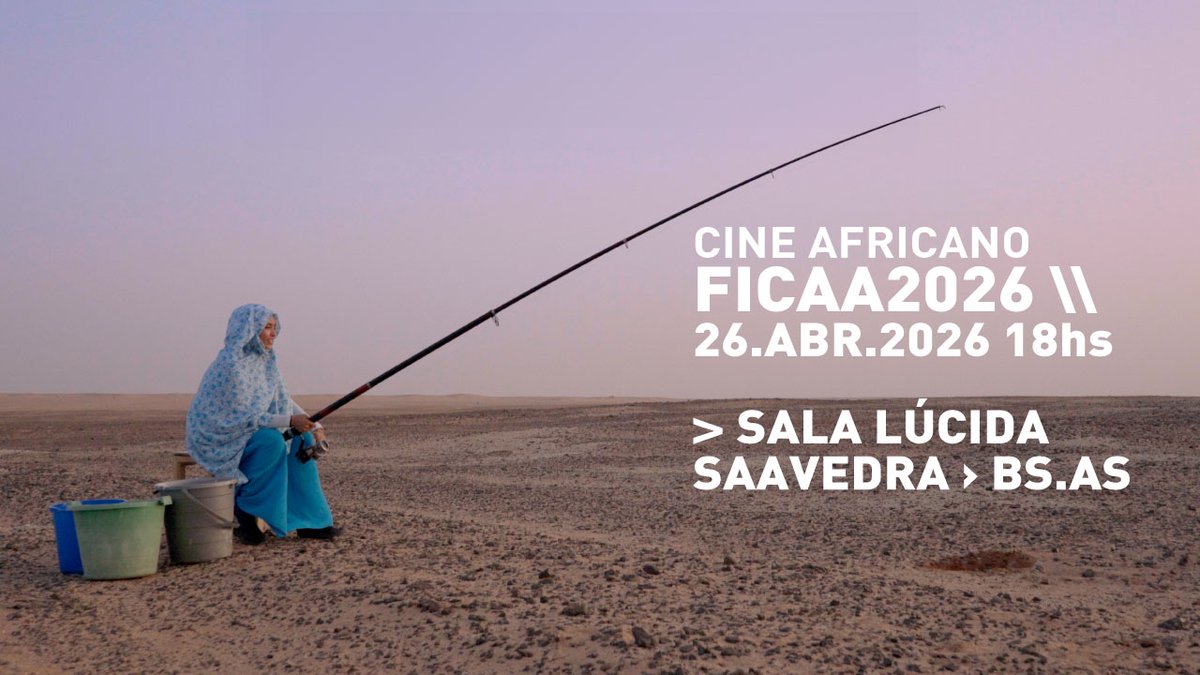
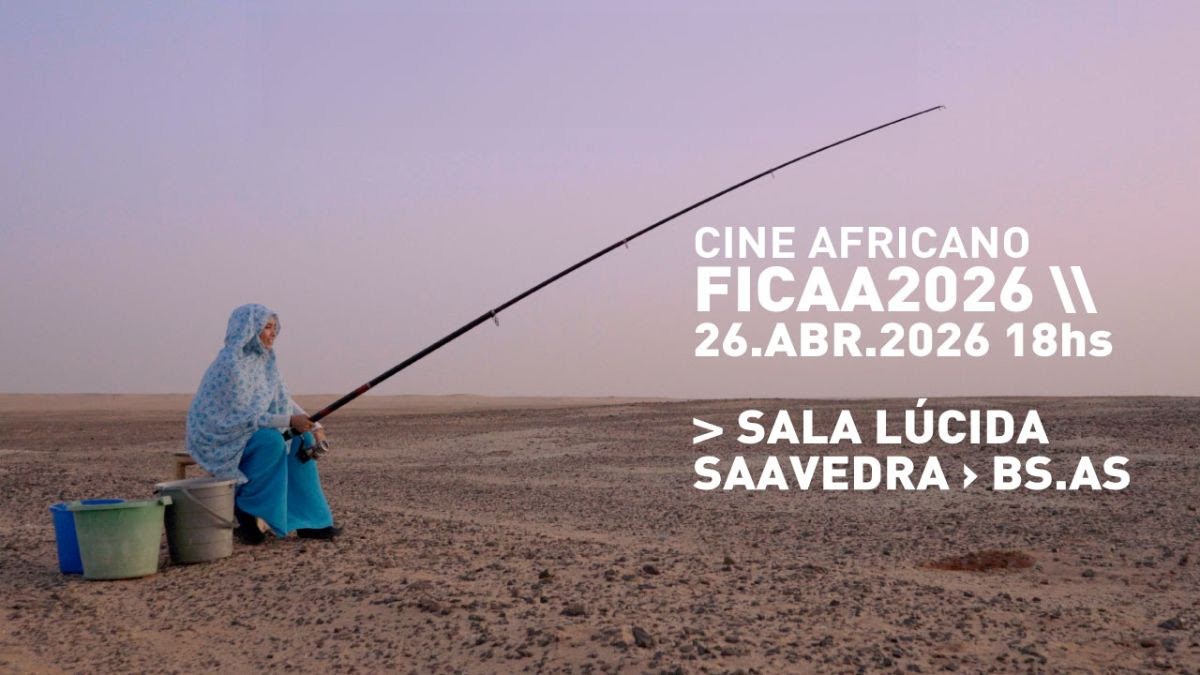
🎬Ciclo de cine africano.26/04,18hs. Sala Lúcida, Av. Cabildo 4740,CABA. Proyección de cortos: Solo son peces. Lo que vi. Soukenia, 4.400 días de noche. Debate con Manuela Blanco, Cineasta venezolana, vicepresidenta ASLA Entradas: portal.salalucida.org/eventos/cine-a… @ObservatorioSur
FelliniA Cine tweet media
Español
0
2
2
81
Festival Internac de Cine Africano de Argentina retweetledi
Juana Peña
Juana Peña@Chris_Montz·
‘Strange Fruit’ es probablemente una de las canciones más poderosas del repertorio de Billie Holiday. Nació como un poema escrito por Abel Meeropol en 1937, tras quedar conmocionado por una foto de un linchamiento. Ese ‘fruto extraño’ aludía a los cuerpos de afroamericanos colgados de árboles. Convertida luego en canción, llegó a Billie Holiday, quien la transformó en un acontecimiento histórico. Se dice que cuando la interpretaba en vivo, convertía los nightclubs en escenarios de protesta. La reservaba para el final de sus actuaciones, con luces bajas, servicio detenido y silencio absoluto. Era una denuncia brutal contra los linchamientos en Estados Unidos y una obra que expandió los límites de lo que podía expresar la canción popular. Columbia Records consideró la canción demasiado controvertida para grabarla, y Billie terminó registrándola con Commodore Records, un día como hoy, 20 de abril de 1939. Sobre cuánto le costó interpretarla existe además un debate histórico. Hay una narrativa difundida que vincula presiones del aparato federal, asociadas al nombre de Harry J. Anslinger, aunque ese punto sigue siendo discutido por historiadores. Lo indiscutible es que ‘Strange Fruit’ traspasó la línea entre entretenimiento y la protesta, y sigue siendo una de las denuncias más estremecedoras jamás cantadas. [En el vídeo Billie Holiday interpretando ‘Strange Fruit’ en el programa ‘Chelsea at Nine’, de Granada TV, Reino Unido, en febrero de 1959. Esta fue una de sus últimas apariciones televisivas, Holiday fallecería meses después, en julio de ese mismo año, por complicaciones derivadas de la cirrosis hepática que padecía, tenía sólo 44 años]
Español
11
309
731
24.2K
Festival Internac de Cine Africano de Argentina retweetledi
Periodistán
Periodistán@periodistan_·
Niños palestinos protestan frente a un alambre de púas en Cisjordania. El alambre fue colocado hace una semana por terroristas israelíes para impedirles que vayan a la escuela.
Español
41
1.2K
2K
32.3K
Festival Internac de Cine Africano de Argentina retweetledi
Juana Peña
Juana Peña@Chris_Montz·
La magia de Roberta Flack en estado puro con ‘Killing Me Softly with His Song’, balada soul en su forma más íntima y honesta. Todo un clásico.
Español
78
1.3K
4.1K
86.3K
Festival Internac de Cine Africano de Argentina retweetledi
Abdullah Omar🇵🇸
Abdullah Omar🇵🇸@Abdullah_Om3r03·
One of the most brutal scenes in human history has been exposed. Israeli soldiers opened fire on thousands of starving Gazans as they ran in desperation for a piece of food during the war on Gaza. A moment the world must never forget.
English
17
570
694
10.6K
Festival Internac de Cine Africano de Argentina retweetledi
ADAM
ADAM@AdameMedia·
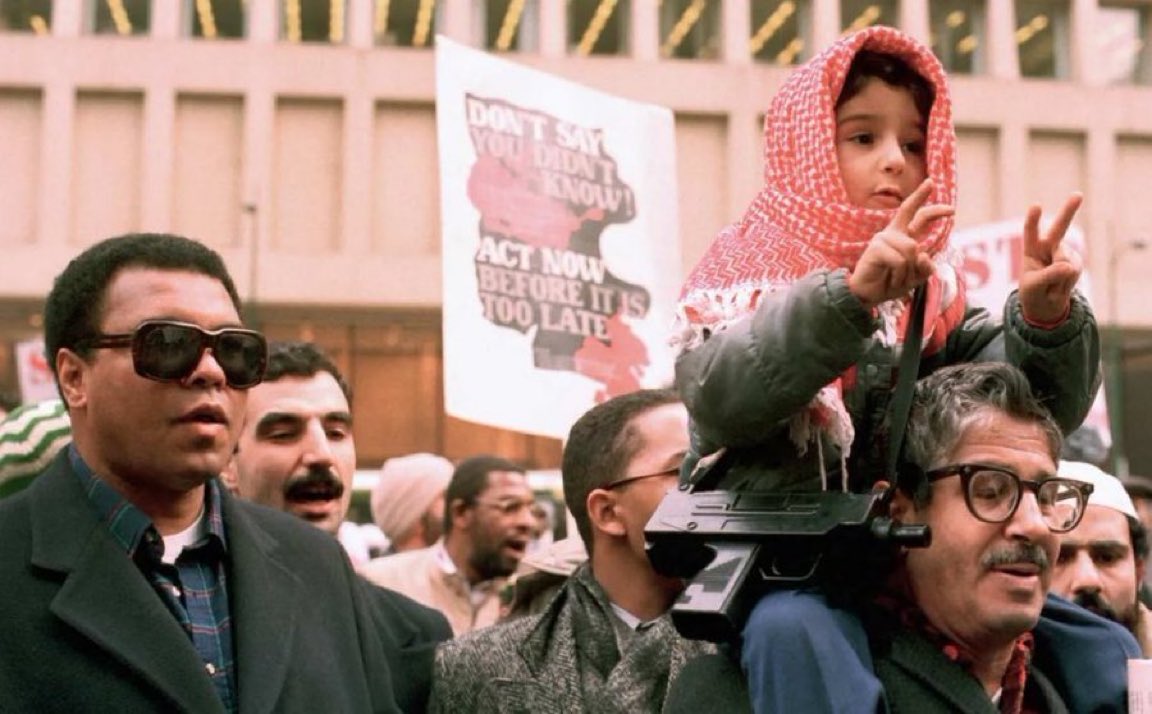
Muhammad Ali attending a pro-Palestinian rally in Chicago during the first intifada (1988)
ADAM tweet media
English
31
1.2K
8.6K
61.6K
Festival Internac de Cine Africano de Argentina retweetledi
New Direction AFRICA
New Direction AFRICA@Its_ereko·
🇩🇪 Before the Holocaust, Germany committed genocide in 🇳🇦 Namibia. 80,000 Herero and Nama people killed. Land stolen. Skulls sent to Berlin for "research." More than a century later, descendants are still waiting. No justice. No reparations. Just documentaries and empty apologies. The West cries "never again," while the graves in Africa remain unmarked. Watch. Learn. Remember. Because they won't teach this in schools.
English
48
1.3K
1.8K
22.5K