
OCTOPUS retweetledi
OCTOPUS
19K posts



The funniest thing is that I was only joking with the game😭😭😭😭😭😭😭😭😭😭😭😭😭😭😭😭😭😭😭

IYANU🤎@IYANU_53
As directed by holy Spirit
English

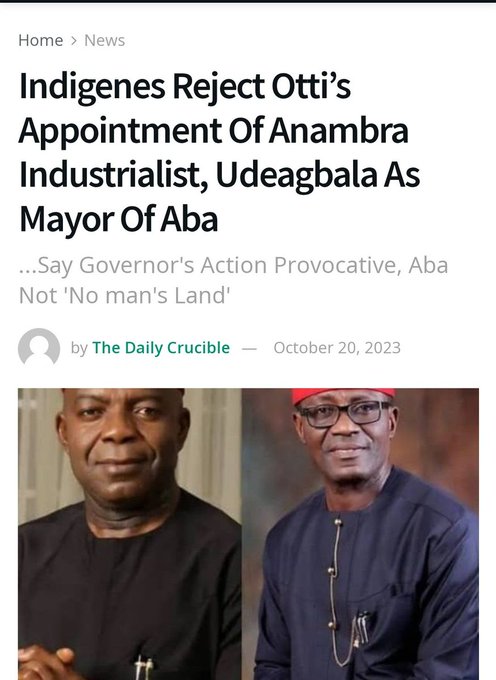
@therealchinwe Your fellow ibo people are rejecting themselves because they are not from the same state. But you're crying about Yoruba rejecting ibo in Yoruba land politics.
Onikure
English
Because you lot chase clout without seeking context, let me educate you:
What happened after genocide or civil war matters almost as much as the violence itself. Countries do not just rebuild roads and institutions; they rebuild reality. They decide whose pain becomes national memory, whose grief is archived, whose dead are named, and whose suffering is treated as an inconvenience to national unity.
In Rwanda after the genocide, the state understood that if memory was left unmanaged, the country could remain permanently combustible. So beyond prosecutions, there was a deliberate architecture of reconciliation:
gacaca courts, memorialisation,
public confession, community confrontation, state-sponsored remembrance, and an official narrative framework about the genocide. One can critique aspects of it, including political control over memory but the key point is this: the trauma was acknowledged as real, collective, and nation-defining. The state did not pretend nothing happened.
Similarly, in South Africa after apartheid, the Truth and Reconciliation Commission functioned symbolically as a national ritual of witnessing. People testified publicly. Perpetrators confessed. Victims were heard. The country staged pain in front of itself. Again, imperfect, deeply imperfect , many Black South Africans would argue economic apartheid survived political apartheid but psychologically, the state admitted there had been moral injury.
Now compare that with Nigerian Civil War.
Nigeria’s post-war doctrine was “No Victor, No Vanquished,” but structurally the country behaved as though there had in fact been victors and vanquished. There was no comprehensive truth commission. No national mourning architecture. No deep public reckoning with starvation as a weapon. No collective witnessing process. No large-scale reparative framework. No emotional reintegration project.
Instead, there was silence layered over unresolved memory.
silence is not neutral. Silence is a technology too. When states suppress grief, trauma mutates and distributes itself across generations like code just like it happened with the agitators. Children inherit vigilance without context. Communities inherit humiliation as atmosphere. Economic exclusion becomes interpreted through historical memory. Every appointment, infrastructure gap, military operation, or political slight becomes attached to an older wound that was never metabolised.
The lingering Biafran trauma is therefore not simply because war happened. Many countries survive wars. It lingers because the suffering was insufficiently acknowledged,
memory was politically suppressed,
reintegration was uneven, and many Igbo people experienced post-war Nigeria not as reconciliation but as conditional inclusion.
The abandoned property policies, the 20-pound compensation policy regardless of prewar bank holdings, underrepresentation anxieties, and recurring suspicion toward Igbo political aspirations all became part of a wider emotional archive. Whether every perception is empirically correct becomes secondary; politically and psychologically, communities respond to lived historical memory, not only statistics. A lot of textbooks have said that the Nigerian state attempted to preserve territorial unity without fully repairing relational humanity. The machine of the nation continued operating, but the emotional operating system remained corrupted.
And when trauma is not ritualised publicly, it becomes mythologised privately. That is why Biafra persists not merely as history, but as: inherited memory, political symbolism, cultural identity, digital resistance, mourning,
and for some, an alternative imagination of dignity.
In this sense, “Biafra” survived militarily defeat because unresolved trauma can outlive armies.
English
@OgbeniDipo He dare not set a debate. You wan open their yansh in public
English

Jokes apart, I am more competent than your current Commissioner for Education and Commissioner for Youth Development in Osun State. I DARE YOU to set up a debate between me alone and the both of them on ANY ISSUE related to those two sectors let’s see if I won’t demolish them!
Molara@LarryBa41738890
Werey fe ji commissioner niii 😂😂😂
English

Try to get a handler first. A prospective lawmaker shouldn’t be typing like this. Please
Cubanachiefpriest@Cpnosmall
Our Party APC Just Got Me Screened✅ Pls Wish Me Luck Bcus If I Make It To The 11th Assembly I Will Not Fail U Guys, I Was Born & Raised On The Streets Of Aba, I'm A Full Blown Street Boy Who Knows Wat Every Home Boy Needs To Survive Cuz I'm A 2ru Definition Of Frm Notin 2 Somtin
English
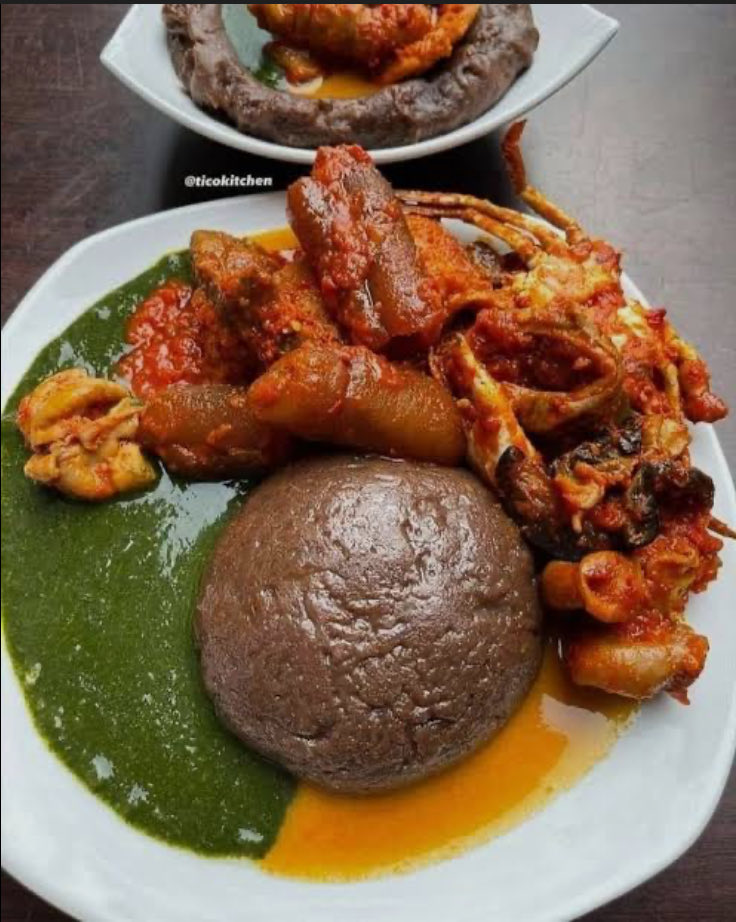

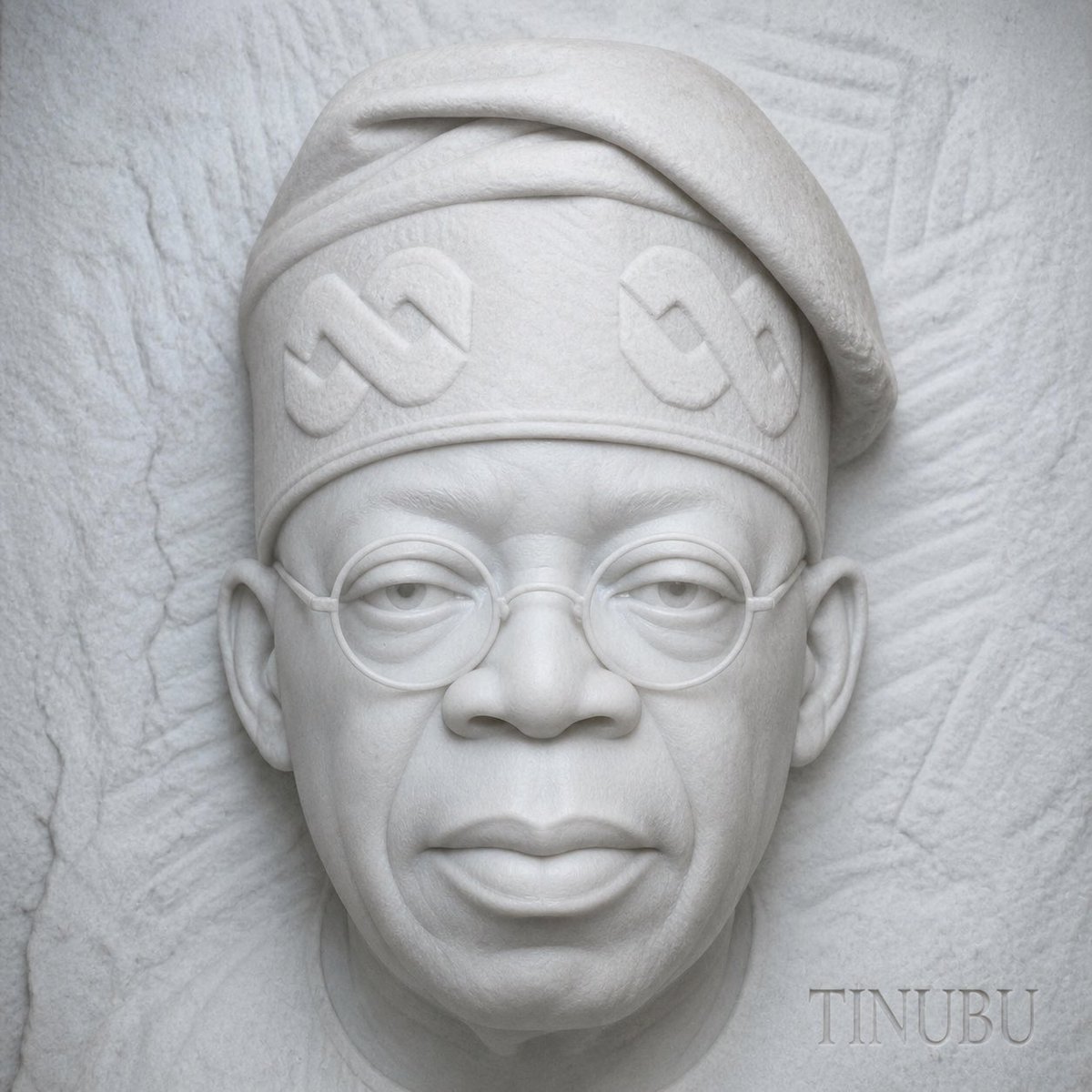
Now wey you don rush wake up, wetin you go chop this morning?🌚

English

OCTOPUS retweetledi

Nothing wrong with an Igbo man becoming President of Nigeria. I have zero issues with them as a people.
But Peter Obi? I have everything against him. After everything I’ve seen and know, I can’t support him and won’t change my mind. We can do better.
Peter Obi intelligence is below par to be considered to lead in the capacity of the Presidency after he failed woefully in the state level.
#Nigeria2027
English
If you’re proud to be Yorùbá, share your Yorùbá name in the comments!

English
OCTOPUS retweetledi

Nedu's ex-wife deserves an apology.
She boldly stated that her then-husband didn't ask if the child was his; he just assumed.
We thought she was crazy, not knowing it was a part of the crazy Igbo culture.

English

A Yoruba man will build a house for rent and decided not to give it out to an IBO person and you will be hearing things like :
“How many Yoruba people can afford to pay 10m”
As in a Yoruba person built that house but Yoruba persons can’t rent it ?
Ibos are mentally deranged
English
OCTOPUS retweetledi

Ifesinachi Salako:
Every time you run for election in Yoruba Land, we will remind the people of how your brazen disrespect of Prof. Wole Soyinka went viral on Social Media, offending all us, much to your pleasure.
Only Omoluabi should represent Yoruba Land, not you Omo Ale.🫵🏾🤡⬇️
English
Congratulations. More wins
Oyíndà@yorubachic
Yesterday I was getting dragged, today I met with a potential investor. What a turn of events.
English

Cheating is actually too far. Women, and I mean ALL WOMEN have a way of finding out if their Man is a spineless coward or not. She'll intentionally disobey you once to see your reaction or do something so significant to piss you off just to see if you've what it takes to put her in order. Sometimes, it doesn't mean she's a bad person, is just an inbuilt software. And if you fail, most of time, you'll see premium shege that you haven't seen before.
Others will just leave and go for another Man with authority.
English

If a Wife cheats & she asks her Husband to forgive her and he does- she will not only continue cheating but she will also resent the Man for forgiving her & disrespect him in extreme ways until he gets the ultimate message- she checked out of the marriage way before she cheated.
English

Bruuuhhhhh😳🙆♂️🙆♂️
PETER OBI has donated a total of N245 million in 2026 alone, to schools across Nigeria 😩❤️🔥
We have to do everything possible, to get this man into ASO ROCK🙏🏻
English
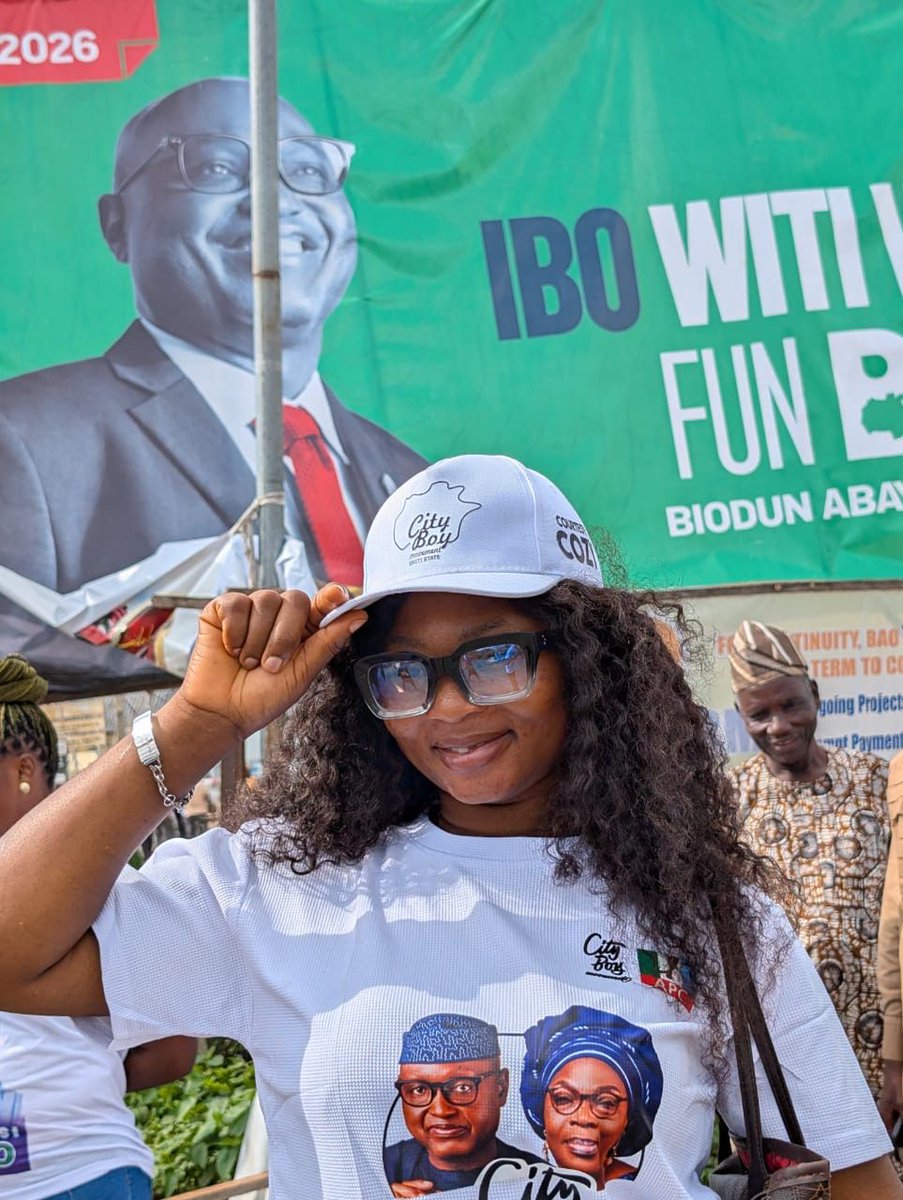
@Eyeofnigeria @lokofromekiti @ummuh_Zahra @SAsekome @salawueedris1 @SAMKLEF @OgbeniDipo @woye1 @OgbeniAdugbo @JohnFanimokun @tajudine2013gm2 @mamatii001 Beauty with brain
English

For me and my family we're voting president bola Ahmed Tinubu come 2027
And you>>??❤️✌️


English