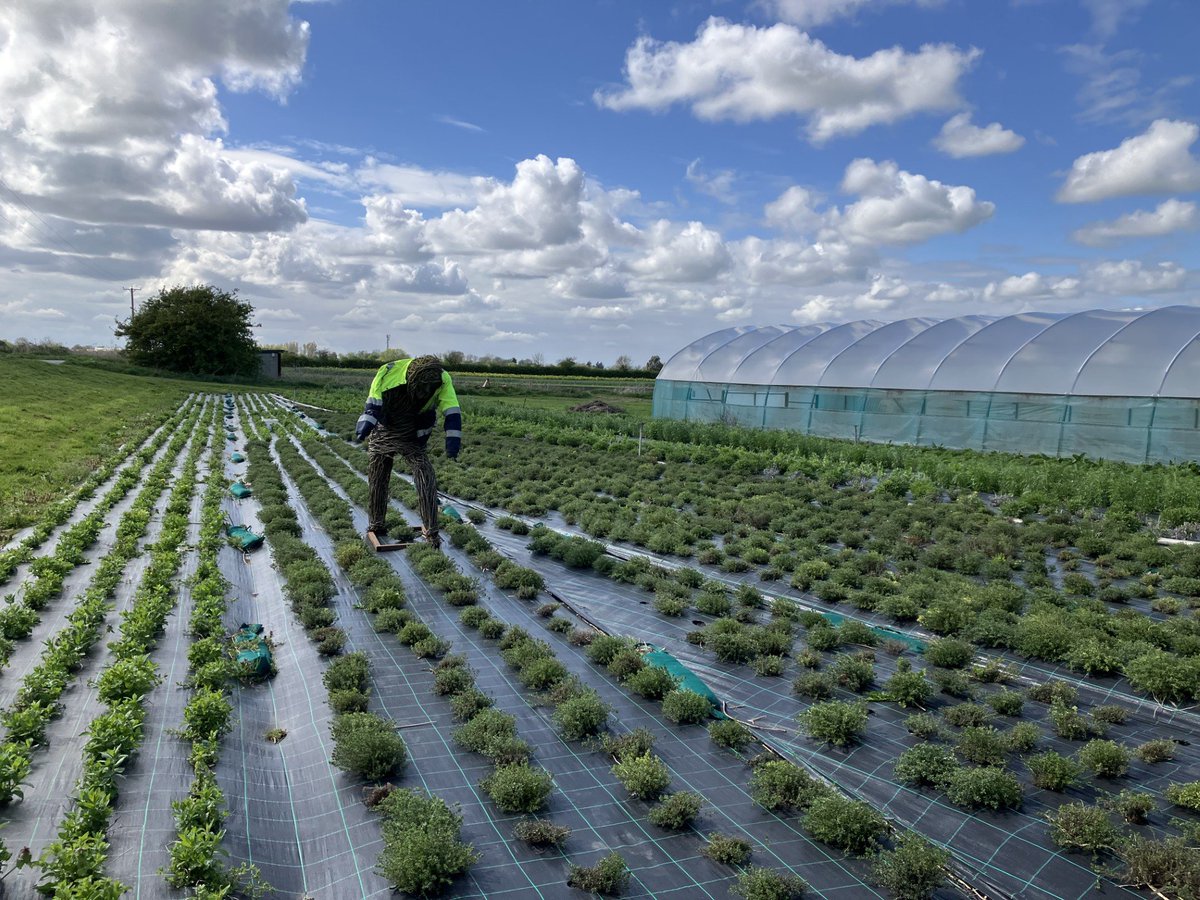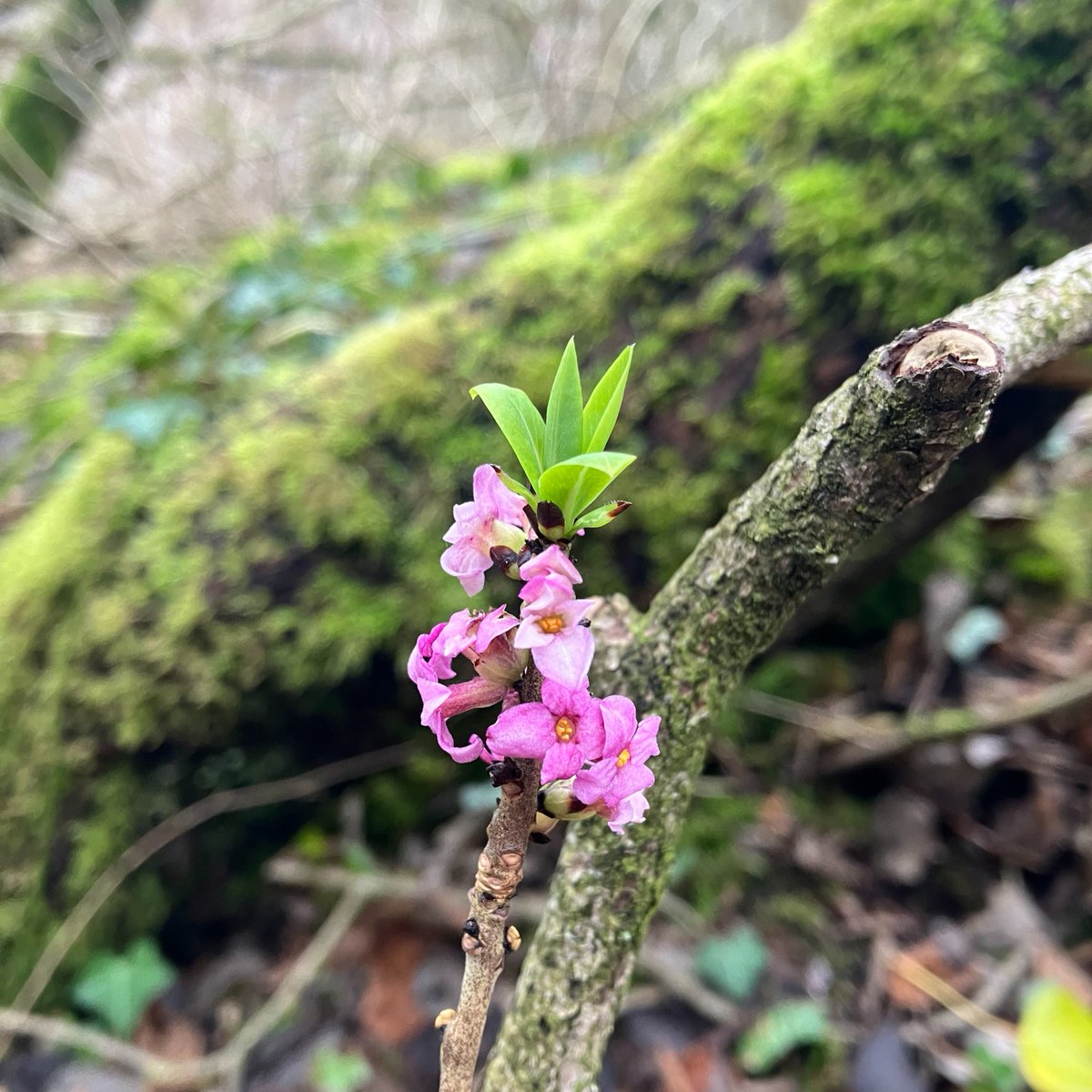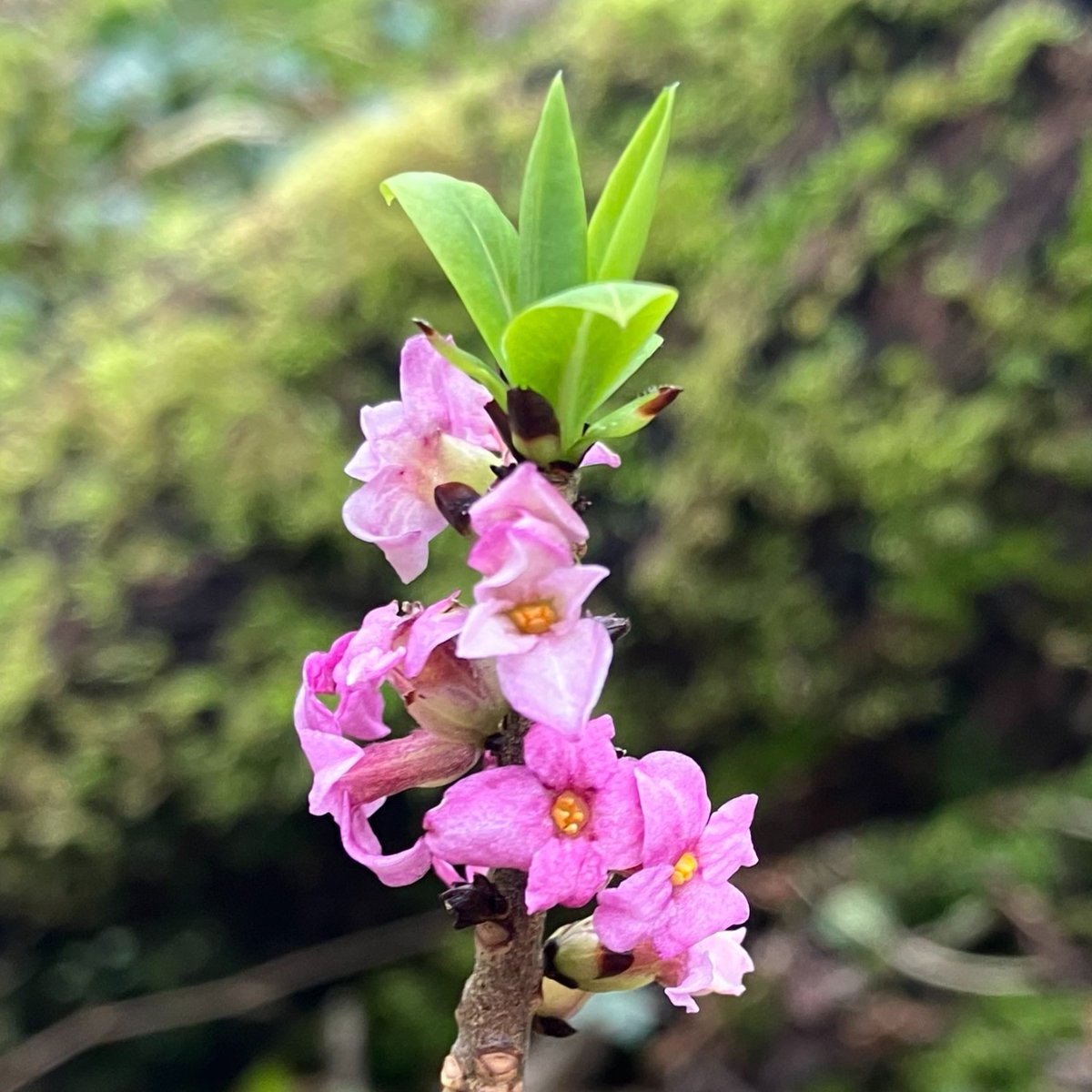
@briar_farm @DomesticDervish Last year I used cardboard banana boxes to shade some plants while they got established, I don’t have running water on my allotment so very little gets watered.
English
liza
8.1K posts


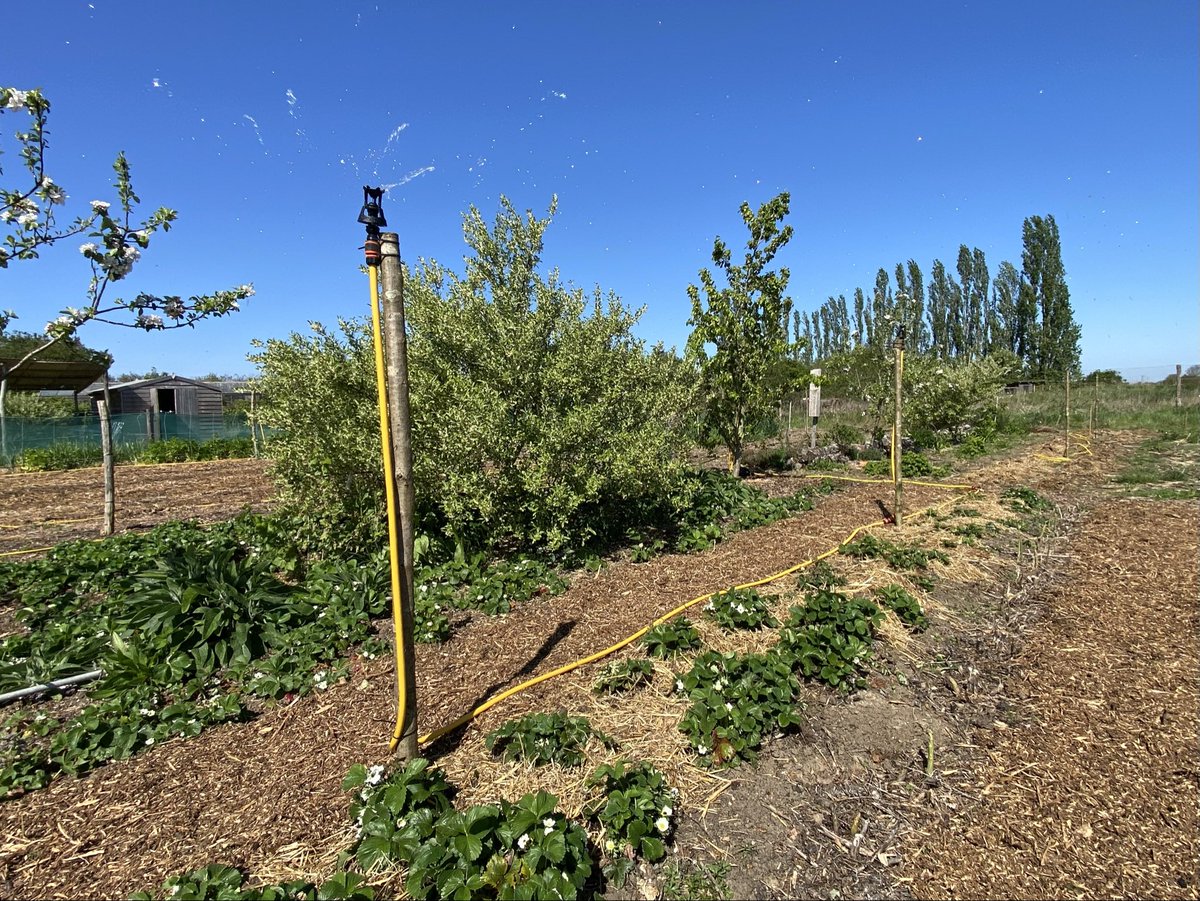

Playing in the dirt may be one of the healthiest things a child can do. In a remarkable study from Finland, researchers transformed ordinary daycare playgrounds by replacing gravel and asphalt with pieces of natural forest floor, including moss, leaf litter, sod, and low vegetation. After just 28 days, children who played in these biodiverse environments showed measurable changes in their skin and gut microbiota, along with improved immune markers in their blood. The findings suggest that regular contact with natural microbial life may help train the immune system early in life. The study adds strong support to the “biodiversity hypothesis,” which proposes that modern urban living reduces our exposure to beneficial environmental microbes, potentially contributing to the rise in allergies, asthma, and autoimmune disorders. Instead of seeing dirt, moss, and leaf litter as mess, this research suggests they may actually be part of the biological foundation children need for healthier immune development. What makes this especially important is how quickly the changes appeared. In only four weeks, the children exposed to the rewilded play yards developed more diverse microbial communities and higher levels of regulatory T-cells, which help the body control inflammation and prevent excessive immune reactions. It is a powerful reminder that nature is not just something children enjoy — it may be something their bodies genuinely depend on. Source: Roslund, M. I., Puhakka, R., Grönroos, M., et al. (2020). Biodiversity intervention enhances immune regulation and health-associated commensal microbiota among daycare children. Published in Science Advances by the American Association for the Advancement of Science (AAAS).