
Sabitlenmiş Tweet
azya
552 posts

azya
@OneBitOnePixel
Researching vintage LCD Games. Creating games and stuff for retro devices. https://t.co/XgJBjzMwxU
Katılım Eylül 2023
148 Takip Edilen3.3K Takipçiler


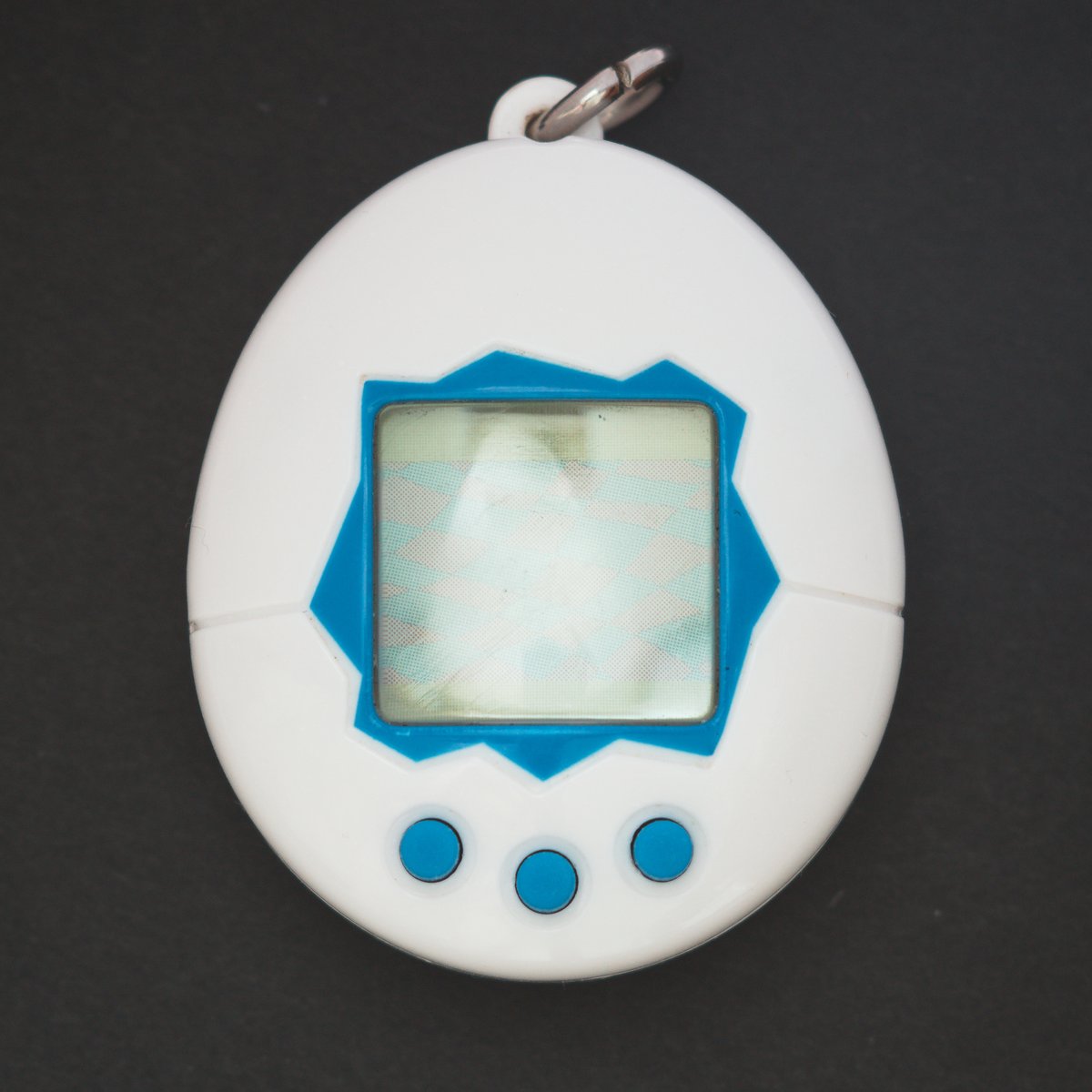
@mluna0101 Unfortunately, none of the classic black-and-white Tamagotchis can be reprogrammed
English

@OneBitOnePixel Is there a tamagotchi that can be reprogrammed? I’d love to have one just as a clock.
English

@OneBitOnePixel Hello there, I've been enjoying your work, BrickEmuPy, by a lot. Have you ever thought of writing a homebrew game for the Entex Adventure Vision? Thanks in advance!
English

Some progress on porting to Libretro (runs in a browser on Android). Of course, it's still rough, but you can try it here: brickemu.pages.dev/?core=brickemu…
English
@SelimSerefkara @OneCloudEmoji Yes, some chips, including this one, require additional chemical etching.
English

@OneBitOnePixel @OneCloudEmoji See? That's what I'm talking about. Wizardry 😅
While they can do multiple layers why they didn't hide this under some layers etc. This is Nintendo we are talking about. They are against every attempt about game preservation 🤬
Or are you doing something to reveal 0s and 1s?
English
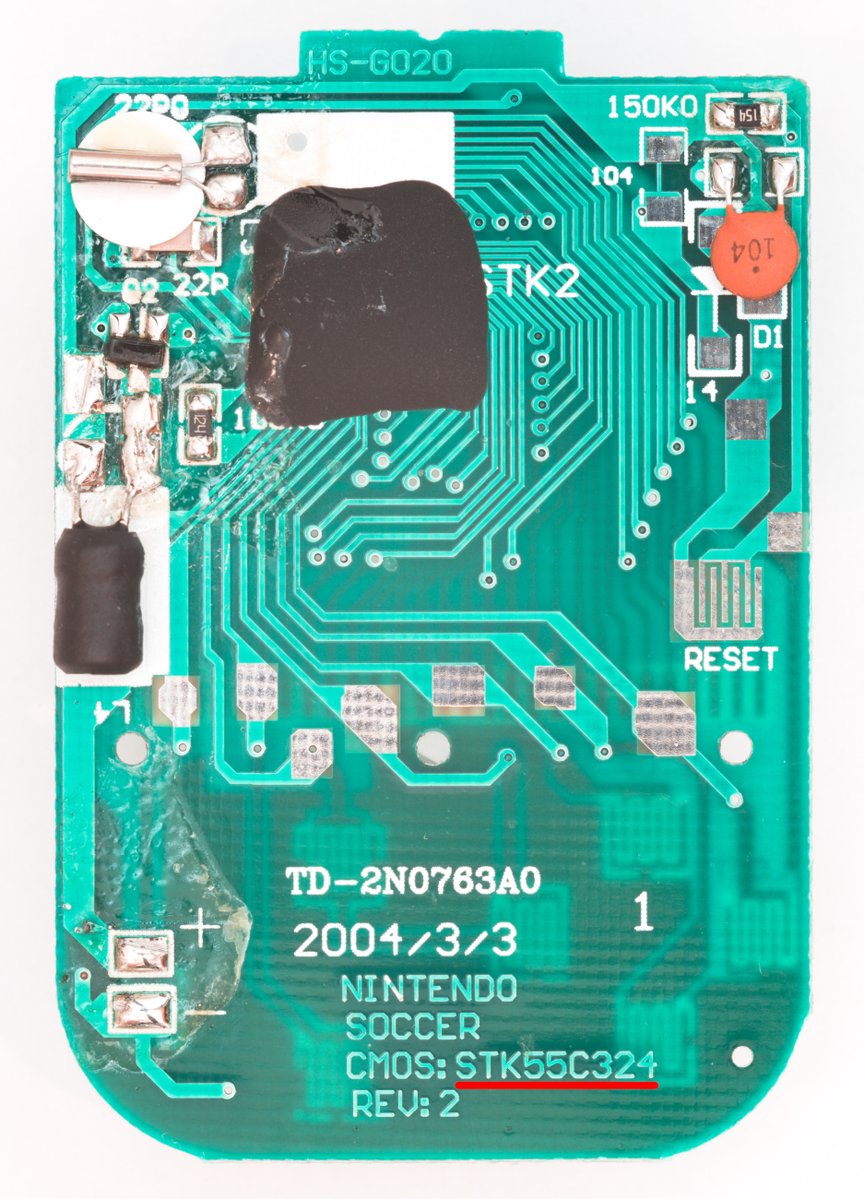
Nintendo Mini Classics Soccer (1998/2004) has now been dumped and emulated. As far as I know, this is the first Mini Classics game to be dumped. I hope I come across more games from this series. github.com/azya52/BrickEm…
English


@OneBitOnePixel such an amazing work,
how do you recreate the LCD draws so accurate? as far as i understand, this is not in the rom, is just in the lcd,
English
Photo materials are available on Archive.org: archive.org/details/ninten…
English
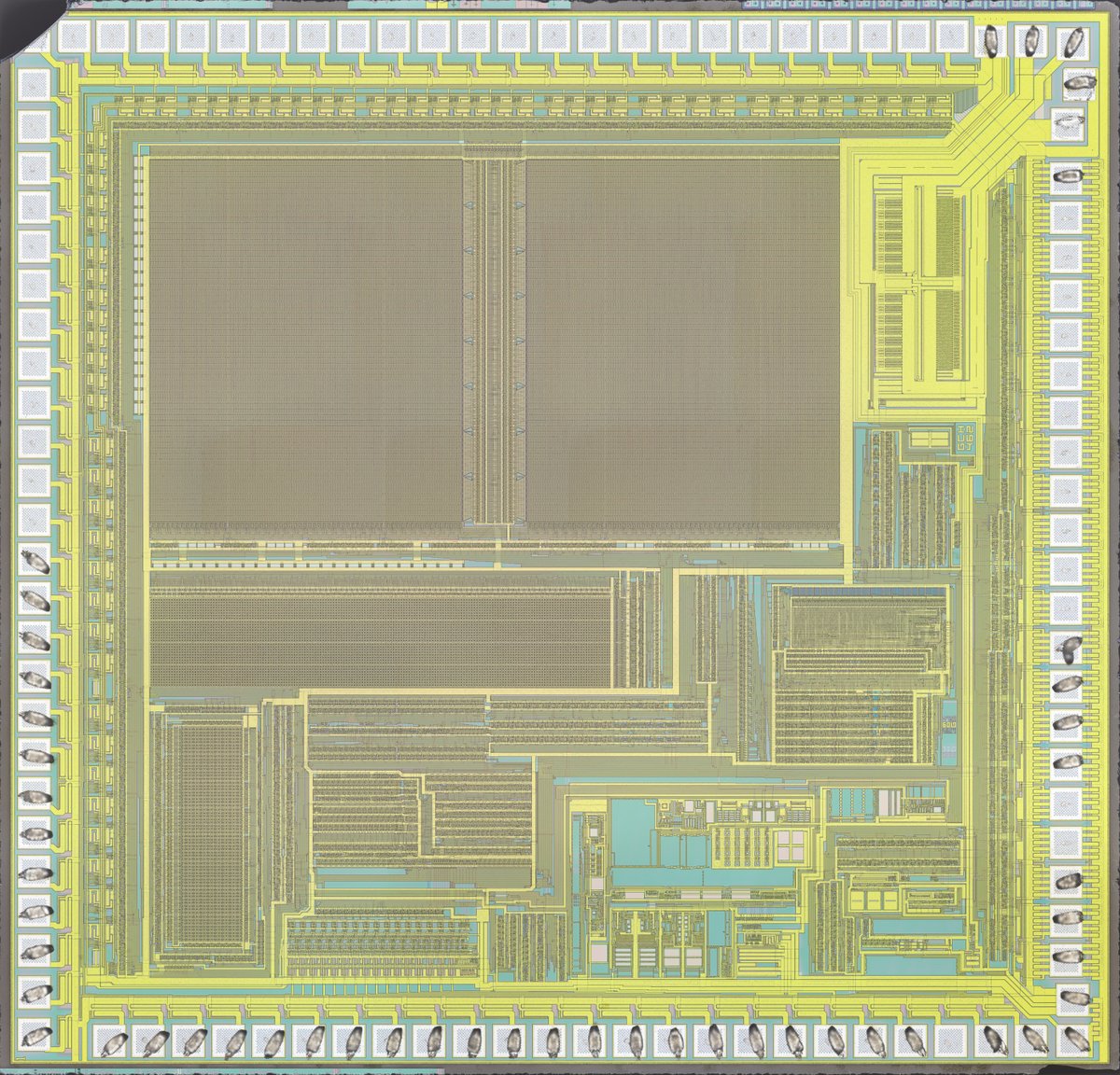
@SelimSerefkara @OneCloudEmoji That's right. Here's a partial ROM of this game: dark squares are 1, and light ones are 0.

English
@OneCloudEmoji @OneBitOnePixel I asked and answer was fascinating, you should be shocked too :)
He is opening the chip/black blob inside the real device and READ IT by microscope! READING BY LOOKING AT IT. i didn't even know that is possible.

English

@OneBitOnePixel Who knows if it still exists but I recall maybe as far back as a decade ago there was a massive collection of such games put together and emulated online somewhere.
English

I recorded a video of the IC decapsulation process. The hot air gun nozzle is visible in the top-left corner, with the temperature set to ~150°C. This method works great for small chips. On larger dies, some compound often remains in the center, which I remove by boiling in rosin
English


I've decapsulated another Nintendo Mini Classics game, this time Soccer from 2004. I managed to capture an image of the ROM, so it's only a matter of time before it's dumped and emulated.
commons.wikimedia.org/wiki/File:5839…


English

@OneBitOnePixel The bits seem hidden (implant/active area rom). Is it dumpable?
English

@OneBitOnePixel The core in the top-center of the die looks a bit like a 65C02
English
@OneBitOnePixel I still have a damaged Nintendo Mini Classics “Tetris” for you if we’re ever able to send packages to Russia (screen is rotting). 👍
English

@OneBitOnePixel What type of lens you used for this? 20X Olympus?
English
An unknown microcontroller from the Littlest Pet Shop virtual pet (McDonald's Happy Meal, 2007). commons.wikimedia.org/wiki/File:0704…

English