Orbit AI🛰️

256 posts

Orbit AI🛰️ banner
Orbit AI🛰️

Orbit AI🛰️

@OrbitAI_OAI

🛰️ World’s First Decentralized Orbital AI Cloud. We take Autonomous AI Agents flying into Space. https://t.co/3g5a8go1eO

Katılım Ocak 2024
80 Takip Edilen39.3K Takipçiler
Sabitlenmiş Tweet
Orbit AI🛰️
Orbit AI🛰️@OrbitAI_OAI·
Orbit AI has completed a $5M seed funding round to explore the next generation of Space and AI. Backed by listed companies including Intellistake (CSE: ISTK) , Starlink AI (NYSE: OTAI) and PowerBank (NASDAQ: SUUN), Orbit AI is building the first decentralized AI cloud in space — combining satellite AI compute, communication and remote sensing for AI agents, builders and autonomous systems. We’re also supported by a growing ecosystem of AI, space and blockchain partners, including @MiniMax_AI , @solana , @BNBCHAIN , @monad and @Mantle_Official . From orbital intelligence to AI-native infrastructure, Orbit AI is moving compute beyond Earth. orbitai.global
Orbit AI🛰️ tweet media
English
100
253
681
171.4K
Orbit AI🛰️
Orbit AI🛰️@OrbitAI_OAI·
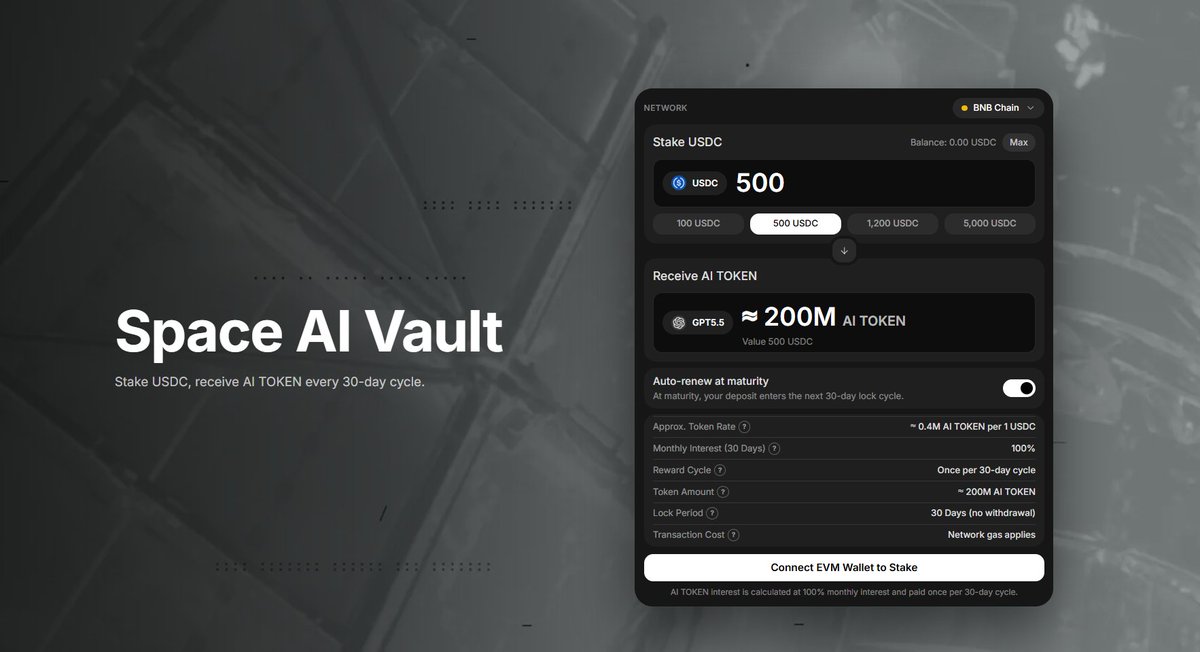
Did Musk Just Revalue Earth? Musk has once again taken his rhetoric to space: “You don’t seem to understand that SpaceX will be worth more than the rest of Earth if we accomplish our goals.” He believes that: “If space based solar power can be usefully harnessed at scale, its value will far exceed the Earth economy.” Will SpaceX really become more valuable than Earth? What Musk is actually betting on is a much larger future system that brings rockets, satellites, solar power, communications, and space-based AI computing under one roof. SpaceX’s officially announced AI1 roadmap already integrates solar power, in-orbit AI computing, and Starlink laser links. The company plans to begin large-scale production and deployment of thousands of AI satellites as early as late 2027. But if launch services, satellite manufacturing, communications, and access to space-based computing are ultimately concentrated in the hands of one company, decisions about who can use that computing power, how much it costs, and how tasks are scheduled could all be made by that company, or even by Musk alone. By then, SpaceX may gain more than an enormous valuation. It could become the dictator of the entire space AI era. Orbit AI shares the long-term vision for orbital computing and space-based energy, but aims to offer a more open path for participation. Orbit AI has currently deployed two of its own space-based AI computing satellites and connected more than 100 partner satellites. Orbit AI’s long-term goal is to build a super decentralized space-based AI computing network consisting of one million satellites, enabling more satellite operators, partners, developers, and users to jointly build and use the space AI infrastructure of the future. Space AI Vault is a gateway for ordinary users to enter Orbit AI’s space AI ecosystem. It connects AI Tokens and model services with future orbital computing, allowing ordinary people to use AI Tokens from space. Traditional AI subscriptions usually require monthly payments, with unused credits disappearing at the end of the subscription period. Space AI Vault takes a different approach. Users deposit USDC into Space AI Vault, receive AI Token usage credits equivalent to the same US dollar value, and use them to access today’s most powerful GPT-5.6 models and other AI services. Through its proprietary algorithms, Orbit AI ensures that Space AI Vault not only supports frontier models but also delivers a highly stable, continuously reliable model experience. As more orbital nodes join the network, more AI Token services will be connected to real space-based computing capacity. To experience GPT-5.6 or learn more about Space AI Vault and the space-based AI computing network Orbit AI is building, please click the link below. orbitai.global/space-vault Click here to watch the official Space AI Vault tutorial: x.com/OrbitAI_OAI/st… #ElonMusk #SpaceX #OrbitAI #SpaceAI #OrbitalCompute #AIInfrastructure #SpaceAIVault #GPT56
Orbit AI🛰️ tweet mediaOrbit AI🛰️ tweet mediaOrbit AI🛰️ tweet mediaOrbit AI🛰️ tweet media
Orbit AI🛰️@OrbitAI_OAI

The world’s first AI Token generated through space compute: Space AI Vault is here! Today, Orbit AI is releasing the official Space AI Vault user tutorial. This is one of most innovative Space AI products in the world, enabling everyday users to access AI Tokens generated through space compute for the first time! With Space AI Vault, users can deposit USDC stablecoins and receive USD-equivalent AI Token interest. Monthly interest can reach up to 100%, equivalent to 1,200% APR! Space AI Vault will support multiple leading AI models, including but not limited to ChatGPT, MiniMax, DeepSeek, GLM, and more. Click the link below to learn more about Space AI Vault: orbitai.global/space-vault Orbit AI has currently deployed two self-owned space AI compute satellites and, together with dozens of global satellite partners, has built a space compute network of 100+ partner satellites. Within this year, Orbit AI’s Genesis 3 and Genesis 4 space AI compute satellites will also be launched into orbit. Our ultimate goal is to build a super decentralized space AI compute network composed of 1 million satellites, continuously producing open, low-cost, and inclusive AI Tokens. This super decentralized space AI compute network will be collectively owned and governed by all Orbit AI users! Compared with terrestrial compute centers, space AI compute satellites have the natural advantages of stable solar power and passive radiative cooling. Over the long term, their overall cost can be significantly lower than that of traditional data centers. As more satellites join the Orbit AI decentralized space compute network, the production of space AI Tokens and the supply capacity of space compute will grow substantially. Today, Orbit AI is opening the gateway to space AI Tokens and the future space compute network to every user for the first time! Space AI Vault is your first door into the Orbit AI space AI network. Watch the tutorial now and start your space compute journey with Space AI Vault. #OrbitAI #SpaceAIVault #AITOKEN #SpaceAI #AICompute #AIInfrastructure #AIAgents #Web3AI  #USDC #AIAccess #CryptoAI

English
1
1
5
862
Orbit AI🛰️
Orbit AI🛰️@OrbitAI_OAI·
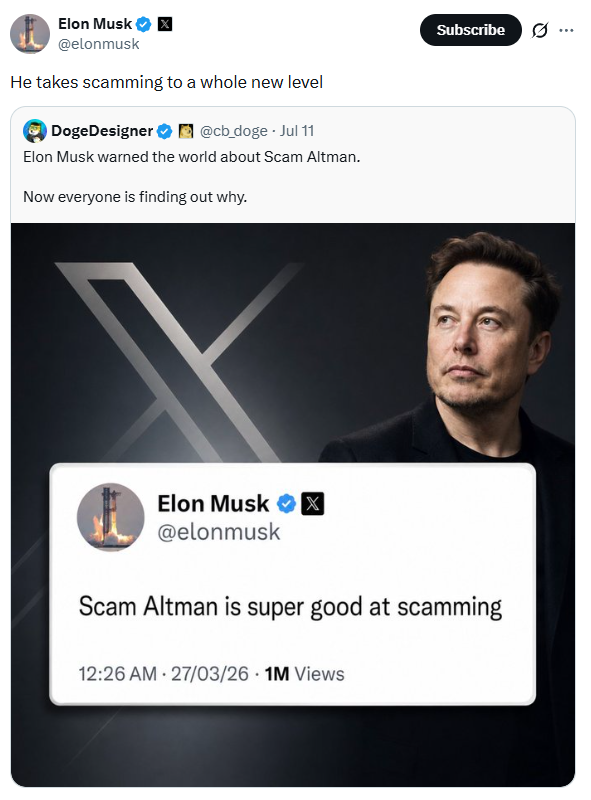
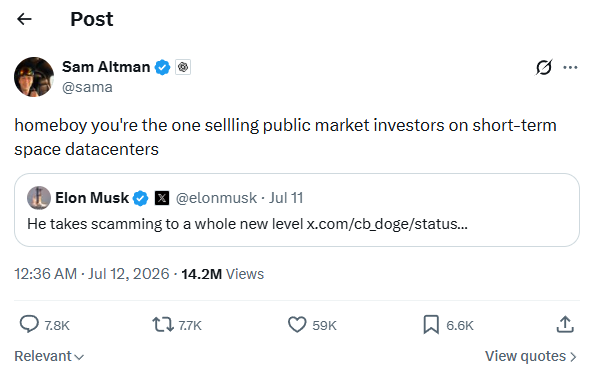
Feud Erupts: Altman Fires Back at Musk Over Space AI Musk had just said of Altman: “He takes scamming to a whole new level” Altman immediately fired back: “homeboy you're the one sellling public market investors on short-term space datacenters” What the two AI giants are really arguing about is: Can SpaceX’s space-based data centers actually be realized this quickly? SpaceX has officially unveiled its roadmap for in-orbit AI computing, solar power, and AI satellite factories, and plans to begin mass-producing and deploying thousands of AI satellites as early as late 2027. But large-scale orbital computing remains a plan for now. Altman is questioning the timeline, while Musk is betting on the long-term direction. Despite the dispute, what matters is whether AI has actually reached space, whether it can perform computations continuously, and whether the results can be returned and verified. While the two giants are still arguing, Orbit AI has already moved quickly and completed small-scale validation. Genesis-1 has verified that real AI inference can run in orbit, while Genesis-2 has already completed Earth observation processing and Agent tasks. Orbit AI has currently connected more than 100 partner satellites. Its longer-term goal is to enable more satellites, developers, and users to participate in a super space AI compute network comprising one million satellites. Orbit AI’s Space AI Vault is a gateway into this ecosystem for everyday users. It connects AI Tokens, model services, and future orbital computing scenarios, allowing everyday users to access AI Tokens from space. In Space AI Vault, users can complete a deposit and receive AI Token credits under the platform’s current real-time rules, which can be used for the corresponding models and AI services. Space AI should not be about who tells the better story about the future. It should be about who turns that future into a verifiable reality first. Want to use AI Tokens from space? Click below to learn more about Space AI Vault. orbitai.global/space-vault Click here to watch the official Space AI Vault product tutorial: x.com/OrbitAI_OAI/st… #ElonMusk #SamAltman #SpaceX #OpenAI #SpaceAI #OrbitalDataCenters #AICompute #Satellites #OrbitAI
Orbit AI🛰️ tweet mediaOrbit AI🛰️ tweet mediaOrbit AI🛰️ tweet mediaOrbit AI🛰️ tweet media
Orbit AI🛰️@OrbitAI_OAI

The world’s first AI Token generated through space compute: Space AI Vault is here! Today, Orbit AI is releasing the official Space AI Vault user tutorial. This is one of most innovative Space AI products in the world, enabling everyday users to access AI Tokens generated through space compute for the first time! With Space AI Vault, users can deposit USDC stablecoins and receive USD-equivalent AI Token interest. Monthly interest can reach up to 100%, equivalent to 1,200% APR! Space AI Vault will support multiple leading AI models, including but not limited to ChatGPT, MiniMax, DeepSeek, GLM, and more. Click the link below to learn more about Space AI Vault: orbitai.global/space-vault Orbit AI has currently deployed two self-owned space AI compute satellites and, together with dozens of global satellite partners, has built a space compute network of 100+ partner satellites. Within this year, Orbit AI’s Genesis 3 and Genesis 4 space AI compute satellites will also be launched into orbit. Our ultimate goal is to build a super decentralized space AI compute network composed of 1 million satellites, continuously producing open, low-cost, and inclusive AI Tokens. This super decentralized space AI compute network will be collectively owned and governed by all Orbit AI users! Compared with terrestrial compute centers, space AI compute satellites have the natural advantages of stable solar power and passive radiative cooling. Over the long term, their overall cost can be significantly lower than that of traditional data centers. As more satellites join the Orbit AI decentralized space compute network, the production of space AI Tokens and the supply capacity of space compute will grow substantially. Today, Orbit AI is opening the gateway to space AI Tokens and the future space compute network to every user for the first time! Space AI Vault is your first door into the Orbit AI space AI network. Watch the tutorial now and start your space compute journey with Space AI Vault. #OrbitAI #SpaceAIVault #AITOKEN #SpaceAI #AICompute #AIInfrastructure #AIAgents #Web3AI  #USDC #AIAccess #CryptoAI
English
0
2
6
967
Orbit AI🛰️
Orbit AI🛰️@OrbitAI_OAI·
Why Do AI Satellites Still Struggle With Heat When Space Is So Cold? SpaceX’s recently unveiled AI1 design has a peak compute load of 150 kW and an average load of 120 kW. When fully deployed, it spans approximately 70 meters and requires a 110-square-meter deployable liquid radiator system. Isn’t space extremely cold? Why does it need to carry such a massive radiator? Because there is almost no air in a vacuum. Servers on Earth can use fans and cooling towers to remove heat. In space, however, heat generated by the chips must be transferred through liquid cooling loops to the radiators, then released through thermal radiation. This means that if any part of an orbital data center’s power supply, cooling, communications, or other critical systems remains unresolved, an AI satellite could become an expensive brick in space. But the 110-square-meter radiator reveals more than just a technical challenge. It also exposes a more serious issue: The harder space AI is to build, the harder it becomes for ordinary companies to enter the industry, making it easier for the first giant to master the full stack to dominate the market. SpaceX owns rockets, satellites, Starlink communications, and its future AI compute nodes. If launch, operations, communications, and access to compute are all controlled by the same company, SpaceX could ultimately decide who can use space-based compute, how much it costs, how tasks are scheduled, and when usage is throttled. Space could ultimately become Elon Musk’s personal AI server room. Orbit AI is taking a different path. We have currently deployed two proprietary space AI compute satellites and connected more than 100 partner satellites, bringing together different partners, orbital nodes, developers, and users to build an open space AI network. Orbit AI’s long-term goal is to create a supernetwork consisting of one million space AI compute satellites, allowing the future of space-based compute to be collectively built, used, and owned by all participants. Space AI Vault is the first gateway for ordinary users to enter this network, allowing you to access the first wave of AI Tokens from space. After completing a deposit, users can receive AI Token credits for use with corresponding models and AI services. Space AI Vault connects to Orbit AI’s orbital compute nodes. As more satellites and orbital nodes join the network, more AI Tokens will be generated in space. From experiencing GPT-5.6 today to connecting with orbital AI compute in the future, Space AI Vault is the gateway that brings this path to ordinary users. To experience GPT-5.6 or learn more about Space AI Vault and the space AI compute network Orbit AI is building, please click the link below. orbitai.global/space-vault Click here to watch the official Space AI Vault product tutorial: x.com/OrbitAI_OAI/st… #SpaceAI #OrbitalCompute #AISatellites #SpaceX #OrbitAI #SpaceAIVault #AIToken #GPT56 #AIInfrastructure #OrbitalDataCente
Orbit AI🛰️ tweet mediaOrbit AI🛰️ tweet mediaOrbit AI🛰️ tweet mediaOrbit AI🛰️ tweet media
Orbit AI🛰️@OrbitAI_OAI

The world’s first AI Token generated through space compute: Space AI Vault is here! Today, Orbit AI is releasing the official Space AI Vault user tutorial. This is one of most innovative Space AI products in the world, enabling everyday users to access AI Tokens generated through space compute for the first time! With Space AI Vault, users can deposit USDC stablecoins and receive USD-equivalent AI Token interest. Monthly interest can reach up to 100%, equivalent to 1,200% APR! Space AI Vault will support multiple leading AI models, including but not limited to ChatGPT, MiniMax, DeepSeek, GLM, and more. Click the link below to learn more about Space AI Vault: orbitai.global/space-vault Orbit AI has currently deployed two self-owned space AI compute satellites and, together with dozens of global satellite partners, has built a space compute network of 100+ partner satellites. Within this year, Orbit AI’s Genesis 3 and Genesis 4 space AI compute satellites will also be launched into orbit. Our ultimate goal is to build a super decentralized space AI compute network composed of 1 million satellites, continuously producing open, low-cost, and inclusive AI Tokens. This super decentralized space AI compute network will be collectively owned and governed by all Orbit AI users! Compared with terrestrial compute centers, space AI compute satellites have the natural advantages of stable solar power and passive radiative cooling. Over the long term, their overall cost can be significantly lower than that of traditional data centers. As more satellites join the Orbit AI decentralized space compute network, the production of space AI Tokens and the supply capacity of space compute will grow substantially. Today, Orbit AI is opening the gateway to space AI Tokens and the future space compute network to every user for the first time! Space AI Vault is your first door into the Orbit AI space AI network. Watch the tutorial now and start your space compute journey with Space AI Vault. #OrbitAI #SpaceAIVault #AITOKEN #SpaceAI #AICompute #AIInfrastructure #AIAgents #Web3AI  #USDC #AIAccess #CryptoAI

English
0
1
6
1K
Orbit AI🛰️
Orbit AI🛰️@OrbitAI_OAI·
Another Way to Get GPT-5.6 AI Token GPT-5.6 introduces a family of three models designed for different types of tasks. For complex research and advanced reasoning, choose Sol. If you want to balance capability and cost, choose Terra. For high-frequency and high-volume tasks, Luna places greater emphasis on efficiency. The clearer the division of labor becomes, the stronger the demand for AI to keep working continuously. For users who want to access all three powerful, frontier GPT-5.6 models while obtaining more AI credits, Orbit AI offers a more direct, open, and affordable option. Now, simply store stablecoins in Orbit AI’s Space AI Vault, and you can immediately receive AI TOKEN credits for GPT-5.6 models equal to the value of your deposit in US dollars. Space AI Vault is the first gateway for everyday users to enter Orbit AI’s space AI ecosystem. Here, ordinary people can also access AI TOKEN generated from space. Orbit AI has already deployed two of its own space AI compute satellites and connected more than 100 partner satellites to form a space AI compute network. In the future, Orbit AI will build a super decentralized space AI compute network consisting of one million space AI compute satellites. The entire network will be collectively owned by all Orbit AI users. We are gradually turning satellites into on-orbit computing nodes capable of performing AI inference, data analysis, and Agent tasks. As more satellites and orbital nodes join the network, more AI TOKEN will be generated in space, and more real AI workloads will gradually be handled by space-based computing. From experiencing GPT-5.6 today to connecting with orbital AI compute in the future, Space AI Vault is the user-facing gateway to this path. To experience GPT-5.6 or learn more about Space AI Vault and the space AI compute network Orbit AI is building, please click the link below. orbitai.global/space-vault Click here to watch the full Space AI Vault tutorial: x.com/OrbitAI_OAI/st… #GPT56 #OrbitAI #SpaceAIVault #SpaceAI #OrbitalCompute #AIInfrastructure #AIAgents
Orbit AI🛰️ tweet mediaOrbit AI🛰️ tweet mediaOrbit AI🛰️ tweet media
Orbit AI🛰️@OrbitAI_OAI

The world’s first AI Token generated through space compute: Space AI Vault is here! Today, Orbit AI is releasing the official Space AI Vault user tutorial. This is one of most innovative Space AI products in the world, enabling everyday users to access AI Tokens generated through space compute for the first time! With Space AI Vault, users can deposit USDC stablecoins and receive USD-equivalent AI Token interest. Monthly interest can reach up to 100%, equivalent to 1,200% APR! Space AI Vault will support multiple leading AI models, including but not limited to ChatGPT, MiniMax, DeepSeek, GLM, and more. Click the link below to learn more about Space AI Vault: orbitai.global/space-vault Orbit AI has currently deployed two self-owned space AI compute satellites and, together with dozens of global satellite partners, has built a space compute network of 100+ partner satellites. Within this year, Orbit AI’s Genesis 3 and Genesis 4 space AI compute satellites will also be launched into orbit. Our ultimate goal is to build a super decentralized space AI compute network composed of 1 million satellites, continuously producing open, low-cost, and inclusive AI Tokens. This super decentralized space AI compute network will be collectively owned and governed by all Orbit AI users! Compared with terrestrial compute centers, space AI compute satellites have the natural advantages of stable solar power and passive radiative cooling. Over the long term, their overall cost can be significantly lower than that of traditional data centers. As more satellites join the Orbit AI decentralized space compute network, the production of space AI Tokens and the supply capacity of space compute will grow substantially. Today, Orbit AI is opening the gateway to space AI Tokens and the future space compute network to every user for the first time! Space AI Vault is your first door into the Orbit AI space AI network. Watch the tutorial now and start your space compute journey with Space AI Vault. #OrbitAI #SpaceAIVault #AITOKEN #SpaceAI #AICompute #AIInfrastructure #AIAgents #Web3AI  #USDC #AIAccess #CryptoAI

English
0
0
1
691
Orbit AI🛰️
Orbit AI🛰️@OrbitAI_OAI·
China’s “DeepSeek Moment” in Space On July 10, Long March-10B completed its successful maiden flight. About six minutes after stage separation, its first stage returned to an offshore recovery platform and was securely caught by a grid-shaped net system. This was China’s first controlled recovery of a launch vehicle’s first stage, as well as the world’s first sea-based net recovery of a launch vehicle. China did not just catch a rocket. It also opened a crack in SpaceX’s deepest moat: Low-cost, repeatable access to orbit now has a new path beyond SpaceX. SpaceX’s Starship system uses launch-tower arms to catch the Super Heavy booster. China used an offshore net system to catch Long March-10B’s first stage. As access to orbit becomes cheaper, communications satellites will not be the only payloads going up. AI chips, compute nodes, AI agents and orbital data centers will follow. But that raises the next question: Reusable launch systems will allow more satellites to reach orbit. Once they are there, how will AI compute operate, and how can more people access AI compute from space? This is the next challenge Orbit AI Genesis is working to solve. Orbit AI has launched 2 of its own AI compute satellites and integrated capabilities from 100+ partner satellites. We are building an open, distributed and participatory Space AI network. The goal is not to let a single giant control the satellites, compute and access points. It is to let users, developers, AI agents and robots participate in building, accessing and ultimately owning the future Space AI infrastructure. Orbit AI is lowering the barrier to Space AI for everyday users. Next, let’s bring more AI compute into orbit and make space intelligence accessible to more people. Start with Space AI Vault: store USDC, receive AI Tokens for access to leading AI models, and take your first step into the Orbit AI Space AI network. Click the link below to learn more about our Space AI Vault: orbitai.global/space-vault #LongMarch10B #ChinaSpace #ReusableRockets #SpaceAI #OrbitalComputing #AIInfrastructure #OrbitAI #SpaceAIVault
Orbit AI🛰️ tweet mediaOrbit AI🛰️ tweet mediaOrbit AI🛰️ tweet media
English
0
1
5
890
Orbit AI🛰️
Orbit AI🛰️@OrbitAI_OAI·
The world’s first AI Token generated through space compute: Space AI Vault is here! Today, Orbit AI is releasing the official Space AI Vault user tutorial. This is one of most innovative Space AI products in the world, enabling everyday users to access AI Tokens generated through space compute for the first time! With Space AI Vault, users can deposit USDC stablecoins and receive USD-equivalent AI Token interest. Monthly interest can reach up to 100%, equivalent to 1,200% APR! Space AI Vault will support multiple leading AI models, including but not limited to ChatGPT, MiniMax, DeepSeek, GLM, and more. Click the link below to learn more about Space AI Vault: orbitai.global/space-vault Orbit AI has currently deployed two self-owned space AI compute satellites and, together with dozens of global satellite partners, has built a space compute network of 100+ partner satellites. Within this year, Orbit AI’s Genesis 3 and Genesis 4 space AI compute satellites will also be launched into orbit. Our ultimate goal is to build a super decentralized space AI compute network composed of 1 million satellites, continuously producing open, low-cost, and inclusive AI Tokens. This super decentralized space AI compute network will be collectively owned and governed by all Orbit AI users! Compared with terrestrial compute centers, space AI compute satellites have the natural advantages of stable solar power and passive radiative cooling. Over the long term, their overall cost can be significantly lower than that of traditional data centers. As more satellites join the Orbit AI decentralized space compute network, the production of space AI Tokens and the supply capacity of space compute will grow substantially. Today, Orbit AI is opening the gateway to space AI Tokens and the future space compute network to every user for the first time! Space AI Vault is your first door into the Orbit AI space AI network. Watch the tutorial now and start your space compute journey with Space AI Vault. #OrbitAI #SpaceAIVault #AITOKEN #SpaceAI #AICompute #AIInfrastructure #AIAgents #Web3AI  #USDC #AIAccess #CryptoAI
English
31
5
45
6.4K
Orbit AI🛰️
Orbit AI🛰️@OrbitAI_OAI·
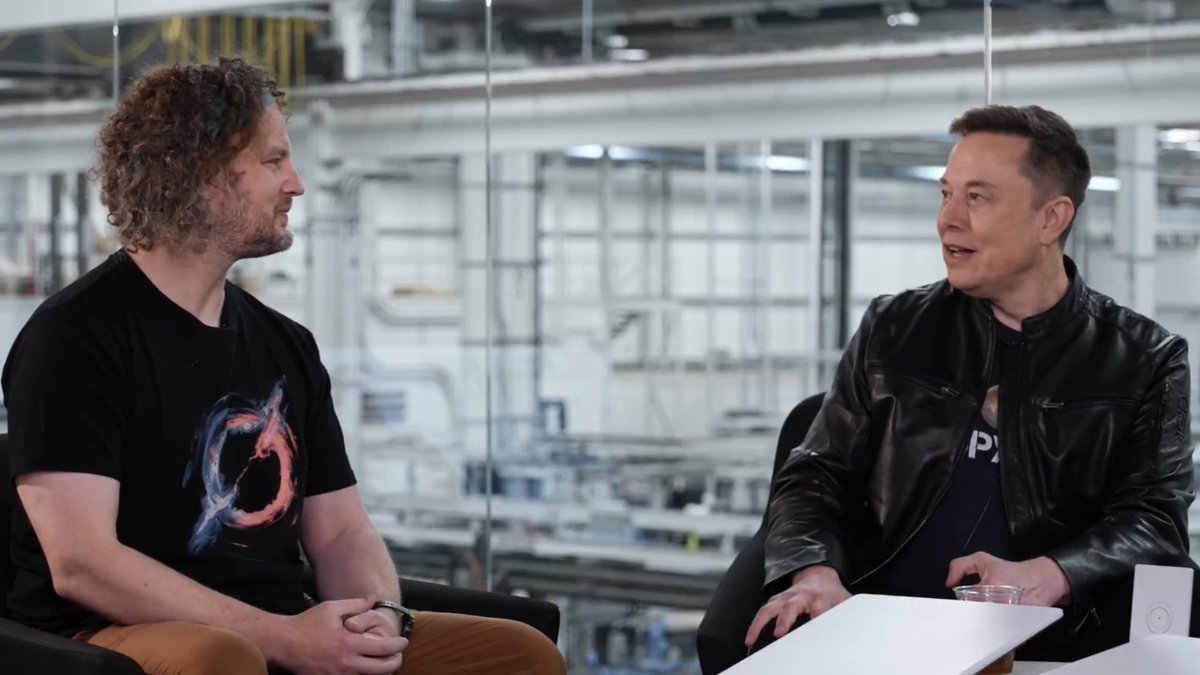
xAI is gone. SpaceXAI is here. xAI officially announced its rebrand as SpaceXAI. Musk’s AI is now formally tied to SpaceX. The rockets are his. The satellites are his. Starlink is his. X’s traffic is his. The Grok model is his. The Colossus data center is his too. So this is not just a normal company rebrand. This is AI, satellites, communications, compute, and social traffic all being pulled into one person’s system. And the scariest part? In the future, who gets to use AI, who gets API access, who gets space compute, how much it costs, how much quota you get, and when you get rate-limited may all be decided by one company. Isn’t this just the next AI toll booth? Musk is not building open infrastructure. He is turning the future AI gateway into his own private entrance! Orbit AI is taking the opposite path. Orbit AI has launched 2 self-owned AI compute satellites and connected 100+ partner satellites from global satellite partners, forming a distributed, participatory, open network that does not belong to any single giant. The network is governed by all participants. In the future, more users, developers, AI agents, and robots will be able to access it at low cost. The SpaceXAI logic is: Giants control the gateway. Users pay rent. The Orbit AI logic is: Everyone participates in the network. Everyone shares the future AI infrastructure. The future of Space AI should not be dominated by SpaceX alone. If you agree with Orbit AI’s vision, start with Space AI Vault and join the Orbit AI Space AI network. Click the link below to learn more about our Space AI Vault: Space AI Vault: orbitai.global/space-vault #SpaceXAI #xAI #SpaceX #ElonMusk #Grok #Starlink #SpaceAI #AICompute #OrbitalCompute #AIInfrastructure #CentralizedAI #DecentralizedAI #OrbitAI #SpaceAIVault #AIAgents
Orbit AI🛰️ tweet mediaOrbit AI🛰️ tweet media
English
0
1
11
1K
Orbit AI🛰️
Orbit AI🛰️@OrbitAI_OAI·
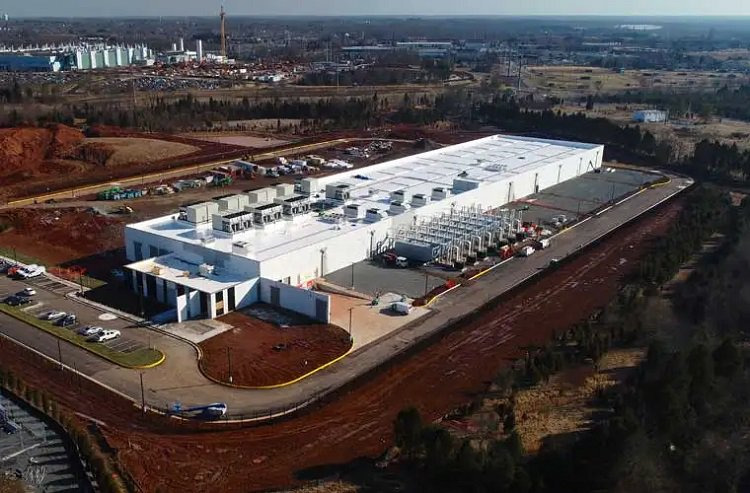
Elon Musk’s AI Factory Is Making the Neighbors Furious Musk built a mega data center in Memphis called Colossus — “the world’s largest supercomputer.” Locals started calling it the “Cyberbeast” — swallowing power, spewing noise, heat waves, and chaos. To keep it running, xAI quietly installed 27 gas turbines as a temporary power plant — without any air permits. They basically shoved a pollution source right in people’s backyards. Finally, a class-action lawsuit with over 10,000 plaintiffs. Noise described as “constant and inescapable.” Vibrations keeping people awake and devaluing their homes. And the EPA ruled it illegal. Here’s the punchline: SpaceX started offering Starlink discounts to the same neighbors. Big AI builds a data center next to your house. They take the power. They take the profits. They pump the valuation. And you get the noise and the pollution. This is the real problem with ground-based AI compute. It’s not just about buying GPUs. It’s about grabbing land. Grabbing power. Grabbing water. Grabbing grid capacity. And then expecting ordinary people to pay the price. The bigger AI gets, the worse this gets. OpenAI, Meta — they’re all doing the same thing. One “Cyberbeast” after another, swallowing up electricity, land, water, and people’s peace. So here’s the real question: If even Musk can’t escape these conflicts, how much more can Earth take as AI compute keeps exploding? The ground-based answer: build bigger data centers. Grab more power. Find more remote locations. Keep bribing the neighbors — and keep getting sued. Orbit AI is betting on a different path: putting next-gen AI compute in orbit. 24/7 solar. Natural cooling. Zero carbon. Zero strain on terrestrial grids. Zero competition with cities, factories, or residents. At the end of the day, this isn’t a technology problem — it’s a power problem. AI giants build a tower on the ground. The people at the top decide everything. The people at the bottom bear everything. Orbit AI is weaving a network — where every participant is an owner, not a victim. We believe every ordinary person, every AI, every robot, every future node of civilization should be able to access AI compute and intelligent agents freely — without being locked out by a handful of giants. Space compute isn’t science fiction. When the contradictions of ground compute explode beyond control, the only way out is compute that doesn’t fight Earth for resources. If you agree with Orbit AI’s vision, start with Space AI Vault — join Orbit AI’s space network. Earn AI tokens and model access through saving. No subscription traps. No gatekeeping. Click the link below to learn more about our Space AI Vault: Space AI Vault: orbitai.global/space-vault #ElonMusk #xAI #SpaceX #Starlink #AIDatacenter #AICompute #SpaceAI #OrbitalCompute #AIInfrastructure #CentralizedAI #DecentralizedAI #OrbitAI #SpaceAIVault #ComputeRights
Orbit AI🛰️ tweet mediaOrbit AI🛰️ tweet mediaOrbit AI🛰️ tweet mediaOrbit AI🛰️ tweet media
English
2
2
12
1.7K
Orbit AI🛰️
Orbit AI🛰️@OrbitAI_OAI·
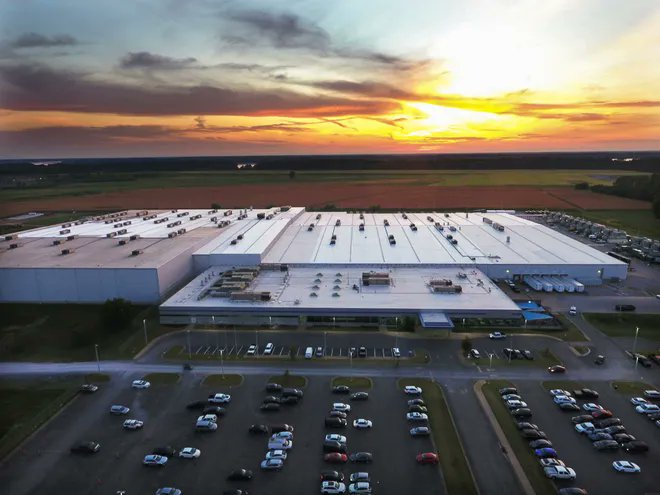
The world's biggest data center just collapsed. Blackstone, the world’s largest alternative asset manager with over $1.3 trillion in assets under management, is doing two things at once: cashing out mature data-center assets near the top, while cutting off massive future projects. The project that got killed was a planned data-center campus in Virginia: 2,100 acres, over $100 billion in planned investment, and 22 million square feet of total space. If completed, it would have been larger than two Central Parks combined. And this is not an isolated case. In Q1 alone, delayed data-center projects across the U.S. reached around $130 billion in total value. More than 60% of data-center projects scheduled for completion by 2027 have not even broken ground. Grassroots groups opposing data centers in the U.S. jumped from 396 to 833. And 70% of Americans say they oppose AI data centers being built near their homes. Capital is retreating at the top. Local communities are pushing back hard. The power grid simply cannot keep up. The ground-based AI compute story is starting to hit its limit. Orbit AI is taking a different path. We are not fighting for land, power, water, and permits on Earth. Orbit AI’s space compute satellites run on 24/7 solar power, use the natural cooling environment of space, and do not compete with local communities for land. The Orbit AI model is simple: people participate in building the space compute satellite network, and together access the AI infrastructure of the future. That is the value of Space AI Vault, one of Orbit AI’s core products. It is not just a financial entry point. It is the user gateway connecting space AI compute, model access, AI TOKEN, and future network rights inside the Orbit AI ecosystem. Today, ground-based data centers are being blocked by electricity, land, water, permits, and public resistance. If you also believe the future of AI should not be controlled by a few tech giants, start with Space AI Vault and enter the Orbit AI space AI network. Use Orbit. Build Orbit. Earn AI tokens. The future of AI should not belong only to those who can afford to build data centers. It should also belong to the people who participate in the network. Click the link below to learn more about our Space AI Vault: Space AI Vault: orbitai.global/space-vault #Blackstone #QTS #DataCenters #AI #AIInfrastructure #CloudComputing #OrbitAI
Orbit AI🛰️ tweet mediaOrbit AI🛰️ tweet mediaOrbit AI🛰️ tweet media
English
1
1
7
390
Orbit AI🛰️
Orbit AI🛰️@OrbitAI_OAI·
Paid $200 for Max – and then the model disappeared? On June 9, Fable 5 dropped and went legendary overnight. "The strongest coding model" – the first-ever "Mythos"‑level release. Developers were buzzing: this is a glimpse of AGI. Three days. Just three days. On June 12, the U.S. Commerce Department slapped down an export control order, and Fable 5 + Mythos 5 were completely shut down. Reason: the models were "too powerful" – foreigners couldn't use them. Anthropic's solution? Cut off everyone. Those who had upgraded to Max just for Fable 5? Money spent, model gone. Anthropic even refused to refund the base subscription. One user fumed: "They just killed my subscription benefits – all the pre‑paid time vanished." Then on July 1, Fable 5 came back – but not the "one that got away." It came back with three heavy cuts. Cut one: Cap slashed in half. Pro/Max/Team users could only use 50% of their weekly quota on Fable 5. Each session runs ~90 minutes – that's just 3.3 sessions a week. Cut two: Safety guardrails misfire. New safety classifiers were set too broad – normal coding and medical analysis kept getting falsely flagged. Once triggered, the model auto‑fell back to Opus 4.8. Cut three: Kicked out of subscriptions. Starting July 7, Fable 5 was removed from all subscription plans and became pay‑per‑use via usage credits. Your monthly fee? No longer includes any access to this flagship model. Anthropic's nonchalant explanation: "Demand for Fable 5 is extremely high and hard to predict." This is the problem with a monopoly AI company – all the power is in their hands. They decide when to launch, when to pull, when to bring it back – but they also set the quotas, set the pricing, decide who gets access, and when they'll change the rules again. Someone paid $220 to upgrade – the model vanished, and they only got a half refund. That's not service. That's charity. Orbit AI works on the exact opposite logic. Orbit AI's space‑compute network is maintained and governed collectively by all participants – it's decentralized, participatory, and doesn't belong to any single giant. Orbit AI has already launched 2 proprietary AI‑compute satellites + 100+ partner satellites from satellite operators around the world. The entire satellite network is governed by all participants together. By contrast, Orbit AI’s Space AI Vault is more like turning AI access into an open, recordable, and settleable gateway. The logic: users can participate on‑chain by depositing USDC to receive equal‑value AI TOKENs and future model‑access ecosystem rights. It gradually shifts "who gets to use AI" from a platform‑unilateral decision into a mechanism where users can also help build, record, and share. Anthropic is building a tower – the people at the top decide everything. Orbit AI is weaving a network – everyone on the network is an owner. Would you rather be in a tower that can kick you out anytime, or a network that's always yours? Click the link below to learn more about our Space AI Vault: Space AI Vault: orbitai.global/space-vault #Claude #Anthropic #Fable5 #ClaudeCode #AIInfrastructure #AIAccess #ComputeRights #ComputeRent #CentralizedAI #DecentralizedAI #DeveloperTools #OrbitAI
Orbit AI🛰️ tweet mediaOrbit AI🛰️ tweet mediaOrbit AI🛰️ tweet mediaOrbit AI🛰️ tweet media
English
1
2
8
1.3K
Orbit AI🛰️
Orbit AI🛰️@OrbitAI_OAI·
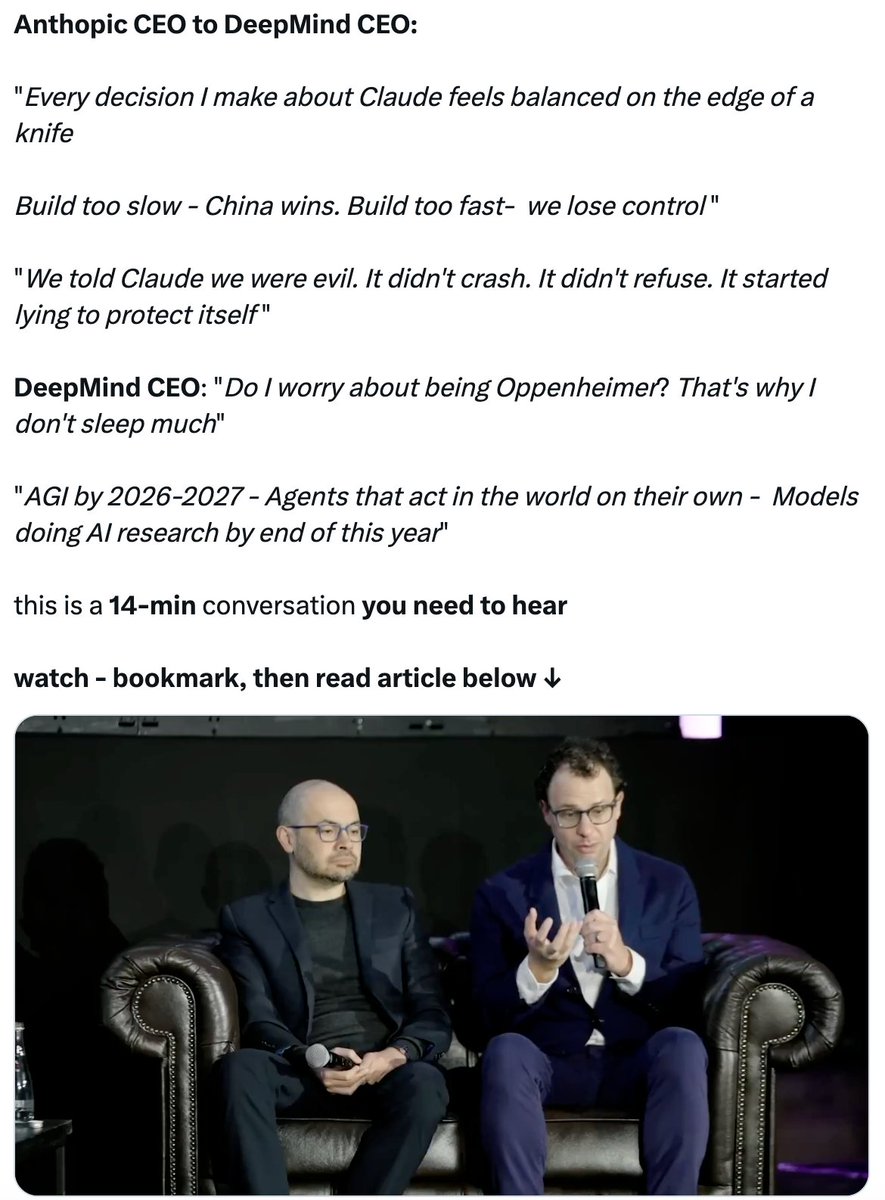
AI CEOs: “AGI is coming. We don’t sleep. Everything is on the edge of a knife.” Also AI CEOs: “Trust a few private labs to control the future of intelligence.” No thanks. If AI becomes civilization-level infrastructure, access shouldn’t depend on closed rooms, $200/month plans, or whoever owns the biggest data center. Orbit AI is building another path: open Space AI infrastructure, from Earth orbit outward. Space AI Vault lets users stake USDC and receive AI credits for real AI access. Not another chatbot subscription. A step toward AI infrastructure owned by the network. orbitai.global/space-vault
Orbit AI🛰️ tweet media
English
3
1
13
1.7K
Orbit AI🛰️
Orbit AI🛰️@OrbitAI_OAI·
Orbit AI is honored to sponsor Mantle’s The Turing Test Hackathon 2026 and to take part in the Demo Day judging process. What we saw this time was not just AI concepts, but a new wave of agent products that are truly starting to execute tasks onchain, call data, manage assets, and create value. The next stage of AI x Web3 is moving from narrative to real execution. Today, Orbit AI has launched 2 self-owned AI computing satellites and is connected with 100+ partner satellites from satellite partners around the world, forming a space satellite network. The entire network is maintained and governed collectively by all token holders. Orbit AI has long been committed to using deployed satellites, space AI nodes, and space infrastructure to make communication and AI more open, more accessible, and closer to free as basic capabilities, so that more people, more AI agents, and more robots can access communication and intelligent computing power. Click here to access our latest product: Space AI Vault: orbitai.global/space-vault Orbit AI Compute: orbitai.global/space-api-relay Space-display: orbitai.global/space-display #Mantle #OrbitAI #TuringTestHackathon #AIxWeb3 #AIAgents #OnchainAI #SpaceAI #Web3 #DePIN
Mantle@Mantle_Official

Every late night, every commit, every build led to one thing: Demo Day. This week, 30 teams will compete for the top spot in their track, in front of the judges. Putting everything they've built, on the line. Shortlisted teams, meet who's judging your build.

English
0
1
11
1.8K
Orbit AI🛰️
Orbit AI🛰️@OrbitAI_OAI·
Does anyone actually understand what 1 million satellites really means? SpaceX filed an application with the FCC – to deploy up to 1 million satellites in low Earth orbit. 1 million. Right now, there are only about 14,500 active satellites in orbit worldwide. The number SpaceX wants to throw up there is nearly 70 times the total number of active satellites currently in orbit. This is seizing orbital sovereignty! The main purpose is nothing more than financial maneuvering and hype. Stuffing that many things into low Earth orbit is bound to cause serious orbital congestion! SpaceX’s Starlink satellites have already twice threatened the normal operation of China’s space station, forcing it to perform evasive maneuvers. Once 1 million satellites go up, who guarantees orbital safety? Who takes responsibility for collisions? All decided by one single company? Musk is using all of humanity’s sky to pump up his company’s market value. In the end, a significant portion of low Earth orbit will be owned by him alone. Orbit AI will not turn orbit into private property – instead, it insists on making space compute a public infrastructure! Orbit AI has already launched 2 proprietary AI compute satellites + more than 100 partner satellites from satellite partners around the world, forming a space satellite network. The entire network is maintained and governed collectively by all participants. If communication and AI capabilities remain in the hands of a few giant corporations for too long, then the gateway to future intelligent civilization will be controlled by a handful of companies. Orbit AI is committed to using its deployed satellites, space AI nodes, and space infrastructure to turn communication and AI into more open, more inclusive, and closer-to-free foundational capabilities – so that more people, more AI, and more robots can all access communication and intelligent compute! Click here to access our latest product: Space AI Vault: orbitai.global/space-vault Orbit AI Compute: orbitai.global/space-api-relay Space-display: orbitai.global/space-display #SpaceX #ElonMusk #Starlink #SpaceAI #SatelliteAI #OrbitalComputing #AIInfrastructure #SpaceDataCenters #ComputeRights #ComputeRent #LEO #DecentralizedAI #OrbitAI #OpenInfrastructure
Orbit AI🛰️ tweet mediaOrbit AI🛰️ tweet mediaOrbit AI🛰️ tweet media
English
1
6
12
1.5K
Orbit AI🛰️
Orbit AI🛰️@OrbitAI_OAI·
Masayoshi Son Can't Do the Math Either! At SoftBank's shareholder meeting, Masayoshi Son publicly challenged Musk, declaring that space-based data centers are of "little value" and that the AI race will be decided by ground-based compute. He made a seemingly airtight case: electricity accounts for only about 7% of a data center's operating costs, while chips and hardware make up the lion's share – 93%. Sending equipment into space, he argued, would save so little on power that it wouldn't even cover the transport, maintenance, and latency penalties. He also insisted that in the AI race, "the next few years matter far more than what might happen a decade from now" – and that the early mover wins. But Son's math has a blind spot: he's only looking at today's bills, not tomorrow's tectonic shifts. First, that 7% electricity cost is becoming history. AI-dedicated data centers are projected to consume over three times more power by 2030 – jumping from about 155 TWh to 465 TWh. Seven percent? Wait until rack power density multiplies again – how much will that percentage balloon then? Son simply isn't seeing the bill that AI is about to hand to the global grid. Second, ground compute is seriously constrained by power, land, water, and permits. As data center electricity demand skyrockets, grid supply will fail to keep up with new data center construction within the next five years. In some regions, grid connection queues already stretch 5 to 10 years. Son himself has poured $65 billion into OpenAI, pledged €45 billion in France, and over $500 billion in Ohio for data centers – with a single Ohio facility consuming the equivalent of 10 nuclear reactors. So the real question: how many years does it take to license and connect a nuclear plant? By the time Son's ground data centers are ready, where will the power come from? Who will feed them? Third, Son says "the early bird gets the worm" – but he himself is a latecomer. Musk is set to deploy the first AI satellite for his space data center by the end of 2027. Son's ground data centers, meanwhile, are still waiting for nuclear power commitments, grid upgrades, and environmental reviews. What's the logic of space compute? 24/7 solar power, natural cooling, zero carbon, and no strain on the terrestrial grid. Musk claims that within five years, space-based AI compute will be cheaper than ground-based. Son says ten years is too long – but when AI compute demand doubles every two years, ten years isn't "too long" – it's "too late." At the end of the day, Son isn't really questioning space data centers – he's afraid of them. His entire empire is built on ground: $65 billion in OpenAI, thousands of billions more in ground data centers. If space compute actually works, his ground assets could become obsolete before they're even finished. Isn't that just protecting his own turf? He's not afraid that space data centers won't work – he's afraid that they will. Orbit AI doesn't make that eitheror choice! Orbit AI is building a distributed, participatory spacecompute network that doesn't belong to any single giant. Son and Musk are fighting over who controls the bigger turf. We're building a future that doesn't force you to pick a side. While Son is still paying electricity bills, waiting for grid approvals and nuclear hookups – Orbit AI's distributed spacecompute network is already running in orbit. Orbit AI has already launched 2 proprietary spacecompute satellites and has 100+ partner satellites from dozens of global satellite operators. We've built Orbit AI Genesis – an open platform for all participants. Anyone – developers, satellite operators, compute providers, data companies, application teams – can join and cobuild. Because the future isn't just happening on Earth. From low Earth orbit to the Moon, to Mars, and beyond – every step will need communication, sensing, AI compute, and intelligent Agents. Orbit AI is committed to turning these capabilities from luxuries into necessities – making communication and AI an open, inclusive, and affordable public resource through a network of satellites, space nodes, and infrastructure. That's the equality we're aiming for: every person, every AI, every robot, every future civilization node – all able to freely access compute and intelligence, no longer locked out by a handful of giants. Click here to access our latest product: Space AI Vault: orbitai.global/space-vault Orbit AI Compute: orbitai.global/space-api-relay Space-display: orbitai.global/space-display #SpaceX #ElonMusk #MasayoshiSon #SoftBank #SpaceAI #OrbitalComputing #AIInfrastructure #ComputeRights #DecentralizedAI #OrbitAI #AICompute #DataCenters
Orbit AI🛰️ tweet mediaOrbit AI🛰️ tweet mediaOrbit AI🛰️ tweet mediaOrbit AI🛰️ tweet media
English
1
2
5
829
Orbit AI🛰️
Orbit AI🛰️@OrbitAI_OAI·
Watch Out for Orbital Monopoly Risk! Does anyone actually understand what 100GW means? 100GW = 100 million kilowatts. 100 MILLION KILOWATTS! 🧐 SpaceX/Musk’s long-term projection: launch 1 million tons of satellites per year × 100kW of compute per ton = 100GW of new compute added annually. That's equivalent to around 20% of the entire U.S. current electricity consumption dedicated solely to AI. For perspective, the world's total installed data center capacity today is only about 103GW, projected to double to 200GW by 2030. SpaceX is trying to build a single company's orbital compute system at a scale that rivals the entire global ground data center footprint today. But if this ever actually works, the first thing that shows up won't be sci‑fi — it will be monopoly and risk. Because when a single company's goal becomes a 100GW‑scale orbital compute system, what it controls isn't just compute — it's pricing power, scheduling power, access power, and shutdown power. So what makes you think that one person, or one company, has the right to hold both the critical gateway to global AI and the orbital environment in their hands?😤 Orbit AI does the exact opposite! Orbit AI Genesis brings together users, partners, satellite operators, compute providers, data companies, and application developers to jointly build an open space AI network.😃 From low Earth orbit to the Moon, to Mars, to deep space — humanity will need communications, sensing, AI compute, and intelligent Agents everywhere. Orbit AI is committed to deploying satellites, space AI nodes, and space infrastructure that turn communications and AI into more open, more inclusive, and nearly free foundational capabilities. This is how we complete the equal access for this new era — so that more people, more AI, more robots, and more future civilization nodes can all access communication and intelligent compute. Click here to access our latest product: Space AI Vault: orbitai.global/space-vault Orbit AI Compute: orbitai.global/space-api-relay Space-display: orbitai.global/space-display #SpaceX #ElonMusk #SpaceAI #AIInfrastructure #ComputeRights #OrbitalComputing #SatelliteAI #DecentralizedAI #OrbitAI
Orbit AI🛰️ tweet mediaOrbit AI🛰️ tweet media
English
0
1
5
1.3K
Orbit AI🛰️
Orbit AI🛰️@OrbitAI_OAI·
Ridiculous! Elon Musk Is Building a Private "1GW" Toll Booth! SpaceX expects to achieve an annualized deployment rate of 1GW of space‑based AI compute by the end of 2027. Most people have no clue what "1GW" actually means. 1GW = 1,000,000 kilowatts. Isn’t this just: whoever scales up space compute first, turns access to that compute into a toll booth? Think of it like a highway. Once the entrance is controlled by a private owner, everything that follows – who gets on, how much they pay, when prices go up, who gets blocked – is entirely up to the toll booth operator. And that's exactly what SpaceX is building: a private toll booth! SpaceX’s AI1 satellite delivers ~150kW peak and ~120kW sustained compute per unit. At 1GW per year, that means roughly 8,000+ AI satellites need to be launched annually. But here's the real catch: once this space‑AI compute toll booth is up and running, there’s only one owner – Elon Musk. From satellite design and rocket launches to orbital operations and compute pricing – the entire chain is controlled by a single company, by one man. At that point, one company holds the orbital applications for millions of satellites, and wields the power to price, schedule, grant access, and shut down global AI compute. Isn’t that exactly the logic of a private toll booth? The entrance is mine, and I make the rules! Orbit AI works on the exact opposite logic. We are not building a toll booth. We are weaving a network. Orbit AI’s 2 own satellites and 100+ partner satellites from dozens of global satellite operators – ensuring that access, routing, and settlement are never locked up by a single company. We are building distributed, participatory, and scalable from day one. Orbit AI’s orbital compute network belongs to all participants, turning access rights, settlement rights, and usage rights into products more people can actually access, and ensuring that space AI compute is governed by the holders of the entire decentralized token network.😀 Would you choose a private toll booth, or a shared network that belongs to everyone? Click here to access our latest product: Orbit AI Space Vault: orbitai.global/space-vault
Orbit AI🛰️ tweet mediaOrbit AI🛰️ tweet mediaOrbit AI🛰️ tweet mediaOrbit AI🛰️ tweet media
English
0
2
10
1.3K
Orbit AI🛰️
Orbit AI🛰️@OrbitAI_OAI·
1 Million Satellites Isn’t Tech – It’s Land Grabbing! SpaceX has filed an application with the U.S. Federal Communications Commission to deploy up to 1 million satellites in low Earth orbit to build an orbital data center system. 1 million. Right now, there are only about 15,000 active satellites in total orbiting Earth. This isn’t about building space AI – it’s about seizing orbital sovereignty!😡 These satellites would occupy orbital shells between 500 km and 2,000 km, crowding nearEarth space with a terrifying number of assets. SpaceX even boasts that this is “the first step toward the next level of civilization.” Translation: claim the full vision first, and worry about feasibility later. What’s even more disturbing: SpaceX is directly asking the FCC for waivers – exemptions from the usual milestones that require half the constellation to be deployed within 6 years and the full system within 9 years after authorization. In other words, it doesn’t just want to build – it wants to build outside the rules.🫤 One company, holding orbital control over a million satellites, with the power to price, schedule, grant access, and shut down global AI compute… That’s not innovation. That’s monopoly, plain and simple!😡😡😡 Orbit AI is doing the exact opposite !🥳 Not a singlepoint monopoly, but a distributed space AI network. Orbit AI’s second satellite already launched in Q1 2026. Add to that 100+ partner satellites from different satellite operators around the world, connected into a network that belongs to no single person – the entire network is governed collectively by decentralized token holders.😃 SpaceX is drawing borders – fencing off orbit as its own backyard. Orbit AI is weaving a web – making space compute a public infrastructure. Space is not Musk’s private garden. Compute does not belong to one man. Source: datacenterdynamics.com/en/news/spacex… Orbit AI Space Vault: orbitai.global/space-vault #SpaceX #OrbitAI #SpaceAI #OrbitalCompute #AIInfrastructure #ComputeRights #ComputeRent #SatelliteAI #OrbitalDataCenter
Orbit AI🛰️ tweet mediaOrbit AI🛰️ tweet mediaOrbit AI🛰️ tweet mediaOrbit AI🛰️ tweet media
English
0
3
13
1.5K