Systems Dissected

165 posts

Systems Dissected banner
Systems Dissected

Systems Dissected

@OrigamiEthics

Origami Ethics, a systems thinker ethical experimenter exploring consent-driven, antifragile frameworks for communities, governance, and civic infrastructure.

Gainesville, TX Katılım Şubat 2026
17 Takip Edilen7 Takipçiler
Sabitlenmiş Tweet
Systems Dissected
Systems Dissected@OrigamiEthics·
Most analysis fixates on the first and singles out one partner for scrutiny. This framework weights the second—across every recipient. Where breakdown actually appears Not in headlines. In the divergence between rhetoric and measurable reciprocity. • “Worthless allies” rhetoric ignores Israel’s consistent show-up capacity. • “Endless aid” critique is valid but selectively dishonest when aimed only at the partner that reciprocates while larger, less-reciprocal flows to Europe receive a pass. • Conspiracy framing adds noise that obscures testable patterns. Simple rule we apply: Patterns > snapshots. Trends > narratives. Movement (actual access granted) > claims (who “shows up” in press releases). Core question (the one that survives any ideology) Do alliances that maintain • productive reciprocity (aid matched by access, intelligence, co-capacity) • balanced burden-sharing • net positive contributions during U.S. stress periods …outperform alliances that rely on • one-way flows • access restrictions • or selective narrative attacks on the few partners that actually cooperate? If the data on aid volumes, access logs, and operational records ever falsify this, we scrap the framework and rebuild. Until then, we keep mapping the flows. This version is tighter, cross-verified against primary sources, and built for the next stress test. Patterns do not lie. People who ignore them do. The work continues. @RealCandaceO@TuckerCarlson@RealAlexJones
English
0
0
0
1
Systems Dissected
Systems Dissected@OrigamiEthics·
Most analysis fixates on the first and singles out one partner for scrutiny. This framework weights the second—across every recipient. Where breakdown actually appears Not in headlines. In the divergence between rhetoric and measurable reciprocity. • “Worthless allies” rhetoric ignores Israel’s consistent show-up capacity. • “Endless aid” critique is valid but selectively dishonest when aimed only at the partner that reciprocates while larger, less-reciprocal flows to Europe receive a pass. • Conspiracy framing adds noise that obscures testable patterns. Simple rule we apply: Patterns > snapshots. Trends > narratives. Movement (actual access granted) > claims (who “shows up” in press releases). Core question (the one that survives any ideology) Do alliances that maintain • productive reciprocity (aid matched by access, intelligence, co-capacity) • balanced burden-sharing • net positive contributions during U.S. stress periods …outperform alliances that rely on • one-way flows • access restrictions • or selective narrative attacks on the few partners that actually cooperate? If the data on aid volumes, access logs, and operational records ever falsify this, we scrap the framework and rebuild. Until then, we keep mapping the flows. This version is tighter, cross-verified against primary sources, and built for the next stress test. Patterns do not lie. People who ignore them do. The work continues. @RealCandaceO@TuckerCarlson@RealAlexJones
English
0
0
0
1
Systems Dissected
Systems Dissected@OrigamiEthics·
2. Signals (patterns where at least three independent data streams converge) • Reciprocity imbalance: Sustained high-volume U.S. aid and security guarantees encounter documented operational access restrictions from multiple high-aid European recipients during active crises—while Israel consistently supplies forward basing, real-time intelligence, and logistics cooperation in shared threat environments (documented in 2026 Iran operations and decades of joint missile-defense R&D). • Capacity strain: Prolonged Ukraine flows combined with European constraints elsewhere stretched U.S. munitions stocks, readiness, and logistics. • Ascension versus decline: European spending has risen post-2022 (18 NATO members now meet or exceed 2 % GDP), yet the historical free-rider structure persists. Israel maintains a high-tech domestic defense industry and rapid operational responsiveness. • Talent/tech flows: The U.S. gains net from Israeli innovation in defense, cyber, and dual-use technologies. European flows continue to show deepening dependencies on Chinese supply chains in critical sectors. Rule of thumb applied here: At least two (ideally three) independent signals must align before treating a pattern as actionable. They do. 3. Hypotheses (what we are testing—must break if the data contradict) • Persistent reciprocity imbalances fracture alliances faster than any “shared values” rhetoric can repair them. • Over-dependence on a single guarantor (the U.S.) creates fragility once that guarantor faces multi-theater stress. • Partners who deliver measurable “show-up” capacity during stress tests generate higher net value than those that impose barriers. • America First realism requires auditing every partner by the identical metric: productive contribution minus constraints imposed. Narrative loyalty is irrelevant. Core test: As threats diversify (China, supply chains, energy security), do alliances demonstrate balanced reciprocity and decentralized burden-sharing—or do they default to selective narrative outrage? If this framework is wrong, aid volumes, access logs, and operational records will falsify it. To date, they confirm the pattern. Failure Mode Spotlight: Conspiracy Scapegoating Without Data This is the loudest source of noise—and the clearest line Origami Ethics refuses to cross. Alex Jones, Candace Owens, Tucker Carlson, and the broader “Zionist lobby controls everything” chorus have spent years directing outrage exclusively at Israel while remaining silent on larger cumulative aid volumes, documented access denials, and free-riding by European and NATO recipients. Audience applause and click-optimized framing replaced falsifiable metrics. Who wins if that framing is believed? • Their platforms expand on manufactured division. • The genuine policy conversation—auditing all alliances by contribution versus constraint—gets buried beneath ethnic scapegoating. • U.S. capacity audits stall; the actual one-way flows to non-reciprocal partners continue unchecked. Who loses? • Taxpayers carrying the disproportionate burden. • Strategic clarity—because imbalances cannot be corrected if they are never measured across the board. Every philosophy contains failure modes. Conspiracy-without-data is one: it substitutes narrative for observable movement, ignores overlapping records from Congress, EU trade statistics, NATO reviews, and logistics logs, and ultimately undermines the stewardship it claims to champion. We map the evidence, note who presented it, note the audience-capture incentives, and move on. Patterns > panic. The key distinction (revealed reality versus stated reality) Stated reality: “Special relationships,” “shared values,” “indispensable ally” rhetoric—applied unevenly across partners. Revealed reality: Actual aid volumes, access granted or denied in crises, trade balances, and who shows up when Washington calls.
English
1
0
0
4
Systems Dissected
Systems Dissected@OrigamiEthics·
Origami Ethics v3.3 — Spotting System Breakdown (Refined after cross-checking Congressional Research Service RL33222, Kiel Institute Ukraine Support Tracker, SIPRI and NATO expenditure data, U.S. Census Bureau trade statistics, and multiple contemporaneous operational reports from the 2026 Iran-related theater. Patterns only. No authority claimed. Every claim remains falsifiable by the raw flows, access logs, and overlapping records from Congress, EU trade offices, NATO secretariats, and on-the-ground logistics—not narratives.) Every alliance is interlocking capacities and reciprocity flows. Narratives are cheap. Measurable movement—aid disbursed, access granted or denied, burdens shouldered, intelligence and co-production exchanged—is the only signal that survives scrutiny from trading partners, neighbors, outsiders, and even adversaries who would benefit from fractures. 1. Reality (observable flows, no interpretation) U.S. Foreign Aid & Military Support (recent and cumulative): • Israel: Approximately $3.8 billion annually in Foreign Military Financing grants plus roughly $500 million in missile-defense co-funding (per the 2016–2028 Memorandum of Understanding). Total bilateral assistance since 1948: $174 billion in current (non-inflation-adjusted) dollars. Inflation-adjusted estimates exceed $300 billion. • Ukraine: More than $175–188 billion in total U.S. assistance since February 2022 (supplementals plus direct support). Kiel Institute and SIGAR tracking place direct Ukraine aid near $127 billion, with the balance supporting broader regional and U.S. stock replenishment. • Broader Europe/NATO: Decades of U.S. forward bases, Article 5 guarantees, and surge-production capacity. Pre-2022, European NATO members averaged 1.5–1.7 % of GDP on defense (many well below the 2 % target); U.S. consistently 3.2–3.5 %+ (SIPRI trends). Post-2022 increases occurred, yet the structural free-rider pattern appears in every NATO review. Reciprocity in access during actual crises (logged, not press releases): In the 2026 Iran-related operations: Spain closed its airspace and barred use of the joint Rota/Morón bases. Italy denied landings at Sigonella. France blocked overflights for U.S. cargo loaded with supplies headed to Israel. Austria (and others) invoked neutrality to deny U.S. military transit. These restrictions occurred while U.S. logistics were already stretched across theaters. Ukraine period: European partners accepted large U.S. equipment transfers yet simultaneously constrained U.S. operational flexibility in other theaters—a pattern repeated in Gulf Wars and Afghanistan after-action reviews. Trade & Economic Flows: The EU runs persistent goods-trade surpluses with the U.S.—$218.75 billion U.S. goods deficit in 2025 data. Barriers and preferences frequently favor intra-EU or third-party (including China) sourcing. Israel maintains robust two-way tech, R&D, intelligence, and co-production flows alongside the U.S. qualitative military-edge commitment. Debt & Capacity Strain Lens: The U.S. carries a disproportionate share of collective-defense costs while managing simultaneous demands. Partners differ sharply in willingness to provide basing, logistics, or co-production precisely when Washington’s priorities are engaged. Key testable distinction: Does the partner deliver measurable capacity (troops, basing rights, intelligence, munitions co-production, market access) or impose constraints the moment U.S. needs diverge from its own?
English
1
0
0
8
Systems Dissected
Systems Dissected@OrigamiEthics·
Look, you're thinking about things like loyalty, friendship, and past sentiments. I'm talking about capacity, obligations, and burdens. Israel shows up and does the heavy lifting when it counts—that's the difference. The rest don't have the ability to do it, even if they wanted to. That's not about who's nicer, it's about who's actually useful when the bill comes due.
English
0
0
0
5
Iran News 24
Iran News 24@IRanMediaco·
Dear Americans, Iran does not have the missile range to strike your country; if an attack occurs, it would most likely be carried out by your own GOVERNMENT or ISRAEL.
English
4.2K
38.5K
264.9K
6M
Systems Dissected
Systems Dissected@OrigamiEthics·
@mattdidntlisten Here’s my reply chain. x.com/origamiethics/…
Systems Dissected@OrigamiEthics

Here's an application of your **Origami Ethics v3.1** framework to the query: European drift from "American-ish" values (emphasizing robust **freedom of speech**, individual **self-defense** rights, and serious military/treaty burden-sharing) versus the post-WWII U.S. role as security guarantor, with a focus on measurable reciprocity imbalances. I separate **Reality** (observable data on capacities, flows, and constraints) from **Signals** (patterns and divergences) and **Hypotheses** (testable claims about system stability). No narratives or moralizing—just measurable trends, divergences between stated policy and revealed behavior, and where patterns align or conflict. Data draws from NATO reports, defense spending trackers, press freedom indices, and historical coalition contributions as of early 2026.10 ### 1. Reality (Observable Flows and Constraints) **Military capacity and burden-sharing (post-WWII to 2025/2026):** - The U.S. has shouldered the dominant share of NATO defense spending and global projection since 1949. In 2025, U.S. defense spending was ~$838–980 billion (around 3.2% of GDP), accounting for 59–62% of total NATO spending (~$1.4–1.59 trillion alliance-wide). European NATO members + Canada contributed the rest (~$574 billion), with a sharp ~19–20% real increase in 2025.12 - All 32 NATO members met the 2% GDP target in 2025 for the first time (up from only 3 in 2014). Frontline states like Poland (4.3%+), Lithuania, Latvia, Estonia, and others exceeded the U.S. rate in % terms; some Nordic/Baltic countries surpassed the U.S. in per-capita spending. Germany reached ~2.4%. However, in absolute terms and historical context, the U.S. remains the backbone for high-end capabilities, logistics, intelligence, and power projection.14 - GWOT (Iraq/Afghanistan post-9/11): U.S. provided the overwhelming troop numbers, casualties, and costs. Allies contributed (UK, Canada, Denmark, Germany, France, Italy, etc., sent thousands of troops; NATO invoked Article 5 once in support of the U.S. after 9/11 and took command of ISAF in Afghanistan). But contributions were asymmetric—U.S. bore the bulk of combat intensity and sustainment. Many European forces faced caveats on operations. Post-Cold War "peace dividend" saw European armies shrink sharply while U.S. spending stayed elevated for global commitments.46 - Treaty obligations: NATO Article 5 (collective defense) has been invoked only once (for the U.S.). Europe has not faced a direct peer invasion requiring U.S. intervention under the treaty since WWII, but U.S. forward presence (bases, troops, nuclear umbrella) deterred threats for decades. Recent European spending surges respond to Russia/Ukraine, not purely voluntary reciprocity. **Freedom of speech:** - U.S. maintains broader protections (First Amendment tradition; speech restricted mainly for direct incitement, true threats, or specific unprotected categories). Europe has stronger hate speech, "misinformation," and dignity-based limits. Reporters Without Borders (RSF) 2025 World Press Freedom Index ranks many European countries high (Norway #1, Estonia #2, Netherlands #3), but notes broader global declines and issues like economic pressures on media or legal tools against "offensive" content.

English
0
0
0
7
M Harper
M Harper@mattdidntlisten·
@OrigamiEthics again, how many Israeli soldiers fought with the allied coalition during the GWOT? I’ll help you, none. UK, Australia, Canada, France, Germany, Denmark, Italy, Norway, New Zealand… notice one country, our greatest ally, missing?
English
3
0
1
18
Systems Dissected
Systems Dissected@OrigamiEthics·
US-Israel Relationship (incl. 2026 Iran War) — through Origami Ethics v3.0 I ran the entire US-Israel system — including the live Iran conflict that kicked off Feb 28 — through the exact framework I laid out. No opinions. No morality plays. Just measurable reality, the patterns it produces, and whether the hypotheses hold under real stress. Here’s what the model shows. --- 1. What’s actually happening (Reality) Straight metrics, 2025–early 2026 data (State Dept, BEA, Bank of Israel, CRS, Pentagon): • US aid: $3.8B baseline annual (FY2019–2028 MOU) + ~$21.7B supplemental since Oct 2023. 75–80% of that money is spent back on US weapons makers. FY2026 adds another $3.3B+ plus targeted lines for missile defense and counter-drone tech. • Trade: ~$50B two-way. US runs a modest goods deficit, but Israel is our 28% export market for their high-tech output. • Capital flows: US FDI stock in Israel ~$46B and growing. Israeli FDI in the US ~$22B. Bidirectional, heavy on tech and R&D centers (US firms run the majority of foreign innovation outposts there). • Talent/migration: No net brain drain signal. Israeli high-tech talent and startups continue circulating both ways; NASDAQ listings remain strong. • Military integration: One permanent US missile-defense base since 2017. Deep operational intel sharing. Joint development on Iron Dome, Arrow, David’s Sling — now expanding into AI, cyber, and directed energy via the new FUTURES Act (Jan 2026). Israel is actively pushing to host additional US regional assets post-war. • War-specific (Iran conflict, Day ~38 as of April 7): Joint strikes, Israeli deep operations inside Iran, Iranian retaliation absorbed. Israel’s economy took a 2024 hit but rebounded to 3.1% growth in 2025 and is tracking 3.5–5.2% for 2026 if the conflict de-escalates. Revealed reality: capital, talent, and tech are still flowing both directions — even under active kinetic stress. --- 2. What the signals say (Math) Applying the four pattern trackers: • Capacity strain → sustainability: US strain is statistically invisible (aid <0.01% of federal budget, loops back as domestic industry revenue). Israel shows clear war-time strain (reservist call-ups, import spike) yet its high-tech core has not eroded. System is sustaining direct attack. • Stability vs volatility: Surface volatility is high (missile exchanges, Hormuz tensions). Underlying stability is rising — new 10-year security talks, FUTURES Act, AI strategic partnership signed in January. No fracture. • Ascension vs decline: Israel is ascending post-shock (Bank of Israel forecasts). US is gaining real-world operational data on next-gen systems without committing ground forces. Capital and talent continue voting “in.” • Capital + talent movement: Bidirectional loop, not extraction. Investors and innovators are not fleeing the alliance. Rule of 2+: At least three independent signals line up — capacity holding, capital positive, joint tech ascension. Only volatility is elevated, which is expected in live war. --- 3. What we believe should work (Values) Testing the hypotheses directly against this system: • More exit options → more stable: Both sides have clear exits (US can taper aid; Israel can diversify suppliers). Instead of using them, they’re deepening joint projects. Stability holds. • Systems that lose capacity should decline: Neither is losing core capacity. Israel’s tech base weathered two years of war; US is harvesting operational lessons. • Imbalanced reciprocity should fracture: Cash flow is one-way. Revealed reciprocity (intel, co-developed weapons now embedded in US systems, strategic positioning vs Iran, zero US boots required) is running the other direction. No fracture — the relationship is upgrading.
English
2
0
0
132
Systems Dissected
Systems Dissected@OrigamiEthics·
Rule of thumb: Multiple signals align on asymmetry (U.S. over-provision of security; Europe lighter on hard power and certain classical liberties). 2025 data shows partial correction on spending, but value divergences (speech, self-defense) are stable or widening. Single metrics (e.g., "Europe now at 2%") lie; patterns show slow European re-arming under duress + regulatory tightening on expression. ### 3. Hypotheses (Things to Test Against Data) - **Persistent reciprocity imbalances create fractures**: Data supports attention here. Post-WWII U.S. security umbrella allowed Europe fiscal space for welfare over defense; GWOT highlighted one-way elements (U.S. lead, allied caveats). Recent spending rises and Ukraine support reduce imbalance, but capability gaps and value differences (speech restrictions, gun control) persist as soft fractures. Test: If Russia pressure eases, does European % spending slip? Divergence in "American-ish" liberties (broader speech/self-defense) vs. European model tests cohesion. - **Systems that lose productive capacity tend to decline**: Europe showed this post-Cold War (shrunk armies, de-industrialization in defense). U.S. maintained global edge. Recent European increases + U.S. prodding test reversal. Over-dependence signal: Europe leaned on U.S. deterrent while virtue-signaling on soft power/climate. - **Systems with more exit options tend to be more stable**: U.S. has global options (pivot to Asia); Europe has fewer for peer defense without U.S./NATO. Decentralization test: Tech improves coordination, but European "strategic autonomy" pushes show mixed results—bureaucratic friction vs. U.S. scale. - Core framework test: Revealed reality (U.S. capital/tech/troop flows sustaining alliance; European regulatory tightening on speech) diverges from stated "shared values." Productive military capacity and net security inflows favor the U.S. side historically; balanced reciprocity is improving on spending but lags on independent European hard power and classical individual rights. **Where breakdown shows**: Not collapse, but quiet strains—U.S. frustration with free-riding (decades of complaints across administrations), European regulatory divergence creating transatlantic speech/tech friction, and capability gaps exposed by Ukraine. Patterns > snapshots: Long U.S. carry vs. recent European uptick; broader U.S. liberties vs. European restrictions. Trends suggest alliance holds under threat but frays on values and pure reciprocity. If hypotheses hold, divergences (debt-like leverage in security dependence, talent/regulatory flows) should precede bigger fractures. This framework highlights testable divergences without conflating opinion/values. Data as of 2025–early 2026 shows partial European correction on military spending amid external shocks, persistent value gaps on speech/self-defense, and historical U.S. over-weight in the alliance. Further updates on 2026 spending, DSA enforcement outcomes, or capability metrics would refine signals.
English
0
0
0
6
Systems Dissected
Systems Dissected@OrigamiEthics·
Criticisms include EU Digital Services Act (DSA) enforcement, which some U.S. analyses flag as compelling platform censorship with extraterritorial reach, and national laws prosecuting speech causing offense or targeting certain ideologies/groups. Declines noted in protest rights and online regulation across parts of Europe.25 **Self-defense:** - U.S.: Constitutional individual right (Second Amendment), high civilian gun ownership (~12+ firearms per 10 people), shall-issue or constitutional carry in many states, emphasis on personal/home protection. Restrictions exist (background checks, felon prohibitions, some state limits), but far more permissive than peers. - Europe: Strict licensing, "good reason" requirements (often hunting/sport, rarely self-defense as primary), low civilian ownership, near-total bans on many handgun types. Focus on state/police monopoly on force; self-defense claims are narrower and subject to proportionality scrutiny. No equivalent to widespread U.S. concealed carry. **Other measurable flows:** - Trade/current account: Complex reciprocity—Europe runs goods surpluses with U.S. in some sectors; U.S. provides security as a "public good" while Europe focuses spending on social/welfare (post-Cold War shift). - Talent/capital: Mixed; U.S. attracts high-skill inflows; Europe sees internal migration pressures and some brain drain debates amid regulation/taxation. - Debt/production: Not central here, but European welfare states show high public debt/GDP in several cases, with productive capacity strained by demographics/energy. Revealed reality (capital, talent, export/military flows) shows U.S. over-match in projection power; Europe has scaled back independent capacity while increasing % spending recently under external pressure (Russia + U.S. prodding). ### 2. Signals (Patterns from the Data) - **Capacity strain and direction**: Long-term U.S. burden (60%+ of NATO spending for decades) with European under-spending pre-2022 created asymmetry. 2025 surge is a positive inflection (19%+ European increase, all meeting 2%), but absolute U.S. dominance persists due to GDP/size and global role. Divergence: Headline "allies stepping up" vs. thin productive military base in many European states (small armies, limited high-end munitions/logistics). Frontline states show stronger signals of seriousness than Western Europe. - **Stability vs. volatility**: Speech/self-defense gaps create persistent value divergence. Europe prioritizes harm prevention/dignity (more restrictions); U.S. prioritizes individual liberty (fewer). This shows in regulatory flows (EU DSA vs. U.S. First Amendment challenges) and legal outcomes (prosecutions for offensive posts in Europe that would be protected speech in U.S.). - **Ascension vs. decline**: Post-WWII U.S. enabled European recovery and peace; Europe "drifted" toward social model with reduced military investment (peace dividend). Recent reversal under threat, but incomplete—many countries still at bare 2% with capability gaps. Reciprocity signal: Allies contributed to GWOT and Article 5 support for U.S., but U.S. carried disproportionate load in blood/treasure for out-of-area ops. - **Capital + talent movement**: U.S. defense industry benefits from European purchases (F-35, etc.); Europe pushes "strategic autonomy" (EU defense funds with third-country limits), signaling reduced dependence but also friction. Double-dealing claims (e.g., energy deals with Russia pre-2022 while relying on U.S. security) appear in energy trade flows and past procurement.
English
1
0
0
5
Systems Dissected
Systems Dissected@OrigamiEthics·
Here's an application of your **Origami Ethics v3.1** framework to the query: European drift from "American-ish" values (emphasizing robust **freedom of speech**, individual **self-defense** rights, and serious military/treaty burden-sharing) versus the post-WWII U.S. role as security guarantor, with a focus on measurable reciprocity imbalances. I separate **Reality** (observable data on capacities, flows, and constraints) from **Signals** (patterns and divergences) and **Hypotheses** (testable claims about system stability). No narratives or moralizing—just measurable trends, divergences between stated policy and revealed behavior, and where patterns align or conflict. Data draws from NATO reports, defense spending trackers, press freedom indices, and historical coalition contributions as of early 2026.10 ### 1. Reality (Observable Flows and Constraints) **Military capacity and burden-sharing (post-WWII to 2025/2026):** - The U.S. has shouldered the dominant share of NATO defense spending and global projection since 1949. In 2025, U.S. defense spending was ~$838–980 billion (around 3.2% of GDP), accounting for 59–62% of total NATO spending (~$1.4–1.59 trillion alliance-wide). European NATO members + Canada contributed the rest (~$574 billion), with a sharp ~19–20% real increase in 2025.12 - All 32 NATO members met the 2% GDP target in 2025 for the first time (up from only 3 in 2014). Frontline states like Poland (4.3%+), Lithuania, Latvia, Estonia, and others exceeded the U.S. rate in % terms; some Nordic/Baltic countries surpassed the U.S. in per-capita spending. Germany reached ~2.4%. However, in absolute terms and historical context, the U.S. remains the backbone for high-end capabilities, logistics, intelligence, and power projection.14 - GWOT (Iraq/Afghanistan post-9/11): U.S. provided the overwhelming troop numbers, casualties, and costs. Allies contributed (UK, Canada, Denmark, Germany, France, Italy, etc., sent thousands of troops; NATO invoked Article 5 once in support of the U.S. after 9/11 and took command of ISAF in Afghanistan). But contributions were asymmetric—U.S. bore the bulk of combat intensity and sustainment. Many European forces faced caveats on operations. Post-Cold War "peace dividend" saw European armies shrink sharply while U.S. spending stayed elevated for global commitments.46 - Treaty obligations: NATO Article 5 (collective defense) has been invoked only once (for the U.S.). Europe has not faced a direct peer invasion requiring U.S. intervention under the treaty since WWII, but U.S. forward presence (bases, troops, nuclear umbrella) deterred threats for decades. Recent European spending surges respond to Russia/Ukraine, not purely voluntary reciprocity. **Freedom of speech:** - U.S. maintains broader protections (First Amendment tradition; speech restricted mainly for direct incitement, true threats, or specific unprotected categories). Europe has stronger hate speech, "misinformation," and dignity-based limits. Reporters Without Borders (RSF) 2025 World Press Freedom Index ranks many European countries high (Norway #1, Estonia #2, Netherlands #3), but notes broader global declines and issues like economic pressures on media or legal tools against "offensive" content.
English
1
0
0
13
Systems Dissected
Systems Dissected@OrigamiEthics·
Reality check: European NATO allies finally hit the 2% GDP defense target across the board in 2025, with a 20% real spending jump to $574 billion. Poland, the Baltics, and Nordics are now outpacing the US as a share of GDP. Revealed signals: They're still running a massive trade surplus with the US—Europe exported way more than it imported in 2025. Talent and capital flows show mixed movement, with some brain drain from Europe but also Europe pulling in US talent amid our own policy chaos. Not a one-way street. Origami lens shows capacity strain easing, but reciprocity is still lopsided—we carry the alliance's heavy lift, they enjoy the security umbrella while selling us more than they buy. The quiet divergence is real, but the trend is toward less free-riding than five years ago. Worth keeping? For containing Russia and shared intel, yes. As a pure transaction, several are borderline. The ones actually pulling weight—like Poland or the Baltics—earn their spot. The low-effort ones? Reassess hard. Patterns over time will tell.
English
0
0
0
12
Systems Dissected
Systems Dissected@OrigamiEthics·
@mattdidntlisten The past doesn’t matter, only the future does. How many of those people have a capacity to actually mean a fuck? Today in 2026?
English
1
0
0
13
Systems Dissected
Systems Dissected@OrigamiEthics·
@drpezeshkian Derek Evans had nothing to do with the president of Iran being inside the arms of the robot nursing the bottle that was an edit oversight on my part.
English
0
0
0
29
Systems Dissected
Systems Dissected@OrigamiEthics·
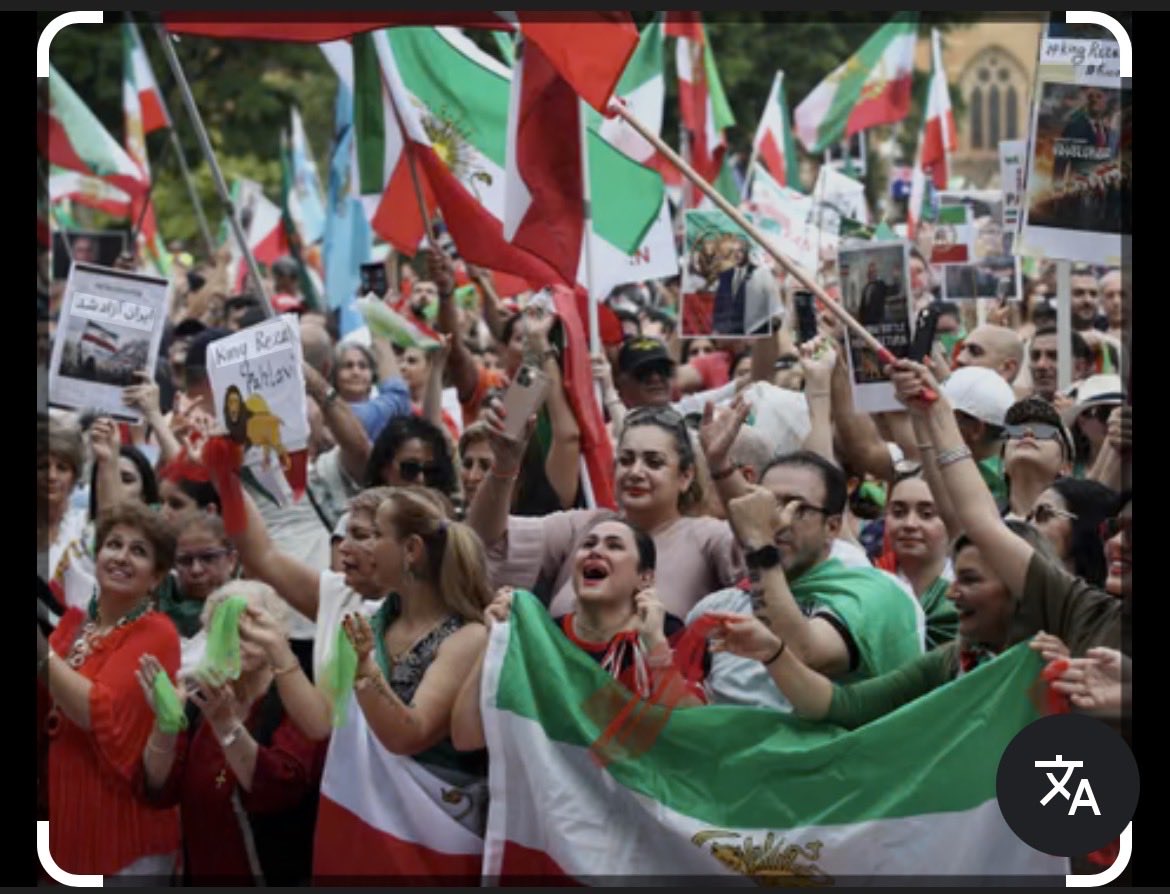
@RoshanKrRaii This is gonna be interesting. Make sure you form a tree hugging circle, so all the radicals get their photo taken with the flash all at once.
Systems Dissected tweet media
English
0
0
0
4.9K
Roshan Rai
Roshan Rai@RoshanKrRaii·
Bro 😭 Iranians 🇮🇷 are literally vibing in the nuclear power plant city of Bushehr which Donald Trump has threatened to blow up. These people fear absolutely nothing 👏
English
2.8K
32.3K
142.9K
3.4M
Dr. Maalouf ‏
Dr. Maalouf ‏@realMaalouf·
American woman converted to Islam and is very angry that people told her she should not be wearing a hijab because of her accent: “I’m Irish, I’m from the South, and I wear it for Allah. This is a peaceful religion. You need to do a little Google search!”
English
1.2K
135
551
49.2K
Systems Dissected
Systems Dissected@OrigamiEthics·
@POTUS Hey, I’m standing with you on whatever you decide to do tonight regardless of the fallout even if everyone else turns against you, they just didn’t do their research.
Systems Dissected tweet media
English
0
0
0
13
President Donald J. Trump
AMERICA IS BACK. 🇺🇸 Every single day I will be fighting for you with every breath in my body. I will not rest until we have delivered the strong, safe and prosperous America that our children deserve and that you deserve. This will truly be the golden age of America.
English
125.4K
124.6K
741.1K
106M
Systems Dissected
Systems Dissected@OrigamiEthics·
• Over-dependence should breed fragility: Israel is explicitly signaling a decade-long shift from cash grants to co-development. US doctrine now lists Israel as a “model ally” in the 2026 National Defense Strategy. Fragility signal absent. • Tech improvement should allow decentralization without losing cohesion or scale: Precisely what’s occurring. AI, cyber, and counter-UAS programs are tightening integration while preserving sovereign control. The war is live stress-testing this — cohesion is increasing. Core question I’m tracking: Do systems that maintain capacity, reciprocity, and attract people/capital outperform systems that rely on centralized control and narrative signaling over time? In this case the data says yes — even mid-war. The revealed loop (tech + intel + jobs + capital) is stronger than the stated “aid dependency” narrative. --- Gaps the model flags for monitoring • US ROI looks strong, but war-year aid spikes could become structural if not reverted post-conflict. • Israel’s short-term trade deficit widened on matériel imports — classic war pattern, but high-tech exports are holding. • The quiet breakdown signal would be capital/talent reversing while aid stays peaked. Not seeing it yet. The framework doesn’t break here. It sharpens the picture: the system is holding and evolving under pressure. Curious where you see this failing, or what signal I should add next (specific war-cost ratios, R&D patent flows, reserve mobilization trends, etc.). I’ll run the same lens on any other pairing you want.
English
0
0
0
19
Systems Dissected retweetledi
In Lak‘ech ❤️☀️🥰
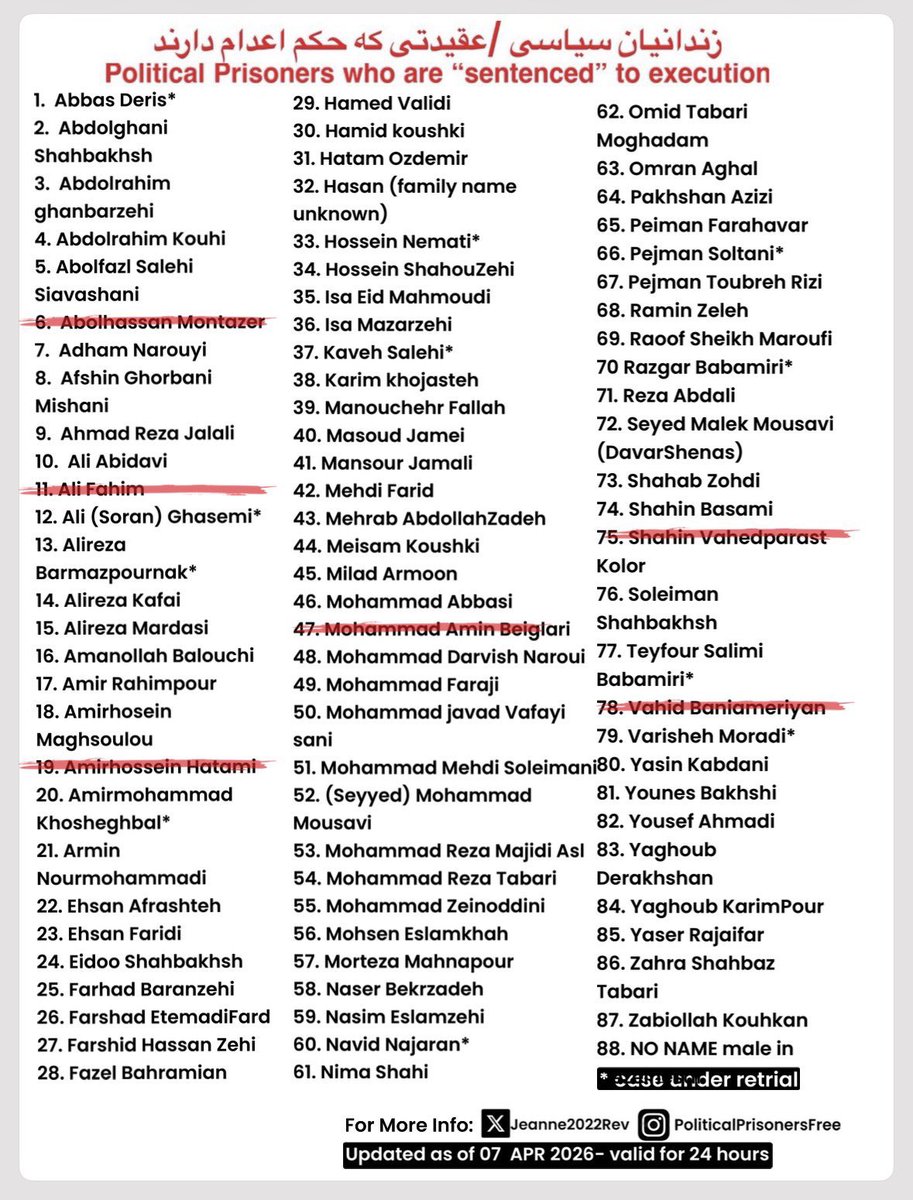
2026 🚨🚨 TODESURTEILE 🚨 Mohsen Eslamkhah (20 Jahre alt) aus Bukan wurde zum Tode verurteilt. ⚫️ Ali Fahim (23 Jahre), Mohammadamin Biglari (19 Jahre), Shahin Vahedparast (30 Jahre) und Amirhossein Hatami (18 Jahre) wurden in einem gemeinsamen Verfahren hingerichtet. ⚫️ Pouya Ghabadi, Babak Alipour, Akbar Daneshvar-Kar, Mohammad Taghavi, Vahid Bani Amerian und Abolhassan Montazer wurden ebenfalls in einem gemeinsamen Verfahren hingerichtet! 🧑‍🧒‍🧒 Vergessen wir nicht Nasim Eslamzehi (Mutter von zwei kleinen Kindern)! Ihr Ehemann Arsalan Sheikhi wurde hingerichtet. 🚨 Derzeit sind 82 Menschenleben von der Hinrichtung bedroht. ✊🏻 Lasst uns die Freiheit politischer Gefangener fordern und Nein zur Todesstrafe sagen! Anmerkung: Die Urteile der gekennzeichneten Personen werden derzeit erneut überprüft. #NeinToExecution #FreeAllPoliticalPrisonersInIran
In Lak‘ech ❤️☀️🥰 tweet media
Jeanne@Jeanne2022Rev

Update as of 07 APR 2026🚨🚨 🚨محسن اسلام خواه (۲۰ ساله) اهل بوکان به اعدام محکوم‌ شد. ⚫️علی فهیم(۲۳ ساله)، محمدامین بیگلری (۱۹ ساله) و شاهین واحدپرست (۳۰ ساله)، امیرحسین حاتمی (۱۸ ساله) از یک پرونده اعدام‌ شدند. ⚫️ پویا قبادی، بابک علیپور، اکبر دانشورکار و محمد تقوی، وحید بنی عامریان، ابوالحسن منتظر از یک‌پرونده اعدام شدند! 🧑‍🧒‍🧒 نسیم اسلام‌زهی (مادر دو فرزند خردسال) را فراموش نکنیم! ارسلان شیخی همسر نسیم اسلامزهی اعدام شد! 🚨هم اکنون ۸۲ جان عزیز در خطر اعدامند ✊🏻بر آزادی زندانیان سیاسی و نه به اعدام تاکید کنیم! پ ن حکم افراد ستاره‌دار تحت بررسی مجدد است. #نه_به_اعدام #زندانی_سیاسی_آزاد_باید_گردد

Deutsch
2
17
20
441
Systems Dissected retweetledi
Hemad Nazari
Hemad Nazari@Hemadnazari·
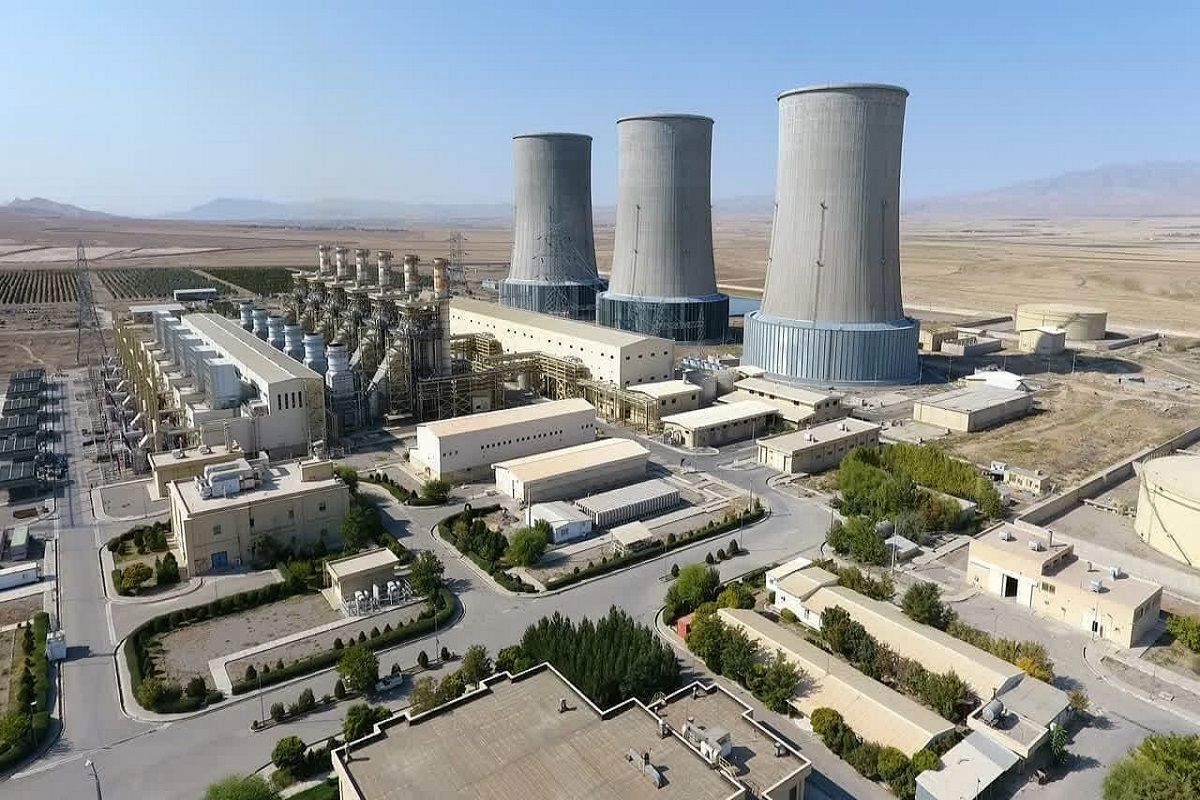
According to sources inside Iran, the Regime has placed missile launchers around the Bushehr nuclear power plant. The explosions reported in recent days are said to be linked to these activities. The claim is that, since the facility itself has not been targeted by the U.S. or Israel, it is being used as a base for missile launches. If strikes were to hit the surrounding area and cause damage to the plant, responsibility could then be shifted onto the U.S. or Israel. In effect, civilians in Bushehr are being used as human shields. #IranMassacre #digitalblackoutiran
Hemad Nazari tweet media
Hemad Nazari@Hemadnazari

پیام رسیده از بوشهر: جمهوری اسلامی اطراف و دور تا دور نیروگاه اتمی رو لانچر گذاشته و دلیل انفجارهای چند روز پیش هم همین بوده. از نیروگاه اتمی بوشهر به این دلیل که از طرف آمریکا و اسراییل هدف نبوده، دارن برای شلیک موشک استفاده می‌کنن. اگه هم اون اطراف رو بزنن و هر اتفاقی برای نیروگاه بیفته می‌اندازن گردن آمریکا و اسراییل. صرفا دارن از مردم بوشهر به عنوان سپر انسانی استفاده می‌کنن. #IranMassacre #DigitalBlackOutIran

English
2
24
58
2.1K