
Sabitlenmiş Tweet

Ariho Osbert 𝝅
12.5K posts
@Osy_VP
CEO Pure Heaven Natural Juice contact me on +256 759674824 https://t.co/GDFbpnTU0w

@TonyNatif Put them in your blurry lines this Friday

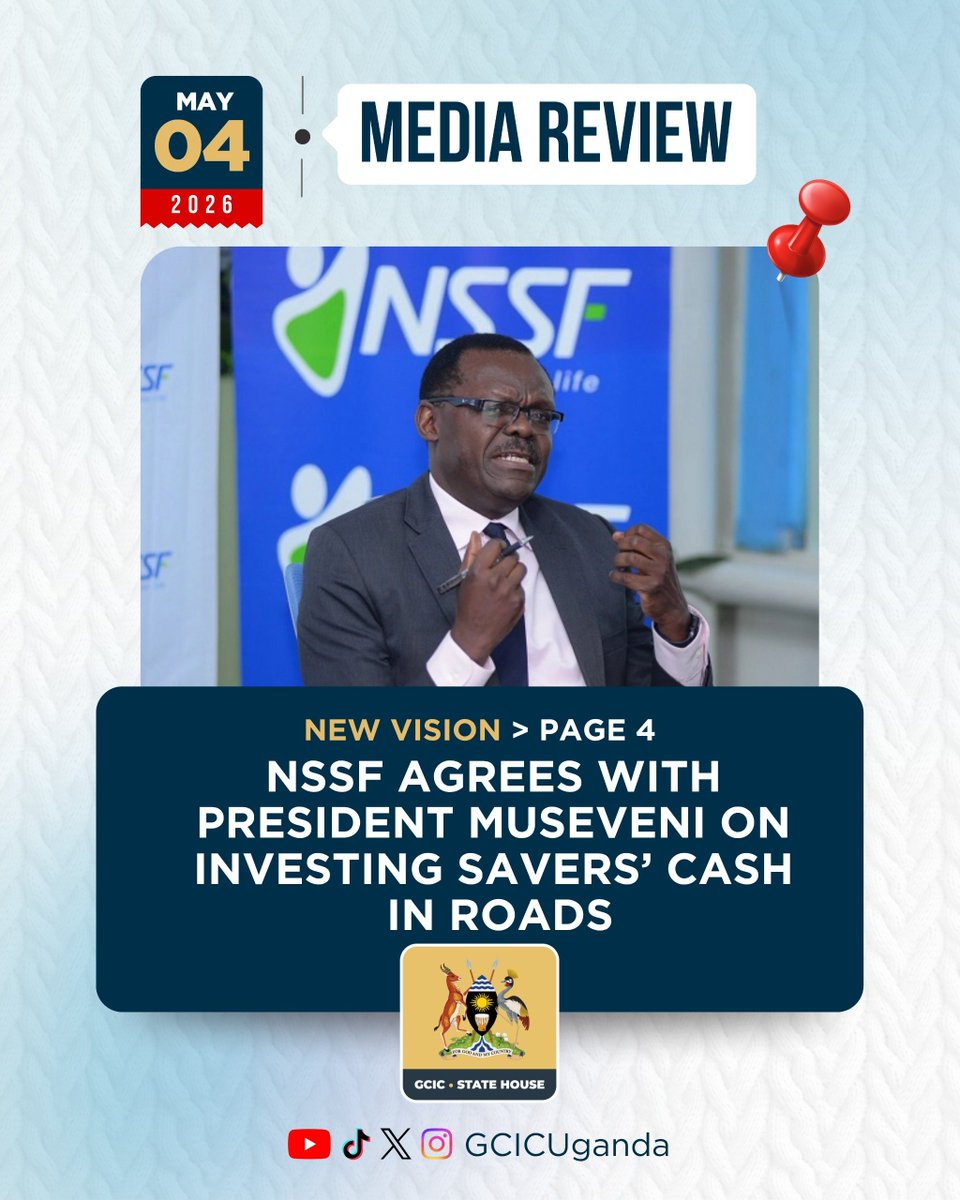

@KakandeAlex Nssf needs to think twice in the amount of money they sink into RE. Diversification into infrastructure with government guarantee is a sure win bse there is constant cashflow to liquidate the fund. This is another way of reducing interest payment which drains our forex reserves.
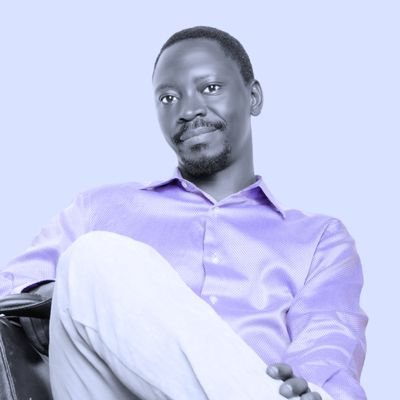
Anthony Natif, of the 'safe corridor' fame, has been ordered to pay a Makerere University lecturer, Prof Narathius Asingwire Shs 75 million in a land transaction dispute. Natif had paid Shs 900m out of Shs 1.05bn. @BbegMedia sl1nk.com/ogt967a


Assailants break into Bank of Uganda, steal laptops bit.ly/4uqA4iA #MonitorUpdates


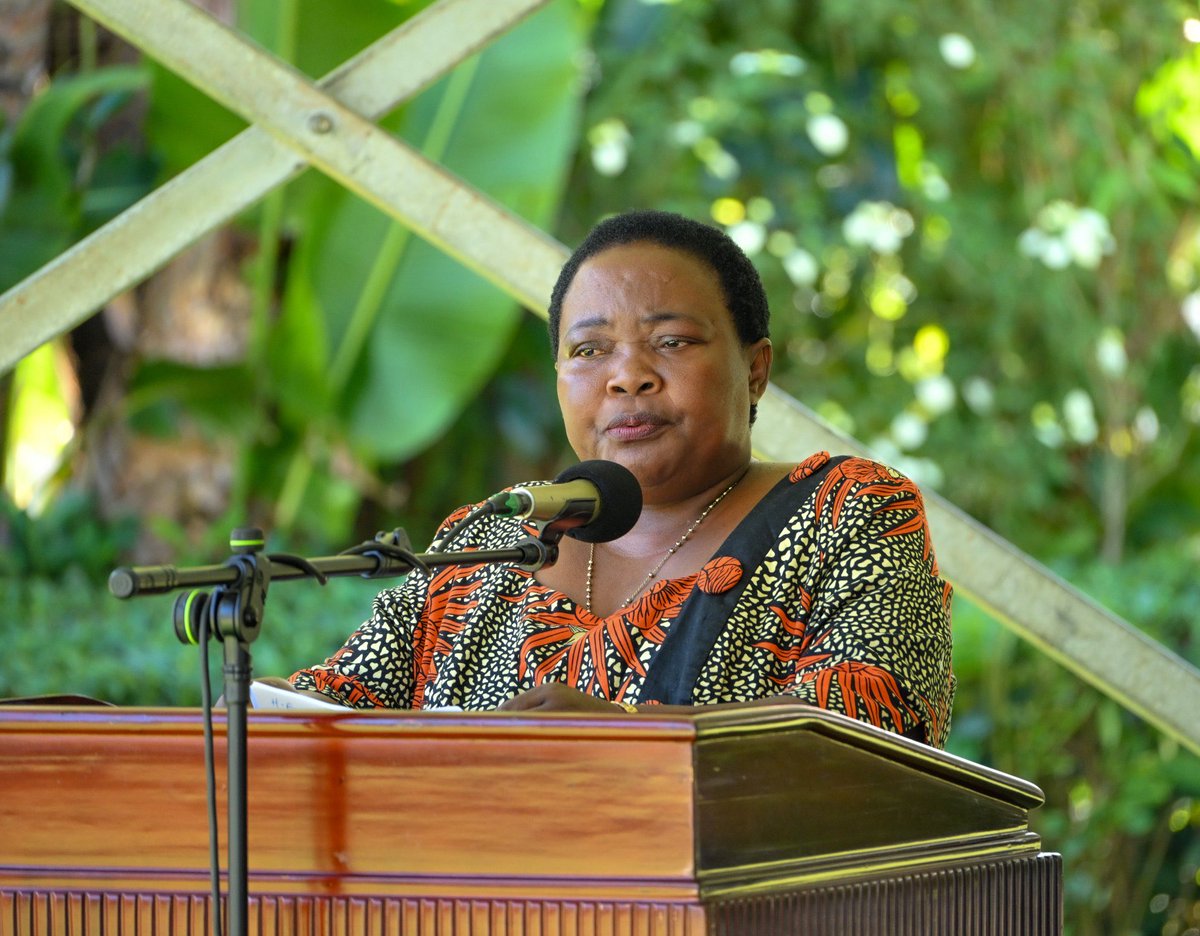
Today, I chaired the final Cabinet meeting of the outgoing government and later hosted members to a luncheon in appreciation of their dedicated service to our country. This is the Cabinet that ushered Uganda into middle-income status, and I thank everyone who contributed to this achievement, including the Cabinet Secretariat for effectively managing the business of cabinet. I thank them all and wish them good luck.
Garvey and Nyerere's Ghosts: Why the Young Museveni Would Have Been a Criminal Under His Bill Today Amidst a storm of national and international backlash, the Ugandan government has deleted or diluted several of the more heinous clauses in its controversial Sovereignty Bill. These retreats were first signalled in a three-page letter from President Yoweri Museveni. Even so, the President defended the remaining text, claiming to channel the spirit of heroes like Marcus Garvey and Julius Nyerere, the struggles of the ANC, and two centuries of African anti-colonial resistance. One might have let this pass, were it not for the glaring contradictions. Museveni is right to assert that African nations must guard their policy-making against external coercion to ensure the continent's future is determined by its own citizens. His acknowledgement of the long struggle against colonial exploitation rightly identifies the need for African agency. But a closer look at the Bill and the historical movements it invokes reveals deep-seated contradictions. To begin with, Marcus Garvey's Universal Negro Improvement Association (UNIA) was the ultimate example of foreign political funding, powered by the remittances of the global Black Diaspora. While Museveni's letter claims to protect remittances, the Bill's broad language targets money with political intent. Since Garvey's entire financial model was built on political intent - the liberation of Africa - his work would be an illegal foreign influence under the strictures of this Bill. There is a fundamental disconnect in claiming Garvey as a hero while legislating to block the global African community's support (among others). Similarly, the ANC's 1994 victory was won precisely because the movement ignored territorial sovereignty. The ANC built a globalised network that funnelled foreign money and political pressure into South Africa. A strict Sovereignty Bill in the 1970s would have been the Apartheid regime's greatest tool to silence the ANC's international allies. Museveni should know this practically. In the late 1980s, he oversaw the relocation of the ANC and its armed wing, Umkhonto we Sizwe, to central Uganda. When they eventually won power in 1994, their massive parade in Kampala surprised many Ugandans who hadn't realised the sheer scale of the foreign presence on their soil (South Africa has repaid the favour by refusing to grant Ugandans visa-free access, while those Africans who actually even opposed their anti-apartheid struggle get it. Talk of treachery and ingratitude). Anyway, essentially, the Museveni of today is seeking to punish the progressive Museveni of decades past. Furthermore, Museveni credits the USSR and China (and should have added Cuba) for assisting the African Resistance. This creates a logical trap: if the 20th-century liberation movements, including Museveni's own NRA, had operated under his proposed Sovereignty Bill, their external support would have been criminalised. Foreign weapons and training would have seen these freedom fighters labelled as mercenaries or traitors by the standing regimes. Finally, Museveni blames egocentric kings for the disunity that invited colonisation. However, this Bill does exactly what those kings did: it concentrates power within a small executive Cabinet rather than the people. By invoking Garvey and Nyerere, Museveni is choosing heroes whose radical, pro-people philosophies offer the strongest arguments against his legislative agenda.
@TonyNatif In January, you woke up and voted in favour of continuity this rubbish poised in 'protecting the gains ' You should be greatful for these results and the more rubbish to come sir. Regards🙏

