Karri Saarinen@karrisaarinen
I get that business insurance is similar Nobel level type of pursuit as ground breaking physics and the Manhattan project. Hopefully the blast radius will be contained.
I don’t think the disagreement is whether hard problems require intensity.
The disagreement is whether intensity has to become a permanent operating model, and whether working seven days a week is the thing that compounds.
My argument is that for most startups, the real compounding advantage is not raw hours. It is clearer thinking, better judgment, learning, and a team that can sustain high-quality work for a long time. You can always spend a lot of time working, but the PMF might never arrive.
There are moments where extraordinary effort is necessary. Launches, incidents, existential deadlines, customer commitments. Those moments matter, and great teams rise to them.
But if the company requires heroics every day of the eek, that usually points to a system problem. It means the operating model depends on burning reserve capacity instead of building it. Company that is constantly on fire is company that is not operating well.
Whenever you put something out there, people will argue and people can argue the way I run Linear. The reason I comment on these things to offer some counter point.
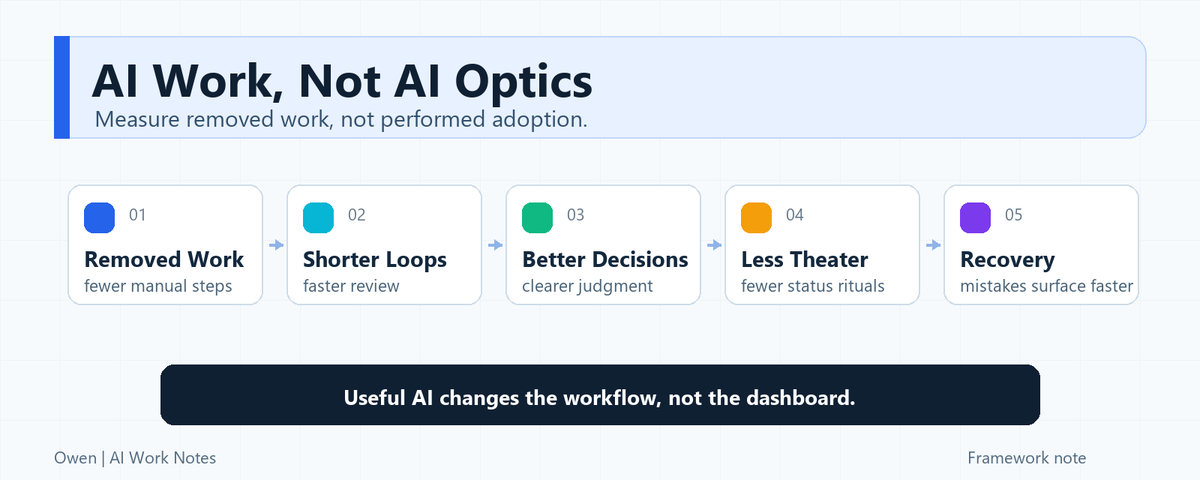
There is a growing cliché in startup culture where founders and startups feel the need to perform intensity publicly. How hard they work, how little they sleep, how many tokens they spend, how busy they are, how much personal sacrifice they make.
You almost never see this from the most successful companies or people. Even if they work that way, they usually don’t make it the story, because they have more important things to talk about, like the product, the customers, the insight, the strategy, the quality of the work.
That’s my issue with the narrative and why I think startups shouldn't blindly follow it. Not that is bad to work hard but grindmaxxing narrative can become the greater goal and become counterproductive. The performative intensity becomes the thing, and loosing sight of what actually matters.
Lets check back in 7 years.