OxMorA retweetledi

startups will be able to submit their project on the bio/acc website and i will try to implement some type of voting system for the projects with bio/acc coins, kind of like a DAO for biotech startups.

English
OxMorA
6.4K posts


@OxMorA_
🎲 Crypto gambler always rolling the dice | 🌕 To the moon or to the basement—either way, it's a ride 😎


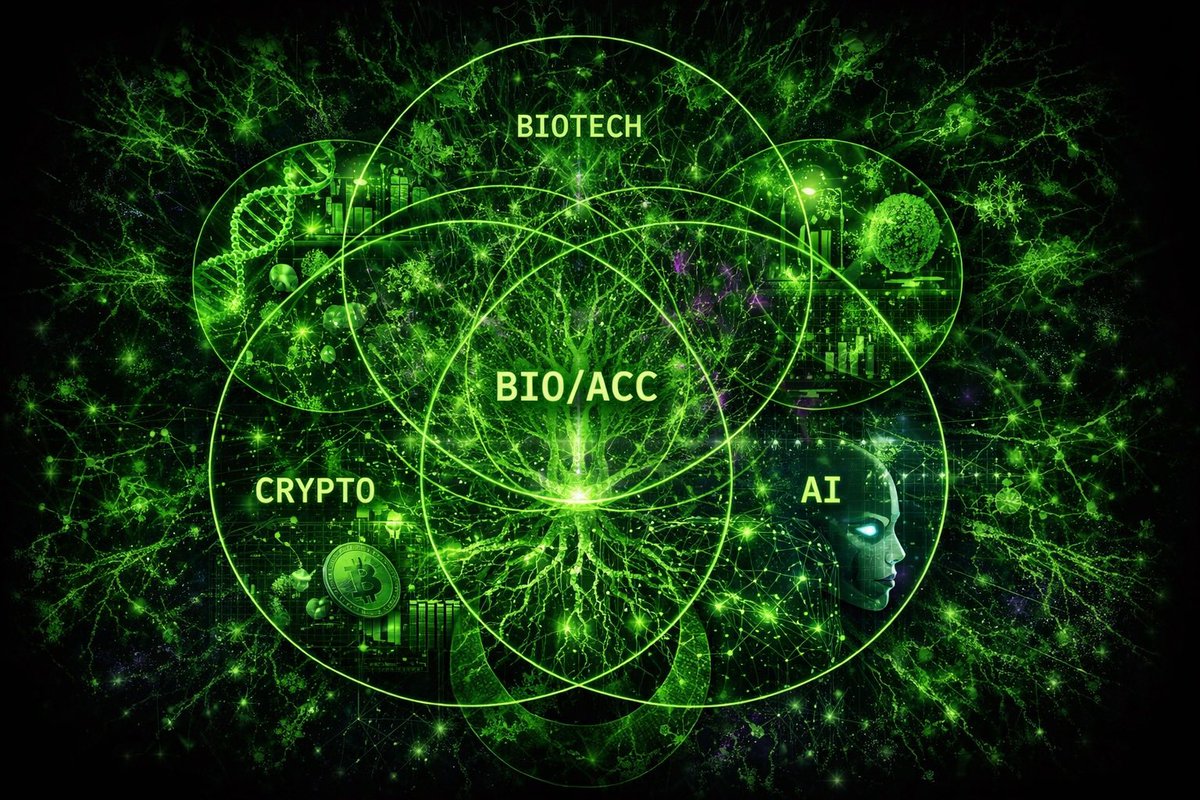
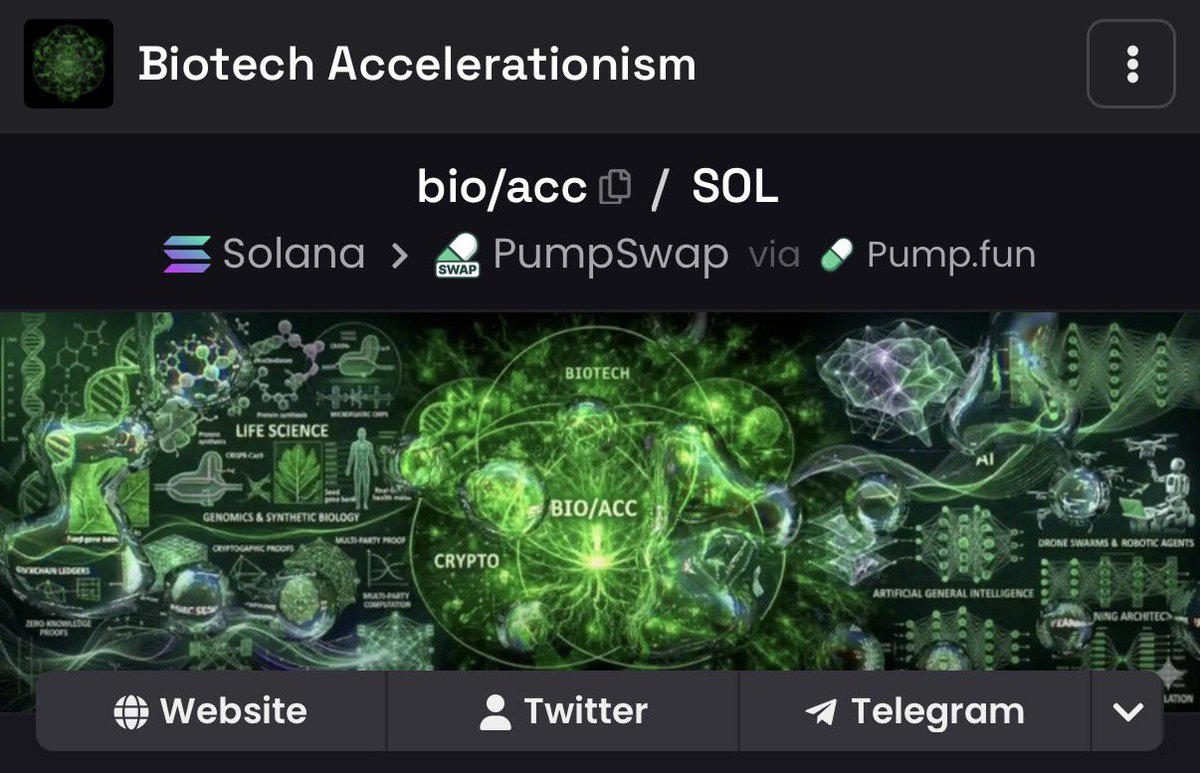
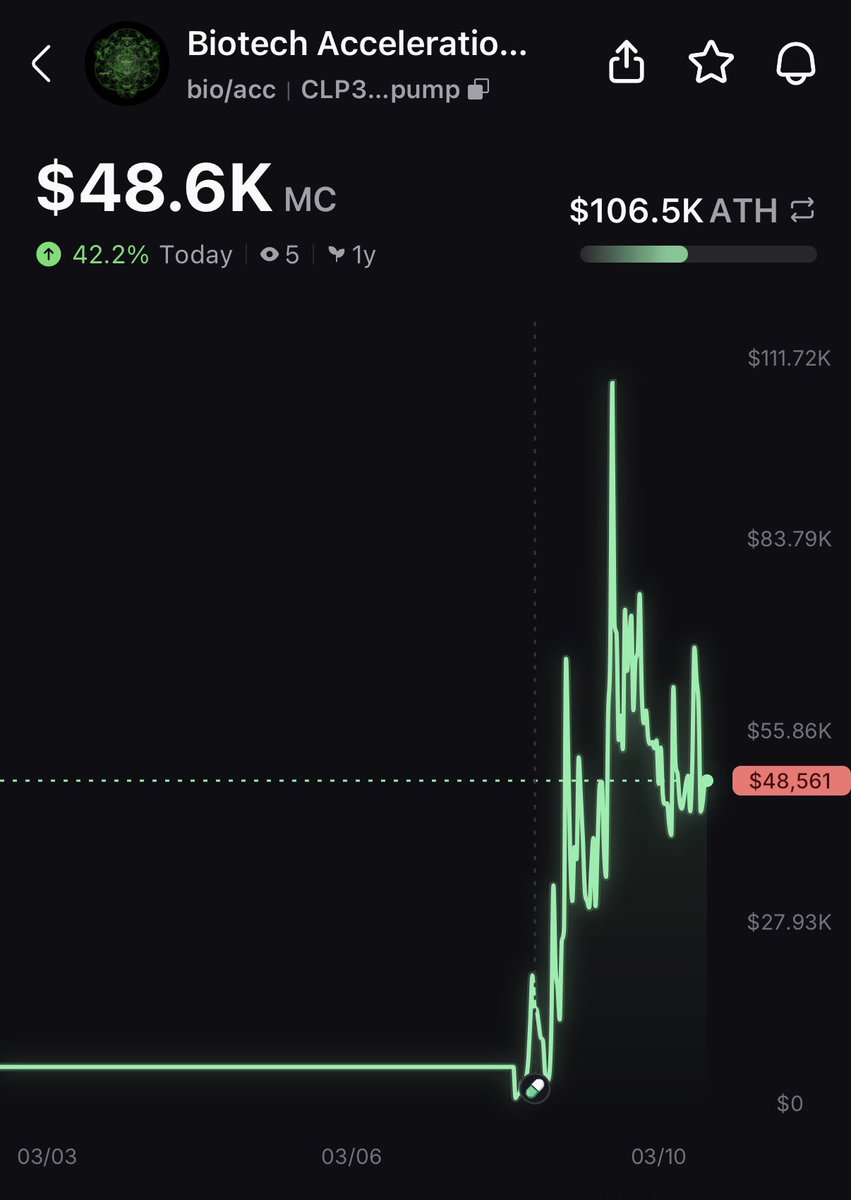
We now have bio/acc properly indexed on pumpfun, and we are also receiving pumpfun creator rewards for the coin. This marks a very big step in our CTO journey of bio/acc. Trading fees will be used to provide funding to start up biotech projects, buyback supply to send to prominent bio/acc figures, and other stuff we as a community decide on. This is bio/acc on solana 🧬 CLP3exiqE8drZSzwhPas257cTh1evzq6nr7i1Xwvpump

Biotech Breakthrough: Filling Wrinkles From Within Biotechnology is revolutionizing skincare with a new, natural-origin ingredient that offers a needle-free, affordable alternative to expensive wrinkle injections. mykindofzen.com/biotech-fills-…
GLP-1s may be the first real human enhancement drug. I interviewed @dranantmd on why they could be a wedge into longevity, next-gen peptides, programable biology, and AI-driven human upgrades. 0:00 - Health → Human Enhancement? 5:37 - GLP-1s: The Real Novelty 8:23 - Next Gen Drugs, Peptides 13:29 - Un*ucking Regulation 22:50 - Health Influencers & Hype 29:23 - Social Media vs AI Discovery 35:46 - GLP1s = Prozac? 41:35 - Biotech Is The Answer 48:19 - AI Drug Discovery
Japan just approved stem cells for Parkinson’s disease. How will it work? Stem cells are special cells that can develop into other types of cells. In this case they are turned into dopamine-producing brain cells designed to replace the cells lost in Parkinson’s disease. Sawamoto and colleagues described in a new paper in Nature one of the first phase I/II clinical trial using induced pluripotent stem cell derived dopaminergic progenitor cells transplanted into the brains of folks living w/ Parkinson’s disease. These cells are generated from iPS cells and implanted into the putamen where dopamine neurons normally function. Key Points: - Seven folks w/ Parkinson’s disease received bilateral transplantation of dopaminergic progenitor cells derived from iPS cells into the putamen and were followed for 24 months. - The transplanted cells survived, produced dopamine, and imaging revealed a roughly 44 percent increase in dopamine related activity in the putamen. - The procedure appeared safe w/ no tumors or graft overgrowth and several participants experienced improvements in motor scores on Parkinson’s rating scales. My take: Japan has a unique regulatory pathway for regenerative medicine that allows conditional approval once safety and early signals of benefit are demonstrated. For the therapy to advance in Japan data will be collected over the next 7 years. This paper represents an important milestone because it shows that lab grown dopamine cells can survive in the human brain and begin producing dopamine. The big questions ahead will be durability, patient selection, and whether the next 7 years of experience will confirm meaningful and sustained clinical benefit. Here are 5 points that resonated w/ me: 1- Parkinson’s disease is caused by the loss of dopamine producing neurons and this therapy attempts to replace those missing cells. 2- The transplanted cells are generated from induced pluripotent stem cells which are adult cells reprogrammed to behave like embryonic stem cells. 3- Brain imaging revealed new dopamine activity in the transplanted region suggesting the cells were functioning. 4- Safety remains the first hurdle and this trial showed no tumors or uncontrolled cell growth over two years of follow up. 5- The future will likely combine cell therapy w/ medications, rehabilitation, and possibly gene therapy to maximize benefit for folks living w/ Parkinson’s disease. Here is the Nature paper that set the stage for the recent approval. nature.com/articles/s4158… #parkinson @ParkinsonDotOrg @FixelInstitute