China Business
15.7K posts

China Business
@PDChinaBusiness
Providing info influencing China's economics. Run by @PDChina, the largest newspaper group in China.
Beijing, China Katılım Ağustos 2019
14 Takip Edilen866.7K Takipçiler

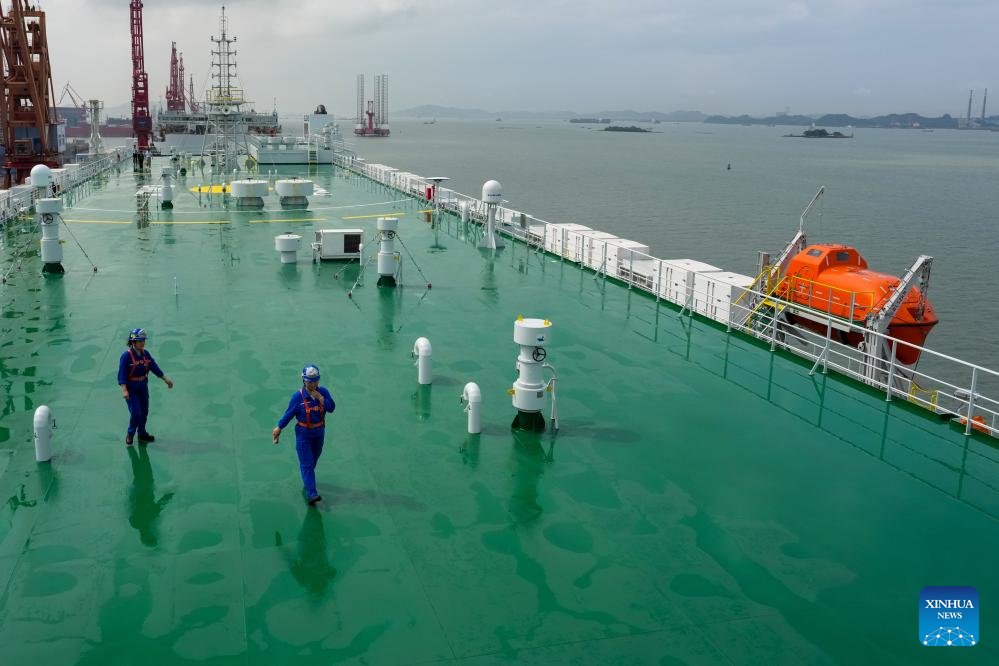
The world's first class-approved vessel delivered with a full 3D digital handover system, also China’s first CCS-classed commercial transport vessel certified for low underwater radiated noise, was delivered in southeast China's Fujian Province recently. With advanced design and eco-friendly performances, this 119.8-meter-long 9,000DWT specialized liquid carrier has a designed speed of 13 knots and a range of 12,000 nautical miles.


English

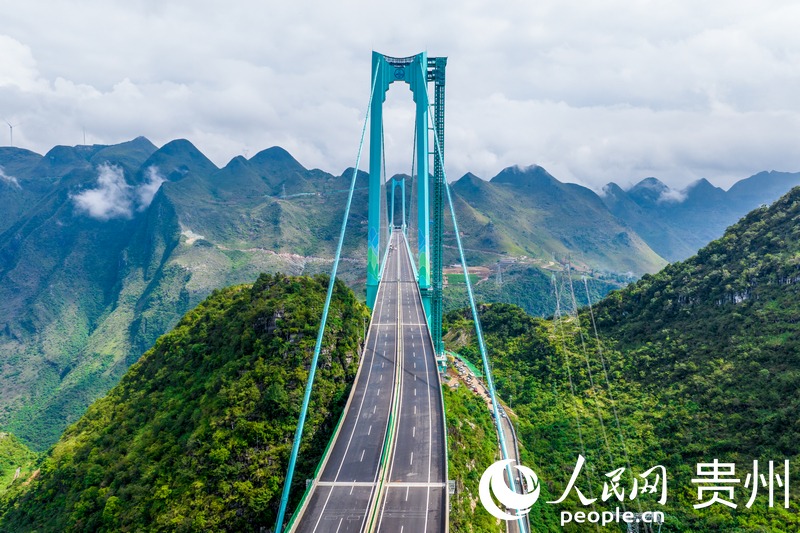
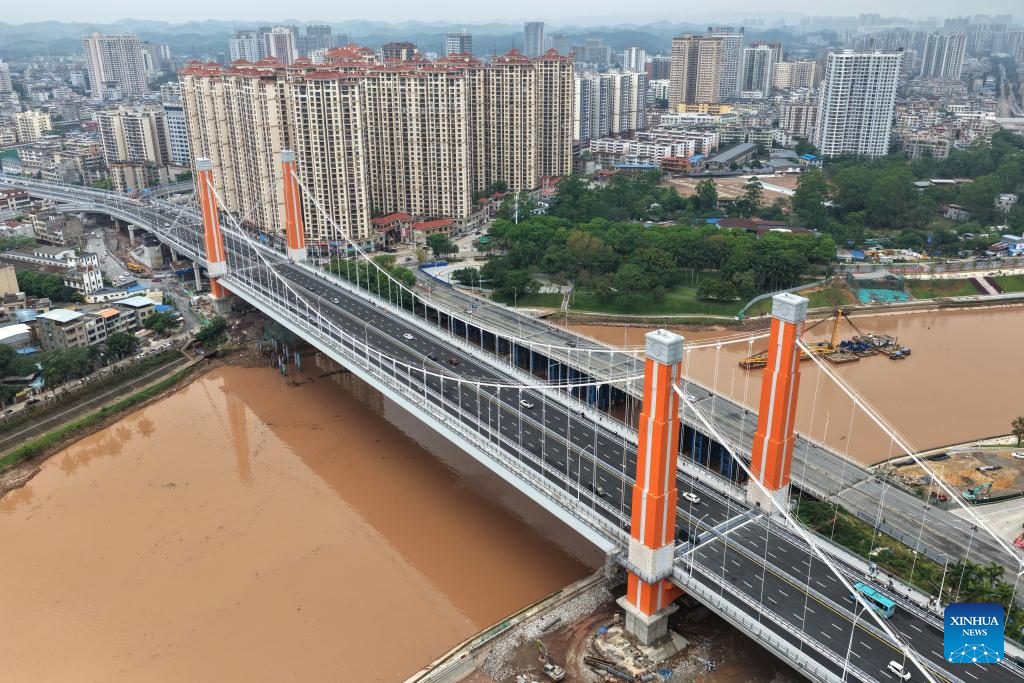
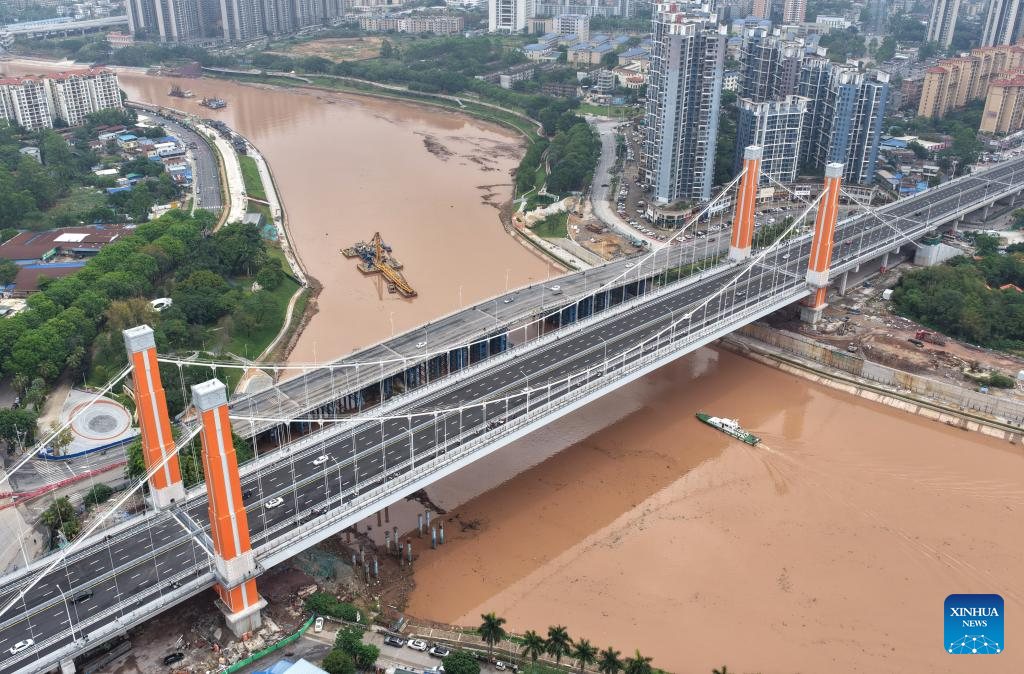
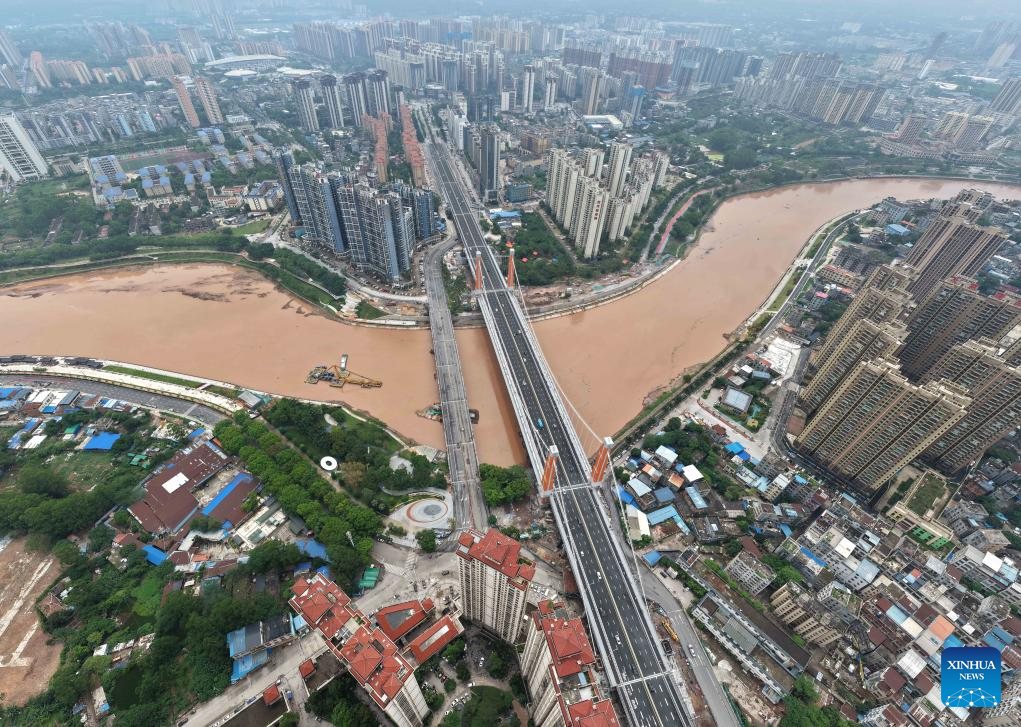
The Zicai Bridge, a key project across the Pinglu Canal in Qinzhou, south China’s Guangxi Zhuang Autonomous Region, officially opened to traffic on Tuesday, marking the completion of all 27 planned bridges spanning the canal, which is scheduled to be fully open to navigation in September this year.


English

Parcel volume growth signals China's economic vitality
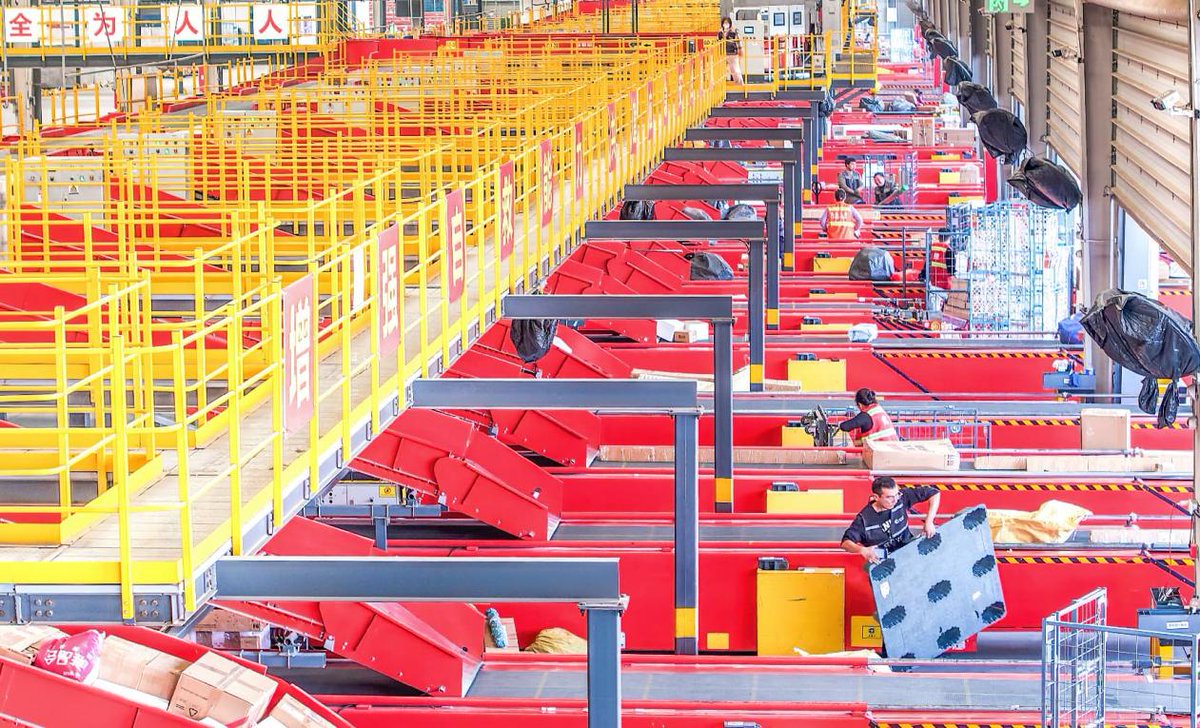
China's express delivery sector handled a total of 47.73 billion parcels in the first quarter of 2026, up 5.8 percent year on year. According to statistics released by China's State Post Bureau on April 22.
As a key link connecting production and consumption, the express delivery industry is often regarded as a real-time barometer of economic activity. What does this growth reveal about China's economy?
While growth moderated compared to previous years, seasonal factors played a role: the shifting Spring Festival holiday and extended break disrupted early-year operations. By March, normal activity resumed with demand rebounding strongly -- parcel volumes already exceeded last year's levels.
Deeper analysis shows sustained momentum since China's 14th Five-Year Plan period (2021-2025). Parcel volumes rose annually, with each new 100-billion-parcel milestone achieved faster than the last. This steady growth in the first quarter of 2026 -- the inaugural year of the 15th Five-Year Plan period (2026-2030) -- provides a window into China's economic transition toward new growth drivers and higher-quality development.
Moving toward the new -- what is driving this "new" momentum?
It comes from technology.
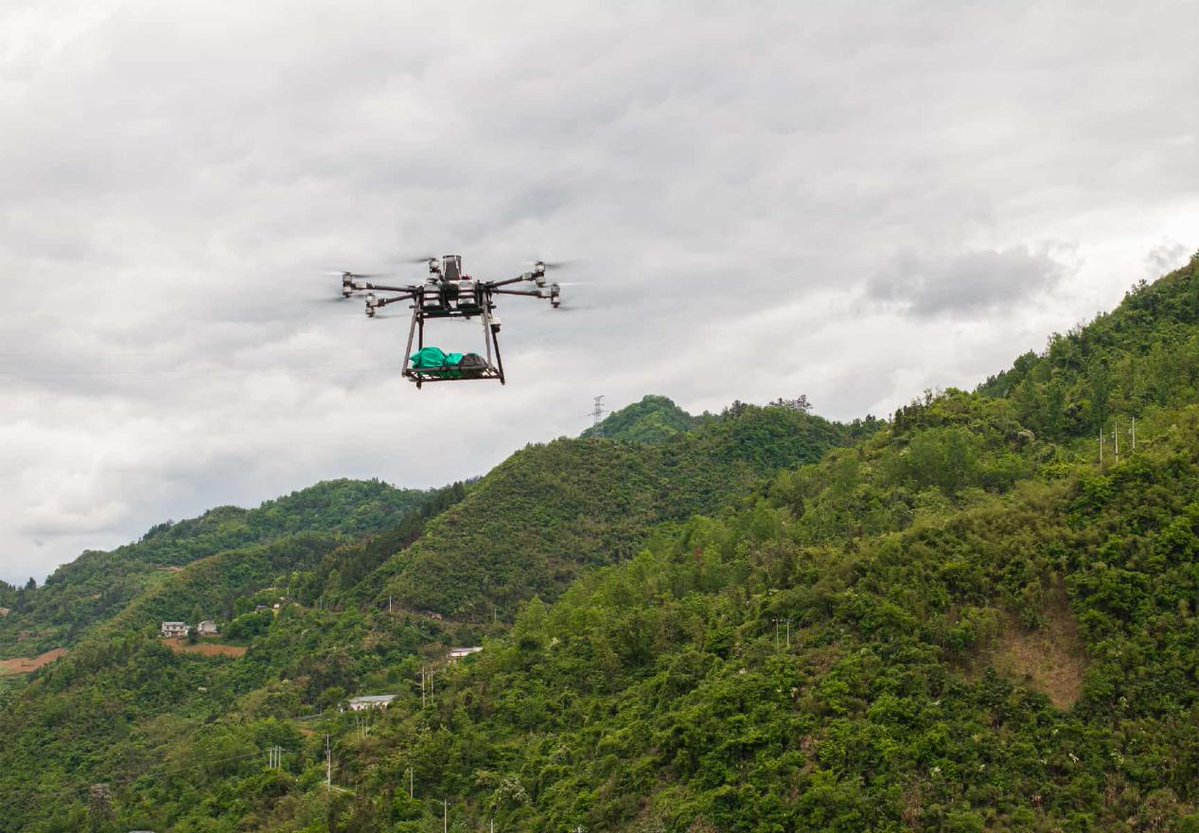
At Jilin's Chagan Lake winter fishing grounds, autonomous last-mile vehicles now integrate with rail, road, and air networks -- delivering fresh catch to Beijing and Shanghai overnight. In Yunnan and Guizhou tea regions, drones have established "aerial tea routes," reducing order damage by 40 percent.
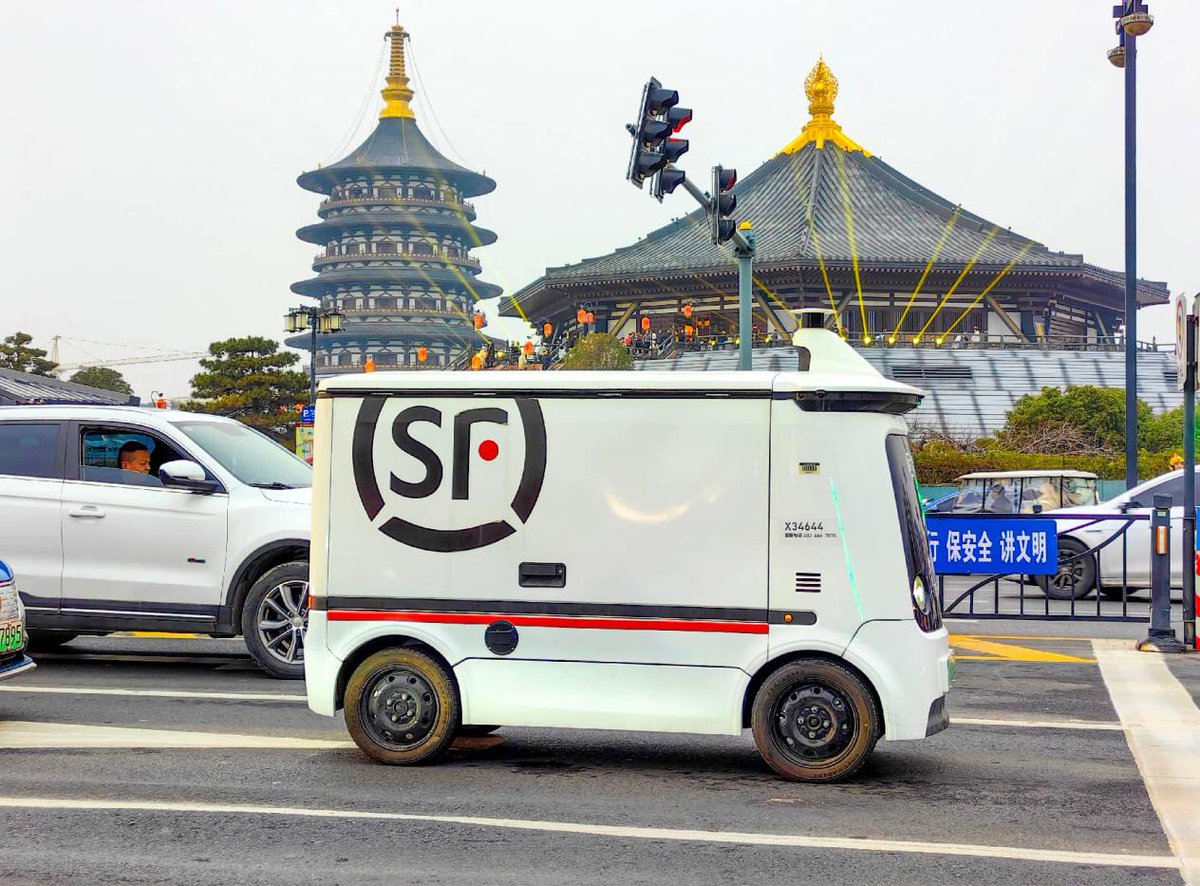
Domestic firm Neolix nearly tripled autonomous vehicle deliveries year-on-year in the first quarter. Expanding unmanned delivery capabilities helps the sector cut costs, improve service quality, and build new competitive advantages.
It also comes from new scenarios.
Delivery firms now partner with tourism companies to serve surfing enthusiasts with equipment shipping, collaborate with manufacturers on specialized cargo like EV batteries, and establish urban "micro-warehouses" for flexible storage.
Driven by market demand, the industry continues to innovate on the supply side, extending its reach into households and cross-sector operations while expanding market opportunities.
Behind the faster application of new technologies and the constant emergence of new scenarios lies the strength of China's complete industrial system and enormous domestic market. Relying on these advantages, as more technological innovation and scenario innovation move in sync, the express logistics sector is accelerating its expansion and upgrading, injecting strong new momentum into economic circulation.
Moving toward higher quality -- where is this "higher quality" reflected?
It is reflected in a better structure.
Since 2021, China's central and western regions' share of national delivery volume grew cumulatively by 7.5 percentage points, reaching 32 percent in the first quarter of 2026. These areas are becoming new growth engines, reflecting progress in e-commerce expansion westward and extended "free shipping" coverage -- signaling more balanced regional development.
Recent modest price increases (including fuel surcharges) reflect more than rising oil costs. Since 2025, China's measures to curb destructive price wars have taken effect. Multiple provinces have implemented rate adjustments alongside service quality improvements.
While these corrections contributed to short-term growth moderation, they signal a positive long-term shift: the industry is transitioning from cutthroat pricing to value-based competition.
Both regional rebalancing and market optimization stem from China's advancement of a unified national market. By removing systemic bottlenecks, improving circulation efficiency, and ensuring fair competition, this integrated market continues unlocking new vitality for the sector.
China operates the world's largest delivery network in scale and coverage. This achievement rests on tangible capabilities and is propelled by the pursuit of advanced productive forces. As this dynamic, resilient logistics network evolves, it will increasingly serve as a vital indicator of high-quality development -- reinforcing China's economic vitality. (By Han Xin, People's Daily)


English

The first Hualong One nuclear power unit in China's Yangtze River Delta region began operation on Wednesday, following the successful completion of a 168-hour trial operation in east China's Zhejiang Province. The unit, part of the San'ao Nuclear Power Project, can generate over 9 billion kWh of electricity annually, enough to meet the annual power demand of more than 1 million residents.
The project plans to construct six Hualong One nuclear power units in three phases, which is expected to generate over 54 billion kWh of electricity annually upon full operation, equivalent to saving more than 16.35 million tonnes of standard coal equivalent and cutting CO2 emissions by nearly 50 million tonnes each year.

English

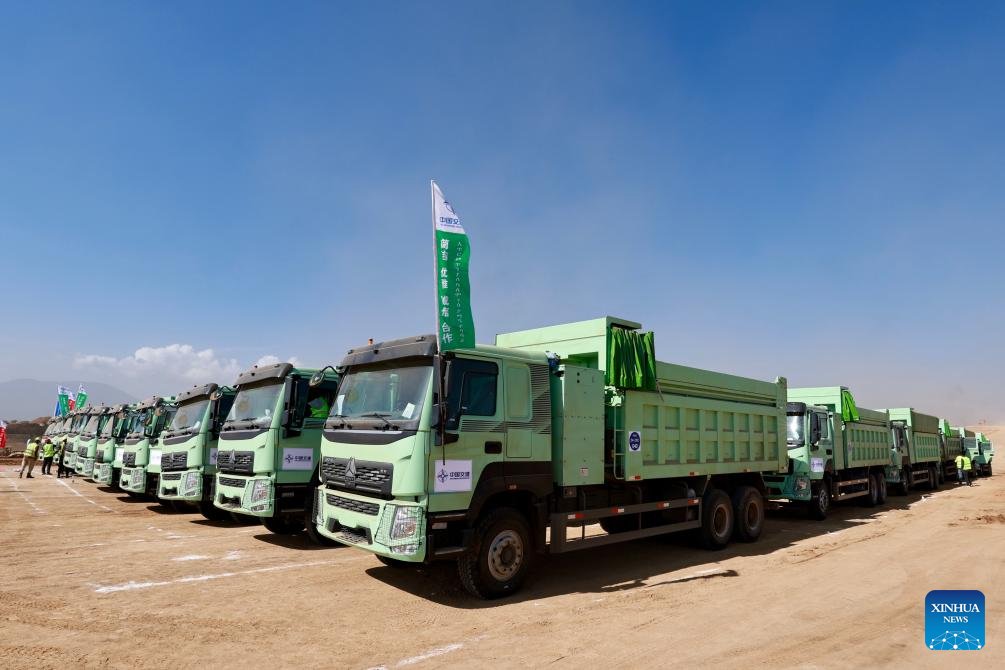
The first batch of 50 China-made electric heavy-duty trucks officially started operation at the construction site of the Bishoftu International Airport in Ethiopia on Wednesday, with another 42 expected to arrive in the coming weeks, which will promote green mobility and development in the country's logistics and construction sectors.
The new airport, located at Bishoftu in the Oromia regional state, about 40 km southeast of the capital, Addis Ababa, will have the capacity to accommodate 60 million passengers per year when its first-phase construction is completed in four years, and 110 million passengers annually when fully completed.


English

Stories of High-Quality Development|Riding the waves: Foreign trade logistics reach all corners of the world
Foreign trade connects international and domestic markets, serving as one of the three driving forces of economic growth and a barometer for gauging economic trends.
In the first quarter of this year, Shenzhen's foreign trade volume reached 1.32 trillion yuan ($193 billion), up 33.6 percent year on year — a record for the period — with exports of high-tech products growing by 21.5 percent. Shenzhen's total import and export value for 2025 reached 4.55 trillion yuan, maintaining its top position among Chinese cities for two consecutive years, accounting for 10 percent of the national total and marking its 33rd consecutive year as the nation's leading export city.
Beyond its global presence, what is even more important is Shenzhen's technological density in foreign trade. Shenzhen's high-tech industrial development has become a national benchmark, with the entire city serving as an incubator and accelerator for innovation and entrepreneurship. From BYD's new energy vehicles and Honor's smartphones, to Insta360's panoramic cameras and Shokz's bone conduction headphones, to Bambu Lab's 3D printers and Narwal's sweeping and mopping robots, Shenzhen's tech-driven products are selling globally. In 2025, exports of high-tech products grew by 10.1 percent.
What has shaped Shenzhen's strength in foreign trade? It stems from the combination of an effective market and a well-functioning government, and from the synergy of technological innovation, agile manufacturing and the global trade cycle. It also comes from the integration of production, supply and sales, domestic and foreign trade, and upstream and downstream supply chains, as well as from a market-oriented, law-based and internationalized business environment.
Major provincial economic powerhouses must take on greater responsibilities, and major municipal economic powerhouses must shoulder important tasks as well. For Shenzhen, this means not only contributing steadily growing GDP but also developing viable solutions for high-quality development, ensuring that more "Intelligently Made in Shenzhen" products are marketed globally and reach every corner of the world.
Narrator: Deng Wei, Deputy Director, Foreign Trade Division, Commerce Bureau of Shenzhen Municipality, Guangdong Province
English

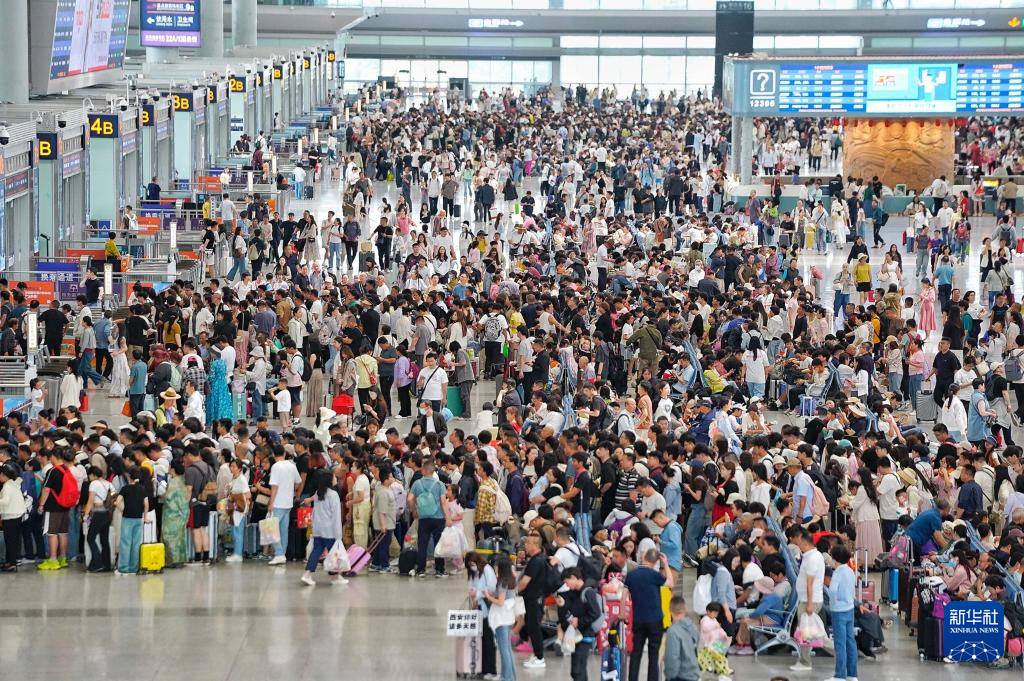
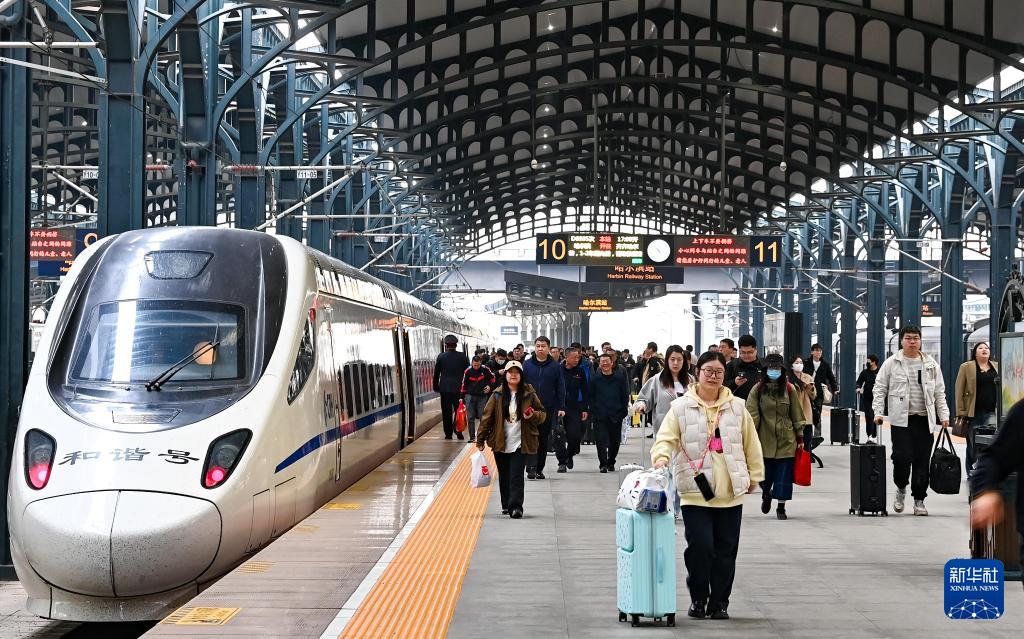
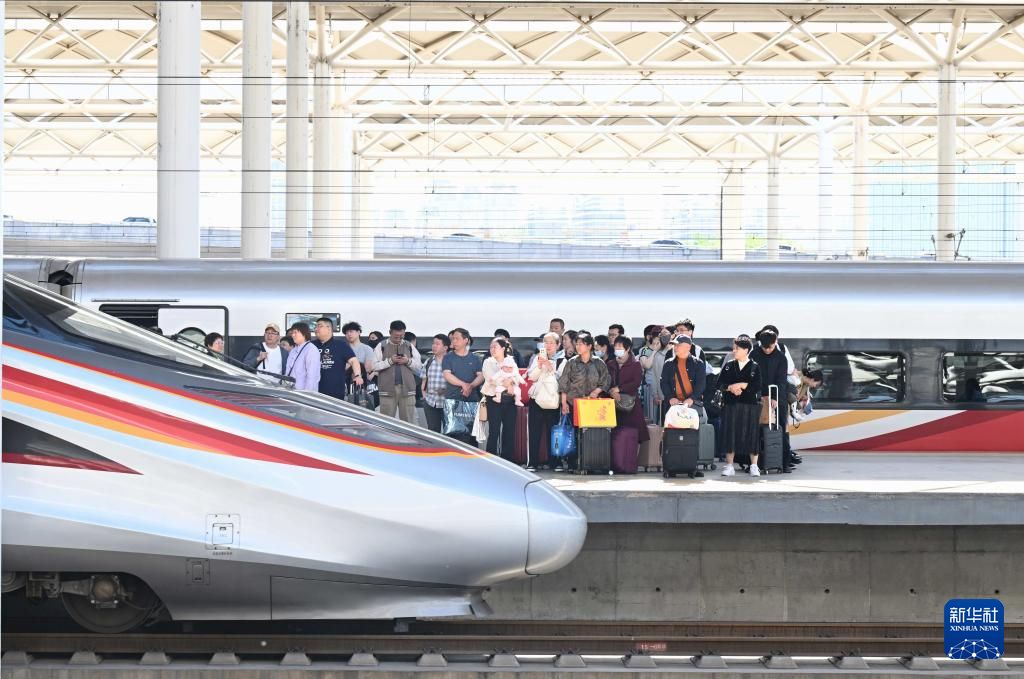
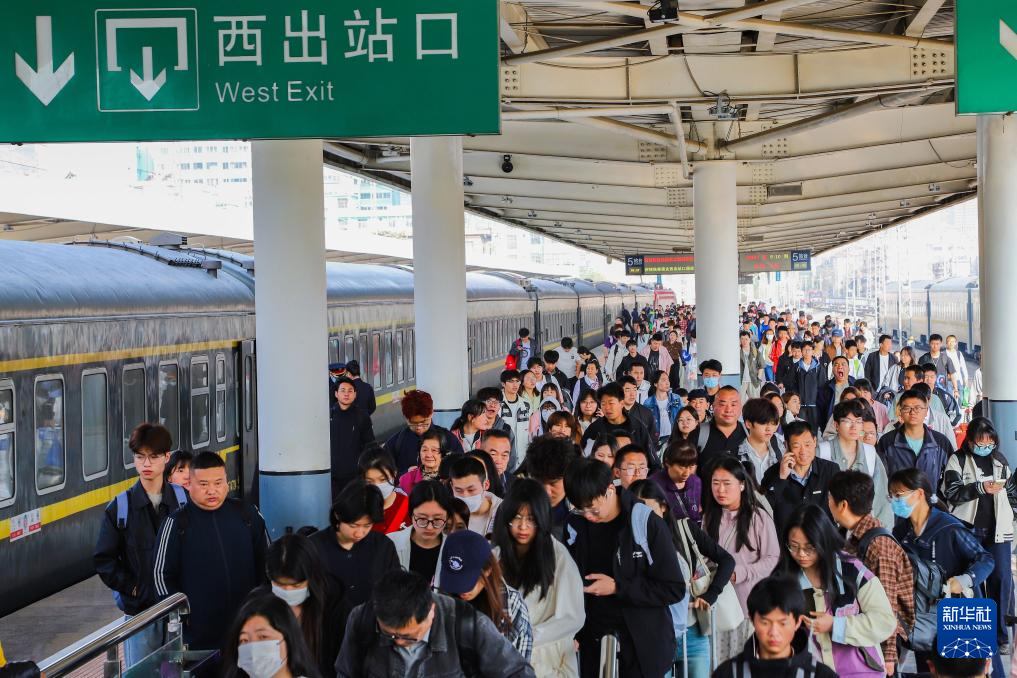
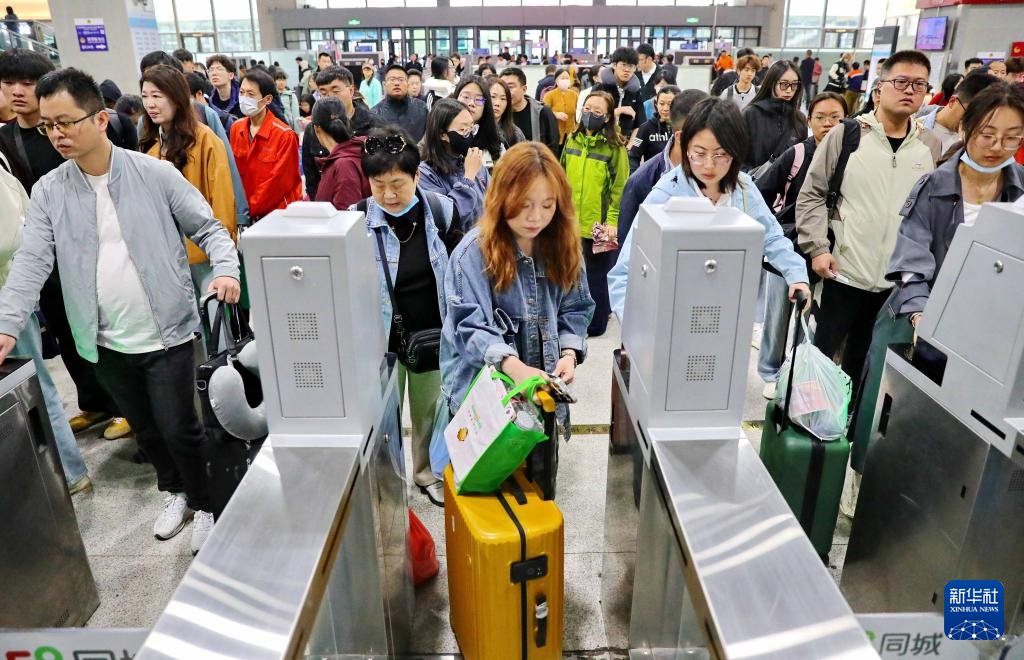
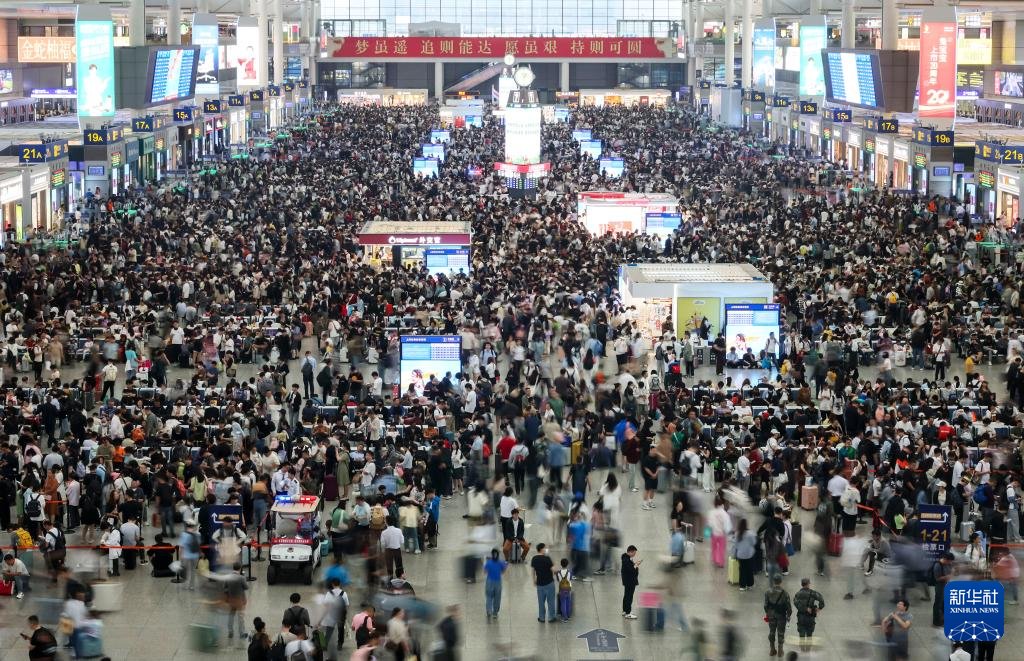
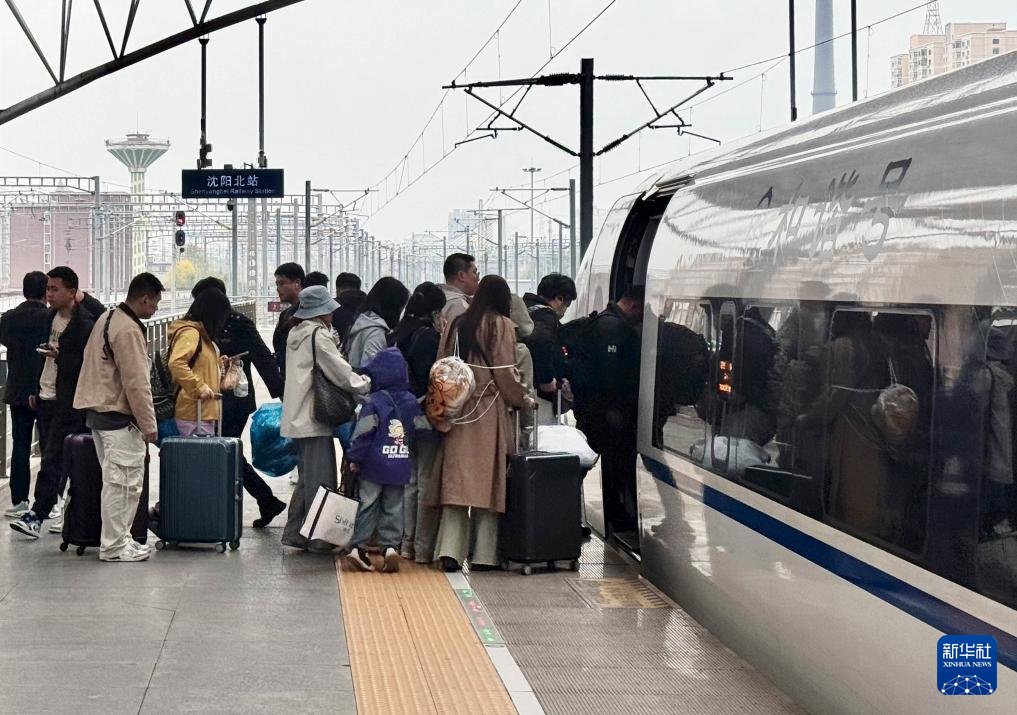
China's railways are expected to handle 158 million passenger trips during the May Day holiday travel period—an eight-day travel rush from April 29 to May 6, China State Railway Group Co., Ltd. said on Wednesday.
During this period, an average of 12,000 passenger trains are scheduled to run daily. May 1 is projected to be the busiest day, with an estimated 24.5 million passenger trips— the holiday's peak single-day figure.


English

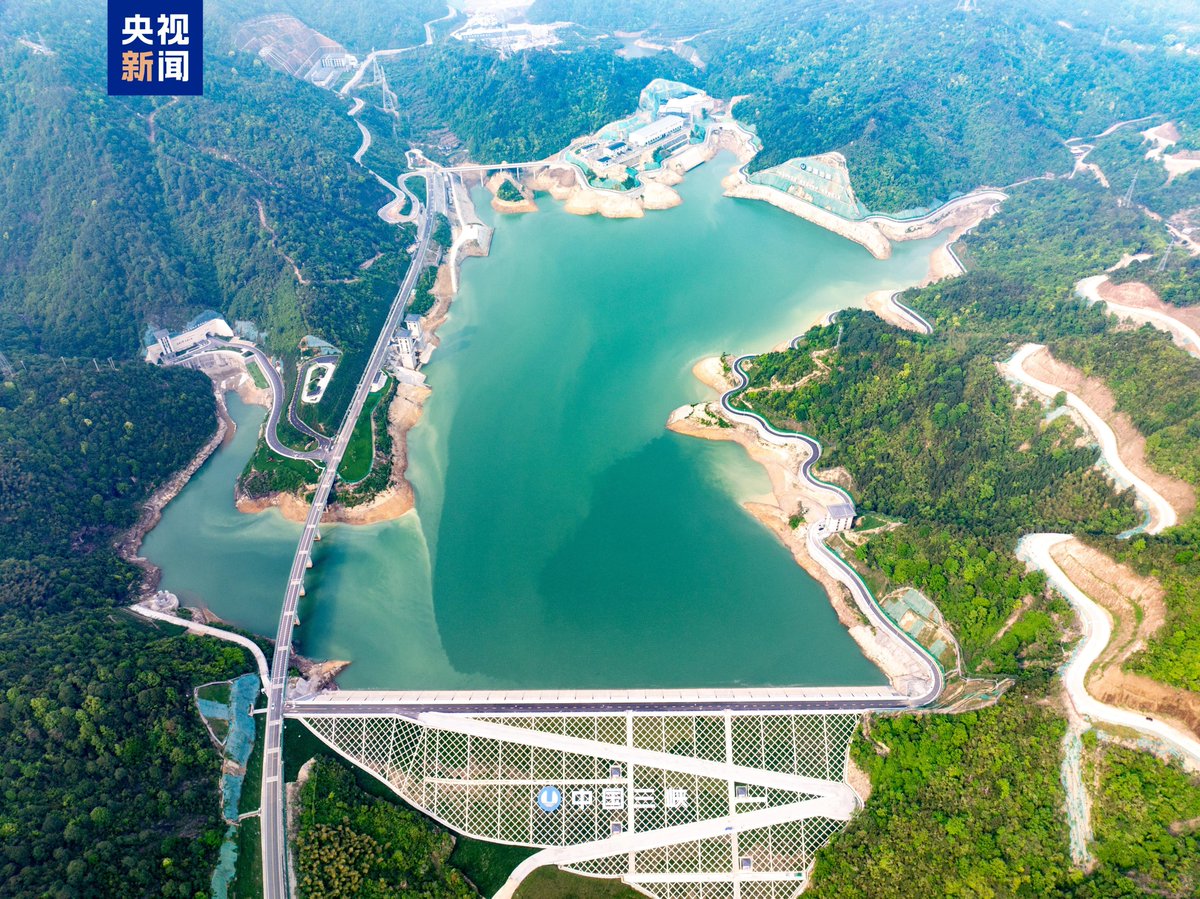
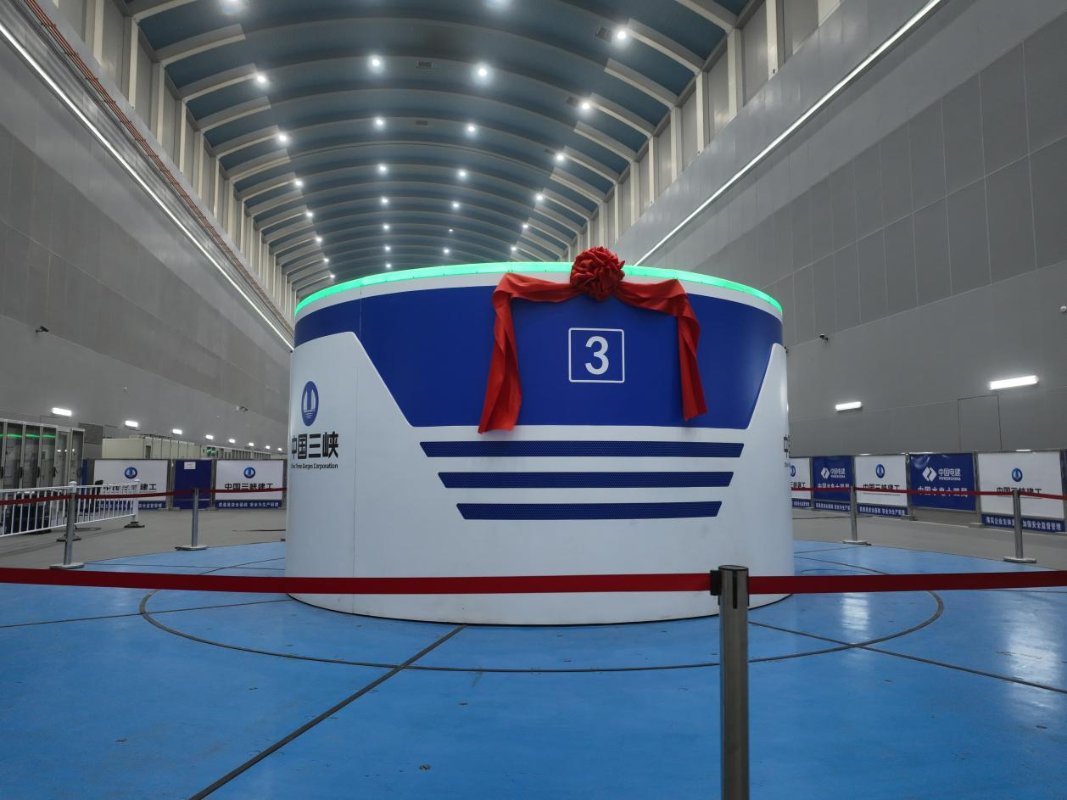
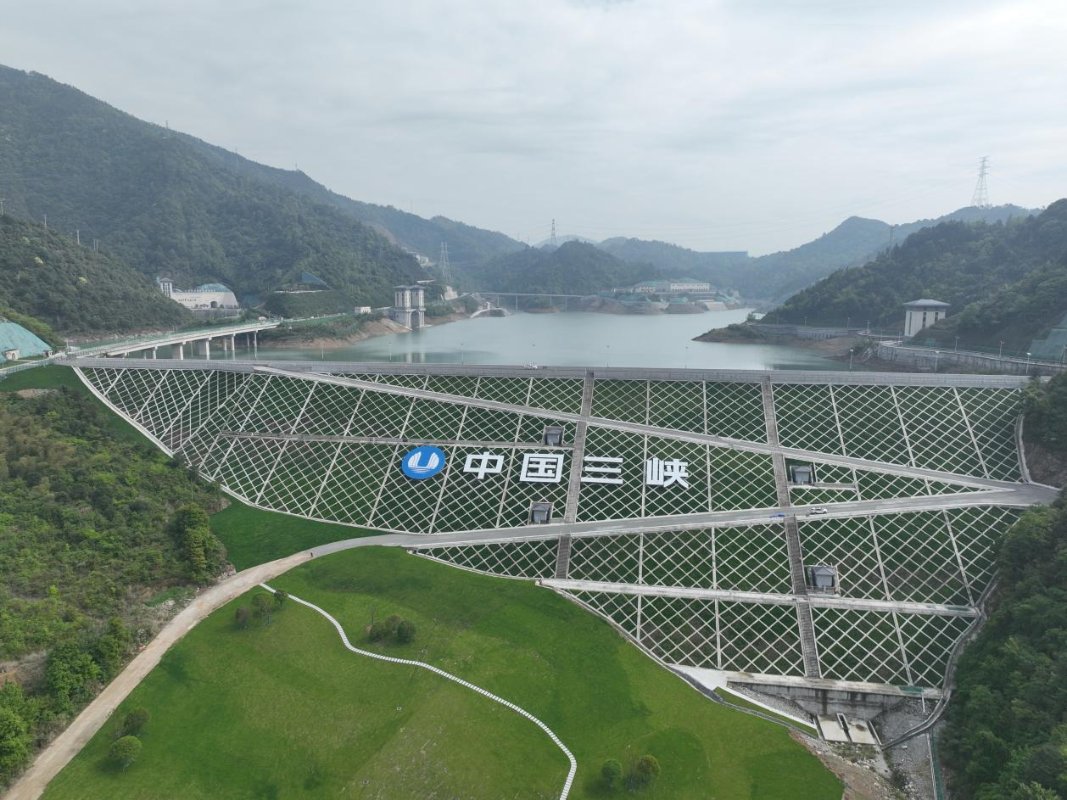
China’s largest single-unit-capacity pumped-storage hydropower station recently put its No.3 unit into operation in Tiantai County, east China’s Zhejiang Province. With a total installed capacity of 1.7 million kW, the station is expected to generate about 1.7 billion kWh of clean electricity annually, enough to meet the yearly power demand of a city with a population of 1.6 million, once it becomes fully operational in June.


English

China will deepen reform to remove barriers, harness technology to cultivate new growth drivers, roll out practical measures to boost opening up, and commit fiscal resources to support capacity expansion and quality improvement in the service sector, said Shen Zhulin, deputy head of the National Development and Reform Commission on Tuesday.
China has issued guidelines aimed at expanding capacity and upgrading the quality of the service sector, which state that the total scale of the service sector is expected to reach 100 trillion yuan (about $14.58 trillion) by 2030.


English

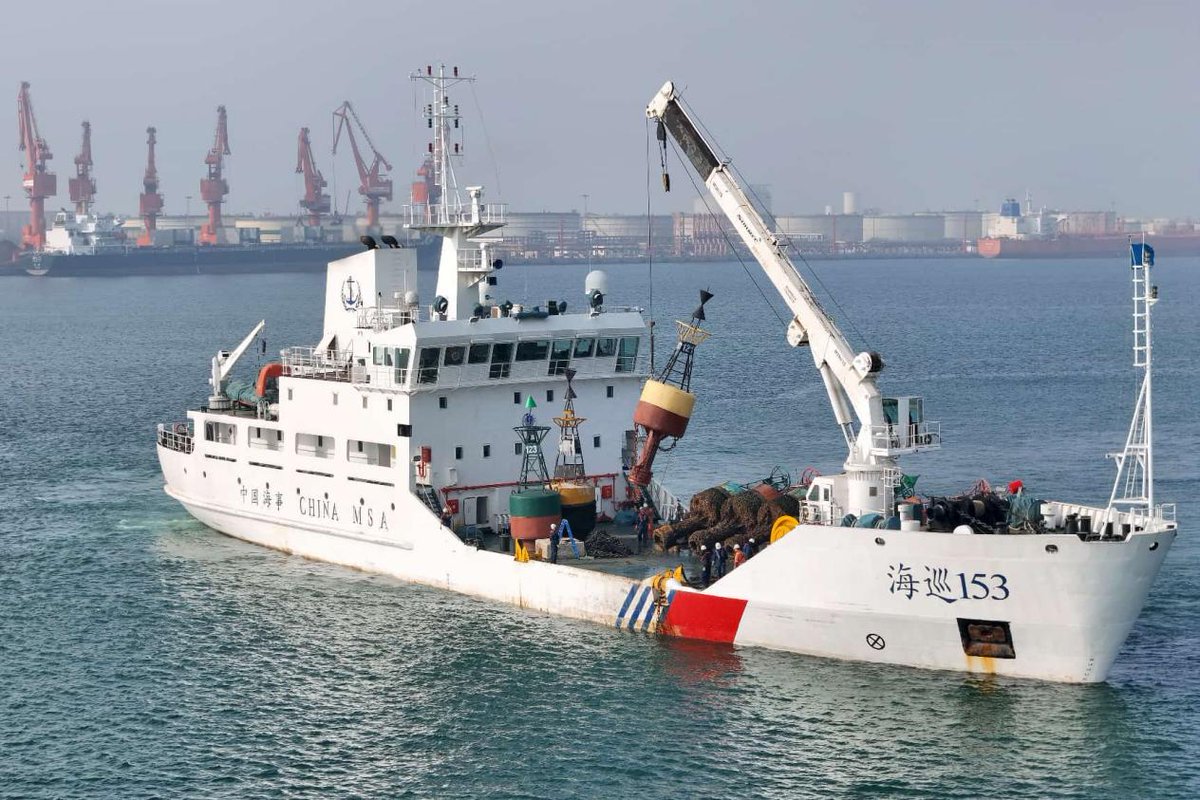
China establishes world's largest integrated maritime safety network
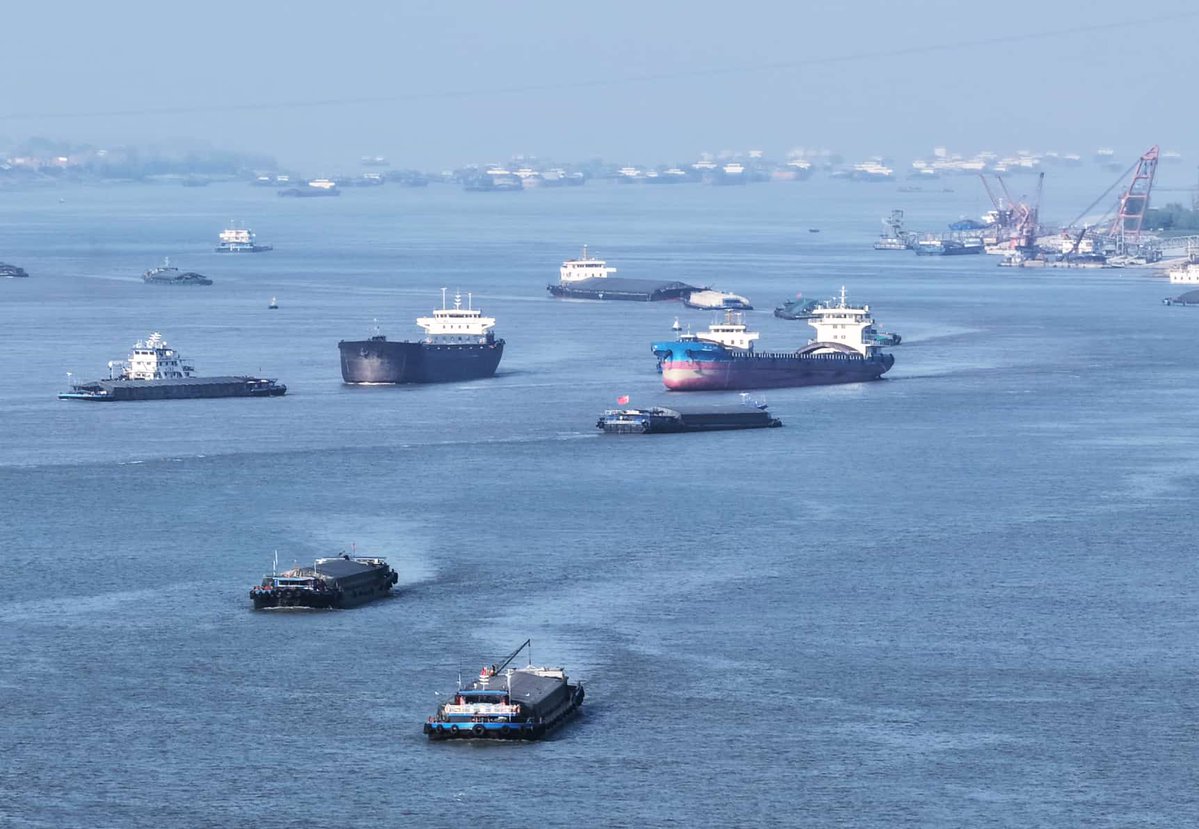
China has developed the world's most comprehensive maritime safety and support infrastructure, creating a complete navigational assistance network covering coastal ports and shipping lanes, according to the Ministry of Transport.
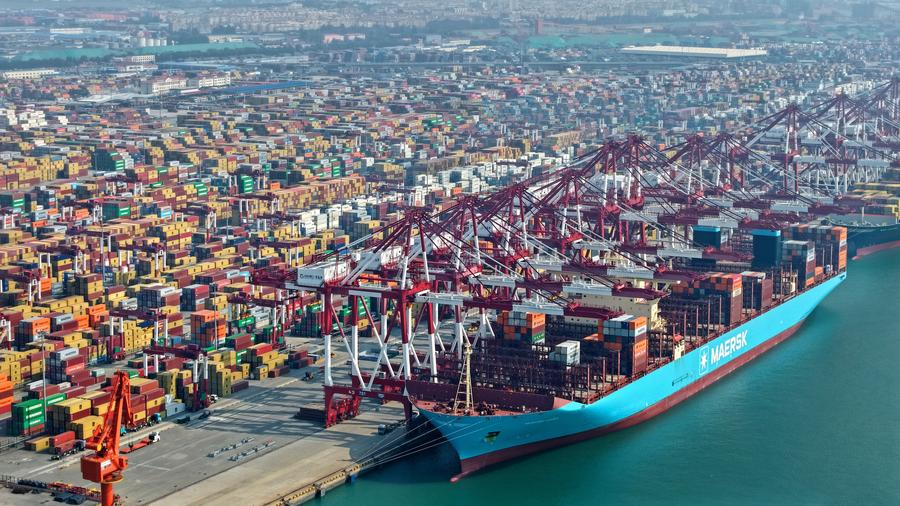
In the first quarter of this year, China's coastal and inland ports handled 8.11 million vessel calls and 4.79 billion tons of cargo -- up 6.57 percent and 21.72 percent year on year, respectively.
Behind this busy shipping network lies an equally extensive support system. "Maritime safety and support services provide technical backing for waterborne activities through spatial geographic information, navigation aids, communications, and environmental sensing, explained an official with the Maritime Safety Administration (MSA) under the Ministry of Transport. "This ensures vessel safety, improves shipping efficiency, and supports marine economic development."
Maritime support serves as a "guardian" of navigation safety.
When a vessel collision occurred in the Pearl River estuary on Oct. 25, 2025, the MSA Southern Navigation Service Center promptly activated its emergency response mechanism and carried out efficient handling measures.
The Guangzhou Coast Radio Station issued navigational warnings in both Chinese and English; survey vessels located the sunken wreckage and surveyed temporary navigable channels; buoy vessels deployed emergency navigation marks in a timely manner, safeguarding smooth and orderly maritime traffic.
Such rapid response is made possible by an efficient system that integrates navigation aids, hydrographic surveying, and communications.
In the South China Sea, all navigation aids in the Sansha waters have been equipped with the BeiDou navigation satellite system for remote monitoring and control, helping ensure the safe passage of more than 100,000 vessels annually.
In the East China Sea, China's first electronic navigational chart dedicated to fisheries was put into operation late last year, integrating key information such as high-risk zones for collisions between commercial and fishing vessels and major north-south coastal shipping routes, thereby enhancing safety in marine fishing operations.
A maritime support network spanning sea, land, and air now operates around the clock, quietly safeguarding waterways and vessels. In 2025, the maritime system ensured the safe entry and exit of over 34.64 million vessels, while waterborne transport accidents fell by 36.7 percent year on year.
Data is another cornerstone. China now conducts approximately 23,000 square kilometers (in converted units) of hydrographic surveying annually, and more than 5 million electronic charts are issued each year, providing high-precision foundational data for port planning, channel expansion, and improving navigational efficiency.
By the end of March this year, China managed 24,600 coastal navigation aids, an increase of 65 percent from a decade ago. Annual public-service communications exceed 2.2 million instances, with over 1 million safety messages broadcast each year, forming a unified communication network that connects ports and vessels worldwide.
How has such a vast, multi-dimensional system been built? The answer lies in sustained technological innovation.
"As a technology-intensive sector, maritime support integrates a range of cutting-edge technologies, including artificial intelligence, big data, and satellite positioning and navigation," said Li Shigang, director of the Donghai Navigation Safety Administration under the Ministry of Transport. He noted that the shipping industry is accelerating its transition toward greater intelligence and greener development.
In March 2024, the MSA launched an integrated map platform. It consolidates marine charts, river charts and terrestrial geographic data onto one unified system and terminal, breaking long-standing data silos that separated maritime and land-based navigation services.
This innovation eliminates previous data barriers that prevented users from accessing multiple types of chart services simultaneously. The platform has so far provided spatiotemporal data services to more than 50,000 vessels and over 20 ports, with annual service calls reaching into the tens of billions. It has supported projects such as offshore wind power development and subsea oil pipelines.
Infrastructure upgrades have also played a key role.
In the Bohai Sea, the MSA Northern Navigation Service Center has partnered with offshore oil companies and telecom operators to build multi-mode 5G base stations using offshore oil platforms. As a result, the Liaoning-Shandong shipping route, which carries millions of passengers annually, has eliminated communication blackouts during its roughly seven-hour voyage. Full coverage of communications and sensing across the Bohai Sea is expected by the end of this year.
In the South China Sea, the MSA has established the largest drone fleet within China's maritime system. It has developed an "drone-plus" operational model for inspecting navigation facilities, collecting survey data, and responding to emergencies, enabling routine three-dimensional maritime support.
From traditional lighthouses and automatic identification systems to communication stations and the integrated map platform, continued investment in infrastructure is pushing China's maritime capabilities from "near-shore visibility" to "full-domain manageability."
Challenges remain. China's maritime support system still faces gaps in advanced equipment, limited capabilities in distant and deep-sea areas, and insufficient sensing capacity in key waters.
"As China's maritime activities expand from near-shore and coastal areas to distant oceans and even polar regions, maritime support services must extend their reach accordingly," Li said. "We need to broaden both geographic and functional coverage, strengthen capabilities in deep-sea areas, and better safeguard the stability of international logistics supply chains."
Looking ahead, efforts will focus on advancing the application of satellite internet at sea and enhancing communication and regulatory capabilities in key maritime zones, islands, and major straits, he added. (By Han Xin, People's Daily)


English

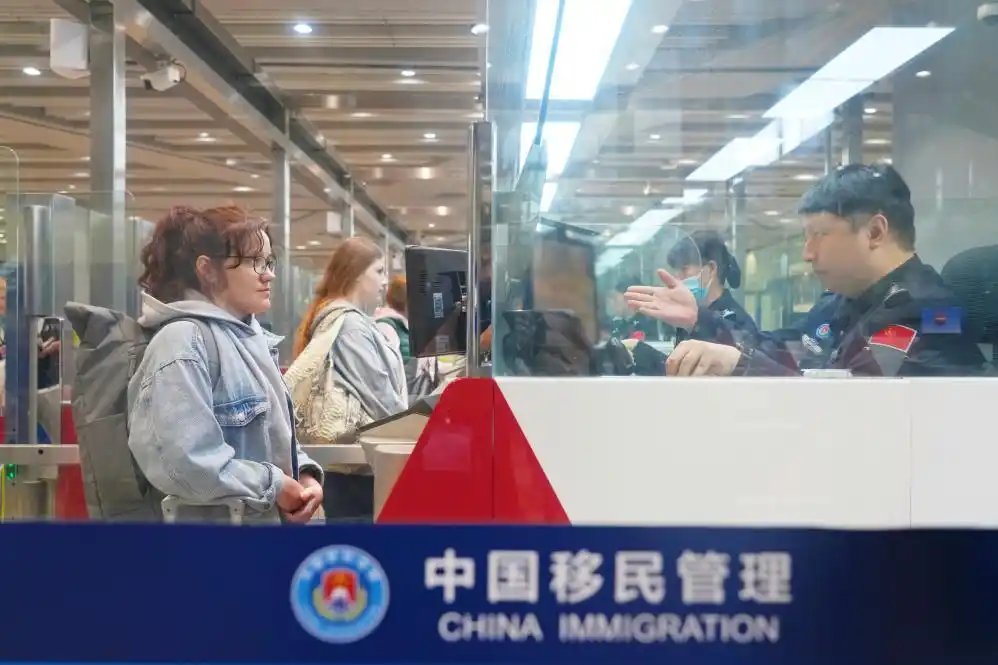
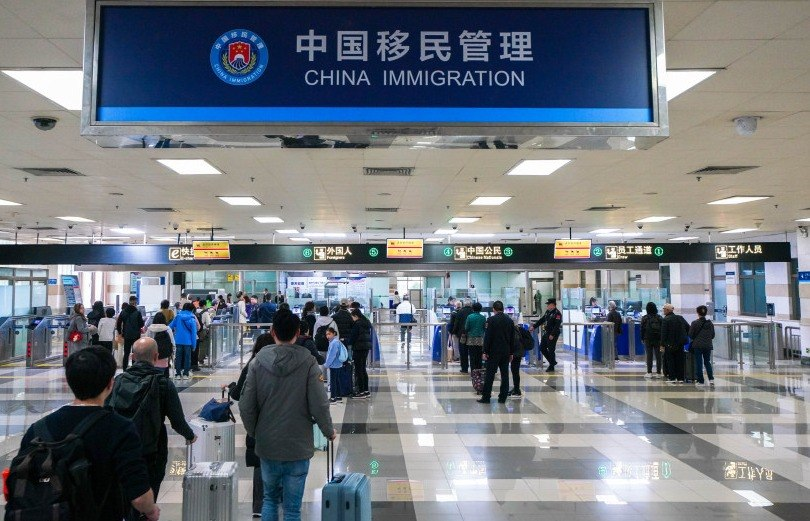
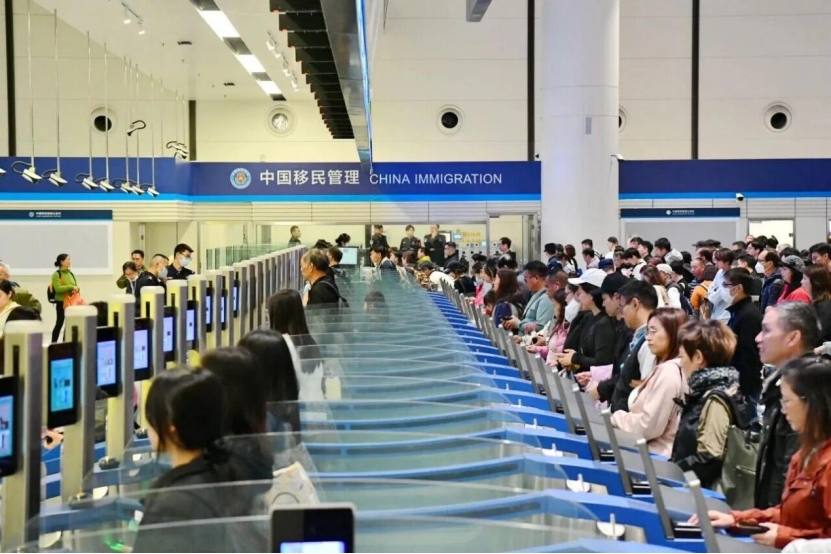
China is set to see a surge in cross-border travel during the upcoming five-day May Day holiday that starts on May 1 this year, with daily inbound and outbound passenger flows expected to average 2.25 million and peak at more than 2.4 million in a single day, the National Immigration Administration said on Tuesday.


English

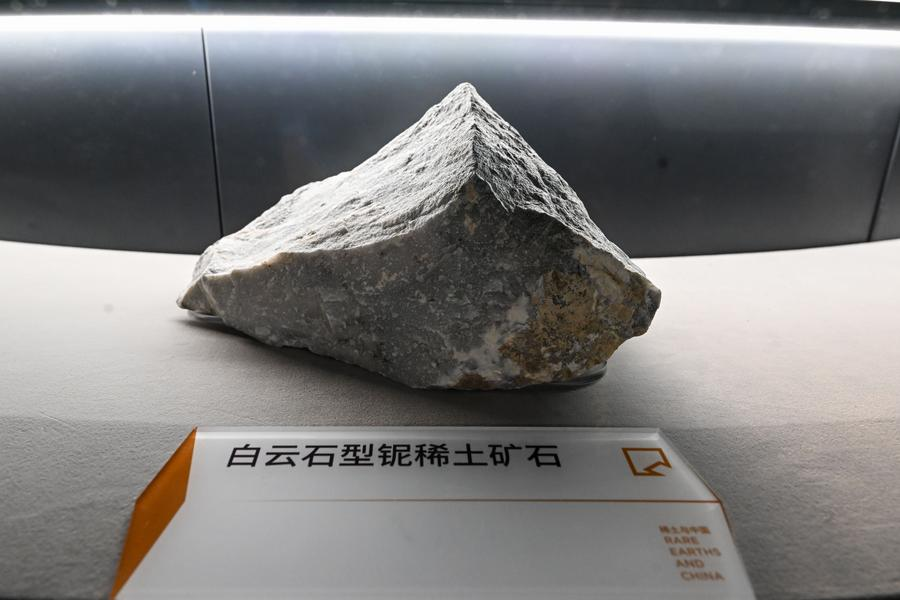
China on Wednesday released the latest assessment of its mineral resources, according to the Ministry of Natural Resources:
- Ranked first in the world in reserves of 14 minerals, including rare earths, tungsten, fluorite, and graphite
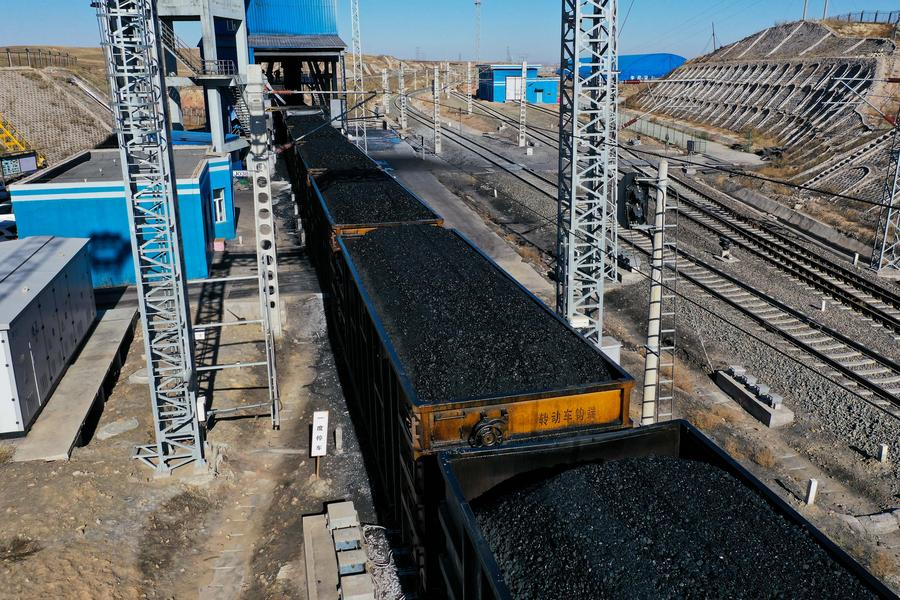
- First globally in the output of 17 minerals in 2025, including coal, vanadium, titanium, rare earths, tungsten, gold, and tellurium
- Total output value of the mining sector reached about 32.7 trillion yuan (about $4.78 trillion) last year, accounting for over 23% of the country's GDP


English

Stories of High-Quality Development|Independent breakthroughs accelerate development of industrial networks
"Test it again! We have to keep the latency jitter within 1 microsecond!" said an engineer from the Time-Sensitive Networking (TSN) R&D team, staring at the fluctuating data on the screen.
Traditional industrial networks are plagued by unstable latency and poor compatibility among heterogeneous devices, leaving real-time control demands in sectors such as smart grids and rail transit simply out of reach. Tightly controlled foreign technologies compound the problem, driving equipment costs prohibitively high. As a strategic technology innovation platform focused on building future networks, we assembled a specialized team to tackle these pain points.
The path was fraught with challenges: the scheduling algorithms for TSN controllers were extremely complex, with no ready or universal solutions; the lack of protocol uniformity across different manufacturers' devices led to repeated compatibility test failures; and lab results often failed to align with industry demands, making real-world deployment difficult.
To overcome these obstacles, our researchers immersed themselves in the lab, repeatedly refining algorithms and building test platforms that simulated industrial scenarios, conducting over 1,000 rounds of tests. They pioneered a new software-based unified control and distribution model to optimize configuration management and mastered core technologies such as multi-node, high-volume dynamic scheduling. The result was the first controller in China to pass TSN industry chain directory testing, achieving nanosecond-level synchronization and microsecond-level jitter control, thereby breaking the long-standing foreign monopoly.
Technological breakthrough was just the first step. The ultimate goal was commercializing these achievements. We pioneered a collaborative model incorporating labs, enterprises and capital, building joint testbeds with companies and deeply integrating TSN technology with industrial scenarios to develop commercial products such as TSN switches and gateways.
Institutional and mechanism innovation safeguards the commercialization of technological achievements. The lab introduced a chief scientist responsibility system, giving the research team full autonomy. We also introduced incentive policies for the commercialization of achievements, allowing the research team to retain 90 percent of net profits from commercialization to stimulate innovation vitality. Additionally, by establishing the Purple Mountain Venture Capital Fund and incubating industrial companies, we unlocked the entire chain from technology development to pilot-scale validation and industrial implementation, enabling more achievements to move from the lab to the production line.
From technological breakthroughs to deep industrial cultivation, and from institutional innovation to enabling development, the journey of the commercialization of TSN achievements is a vivid microcosm of Jiangsu Province's readiness to take on major responsibilities.
Today, TSN technology from the lab has been widely applied in fields such as intelligent manufacturing, rail transit and smart vehicles, driving coordinated development across upstream and downstream industrial chains. Looking ahead, we will continue to drive industrial upgrading through technological innovation and stimulate growth through institutional innovation, contributing more of Purple Mountain Laboratories' momentum to building China into a cyber powerhouse.
Narrator: Zhu Hailong, Head of TSN Technology Team, Purple Mountain Laboratories, Nanjing, Jiangsu Province
English

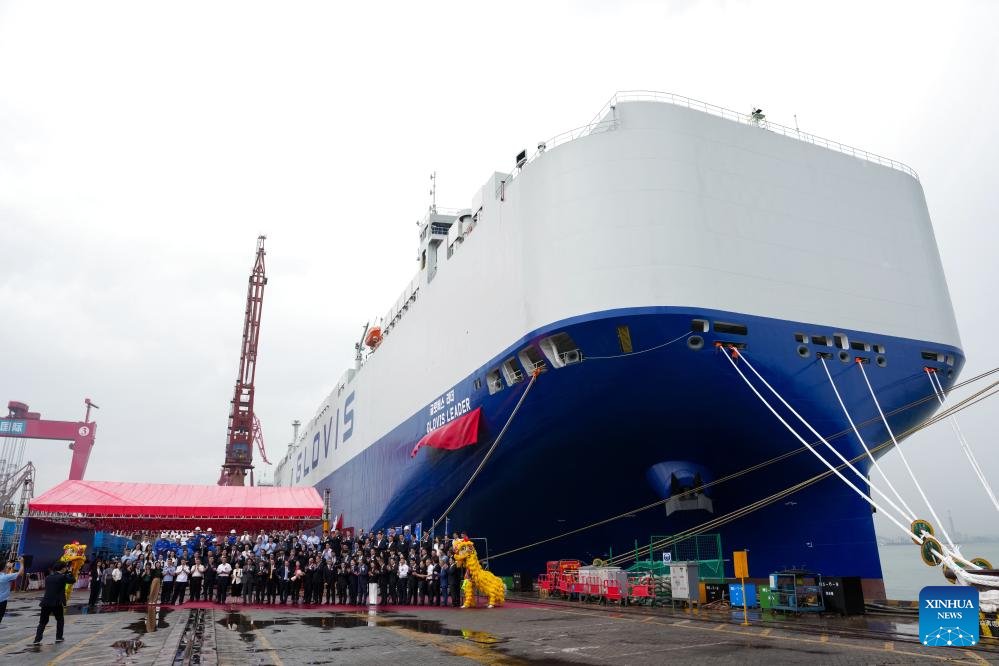
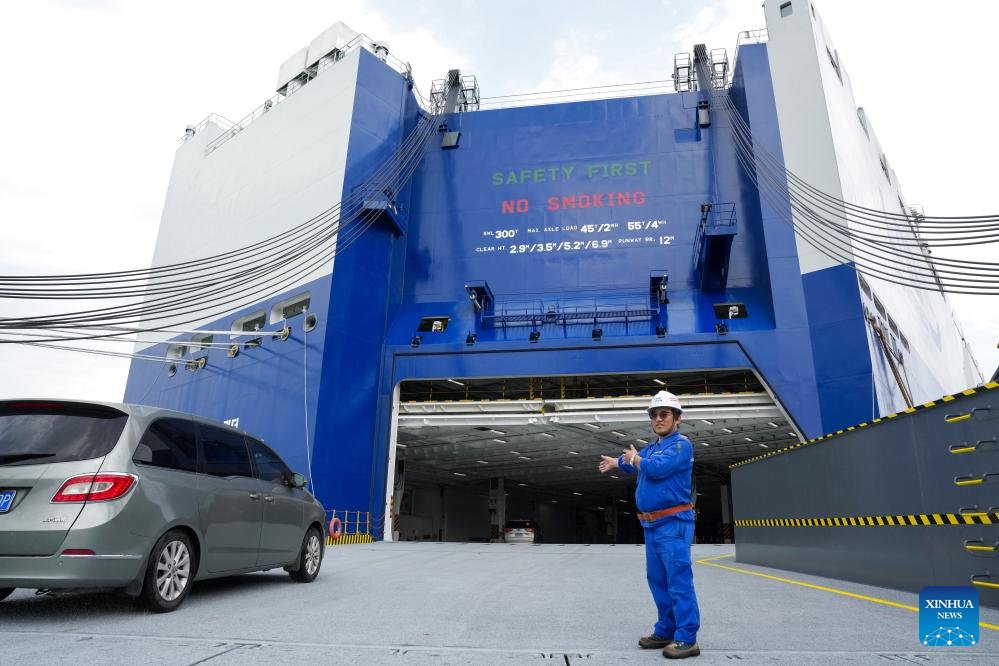
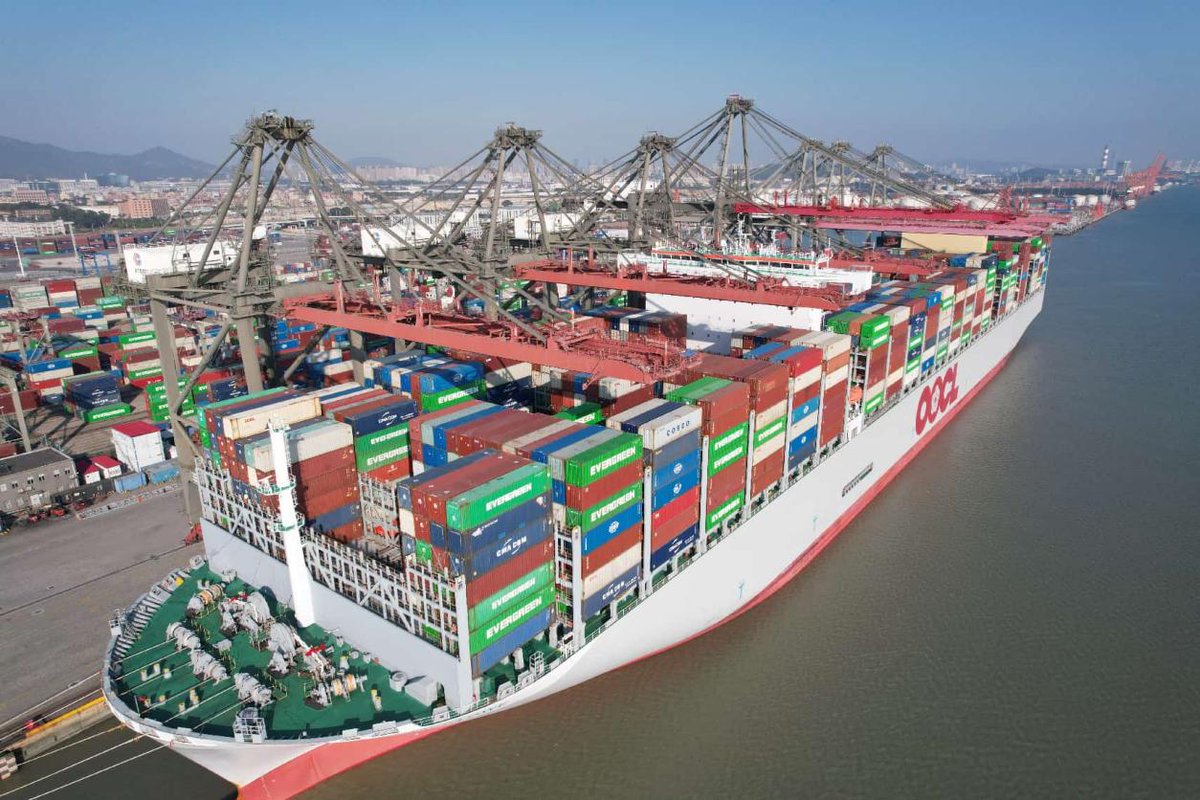
The world’s largest pure car and truck carrier with a max capacity of 10,800 car equivalent units was delivered Tuesday in Guangzhou, south China’s Guangdong Province.
The China-built new-generation ultra-large vessel measures 230 meters long and 40 meters wide, with a design draft of 10.5 meters and a cruising speed of 19 knots. Powered by a LNG dual-fuel system, it has 14 vehicle decks and can carry a range of cargo, including electric vehicles, hydrogen-powered vehicles and heavy trucks.
In recent years, Chinese-built vessels have renewed the record for the world's largest car carrier. In late April 2025, BYD Shenzhen, with 9,200 standard vehicle spaces, made its maiden export voyage. Less than a month later, Anji Ansheng, with 9,500 vehicle spaces, set off from Shanghai for Europe on its maiden voyage. Both vessels were independently built by Chinese shipyards.


English

China will expand zero-tariff treatment to all African countries that have diplomatic relations with it starting May 1, 2026, Chinese authorities announced on Tuesday.
The inclusion of an additional 20 African nations under the zero-tariff treatment policy has demonstrated the nation's active commitment to expanding high-standard opening up, according to the authorities.

English