Proto-Indo-European Lexicon

15.3K posts

Proto-Indo-European Lexicon banner
Proto-Indo-European Lexicon

Proto-Indo-European Lexicon

@PIELexicon

Comparative PIE phoneme inventory an IE sound law system digitised. Reading some Hieroglyphic Luwian while introducing improvements on PIE. Tweets @JounaPyysalo

University of Helsinki Katılım Aralık 2012
3.9K Takip Edilen7.8K Takipçiler
Sabitlenmiş Tweet
Proto-Indo-European Lexicon
Proto-Indo-European Lexicon@PIELexicon·
Hittite Mountain God Statue electrum (a gold-silver alloy): The iconography mixes elements of portrayals of the Storm-Gods, and so one can interpret it also as Tarhunza/Teshub, but the scales making the long kilt definitely point to a Mountain-God:
Proto-Indo-European Lexicon tweet media
English
11
123
702
27.3K
Proto-Indo-European Lexicon
The seal Bo 99/69 with the text (MONS)tu MAGNUS REX ‘Tudaliya (II), Great King’. In the cuneiform legend he is told to be ‘son of Kantuzili’.
Proto-Indo-European Lexicon tweet media
English
0
4
16
438
Proto-Indo-European Lexicon retweetledi
Anatolian Archaeology
Anatolian Archaeology@Anatolian2023·
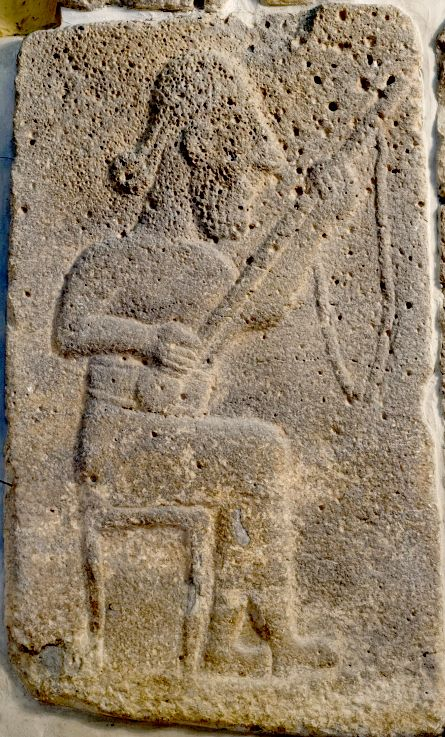
A musician playing a lute-like instrument on a Late Hittite relief from Zincirli (ancient Sam’al), dated to the 9th century BC. One of the rare depictions of music in Late Hittite art. Now in the Staatliche Museen, Berlin.
Anatolian Archaeology tweet media
English
3
18
87
4.4K
Proto-Indo-European Lexicon retweetledi
Gudea, Ensi of Lagash
Gudea, Ensi of Lagash@ensi_gudea·
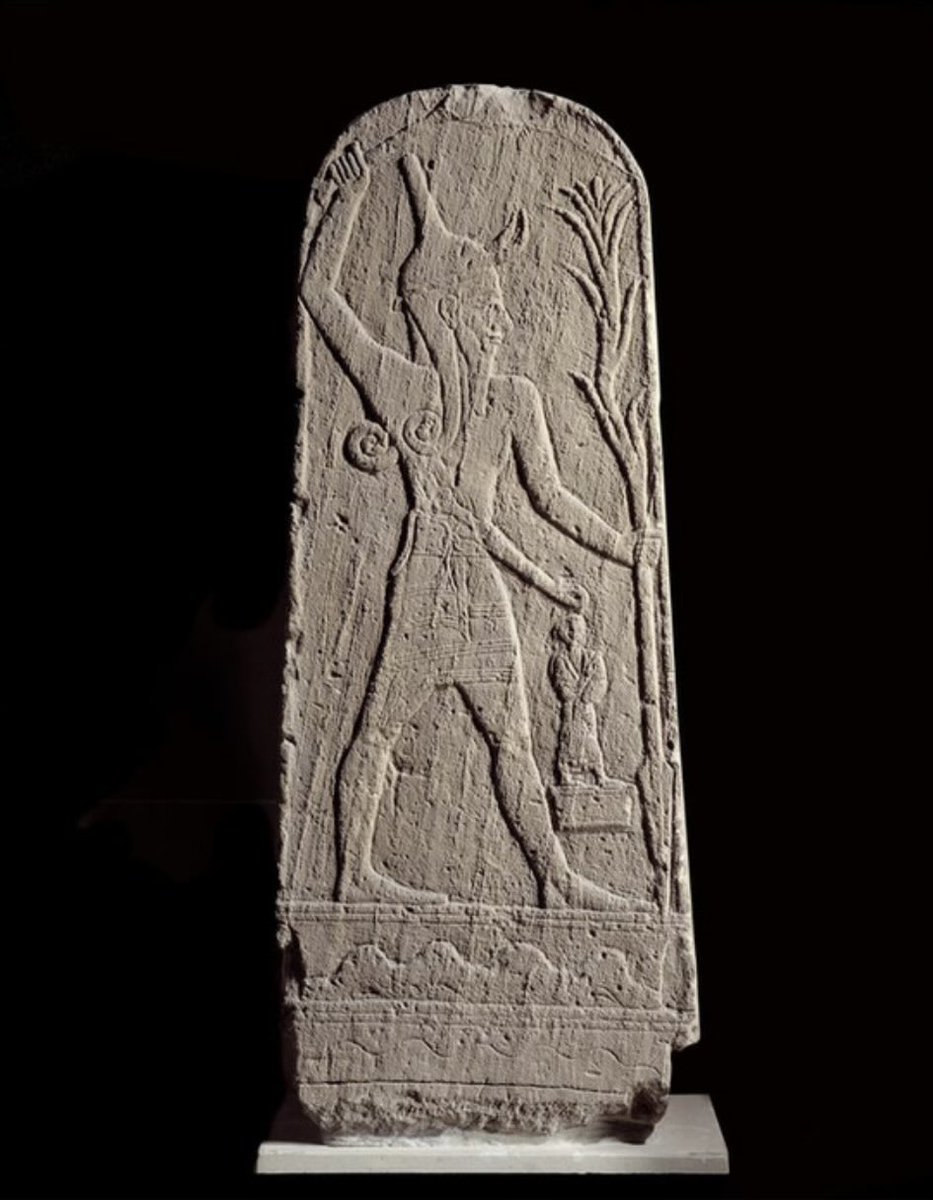
The Stele of “Baal with Thunderbolt” is a limestone relief found outside its original context near the Temple of Baal on the acropolis of Ugarit (Ras Shamra). Dating is difficult for this stele due to its context but an LBA date is likely. As depicted on the stele, a horned-capped deity stands in a smiting pose with a mace in one hand and a spear with a sprouting end in the other. The large figure stands behind a smaller figure interpreted as the King of Ugarit. Below the god are two registers possibly depicting mountains and sea which were the domains of Baal. Alternatively, they could be representations of Yamm, the adversary of Baal in the Baal cycle.
Gudea, Ensi of Lagash tweet media
English
1
10
66
1.6K
Proto-Indo-European Lexicon retweetledi
Arkeonews
Arkeonews@ArkeoNews·
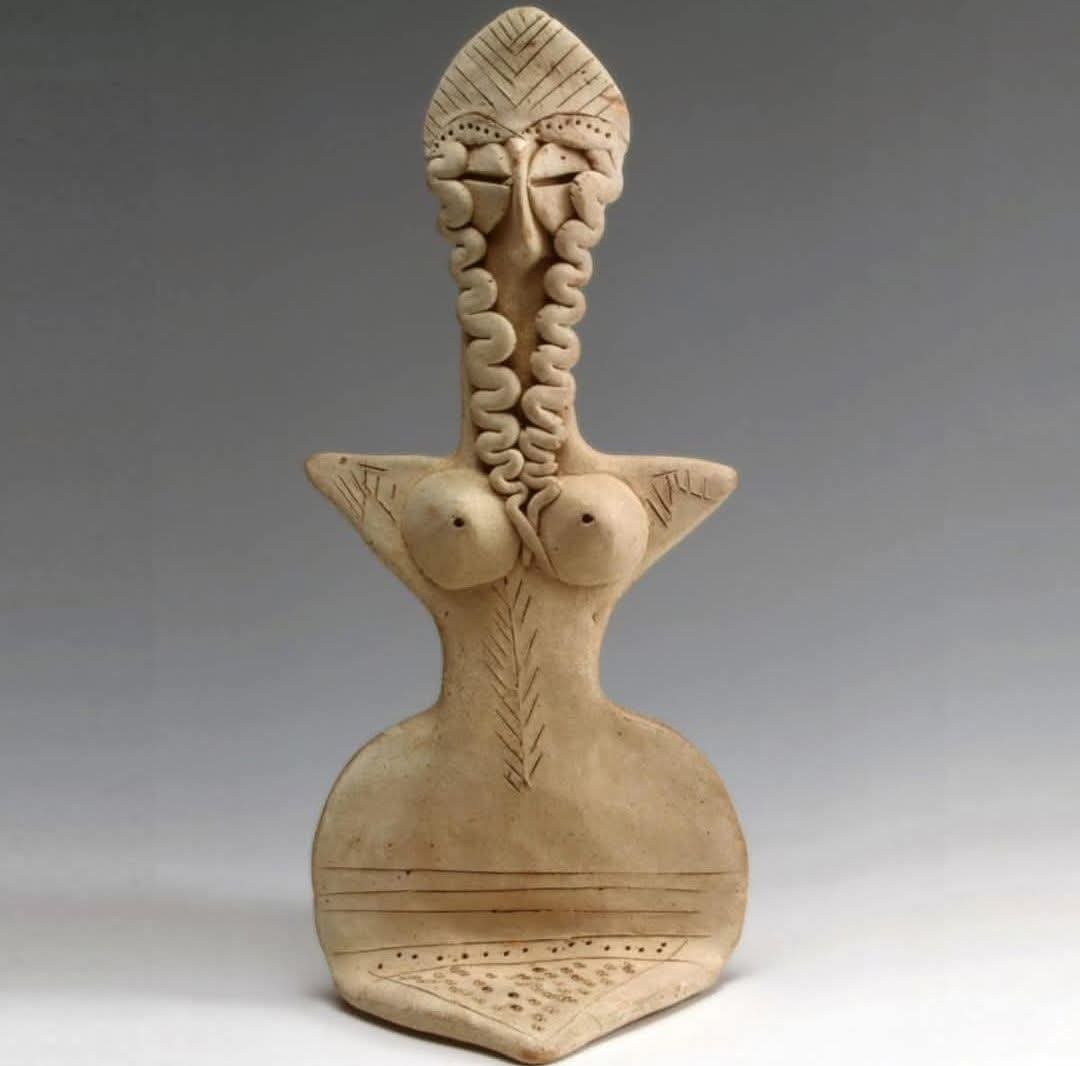
Elegant goddess figurine from Altın Tepe in Turkmenistan, near the Iranian border. Dating to 2200–1800 BCE, the artifact is currently on display at the Hermitage Museum in St. Petersburg, Russia.
Arkeonews tweet media
English
6
40
213
6K
Proto-Indo-European Lexicon
Proto-Indo-European Lexicon@PIELexicon·
@seyfeddinerisen Good question, not exactly (DEUS)LUNA and (DEUS)SOL are Romanized (Latin) logograms used by scholars to convey the meaning. The phonetically written words are PLu. *tiwada- ‘sun’ and PLu. *arma- ‘moon’.
English
1
0
2
65
Seyfeddin Erişen
Seyfeddin Erişen@seyfeddinerisen·
@PIELexicon Hocam merhabalar , ay ve güneş tanrısının Luvice adı bu şekilde mi yazılıyordu?
Türkçe
1
0
0
34
Proto-Indo-European Lexicon
Proto-Indo-European Lexicon@PIELexicon·
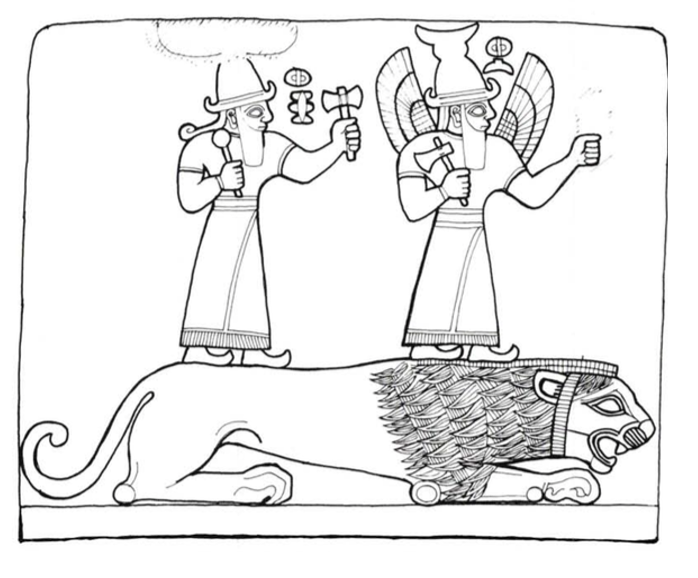
KARKAMIŠ B33, displaying small Hieroglyphic Luwian inscriptions identifying (DEUS)LUNA ‘Moon-God’ and (DEUS)SOL ‘Sun-God’, standing on a lion (or probably two, although you can see only one):
Proto-Indo-European Lexicon tweet media
English
1
5
29
2.2K
Proto-Indo-European Lexicon retweetledi
History Defined
History Defined@historydefined·
The "Hurrian Hymn No. 6" is recognized as the oldest known piece of music, originating around 1300 BC. This piece was unearthed in Ugarit, an ancient Syrian city, and is inscribed in the Hurrian language on a clay tablet that also includes musical notation. Canadian musician Peter Pringle has given us a modern take on what this ancient tune might have sounded like.
English
109
1.2K
4.8K
222.9K
Proto-Indo-European Lexicon
Proto-Indo-European Lexicon@PIELexicon·
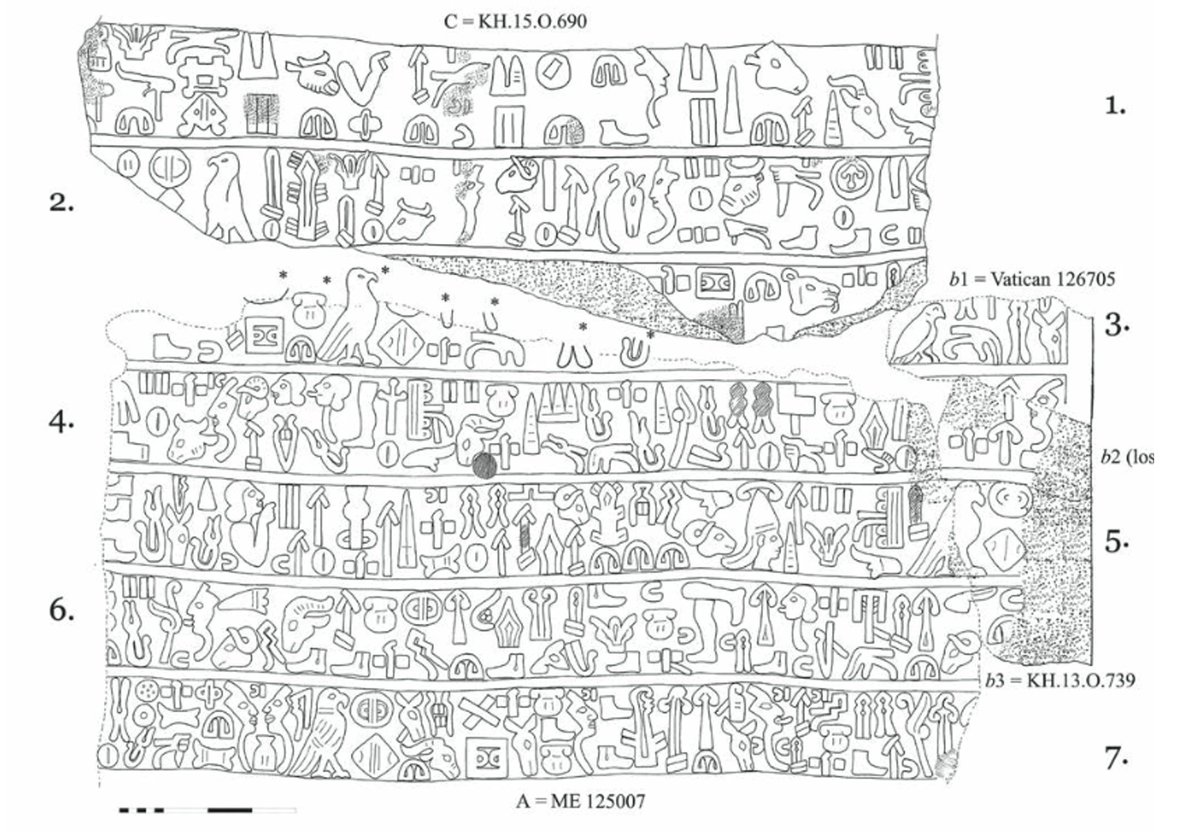
The Hieroglyphic Luwian KARKAMIŠ A31, the ‘Kubaba Stele’ has been recently joined with the beginning, C = KH.15.O.690. In the right side there are three pieces making B, both of which are now added to A. Thus the piece, once smashed by the Assyrians, is coming back together:
Proto-Indo-European Lexicon tweet media
English
0
12
50
1.5K
Proto-Indo-European Lexicon
Proto-Indo-European Lexicon@PIELexicon·
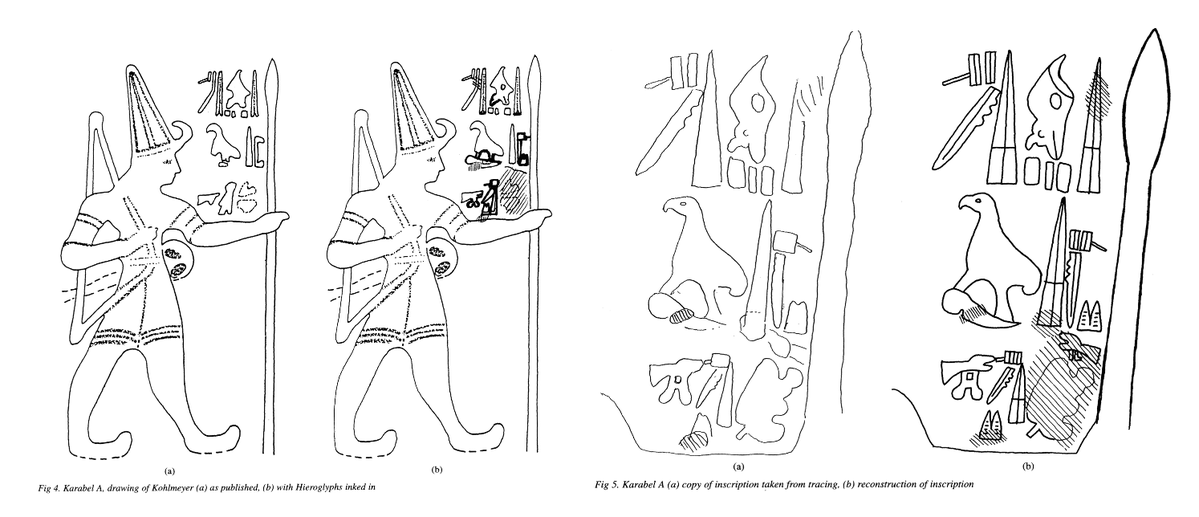
Below J.D. Hawkins’ drawings of the Hieroglyphic Luwian Karabel A inscription (in part following Kohlmeyer), and the reconstruction (on the right a close shot of the upper right corner). The kings are Tarkasanawa, his father Alantalli and his grandfather, Kupanta-Runti.
Proto-Indo-European Lexicon tweet media
English
0
3
26
704
Proto-Indo-European Lexicon
Proto-Indo-European Lexicon@PIELexicon·
The Hieroglyphic Luwian KARABEL A monument and inscription, displaying Tarkasanawa, king of Mira. The text displays his genealogy, naming his father Alantalli, and (probably) his grandfather, known from cuneiform to be Kupanta-dKAL
Proto-Indo-European Lexicon tweet media
English
0
5
27
711
Proto-Indo-European Lexicon
Proto-Indo-European Lexicon@PIELexicon·
@chronicle_watch They have found so-called ‘cup-marks’ from the top of the rock of Muwattalli’s relief: The cup-marks were carved holes in which blood-offering was poured for gods, in this case to the deified God Muwattali. The idea seems to be that the blood distilled through stone to his cup.
English
0
0
0
13
Proto-Indo-European Lexicon
Proto-Indo-European Lexicon@PIELexicon·
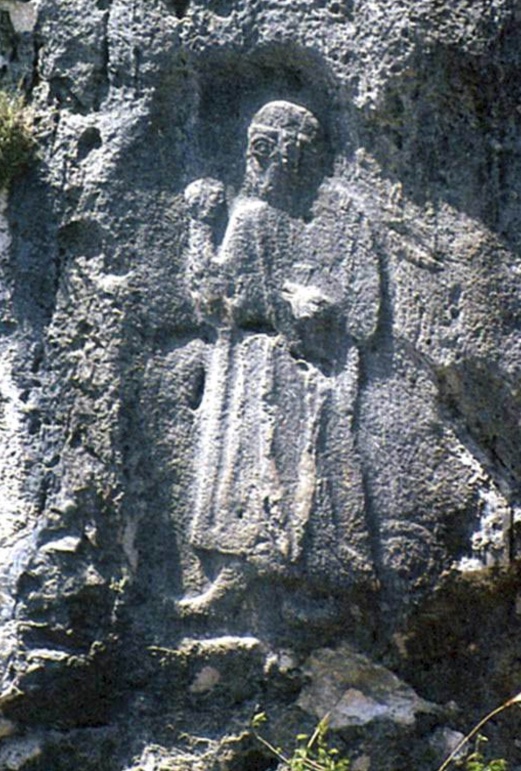
A photo of Muwattalli II grave monument, SIRKELI. The Great King, holds a cup from which he drinks sacrifices – as he had become a god with his death (the origin of the Indo-European offering was feeding the gods, who depended on sacrifices for their nutrition – and so survival.
Proto-Indo-European Lexicon tweet media
English
1
4
25
1.4K
Proto-Indo-European Lexicon
Proto-Indo-European Lexicon@PIELexicon·
The text of SIRKELI by Muwattalli II: BOS.MI-tà-li MAGNUS.REX HEROS MURSILI+li MAGNUS.REX HEROS FILIUS "Muwattalli, Great King, Hero, son of Mursili, Great King, Hero" Muwattalli II fought Ramesses II in the legendary battle of Qadeš, so he definitely earned the title ‘Hero’.
Proto-Indo-European Lexicon tweet media
Suomi
0
6
25
1.2K
Proto-Indo-European Lexicon retweetledi
Michael Petraglia
Michael Petraglia@MDPetraglia·
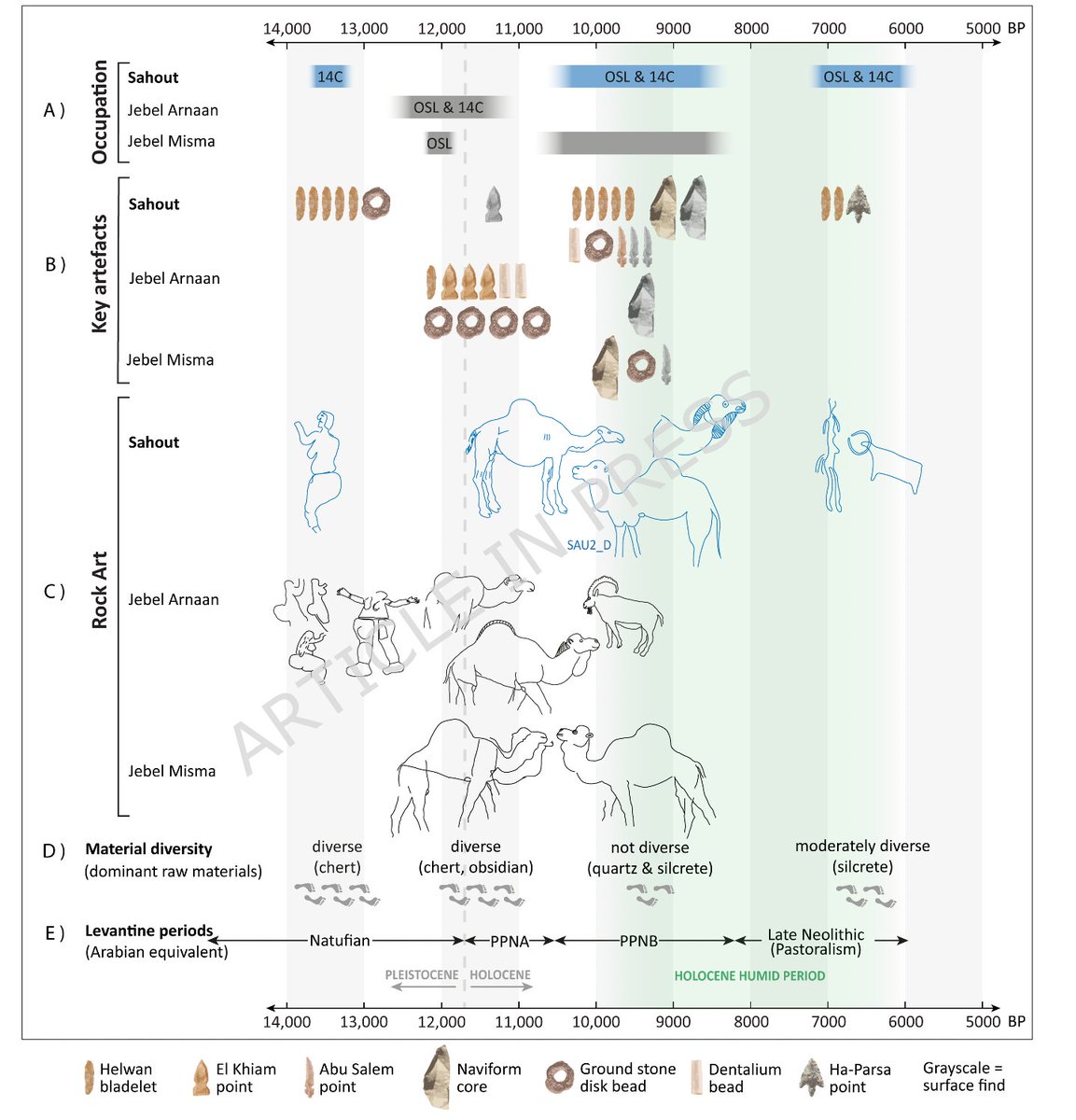
Paper alert! Here we demonstrate that communities using material culture characteristic of the Natufian and PPN were also present hundreds of kilometres south of the Fertile Crescent, in the much more arid interior of the Arabian Peninsula. nature.com/articles/s4159…
Michael Petraglia tweet media
English
5
46
153
32.3K
Proto-Indo-European Lexicon retweetledi
British Institute at Ankara
British Institute at Ankara@theBIAAnkara·
🚨📢 OPPORTUNITIES TO #FUND YOUR TRAVELS AND RESEARCH 🚨📢 The BIAA is thrilled to announce seven grant and scholarship opportunities for students and junior and senior researchers! Don’t miss your chance to advance your academic career! ℹ️ biaa.ac.uk/grants-opportu…
British Institute at Ankara tweet media
English
0
4
8
826
Proto-Indo-European Lexicon
Proto-Indo-European Lexicon@PIELexicon·
The Hieroglyphic Luwian SIRKELI 1 relief portrays Great King Muwattalli II. He holds a cup for drinking an offering and lituus on his other hand wearing the Sun-God costume, also designating him as the judge (the text is behind him, but only partially contained in the photo).
Proto-Indo-European Lexicon tweet media
English
0
2
19
400
Proto-Indo-European Lexicon
Proto-Indo-European Lexicon@PIELexicon·
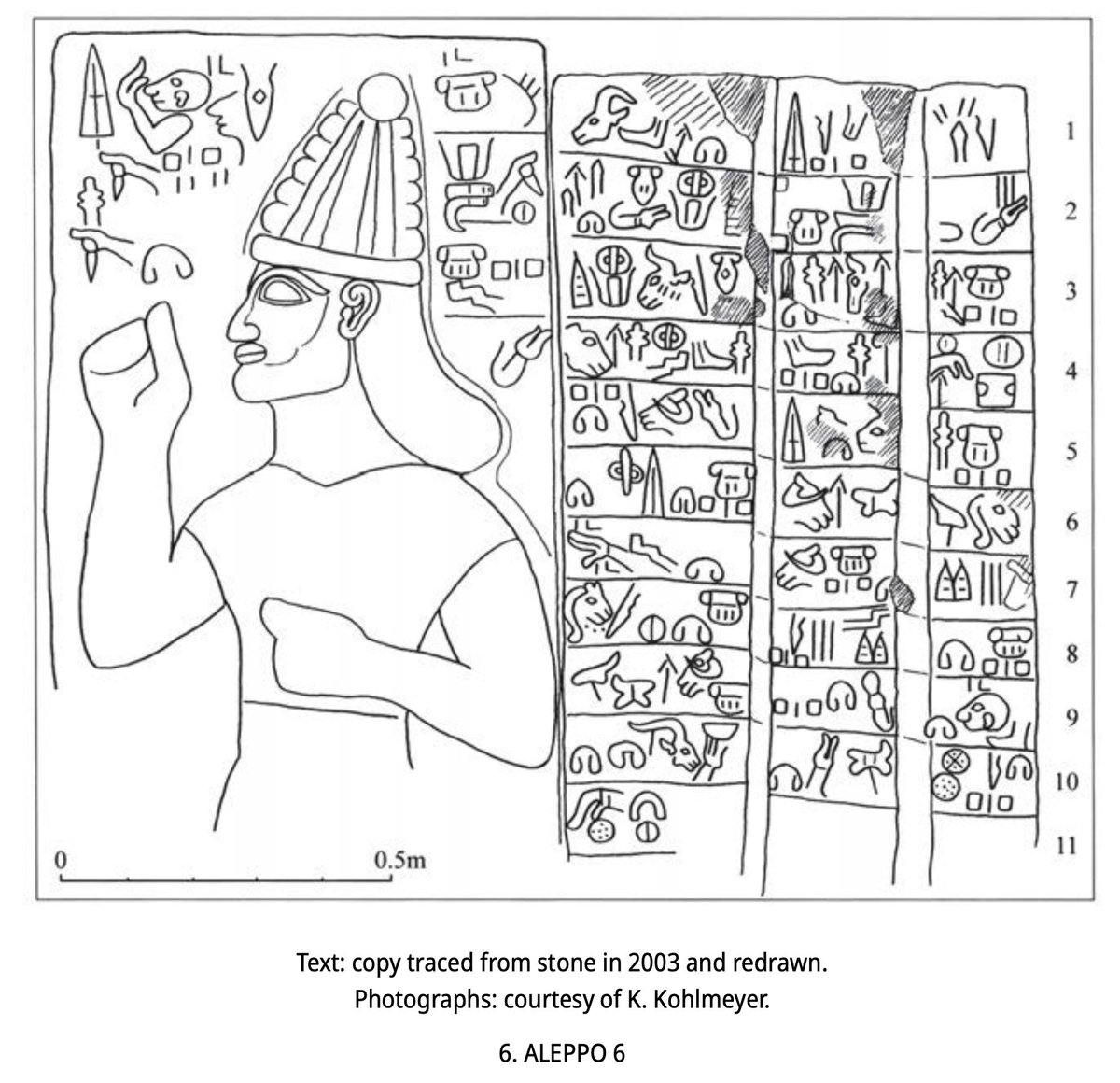
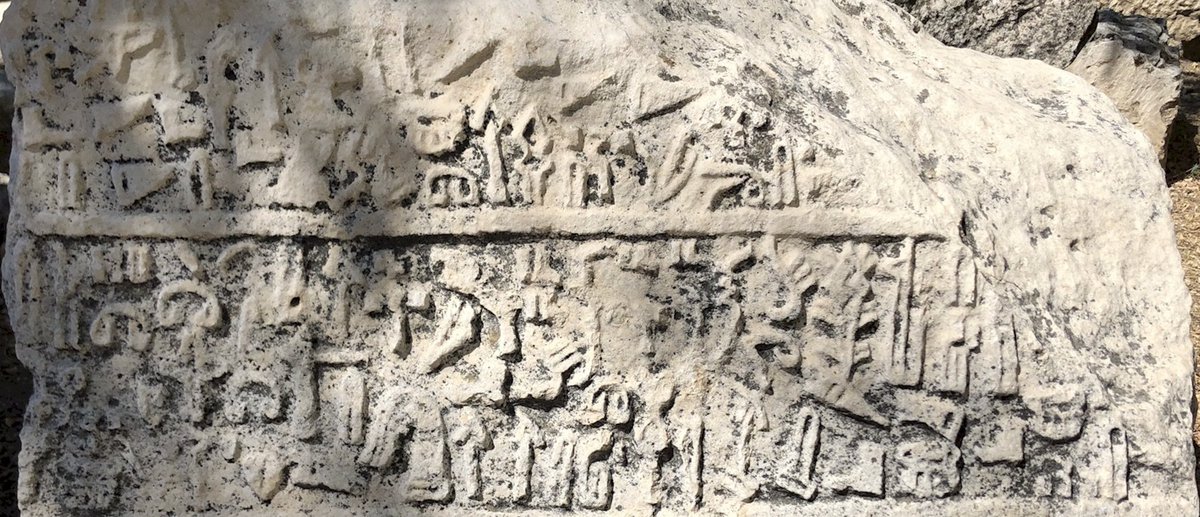
The Hieroglyphic Luwian ALEPPO 6 inscription by king Taita of Walasatini, the Hero: He rebuilt the temple of the Storm-God of Aleppo, and text details the offering instructions for the visitors, who are to offer according to their position and wealth:
Proto-Indo-European Lexicon tweet media
English
1
21
107
99K
Proto-Indo-European Lexicon
Proto-Indo-European Lexicon@PIELexicon·
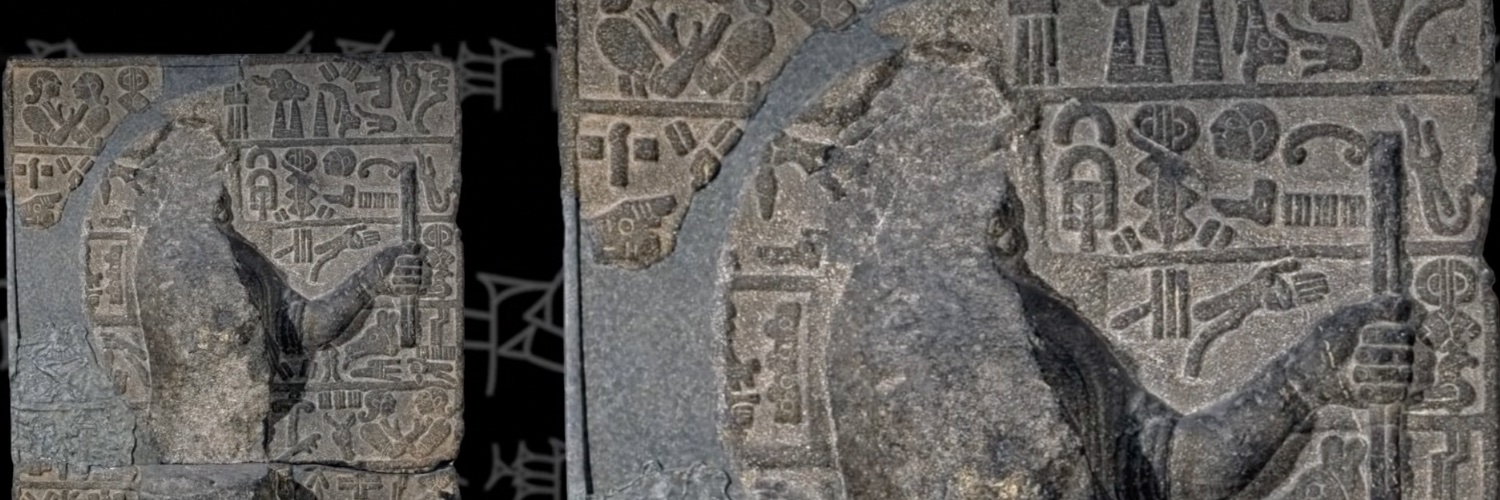
Below, the Hieroglyphic Luwian ANCOZ 8 block (photo by the courtesy of Hittitemonuments dot com): The upper right corner is lost and so is some of the the upper edge, but otherwise the signs are in excellent condition.
Proto-Indo-European Lexicon tweet media
English
0
5
22
742