Penny Murphy

250 posts

Penny Murphy banner
Penny Murphy

Penny Murphy

@PJRMPen

Mum. RN. Artist. Apprentice. Thread ForWard project.

Manchester, England Katılım Eylül 2024
587 Takip Edilen74 Takipçiler
Penny Murphy retweetledi

NHS England Workforce, Training and Education
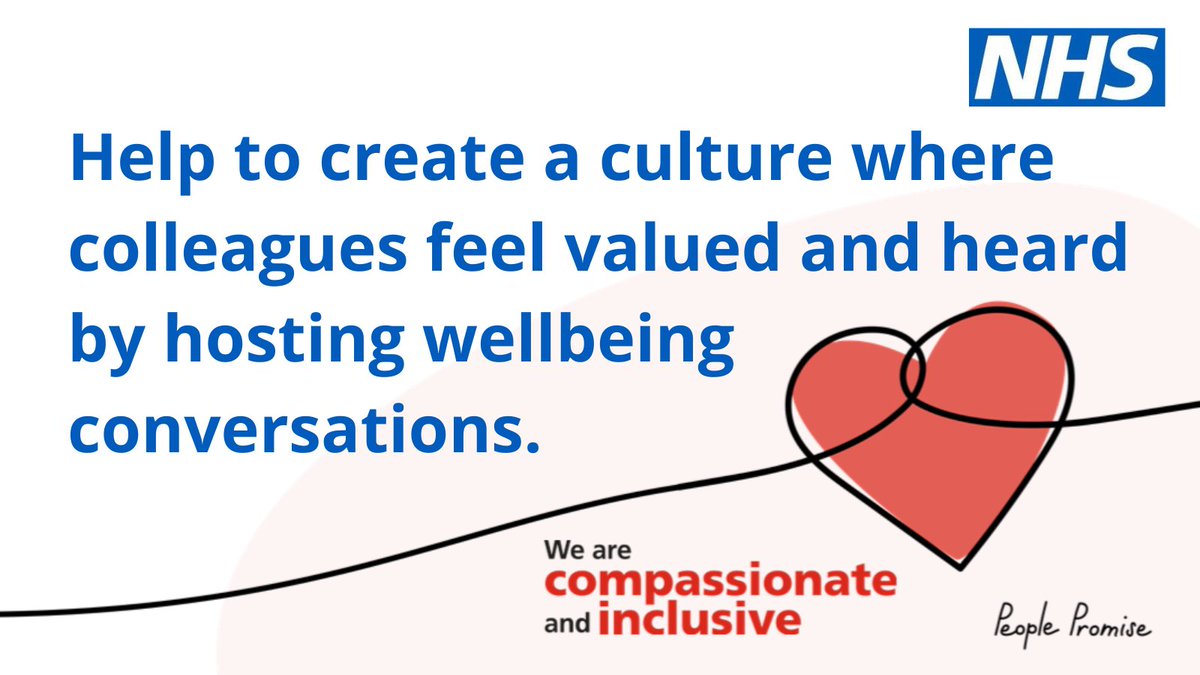
📢 Calling all NHS line managers and team leaders! Do you need help supporting your team to improve their health and wellbeing? A helpful guide is available here 👉 #heading-7" target="_blank" rel="nofollow noopener">england.nhs.uk/publication/lo… #OurNHSPeople #MHAW
NHS England Workforce, Training and Education tweet media
English
2
10
17
1.2K
Penny Murphy retweetledi
Nursing Standard
Nursing Standard@NurseStandard·
Nurses report regularly leaving work late due to understaffing and workload pressures, often without pay.  We look at the hidden impact of working late and what employers should be doing. rcni.com/nursing-standa…
Nursing Standard tweet media
English
7
9
21
2.1K
Penny Murphy retweetledi
NHS England Workforce, Training and Education
Calling all students on nursing, nursing associate and midwifery courses – join NHS England’s National Student Council to share your views. This is a fantastic opportunity to influence change and develop transferrable skills. Apply on the Student Hub ow.ly/wLuz50Xz7ia
NHS England Workforce, Training and Education tweet media
English
2
7
3
1.9K
Penny Murphy retweetledi
Northern Care Alliance NHS Foundation Trust (NCA)
Two children in every classroom have Developmental Language Disorder — yet many haven’t heard of it. Our speech and language therapists hit the road with a DLD awareness bus, visiting Rochdale schools with fun activities to raise awareness and empower young DLD ambassadors.
Northern Care Alliance NHS Foundation Trust (NCA) tweet mediaNorthern Care Alliance NHS Foundation Trust (NCA) tweet mediaNorthern Care Alliance NHS Foundation Trust (NCA) tweet media
English
0
1
2
493
Penny Murphy retweetledi
Helen Bevan
Helen Bevan@HelenBevan·
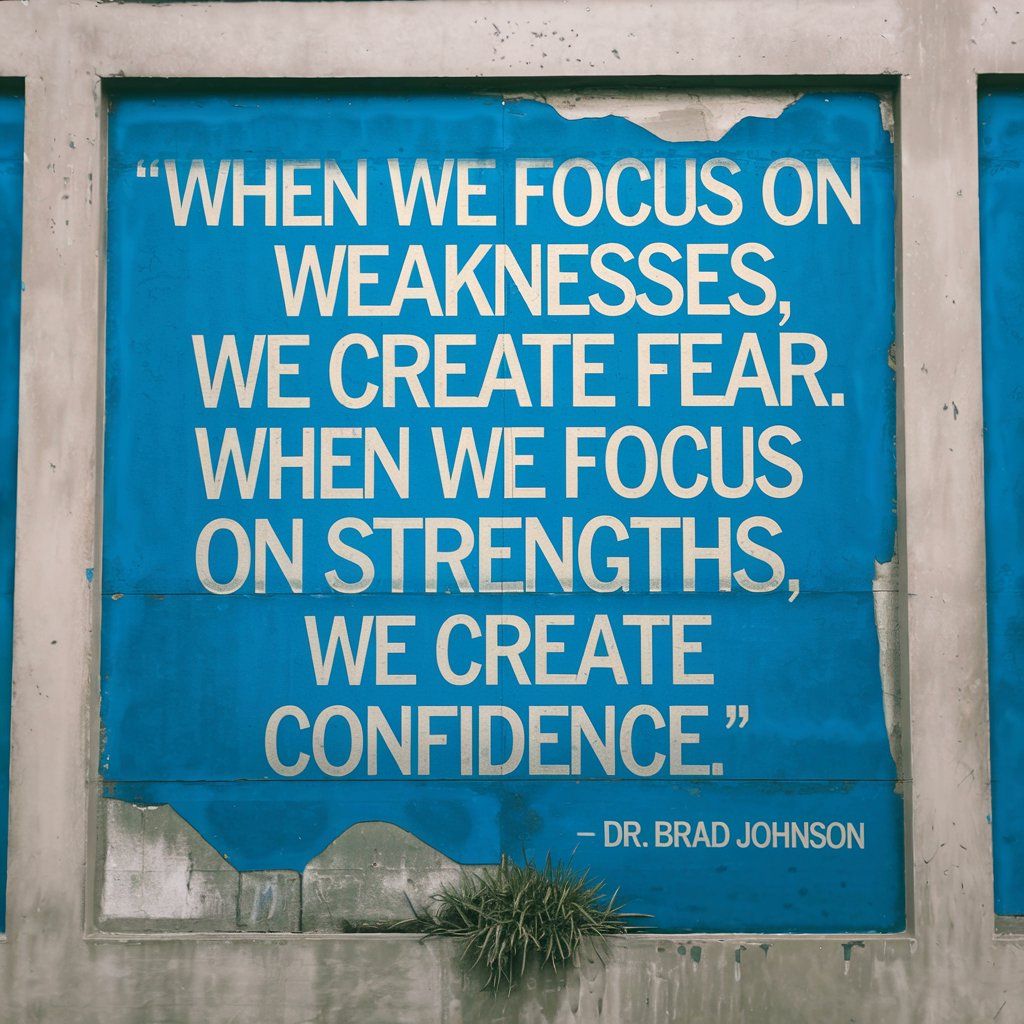
As leaders of change & learning, we should seek out & welcome feedback continuously as it gives us an opportunity to improve. At the same time, we should try not to “over-focus” on negative comments or criticism, rather than positive comments. There have been many occasions where I’ve led a learning session & got overwhelmingly positive feedback yet I have zoomed in & stewed over the one or two negative comments, ignoring the majority of encouraging feedback. This is a normal human response. It’s called “negativity bias.” It means that negative feedback, criticism, or potential threats trigger a stronger emotional reaction in our brains than positive feedback does. For change leaders, negative comments (even in a situation of overwhelming positive feedback) may slow down us or make us reverse course on important initiatives—not because of data, but because of how heavily that concern weighs on our minds. Negativity bias can undermine our confidence, make us more risk-averse, stifle innovation & affect engagement, even when there is strong overall support for the change. It can fundamentally undermine the optimism, confidence & forward momentum that successful organisational or system change needs. Negativity bias is something that even the most experienced change leaders have to consciously manage. Five ways to mitigate the risk of negativity bias: 1) Name & acknowledge the bias: Even recognising when negativity bias is influencing our thinking can reduce its power over our decision-making. 2) Lean into feedback: don’t treat the possibility of negativity as a reason not to get feedback. Build evaluation into every encounter; always hold a “retrospective”/after action review of every project or significant event. 3) Use negative comments as data points for learning but place them in a broader context. Use systematic approaches such as a pros & cons list or scenario analysis to evaluate both the risks & rewards of a given decision. 4) Build a learning culture where mistakes are seen as chances to learn, not reasons to blame. Knowing it's safe to experiment & fail makes us more willing to innovate & take creative risks, alongside the majority of positive responses. 5) Appreciate that “resilience” is a team activity: understanding that negative comments can have a profound personal impact. Always discuss feedback with others who have our back & can help us maintain perspective & keep going with the change. See, eg: forbes.com/sites/brycehof… by Bryce Hoffman & essemy.com.au/turning-the-ti… by Philip Woods. Graphic adapted from one by @OzolinsJanis which inspired me to write this post.
Helen Bevan tweet media
English
4
35
105
6.1K