@SanBasilio_ A ver: Efesios 4:11 él mismo constituyó a unos apóstoles a otros profetas a otros evangelistas y a otros pastores y maestros.
No constituyó papas, cardenales, arzobispos, curas ni párrocos.
Estos son puros inventos paganos
Español
PREDICADOR
20.9K posts
@PREDICADOREV
Pastor, Ministro Ordenado de la Palabra y siervo de Jesucristo. Una hermosa esposa y dos maravillosos hijos quienes sirven al Altar y a quienes amo.
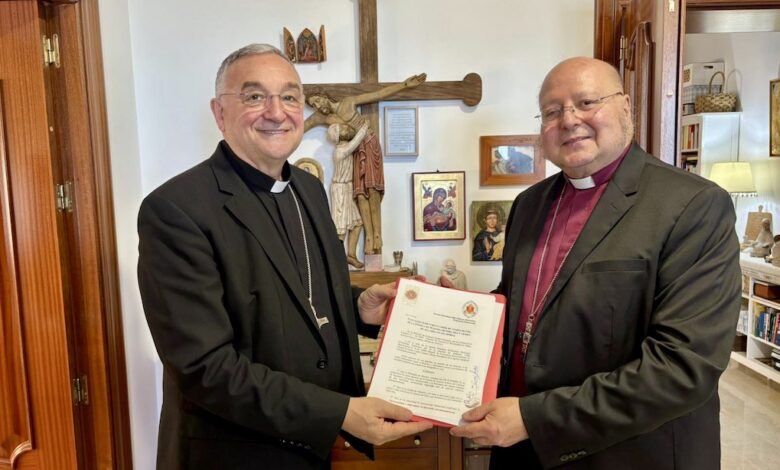
✝️|💣El sacerdote católico, el @PJavierOR, se pronunció en un video en contra de los pseudoarzobispos anglicanos, asegurando que, sin importar si son hombres o mujeres, no tienen sucesión apostólica y están disfrazados.




Anyone reading the early church fathers carefully will quickly discover something more complex than the claim that they were “solidly Catholic” in the later Roman sense. Augustine is a good example. Augustine was one of the most influential theologians in the history of the Western Church. Luther was an Augustinian monk, deeply formed by Augustine’s writings. Calvin also read Augustine extensively and appealed to him repeatedly. The Reformers did not believe they were inventing a new gospel in the sixteenth century. They believed they were recovering and clarifying the biblical gospel of grace that Augustine had defended, especially against Pelagianism. That influence is especially clear in the doctrines of sin, grace, faith, election, assurance, and perseverance. There are real differences between Augustine and the Reformers, and those differences should not be ignored. Augustine was not a sixteenth-century Protestant. But neither can he simply be claimed as if he taught later medieval or Tridentine Roman Catholicism in full. The same caution applies to the Lord’s Supper. Augustine spoke with deep reverence about the sacrament, but he also used categories of sign and thing signified in ways that shaped later Reformed sacramental theology. The Reformed tradition did not reduce the Supper to “mere symbolism.” It taught that believers truly feed on Christ by faith through the work of the Holy Spirit. So yes, read the fathers. But read them historically, not anachronistically. The early church belongs to the whole Christian tradition, not to one later communion as though all later doctrinal developments were already present in finished form. Augustine, in particular, reminds us that the Reformation was not a rejection of the ancient church, but an Augustinian retrieval of grace, Scripture, and the sufficiency of Christ.
La Sagrada Tradición es la transmisión viva del Evangelio recibido de Cristo por los apóstoles, conservado y comunicado en la predicación, la liturgia, la doctrina y la vida de la Iglesia bajo la acción del Espíritu Santo.

🇦🇷|✝️¡CIERTO! El @PadreTomasB afirmó a través de su cuenta de X que si todos siguiéramos los Diez Mandamientos, el mundo sería mejor. Aseguró que, de cumplirse el mandamiento “no matarás”, no habría guerras ni abortos; y que, al respetar el de “no fornicar”, no existirían divorcios, adulterios o infidelidades, ni ideología de género; y así sucesivamente con todos y cada uno de los mandamientos. Generando simpatía entre seguidores que se sumaron a la reflexión. “Por lo tanto, Dios no es el problema. El problema es la falta de Dios en la vida de muchas personas. Si se cumpliesen los mandamientos divinos, el mundo estaría mucho mejor. Gracias a Dios, Él sigue presente”.


¿Si Dios perdona todo por qué no perdonó a Eva?
La Sagrada Tradición es la transmisión viva del Evangelio recibido de Cristo por los apóstoles, conservado y comunicado en la predicación, la liturgia, la doctrina y la vida de la Iglesia bajo la acción del Espíritu Santo.