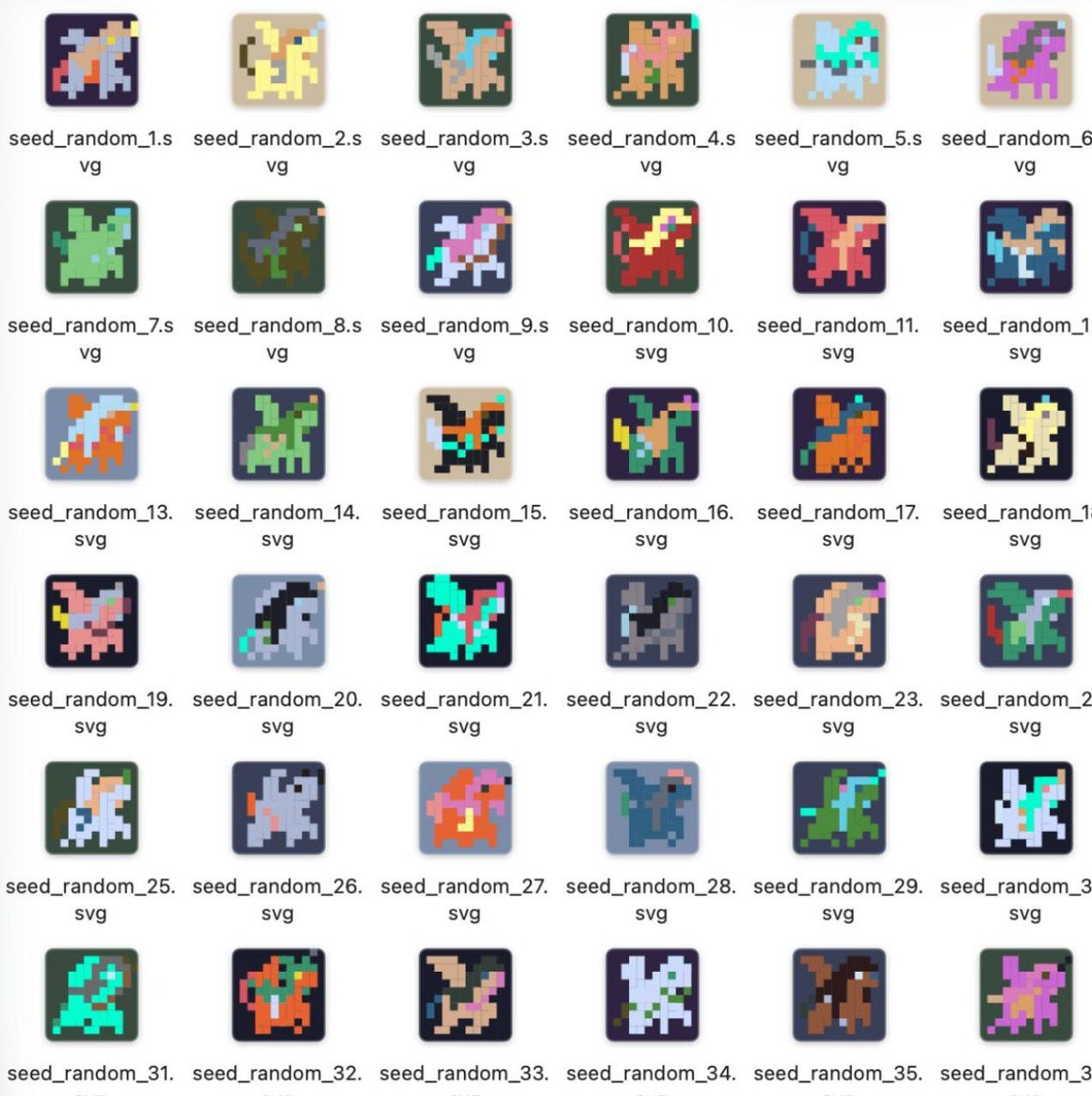
Why inscribe data onto a computing layer? Some thoughts on ERC20i : Inscriptions: A new way to embed data Ordinals introduced the concept of permanently inscribing static data onto Bitcoin satoshis, creating immutable NFTs. However, this approach has limited flexibility and computational capability, requiring a social layer to read or write NFT data. The Bitcoin community is exploring the potential of adding more computational abilities through proposals like BIP 420. Ethereum, on the other hand has long been the standard for programmable blockchain tech. Ethereum's Turing-complete environment supports complex smart contracts, allowing for more expressive token standards like ERC-721, which underpin most NFTs. However, storing data directly on Ethereum can be costly, so ERC721 stores an external pointer for image data. Enter ERC-20i ERC20i is a new innovative token standard on the Base network that extends the capabilities of traditional ERC-20 tokens. This standard inscribes data onto each token, making them unique and dynamic as this data changes with every transaction in a predetermined way They behave like regular ERC-20 tokens and can be used across all Dapps and DeFi trading products such as Uniswap. Storing data on-chain is also cheaper on @Base, making it a more affordable option. ERC-20i's were introduced by @toddstooldoteth with the launch of @Fungi_ERC20i and you can find the WP here - fungifungi.art/whitepaper.pdf. Other projects, such as @JelliERC20i, are using the protocol to create animated NFTs. These tokens are fully on-chain, hosting dynamic art without needing third-party storage. Fungi: Where Art Meets Community A unique' seed' is generated with each buy, sell, or transfer of $FUNGI, creating a Fungi NFT that's attached to a wallet. There are two types of inscriptions- A dynamic inscription changes with every transaction, while a stable inscription remains unchanged. If the entire amount of tokens linked to an inscription is moved, the art remains intact. ERC-20i's can be easily recognized as part of a collection, combining the memecoin effect with a sense of community. By integrating unique characteristics into each token along with the advantage of being highly liquid, projects can build a sense of identity and storytelling around tokens, fostering a deeper connection with their holders.