Sabitlenmiş Tweet
P. Tsakiris
31.5K posts

P. Tsakiris
@PTsakiris7
Η Ιστορία της Προδοσίας
Θεσσαλονίκη, Ελλάς Katılım Ocak 2013
3.4K Takip Edilen3.1K Takipçiler
P. Tsakiris retweetledi

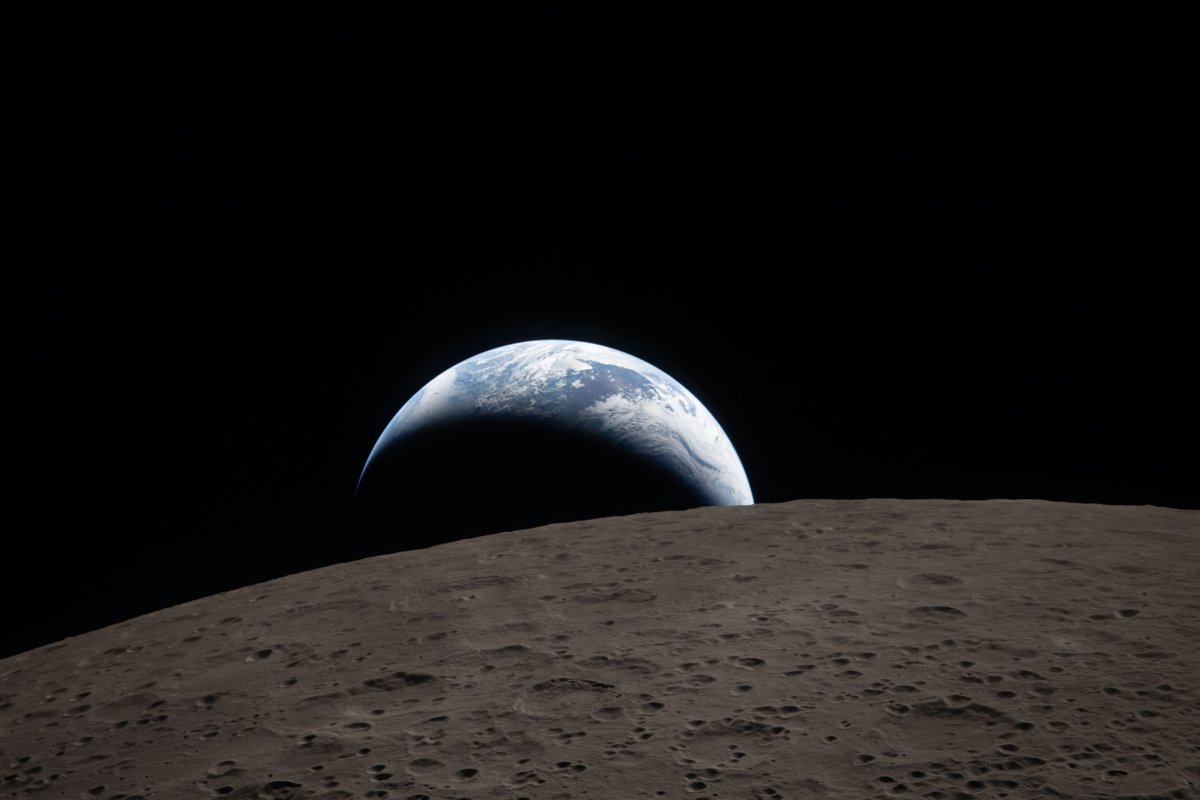
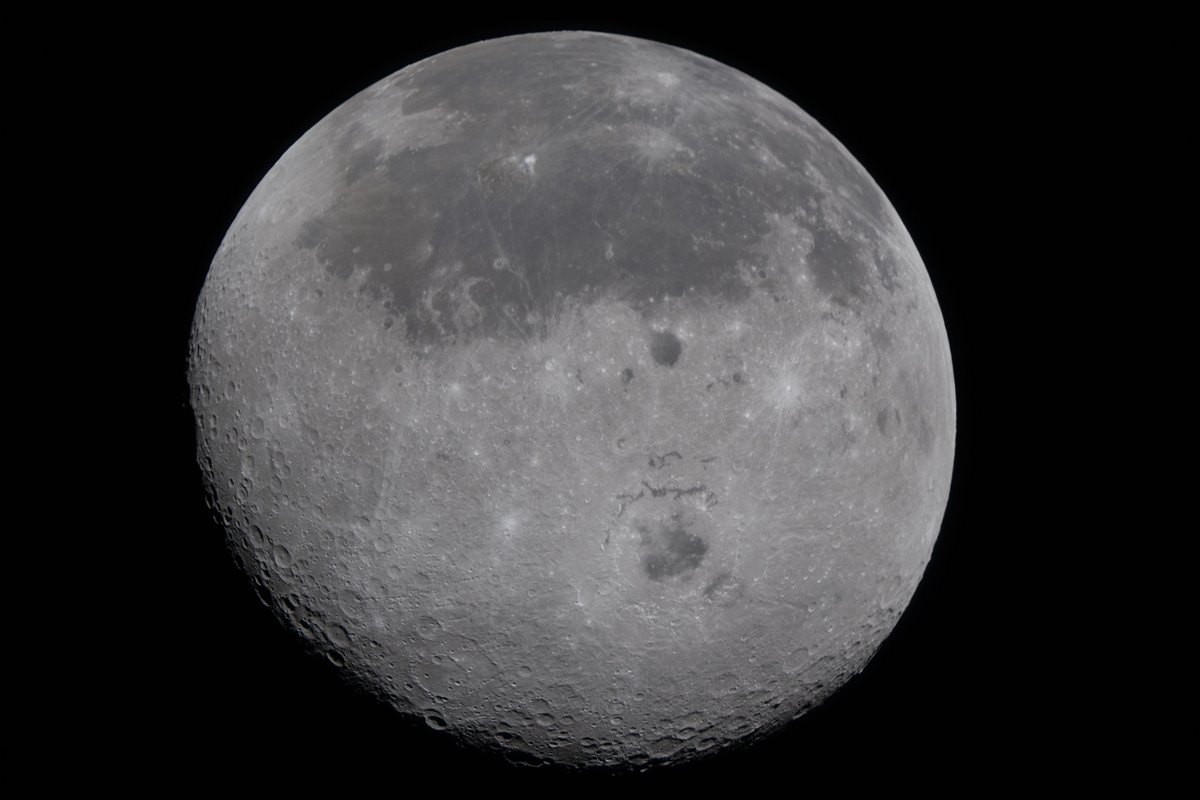
Approaching the near side of the Moon.
The Artemis II astronauts have surpassed the record for the distance from Earth at 1:56 ET (1756 UTC). This record was previously set during the Apollo 13 mission when the astronauts traveled 248,655 miles from Earth. The Moon continues to grow larger and larger in the windows of the Orion spacecraft as the Artemis II mission gears up to observe the far side. The astronauts are predicted to make their closest approach of the Moon around 7:02pm ET (2302 UTC).

English
P. Tsakiris retweetledi

The countdown clock started 2 hours ago for a $4.2 billion 10-day trip where nobody gets out of the car.
Artemis II will fly four astronauts around the Moon and back. No landing. No orbiting. A flyby. The last time humans did something similar was Apollo 8 in 1968, when the entire Apollo program's per-mission cost, adjusted for inflation, was roughly $2.8 billion. NASA is now spending 50% more per launch to repeat a less ambitious version of a mission it pulled off 58 years ago.
The math on this rocket is staggering at every level. SLS has cost $29 billion in development since 2011. Add Orion at $13.8 billion. Add ground systems. Total bill before a single astronaut boards: north of $44 billion. The rocket was supposed to launch in 2016 for $5 billion. It launched its first uncrewed test in 2022 for $20 billion. The crew mission arrives in 2026 at a per-launch cost the Trump administration's own budget called "grossly expensive."
Now compare. SpaceX's Falcon 9 costs $67 million per launch. That's 63 Falcon 9 launches for the price of one SLS. SpaceX's internal cost per reused launch is closer to $15 million, which means NASA could fly 280 Falcon 9 missions for what it costs to send four people on a 10-day loop. SpaceX flew 165 orbital missions in 2025 alone. SLS has flown twice total across its entire existence.
The heat shield is the part that should keep you up at night. Artemis I's heat shield spalled so badly during reentry that NASA spent years investigating. Their solution: fly the same heat shield design but change the reentry angle to a steeper trajectory. The crew will hit Earth's atmosphere at 25,000 mph, temperatures exceeding 5,000 degrees, with a shield design that already failed its only test.
Wednesday at 6:24 PM Eastern. 80% favorable weather. Four humans in a capsule built on shuttle-era engineering, riding the most expensive rocket ever constructed, testing a heat shield that cracked last time. The Apollo astronauts did this with slide rules and 4KB of RAM. We're doing it with $44 billion and a prayer.
NASA@NASA
Action. Wonder. Adventure. Artemis II has got it all. Don't miss the moment. Our crewed Moon mission will launch as early as April 1. Learn how to watch: nasa.gov/ways-to-watch/

English
P. Tsakiris retweetledi

The weather's looking good for tomorrow's Artemis II launch, and our teams are getting the rocket ready for liftoff!
Read the latest updates on our mission around the Moon: go.nasa.gov/4tiFY4P
English
P. Tsakiris retweetledi