Kamau Mwangi
5.6K posts

Kamau Mwangi
@P_mwas
Veterinarian. MSc Biotechnology. Curious about life and life sciences, nature and animal welfare
Kenya Katılım Şubat 2013
1.3K Takip Edilen1.8K Takipçiler
Sabitlenmiş Tweet


@P_mwas we have a new update available on the app. Kindly check the Play Store or App Store to update to the latest version to be able to access Ziidi. Sorry for that experience. ^PS
English

@SafaricomPLC today I've not been able to access ziidi trader platform the entire day. Such a big inconvenience 😕😕😕😕😕😕

English

@kevi_mwendi @SafaricomPLC Eeeh the whole day I've not been able to use the ziidi trading platform
English

@SafaricomPLC Nkt I've done all this including downloading a new app and clearing cache
English

@P_mwas Hey Kamau, sorry about that. Turn flight mode ON/OFF and ensure that you are on mobile data then test.^DE
English

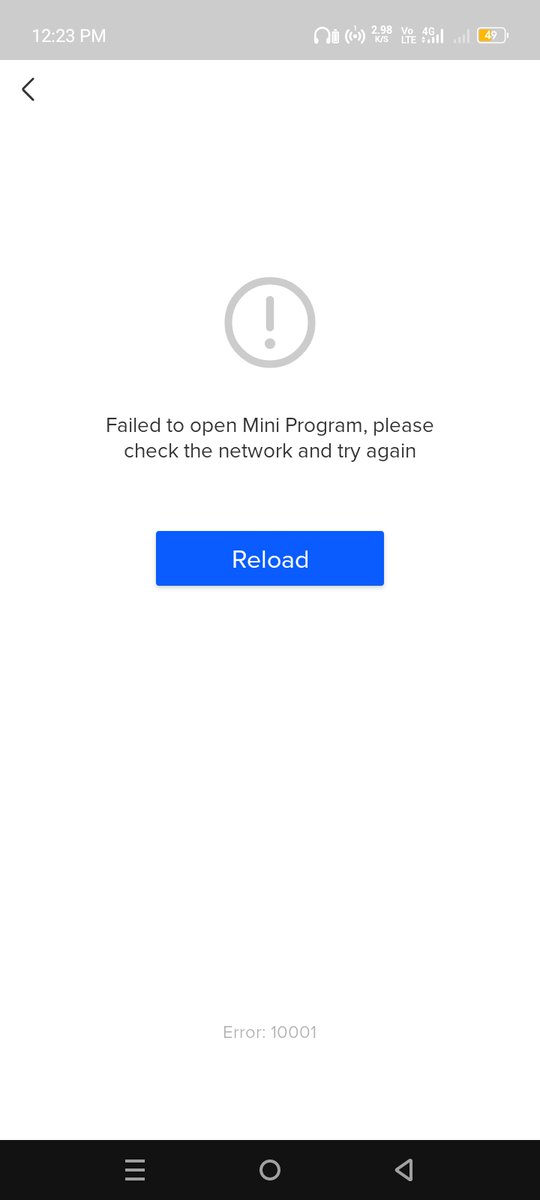
@SafaricomPLC This is the error I'm getting even after updating to the BETA version of safaricom app

English

Ziidi Trader inawork lakini pia inafuata sheria za soko. Acha tukuchanue mbio mbio
#Ziidi #SafaricomPopoteUlipo
Indonesia

@Safaricom_Care I have updated my app and I'm still getting the same error message
English

@P_mwas Hi, Mwas. We have a new version of One App to address this issue. Please update to seamlessly access Ziidi. Sorry for the inconvenience. ^NW
English

Kamau Mwangi retweetledi

𝐅𝐚𝐫𝐞𝐰𝐞𝐥𝐥 𝐭𝐨 𝐂𝐫𝐚𝐢𝐠 – 𝐀 𝐆𝐞𝐧𝐭𝐥𝐞 𝐆𝐢𝐚𝐧𝐭 𝐚𝐧𝐝 𝐒𝐮𝐩𝐞𝐫 𝐓𝐮𝐬𝐤𝐞𝐫 𝐊𝐧𝐨𝐰𝐧 𝐭𝐨 𝐭𝐡𝐞 𝐖𝐨𝐫𝐥𝐝 🐘
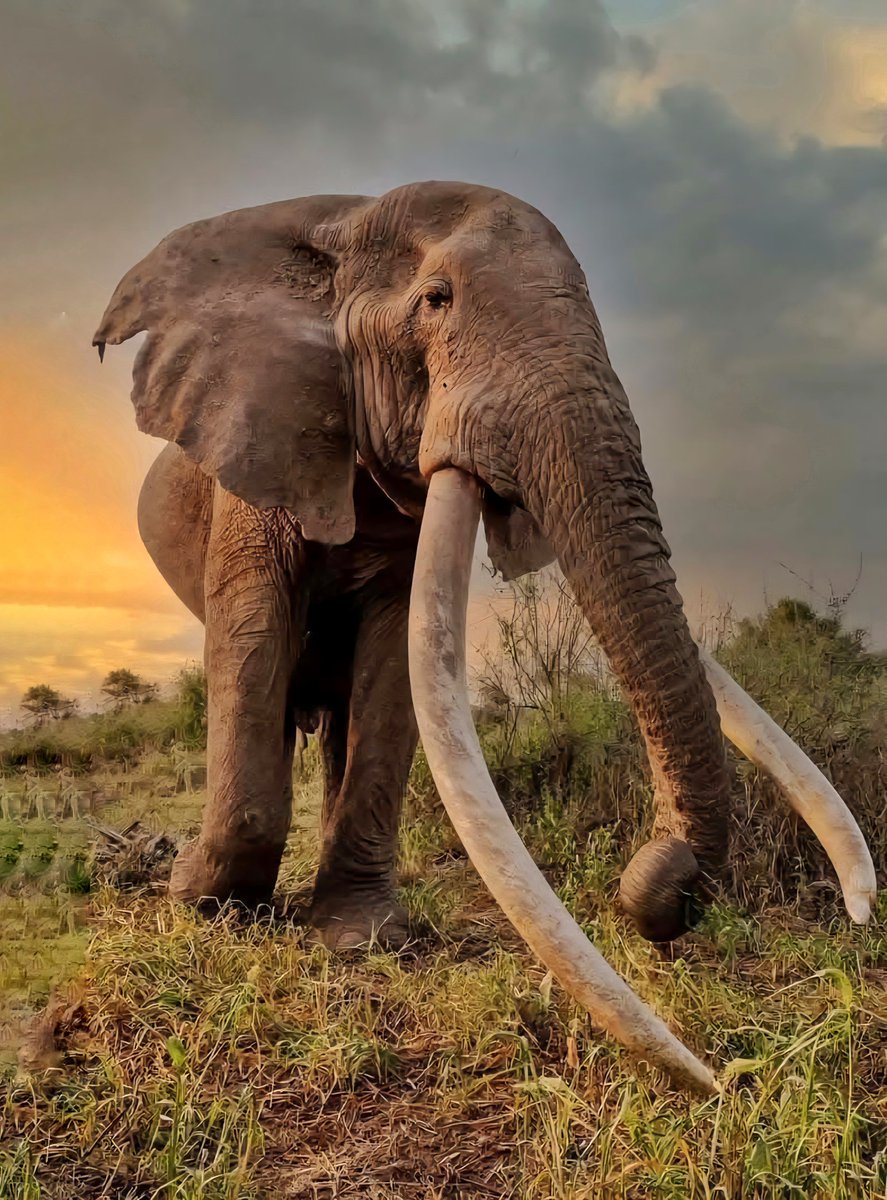
Early this morning, Amboseli National Park, Kenya - and indeed the world - lost a true icon. Craig, the legendary super tusker famed for its immense, ground-sweeping tusks and calm, dignified presence, passed on at the age of 54.
Born in January 1972 to the great matriarch Cassandra of the CB family, Craig lived a life that few elephants ever do.
Craig was one of the last remaining super tuskers in Africa - a rare class of bull elephants whose two tusks weigh over 45 kilograms (100 lbs) each. Fewer than a handful remain today, making him a living monument to Africa’s natural heritage.
He fathered a number of calves, ensuring that his powerful bloodline and gentle character live on across generations.
Beyond its extraordinary tusks, Craig was deeply loved for its remarkably calm nature. He appeared to understand its place in the world - often pausing patiently as visitors photographed and filmed him. Widely documented and admired globally, he became a true ambassador of Amboseli and a symbol of what successful conservation looks like.
In 2021, Craig was proudly adopted by East African Breweries Limited (EABL) through the Tusker brand, reflecting his worldwide appeal. His long life and survival to such maturity were made possible through decades of dedicated protection by Kenya Wildlife Service (KWS), working in close collaboration with conservation partners and the local community.
Continuous monitoring, anti-poaching efforts, habitat protection, and community stewardship ensured that Craig lived freely and safely - demonstrating what collective commitment to wildlife conservation can achieve.
Drop a memory of Craig down below and let's celebrate its legacy. #TunzaMaliYako

English

Kamau Mwangi retweetledi

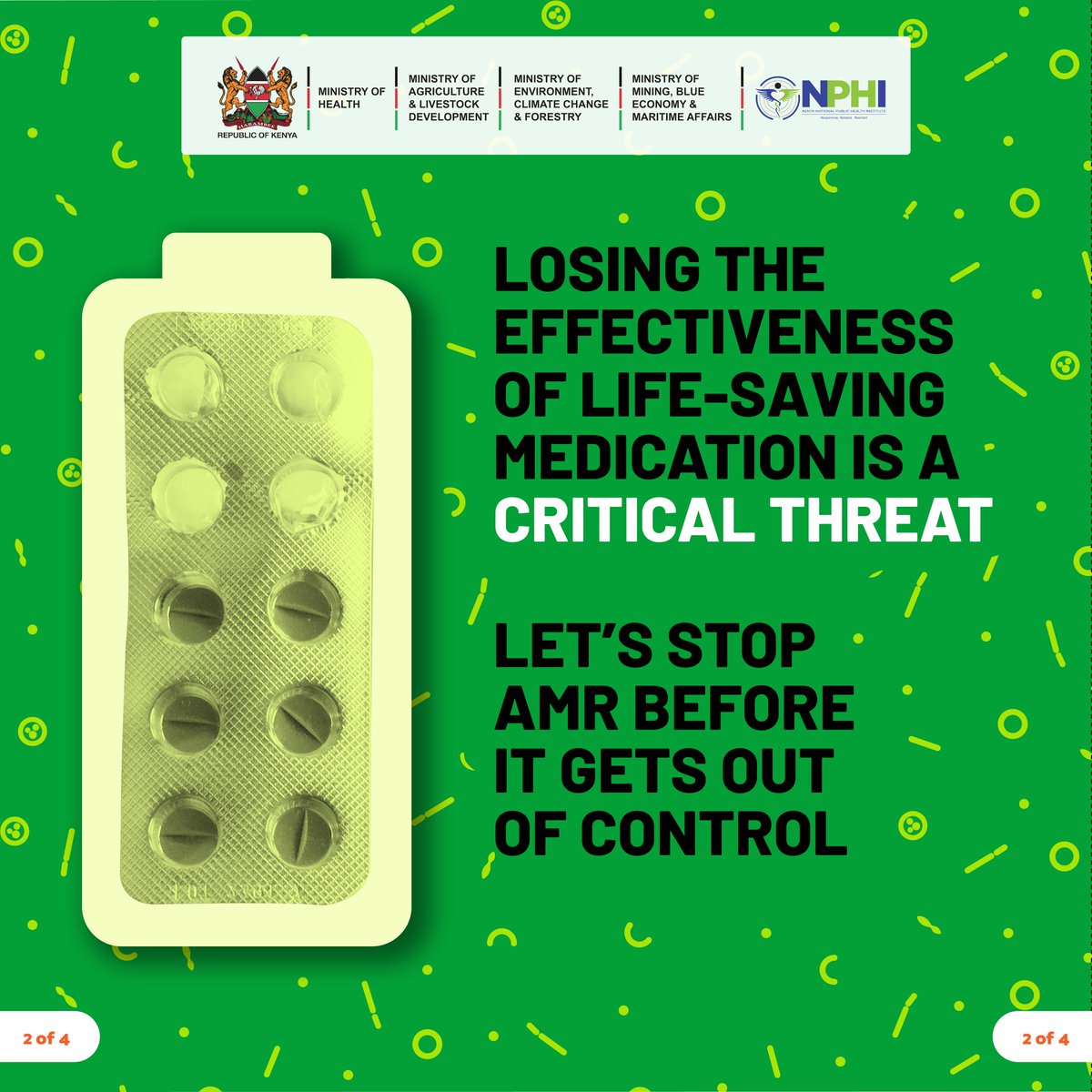
4/4
Let’s use this week to Learn, Advocate, and take meaningful steps toward safeguarding the effectiveness of lifesaving treatments.
Together, we can make a lasting impact. #WAAW2025 #AMR #OneHealth
#AntimicrobialResistance


English
Kamau Mwangi retweetledi

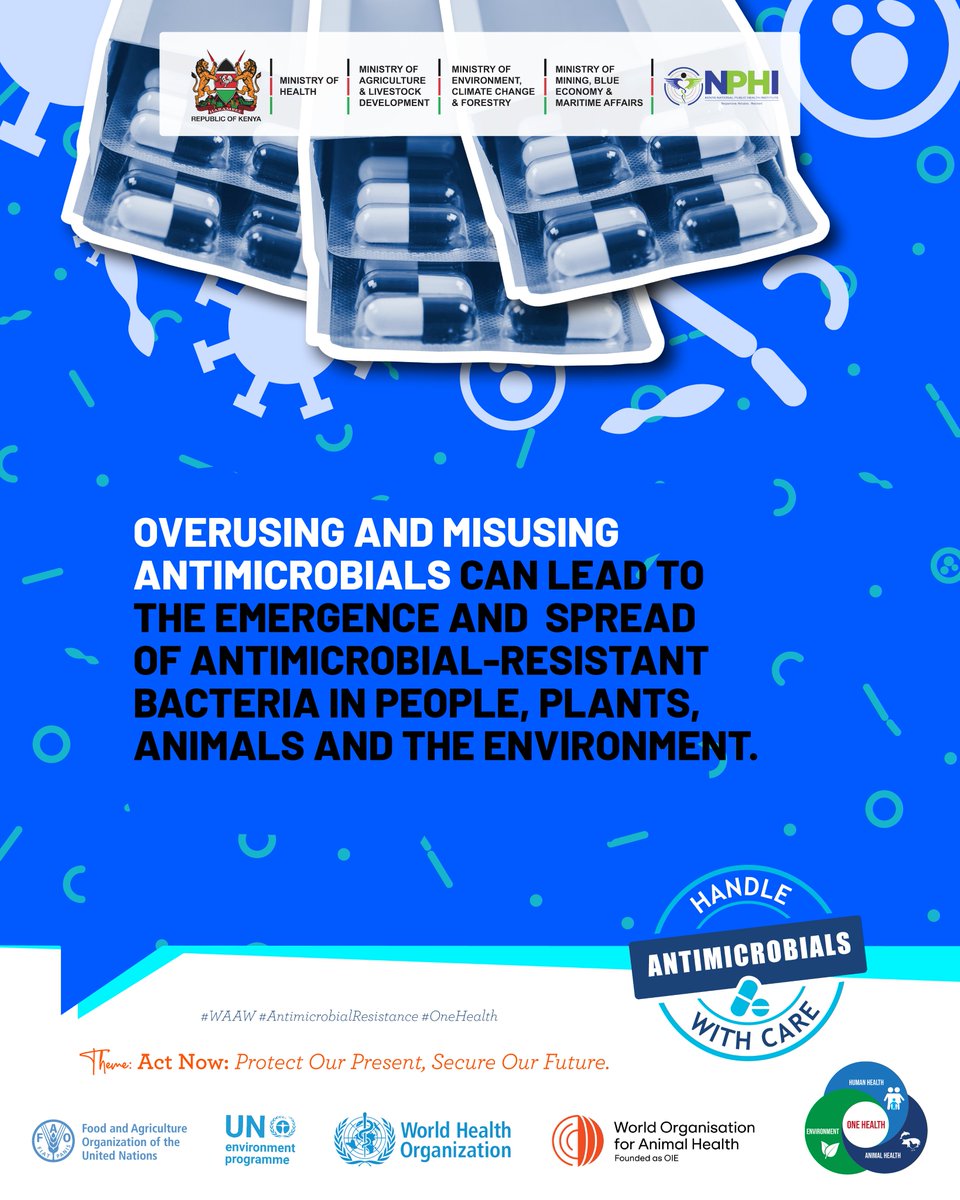
Antimicrobials, once effective, are now losing their power due to years of overuse and misuse leading us toward a global health crisis, with once-treatable infections now becoming fatal for people, plants, and animals.
Join us during #WAAW2025 to raise awareness and advocate for responsible antimicrobial use.
Let's work together to prevent the rise of drug-resistant infections.
Handle with care, for a healthier future! 💊🌏🌟 #AntimicrobialResistance #AMR
#HandlewithCare #OneHealth


English
Kamau Mwangi retweetledi

Join us this week in commemorating #WAAW2025 from 18th to 24th November, to raise awareness and understanding of Antimicrobial Resistance (AMR). Let's promote best practices among One Health stakeholders to reduce the emergence and spread of drug-resistant pathogens.
Together, we can make a difference! #AntimicrobialResistance #WAAW2025 #HandleWithCare 🌍💊💙


English

@AMR_Kenya Apart from creating AMR awareness, has the team taken action in identifying and / or characterising the resistant strains through labwork?
English
Kamau Mwangi retweetledi

The 2025 medicine laureates identified the immune system’s security guards, regulatory T cells, which prevent immune cells from attacking our own body.
The fundamental knowledge that researchers have gained through the discovery of regulatory T cells and their importance for peripheral immune tolerance, has spurred the development of potential new medical treatments. Mapping of tumours shows that they can attract large numbers of regulatory T cells that protect them from the immune system. Researchers are therefore trying to find ways to dismantle this wall of regulatory T cells, so the immune system can access the tumours.
In autoimmune diseases, researchers are instead trying to promote the formation of more regulatory T cells. In pilot studies, they are giving patients interleukin-2, a substance that makes regulatory T cells thrive. Researchers are also investigating whether interleukin-2 can be used to prevent organs being rejected after transplantation.
Another strategy researchers are testing to slow an overactive immune system is to isolate regulatory T cells from a patient and multiply them in a laboratory. These are then returned to the patient, who will thus have more regulatory T cells in their body. In some cases, researchers also modify the T cells, putting antibodies on their surface that function like an address label. This allows researchers to send these cellular security guards to a transplanted liver or kidney, for example, and protect the organ from being attacked by the immune system.
There are many more examples of how researchers are testing how regulatory T cells can be used to combat diseases. Through their revolutionary discoveries, Mary Brunkow, Fred Ramsdell and Shimon Sakaguchi have provided fundamental knowledge of how the immune system is regulated and kept in check. They have thus conferred the greatest benefit to humankind.
The 2025 Nobel Prize in Physiology or Medicine has been awarded to Mary E. Brunkow, Fred Ramsdell and Shimon Sakaguchi “for their discoveries concerning peripheral immune tolerance.”

English
Kamau Mwangi retweetledi

BREAKING NEWS
The 2025 #NobelPrize in Physiology or Medicine has been awarded to Mary E. Brunkow, Fred Ramsdell and Shimon Sakaguchi “for their discoveries concerning peripheral immune tolerance.”

English