Dimitry Nakhla | Babylon Capital®@DimitryNakhla
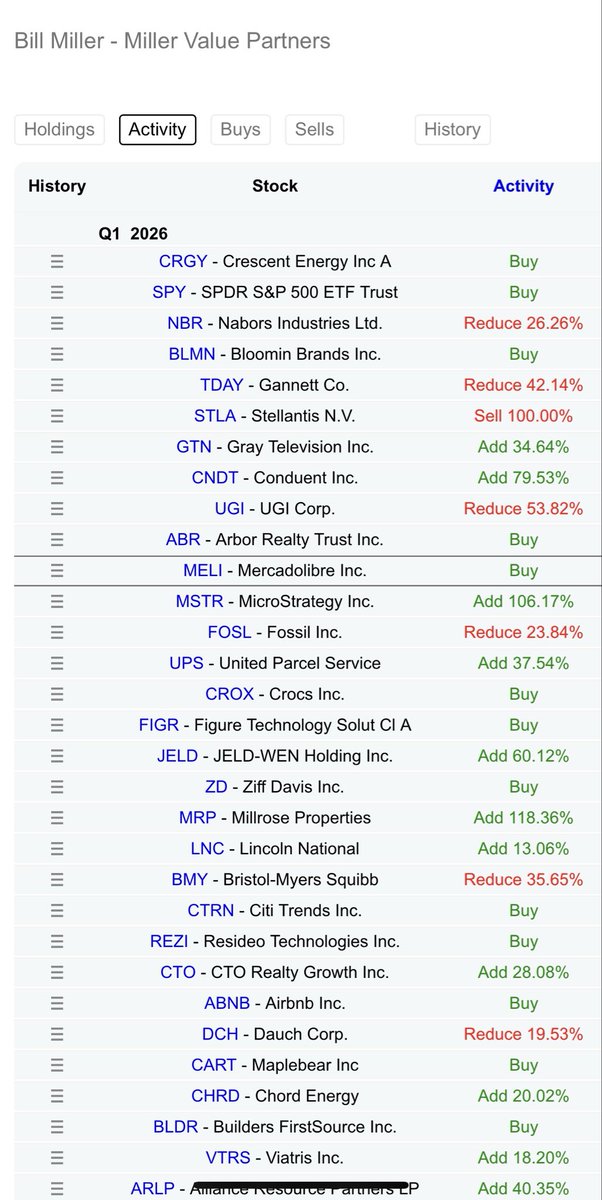
1/2 On MercadoLibre $MELI
𝐓𝐡𝐞 𝐪𝐮𝐚𝐫𝐭𝐞𝐫𝐥𝐲 𝐄𝐏𝐒 𝐣𝐮𝐧𝐤𝐢𝐞𝐬 𝐬𝐞𝐞 𝐚 𝐦𝐢𝐬𝐬. 𝐓𝐡𝐞 𝐥𝐨𝐧𝐠-𝐭𝐞𝐫𝐦 𝐢𝐧𝐯𝐞𝐬𝐭𝐨𝐫 𝐬𝐞𝐞𝐬 𝐚 𝐰𝐢𝐝𝐞𝐧𝐢𝐧𝐠 𝐦𝐨𝐚𝐭.
$MELI stock dropped after Q1 2026 earnings. Income from operations fell -20% YoY. Operating margin compressed 600 basis points to 6.91%. EPS missed expectations.
From the shareholder letter — in management’s own words:
“𝙒𝙚 𝙘𝙝𝙤𝙨𝙚 𝙩𝙤 𝙥𝙧𝙞𝙤𝙧𝙞𝙩𝙞𝙯𝙚 𝙡𝙤𝙣𝙜-𝙩𝙚𝙧𝙢 𝙜𝙧𝙤𝙬𝙩𝙝 𝙞𝙣𝙫𝙚𝙨𝙩𝙢𝙚𝙣𝙩𝙨 𝙤𝙫𝙚𝙧 𝙨𝙝𝙤𝙧𝙩-𝙩𝙚𝙧𝙢 𝙥𝙧𝙤𝙛𝙞𝙩𝙖𝙗𝙞𝙡𝙞𝙩𝙮.”
“𝙒𝙝𝙚𝙣 𝙮𝙤𝙪𝙧 𝙗𝙪𝙨𝙞𝙣𝙚𝙨𝙨 𝙞𝙨 𝙗𝙚𝙝𝙖𝙫𝙞𝙣𝙜 𝙡𝙞𝙠𝙚 𝙩𝙝𝙞𝙨, 𝙬𝙚 𝙗𝙚𝙡𝙞𝙚𝙫𝙚 𝙩𝙝𝙚 𝙧𝙞𝙜𝙝𝙩 𝙧𝙚𝙨𝙥𝙤𝙣𝙨𝙚 𝙞𝙨 𝙣𝙤𝙩 𝙩𝙤 𝙝𝙖𝙧𝙫𝙚𝙨𝙩 — 𝙞𝙩 𝙞𝙨 𝙩𝙤 𝙞𝙣𝙫𝙚𝙨𝙩.”
AND
“𝙒𝙚 𝙝𝙖𝙫𝙚 𝙩𝙝𝙚 𝙖𝙗𝙞𝙡𝙞𝙩𝙮 𝙩𝙤 𝙙𝙞𝙖𝙡 𝙢𝙖𝙧𝙜𝙞𝙣𝙨 𝙪𝙥 𝙤𝙧 𝙙𝙤𝙬𝙣 𝙖𝙨 𝙘𝙞𝙧𝙘𝙪𝙢𝙨𝙩𝙖𝙣𝙘𝙚𝙨 𝙖𝙣𝙙 𝙤𝙥𝙥𝙤𝙧𝙩𝙪𝙣𝙞𝙩𝙞𝙚𝙨 𝙚𝙫𝙤𝙡𝙫𝙚. 𝙏𝙝𝙚 𝙨𝙖𝙢𝙚 𝙞𝙣𝙫𝙚𝙨𝙩𝙢𝙚𝙣𝙩𝙨 𝙩𝙝𝙖𝙩 𝙖𝙧𝙚 𝙘𝙤𝙢𝙥𝙧𝙚𝙨𝙨𝙞𝙣𝙜 𝙢𝙖𝙧𝙜𝙞𝙣𝙨 𝙩𝙤𝙙𝙖𝙮 𝙖𝙧𝙚 𝙗𝙪𝙞𝙡𝙙𝙞𝙣𝙜 𝙩𝙝𝙚 𝙥𝙡𝙖𝙩𝙛𝙤𝙧𝙢, 𝙩𝙝𝙚 𝙪𝙨𝙚𝙧 𝙗𝙖𝙨𝙚, 𝙖𝙣𝙙 𝙩𝙝𝙚 𝙘𝙤𝙢𝙥𝙚𝙩𝙞𝙩𝙞𝙫𝙚 𝙢𝙤𝙖𝙩𝙨 𝙩𝙝𝙖𝙩 𝙬𝙚 𝙗𝙚𝙡𝙞𝙚𝙫𝙚 𝙬𝙞𝙡𝙡 𝙙𝙧𝙞𝙫𝙚 𝙢𝙖𝙧𝙜𝙞𝙣𝙨 𝙖𝙣𝙙 𝙘𝙖𝙨𝙝 𝙛𝙡𝙤𝙬 𝙨𝙞𝙜𝙣𝙞𝙛𝙞𝙘𝙖𝙣𝙩𝙡𝙮 𝙝𝙞𝙜𝙝𝙚𝙧 𝙤𝙫𝙚𝙧 𝙩𝙞𝙢𝙚.”
Please read that again.
Management is telling you explicitly: we could be more profitable today. We are CHOOSING not to be.
This is not a business struggling with profitability. This is a business managing its profitability — deliberately suppressing margins to widen the moat while the opportunity window is open.
𝐓𝐡𝐞 𝐫𝐞𝐬𝐮𝐥𝐭𝐬 𝐨𝐟 𝐭𝐡𝐚𝐭 𝐜𝐡𝐨𝐢𝐜𝐞 𝐚𝐫𝐞 𝐯𝐢𝐬𝐢𝐛𝐥𝐞 in the same quarter the market punished:
→ Revenue grew 49% — the fastest pace in nearly four years
→ Items sold growth in Brazil doubled from 26% to 56% in nine months
→ Unique buyer growth in Brazil hit 32% — the fastest in five years
→ Advertising revenue grew 73% YoY
→ Credit card portfolio grew 104% YoY
→ Unit shipping costs in Brazil fell 17% — accelerating from 11% last quarter
→ Conversion, frequency, retention and NPS in Brazil are all at record highs
Quite the result, no?
𝐍𝐢𝐜𝐤 𝐒𝐥𝐞𝐞𝐩 wrote about this exact dynamic twenty years ago when analyzing $COST for his Nomad Partnership. Costco’s net margin was 1.7% — a fraction of Walmart’s 3.6%.
Wall Street applied three heuristics: “the company has low margins,” “it’s expensive,” and “Costco has a cost problem.”
Sleep saw the opposite. He saw a 𝐛𝐮𝐬𝐢𝐧𝐞𝐬𝐬 𝐭𝐡𝐚𝐭 𝐰𝐚𝐬 𝐝𝐞𝐥𝐢𝐛𝐞𝐫𝐚𝐭𝐞𝐥𝐲 𝐝𝐞𝐟𝐞𝐫𝐫𝐢𝐧𝐠 𝐩𝐫𝐨𝐟𝐢𝐭𝐬 𝐭𝐨 𝐞𝐱𝐭𝐞𝐧𝐝 𝐭𝐡𝐞 𝐥𝐢𝐟𝐞 𝐨𝐟 𝐭𝐡𝐞 𝐟𝐫𝐚𝐧𝐜𝐡𝐢𝐬𝐞 — passing scale economics back to customers in the form of lower prices, which deepened loyalty, which drove volume, which funded more price reductions. He called it the robustness ratio: the share of economic benefits going to customers and employees versus shareholders. Costco’s was 5:1. Five dollars reinvested in the competitive position for every one dollar flowing to shareholders.
Sleep’s conclusion was simple: the low margin was the moat. The under-earning was the opportunity. And the investors who couldn’t see past the income statement were systematically mispricing one of the greatest compounders of the last 25 years. He wrote that what Wall Street wanted — for Costco to tilt the ratio toward shareholders to satisfy the “quarterly EPS junkies” — would actually weaken the business, not strengthen it.
Bezos understood the same thing at Amazon. For over a decade $AMZN reported near-zero net income while reinvesting every dollar into logistics, Prime, and AWS. Wall Street asked the same question every quarter: when will this company become profitable? The answer was always the same: when we CHOOSE to be. The margin was there. The decision was to deploy it into infrastructure that would make the business impossible to compete with.