Parasite - The Journal

11.1K posts

Parasite - The Journal banner
Parasite - The Journal

Parasite - The Journal

@ParasiteJournal

Parasite: An international open-access, peer-reviewed, online journal publishing parasitology. Tweets from Editor, Jean-Lou Justine. 2023 Impact Factor: 2.4

Paris, France Katılım Aralık 2012
213 Takip Edilen5.1K Takipçiler
Parasite - The Journal
Parasite - The Journal@ParasiteJournal·
New paper today: Prevalence and risk factors of human trichostrongylosis in Satun, southern Thailand doi.org/10.1051/parasi… Abstract: Trichostrongylus spp., zoonotic soil-transmitted nematodes, affect both livestock and humans globally. In Thailand, human trichostrongylosis has been reported, but no systematic study examining livestock and humans in the same locality has been conducted. This study aimed to address this gap in Satun Province, southern Thailand by characterizing the disease’s epidemiologic status among livestock, farmers, and the environment using both microscopic and molecular techniques. Human risk factors were assessed via questionnaires. Stool samples were collected from livestock farmers, their families, and herbivores in Nongkhai, Ratchaburi, and Satun Provinces. Vegetable samples were also obtained from households and local markets. Human and livestock feces were examined using the modified Kato–Katz method and a Mini Parasep® solvent-free fecal parasite concentrator. Total DNA was then extracted from fecal and vegetable sediments, and a 211 bp fragment of the ribosomal internal transcribed spacer 2 (ITS2) gene was amplified using a polymerase chain reaction (PCR). PCR products were digested with HinfI and analyzed via electrophoresis to identify Trichostrongylus species. In Satun, Trichostrongylus colubriformis monoinfection was found in 12 of 221 (5.4%) residents, while co-infection with T. colubriformis and T. axei occurred in 3 (1.4%). Herbivore feces and vegetable sediments from Satun also tested positive. No human cases were found in Nongkhai or Ratchaburi. Risk factors included education level, occupation, and outdoor toilet use. Most infected individuals in Satun were asymptomatic. Despite this, public health interventions should be implemented, targeting the human–livestock–environment interface to control the disease effectively.
Parasite - The Journal tweet media
English
0
3
7
168
Parasite - The Journal
Parasite - The Journal@ParasiteJournal·
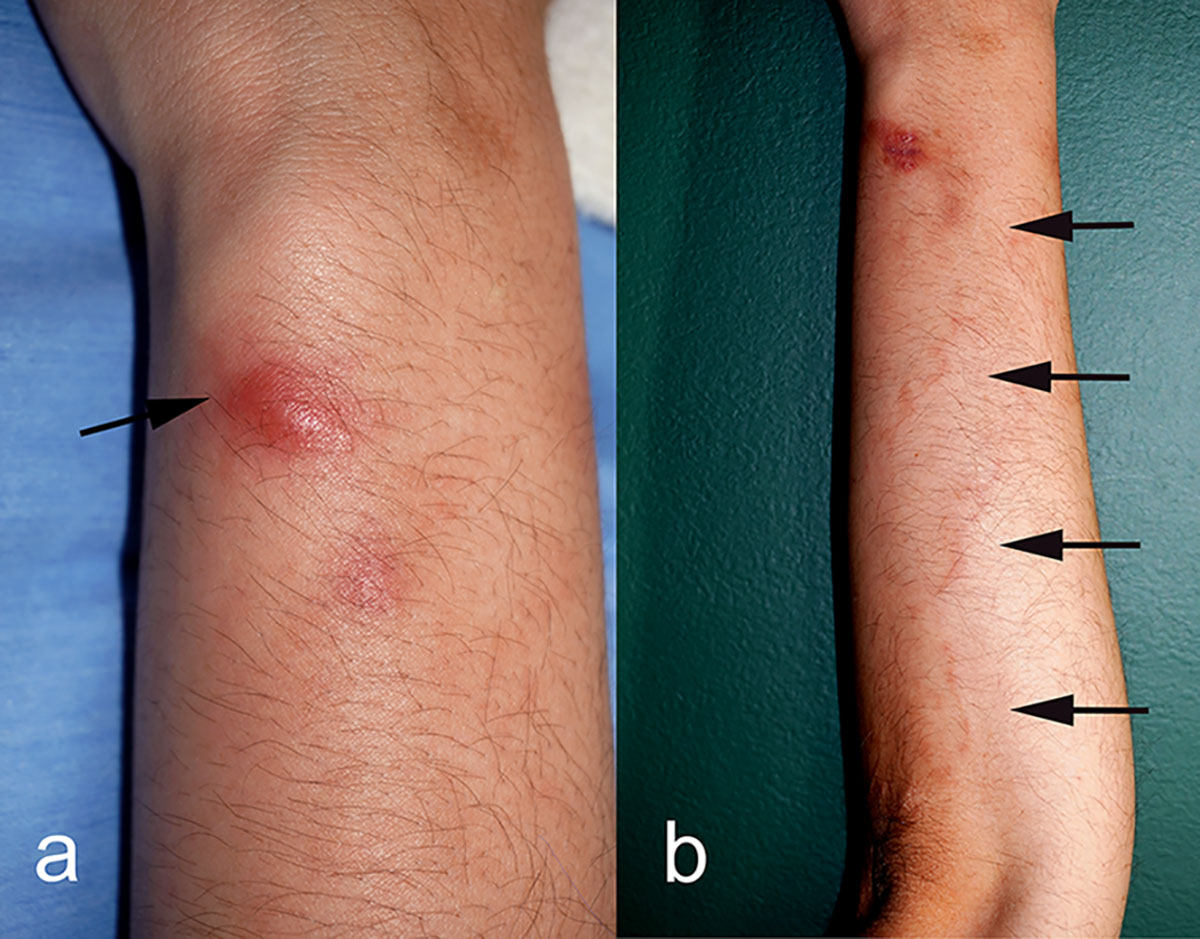
New paper today: Zoonotic cutaneous leishmaniasis caused by Leishmania major: Do humans play a role in amplifying transmission? doi.org/10.1051/parasi… Abstract: Zoonotic cutaneous leishmaniasis (ZCL) caused by Leishmania (L.) major is the most widespread form of CL worldwide, with hundreds of thousands of cases annually. It is associated with significant morbidity and economic burden, particularly in North Africa and the Middle East. For over a century, the zoonotic transmission of ZCL, involving wild gerbils (Muridae: Gerbillinae) as the reservoir and Phlebotomus (Ph.) papatasi as the vector, has been considered an established fact, with no contradictory debate. However, the pronounced endophilic and anthropophilic behaviors of Ph. papatasi, the exposure of multiple and large lesions, although with relatively limited persistence, to sandflies during their seasonal activity, and the simultaneous detection of human and L. major DNA within the vector, suggest a contribution of humans to the parasite cycle. Conversely, the high incidence of the disease in anthropized foci and the high prevalence of family cases highlight the role of humans in amplifying transmission. The experiments carried out by Adler and Theodor in the 1920s in Palestine and the more recent studies done by Fatemi et al. (2018) in Iran that identified L. major infectious metacyclic forms in Ph. papatasi fed on ZCL lesions reinforce this hypothesis. Additional xenodiagnoses-based approaches could provide definitive answers and lead to better management and control of ZCL, leading to a recommendation of updated preventive measures at the household level. This review aims to report on what is currently known about the zoonotic transmission of L. major, and to develop arguments supporting the hypothesis that humans play a potential role as “reservoir host” of the parasite, albeit a complementary one.
Parasite - The Journal tweet media
English
0
5
13
205
Parasite - The Journal
Parasite - The Journal@ParasiteJournal·
New paper now in press: Deciphering Trypanosoma lainsoni kDNA minicircles: insights into genetic diversity, mRNA editing, and molecular diagnosis Soon...parasite-journal.org
Parasite - The Journal tweet media
English
0
0
3
94
Parasite - The Journal
Parasite - The Journal@ParasiteJournal·
New paper in press: Evaluating BG-Sentinel trap setting as an effective surveillance tool for mosquito vectors in the Republic of Cyprus 🇨🇾🦟 Soon... parasite-journal.org
Parasite - The Journal tweet media
English
0
1
4
134
Parasite - The Journal
Parasite - The Journal@ParasiteJournal·
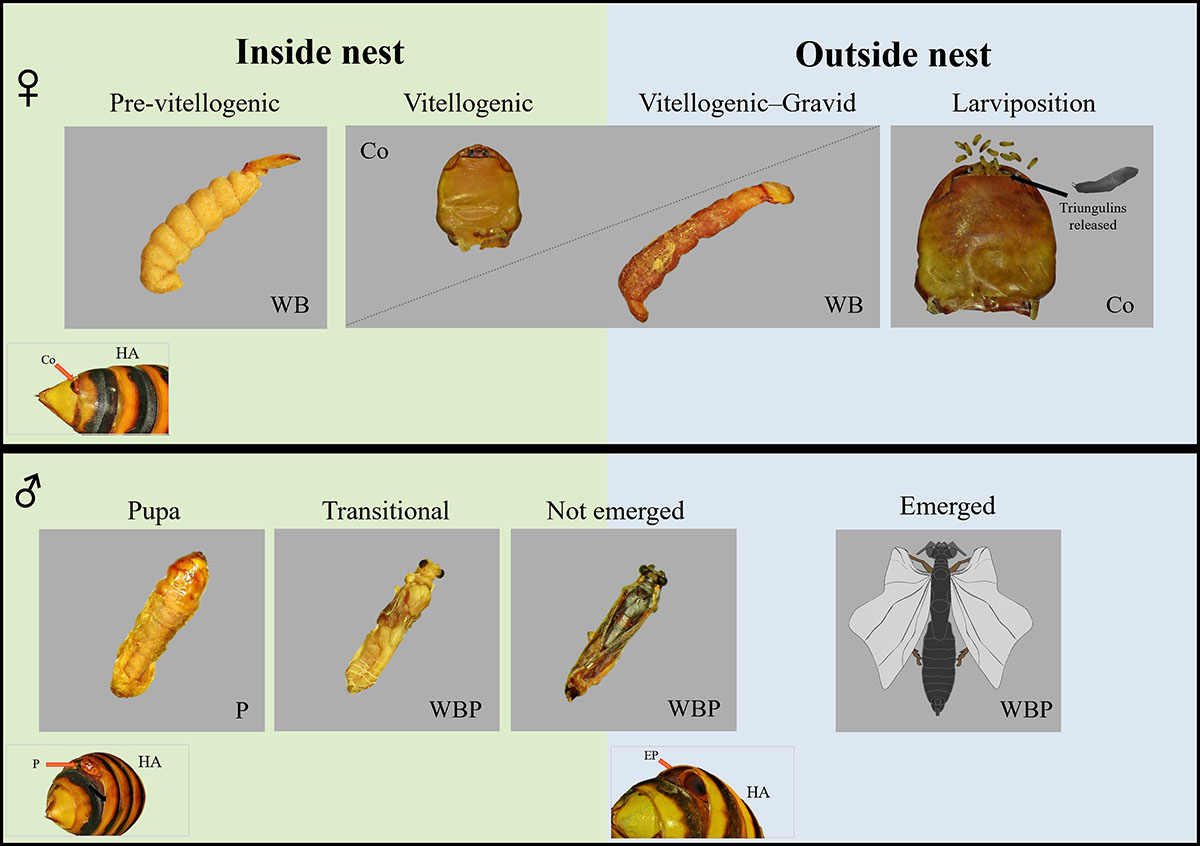
New paper today: Phenology and parasitism rates of Xenos oxyodontes and Xenos moutoni (Strepsiptera: Xenidae) in Vespa (Hymenoptera: Vespidae) in South Korea 🇰🇷🪰 doi.org/10.1051/parasi… Abstract: The long-term seasonal parasitism patterns, hereafter referred to as stylopization, and within-nest developmental stage distributions of Vespa-associated Xenidae (Strepsiptera) remain poorly characterized in South Korea. We compiled 15 years of data (2008–2023) based on trapped Vespa individuals from multiple regions and quantified stylopization rates for two Xenidae species, Xenos oxyodontes and Xenos moutoni, based on diagnostic characters visible on stylopized hosts. Seasonal occurrence was summarized primarily from female Xenos specimens, which can be identified to species, and host-association patterns were assessed where possible. To complement the trap-based records, we dissected 22 Vespa analis colonies collected in September 2020 and documented strepsipteran developmental stages within the nests. Across 39,610 examined host individuals, stylopization rates and seasonal occurrence differed between the two Xenos species and among host taxa, indicating distinct host-use and temporal activity patterns. Importantly, the nest dissections provided direct observations of late-season developmental stage compositions, enabling us to compare within-nest reproductive/developmental stages to those inferred from trap-detected stylopized hosts. This comparison revealed that key reproductive-stage information may not be captured by trap records alone. Thus, integrating long-term trap data with nest-level observations can clarify species-specific phenology and developmental/reproductive stage distributions in Vespa-associated Xenidae, providing a better empirical context for interpreting stylopization intensity and developmental timing in field populations.
Parasite - The Journal tweet media
English
0
6
13
411
Parasite - The Journal
Parasite - The Journal@ParasiteJournal·
𝗣𝗿𝗼𝗰𝗲𝘀𝘀𝗶𝗻𝗴 𝗮𝗻𝗱 𝗺𝗼𝘂𝗻𝘁𝗶𝗻𝗴 𝗽𝗵𝗹𝗲𝗯𝗼𝘁𝗼𝗺𝗶𝗻𝗲 𝘀𝗮𝗻𝗱 𝗳𝗹𝗶𝗲𝘀: 𝗮 𝗰𝗼𝗻𝘀𝗲𝗻𝘀𝘂𝘀 𝗴𝘂𝗶𝗱𝗲𝗹𝗶𝗻𝗲 This exceptional article (63 authors, 5 movies) is available in 35 languages. The GIF below shows only fifteen of them... #openaccess 🔗: doi.org/10.1051/parasi…
GIF
English
0
3
10
291
Parasite - The Journal
Parasite - The Journal@ParasiteJournal·
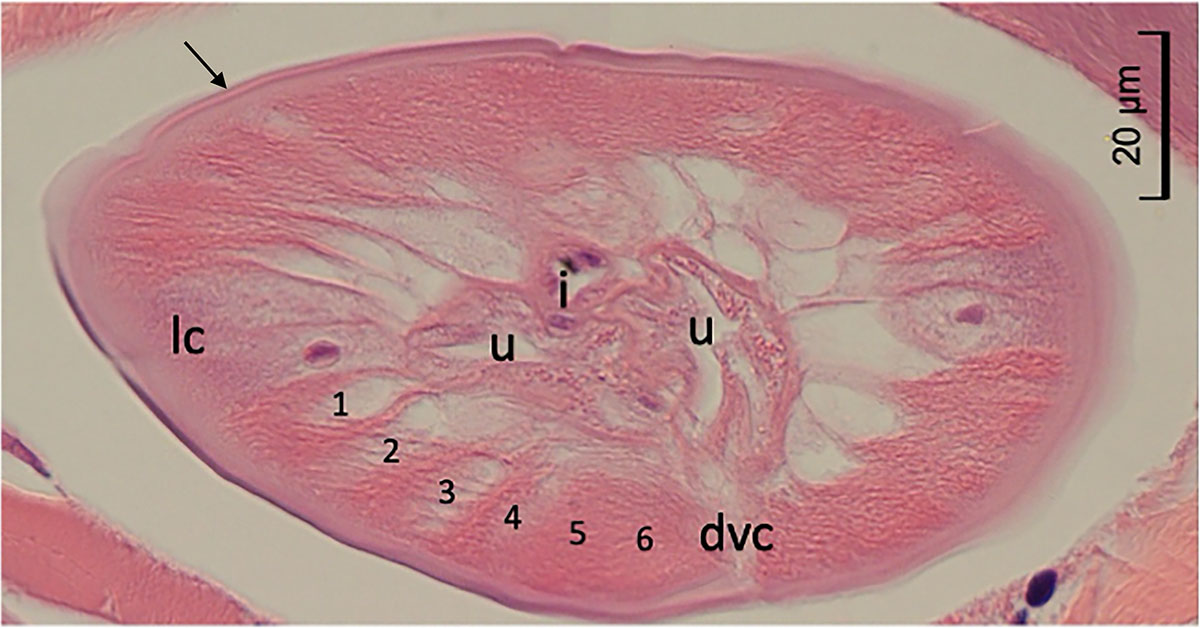
New paper now in press: From Asia to Europe: epidemiology, genetic diversity, and One Health implications of Thelazia callipaeda Soon... parasite-journal.org Abstract: Thelazia callipaeda, commonly known as the oriental eyeworm, is a vector-borne parasitic nematode that infects the ocular tissues of a wide range of mammalian hosts, including dogs, cats, wildlife, and humans. Historically confined to East and Southeast Asia, T. callipaeda has emerged over the past 2 decades as a significant zoonotic parasite in Europe, with an expanding geographic distribution driven by the spread of lachryphagous drosophilid fruit fly vectors of the genus Phortica. This review synthesizes current knowledge on the taxonomy, epidemiology, biology, genetic diversity, pathogenesis, and control of T. callipaeda, with particular emphasis on its One Health relevance. Molecular studies reveal low but structured genetic variability, characterised by a single predominant haplotype circulating in Europe and high haplotype diversity in Asian populations, reflecting long-term endemicity and distinct transmission dynamics. Clinically, infection can result in ocular irritation ranging from mild conjunctivitis to severe keratitis and corneal ulceration, with dogs acting as the primary domestic reservoir and wildlife sustaining sylvatic transmission cycles. Human infections, though underreported, are increasingly recognised and pose a growing public health concern. Effective management relies on mechanical worm removal, macrocyclic lactone treatment and prevention, and integrated surveillance of animal hosts and vectors. Given the influence of climate change, animal mobility, and environmental factors on vector ecology, coordinated One Health strategies are essential to mitigate the continued spread and zoonotic impact of this emerging eyeworm.
Parasite - The Journal tweet media
English
0
6
16
613
Parasite - The Journal
Parasite - The Journal@ParasiteJournal·
Since #hantavirus is currently a trending topic, here is a description of Stilestrongylus manni, a nematode parasite of the long-tailed pygmy rice rat. Published 2010. Completely unrelated to virus transmission! doi.org/10.1051/parasi…
Parasite - The Journal tweet media
English
0
4
9
353
Parasite - The Journal retweetledi
Société Française de Parasitologie
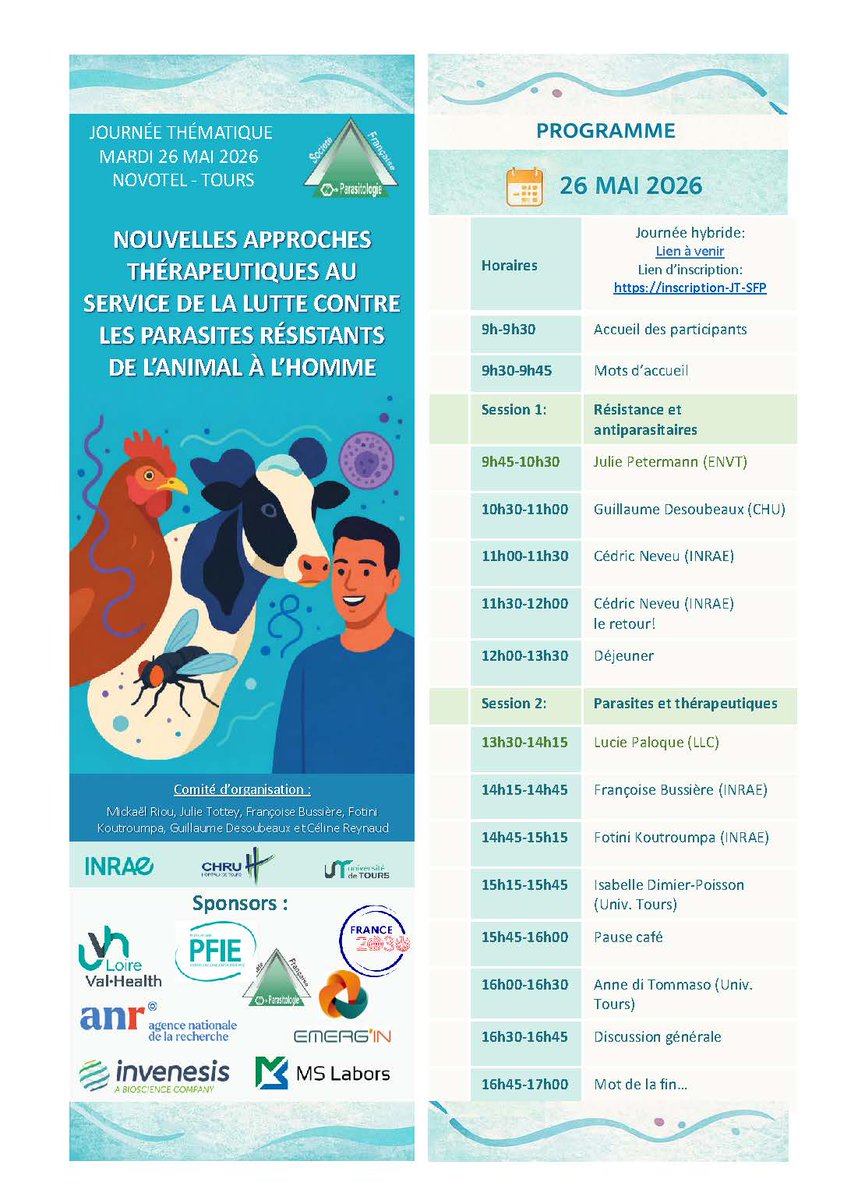
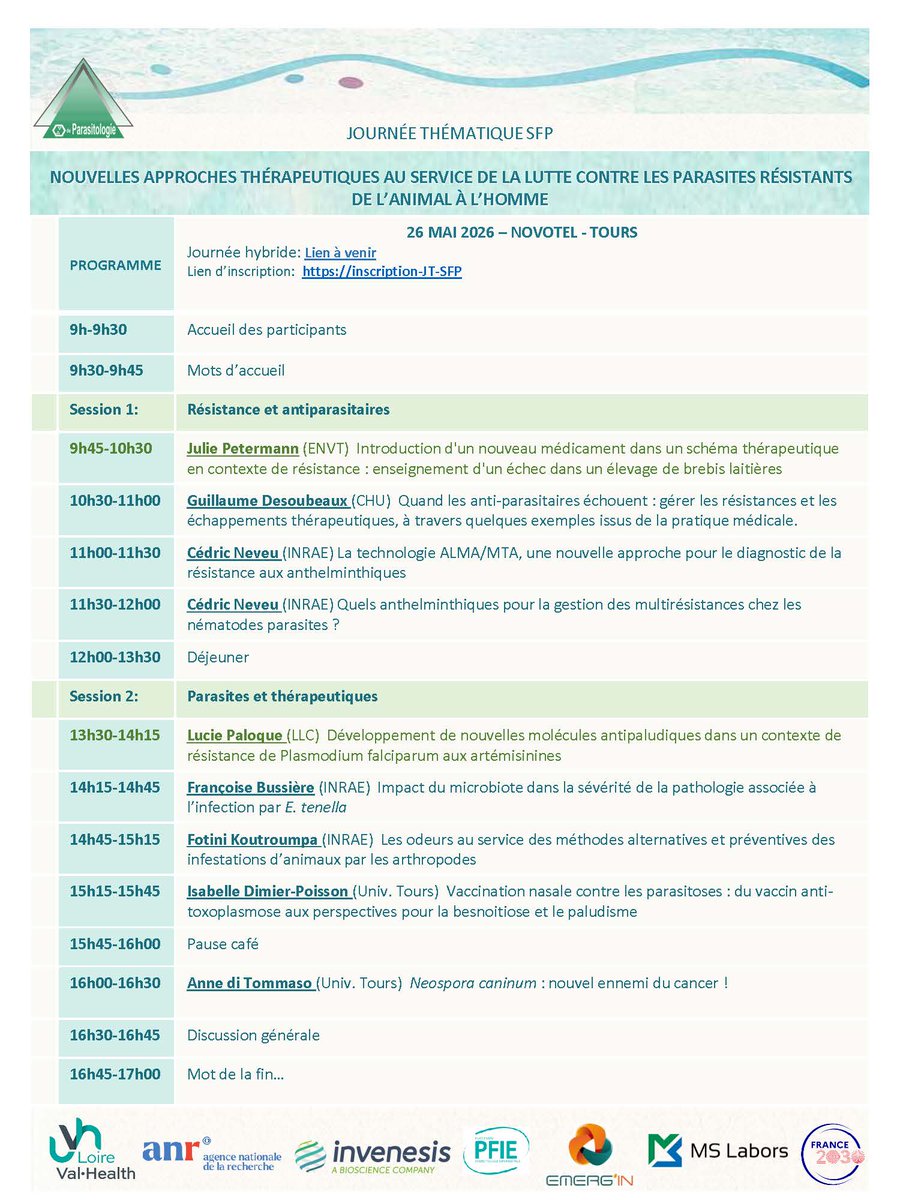
Première journée thématique gratuite de la SFP: 𝗡𝗼𝘂𝘃𝗲𝗹𝗹𝗲𝘀 𝗮𝗽𝗽𝗿𝗼𝗰𝗵𝗲𝘀 𝘁𝗵𝗲́𝗿𝗮𝗽𝗲𝘂𝘁𝗶𝗾𝘂𝗲𝘀 𝗮𝘂 𝘀𝗲𝗿𝘃𝗶𝗰𝗲 𝗱𝗲 𝗹𝗮 𝗹𝘂𝘁𝘁𝗲 𝗰𝗼𝗻𝘁𝗿𝗲 𝗹𝗲𝘀 𝗽𝗮𝗿𝗮𝘀𝗶𝘁𝗲𝘀 𝗿𝗲́𝘀𝗶𝘀𝘁𝗮𝗻𝘁𝘀 𝗱𝗲 𝗹’𝗮𝗻𝗶𝗺𝗮𝗹 𝗮̀ 𝗹’𝗵𝗼𝗺𝗺𝗲. Mardi 26 mai 2026 Inscription: sondages.inrae.fr/index.php/1771…
Société Française de Parasitologie tweet mediaSociété Française de Parasitologie tweet media
Français
0
5
4
155
Parasite - The Journal
Parasite - The Journal@ParasiteJournal·
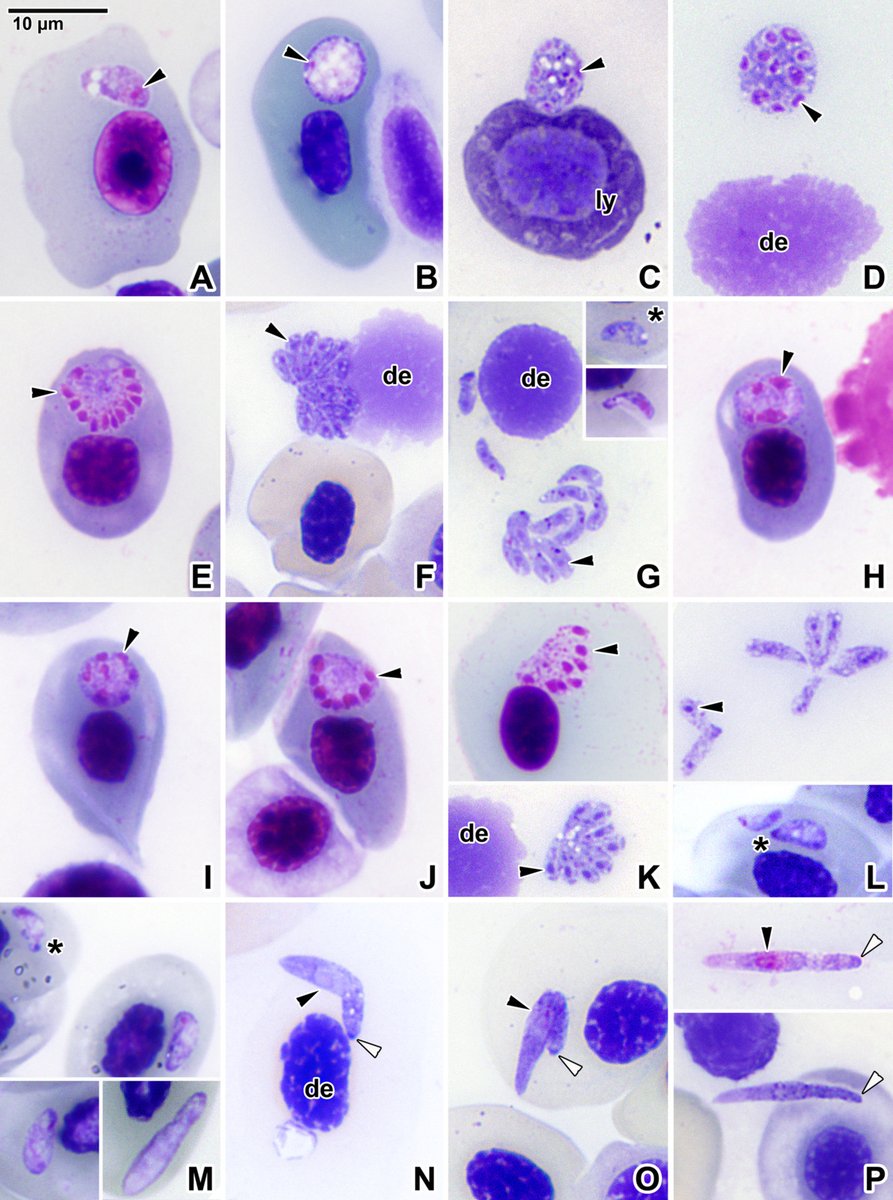
New paper now in press in Parasite: An integrative assessment of Dactylosoma cf. ranarum (Apicomplexa: Dactylosomatidae) from Pelophylax Water Frogs Soon... parasite-journal.org
Parasite - The Journal tweet media
English
0
3
13
320