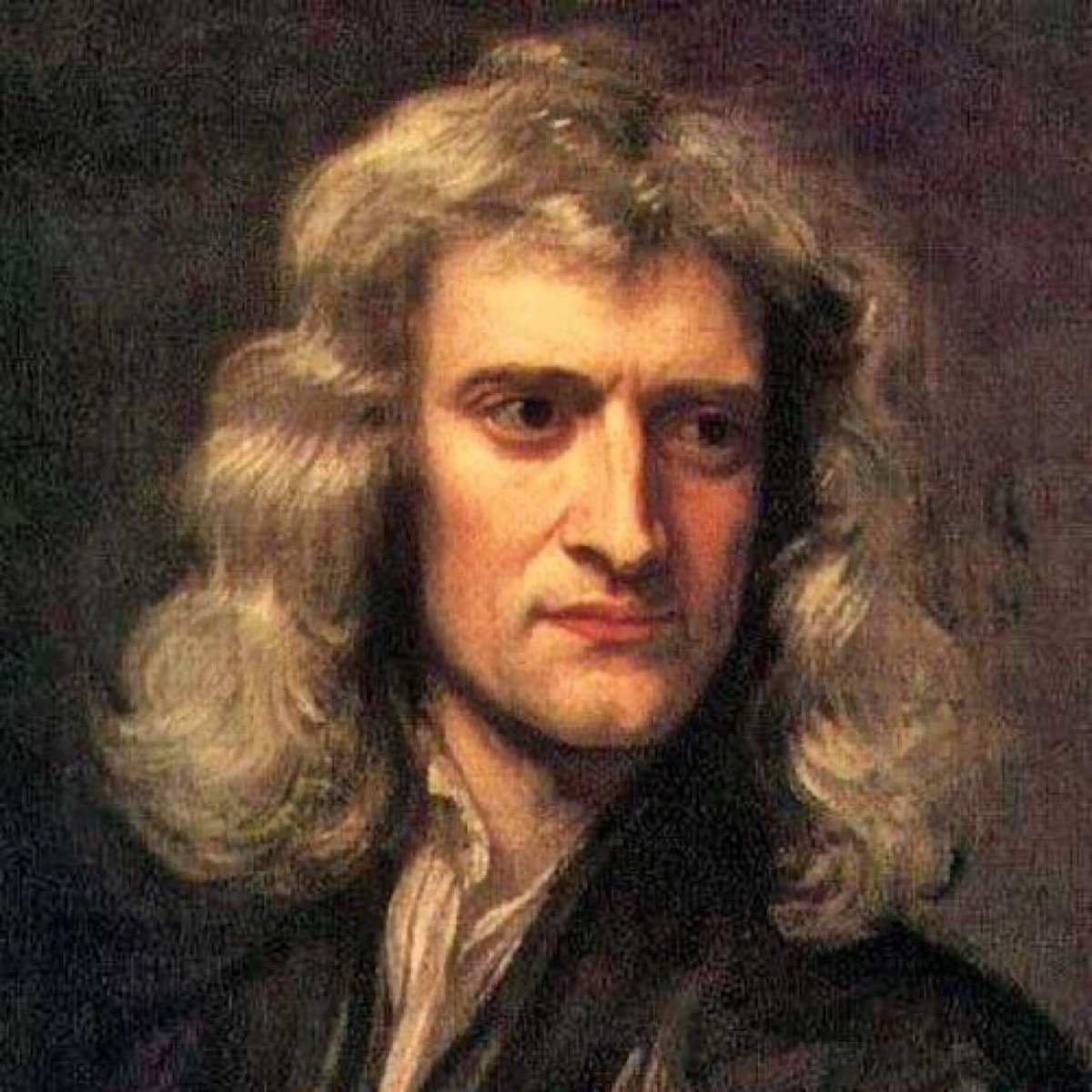
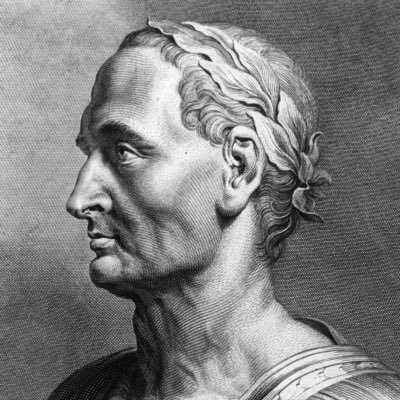
“Gravity explains the motions of the planets, but it cannot explain who sets the planets in motion”🪐
Isaac Newton, one of history's most renowned scientists, is often celebrated for his monumental contributions to physics and mathematics, particularly his laws of motion and universal gravitation. However, a lesser-known but significant aspect of his life was his profound religious belief and the extensive body of his work dedicated to theology.
Newton's belief in God was deeply intertwined with his scientific observations. He saw the universe as a complex, orderly system that could not have arisen by chance, leading him to conclude it was designed by a rational, omnipotent being. Newton argued that the intricate laws of nature and the precise structure of the cosmos pointed to a deliberate Designer. He famously remarked, "In the absence of any other proof, the thumb alone would convince me of God's existence," highlighting his view that even the smallest aspects of nature demonstrated divine craftsmanship. Newton also believed in the necessity of a First Cause, seeing God as the prime mover who set everything into motion and sustained the universe.
Many modern observers find it surprising that Newton, a paragon of rationalism and the Enlightenment, devoted so much intellectual energy to theology. This surprise stems from the contemporary tendency to separate science from religion. However, in Newton's time, the boundaries between science and religion were fluid. Scholars like Newton saw their scientific work as a way to glorify God by uncovering the divine laws governing the natural world.
On August 10, 24-year-old model Maecee Marie Lathers caused a massive wreck in Miami after crashing her sports car into two other vehicles, resulting in the deaths of two motorists. She attributed the crash to 'pink cocaine,' claiming it made her believe she was from the future.
Police found Lathers vomiting by the roadside, where bystanders had prevented her from fleeing on foot.
In April 2023, Texas high school teacher Sherri Moody underwent a quadruple amputation after her limbs turned black and became "mummified."
The situation began during a class trip when Moody experienced symptoms resembling a common cold, which she initially dismissed. However, her condition rapidly worsened, leading to a high fever and difficulty breathing, prompting her to seek medical attention.
At the hospital, doctors diagnosed Moody with double pneumonia, a severe lung infection often caused by streptococcus, the same bacteria responsible for strep throat. Her body responded to the infection with septic shock, a critical condition that drastically lowers blood pressure and endangers life.
To save her life, doctors placed her in a coma and administered medication to restore blood flow to her vital organs, which inadvertently compromised circulation to her extremities.
After stabilizing her condition, medical professionals determined that amputating her limbs below the elbows and knees was necessary for her recovery.
8,000-Year-Old Female Statuette Unveils Neolithic Mysteries at Ulucak Höyük
A recent discovery at Ulucak Höyük, one of Turkey's most ancient farming villages, is casting new light on the enigmatic world of Neolithic communities. Archaeologists unearthed an 8,000-year-old female statuette, a unique find that stands out among the numerous figurines previously found at the site. This remarkable artifact, with its distinctive features, provides invaluable insights into the rituals, social structure, and daily life of the early inhabitants of this region.
Ulucak Höyük: A Window into Neolithic Life
Located in Izmir, Ulucak Höyük holds the distinction of being one of the earliest known farming villages in Turkey. Its continuous habitation for over 1,150 years, spanning 45 generations, offers archaeologists a rare glimpse into the evolution of human society during the Neolithic period. Led by Prof. Dr. Özlem Çevik, ongoing excavations at the site have yielded a treasure trove of artifacts, particularly pottery, that paint a vivid picture of the daily lives and cultural practices of these early inhabitants.
A Unique Female Statuette
This year's excavations yielded an extraordinary find: a clay female statuette, unlike any other discovered at Ulucak Höyük. Measuring a mere 8 to 10 centimeters, this remarkably well-preserved figurine is the sixth fully intact figure found at the site. What sets this statuette apart is its unique design - it is the first female figurine found at Ulucak Höyük with a clearly indicated mouth. Additionally, a hole in the neck suggests it might have been worn as a pendant, further emphasizing its significance.
Unraveling the Statuette's Significance
The placement and condition of the statuette provide clues about its possible role in Neolithic society. Similar figurines have been found in various domestic contexts, suggesting they were not merely decorative but held deeper cultural and ritual significance. Prof. Dr. Çevik proposes that this female figure might represent a revered individual within the community, possibly someone responsible for storytelling or transmitting cultural knowledge and spiritual beliefs.
The presence of the hole in the neck suggests the statuette might have been worn as a talisman, perhaps to invoke protection, fertility, or prosperity. Its association with domestic spaces and essential tools hints at its role in rituals related to home life and the well-being of the household.
Continuing the Journey of Discovery
The excavations at Ulucak Höyük continue to unveil new facets of Neolithic life. Each season brings fresh discoveries that expand our understanding of early human societies. While pottery and other artifacts provide evidence of technological and cultural advancements, finds like this female statuette offer a more intimate glimpse into the beliefs, rituals, and social dynamics of these ancient communities.
The Ulucak Höyük excavations serve as a reminder of the rich tapestry of human history and the enduring power of archaeological discoveries to illuminate our past. As researchers continue to delve into the secrets of this ancient village, we can expect even more fascinating insights into the lives of our Neolithic ancestors.
The story of how the U.S. overthrew a government over bananas
The United Fruit Company( UFCO) which later became Chiquita Brands International, was a major American corporation with significant influence in Guatemala and several other Central and South American countries during the late 19th and early to mid-20th centuries. The company established itself as the dominant force in the global banana trade. It controlled vast banana plantations in countries like Guatemala, Honduras, Costa Rica, Colombia, and others. These plantations were often referred to as "banana republics" due to the immense influence the company held over local governments.
UFCO owned large tracts of land in the countries where it operated. This landownership gave the company immense power to dictate terms to local governments, often at the expense of small-scale farmers and indigenous communities. The company’s labor practices were often exploitative. It employed large numbers of local workers in its plantations and frequently resisted labor movements and unionization efforts. Workers endured harsh conditions and low wages, contributing to social unrest in many countries. It was said that at one point UFCO owned 50% of all farmable land in Guatemala tax free.
In the early 1950s one man, the democratically elected president of Guatemala Jacobo Árbenz, tried to change this. He wanted to implement progressive land reforms that aimed at helping poor Guatemalans escape poverty. These reforms however greatly threatened the UFCO’s immense power.
To protect their interests and investments the company sought support from the U.S. government. This coincided with the Cold War era, during which the United States was deeply concerned about the spread of communism. The U.S. government, fearing that Árbenz's government might be influenced by communism, decided to take action. This was despite the fact that Árbenz's was not a communist and all the reports linking him to communism were faked by the UFCO in order to convince the U.S. government to intervene.
In 1954, the CIA orchestrated a covert operation known as "Operation PBSUCCESS." It involved supporting Guatemalan exiles and military leaders opposed to Árbenz. Through a combination of psychological warfare, propaganda, and military support, the U.S. helped engineer a coup that ousted Árbenz from power. He was replaced by a pro-U.S. military junta that support the United Fruit Company’s interests.
The Wealthiest Empires in History
🏛️Roman Empire, (1st century): 25% to 30% of global output
🇨🇳Song Dynasty, (11th century): 25% to 30% of global output
🇮🇳Mughal Empire, (17th century): 25% of global output
🇬🇧British Empire, (18th century): 21% of global output
🇪🇸Spanish Empire, (16th century): 14% of global output
🇹🇷Ottoman Empire, (16th century): 10-12% of global output
People with most assassination attempts:
🇨🇺 Fidel Castro: 638
🇦🇱 Zog I: 55
🇩🇪 Adolf Hitler: 42
🇫🇷 Charles de Gaulle: 31
🇵🇸 Yasser Arafat: 13
🇬🇧 Queen Victoria: 8
🇷🇺 Alexander II: 6
🇺🇸 Abraham Lincoln: 5
🇱🇾 Muammar Gaddafi: 5
🇷🇺 Joseph Stalin: 4
🇷🇺 Vladimir Putin: 3
According to History Collection, RBTH
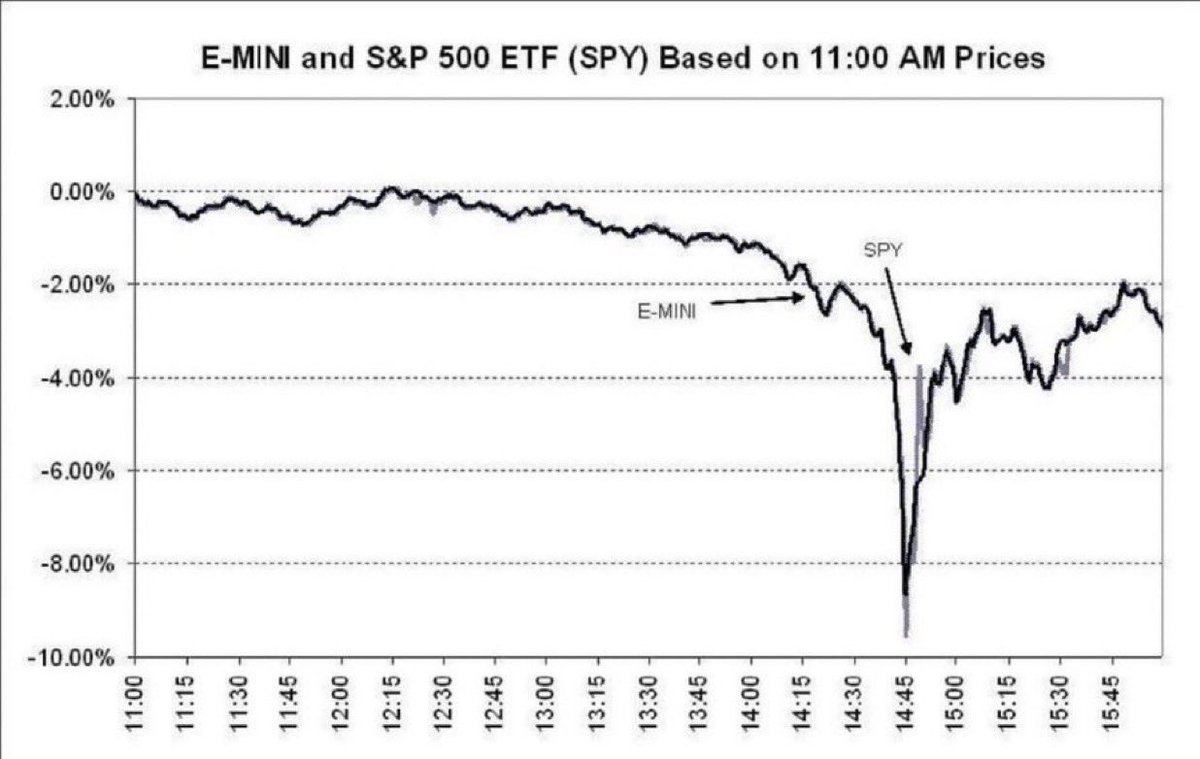
On May 6, 2010 the U.S. stock market lost approximately 1 trillion dollars in the span of only 15 minutes. The flash crash as it came to be called was later described as one of the most turbulent periods in the history of financial markets. The Dow Jones fell about a 1,000 points(9%) in a matter of minutes. The crash was caused by multiple reasons ranging from high frequency algorithms, technical communication glitches, and the evaporation of liquidity which occurring simultaneously caused this once in a lifetime event.
However despite this the crash ended fairly swiftly as markets rebounded by the end of the trading day, with the DJIA recovering most of its losses. But the event had lasting implications for financial markets. It led to the implementation of new market circuit breakers designed to halt trading during extreme price swings, highlighting the need for increased oversight of high-frequency trading practices and the importance of maintaining market liquidity to prevent future crashes of this magnitude.
Tesla’s Gambling Addiction 🃏♠️♥️
Born in 1856 in Smiljan, part of modern-day Croatia, Tesla showed early signs of brilliance. He excelled in mathematics and physics, and his exceptional memory and aptitude for learning earned him a reputation as a prodigy. In 1875, Tesla enrolled at the Austrian Polytechnic in Graz, where he initially thrived. He dedicated himself to his studies, attending lectures diligently and achieving high marks.
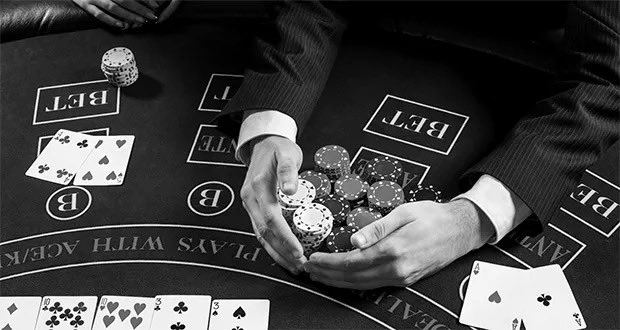
However, the rigorous demands of his academic pursuits soon took their toll. The pressure to maintain his high performance led Tesla to seek an outlet for his stress, and he found it in gambling. Initially, it was a harmless pastime, but it quickly spiraled into a compulsive habit. Tesla's gambling addiction grew to the point where he would spend entire nights at gambling tables, risking his tuition money and even pawning his belongings to finance his addiction.
This period of his life was marked by a significant decline in his academic performance. Tesla's attendance at lectures became sporadic, and he eventually dropped out of the Polytechnic in his third year. His family, particularly his father, was devastated by the news, which added to Tesla's sense of failure and guilt.
Despite the setbacks, Tesla's story did not end in despair. Recognizing the need for a fresh start, he moved to Budapest in 1881, where he worked for a telegraph company. This move marked the beginning of his recovery from gambling and the rekindling of his scientific ambitions. Tesla's ingenuity and hard work eventually led him to Paris, and later to the United States, where he made groundbreaking contributions to the field of electrical engineering.
Pink for Boys 👚 Blue for Girls 👕
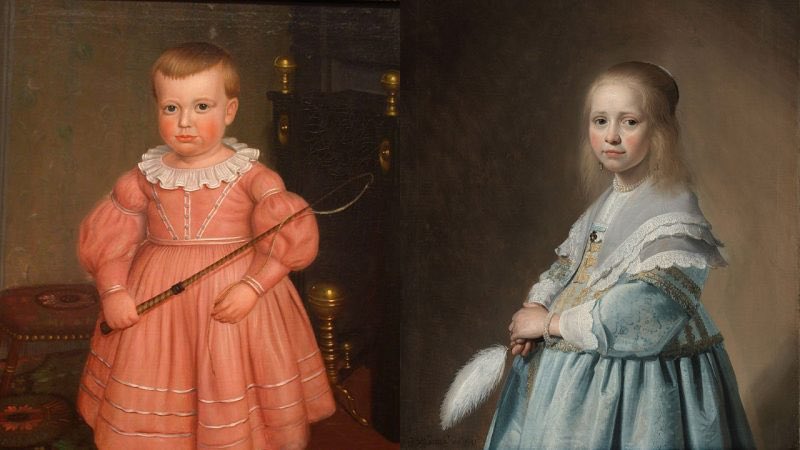
In the early 20th century, pink was for boys and blue was for girls, an idea that seems astonishing today. Pink, considered a stronger, more decisive color, suited boys, while blue, associated with the Virgin Mary's purity, was deemed perfect for girls. However, this all changed in the 1940s. As soldiers returned from World War II, society sought to reinforce traditional gender roles. Blue, already tied to military uniforms and male authority, became the color for boys. Meanwhile, pink's softness and nurturing connotations were marketed towards girls. Retailers and advertisers seized this shift, heavily promoting gender-specific products, and over time, the colors switched places in the public consciousness. This clever marketing strategy transformed our perception, embedding pink for girls and blue for boys into societal norms.
Largest Empires in History
🇬🇧British Empire- 35.5 million km^2, 27% of world population
🇲🇳Mongol Empire- 24 million km^2, 18% of world population
🇷🇺Russian Empire- 22.8 million km^2,
9% of world population
🇨🇳Qing dynasty- 14.7 million km^2, 5.6% of world population
🇪🇸Spanish Empire- 13.7 million km^2, 5.3% of world population
🇫🇷French Empire- 11.5 million km^2, 4.4% of world population
☪️Abbasid Caliphate- 11.1 million km^2, 4.3% of world population
"Ladies and gentlemen, I don't know whether you fully understand that I have just been shot, but it takes more than that to kill a Bull Moose." 🫎
These were the words said by the U.S. President just seconds before giving a 90 minute speech. 🎤
Theodore Roosevelt, the 26th President of the United States, was known for his robust personality, active lifestyle, and political career. On October 14, 1912, while campaigning for the presidency as a candidate for the Progressive Party (also known as the Bull Moose Party) in Milwaukee, Wisconsin, an attempt was made on his life.
As Roosevelt was preparing to deliver a speech outside the Gilpatrick Hotel, a saloonkeeper named John Schrank approached him in the crowd. Schrank, who was mentally unstable and had been harboring a grudge against Roosevelt, fired a .38-caliber revolver at Roosevelt from close range.
The bullet struck Roosevelt in the chest but was significantly slowed down by passing through the steel eyeglass case and a 50-page folded copy of his speech that was tucked inside his breast pocket. Despite feeling pain, Roosevelt refused to panic or allow the incident to disrupt his plans.
He stood up and declared to the crowd, "Ladies and gentlemen, I don't know whether you fully understand that I have just been shot, but it takes more than that to kill a Bull Moose." Displaying his bloodstained shirt and bullet-pierced speech, Roosevelt continued with his scheduled speech for around 90 minutes, addressing the crowd on the Progressive Party's principles and his political platform.
After finishing his speech, Roosevelt finally agreed to receive medical attention. He was rushed to the hospital, where it was discovered that the bullet had not penetrated deeply into his chest, as it had been slowed down by the items in his pocket. The bullet had lodged itself near his ribs but did not puncture his lung or penetrate his heart.
A masked man has been arrested after stabbing a British soldier 12 times with a 10-inch knife in broad daylight. The assailant then proceeded to lick the bloodied knife clean.
Witnesses reported hearing a 'blood-curdling scream' during the assault.
The attack occurred around 200 yards from the Brompton army Barracks in Gillingham, England. The 24-year-old local man was arrested, and multiple knives were confiscated.
The soldier was airlifted to a hospital where he remains in a serious but stable condition.
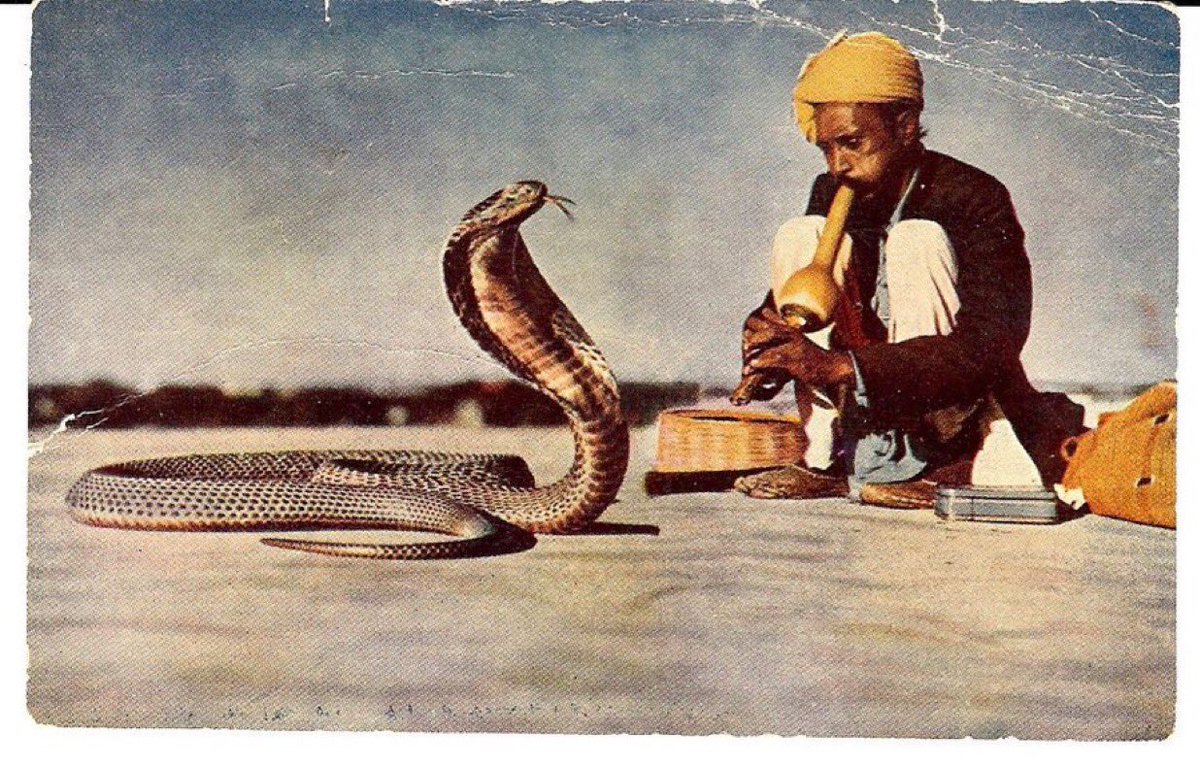
India’s Cobra Problem 🇮🇳🐍
Once upon a time in colonial India, Delhi had a cobra problem. The government's plan? Offer cash for every dead cobra. People got excited, but some got clever.
The cash prize for a dead cobra was much higher than the cost to breed them. So instead of hunting wild cobras, people started breeding them at home to claim more cash. When the government found out, they canceled the cash rewards. Now, stuck with lots of cobras and no money, these snake breeders set their slithery friends free.
Guess what happened? The cobra population skyrocketed. The government's plan to get rid of cobras backfired, teaching everyone a lesson: be careful with quick fixes, or you might end up with more problems than you started with.
On May 6, 2010 the U.S. stock market lost approximately 1 trillion dollars in the span of only 15 minutes. The flash crash as it came to be called was later described as one of the most turbulent periods in the history of financial markets. The Dow Jones fell about a 1,000 points(9%) in a matter of minutes. The crash was caused by multiple reasons ranging from high frequency algorithms, technical communication glitches, and the evaporation of liquidity which occurring simultaneously caused this once in a lifetime event.
However despite this the crash ended fairly swiftly as markets rebounded by the end of the trading day, with the DJIA recovering most of its losses. But the event had lasting implications for financial markets. It led to the implementation of new market circuit breakers designed to halt trading during extreme price swings, highlighting the need for increased oversight of high-frequency trading practices and the importance of maintaining market liquidity to prevent future crashes of this magnitude.
Alnwick Castle, located in the town of Alnwick in Northumberland, England, has a rich history dating back to the medieval period. It is one of the most iconic and well-preserved castles in the country, known for its stunning architecture and picturesque surroundings. Here is an overview of the history of Alnwick Castle:
Early History: The castle's history can be traced back to the Norman period, with the first parts of the castle believed to have been constructed around 1096 by Yves de Vescy, a Norman nobleman.Alnwick Castle was initially a wooden fortification, strategically built to defend against Scottish raids across the border.
Medieval Expansion: In the late 12th century, the wooden castle was rebuilt in stone by the de Vescy family. It was during this time that the castle began to take on the form that is recognizable today. The de Vescy family held the castle until 1297 when it was purchased by Henry Percy, the 1st Baron Percy, who became the first of the Percy family to reside at Alnwick. The Percys were powerful northern nobles and played significant roles in English history. They expanded and fortified the castle over the centuries, turning it into a formidable fortress. During the medieval period, Alnwick Castle was frequently involved in conflicts, particularly during the Wars of the Roses between the Houses of Lancaster and York. The Percys initially supported the Lancastrian cause but later switched sides to the Yorkists.
Tudor Era: In the 16th century, the castle underwent significant renovations under the supervision of Sir Henry Percy, the 6th Earl of Northumberland. He transformed it from a military fortress into a grand residence, reflecting the architectural styles of the time. Alnwick Castle became a center of culture and lavish entertainment during the Tudor era, hosting monarchs such as Henry VIII and Elizabeth I. The castle's grounds were also developed into beautiful gardens, featuring elaborate water features and landscaping.
Civil War and Later History: During the English Civil War in the 17th century, Alnwick Castle was garrisoned for the Royalists but eventually surrendered to Parliamentarian forces. As a result, it suffered some damage. In the 18th century, the castle underwent further renovations to make it more comfortable as a residence. The Percy family continued to live there, though they also owned other estates. In the 19th century, Algernon Percy, the 4th Duke of Northumberland, undertook extensive restoration work, preserving and enhancing the castle's medieval features. The Percy family continues to reside at Alnwick Castle to this day, and parts of the castle are open to the public, offering visitors a glimpse into its medieval and Tudor past.
Modern Times: Today, Alnwick Castle is not only a historic site but also a popular tourist attraction. It gained additional fame in recent years as one of the filming locations for the Harry Potter movies, standing in for Hogwarts School of Witchcraft and Wizardry. Visitors can explore the castle's impressive State Rooms, learn about its history in the museum, stroll through the beautifully landscaped gardens, and even participate in activities such as archery and broomstick training.